
May 13, 2026
How movers deal with surprise extra items
Almost every move includes at least a few surprise items. A forgotten closet shelf. The boxes in the garage that did not make it into the estimate. The spare mattress in the guest room. The exercise bike tucked behind storage bins. These extras feel small in the moment, but they can ripple through scheduling, truck space, labor time, and final cost if they are not handled correctly. Professional movers expect this to happen and rely on structured decision making rather than frustration or improvisation to keep the move stable.
The scale of the issue is larger than most people realize. Consumer moving surveys consistently show that a meaningful percentage of household moves end up exceeding the original inventory count. Industry estimates often place the frequency of added items between 20 and 40 percent of residential moves, especially when initial estimates were done remotely or before packing began. Human memory and visual estimation simply struggle with complex environments. Cognitive research shows that people routinely underestimate quantity and density when scanning cluttered spaces, especially storage areas such as garages, basements, and spare rooms.
Weight and volume amplify quickly. A single bookshelf filled with hardcovers can weigh more than 200 pounds. A medium box of books often weighs 40 to 50 pounds. A basic stationary bike can exceed 100 pounds. Add a few of these late in the process and the shipment weight can climb by several hundred pounds. Transportation economics research shows that fuel usage and braking demand increase proportionally with load weight, which directly affects operating cost and scheduling for carriers.
The first thing professional movers do when surprise items appear is pause and assess. They evaluate the physical size, weight, fragility, and handling complexity of the new items rather than reacting emotionally. This assessment determines whether the items can fit safely in the remaining truck space without compromising load stability or padding integrity. Transportation safety studies show that overloaded or tightly compressed loads experience higher vibration transmission and damage rates, which is why professional crews avoid forcing extra items into already optimized loads.
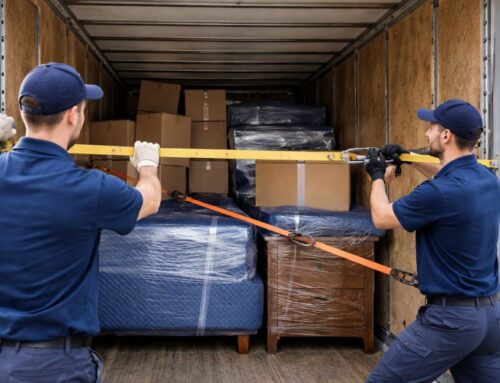
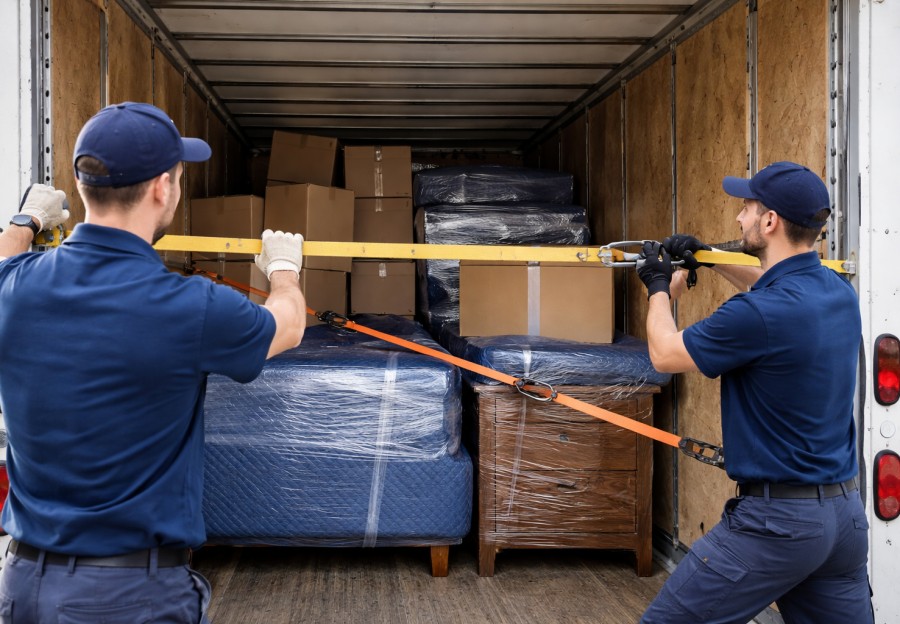
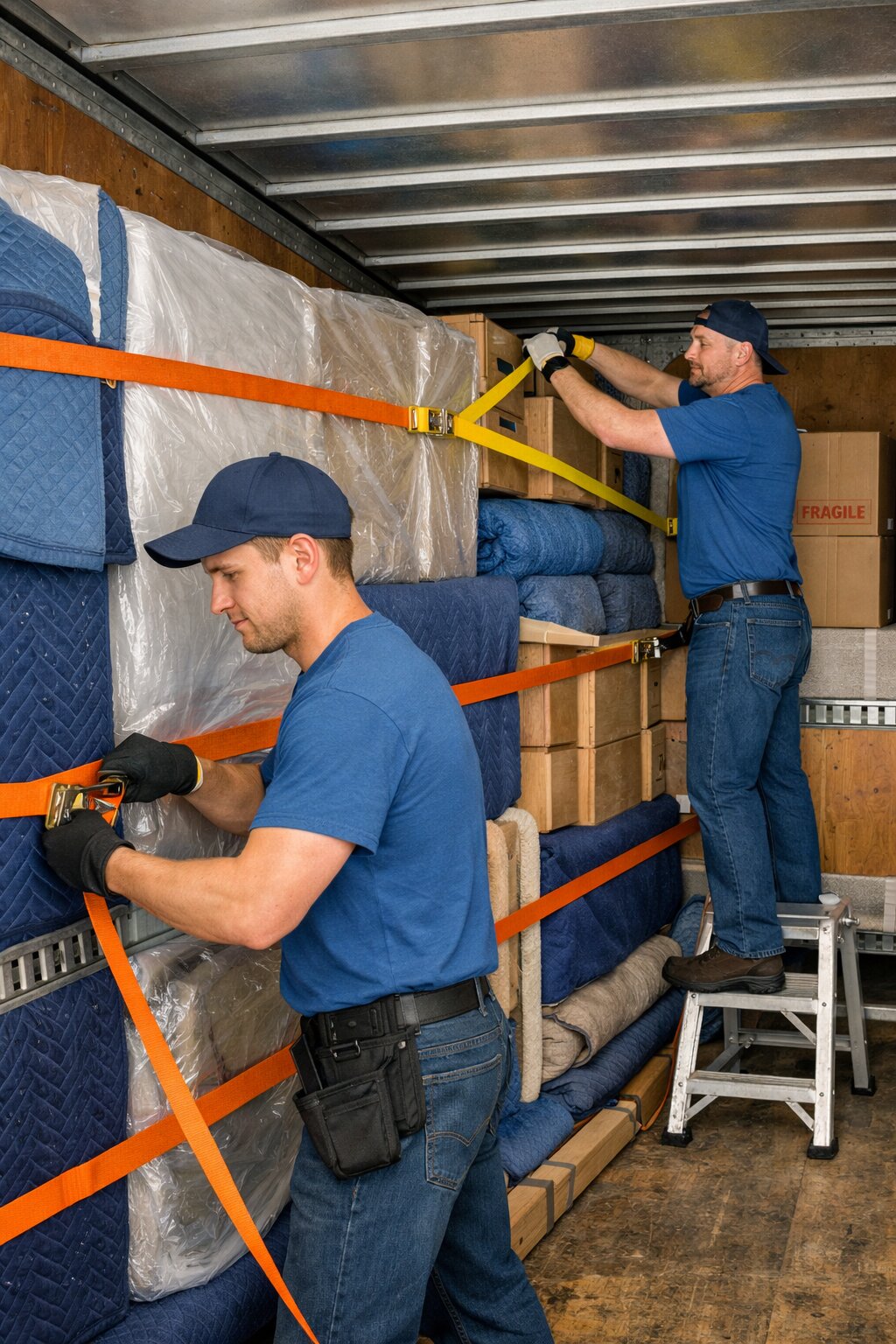
If space allows, movers integrate the items into the load plan carefully rather than simply stacking them on top. Load distribution matters for axle balance and braking performance. Federal highway regulations cap axle loads to protect road safety and infrastructure. Exceeding those limits can force a carrier to redistribute weight or delay departure. Movers may adjust placement so heavier surprise items ride low and centered to maintain stability and legal compliance.
If space does not allow safe integration, movers communicate options clearly. Depending on contract type and available resources, solutions may include dispatching a second truck, scheduling a follow up trip, or deferring certain items to storage or later delivery. Logistics planning models emphasize that maintaining safety margins often outweighs speed when unexpected variables appear. Rushed overloading increases damage risk and liability exposure.
Billing transparency becomes critical at this stage. Many long distance and interstate moves price by weight or volume. When additional items increase shipment size, the final cost adjusts accordingly. Consumer protection agencies report that many billing disputes stem not from fraud but from misunderstanding how variable weight pricing works. Professional movers document added items, update estimates when required, and explain cost impact before proceeding whenever possible. Transparency reduces conflict and preserves trust.
Labor impact also matters. Extra items increase handling time and fatigue. Ergonomics research shows that fatigue raises injury risk and slows productivity as the day progresses. A move scheduled for six hours may stretch into eight when surprise items appear. That can trigger overtime charges or rescheduling of subsequent jobs. Movers factor crew energy and safety into decisions rather than pushing through unsafely.
There is also a safety dimension for the household. Extra items often appear in less organized areas such as garages or storage rooms where paths may be cluttered and lighting weaker. Injury surveillance data shows that slips and trips increase in cluttered environments, especially during time pressure. Movers may take additional time to clear safe pathways before moving unexpected items rather than rushing.
From an equipment perspective, surprise items sometimes require tools or padding not staged initially. Large mirrors, fragile artwork, gym equipment, or outdoor furniture may need specialized wrapping or dollies. Packaging engineering studies show that improper cushioning increases impact transmission significantly. Movers may adjust material usage to maintain protection standards rather than compromising due to material shortages.
Climate sensitivity can surface unexpectedly as well. Items such as musical instruments, electronics, wine collections, or artwork may require special handling to limit temperature and humidity exposure. Vehicle interior temperature studies show that closed trucks can exceed outdoor temperatures by more than 20 degrees Celsius in direct sun. Movers may reposition such items toward the center of the load or advise alternate transport when feasible.
Communication with the customer stays calm and factual. Professional crews explain constraints, safety considerations, and cost implications rather than assigning blame. Behavioral research shows that clear rational explanations reduce emotional escalation during stressful situations. Most customers appreciate honesty when they understand the underlying logistics rather than feeling surprised later by a final invoice.
Documentation protects everyone. Added items are typically photographed or listed so there is a clear record of what changed. Claims data shows that documentation improves dispute resolution speed and reduces misunderstanding later.
From a scheduling standpoint, surprise items can affect delivery windows. Heavier or more complex loads may require additional unloading time. Driver hours are regulated for safety. Transportation safety rules limit daily driving and on duty time. If loading runs long due to added items, departure timing may shift. Movers manage these constraints carefully to remain compliant and avoid unsafe fatigue.
Environmental impact deserves mention too. Heavier shipments consume more fuel and generate higher emissions. Transportation energy studies consistently show that reducing weight reduces carbon output per mile. When customers understand this, many choose to downsize late additions voluntarily rather than shipping rarely used items.
There is a psychological side for customers as well. Late additions often stem from attachment or last minute indecision. Behavioral economics research shows that people delay decluttering decisions until forced by immediate deadlines. Movers encounter this frequently and approach it with empathy rather than frustration.
For homeowners, there are ways to minimize surprises. Walking through all storage spaces before the estimate, opening closets and cabinets, and listing specialty items improves accuracy. Updating movers when new purchases or packing changes occur keeps projections aligned. Storage industry data shows that garages alone often contain thousands of pounds of overlooked items in long term households.
For movers, training emphasizes flexibility without compromising safety. Crews learn to reassess load plans dynamically and communicate clearly under pressure. Human factors research shows that structured decision processes reduce error under changing conditions.
Financially, handling surprise items professionally protects both sides. Customers avoid unexpected last minute conflict. Movers avoid claims, rehandling costs, and regulatory risk. Insurance industry data shows that rushed overloaded moves generate higher claim frequency than paced controlled loads.
There is also a reputation component. Online review data consistently shows that billing surprises and poor communication drive negative feedback more than minor delays or price increases when explained clearly. Movers who manage surprise items transparently tend to maintain stronger customer satisfaction.
Short distance moves experience similar dynamics. Even when pricing is hourly rather than weight based, additional items increase labor hours. Consumer cost surveys show that overtime charges are one of the most common sources of post move dissatisfaction when customers underestimate scope. Clear scope alignment prevents resentment.
In apartment buildings or restricted access locations, extra items may also violate building time windows or elevator reservations. Building management surveys show that elevator scheduling conflicts are a major source of move delays. Movers must coordinate carefully to avoid fines or conflicts with property management.
There are limits to flexibility. Safety thresholds cannot be ignored. If a truck is at capacity or weight limit, no amount of creativity can safely accommodate more items. Responsible movers prioritize safety and regulatory compliance even if it means delaying or splitting the move.
The real lesson is that surprise items are normal, not exceptional. The difference between a smooth outcome and a stressful one lies in how they are handled. Calm assessment. Clear communication. Safety first decisions. Transparent cost updates. Documentation. Flexible logistics.
When these steps happen smoothly, most customers barely remember the surprise by the end of the move. The items arrive safely. The timeline stays reasonable. The final bill aligns with explained adjustments. Trust remains intact.
Moving already involves enough uncertainty. Surprise items do not need to become a crisis. With experienced handling and honest communication, they become just another manageable variable in a complex logistical process.
The best moves are not the ones where nothing changes. They are the ones where change is handled intelligently without panic or shortcuts. Surprise items will always appear. How they are managed determines whether the move feels chaotic or controlled.
When movers respond with professionalism rather than pressure, customers feel supported rather than judged. That emotional stability matters during one of life’s most stressful transitions.
In the end, surprise items remind everyone of a simple truth. Moving is not just about transporting objects. It is about navigating uncertainty with structure, respect, and clear thinking. When that happens, even unexpected boxes find their place without disrupting the bigger picture.