
March 30, 2026
How to inspect your new home before unloading
After a long drive and a tiring packing day, it is tempting to throw the doors open and start unloading immediately. That impulse makes sense. You want to be done. But taking fifteen to twenty minutes to inspect your new home before the first box comes off the truck can prevent hours of frustration, damage, safety issues, and unexpected costs. This short pause protects your belongings, your body, and your budget, and it gives you control at a moment when energy is already low.
Moves rank among the most stressful life events according to multiple behavioral studies, and fatigue plays a major role in mistakes. Occupational fatigue research shows that error rates and injury risk rise sharply after prolonged physical work. When unloading begins without a quick inspection, small hazards become big problems later. A loose stair tread, a blocked doorway, a wet floor, or a jammed lock can slow the entire operation or cause damage that could have been avoided.
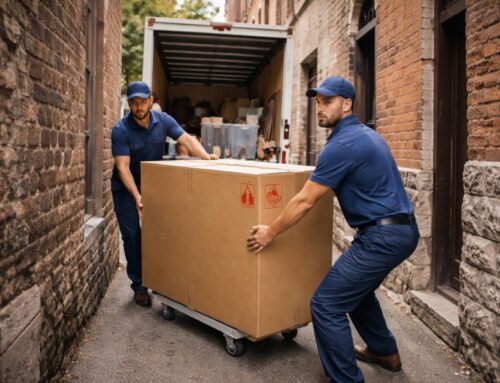
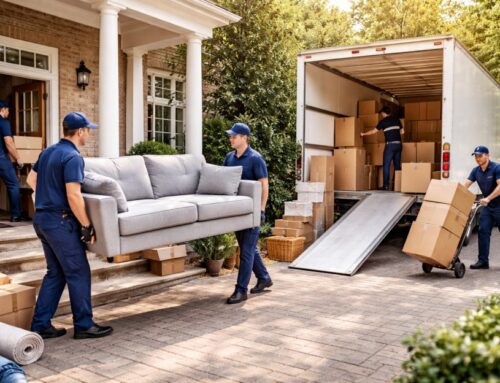
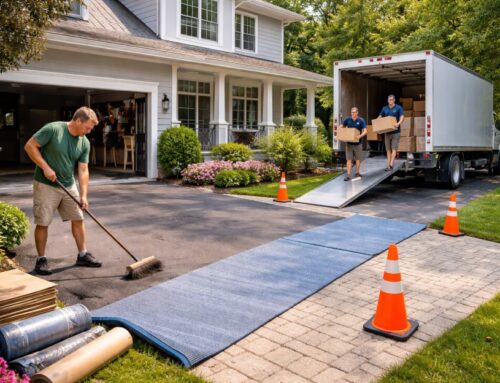
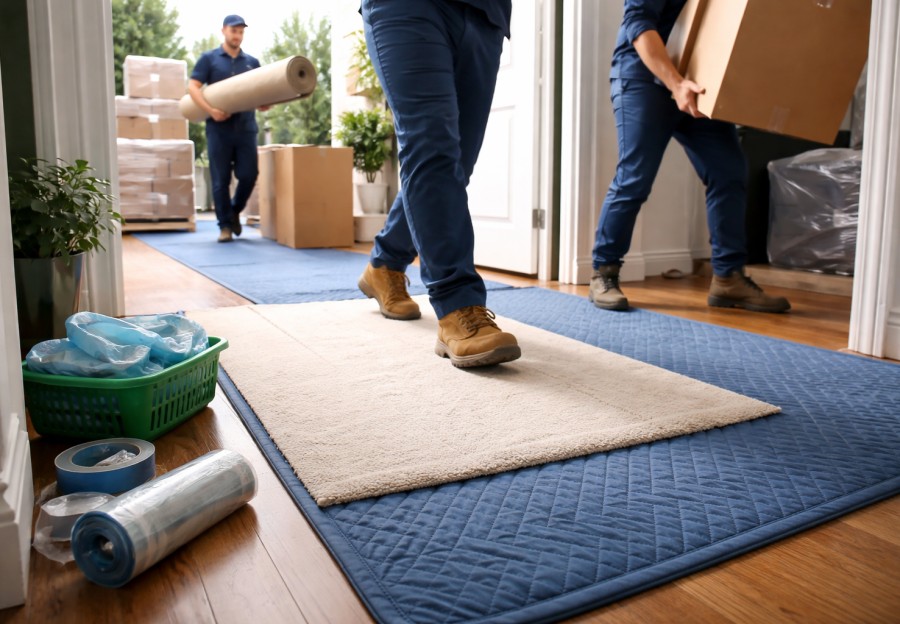
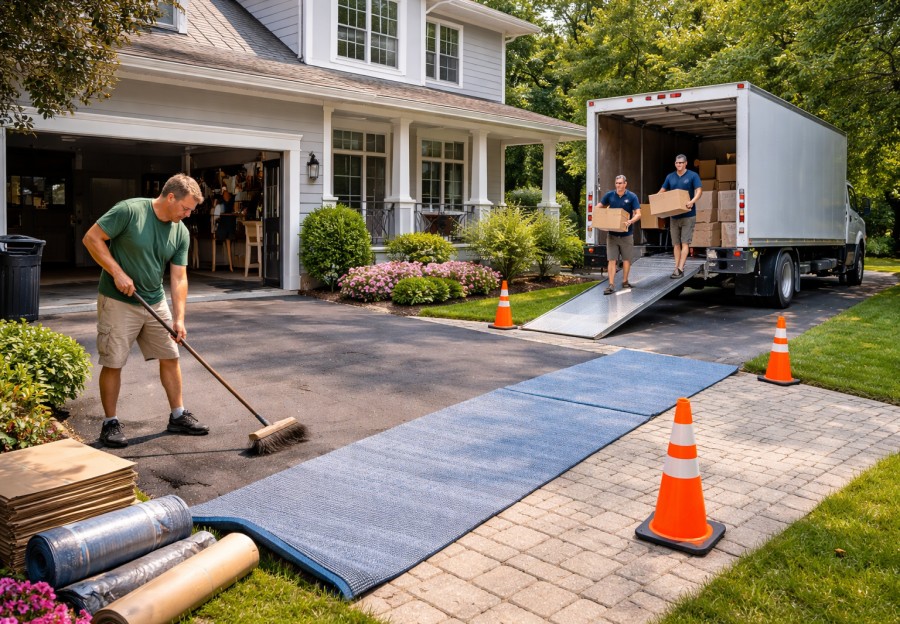
Start outside before stepping in. Look at driveway access, curb clearance, slopes, and walking paths from the truck to the entrance. Transportation safety studies show that slips and trips account for a significant percentage of material handling injuries, especially on uneven or wet surfaces. If the driveway has loose gravel, oil residue, or water pooling, you can adjust carrying routes, lay down protective runners, or stage items differently. If the curb is crowded with parked cars or trash bins, clearing space early prevents congestion when large furniture comes through.
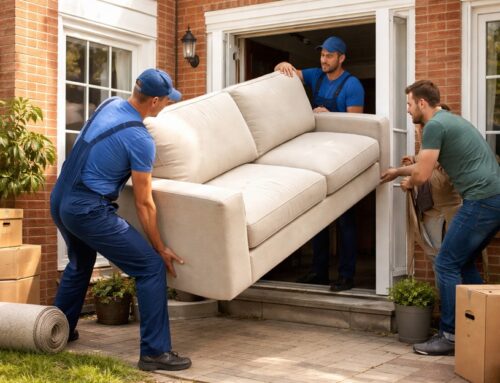
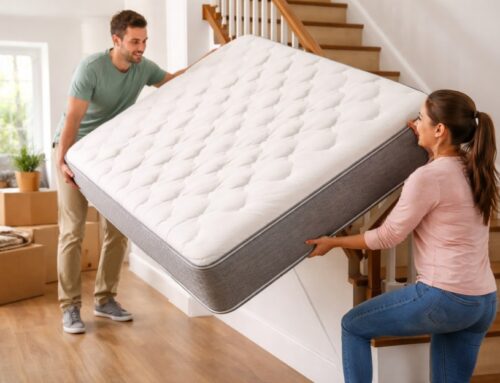
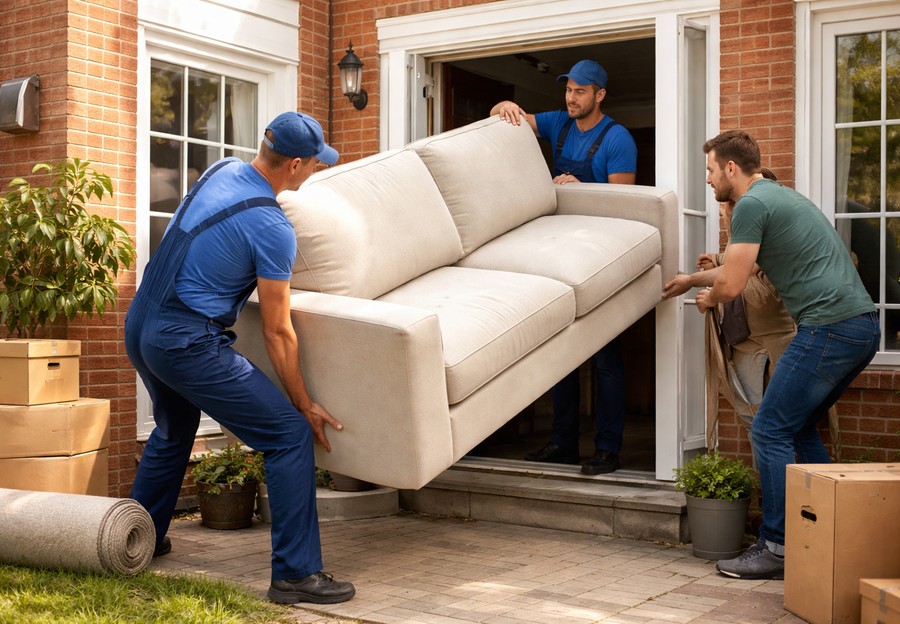
Check exterior doors and entry clearance. Measure mentally whether sofas, mattresses, refrigerators, and wardrobes will pass comfortably through the main entry without forcing angles. Home improvement surveys consistently show that door frames and trim are among the most commonly damaged areas during moves. A quick check allows you to decide whether an alternate entrance, patio door, or garage entry will be safer for bulky items.
Once inside, do a slow walk through of the main traffic paths. Pay attention to lighting, flooring condition, stair stability, handrails, and ceiling height. Visual perception studies show that depth judgment declines in low light, increasing collision risk. If bulbs are missing or rooms are dim, opening curtains or switching temporary lighting on improves safety immediately.
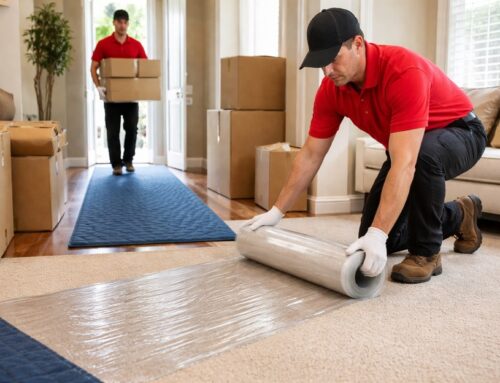
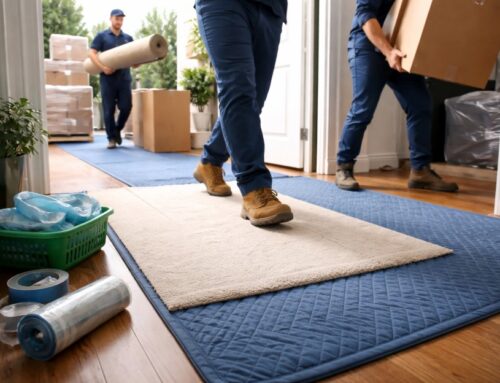
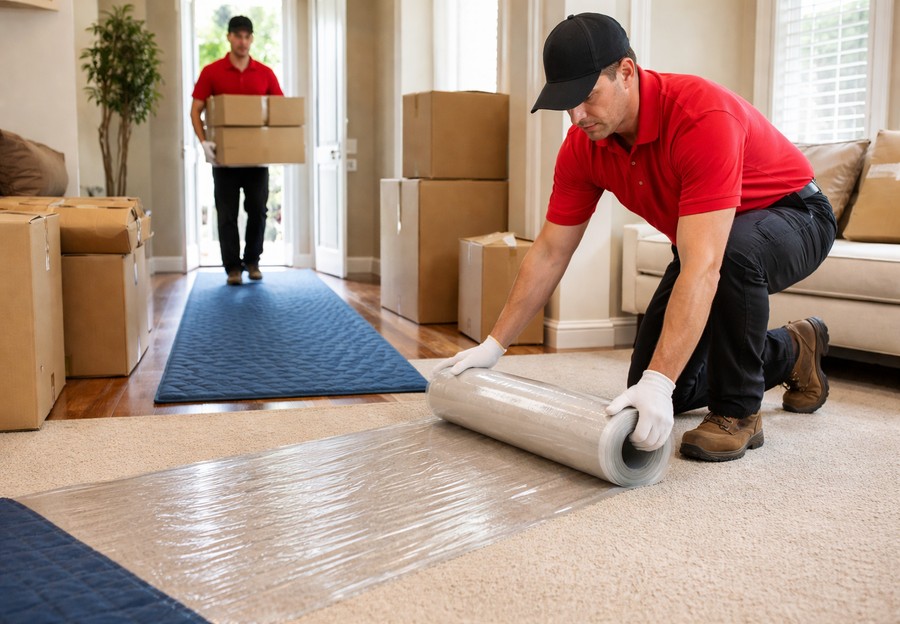
Flooring condition matters more than people expect. Freshly cleaned tile, polished hardwood, or newly installed laminate can be slick. Building safety data shows that wet or polished floors significantly increase slip risk under load. If the floors are damp from cleaning or weather humidity, allowing them to dry or laying down protective runners prevents accidents and scuffing.
Check for obstacles such as loose rugs, exposed nails from recent repairs, open floor vents, or uneven thresholds. Small obstructions cause trips when carrying bulky items that block downward visibility. Human factors research shows that limited field of view combined with load carrying increases trip probability. Removing these hazards early reduces risk.
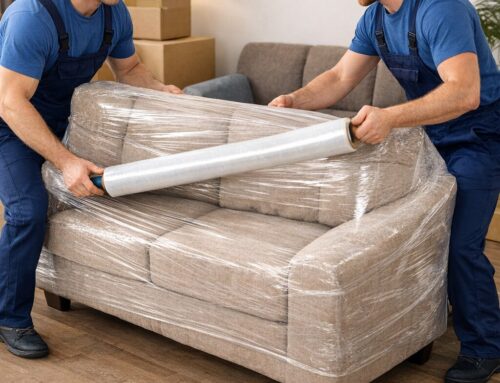
Inspect walls, corners, banisters, and door frames for tight turns or vulnerable finishes. Narrow stairwells and sharp corners often need extra padding to prevent scuffs and dents. Home repair cost surveys show that even minor drywall patching and repainting can easily reach several hundred dollars. Padding critical edges protects both the property and your furniture.
Open and test key doors. Make sure locks operate smoothly, doors swing fully, and no hinges bind or scrape. It is surprisingly common for newly acquired homes or rentals to have stiff locks or misaligned doors. Discovering this mid unload slows everything down while people stand holding heavy items. A two minute test avoids that bottleneck.
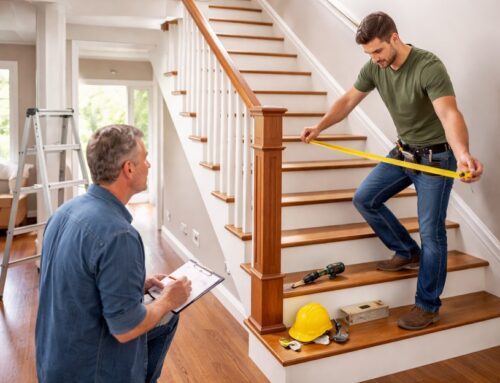
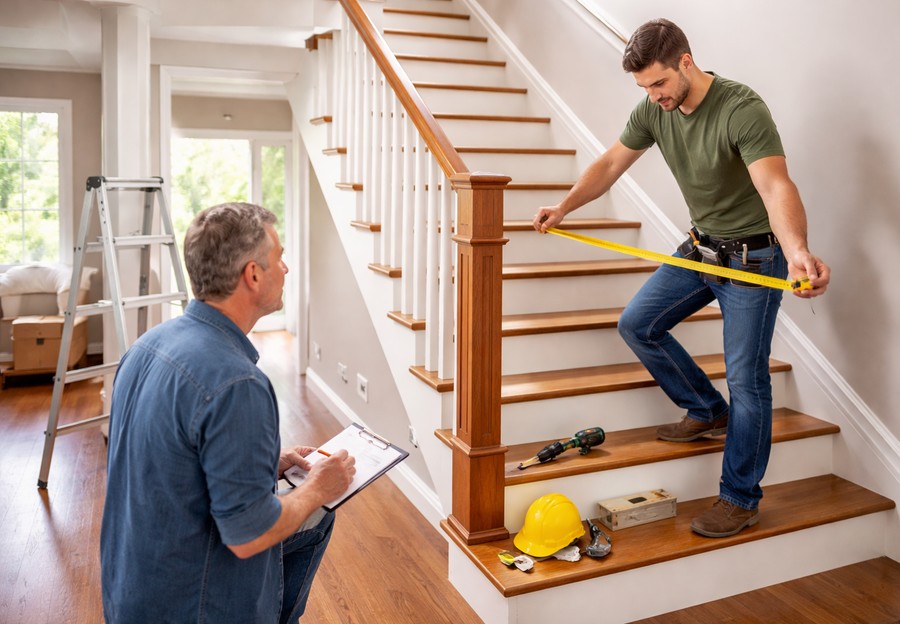
Check staircases carefully. Confirm that steps are secure, handrails are solid, and there are no loose boards or slick surfaces. Occupational safety data consistently identifies stair carries as a high injury risk activity. If stairs feel unstable or unusually steep, you can adjust crew pacing, carry technique, or staging strategy to reduce strain.
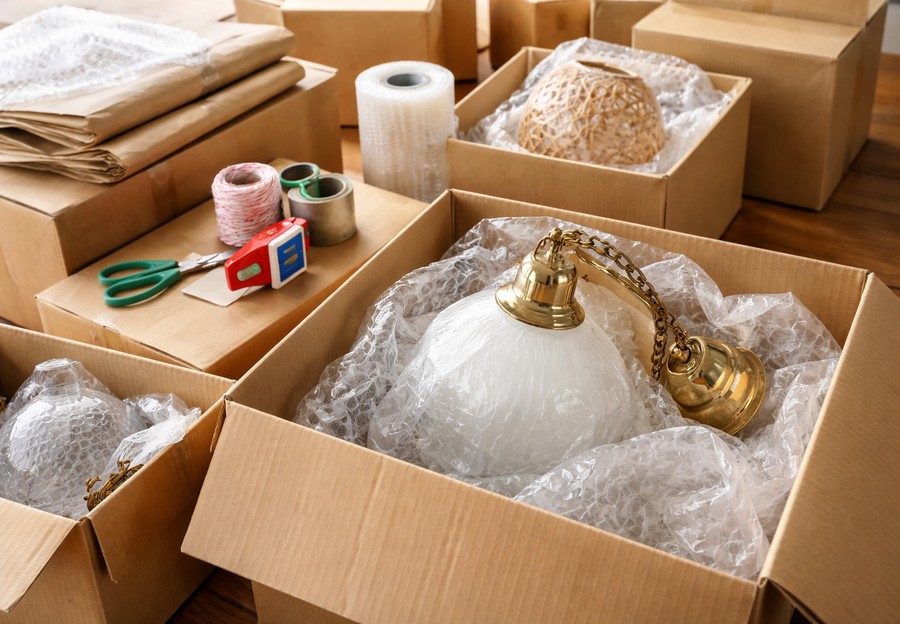
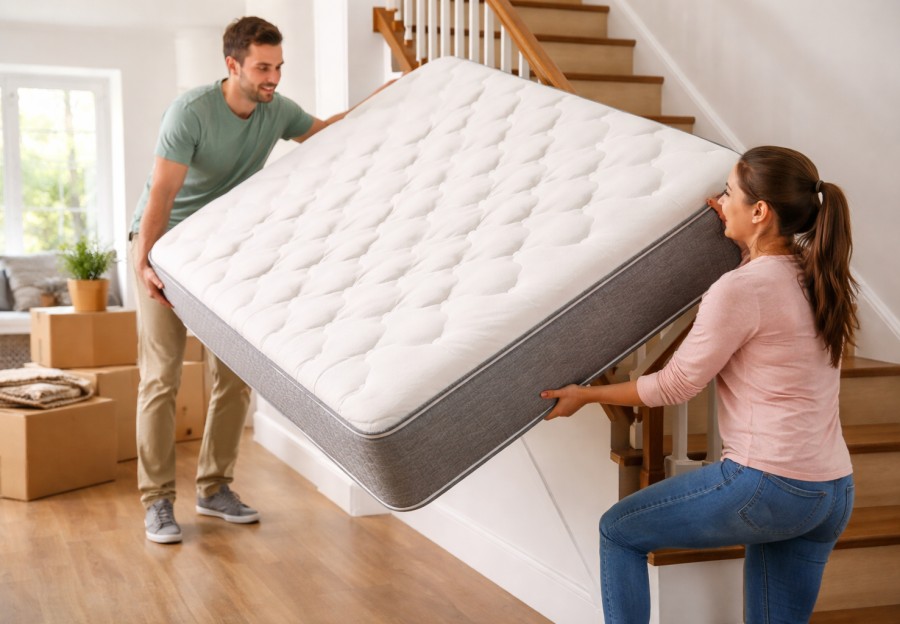
Look at ceiling fixtures and low hanging lights. Chandeliers, pendant lamps, and ceiling fans often hang lower than expected. Damage claims data shows that overhead fixtures are frequently struck by tall furniture or mattresses carried vertically. Identifying these hazards early allows you to reroute tall items or temporarily remove fragile fixtures if possible.
Verify that utilities are functioning enough for safe unloading. Power availability affects lighting and tool use. Water access matters for cleaning spills or dust. HVAC operation influences indoor temperature. Vehicle interior temperature studies show that trucks can heat up rapidly in sun, and indoor temperature affects worker fatigue and material behavior. Extreme heat or cold inside the home changes pacing and hydration needs.
Check that floors can support heavy concentrated loads. While most residential floors handle furniture weight easily, localized weak spots, old subfloor damage, or soft areas should be noted. Structural engineering data shows that concentrated loads cause more deflection than evenly distributed weight. Avoid staging heavy appliances or stacks in questionable zones.
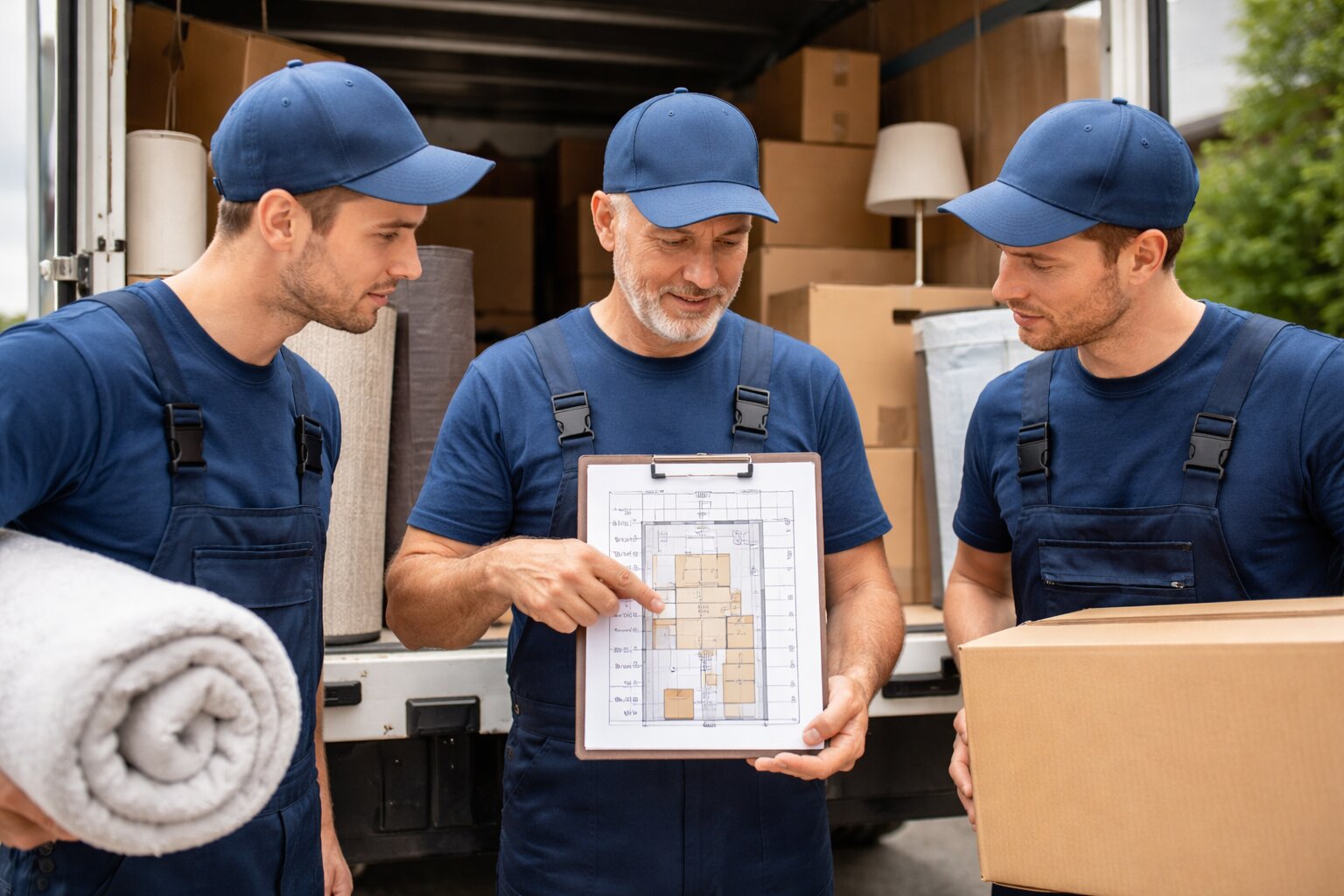
Identify staging zones inside the home. Decide where boxes will land temporarily and where large furniture will be set before final placement. Logistics efficiency studies show that defined staging zones reduce re handling and walking distance by more than twenty percent in busy operations. Clear zones keep pathways open and prevent pileups that block movement.
Ventilation and airflow also matter. Dust from boxes and pads accumulates quickly. Indoor air quality studies show that airborne particulates increase during high activity indoor work. Opening windows when weather allows improves comfort and reduces irritation.
Inspect for moisture issues. Look for damp carpets, condensation near windows, basement humidity, or musty odors. Building materials research shows that mold can begin forming on damp materials within 24 to 48 hours in warm conditions. Placing cardboard boxes or upholstered furniture on damp surfaces increases damage risk. If moisture is present, elevate items on pallets or adjust placement until the area dries.
Check for pests or sanitation issues if the home has been vacant. While rare, signs of rodents or insects should be addressed before unloading soft goods. Pest management studies show that early detection reduces infestation spread and cleanup cost significantly.
Confirm that elevators or building access systems work if applicable. In multi unit buildings, elevator downtime or access restrictions can halt unloading unexpectedly. Property management data shows that service elevator conflicts are a common source of move delays in urban buildings. Testing access early avoids wasted labor time.
Safety signage and local rules should be respected. Some buildings require protective pads in elevators or hallways. Some neighborhoods enforce time windows for moving activity. Municipal compliance data shows that violations can result in fines or forced stoppages. Knowing the rules upfront prevents conflict.
From a financial standpoint, this inspection protects your investment. Consumer moving insurance data shows that a large percentage of damage claims relate to building contact rather than item failure. Preventing wall damage, floor scratches, and fixture impacts saves repair costs that often exceed the cost of basic protective materials.
There is also a personal injury prevention benefit. The Bureau of Labor Statistics consistently reports that overexertion and slips are leading causes of injury during material handling. Many of these incidents happen during unloading when fatigue peaks. Removing hazards and planning routes reduces injury risk significantly.
Psychologically, inspection restores a sense of control. Stress research shows that predictability reduces anxiety during complex tasks. When you understand the space, the paths, and the risks, the move feels more manageable even if you are tired.
Environmentally, damage prevention reduces waste. Sustainability studies show that extending product lifespan reduces manufacturing demand and landfill volume more effectively than recycling alone. Avoiding a cracked door frame, chipped cabinet, or damaged appliance has a real environmental impact.
The inspection does not need to be perfect or slow. It simply needs to be intentional. Walk the main paths. Check doors, stairs, lighting, and flooring. Identify fragile zones and staging areas. Address obvious hazards. Communicate any adjustments to everyone involved before unloading begins.
Once this quick check is complete, unloading becomes smoother and faster. Boxes flow to the right rooms without backtracking. Furniture clears tight turns without scraping. People move with confidence instead of hesitation. Fatigue feels more manageable because surprises are minimized.
The irony is that the fifteen minutes spent inspecting often saves an hour or more of correction later. Fewer dropped items. Fewer scratched surfaces. Fewer awkward reroutes. Fewer arguments over where things should go. Fewer injuries and cleanup interruptions.
Moving is already demanding on your body and your attention. A short inspection before unloading is one of the highest return habits you can adopt. It costs nothing, requires no special equipment, and delivers measurable benefits in safety, efficiency, cost control, and peace of mind.
When the truck doors open, let the first step be awareness, not speed. A calm walkthrough sets the tone for everything that follows.