April 14, 2026
How to move when you own a grand piano
Owning a grand piano changes how you approach a move. This is not a piece of furniture that can be tilted through a doorway and padded with a blanket. A grand piano is a precision instrument weighing anywhere from about 500 pounds for a small baby grand to well over 1,200 pounds for a concert grand. Inside that polished case sit thousands of moving parts under high string tension, often exceeding 18 to 20 tons of cumulative pull across the frame. Small shocks, moisture swings, or twisting forces can knock regulation out of alignment, crack finishes, or even damage the soundboard. Moving one safely is part engineering problem, part logistics puzzle, and part patience test.
The financial stakes alone justify careful planning. New grand pianos commonly range from tens of thousands of dollars into six figures depending on brand and size. Even older instruments often hold strong resale or sentimental value. Repair data from piano technicians shows that cracked soundboards, broken rims, and damaged pinblocks can cost several thousand dollars to repair and sometimes exceed the value of the instrument. Insurance claims related to piano damage are among the most expensive single item claims during household moves.
Weight distribution is the first hidden challenge. While a grand piano looks evenly balanced, much of its mass sits in the cast iron plate and bass strings, which shifts the center of gravity toward one side. When the piano is tilted incorrectly, that imbalance creates sudden torque that can overwhelm human grip and control. Biomechanics research shows that unexpected load shifts dramatically increase injury risk because muscles cannot stabilize quickly enough. This is one reason experienced piano movers always control the angle and support points carefully.
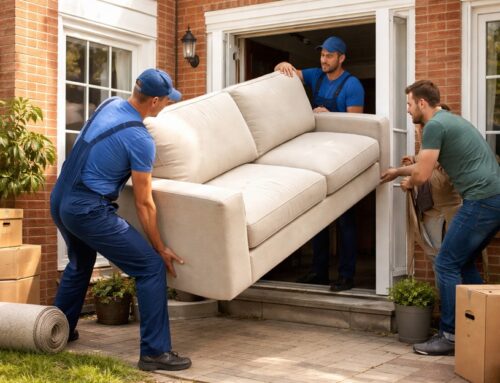
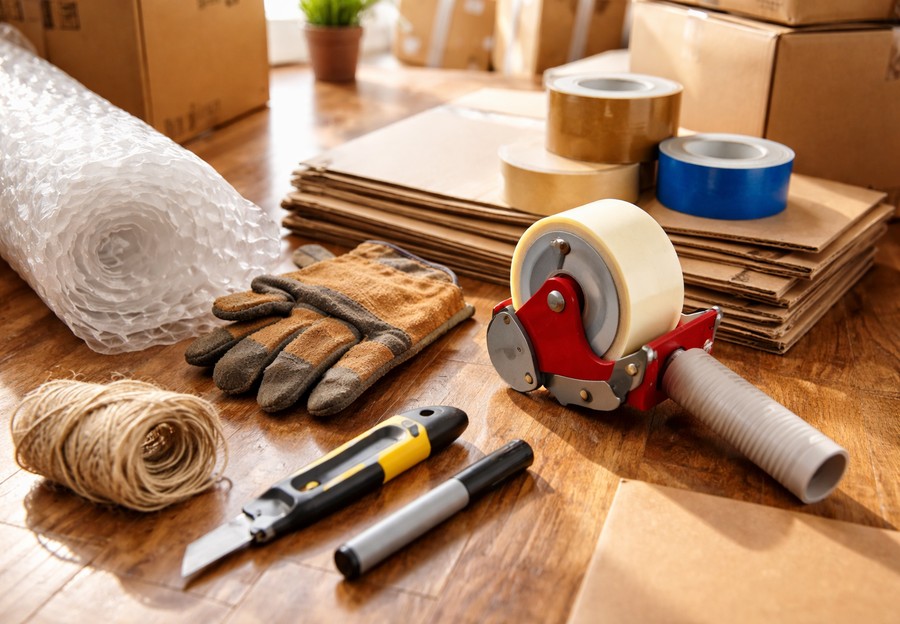
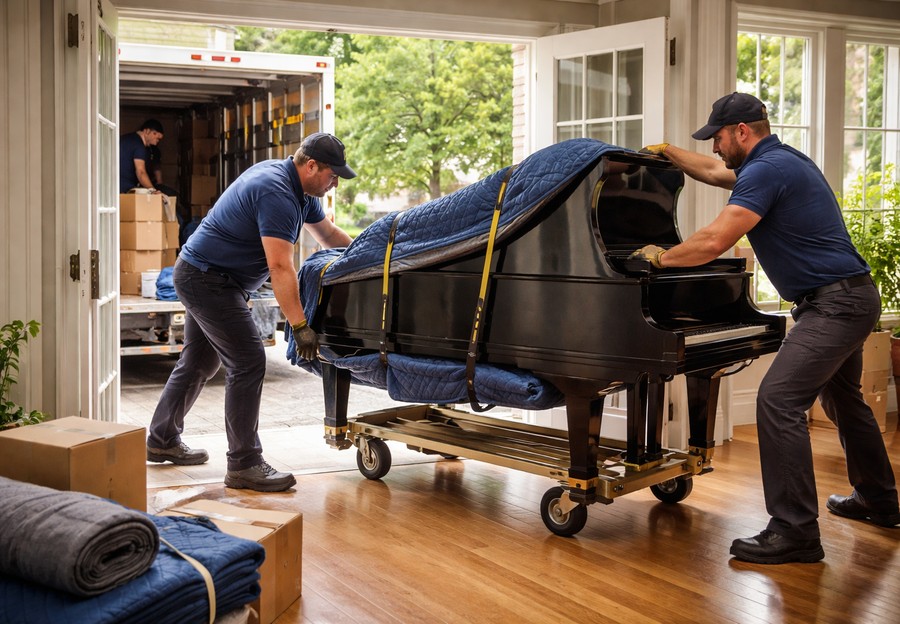
Professional equipment matters more here than with almost any other household item. Piano skids or piano boards cradle the instrument and distribute load across a rigid platform. Heavy duty straps secure the piano tightly so it behaves as one unified mass rather than a shifting object. Industrial rigging studies show that load stabilization reduces micro movement and impact forces during transport, which directly lowers damage probability. Dollies rated for high loads provide controlled rolling rather than carrying, which reduces strain and improves precision.
Disassembly is part of the standard process. The lid, music desk, and often the legs and pedal lyre are removed to reduce height and eliminate leverage points. Removing legs lowers the center of gravity and allows the piano to rest securely on the skid. Furniture engineering data shows that reducing vertical leverage significantly improves stability during transport. Each removed part should be padded and secured separately to avoid finish scratches and impact damage.
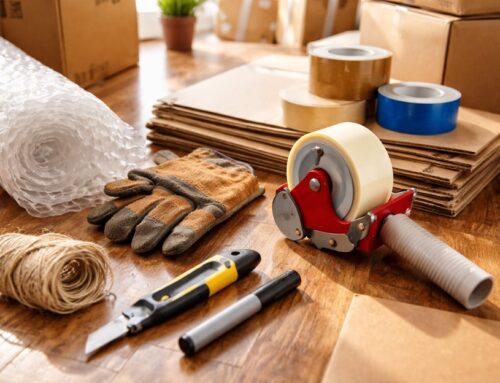
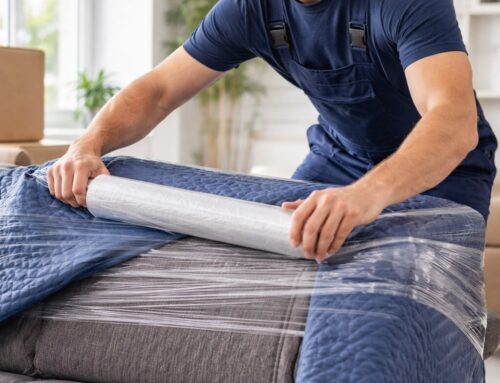
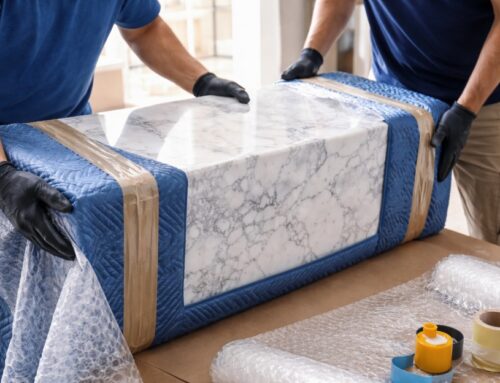
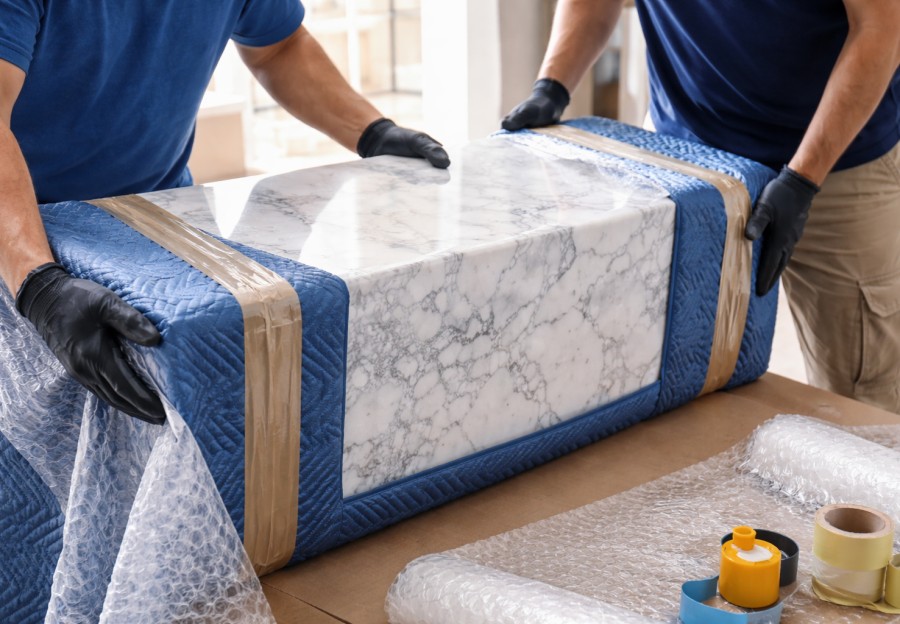
Surface protection is not cosmetic. Piano finishes are sensitive to abrasion and pressure marks. High gloss polyester finishes can swirl and scratch easily, while older lacquer finishes can soften under heat. Materials science research shows that repeated micro abrasion dulls finishes faster than single impacts. Movers typically wrap the piano in thick moving blankets followed by stretch wrap to hold padding in place. The stretch wrap should never touch the finish directly without padding underneath to avoid imprinting or moisture trapping.
Temperature and humidity control are critical. Wood soundboards expand and contract with humidity changes, which affects tuning stability and can lead to cracking over time. Piano manufacturing guidelines recommend keeping relative humidity roughly between 40 and 50 percent for long term health. Vehicle interior temperature studies show that closed trucks can exceed outdoor temperatures by more than 20 degrees Celsius in direct sun, which accelerates moisture migration and finish stress. Minimizing exposure time in uncontrolled environments protects the instrument.
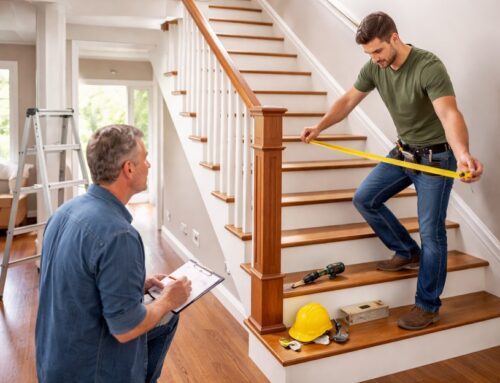
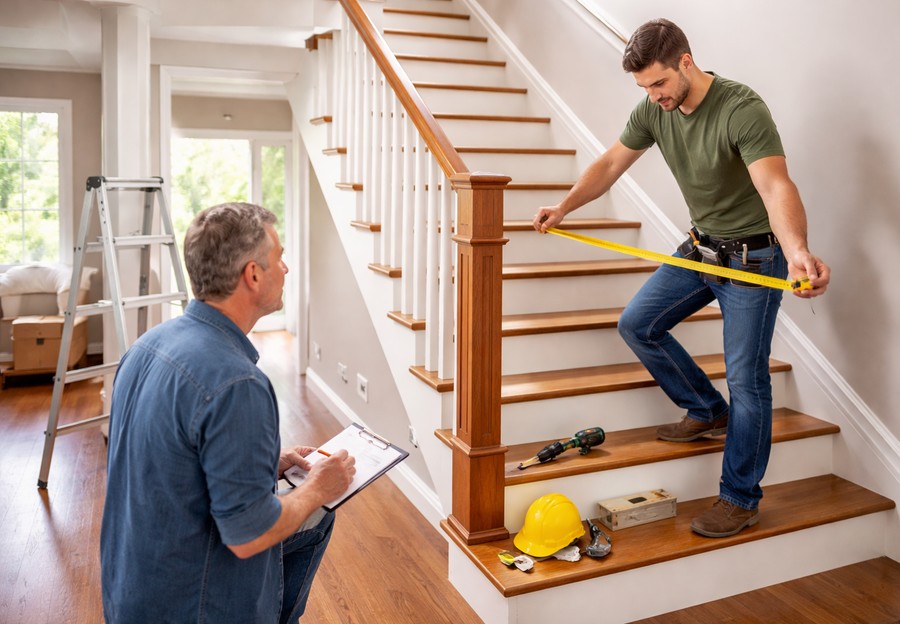
Route planning inside the home matters as much as the truck itself. Door widths, stair angles, ceiling height, and turn clearances should be measured in advance. Many grand pianos require removal of doors or temporary handrail removal to create adequate clearance. Spatial planning research shows that diagonal clearance often limits movement more than straight width. Knowing this before move day prevents dangerous improvisation.
Staircases introduce another layer of risk. A grand piano on stairs requires precise coordination and often additional crew members to manage braking force and stability. Occupational safety data consistently shows that stair carries are among the highest injury risk activities in material handling. For multi level homes or buildings with tight stairwells, hoisting through a window or balcony may be safer than forcing interior turns. Engineering safety studies indicate that controlled vertical lifting reduces cumulative stress on both the object and the handlers compared with repeated forced horizontal maneuvers.
Elevator use in apartments requires careful weight verification. Many residential elevators have weight limits between 2,000 and 3,000 pounds including people and equipment. A grand piano plus movers and dolly can approach that limit quickly. Exceeding rated capacity risks mechanical damage and safety shutdowns. Building management confirmation prevents costly delays.
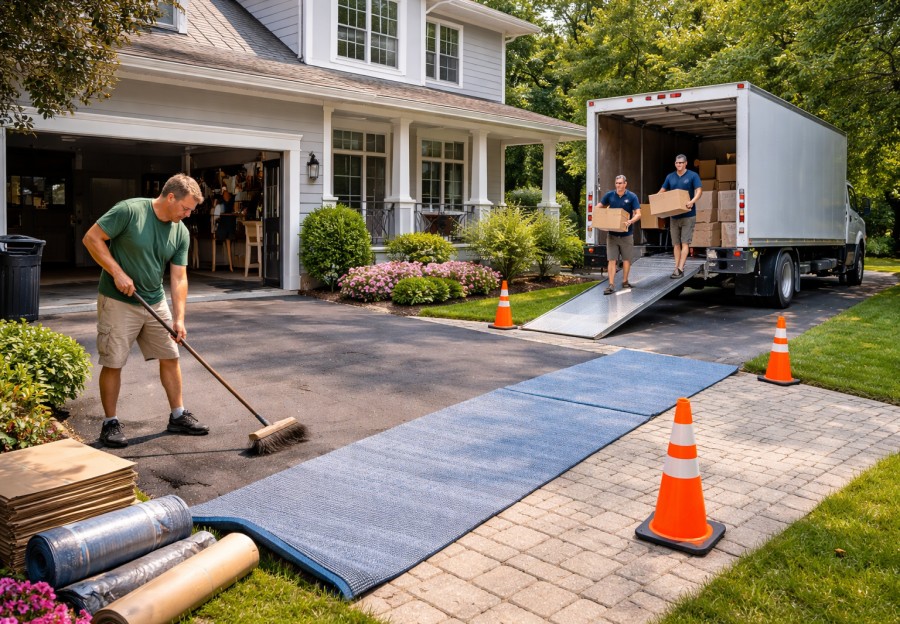
Outdoor conditions affect handling too. Rain increases slip risk and moisture exposure. Extreme heat increases fatigue and softens finishes. Cold stiffens rubber wheels and reduces grip. Environmental safety research shows that weather extremes increase manual handling error rates. Scheduling around favorable conditions reduces risk.
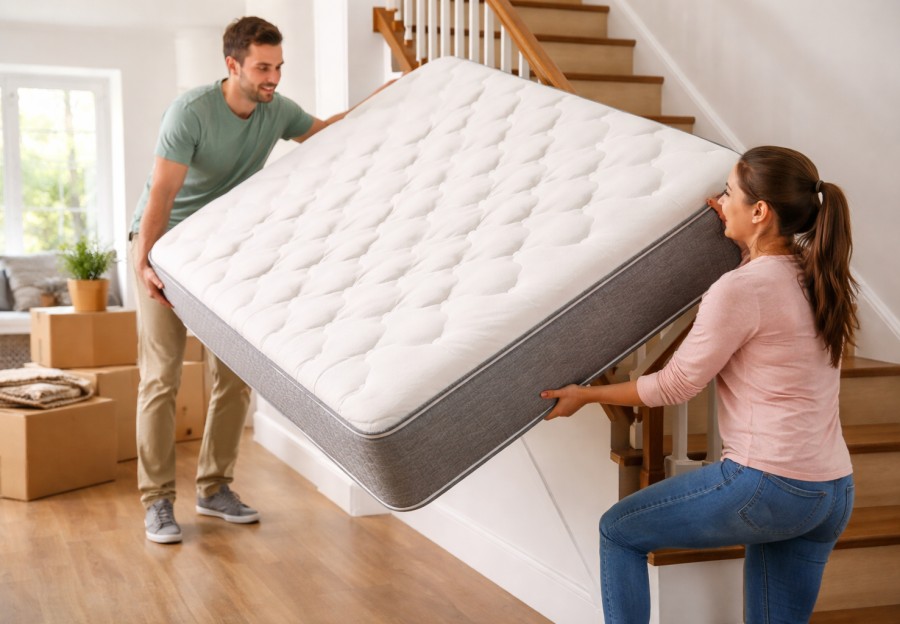
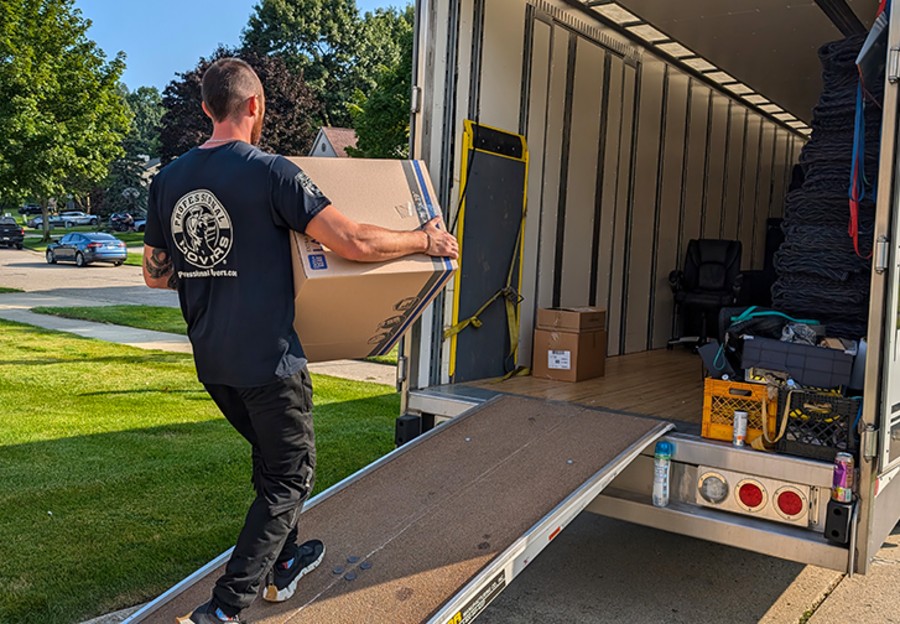
Truck loading placement is strategic. The piano should ride against a padded wall with heavy straps securing it to load rails. It should not bear weight from other items or experience side pressure from shifting cargo. Transportation safety research shows that braking forces concentrate toward the front of the truck, so placement should account for forward load restraint. Mattresses and padded furniture often act as secondary buffers around the piano.
Insurance deserves attention before moving. Many standard moving contracts limit liability for high value specialty items unless declared separately. Specialty piano insurance or rider coverage ensures adequate protection if something goes wrong. Insurance industry data shows that under declared value is a common cause of claim disputes for specialty items.
After transport, the piano should acclimate before tuning. Piano technicians typically recommend waiting at least one to two weeks after relocation to allow the instrument to stabilize to the new temperature and humidity environment. Tuning immediately after a move often leads to pitch drift as materials settle. Acoustic engineering studies show that wood moisture equilibration takes time after environmental change.
Placement in the new home matters long term. Avoid direct sunlight, heating vents, fireplaces, and exterior walls where temperature and humidity fluctuate most. Environmental monitoring studies show that stable interior zones reduce tuning frequency and material stress. Using a room humidifier or a dedicated piano humidity control system helps maintain ideal conditions.
There is also the human factor. Moving a grand piano is mentally demanding for everyone involved. Stress and fatigue increase the chance of rushed decisions. Behavioral research shows that perceived time pressure increases error rates in complex tasks. Allowing adequate time and refusing to rush tight maneuvers protects both people and the instrument.
Cost transparency helps with expectations. Professional piano moving services typically cost more than standard furniture handling due to specialized labor, equipment, and insurance. Consumer pricing surveys often show piano moves ranging from several hundred to over a thousand dollars depending on stairs, distance, and hoisting needs. Compared with potential repair costs or personal injury risk, this investment is usually justified.
Environmental responsibility plays a role as well. A grand piano represents a large amount of hardwood, metal, and manufacturing energy. Extending its lifespan through careful handling reduces replacement demand and landfill waste. Sustainability studies consistently show that preserving durable goods provides greater environmental benefit than recycling after damage.
Emotionally, pianos often carry deep personal meaning tied to family history, education, or artistic identity. Behavioral psychology research shows that damage to sentimental objects creates disproportionate emotional stress compared with purely financial loss. Protecting the instrument protects peace of mind during a transition that already carries emotional weight.
If you are planning a move with a grand piano, the most important decision is whether to hire true piano specialists rather than relying on general movers alone. Specialized crews bring purpose built skids, proper straps, trained coordination techniques, and experience reading load behavior. One controlled move protects decades of musical life.
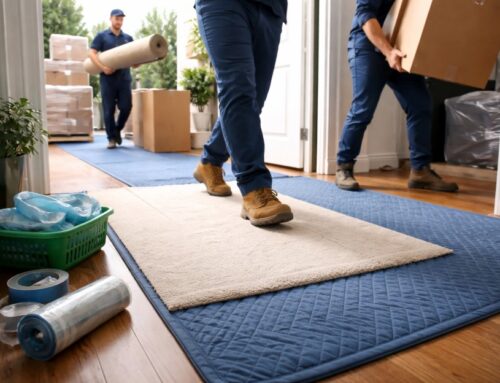
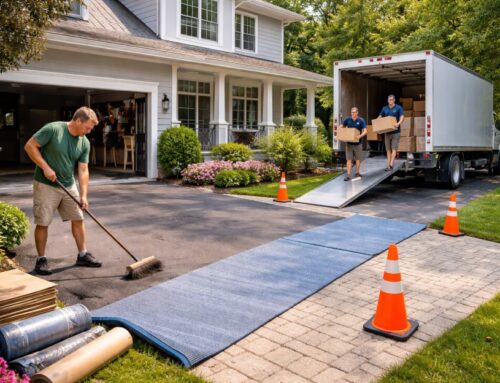
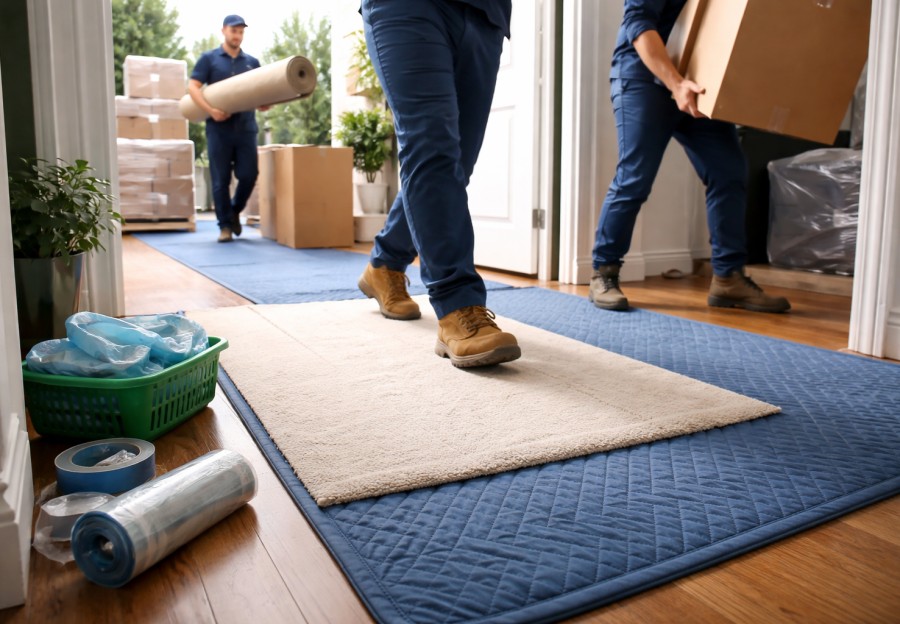
Preparation begins weeks ahead. Measure access points. Confirm building rules. Schedule specialty movers early. Verify insurance coverage. Clear pathways. Stabilize indoor climate if possible. Communicate timing clearly so fatigue and weather risks are minimized. On move day, protect floors and walls, maintain clear communication among handlers, and resist the urge to rush.
Once the piano arrives safely, allow it to rest, inspect for any cosmetic or mechanical issues, and schedule professional tuning after stabilization. Treat the first few weeks as a settling period for the instrument.
Moving with a grand piano is not about brute strength. It is about physics, climate awareness, precision handling, and respect for a complex instrument. When approached thoughtfully, the piano arrives ready to fill the new space with music rather than regret. A careful move protects sound quality, structural integrity, financial value, and emotional connection all at once.
A grand piano has likely outlived multiple owners and homes. With the right planning and professional care, it can continue doing so long after this move is finished.