March 31, 2026
Why moving crews use carpet shields and runners
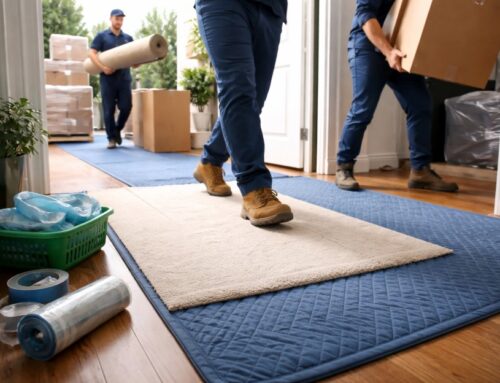
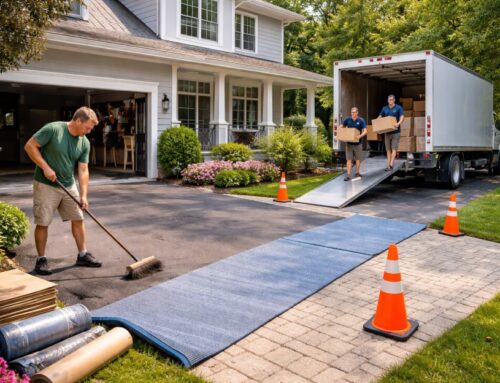
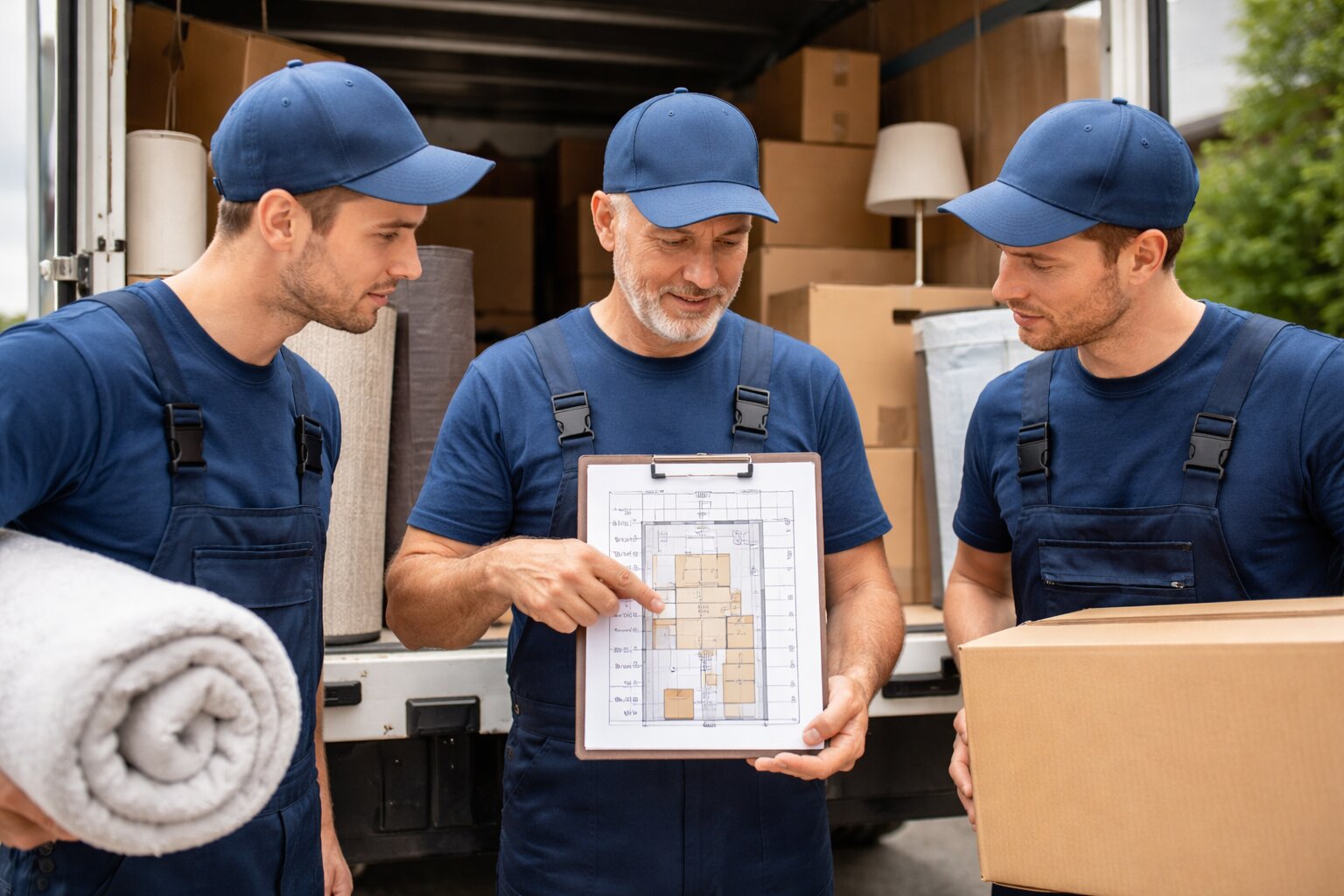
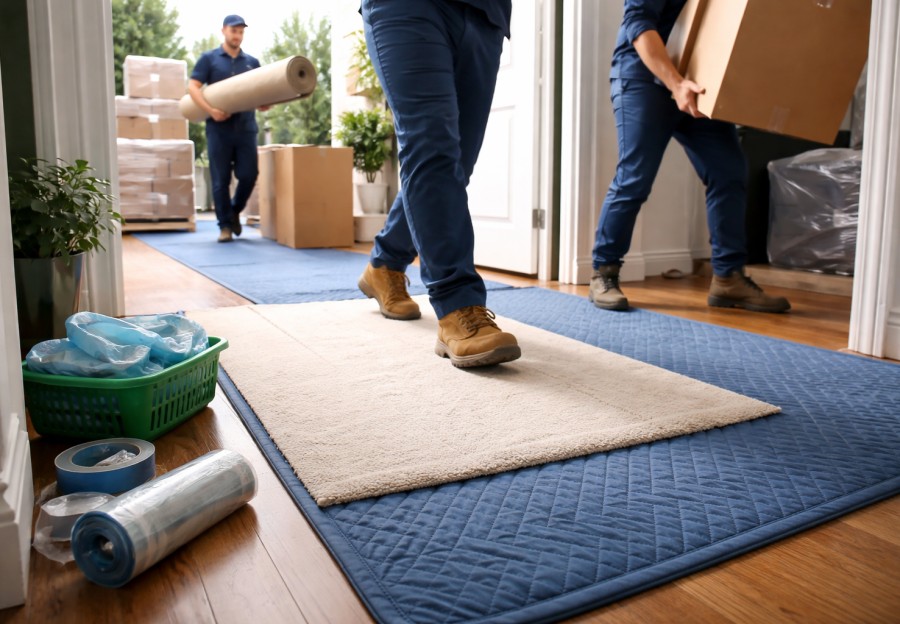
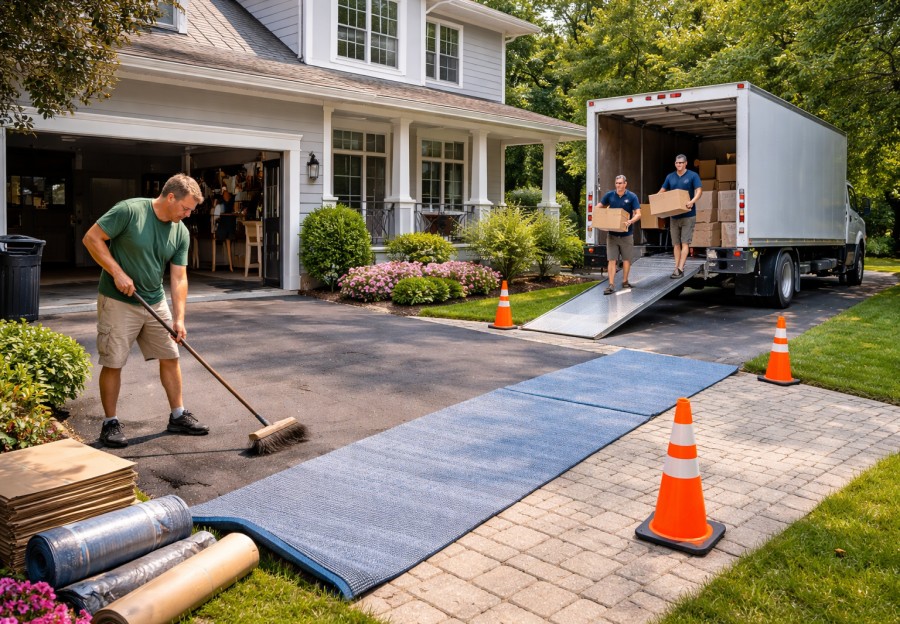
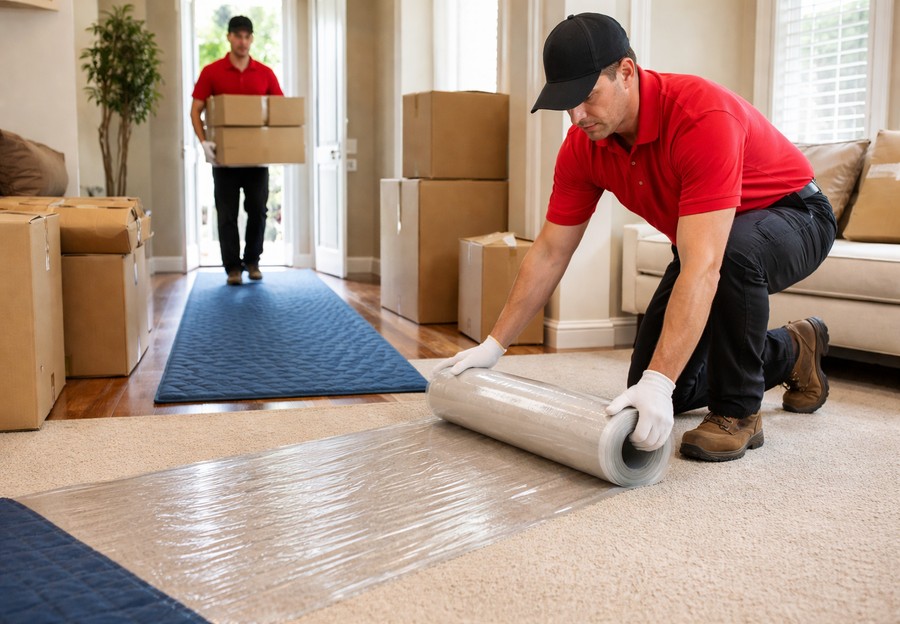
If you have ever watched a professional moving crew set up a home before unloading, you may notice long plastic sheets, fabric runners, or heavy roll out mats covering carpets and hallways. At first glance it can look unnecessary. Floors already look clean. The move might only take a few hours. But carpet shields and runners solve several real problems at once, from damage prevention and safety to time efficiency and cleanup cost. They are not cosmetic. They are risk control tools grounded in physics, material science, and injury data.
The most obvious reason is surface protection. During a move, hundreds or even thousands of footsteps pass over the same traffic paths. Add dollies, appliance carts, and furniture skids, and the wear multiplies quickly. Flooring manufacturers publish abrasion resistance ratings that show how quickly fibers and finishes degrade under repeated friction. Even durable carpet fibers lose pile integrity when exposed to concentrated traffic patterns in short time windows. Studies on commercial carpet wear show that high traffic zones can lose measurable fiber resilience after just a few thousand foot passes. A busy move can easily generate that level of traffic in a single day.
Dirt and grit are the hidden enemies. Outdoor shoes carry fine sand, asphalt dust, and small stones. These particles act like sandpaper under pressure. Textile research shows that abrasive particles embedded in carpet fibers accelerate fiber breakage and color dulling. Once grit grinds into carpet backing or pad, deep cleaning becomes difficult and sometimes impossible without professional extraction. Carpet shields block this transfer and keep grit on a disposable surface rather than embedded in the home.
Moisture adds another layer of risk. Rain, morning dew, snow melt, or even damp air on shoes increases staining and odor potential. Building materials research shows that moisture trapped in carpet padding creates ideal conditions for mold growth within 24 to 48 hours in warm environments. Mold remediation costs can quickly climb into the thousands of dollars depending on square footage and depth of contamination. Carpet runners create a moisture barrier that prevents wet footwear and wheels from soaking into carpet fibers and padding.
Slip prevention matters just as much as surface protection. Moving involves carrying heavy, awkward loads that limit visibility and balance. Occupational safety data from the Bureau of Labor Statistics consistently shows that slips, trips, and falls are among the leading causes of injury in material handling and moving work. Smooth carpet fibers can become slick when damp or compressed under heavy shoes. Quality runners add traction and predictable footing, reducing sudden slips that cause strains, drops, or collisions.
Wheel movement also benefits from protected surfaces. Dollies and carts compress carpet pile and can leave permanent track marks or seam separation when repeatedly rolled over the same path. Flooring engineering studies show that concentrated rolling loads deform carpet backing more aggressively than foot traffic alone. Runners distribute wheel load more evenly and allow carts to roll more smoothly without digging into fibers.
Another overlooked benefit is speed. When crews do not have to worry about tracking dirt, wiping feet constantly, or avoiding certain areas of the floor, movement becomes more fluid. Time motion studies in logistics show that removing small friction points improves overall productivity disproportionately. Fewer pauses for cleanup and fewer cautious reroutes add up to meaningful time savings across dozens of trips.
Cleanup costs are a major factor for property owners and landlords. Professional carpet cleaning often ranges from modest fees for light cleaning to much higher costs for stain treatment or odor remediation. Property management surveys consistently show that flooring damage and cleaning are among the most common move out deductions and disputes. Using runners reduces the likelihood of stains, embedded dirt, and fiber damage, which protects deposits and avoids post move repair expenses.
Runners also protect other floor types beyond carpet. Hardwood, laminate, vinyl, and tile scratch easily under grit and heavy furniture feet. Surface wear studies show that micro scratches accumulate quickly when abrasive particles slide under pressure. Once scratched, refinishing costs can exceed hundreds or thousands of dollars per room. Runners isolate hard surfaces from abrasive contact and impact scuffs.
Noise reduction is a secondary benefit. Hard footfalls and rolling carts transmit vibration through floors and walls, especially in multi unit buildings. Acoustic studies show that soft surface coverings dampen impact noise significantly compared with exposed hard flooring. Runners absorb some of that vibration and reduce disturbance to neighbors and building occupants.
There is also a hygiene component. Moving introduces dust from boxes, truck interiors, pads, and outdoor environments. Indoor air quality studies show that particulate levels increase during high activity indoor work. Keeping dirt localized on removable runners prevents it from dispersing throughout the home and settling into soft furnishings and HVAC systems.
From a safety management perspective, runners create predictable traffic lanes. When everyone uses the same protected path, traffic flow becomes organized. Workplace safety research shows that defined pathways reduce collision and congestion incidents in busy work environments. Instead of people improvising routes through different rooms, runners guide movement consistently.
Another practical advantage is corner and edge protection. Many runner systems include extended coverage into door thresholds and stair landings where wear and impact risk is highest. Home repair data shows that thresholds and stair noses are frequent damage points during moves due to concentrated foot traffic and rolling loads. Protecting these zones prevents chipping, splintering, and trim damage.
Insurance and liability considerations drive professional behavior as well. Moving companies face claims not only for damaged belongings but also for property damage such as stained carpets or scratched floors. Claims data shows that property damage claims add significant administrative and repair cost. Preventive measures like runners reduce claim frequency and severity, which protects both customer and provider.
There is also an environmental angle. Preventing damage reduces the need for chemical cleaning, replacement materials, and landfill waste. Sustainability studies consistently show that extending the usable life of flooring materials lowers overall environmental impact more effectively than recycling after damage. Many professional runners are reusable and designed for multiple jobs, which reduces single use waste compared with disposable floor coverings.
Temperature and weather amplify the value of runners. In winter or rainy seasons, moisture tracking increases dramatically. Vehicle and pedestrian studies show that shoe moisture transfer spikes in wet conditions, increasing slip and stain risk. In hot seasons, dust and grit accumulate more easily on dry pavement. Runners adapt to both extremes by acting as a controlled buffer between outdoors and interior surfaces.
Psychologically, visible protection creates confidence. Stress research shows that perceived control reduces anxiety during complex tasks. Homeowners and tenants feel more comfortable when they see proactive protection in place rather than reacting to problems after they occur. That confidence improves cooperation and reduces tension during a physically demanding day.
Cost effectiveness becomes clear when you compare prevention versus repair. A roll of reusable carpet runner costs far less than even one professional carpet cleaning session or floor repair. Consumer cost surveys show that minor flooring repairs often exceed several hundred dollars, while deeper damage can escalate rapidly. One prevented incident easily offsets the cost of protective materials across many moves.
Runners also protect the movers themselves. Less slipping means fewer injuries. Injury prevention studies consistently show that simple environmental controls reduce accident rates more effectively than relying solely on personal caution. Safer footing protects backs, knees, and shoulders by reducing sudden load shifts during carries.
There is also a customer experience factor. Clean floors after a move leave a positive final impression. Property turnover research shows that cleanliness strongly influences satisfaction ratings and landlord relationships. When floors remain clean, move out inspections go smoother and conflict decreases.
Some people worry that plastic runners may damage carpet by trapping moisture or compressing fibers. That risk exists if runners are left in place for extended periods on damp surfaces. Professional crews remove runners promptly after unloading and avoid covering wet carpets for long durations. Used correctly for temporary protection, the benefit far outweighs the risk.
The reason you see professional crews consistently deploying carpet shields and runners is not habit or appearance. It is outcome driven. Reduced damage. Fewer injuries. Faster workflow. Lower cleanup cost. Better customer satisfaction. Lower insurance exposure. All supported by data from occupational safety, materials science, logistics efficiency, and property management.
Moving concentrates stress, weight, and motion into a short time window. Floors experience more abuse in a few hours than they might see in months of normal living. Runners absorb that abuse so the home does not have to.
The next time you see a crew rolling out long protective paths before unloading, you are watching smart risk management in action. It is quiet work that prevents loud problems later. It keeps homes cleaner, people safer, and projects moving smoothly without unnecessary setbacks.
In a process filled with heavy lifting and tight timing, small protective steps create outsized benefits. Carpet shields and runners may not look dramatic, but they quietly do one of the most important jobs on moving day. They protect the foundation that everything else walks on.