March 22, 2026
The difference between packing foam and bubble wrap
Packing foam and bubble wrap look interchangeable at first glance. Both cushion fragile items, fill empty space, and protect surfaces during a move. In reality, they behave very differently under pressure, vibration, moisture, and long term storage. Choosing the right one affects how well your belongings survive transport, how much space you use in the truck, and even how much waste you generate afterward. Understanding the real differences helps you protect items intelligently instead of guessing.
The job of any protective material is energy absorption. When a box gets bumped, dropped, or vibrated inside a truck, kinetic energy transfers into the packaging. Good cushioning spreads that energy over time and surface area so the object inside never experiences a sharp shock. Packaging engineers measure this using drop testing and vibration testing. Studies from the protective packaging industry show that properly matched cushioning can reduce peak impact force by more than 50 percent compared with no protection at all. The key word is matched. Foam and bubble wrap absorb energy in very different ways.
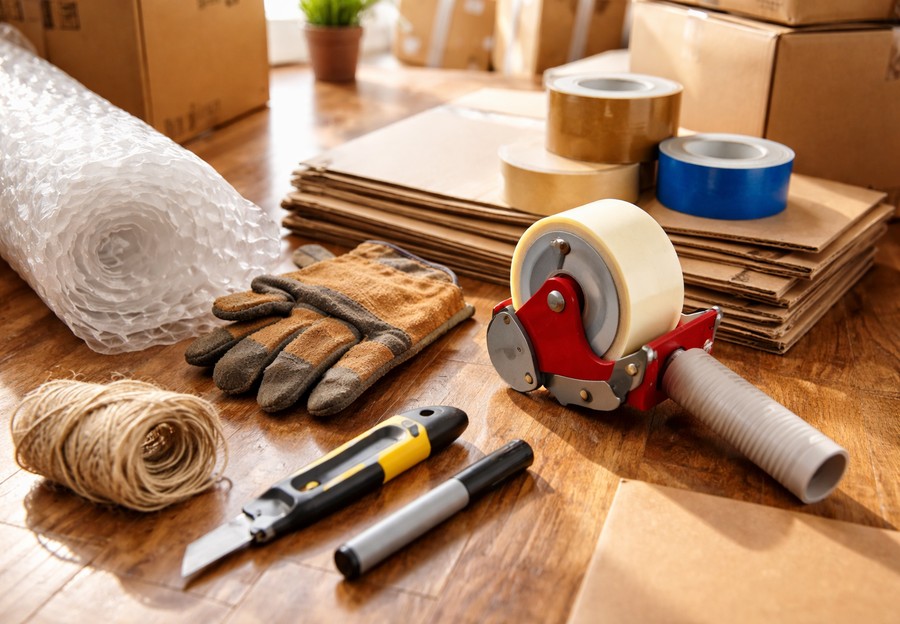
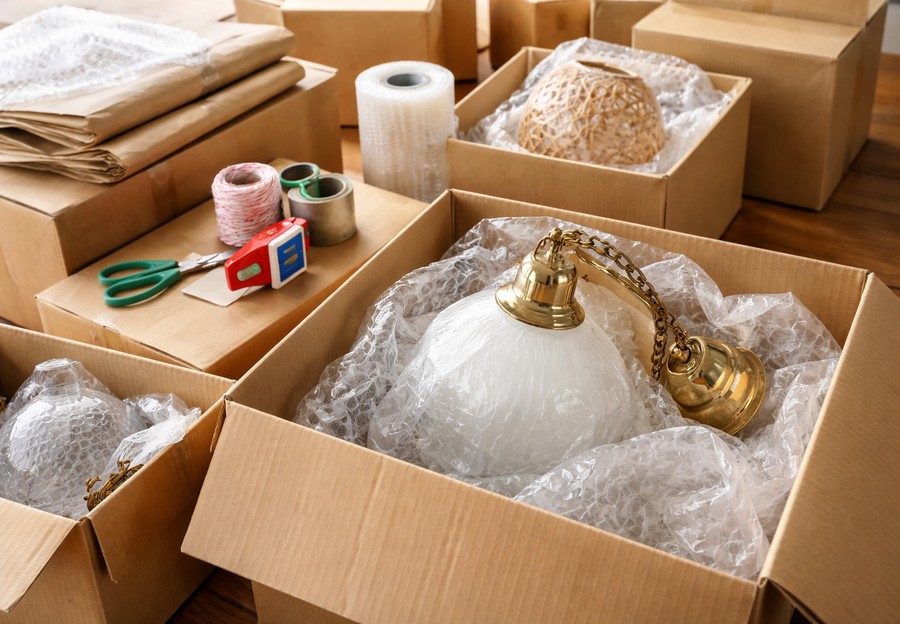
Bubble wrap is essentially trapped air sealed inside plastic bubbles. When pressure hits, the air compresses and redistributes force. This makes bubble wrap excellent at absorbing light to moderate shocks. It also conforms easily around irregular shapes, which is why it is commonly used for glassware, picture frames, and small electronics. Consumer packaging tests show that bubble wrap performs well for short drops and light vibration but loses effectiveness once bubbles rupture or compress permanently.
Foam, on the other hand, is a solid cellular structure. Depending on the type, foam can compress gradually and rebound repeatedly without losing shape. Cross linked polyethylene foam and polyurethane foam are common in moving applications. Industrial packaging data shows that high density foam maintains cushioning performance over many compression cycles, which makes it better for long distance transport and heavier items. Foam spreads load across a larger surface and resists bottoming out under sustained pressure.
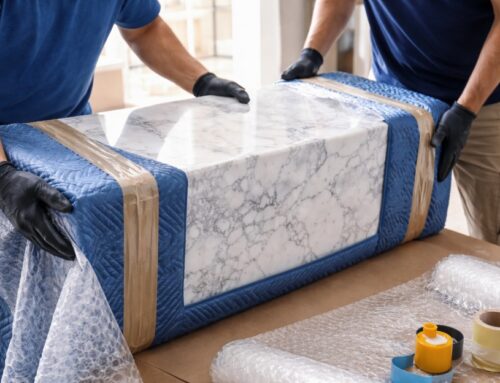
One major difference is how each material handles weight. Bubble wrap performs best when protecting light to moderate weight items. Once weight increases, bubbles collapse more easily and lose their spring effect. Packaging lab testing shows that thin bubble wrap begins to lose protective value under sustained loads above a few dozen pounds, especially when stacked. Foam retains its structure under heavier loads and continues to absorb vibration rather than flattening. This is why foam sheets and foam corners are often used for televisions, stone surfaces, large artwork, and furniture edges.
Vibration resistance is another important difference. Transportation research shows that cargo experiences constant micro vibration during driving, not just sudden bumps. Over several hours, vibration causes items to settle, rub, and shift. Bubble wrap can gradually lose air and compress, which reduces its ability to isolate vibration over time. Foam maintains more consistent damping properties. Packaging engineers often select foam for long haul shipping because it resists fatigue and maintains cushioning integrity across thousands of vibration cycles.
Surface protection behavior differs as well. Bubble wrap has raised bubbles that can imprint patterns on soft finishes if compressed tightly for long periods. Furniture restoration professionals frequently report imprint marks on lacquer and soft plastics after prolonged pressure against bubble texture. Foam surfaces are smoother and distribute contact pressure more evenly, reducing the risk of texture transfer or pressure marks on delicate finishes.
Moisture interaction matters in real world moves. Plastic bubble wrap is non breathable. If moisture becomes trapped inside, condensation can remain against the surface of the item. Building materials research shows that trapped moisture increases mold growth risk and accelerates corrosion on metal surfaces. Foam is also synthetic and moisture resistant, but many foam types allow slight airflow around surfaces when layered loosely, which reduces condensation risk compared with tight plastic wrap. Neither material should be used on damp items, but foam generally manages humidity exposure more gracefully.
Temperature sensitivity also differs. Bubble wrap becomes stiffer and more brittle in cold temperatures and softer in high heat. Polymer durability studies show that repeated thermal cycling accelerates micro cracking in thin plastic films. Foam maintains more stable mechanical properties across moderate temperature ranges, which improves consistency during seasonal moves.
Another practical difference is thickness efficiency. Bubble wrap relies on air volume to cushion, which increases bulk. Boxes packed with heavy bubble wrap can lose usable interior space quickly. Foam sheets provide similar or greater protection with less bulk for flat surfaces and edges. In tight packing situations where box size matters, foam often delivers better protection density.
Noise and handling comfort play a role too. Bubble wrap pops under pressure, which may seem harmless but signals loss of cushioning performance. Once bubbles pop, that area no longer absorbs shock. Foam does not suffer sudden failure in the same way. It deforms gradually and rebounds, providing predictable protection over time.
Environmental impact is another important consideration. Plastic bubble wrap is typically single use and difficult to recycle in many municipal systems. Environmental agencies report that flexible plastics represent a growing waste stream due to low recycling rates. Foam is also plastic based, but dense foam sheets and corner protectors are more reusable across multiple moves and storage cycles. Reuse significantly reduces waste generation. Sustainability studies show that extending packaging reuse reduces landfill contribution and manufacturing emissions more effectively than single use materials.
Cost differences exist but can be misleading. Bubble wrap often appears cheaper per roll, but heavy usage increases volume and disposal costs. Foam may cost more upfront per sheet but often requires fewer layers and lasts longer. Preventing even one damaged item easily offsets the difference. Home goods repair data shows that repairing a scratched screen, chipped stone edge, or damaged furniture finish can cost hundreds of dollars.
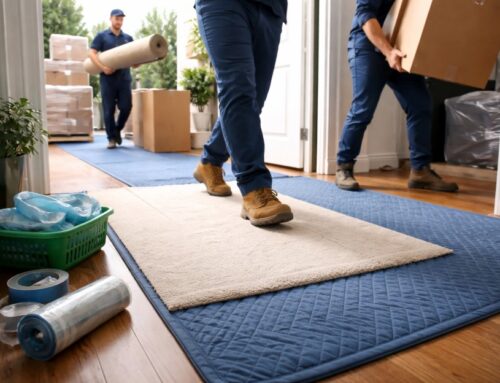
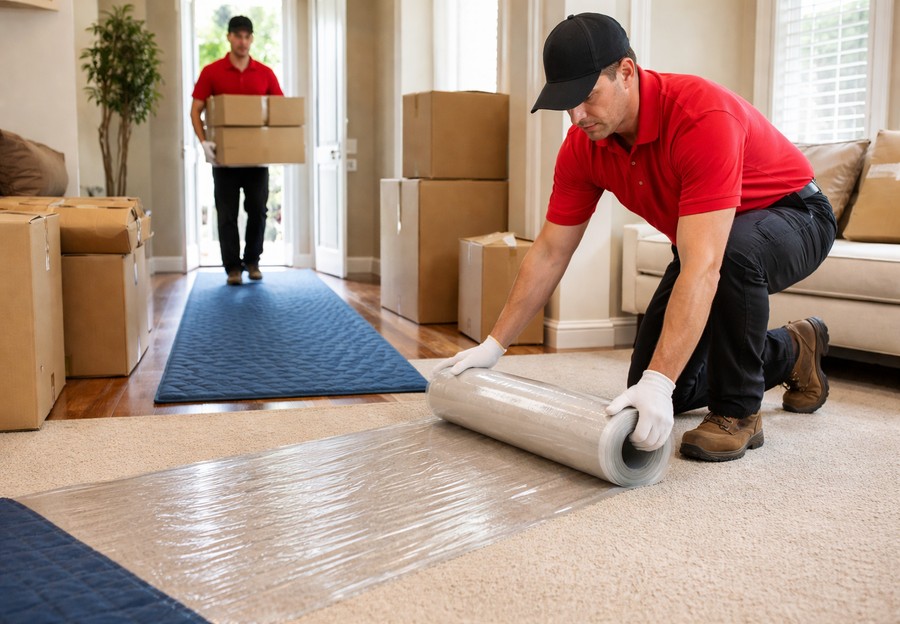
Safety during handling matters as well. Bubble wrap creates slippery surfaces when layered on floors or ramps. Occupational safety data shows that slip hazards increase when plastic film accumulates on walking surfaces. Foam sheets have more friction and are less likely to cause slipping during loading and staging.
Flexibility is one area where bubble wrap excels. It wraps around complex shapes easily and molds tightly around curved objects. Foam works best on flat surfaces, edges, and larger panels, although foam rolls and foam profiles exist for specialized shapes. For irregular items with many protrusions, bubble wrap often provides faster coverage and easier wrapping.
Compression recovery is a major technical difference. Bubble wrap loses height permanently once bubbles collapse. Foam rebounds more reliably after compression cycles depending on density and quality. Packaging engineers measure this as compression set. Lower compression set means better long term cushioning performance. High quality foam typically shows much lower compression set than bubble wrap in laboratory testing.
Long term storage introduces another variable. Items stored for months under pressure will gradually compress bubble wrap until protection drops significantly. Foam maintains more stable thickness over time. For items going into storage units, foam is generally safer for structural protection.
Static electricity matters for electronics. Some bubble wraps generate static charge that can affect sensitive components. Anti static versions exist but cost more. Foam can also be manufactured as anti static and is often preferred in electronics shipping for this reason.
From a psychological standpoint, people often overestimate bubble wrap because it feels familiar and visually reassuring. Packaging research shows that perceived cushioning does not always match actual performance under load and vibration. Foam looks plain but often performs better where heavy loads and long transport are involved.
There is no single winner between packing foam and bubble wrap. Each excels in different scenarios. Bubble wrap works well for lightweight fragile items, irregular shapes, and short distance moves where vibration exposure is limited. Foam performs better for heavier items, flat surfaces, edge protection, long distance transport, and situations where compression and vibration will be sustained.
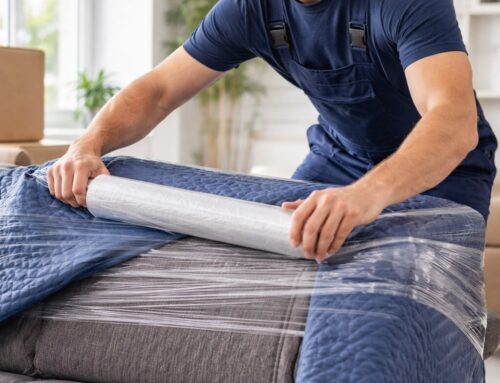
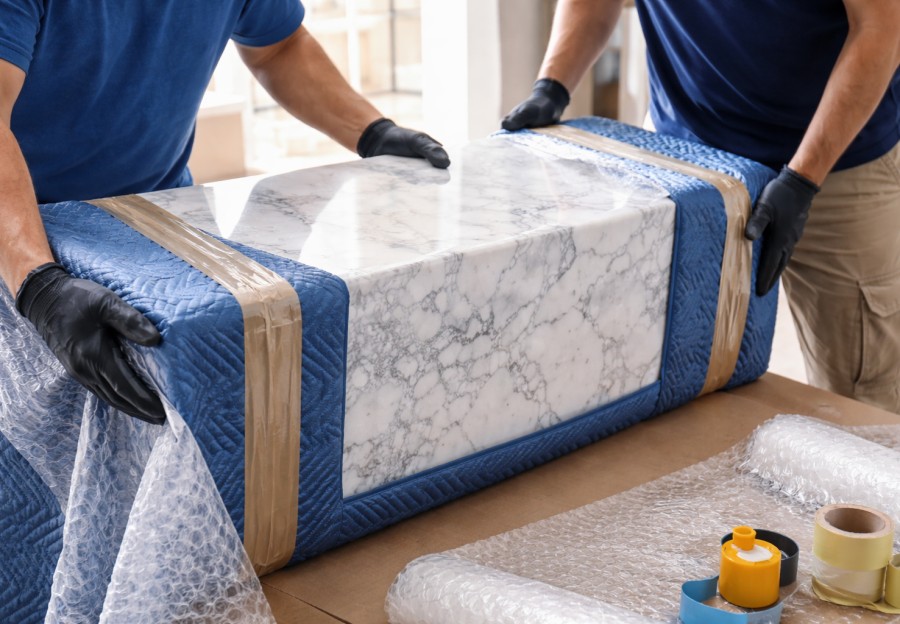
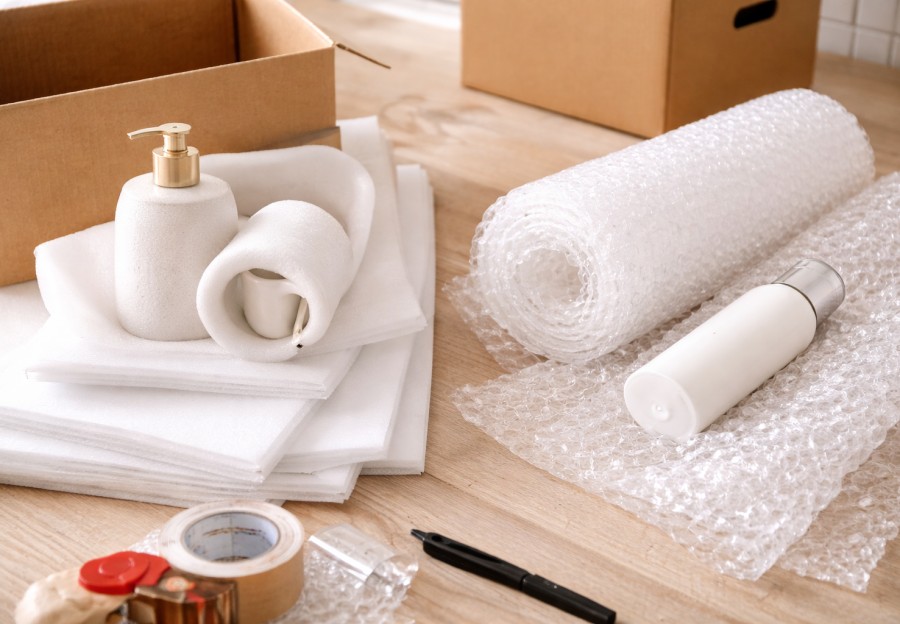
The smartest packing strategy often combines both materials. Bubble wrap provides shape conforming coverage and scratch protection. Foam provides structural cushioning and load distribution. Together they address multiple stress types that occur during a move.
Understanding the physics behind cushioning removes guesswork. Energy absorption, compression behavior, vibration damping, moisture interaction, temperature stability, surface contact pressure, and reuse potential all influence performance. Real data from packaging engineering, transportation safety, materials science, and environmental studies consistently shows that choosing the right cushioning for the right job reduces damage rates, improves handling safety, and lowers long term cost.
Packing is not about wrapping everything in the same material and hoping for the best. It is about matching material behavior to item behavior. When you understand how foam and bubble wrap truly differ, you make smarter choices that protect your belongings, reduce waste, and make the entire move more predictable and less stressful.