
April 5, 2026
Tips for moving during a major home remodel
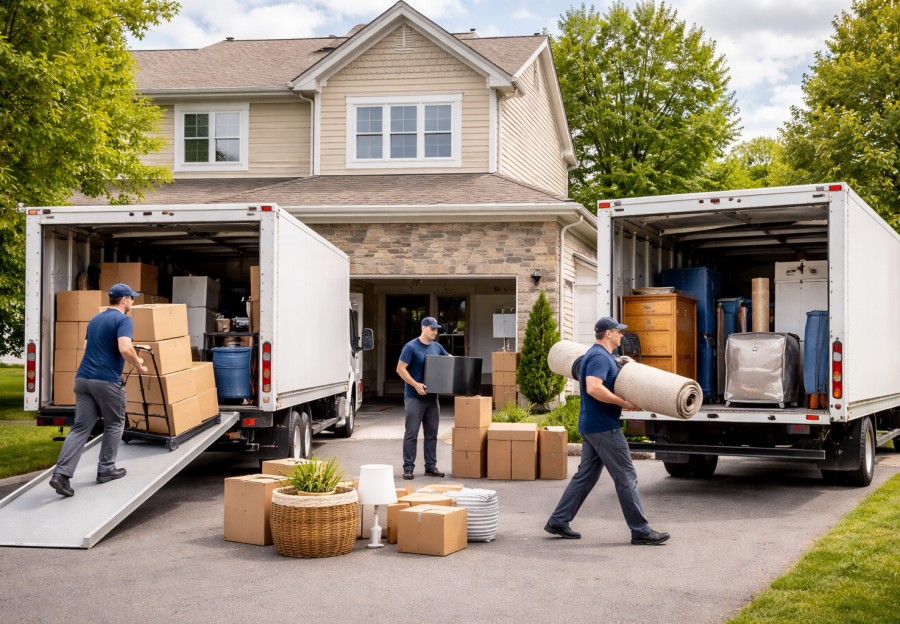
Moving during a major home remodel adds a layer of complexity that most people underestimate. You are not just relocating belongings. You are protecting them from dust, vibration, moisture, shifting access routes, changing schedules, and crews moving in and out all day. The environment is dynamic and sometimes chaotic. Without a clear plan, damage risk, delays, and stress rise quickly. With the right approach, however, a remodel move can stay organized, safe, and surprisingly manageable.
Remodel activity creates real physical risk to household items. Construction dust is more than a cosmetic problem. Environmental testing shows that fine particulate dust from drywall, concrete, and wood can stay airborne for hours and settle into fabrics, electronics vents, and mechanical joints. Studies on indoor air quality during renovation projects show particulate levels can spike several times higher than normal residential conditions. That dust acts like abrasive grit when trapped in upholstery fibers and electronic components, shortening lifespan and increasing cleaning cost.
Vibration and impact are another hidden factor. Demolition tools, framing work, and material deliveries transmit vibration through floors and walls. Materials engineering research shows that repeated micro vibration accelerates joint loosening in furniture and electronics, even without visible movement. Items left in active remodel zones experience more cumulative stress than those stored in stable environments.
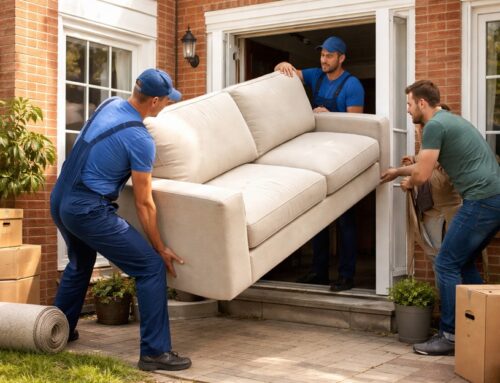
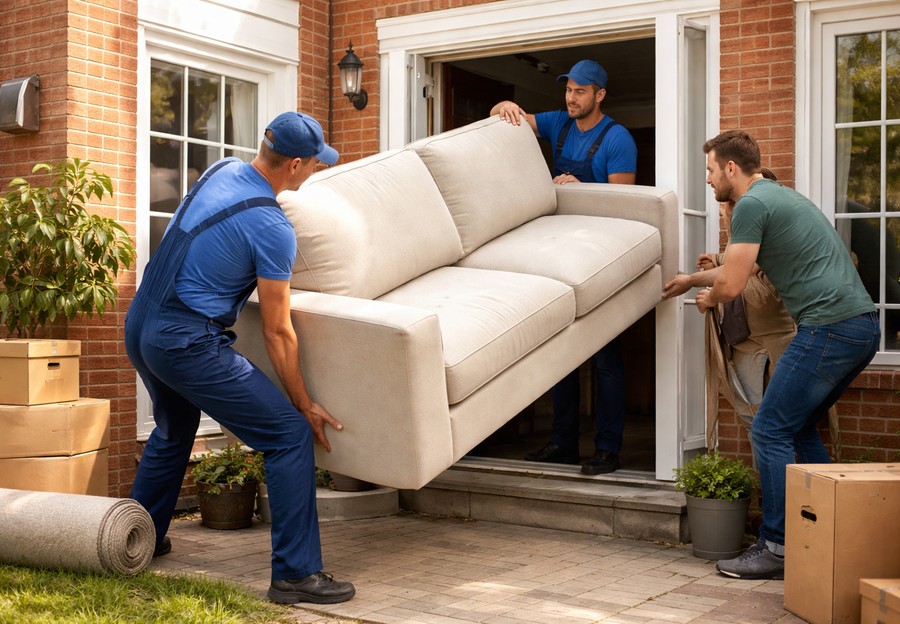
The first decision is defining what truly needs to leave the house versus what can safely remain sealed and protected. Clearing high traffic zones reduces congestion and accident risk. Occupational safety data shows that cluttered work zones increase trip and collision incidents significantly. Removing furniture from demolition paths protects both workers and belongings.
Temporary relocation does not always mean a full move to another residence. Some households use storage units, garages, basements, or unused rooms as staging zones. The key factor is environmental stability. Building materials research shows that moisture and temperature swings accelerate mold growth and material degradation. If storage areas lack climate control or have known dampness issues, sensitive items such as upholstery, books, electronics, and artwork should be moved off site.
Scheduling coordination matters more than most people expect. Remodel timelines often shift due to permitting delays, material backorders, or weather. Construction industry data shows that project schedules frequently experience variability of several weeks on medium sized residential projects. Planning storage duration with buffer time prevents rushed decisions later when timelines extend unexpectedly.
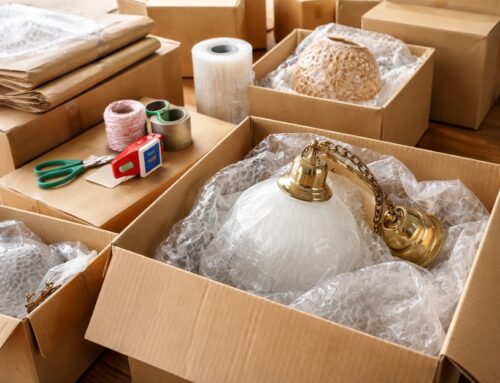
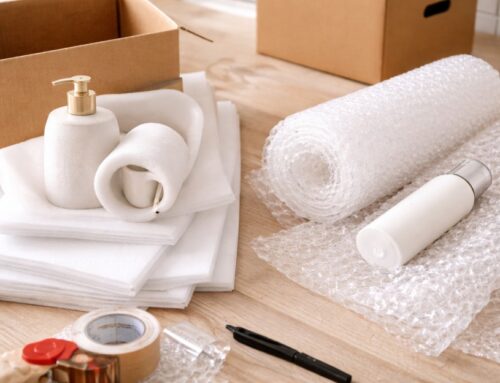
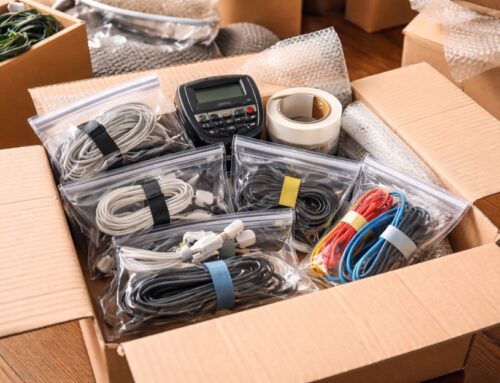
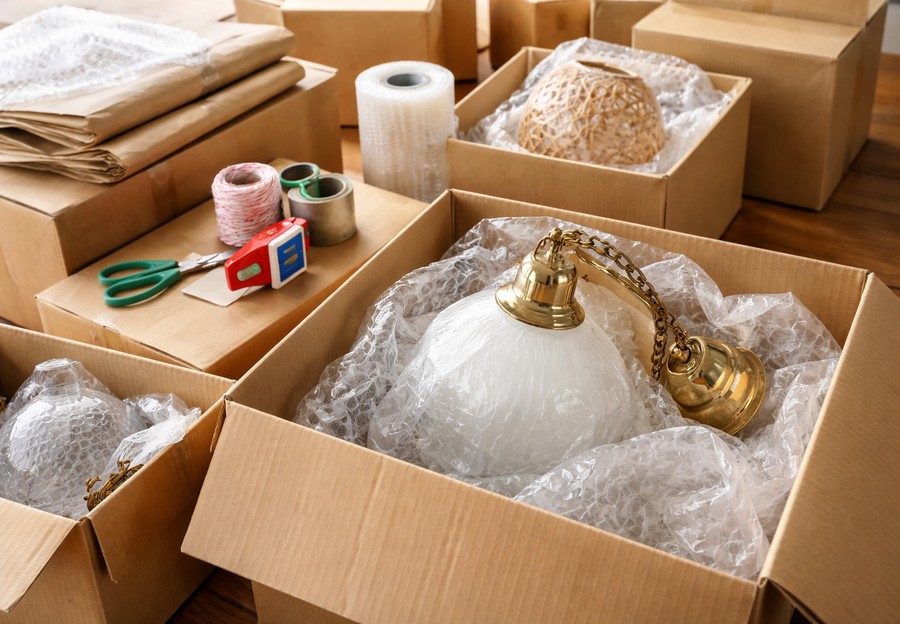
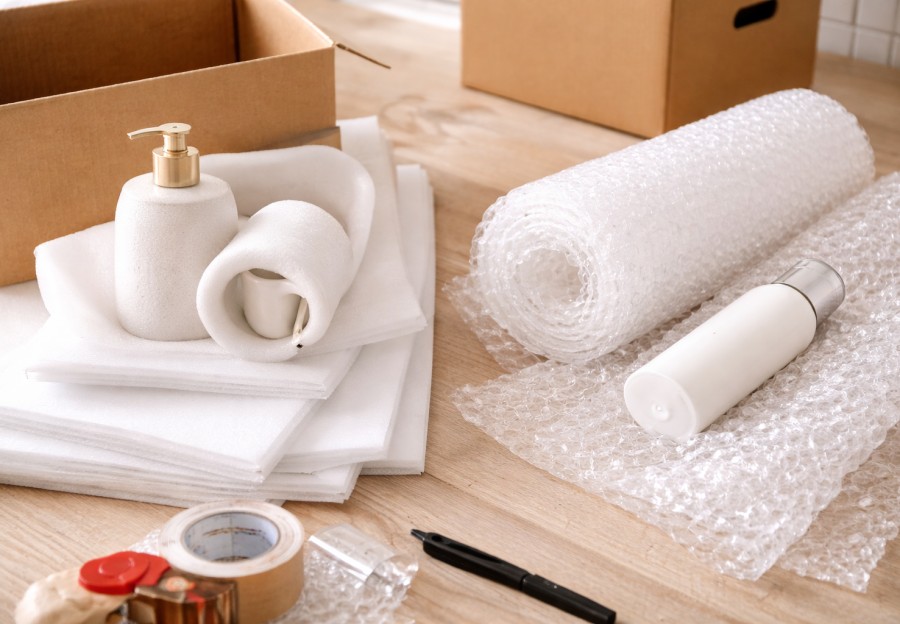
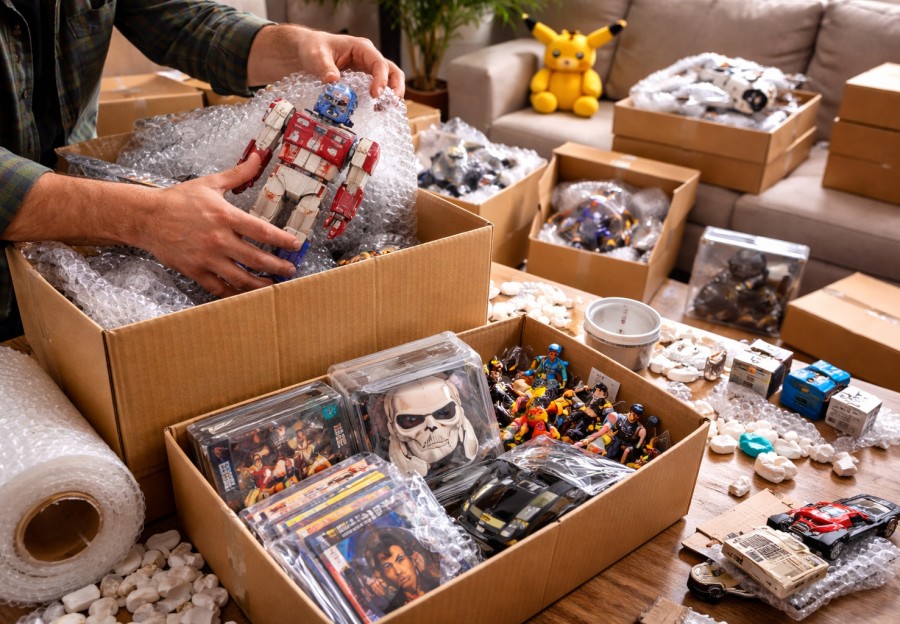
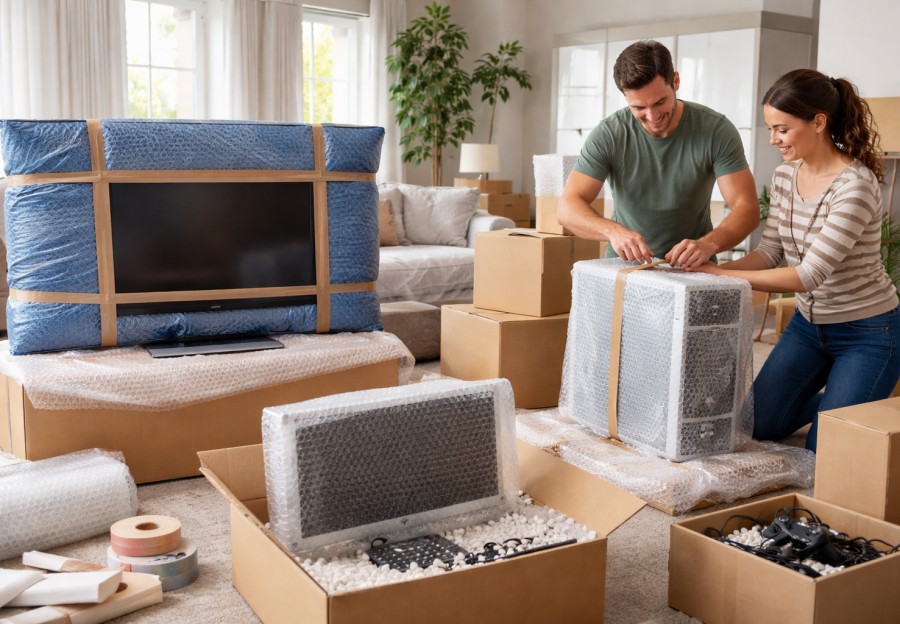
Packing standards should be higher than for a normal move. Construction dust finds every gap. Sealing boxes carefully and using plastic liners for soft goods prevents contamination. Textile hygiene studies show that fine dust particles embed deep into fibers and require professional cleaning to fully remove. Electronics reliability studies show that dust accumulation reduces cooling efficiency and increases component wear over time.
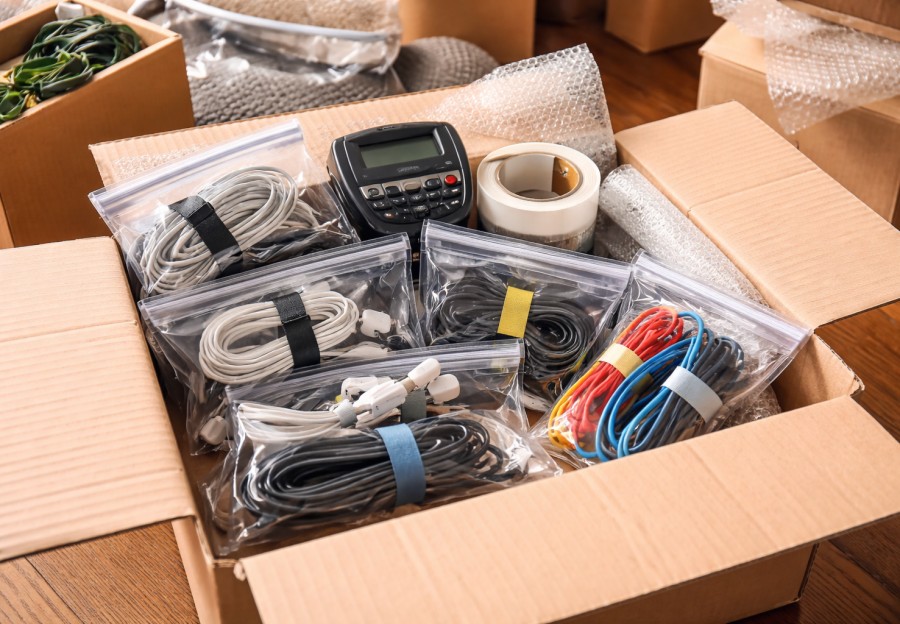
Labeling becomes essential when access to stored items is limited. When boxes are stacked in storage or a remote room, retrieving a single item can disrupt the entire stack. Logistics studies show that clear labeling reduces retrieval time by roughly 25 to 30 percent in dense storage environments. That saves frustration and prevents unnecessary reshuffling.
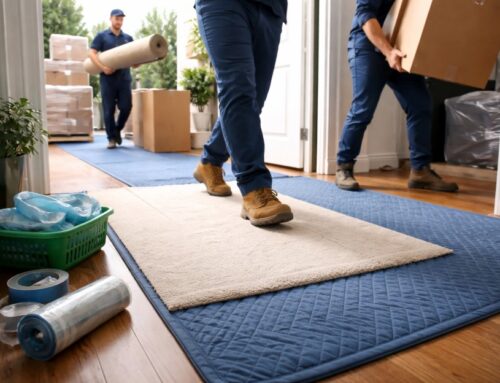
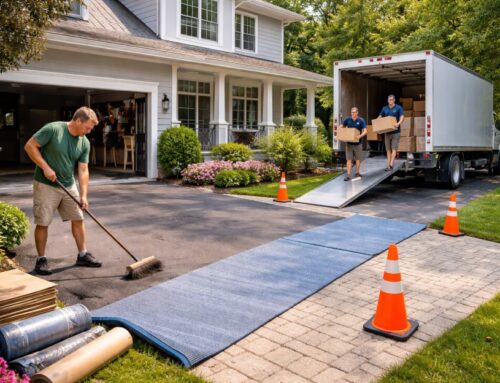
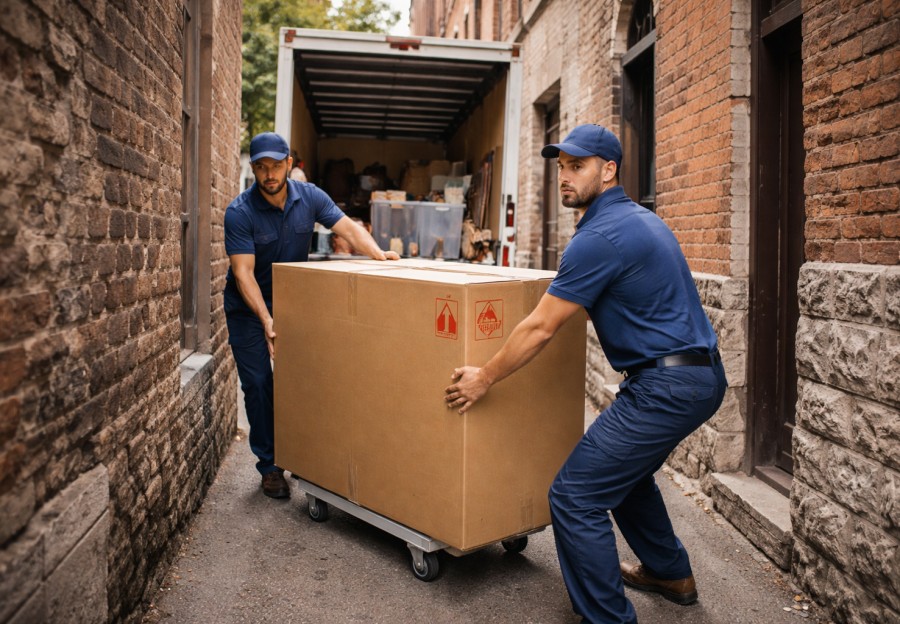
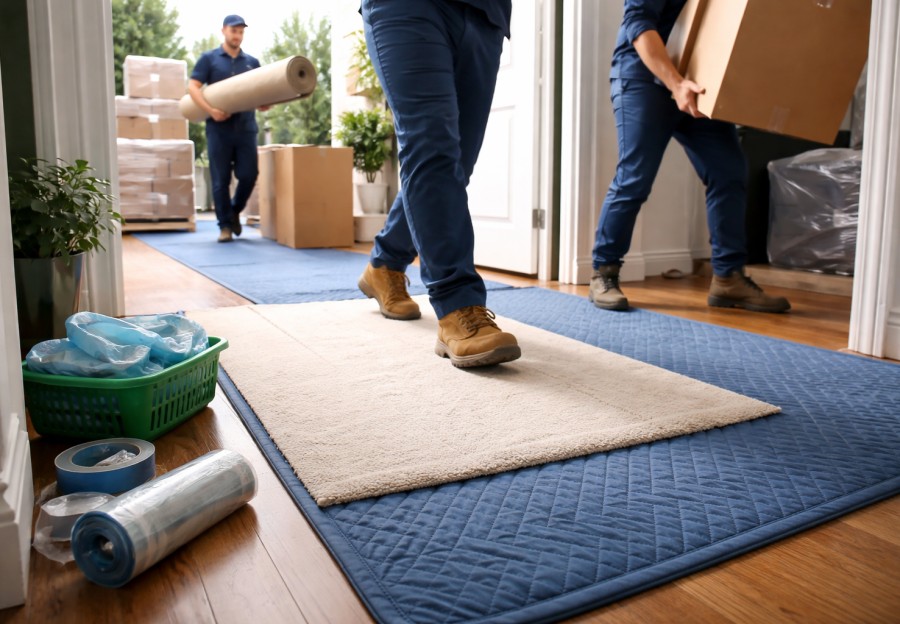
Access planning should account for contractor pathways. Workers need clear routes for carrying materials and equipment. Blocking those paths with stored household items increases collision risk and slows productivity. Construction safety research consistently links clear walkways with lower incident rates and higher job efficiency.
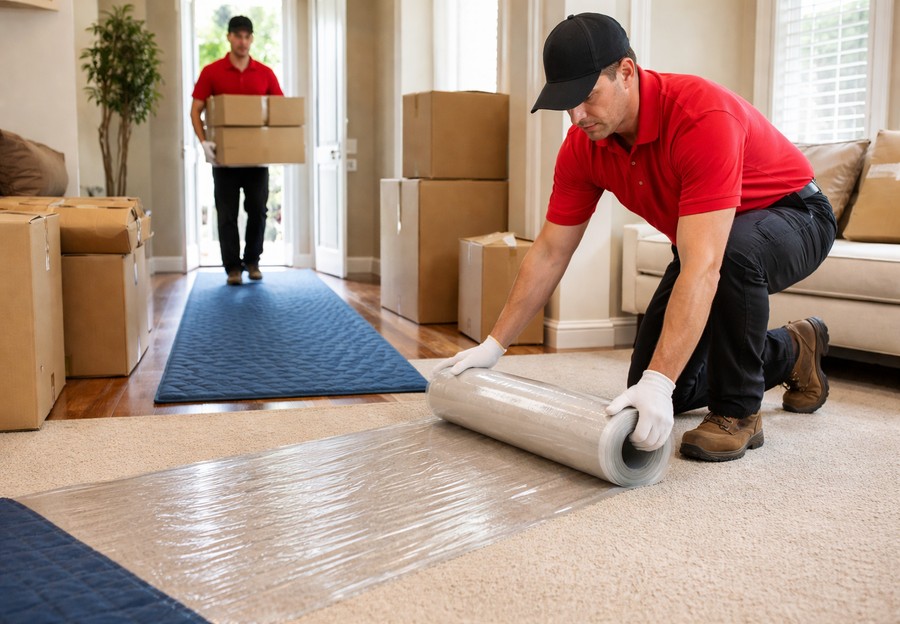
Dust barriers inside the home offer meaningful protection if some belongings remain on site. Plastic sheeting and sealed doorways reduce airborne particulate migration. Environmental engineering studies show that physical barriers can reduce dust transfer between zones by more than half when properly sealed. This protects items in adjacent rooms and improves indoor air quality for occupants.
Air filtration adds another layer of defense. Portable HEPA filters capture fine particles that ordinary household filters miss. Studies in renovation environments show that HEPA filtration significantly reduces airborne particulate concentration, improving both respiratory comfort and surface cleanliness. This is especially valuable for households remaining in the home during phased remodels.
Moisture exposure often increases during remodeling due to plumbing work, open walls, and weather exposure. Water damage claims data shows that accidental leaks and minor flooding are common during renovation phases. Elevating stored items off floors and avoiding direct contact with exterior walls reduces risk.
Temperature swings may occur when HVAC systems are temporarily disabled. Electronics, musical instruments, and some furniture finishes are sensitive to extreme heat and cold. Materials durability research shows that repeated thermal cycling accelerates adhesive fatigue and finish cracking. Sensitive items should be stored in temperature stable locations whenever possible.
Security becomes another consideration. Remodel projects increase foot traffic and visibility. Risk management studies show that higher foot traffic environments increase opportunistic loss risk for small valuables. Important documents, jewelry, and portable electronics should remain with you or in secured storage rather than unattended on site.
Insurance coverage should be reviewed before the move. Homeowner policies and contractor policies differ in how they handle property damage during construction. Insurance industry surveys show that misunderstandings about coverage are common during renovation claims. Clarifying what is covered protects against unpleasant surprises if damage occurs.
Staging logic matters for long remodels. Items you will need during the renovation should remain accessible. Items that will not be needed for months can be packed deeper into storage. Behavioral research shows that easy access to daily essentials reduces stress during prolonged disruption. Thoughtful staging preserves a sense of normal routine.
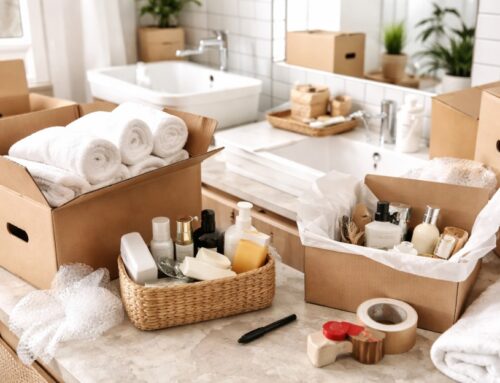
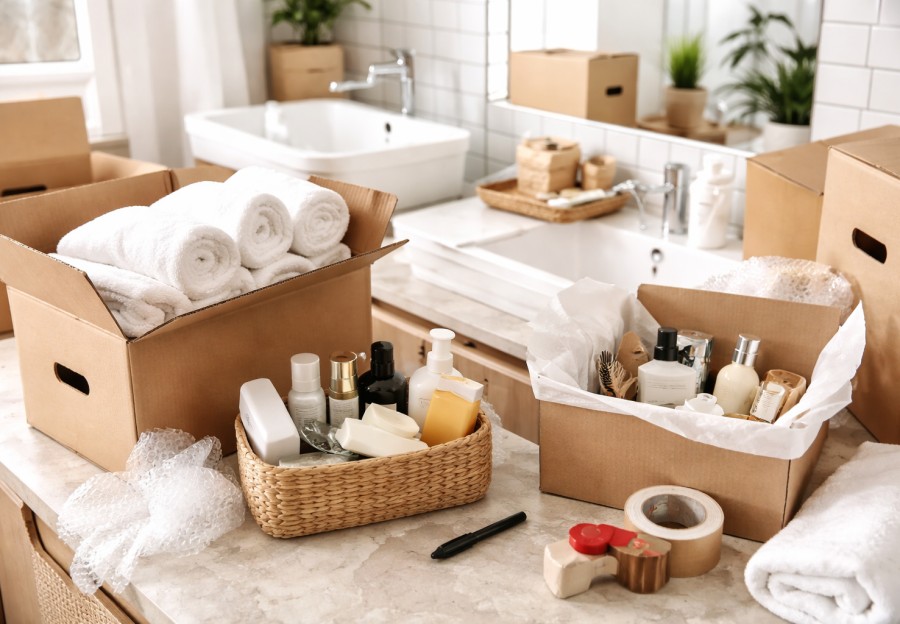
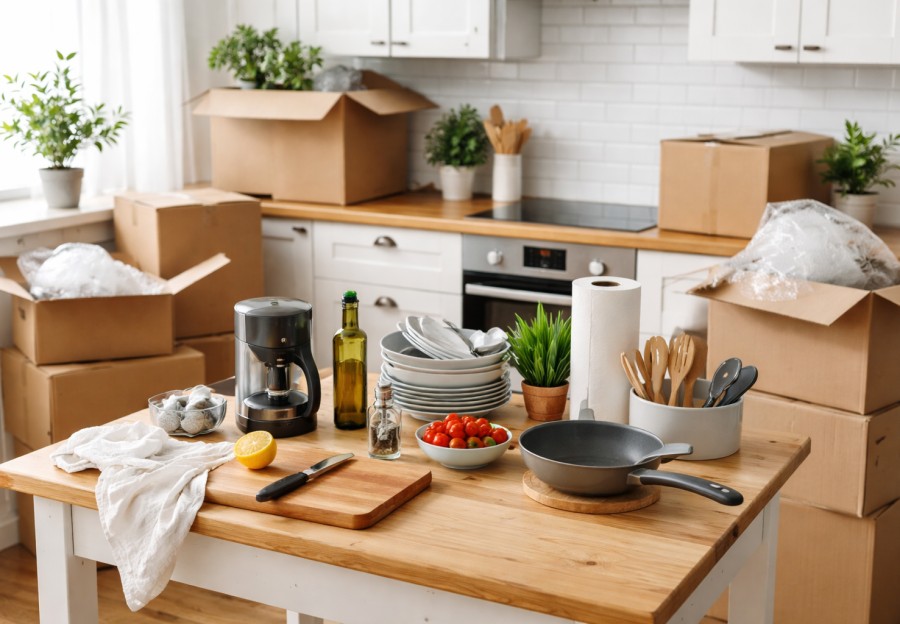
Kitchen and bathroom items deserve special planning. Remodels often remove these rooms from service temporarily. Setting up a temporary kitchen or hygiene station reduces daily inconvenience and limits the need to dig through packed boxes repeatedly. Consumer behavior studies show that routine disruption increases stress and fatigue over extended periods.
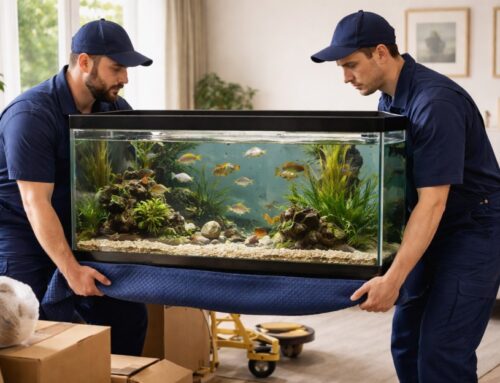
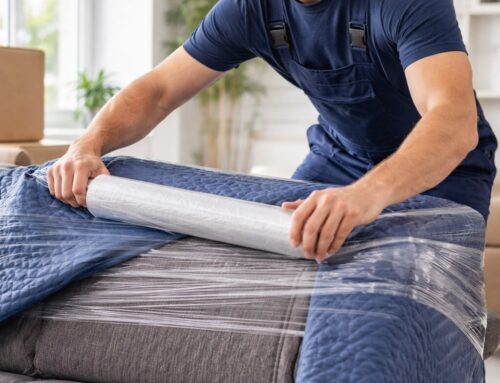
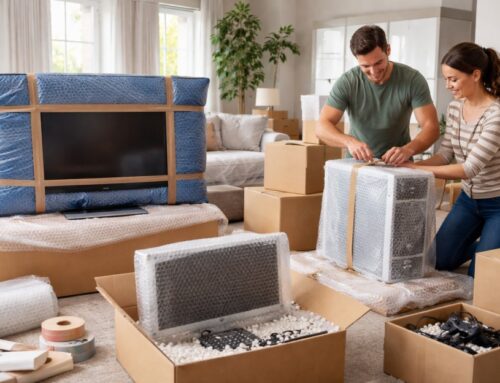
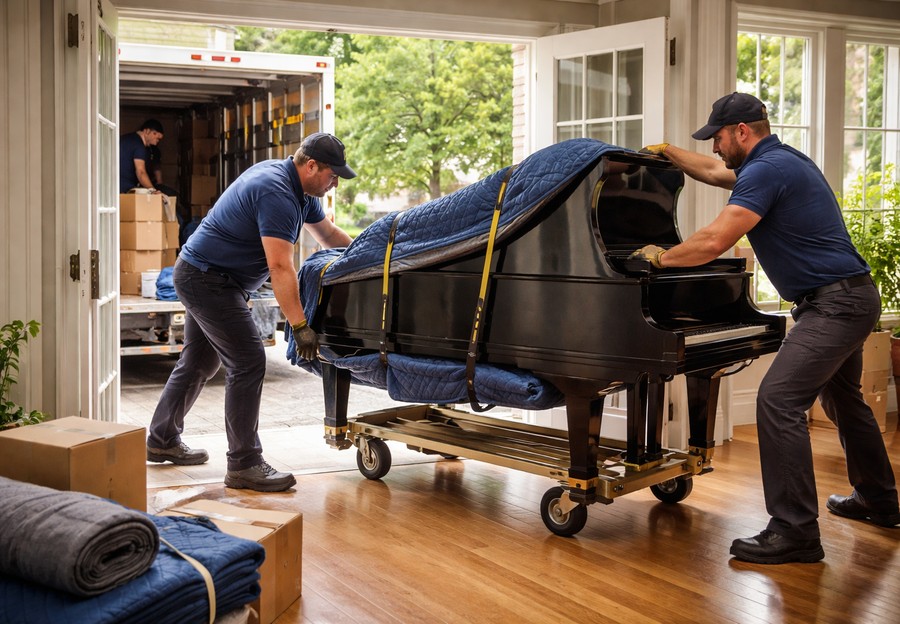
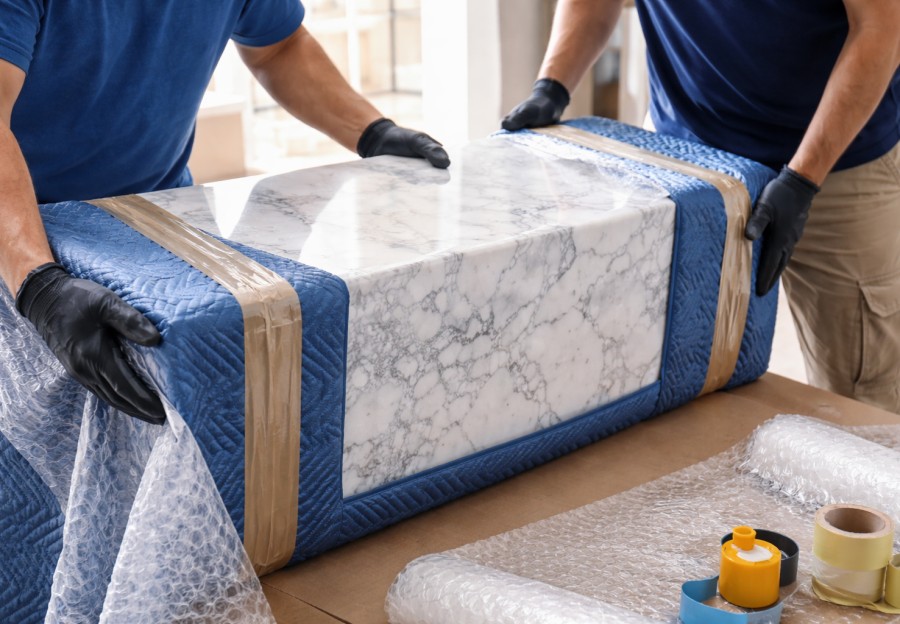
Furniture protection should go beyond basic covers. Stretch wrap combined with padded covers prevents dust infiltration and surface abrasion. Packaging engineering research shows that layered protection systems outperform single material coverings when exposed to vibration and particulate contamination.
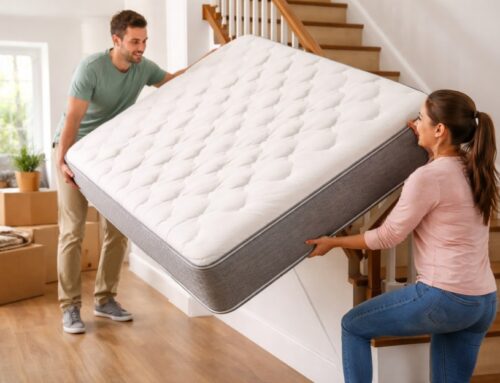
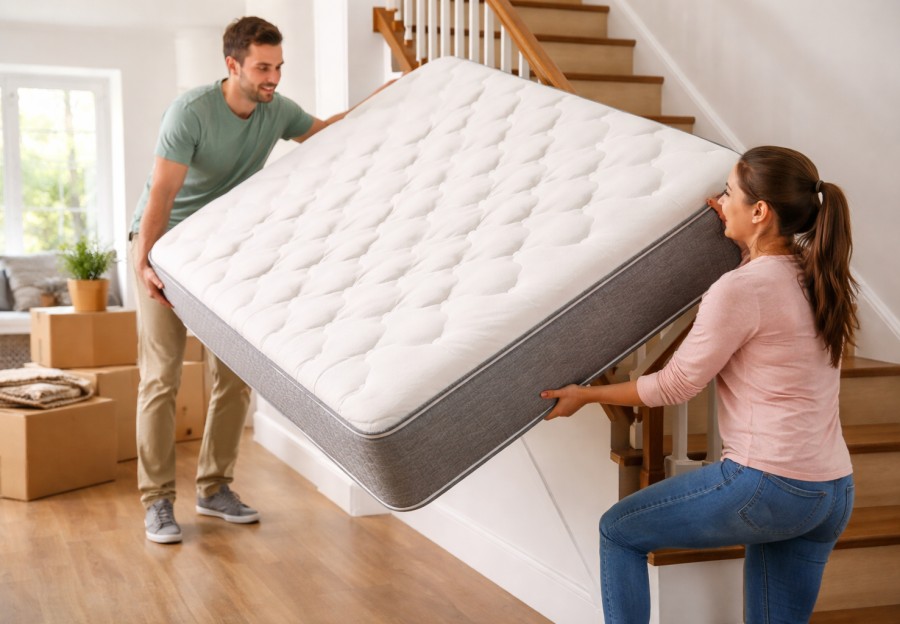
Mattresses and upholstered furniture should be sealed fully. These items absorb dust easily and are difficult to deep clean. Textile studies show that embedded dust reduces fabric longevity and can aggravate allergies.
Floor protection inside storage zones matters as well. Heavy stacked boxes concentrate load. Structural load studies show that concentrated weight increases floor deflection and surface wear. Distributing loads evenly and avoiding stacking directly on delicate flooring reduces long term damage.
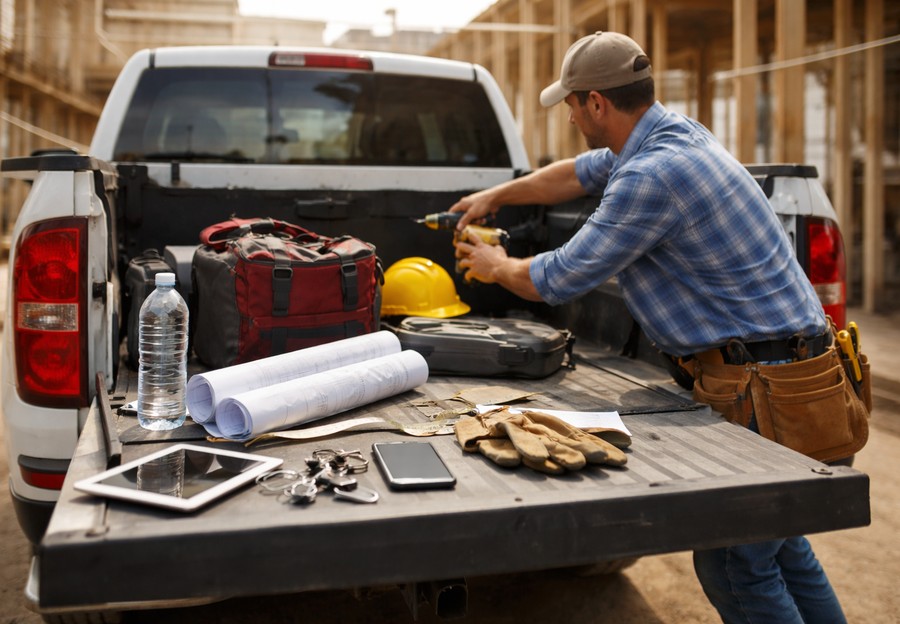
Communication with contractors improves outcomes. Share where stored household items are located and which zones must remain clear. Workplace coordination research shows that shared situational awareness reduces accidental damage and delays.
Plan for periodic inspection of stored belongings. Long remodels create opportunities for unnoticed leaks, pest intrusion, or shifting stacks. Building maintenance studies show that early detection reduces remediation cost significantly. A brief monthly check protects investment.
Pest prevention deserves attention. Construction disrupts walls and foundations, increasing pest entry risk. Entomology studies show that disturbed building envelopes temporarily increase insect and rodent activity. Sealed containers and elevated storage reduce exposure.
Lighting conditions often change during remodels. Temporary lighting may be dim or uneven. Visual safety research shows that reduced lighting increases collision and handling error risk. Keep walkways well lit near storage zones.
Noise and vibration can affect sensitive items such as vinyl records, framed art, and glass collections. While risk is moderate, long exposure to vibration can loosen mounts and fasteners. Padding and stable stacking reduce micro movement.
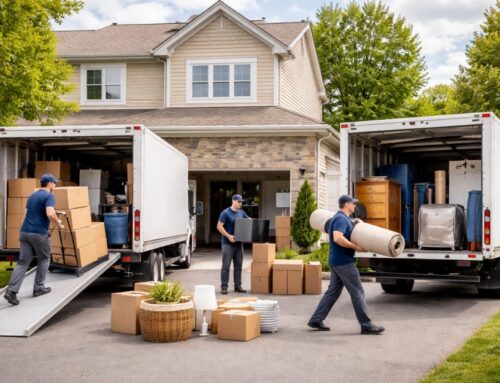
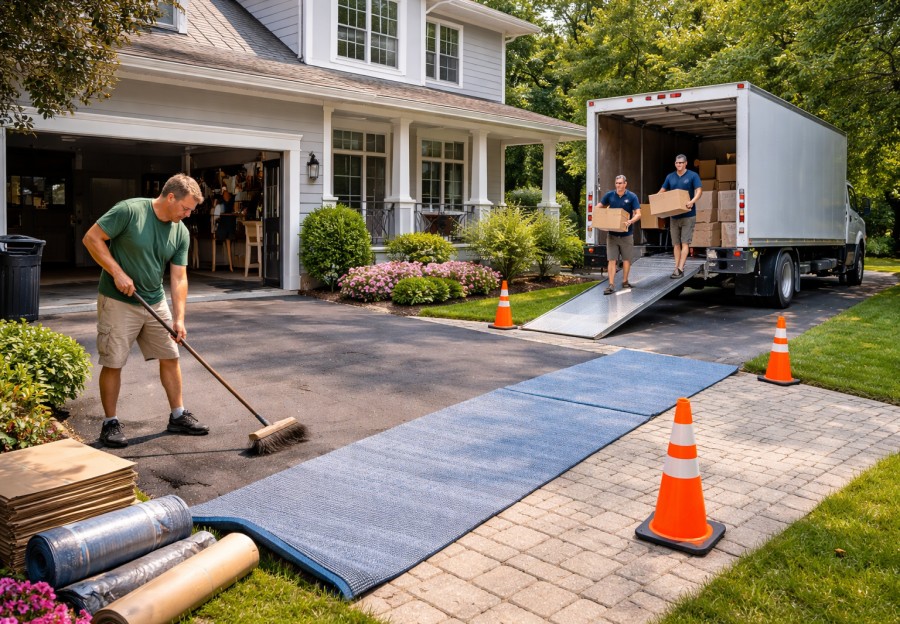
Weather planning matters if materials must be staged outdoors briefly. Rain, sun, and wind increase exposure risk. Vehicle and materials studies show that UV exposure accelerates material degradation and moisture drives mold risk. Outdoor staging should be minimized and protected aggressively.
Cost control benefits from planning. Damage replacement, additional cleaning, and rushed storage changes add up quickly. Consumer cost surveys show that small unplanned expenses accumulate significantly during long projects. Preventive planning reduces surprise spending.
Environmental responsibility improves when items are protected rather than replaced. Sustainability studies show that extending product lifespan reduces manufacturing emissions and landfill contribution more effectively than recycling after damage.
Mental health benefits should not be underestimated. Remodeling combined with moving ranks high on stress scales in behavioral research. Maintaining organization, predictability, and clean living zones reduces emotional strain and improves coping.
Children and pets require special consideration. Construction zones create noise, dust, and safety hazards. Keeping their belongings accessible and maintaining familiar routines reduces anxiety and behavior disruption. Developmental studies show that routine stability improves emotional regulation during environmental change.
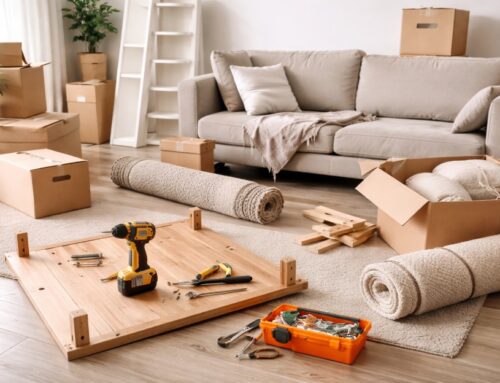
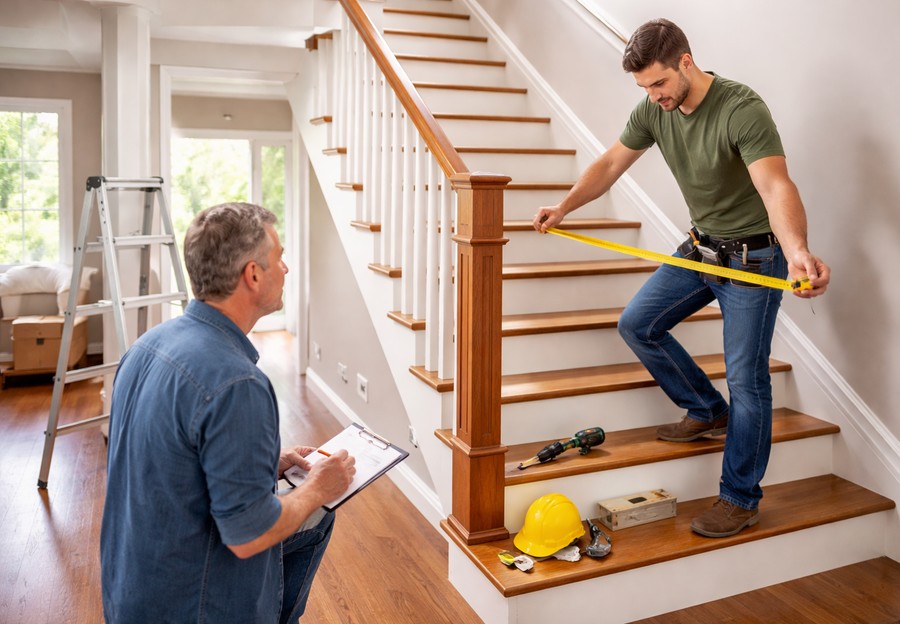
If the remodel includes structural changes that alter room sizes or layouts, revisit furniture placement plans early. Space planning studies show that mismatched furniture layouts increase post remodel congestion and reduce functional flow. Adjusting expectations before moving items back saves time and frustration later.
As completion approaches, reverse staging gradually rather than all at once. Phased reintroduction allows cleaning, inspection, and setup without overwhelming the space. Time management research shows that staged workflows reduce error rates and fatigue.
Before moving items back in, perform a thorough cleaning of remodel zones. Construction dust settles on horizontal surfaces and inside cabinets. Indoor air quality studies show that post construction cleaning significantly reduces residual particulate levels and improves comfort.
Inspect floors, walls, and fixtures for any damage before furniture returns. Addressing issues early prevents secondary damage from heavy furniture placement.
Allow HVAC systems to stabilize indoor temperature and humidity before bringing sensitive items back. Materials science research shows that stable environmental conditions support material recovery after exposure.
The central principle of moving during a major home remodel is proactive control rather than reactive cleanup. Anticipate dust. Anticipate vibration. Anticipate schedule shifts. Anticipate access changes. Design storage, protection, and staging around those realities.
A remodel promises long term improvement, but the process temporarily disrupts comfort and order. When your belongings remain protected, accessible, and organized, the project feels more manageable and less draining. Real data from construction safety, materials science, indoor air quality research, and behavioral psychology all point to the same conclusion. Preparation reduces damage, saves money, protects health, and preserves sanity.
Moving during a remodel does not need to feel like chaos layered on chaos. With thoughtful planning, consistent protection, and realistic scheduling, it becomes a controlled transition rather than a constant crisis.