April 7, 2026
What must be hand-carried instead of trucked
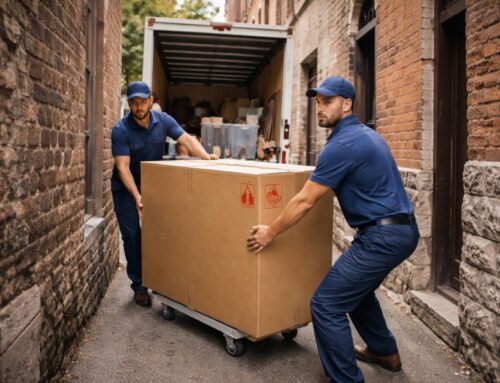
One of the smartest decisions you can make on moving day happens before the truck doors even open. Certain items simply should not ride in a moving truck. They are too valuable, too sensitive, too time critical, or too legally important to risk being buried under furniture, exposed to temperature swings, or handled by multiple people. Hand carrying these items protects you from loss, delays, damage, and a surprising amount of stress.
Moving trucks are not climate controlled and they experience constant vibration, braking forces, and temperature changes. Transportation studies show that closed trucks can heat up more than 20 degrees Celsius above outdoor temperature in direct sun. Vibration testing used in packaging labs demonstrates that cargo experiences thousands of micro impacts even on short trips. Those conditions are fine for couches and boxes of dishes when properly packed, but they are risky for items that rely on stable temperature, precise calibration, legal chain of custody, or immediate access.
The first category that should always stay with you is personal identification and critical documents. Passports, birth certificates, visas, social security cards, marriage certificates, property deeds, insurance policies, and medical records are difficult and sometimes impossible to replace quickly. Government processing times for replacement documents can stretch into weeks or months depending on country and backlog. Losing them during a move can delay employment onboarding, school enrollment, banking access, and travel plans. Keeping them in your personal bag ensures continuous control and eliminates chain of custody risk.
Financial items belong with you as well. Cash, checkbooks, credit cards not in daily use, investment paperwork, and small safes should never ride in a truck. Consumer theft and loss reports consistently show that small portable valuables are the most common category in transit disputes because they are hard to inventory and easy to misplace among hundreds of boxes. Even honest mistakes can lead to weeks of searching and administrative friction.
Prescription medications and essential health supplies must always be hand carried. Public health agencies warn that missing even a few doses of certain medications can create medical complications. Temperature sensitivity matters too. Many medications lose effectiveness when exposed to heat or freezing. Pharmaceutical stability studies show that prolonged exposure above recommended storage temperatures accelerates chemical degradation. Insulin, biologics, and some inhalers are especially sensitive. Keeping medications in your own climate controlled vehicle preserves both safety and continuity of care.
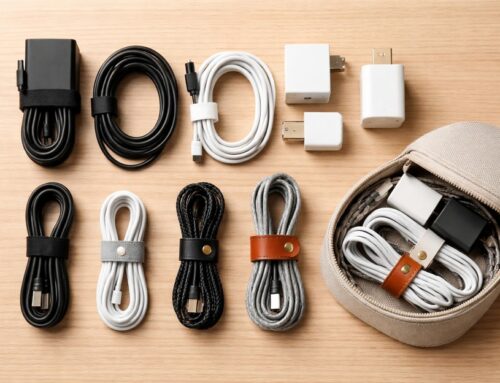
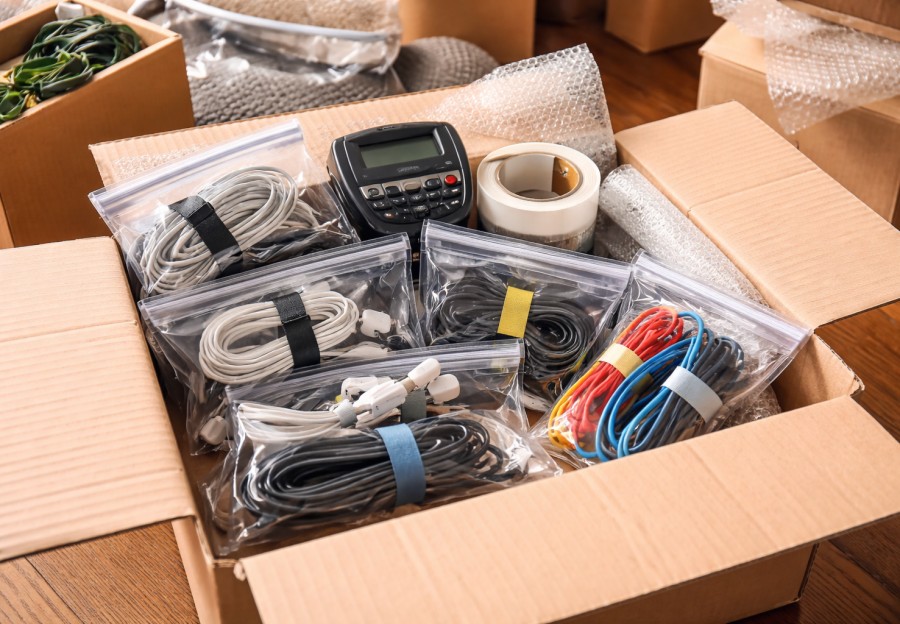
Electronics that contain critical data or are essential for immediate work should stay with you. Laptops, tablets, external hard drives, cameras with memory cards, and work phones often carry irreplaceable files and credentials. Data loss statistics show that hardware damage and loss remain leading causes of personal data loss incidents despite cloud backups. Vibration and shock can damage hard drives and internal connectors even when devices appear padded. Carrying them personally reduces exposure to shock and allows you to maintain access if unexpected delays occur.
Jewelry and small high value items belong with you as well. Even insured items create emotional distress and administrative effort when lost or damaged. Insurance claim processing often requires documentation, police reports, and waiting periods. Keeping jewelry in a small locked case under your control avoids this entirely.
Sentimental items that cannot truly be replaced deserve special consideration. Photo albums, heirloom letters, childhood keepsakes, awards, and handmade items often carry emotional value far beyond market price. Behavioral research shows that loss of sentimental objects creates disproportionate emotional distress compared with financial loss alone. If an item would cause lasting regret if damaged or lost, it belongs with you.
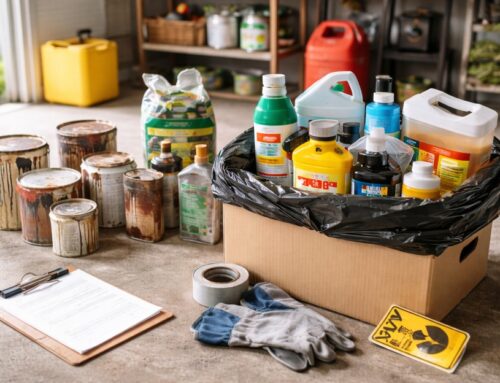
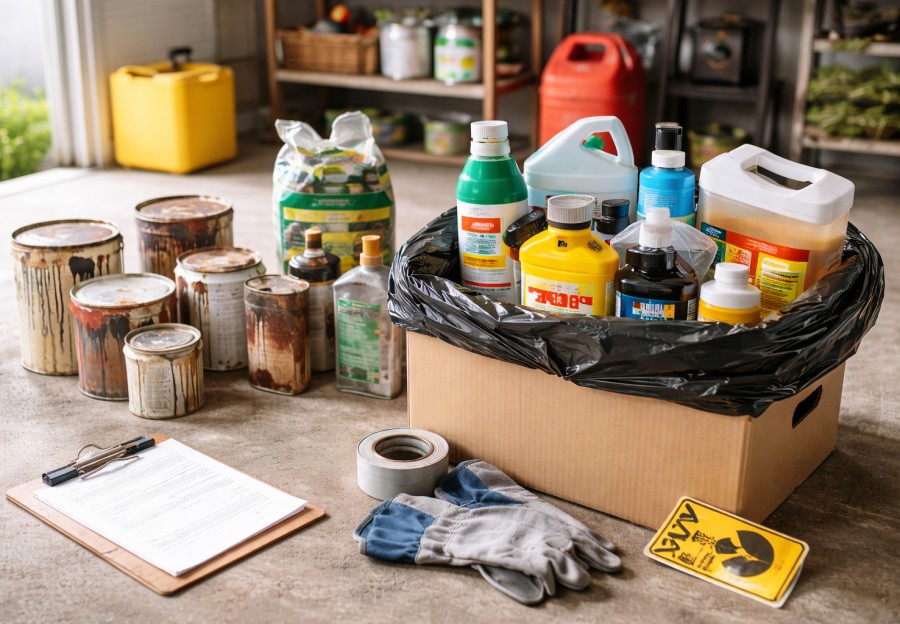
Anything legally restricted or prohibited from commercial transport should stay with you or follow proper legal transport rules. Firearms, ammunition, certain chemicals, and regulated items often cannot legally be transported by standard movers. Regulations vary widely by region and carrier policy. Transporting these incorrectly can create legal liability. Keeping control and following local transport laws protects you from compliance issues.
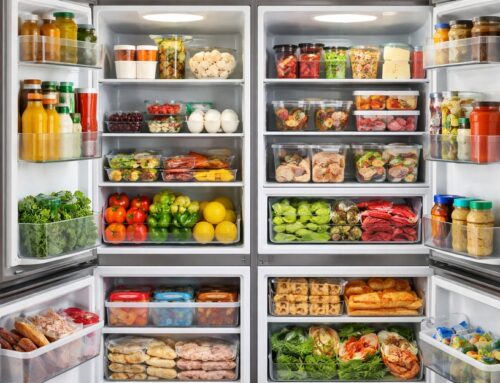
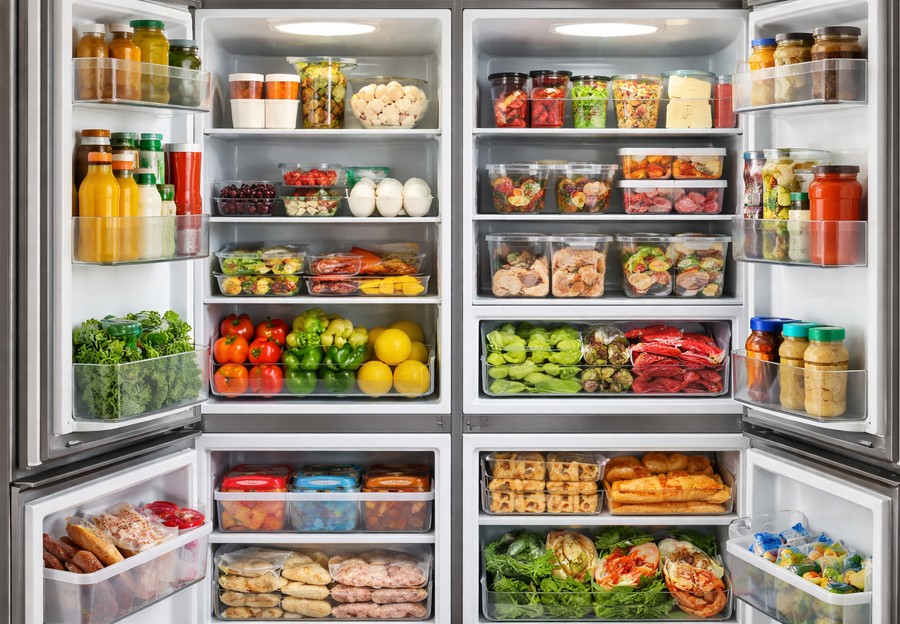
Perishable food and temperature sensitive items should not ride in the truck. Food safety guidelines from the USDA state that perishable foods should not remain above 40 degrees Fahrenheit for more than two hours, or one hour in hot weather. Moving trucks routinely exceed those limits quickly. Even sealed beverages can leak under heat and pressure changes. If food must travel, it should be in insulated coolers with you, not buried in the truck.
Plants and live animals must always be hand carried or transported using specialized services. Most moving companies prohibit transporting plants and pets because of temperature risk, oxygen needs, and stress factors. Horticulture studies show that many houseplants suffer irreversible damage after short exposure to extreme heat or cold. Veterinary research shows that animals experience elevated stress and dehydration risk in uncontrolled transport environments. Your personal vehicle allows monitoring and climate control.
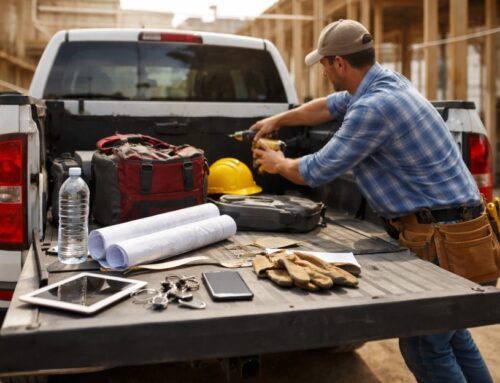
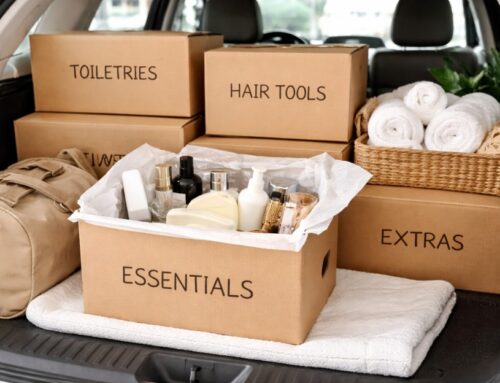
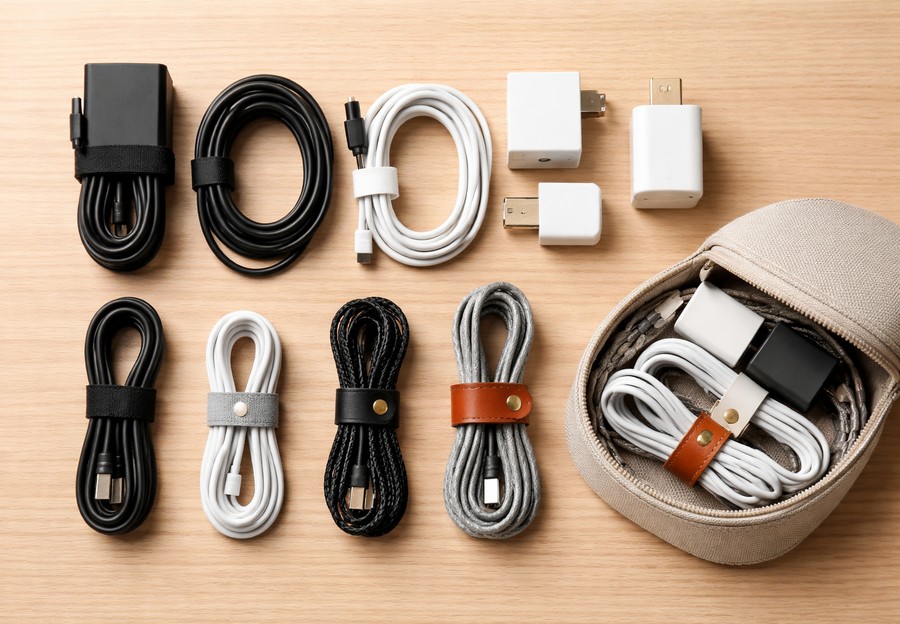
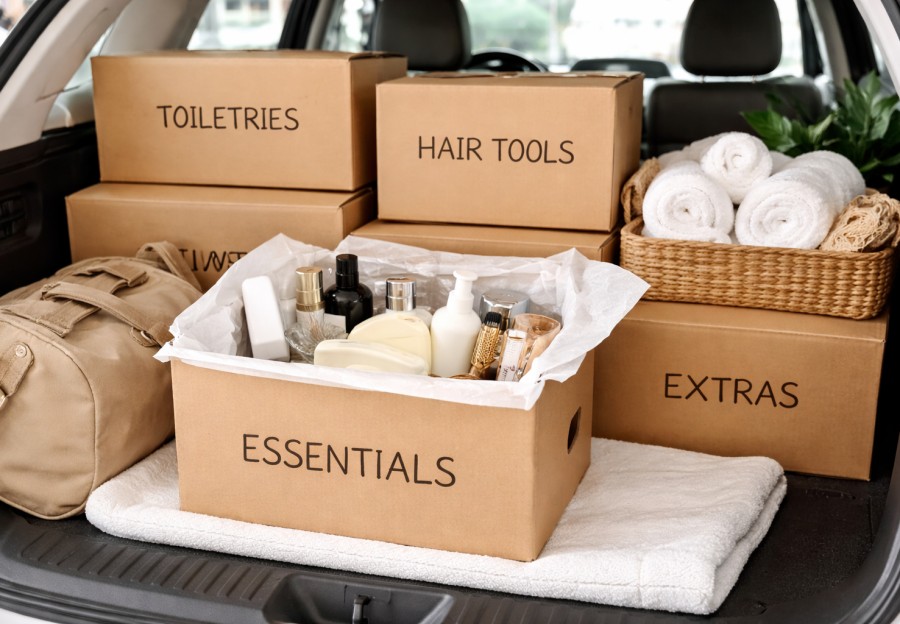
Items needed immediately upon arrival should stay with you. Phone chargers, toiletries, a change of clothes, basic tools, baby supplies, pet supplies, and important medications prevent the classic first night scramble. Cognitive fatigue research shows that decision making and patience drop sharply after long physical days. Easy access to essentials protects comfort and safety when energy is low.
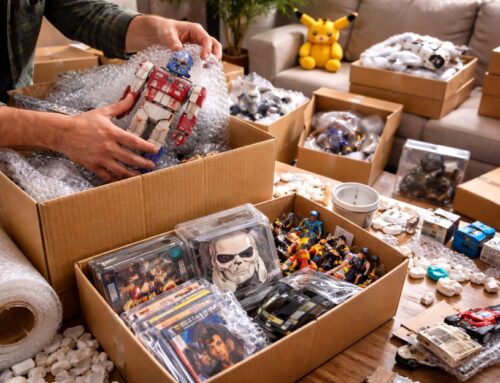
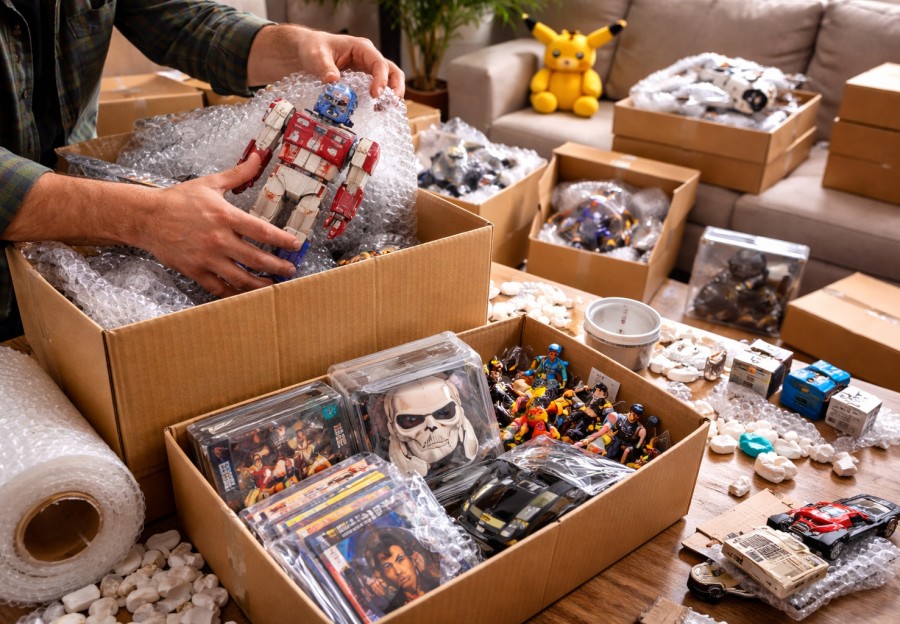
High value collectibles and specialty items deserve caution. Rare coins, stamps, trading cards, musical instruments with fine tolerances, specialty lenses, and delicate calibration equipment are sensitive to vibration, humidity, and temperature swings. Conservation research shows that humidity fluctuations accelerate corrosion, warping, and adhesive failure in many materials. Carrying these items personally or using specialty transport reduces environmental exposure.
Confidential business materials should remain under your direct control. Client files, contracts, prototypes, and proprietary data create legal and ethical obligations. Data protection standards emphasize maintaining custody and access control. Allowing sensitive materials to travel unattended in a shared truck increases risk unnecessarily.
There is also a practical insurance angle. Many moving contracts limit liability for certain categories of valuables, cash, jewelry, documents, and electronics. Even when additional valuation coverage is purchased, claims can be capped or excluded. Consumer advocacy organizations consistently recommend self transporting irreplaceable and high value items rather than relying on carrier liability.
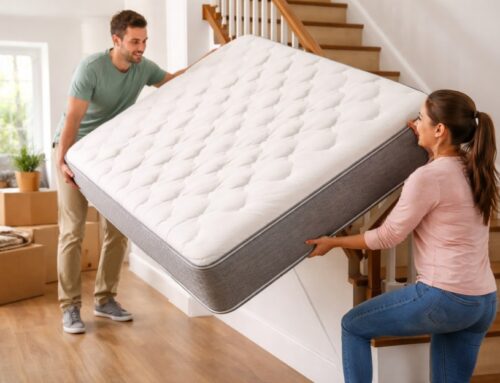
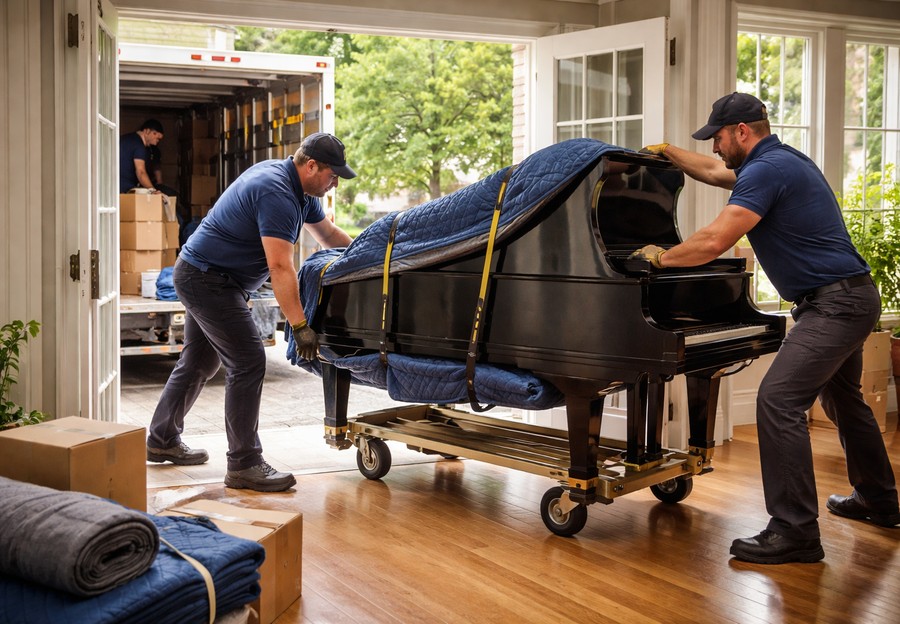
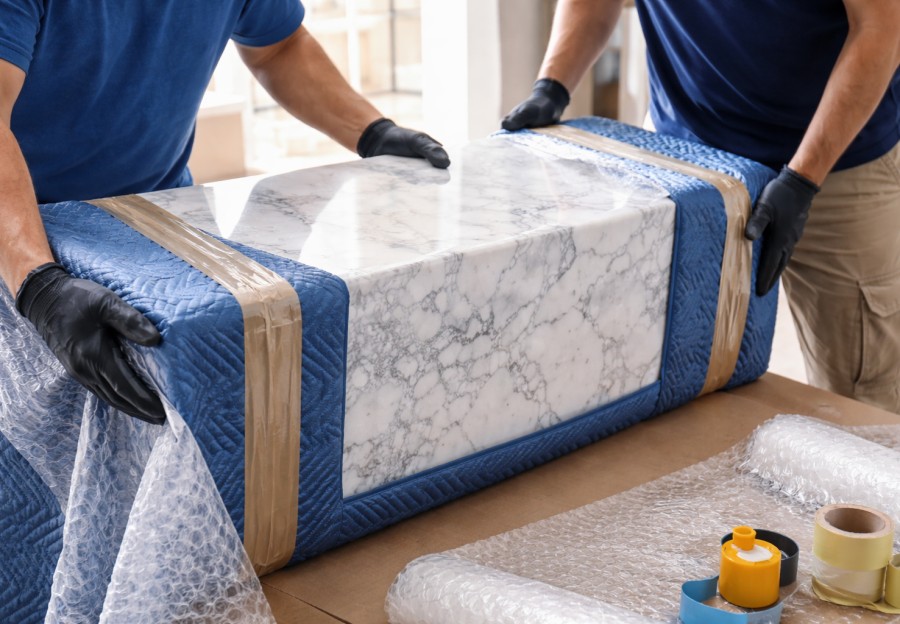
Weight and size also influence this decision. Small, dense, high value items are easy to hand carry and disproportionately risky to truck. Large furniture is difficult to hand carry and generally well suited for professional transport when properly protected. Risk should be matched to consequence rather than convenience.
Planning hand carry items requires organization. Create a dedicated carry bag or small suitcase that never leaves your sight. Keep it in your personal vehicle, not staged with other boxes. Behavioral research on task reliability shows that physical separation reduces accidental misplacement dramatically.
Backup matters. For digital items, ensure cloud backups are current before moving. Redundancy protects against worst case scenarios even when carrying devices personally. Data resilience studies consistently show that multiple independent backups reduce loss impact significantly.
Security awareness matters during stops. If traveling long distance, do not leave your carry items unattended in parked vehicles. Theft risk rises in unfamiliar areas and during visible moves. Risk management data shows that opportunistic theft increases when vehicles are clearly loaded for relocation.
Children and pets add another layer. Comfort items, medications, favorite toys, and feeding supplies should stay with you to reduce anxiety and disruption. Developmental psychology research shows that maintaining routine and familiar objects reduces stress responses in children during transitions.
Cost prevention reinforces the habit. Replacing a lost passport can involve expedited processing fees, travel delays, and administrative time. Replacing lost electronics or jewelry can cost thousands. Medical disruptions carry even higher indirect costs. Carrying these items personally costs nothing but attention.
Environmental responsibility benefits as well. Preventing damage and loss reduces replacement manufacturing and waste. Sustainability studies consistently show that extending product lifespan has greater environmental benefit than recycling after damage.
Psychologically, knowing your most important belongings are with you creates peace of mind. Stress research shows that perceived control reduces anxiety during complex events like moving. When you control the highest value and highest risk items, the rest of the move feels more manageable.
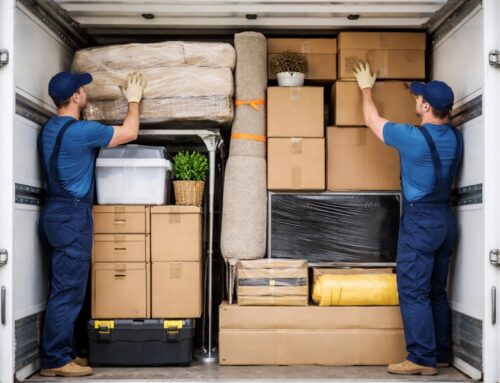
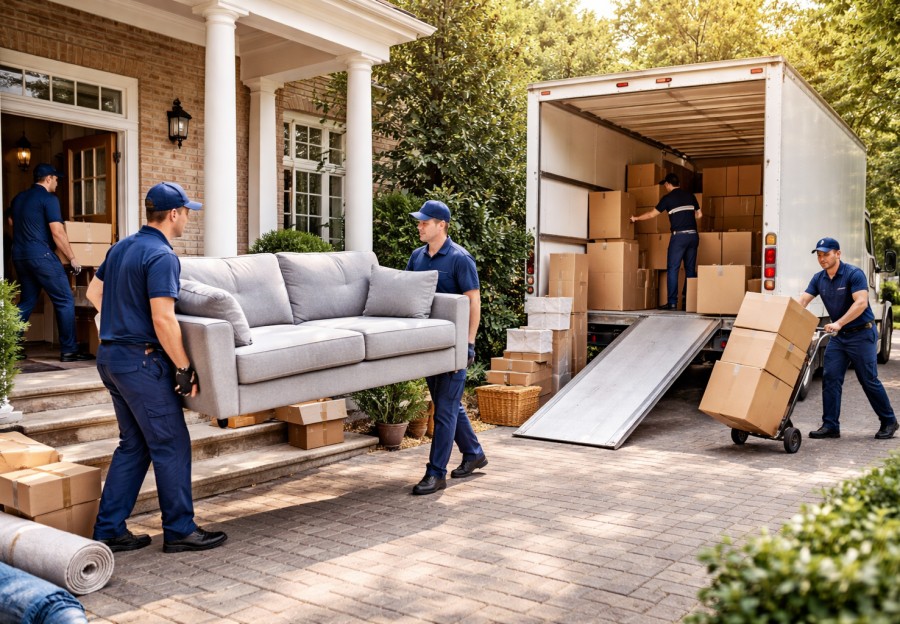
The guiding principle is simple. If an item would cause serious financial, legal, health, or emotional harm if lost or delayed, it should not go on the truck. Trucks are excellent for sofas, tables, boxes of clothes, and kitchenware. They are not designed for identity protection, medication safety, data security, or sentimental preservation.
A move marks a transition into a new chapter. Protecting what truly matters keeps that transition smooth rather than chaotic. With a little planning and clear judgment, hand carrying the right items eliminates many of the most common moving day regrets before they ever have a chance to happen.