April 2, 2026
How to photograph furniture before movers handle it
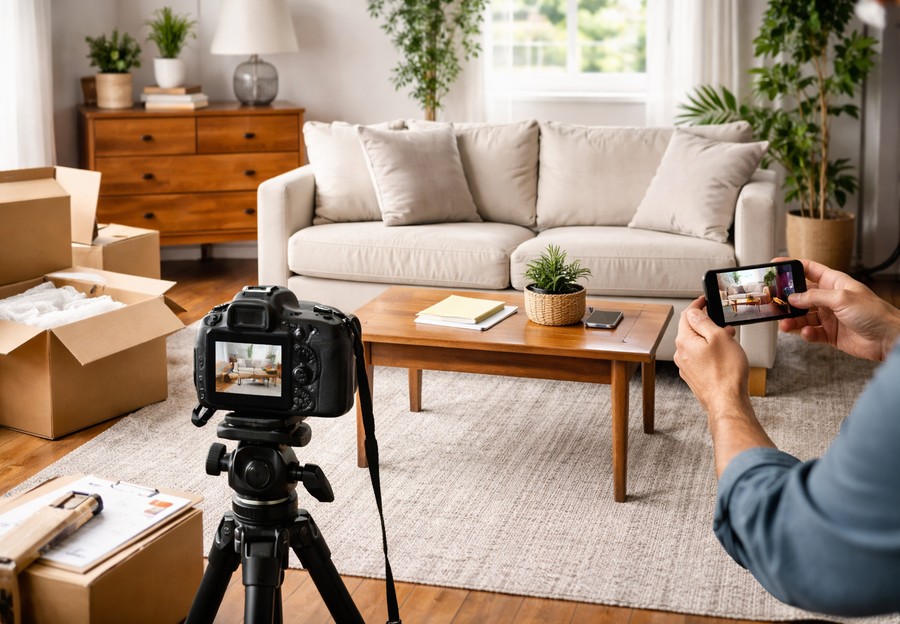
Photographing your furniture before movers touch it may feel unnecessary when everything looks fine and the crew seems careful. In reality, those few minutes with your phone can protect you financially, reduce disputes, speed up insurance claims, and even help with reassembly later. Photos create an objective record of condition at a specific moment in time. When memory fades after a long moving day, images remain clear.
Damage during moves is not rare. Industry surveys from consumer protection groups and insurance providers consistently show that a meaningful percentage of residential moves involve at least one damaged item or surface. Even minor scuffs and hardware issues can become costly. Home repair pricing data shows that refinishing a scratched wood surface or repairing a chipped veneer can easily run into hundreds of dollars. Electronics screen repairs often exceed that. Having solid documentation shifts conversations from opinion to evidence.
Smart photography starts with lighting and clarity. Natural light reveals surface texture and finish imperfections better than dim indoor lighting. Visual perception studies show that higher contrast lighting improves detail recognition and reduces ambiguity in images. If possible, open curtains and turn on overhead lights. Avoid backlighting that creates glare or shadow zones that hide surface detail. Clean surfaces lightly so dust does not mask scratches or discoloration.
Distance matters. Take a mix of wide shots and close ups. Wide shots establish the full piece and prove overall condition and structure. Close ups capture details like corners, legs, seams, hardware, upholstery stitching, glass edges, and high contact areas. Insurance documentation standards emphasize both contextual views and detailed views because together they establish authenticity and damage progression.
Angles matter as well. Scratches and dents often show only when light hits at a shallow angle. Tilting the camera slightly can reveal texture changes that disappear straight on. Photography research shows that angled lighting highlights surface relief and micro damage more effectively than flat lighting.
Focus on vulnerable zones. Corners, edges, feet, handles, drawer fronts, armrests, and base rails experience the highest contact during moving. Furniture engineering studies show that stress concentrates at joints and edges during lifting and vibration. These areas are statistically more likely to incur damage, so documenting them clearly improves later comparisons.
Include serial numbers, manufacturer labels, or unique identifiers when present. These details link the photo directly to your specific item and prevent confusion if similar pieces exist. Consumer warranty data shows that serial identification speeds claim processing and reduces disputes over ownership or model.
Photograph existing wear honestly. Pre existing scratches, small chips, or fabric wear should be visible in your photos. Transparency protects both you and the mover. Claims adjusters look for baseline condition to determine whether new damage occurred. Industry claim analysis shows that incomplete or selective documentation increases dispute time and denial risk.
Take photos from consistent distances. Consistency improves visual comparison later. When you photograph the same corner from roughly the same distance and angle after delivery, changes become easier to detect. Visual cognition research shows that human comparison accuracy improves when scale and orientation remain similar.
Use high resolution settings. Modern smartphones easily capture detailed images. Higher resolution allows zoom inspection later without pixel distortion. Data storage studies show that image compression can obscure fine scratches and fabric texture, which weakens documentation value.
Do not rely on a single photo per item. Redundancy matters. Digital imaging research shows that motion blur, glare, or focus error often affects at least one image in a short burst. Taking multiple shots increases the chance that at least one captures clear detail.
Include a time reference when possible. Many phones automatically embed timestamp metadata. You can also photograph the item next to a daily newspaper or your phone screen showing the date. Documentation best practices in insurance and legal settings emphasize establishing timing to prevent disputes about when images were captured.
Store photos in a dedicated album or folder labeled clearly for the move. Cloud backup ensures they are not lost if your phone is damaged during the move. Data loss studies consistently show that accidental device damage increases during high activity days such as moves and travel.
Video can supplement still photos. A slow walkthrough video of each room showing furniture surfaces, drawers opening smoothly, and intact glass panels provides additional context. Video evidence can capture continuity that still images may miss. Insurance investigators often accept video as supplemental documentation when clarity is good.
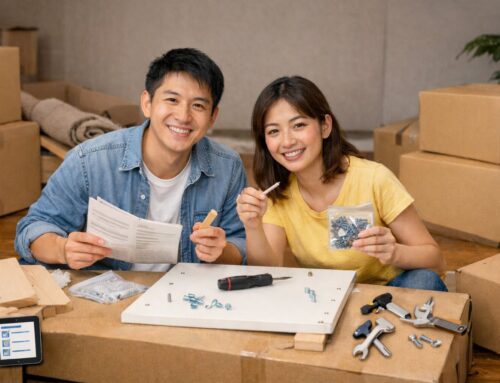
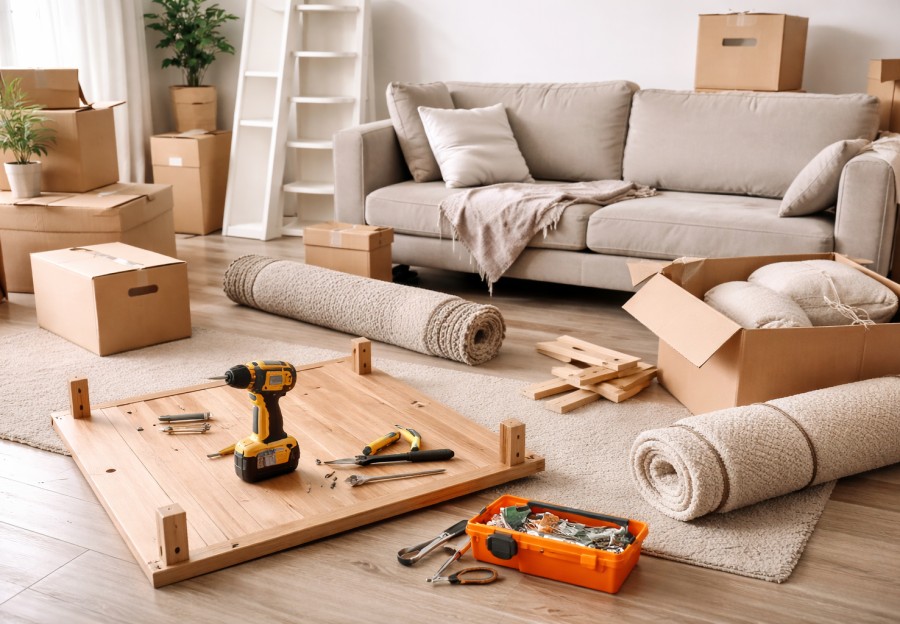
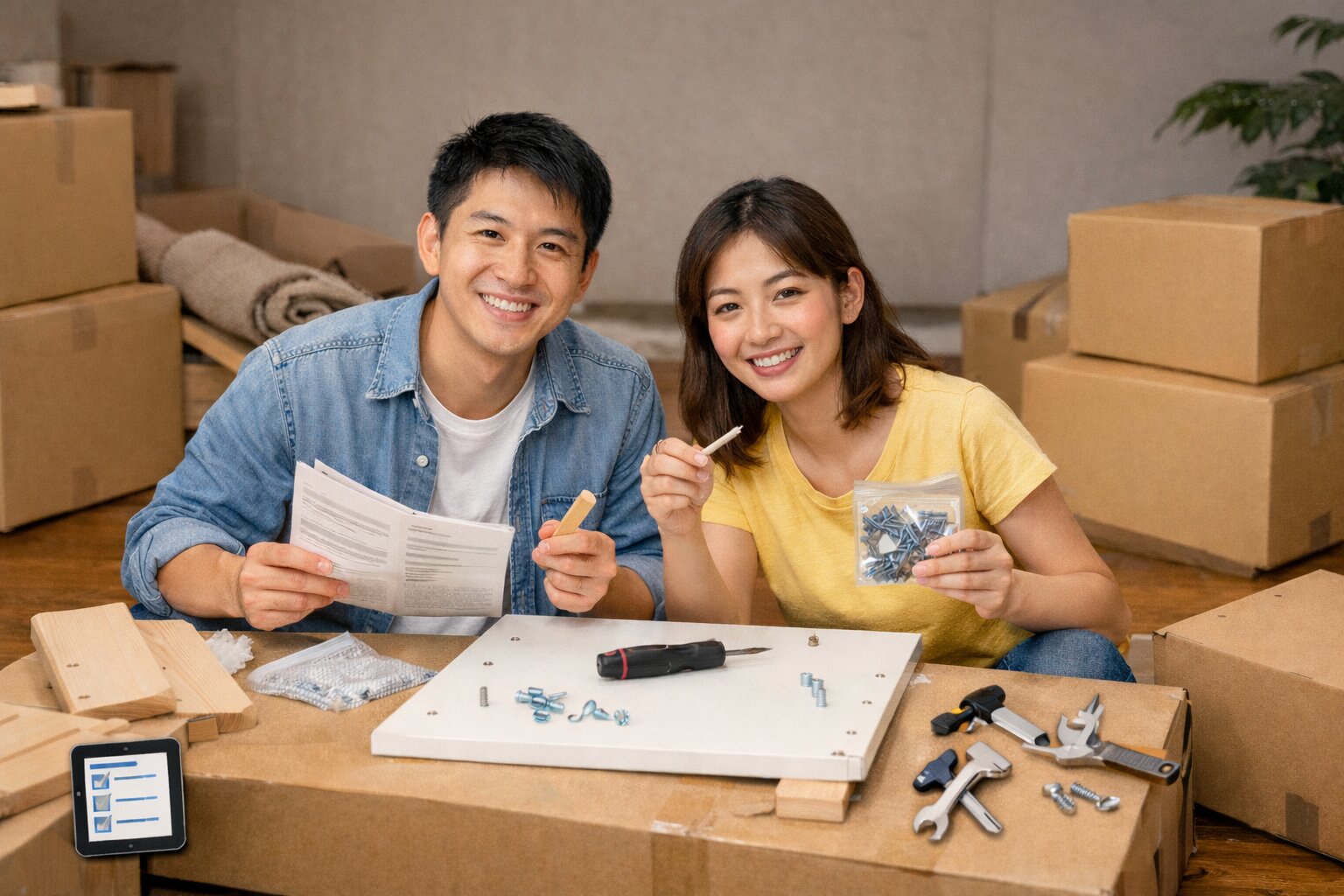
Capture how items are assembled. Photograph how bed frames connect, how shelving brackets align, how table leaves attach, and how hardware is oriented. Furniture assembly error studies show that missing reference information increases reassembly mistakes and hardware misplacement. Photos become a visual instruction manual later.
If you have especially valuable pieces, consider adding a measurement reference such as a ruler or coin in close up shots to establish scale of existing marks. This technique is commonly used in property documentation to demonstrate size accurately.
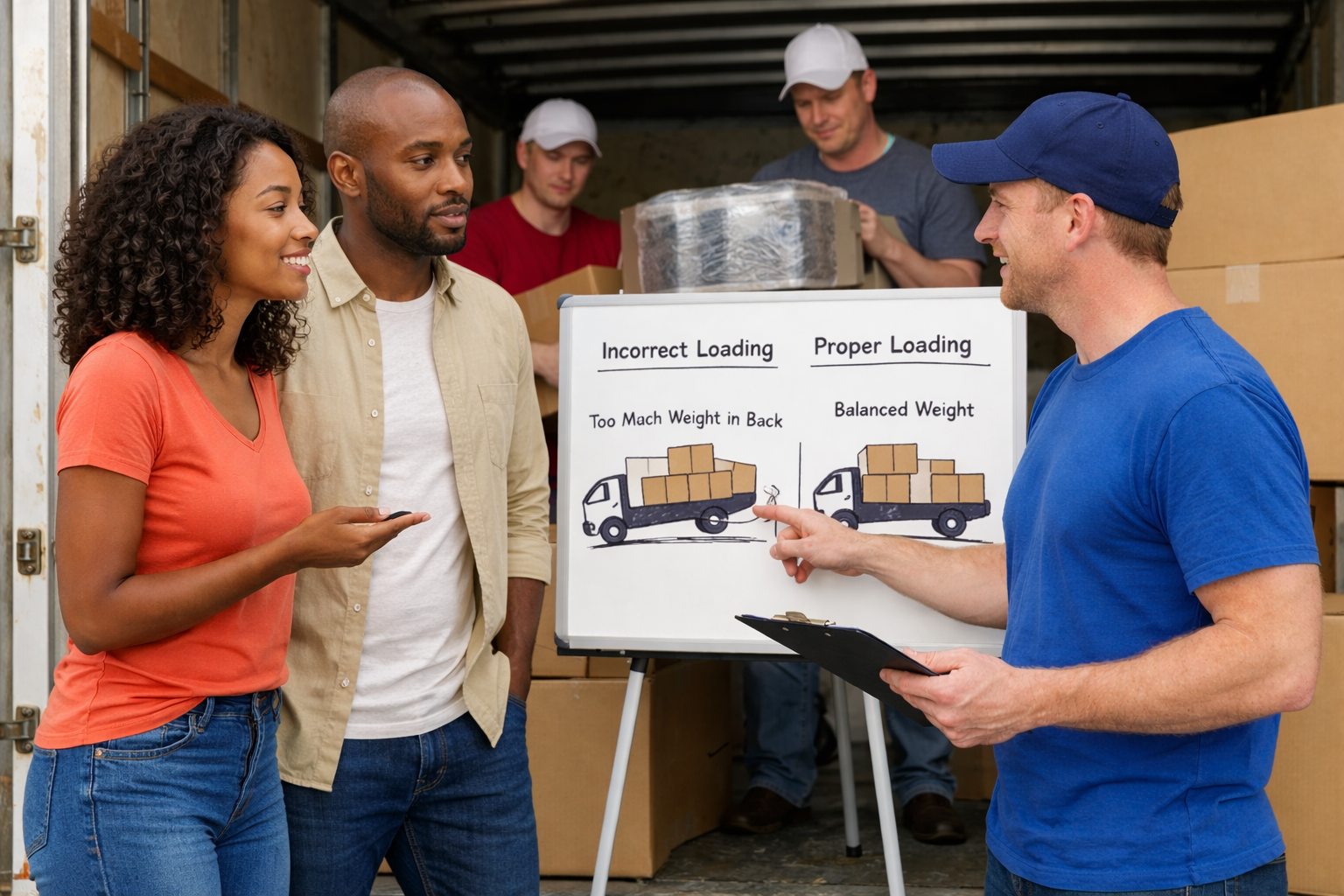
Once photos are taken, communicate clearly with the moving crew about any fragile or pre existing issues. Transparency builds trust and aligns expectations. Workplace communication research shows that shared awareness reduces conflict and improves cooperative behavior.
After delivery, repeat a quick photo pass during unpacking, especially for high value or fragile items. Compare to your originals. If new damage appears, document immediately. Claims processing data shows that faster reporting increases resolution speed and approval likelihood.
From a legal perspective, documentation strengthens credibility. Small claims and insurance disputes rely heavily on objective evidence. Consumer advocacy organizations consistently advise documenting high value property before service handling to reduce ambiguity.
There is also a psychological benefit. Knowing you have clear records reduces anxiety during the move. Stress research shows that perceived preparedness lowers uncertainty and improves emotional control during high demand events.
Time investment is minimal. Photographing an average home’s major furniture often takes less than thirty minutes. Compared with the potential hours spent negotiating damage or arranging repairs later, this is an efficient trade.
The environmental angle matters too. Preventing unnecessary replacements reduces waste and manufacturing demand. Sustainability studies show that extending product lifespan has a greater environmental benefit than recycling after damage. Documentation supports repair rather than disposal when issues arise.
Data integrity matters. Avoid editing or filtering images in ways that alter appearance. Keep originals intact. Image authenticity improves credibility during claims. Digital forensics research shows that metadata preservation supports verification if questions arise.
If multiple people are moving together, agree on who handles photography so coverage is complete and consistent. Task ownership reduces duplication and missed items. Team coordination research shows that clearly assigned responsibility improves task completion accuracy.
Be mindful of privacy. Avoid capturing personal documents or sensitive information in the background. Crop or blur later only if needed for sharing, while preserving originals securely.
Weather and lighting conditions can change quickly on moving day. Taking photos the evening before or early morning reduces rush and improves quality. Behavioral studies show that rushing increases error rate and reduces attention to detail.
Photograph accessories that belong to furniture. Remote controls for adjustable beds, detachable shelves, glass tops, decorative hardware, and custom cushions should be documented alongside the main piece. Missing components are a common post move issue according to consumer complaint data.
For upholstered items, photograph fabric condition, seams, piping, and cushion shape. Textile wear research shows that seam stress and abrasion often reveal early damage that worsens over time. Clear baseline images help distinguish new wear from normal aging.
For wood furniture, capture finish gloss consistency, corners, legs, and underside if accessible. Finish damage often occurs on hidden edges during carrying and stacking.
For glass and mirrors, photograph edges, corners, and any existing chips. Glass damage claims frequently hinge on whether chips existed before transport.
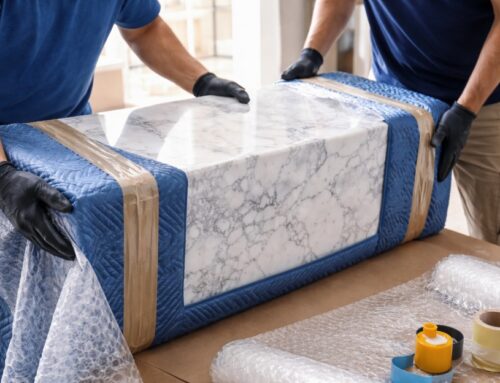
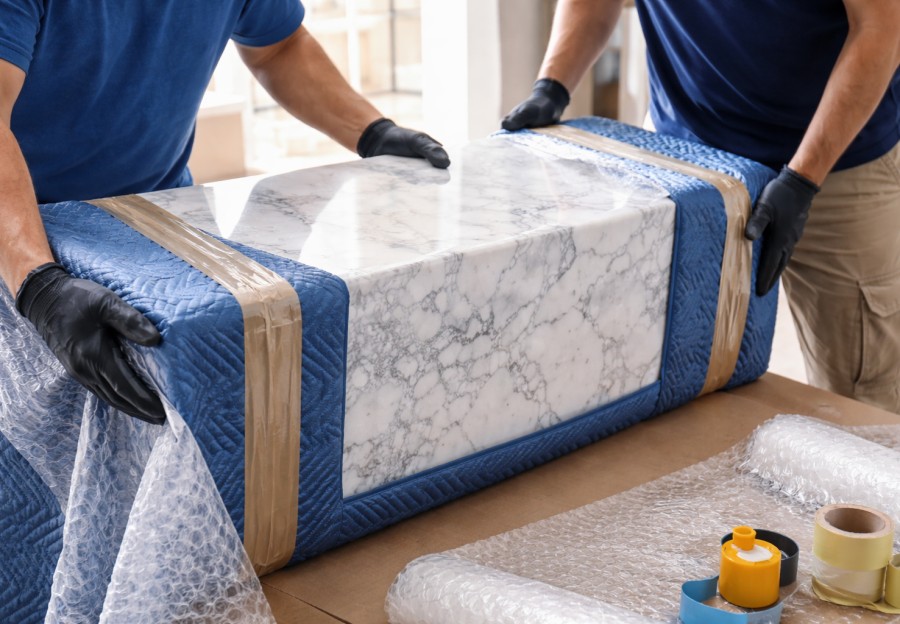
For metal and stone surfaces, photograph existing scratches or patina so expectations remain realistic. Natural material variation can sometimes be mistaken for damage later.
Once you build this habit, it becomes easier with each move. It also improves how you evaluate furniture condition in general, helping you maintain and protect your investment over time.
Photographing furniture before movers handle it is not about distrust. It is about clarity. It protects both sides by creating a shared reference point. It speeds resolution if something goes wrong. It supports accurate reassembly. It reduces emotional friction. It costs very little time and delivers outsized value.
In a process filled with heavy lifting, tight schedules, and inevitable fatigue, documentation is one of the few controls fully in your hands. A camera in your pocket becomes a practical risk management tool, grounded in real insurance practice, cognitive science, and consumer protection data.
A move represents change and momentum. Clear records ensure that the things you worked hard to own arrive safely into the next chapter without unnecessary uncertainty.