
March 25, 2026
How to load boxes in order of importance
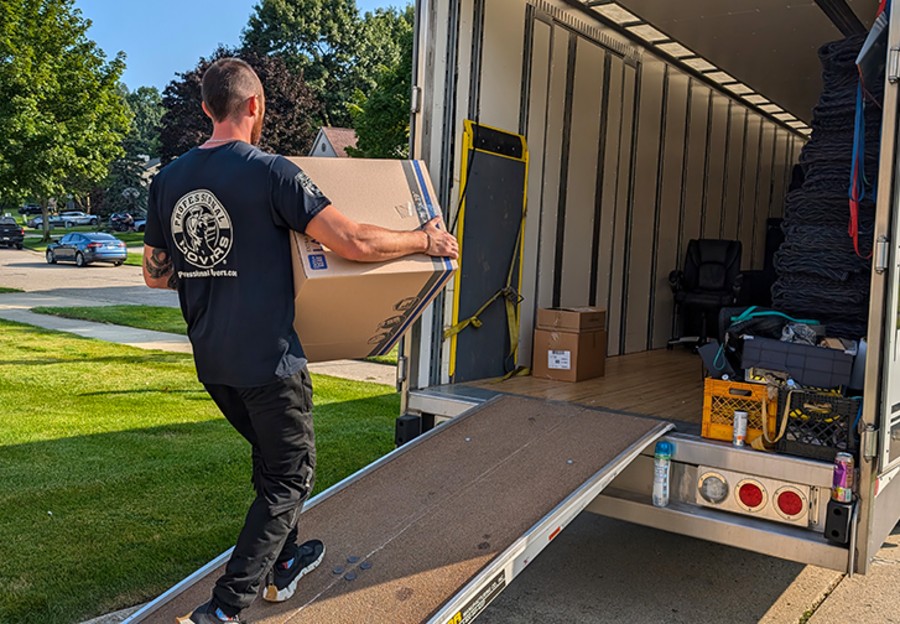
Most people think loading a moving truck is just a puzzle of fitting shapes together. In reality, the order in which boxes go into the truck has a huge impact on damage risk, unloading speed, stress level, and how quickly your new home becomes livable. Loading by importance is not about favoritism. It is about physics, access, and human energy. When the right boxes go in the right places at the right time, the entire move flows better from start to finish.
The science starts with weight and force. Transportation safety studies show that cargo experiences repeated forward, backward, and lateral forces during braking and turning. Even at city speeds, inertia pushes loads forward with significant pressure. Boxes that sit at the bottom or front of a truck absorb more force and compression than those placed higher or toward the rear. Packaging engineering research also shows that corrugated boxes lose more than 30 percent of their compression strength when exposed to uneven loads or moisture. That means the order of placement directly affects whether boxes survive intact.
Importance is not just emotional value. It includes fragility, access timing, daily necessity, and how well an item tolerates pressure and vibration. A box of winter coats might be less important than a box of medications or kitchen basics even if the coats cost more. Human factors research shows that people under stress benefit from early access to essentials because it stabilizes routine and reduces cognitive overload. Small wins on the first night make the whole transition easier.
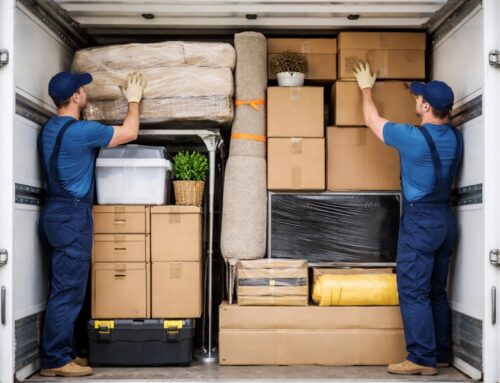
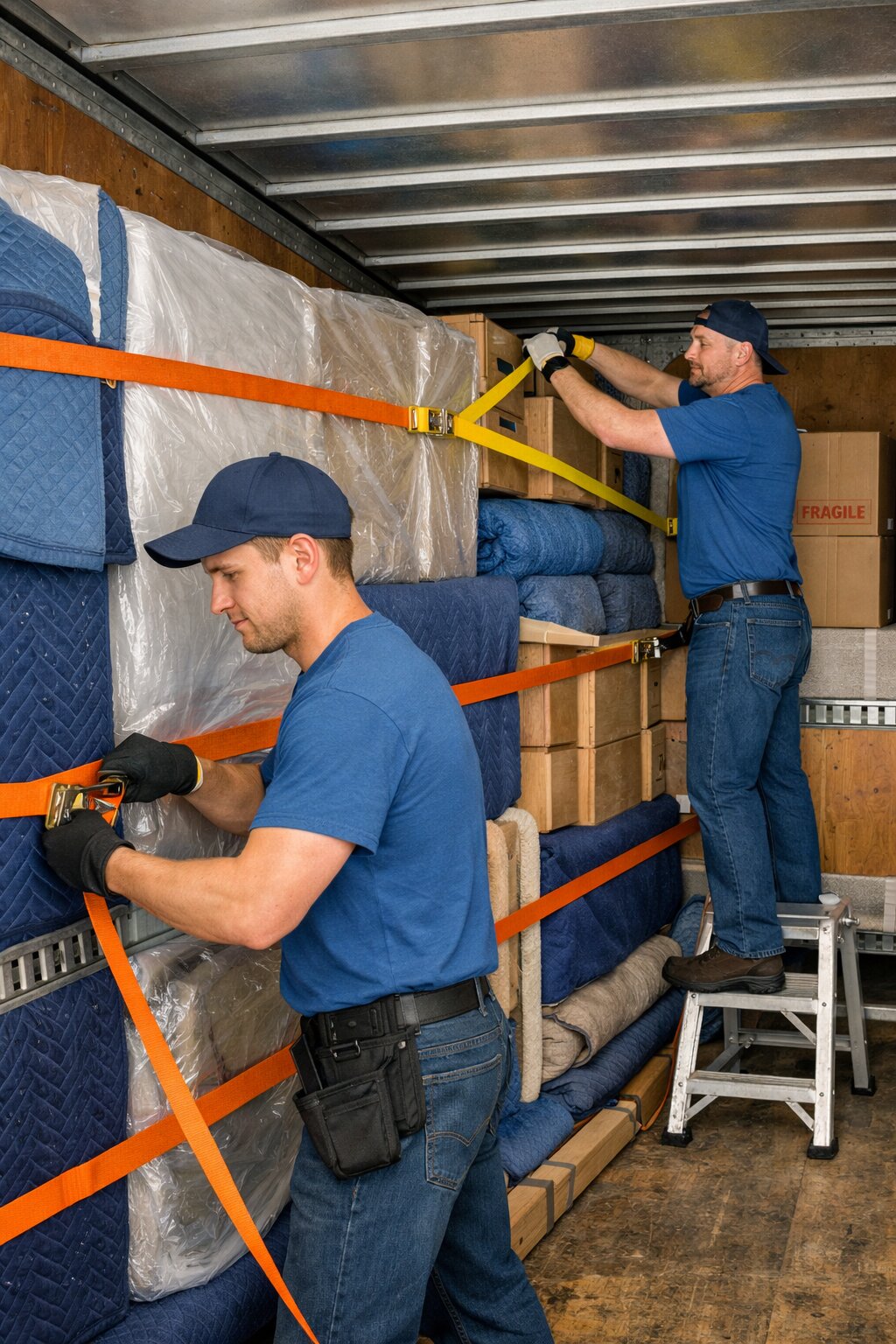
The first layer in the truck should always be the densest and most durable items. Books, tools, canned goods, and heavy small appliances form a stable base that resists shifting. Paper weighs roughly 40 to 50 pounds per cubic foot depending on binding density, which explains why book boxes create reliable ballast when packed in small cartons. Placing these items low keeps the center of gravity stable and reduces sway. Vehicle dynamics research shows that lower centers of gravity improve braking stability and reduce load shift risk.
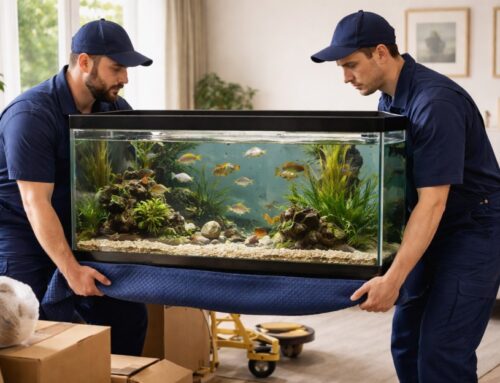
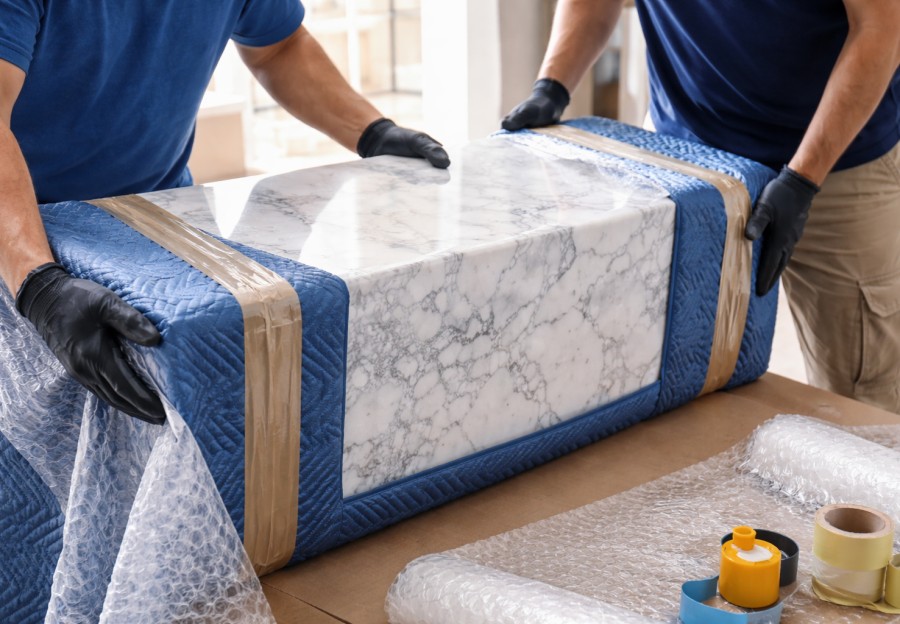
Fragile but important items should never ride in this bottom layer. Glassware, electronics, décor, and collectibles suffer under sustained compression and vibration. Insurance claim data from moving companies consistently shows that breakage increases when fragile items are stacked below heavy loads rather than protected above them. These items benefit from being positioned higher in the load where downward pressure is lower and cushioning can work effectively.
Access timing changes the loading sequence as well. Boxes you need immediately after arrival should be loaded last so they come off first. Sleep essentials, basic kitchen supplies, toiletries, medications, bedding, work tools, and children’s items fall into this category. Behavioral studies show that maintaining basic routines such as eating, hygiene, and sleep improves emotional regulation during major transitions. When these boxes are buried deep in the truck, people end up opening dozens of random cartons late at night, which increases fatigue and frustration.
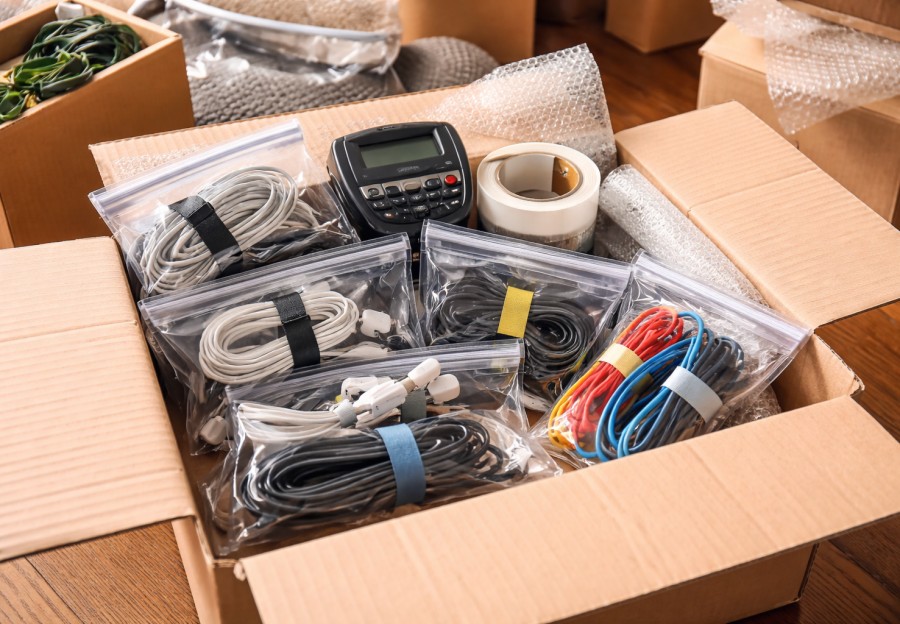
Another category of importance is assembly dependency. Items that block furniture setup should come off early. Bed hardware, sofa legs, shelving parts, and TV mounting brackets allow you to assemble core furniture quickly. Manufacturing assembly research shows that missing small hardware causes disproportionate delays and errors during setup. Keeping these boxes accessible reduces downtime and prevents hunting through stacks later.
Environmental sensitivity also affects importance order. Electronics, musical instruments, artwork, and cosmetics are sensitive to temperature swings and moisture. Vehicle interior temperature studies show that closed trucks can exceed outdoor temperatures by more than 20 degrees Celsius in under an hour under direct sun. Items exposed directly to truck walls experience greater thermal cycling and vibration. Positioning sensitive boxes toward the center of the load and away from metal walls protects performance and lifespan.
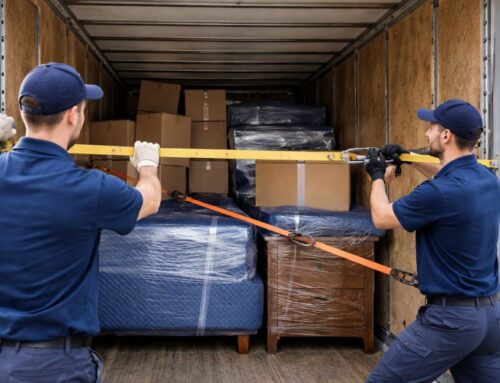
Weight distribution must remain balanced side to side. Transportation safety research links uneven loads with increased sway and braking instability. Even when prioritizing importance, balance cannot be ignored. Important fragile boxes may be placed higher, but they still need even support across the truck width to prevent leaning stacks.
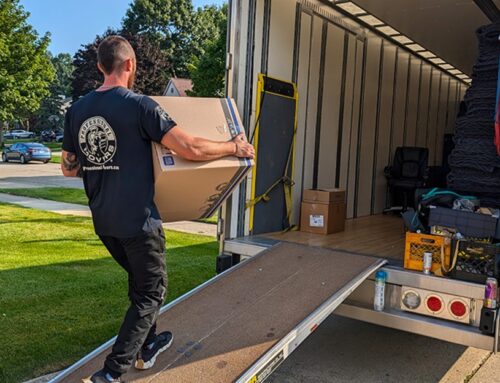
The psychology of unloading matters too. People have limited energy after a long moving day. Occupational fatigue studies show that physical performance and attention decline significantly after prolonged manual labor. When high importance boxes come off first, you accomplish meaningful setup early while energy is still available. If only low priority storage boxes come off first, motivation drops and fatigue rises before essentials are accessible.
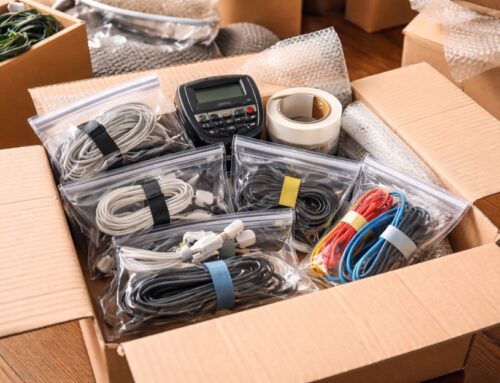
Label clarity amplifies the benefit of importance based loading. Logistics studies show that clear visual labeling reduces sorting errors by roughly 25 to 30 percent in fast paced environments. When boxes are clearly marked by room and priority, loaders make smarter placement decisions and unloaders find what they need quickly.
Damage prevention improves when importance drives placement. Fragile priority boxes ride above heavy stacks. Moisture sensitive items avoid floor condensation zones. Crush sensitive items avoid compression layers. Packaging vibration testing shows that reducing sustained compression and internal movement dramatically lowers damage rates over long drives.
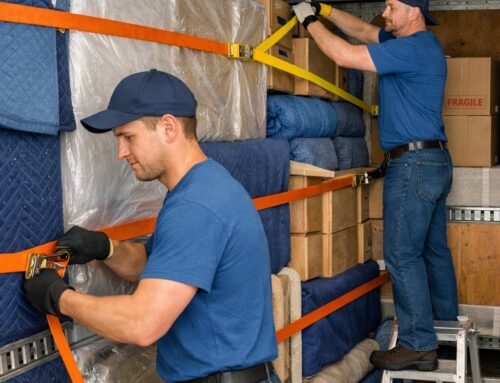
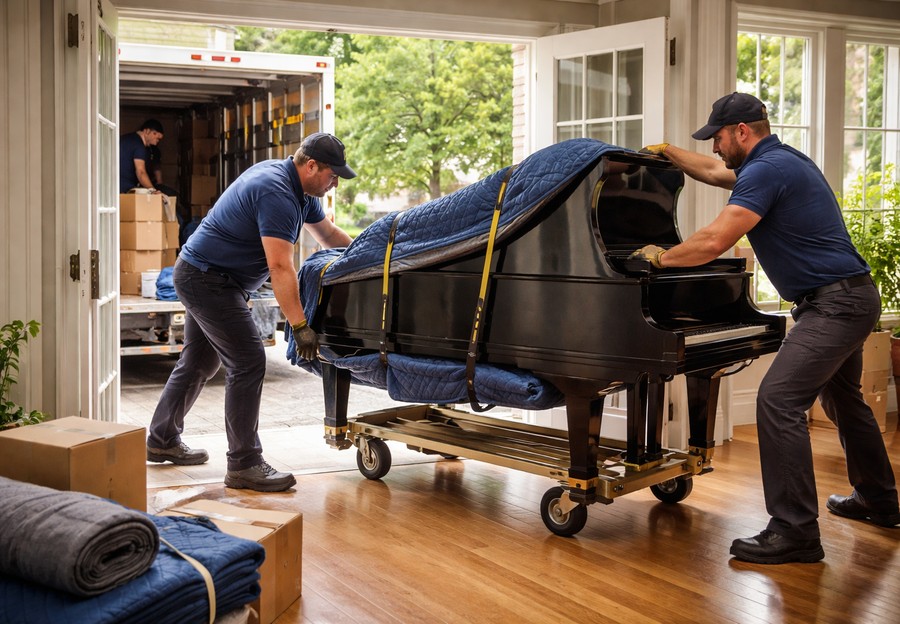
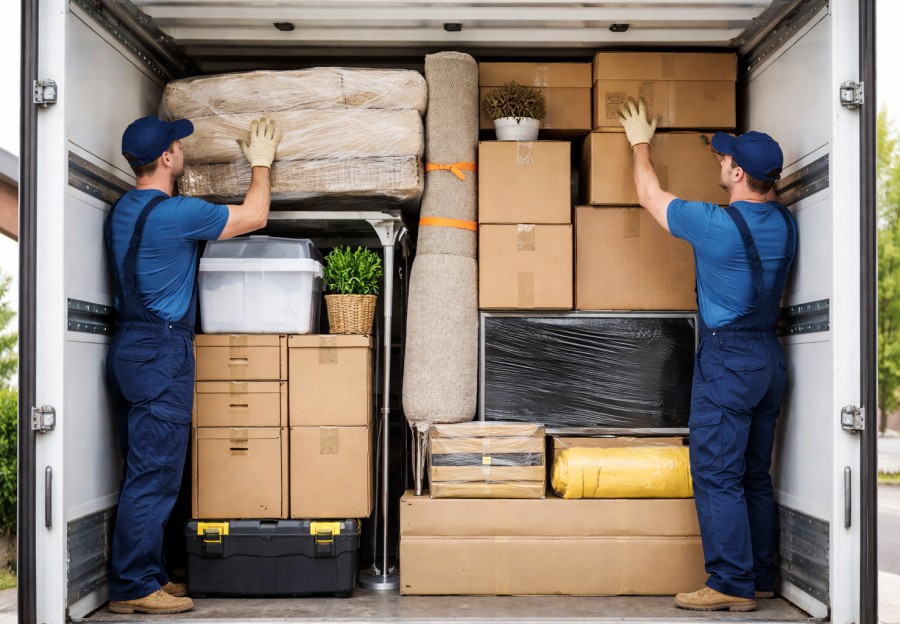
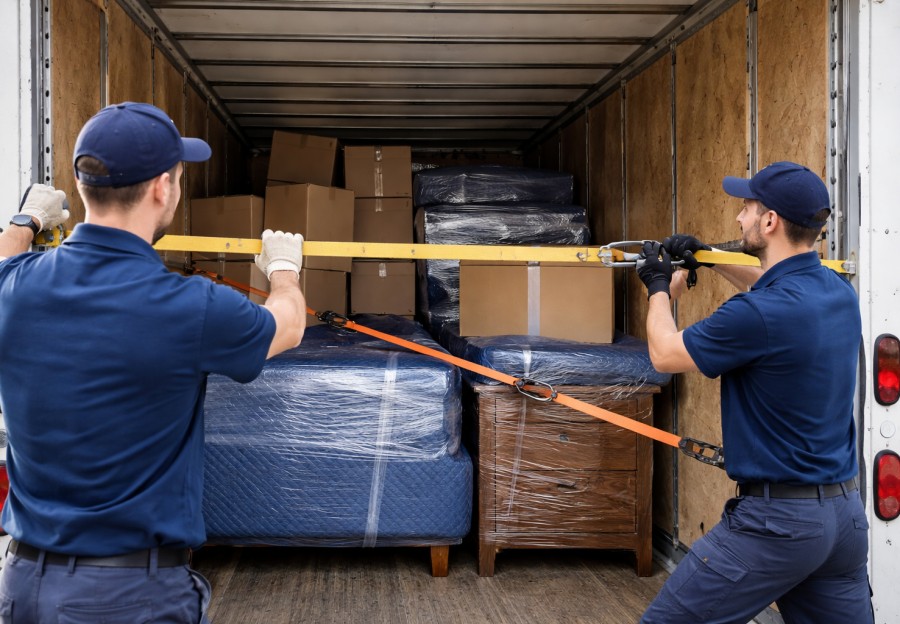
Truck length also affects sequencing. The front of the truck absorbs more braking force. Heavier stable items belong there. The rear door area experiences higher vibration and shifting. Important fragile boxes should be buffered with padded furniture rather than placed directly at the rear where door flex and shock occur. Cargo incident analysis shows that rear load shift contributes to falling items during unloading.
Another overlooked factor is emergency access. If you need access to medication, documents, or critical electronics during transit or immediately upon arrival, those boxes should be isolated and clearly identified. Risk management research shows that access planning reduces response time during unexpected disruptions.
There is also a financial dimension. Damage claims data consistently shows that high value fragile items account for a disproportionate share of payout cost even though they represent a small portion of total box count. Protecting these through priority placement reduces financial exposure significantly.
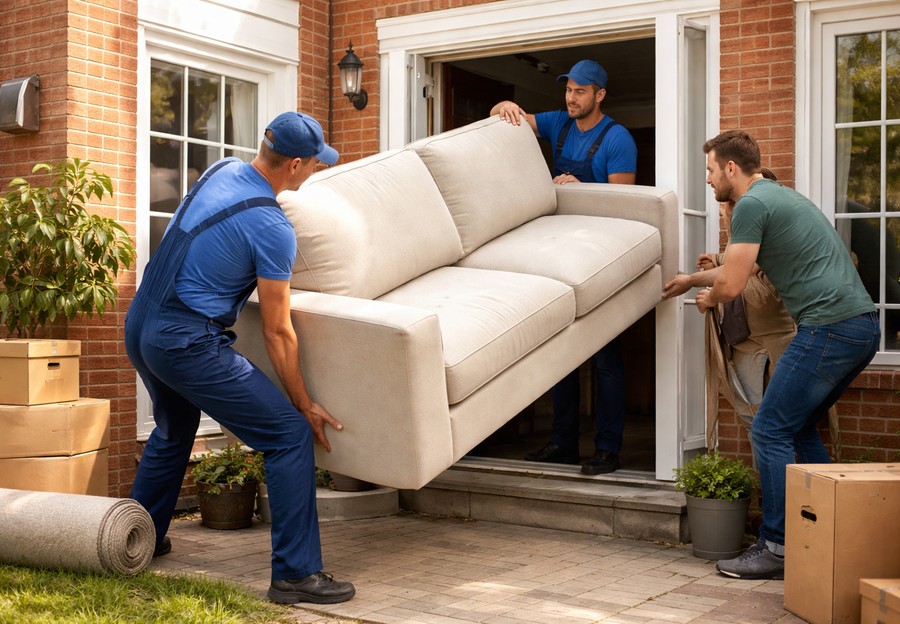
Space efficiency improves when importance guides loading. Heavy uniform boxes create predictable stacking patterns. Fragile boxes fit into protected cavities created by mattresses and sofas. Essentials load near the door without blocking safety access. Logistics modeling shows that structured load planning reduces wasted volume and improves stability.
Another benefit is unpacking speed. Time motion studies show that when the first unload wave contains essential setup items, overall move completion time drops because parallel tasks begin sooner. Beds get assembled while additional boxes unload. Kitchens begin functioning earlier. That concurrency reduces total exhaustion.
Weather exposure also interacts with importance. Rain and humidity increase risk for paper goods, electronics, and textiles. Moisture sensitive priority items should be loaded away from door openings and insulated by interior layers. Building materials research shows that cardboard loses structural strength rapidly when damp, increasing collapse risk.
Security matters as well. Valuables should not be visible or easily accessible at the truck opening during overnight stops. Risk analysis shows that opportunistic theft increases when valuable items are positioned near access points. Keeping them buffered internally adds a layer of protection.
Children and pets change priority logic. Items related to feeding, sleeping, and comfort for dependents become high importance because they stabilize routine and behavior. Child development research shows that routine disruption increases stress responses in young children. Fast access to familiar items reduces that impact.
The environmental benefit of smart loading is subtle but real. Reduced breakage means fewer replacements and less waste. Sustainability studies show that extending product lifespan reduces manufacturing emissions and landfill contribution.
From a human perspective, order reduces anxiety. Cognitive psychology shows that predictable structure lowers perceived chaos and improves decision confidence. When you know exactly which boxes will come off first and where they will go, uncertainty drops and control increases.
Planning importance does not require perfection. It requires a simple hierarchy based on necessity, fragility, sensitivity, and dependency. Essentials and fragile items belong higher and closer to the door for early access and protection. Dense durable items anchor the front and bottom. Sensitive items live in buffered interior zones. Balance remains constant across the load.
The result is a move that feels calmer and more predictable. You unload what matters most first. You protect what costs the most to replace. You reduce physical strain and mental fatigue. You avoid digging through chaos at the end of a long day.
Real data from transportation safety, packaging engineering, occupational health, and behavioral science all point to the same conclusion. Loading order is not cosmetic. It directly affects damage rates, labor efficiency, emotional stress, and recovery speed after a move.
When you treat the truck like a system rather than a pile, everything improves. The right boxes go in first. The right boxes come out first. Your belongings arrive safer. Your body recovers faster. Your new space becomes functional sooner. That is the real power of loading boxes in order of importance.