
March 27, 2026
How to manage moves involving tight alley access
Tight alley access changes the entire rhythm of a move. What feels like a simple driveway pull-up suddenly becomes a logistics problem involving turning radius, parking restrictions, walking distance, safety zones, and load transfer planning. If the alley is narrow, sloped, crowded with parked cars, or partially blocked by utility poles or dumpsters, even experienced crews must adapt their strategy. The good news is that these challenges are predictable and manageable when you understand how space constraints affect timing, safety, and equipment choices.
Urban development trends explain why tight access is increasingly common. City planning data shows that many older neighborhoods were designed before modern delivery trucks became standard. Alleys were built for foot traffic, small service carts, or horse drawn access rather than box trucks. As vehicle sizes increased while infrastructure remained fixed, access conflicts became inevitable. In dense neighborhoods, curbside parking turnover, waste collection schedules, and building renovations further reduce usable space.
The first issue tight alleys create is vehicle positioning. A moving truck needs enough clearance not only to fit but to maneuver safely without scraping walls, clipping mirrors, or blocking emergency access. Transportation engineering studies show that large vehicles require significantly more turning radius than passenger cars, and even small misjudgments increase collision risk in confined spaces. Many moving companies perform pre move access checks or ask for photos and measurements so they can choose the correct truck size and parking strategy.
When a truck cannot enter an alley safely, movers often stage at the nearest legal parking zone and carry or cart items the remaining distance. That adds steps and time. Time motion studies in material handling show that walking distance directly affects productivity, with even short additional distances reducing hourly throughput by more than 20 percent depending on load weight and congestion. Understanding this upfront helps set realistic expectations for move duration and cost.
Smaller trucks or shuttle transfers sometimes become the best solution. Instead of one large vehicle, movers may use a smaller box truck or cargo van to shuttle items from the alley to the main truck parked on a wider street. This approach adds handling steps but improves safety and prevents property damage. Logistics research consistently shows that segmented transfers improve control in constrained environments even when total handling increases slightly.
Parking coordination becomes critical. Many cities enforce strict alley parking rules for fire access and waste services. Municipal safety data shows that blocked access routes generate high citation rates and towing activity in urban areas. Securing temporary parking permits or coordinating with neighbors to clear space reduces last minute surprises and avoids costly delays.
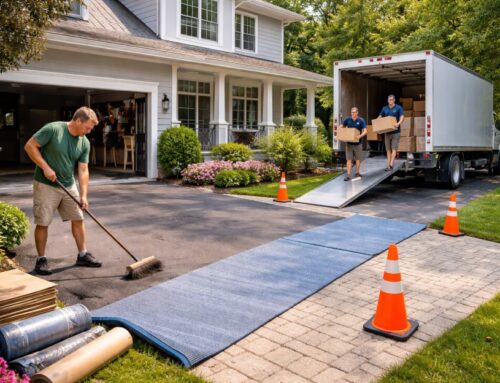
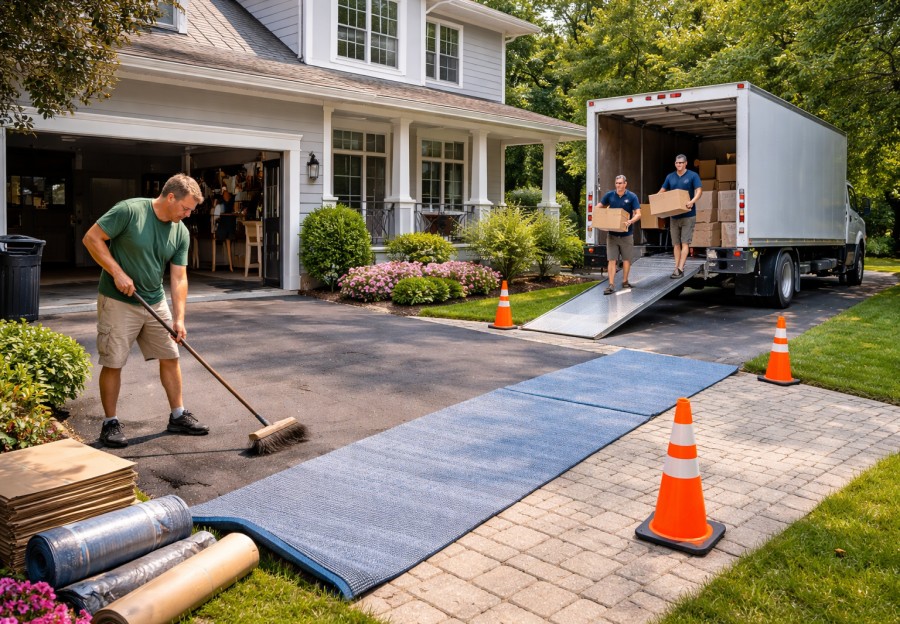
Ground conditions in alleys often create additional risk. Uneven pavement, oil residue, drainage grates, loose gravel, and water pooling increase slip and wheel stability hazards. Occupational safety research shows that slips and trips rise sharply on uneven or contaminated surfaces, especially when workers are carrying loads. Inspecting the alley before move day allows crews to identify hazards and stage protective mats or adjust pathways.
Vertical clearance matters as much as width. Overhanging balconies, fire escapes, cables, and tree branches can interfere with truck roofs or open doors. Vehicle damage claims data shows that overhead clearance miscalculations are a frequent source of costly repairs in urban deliveries. Confirming vertical clearance ahead of time prevents this risk.
Noise and neighborhood impact also increase in tight alleys because sound echoes between buildings. Local noise ordinances often restrict early morning or late evening operations. Planning within permitted hours avoids fines and neighbor conflict.
Load sequencing changes when access is restricted. Because the truck may not be directly adjacent to the building entrance, movers often prioritize heavier and bulkier items first while energy is highest. Fatigue studies show that physical performance declines significantly after prolonged exertion. Carrying heavy furniture over extended distances later in the day increases injury risk and error rates.
Equipment selection plays a larger role in tight access moves. Narrow dollies, appliance carts with high maneuverability, stair climbers, and furniture skates allow better control in limited widths. Transportation ergonomics research shows that rolling loads reduces muscular strain dramatically compared with carrying, which improves safety over long carry distances.
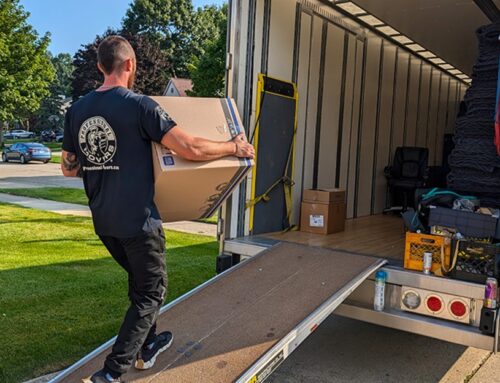
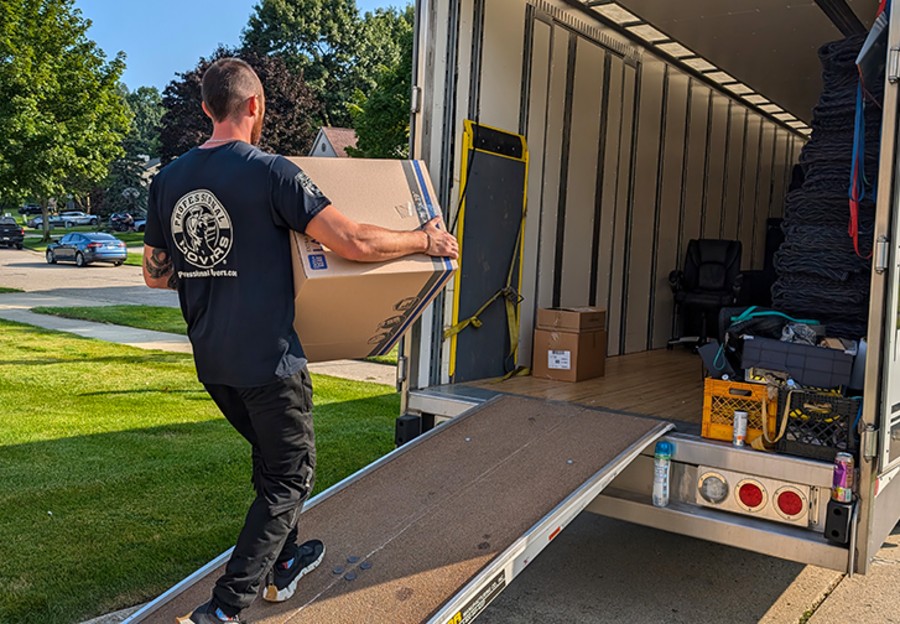
Ramp use becomes more frequent when staging trucks away from alleys. Ramp angle and surface friction affect stability. Safety testing shows that steeper ramps increase slip risk and require better traction and controlled pacing. Clear communication between team members becomes essential to maintain load control on slopes.
Weather magnifies alley challenges. Rain increases slip risk. Heat increases fatigue. Cold stiffens grip and increases brittleness of materials. Vehicle interior temperature studies show that closed trucks can exceed outdoor temperatures by more than 20 degrees Celsius in direct sun, which affects both worker comfort and material behavior. Planning hydration, rest pacing, and protective coverings becomes more important under these conditions.
Building coordination is another layer. Many alley accessed buildings use rear service entrances, freight doors, or shared loading zones. Access timing conflicts with other tenants, deliveries, or waste collection trucks can block pathways unexpectedly. Property management data shows that service congestion is a leading cause of urban move delays. Confirming access windows reduces conflict.
Hoisting sometimes becomes a preferred alternative when alley access is extremely limited. If large furniture cannot navigate narrow interior pathways or alley turns, lifting through windows or balconies may reduce interior handling distance. Engineering safety studies show that controlled vertical lifts distribute load more predictably than forced horizontal maneuvers through tight corridors. This option requires professional assessment and building approval but often reduces cumulative risk.
Security considerations also change in tight alleys. Visibility may be limited, and pedestrian traffic can pass close to moving paths. Risk management research shows that crowded constrained environments increase incidental contact risk. Spotters and controlled traffic flow reduce collision hazards.
Truck loading patterns adjust as well. Because shuttle transfers may be used, loads often arrive at the main truck in waves rather than continuous flow. Maintaining organized staging prevents congestion and re handling. Logistics efficiency studies show that organized staging zones improve throughput and reduce error rates even in constrained environments.
Cost transparency matters in alley moves. Additional labor time, shuttle use, permits, and specialized equipment may increase overall price. Consumer moving cost data shows that labor time accounts for the largest portion of total move cost. Understanding that tight access adds legitimate labor hours prevents frustration later.
Damage prevention deserves attention. Narrow passages increase the chance of wall scrapes, railing contact, and corner impacts. Home repair cost surveys show that even minor drywall and trim repairs can exceed hundreds of dollars. Using padding on building edges and furniture reduces secondary damage risk.
Communication between customer and movers plays a major role in success. Clear descriptions of alley width, obstructions, slope, lighting conditions, and parking rules allow better planning. Workplace communication research shows that detailed pre task information reduces error rates and improves team confidence.
Lighting can also be an issue. Some alleys are poorly lit, especially early morning or evening. Visual perception studies show that reduced lighting increases depth misjudgment and collision risk. Portable lighting or adjusted scheduling improves safety.
Waste and sanitation access sometimes overlaps with move timing. Garbage trucks may block alleys during collection windows. Municipal operations data shows that sanitation schedules vary widely by neighborhood and day. Coordinating move timing around these windows avoids deadlock situations.
Emergency access must remain clear at all times. Fire regulations require unobstructed access routes. Blocking these can result in immediate enforcement action. Safety compliance protects both legal standing and public safety.
Psychologically, tight access moves feel more stressful because they appear constrained and unpredictable. Stress research shows that perceived loss of control increases anxiety during complex tasks. Clear planning, visible organization, and steady pacing restore a sense of control for both customers and crews.
There is also a sustainability angle. Efficient routing and reduced idle time lower fuel consumption and emissions. Transportation efficiency studies show that minimizing unnecessary engine idling and repositioning improves environmental performance. Smart access planning contributes indirectly to sustainability goals.
The most effective strategy for tight alley moves combines accurate pre assessment, flexible equipment planning, clear parking coordination, realistic scheduling, safe walking surface management, thoughtful load sequencing, and strong communication. None of these require heroic effort. They require anticipation rather than reaction.
Customers can support success by measuring alley width and clearance, noting obstacles, checking parking restrictions, coordinating with neighbors if needed, confirming building access times, and sharing photos in advance. These small actions dramatically improve planning accuracy.
Movers respond by selecting appropriate truck size, staging strategy, equipment mix, crew size, and pacing plan. They also build in buffer time for shuttle transfers and controlled handling.
When tight alley access is handled proactively, the move becomes slower but safer, more predictable, and far less stressful than trying to force a large truck into a space it does not belong. Real data from transportation safety, occupational health, urban planning, and logistics all point to the same truth. Constrained environments reward planning, patience, and precision.
Tight alleys are not a deal breaker. They simply demand respect for space, physics, and human limits. When those realities guide decisions, even the narrowest access routes can support a smooth, controlled, and successful move.