Start With a Clear Packing Strategy
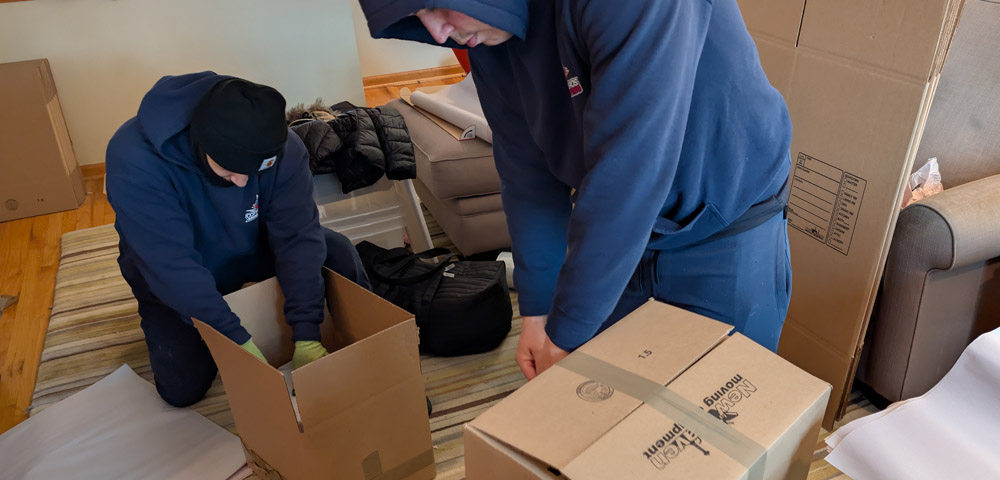
Before the first box is taped shut, it helps to have a plan. Walk through your home and decide which rooms and items you can pack early and which ones you’ll need until closer to moving day. Seasonal items, decorations, and storage areas are usually a good place to begin. Everyday essentials like kitchen items and clothing can wait until the final days.
Creating a simple timeline helps prevent last-minute scrambling and allows you to pace the work instead of cramming everything into a stressful weekend.
Reduce What You’re Moving Before You Pack
Packing is the perfect time to be honest about what you actually use and need. Moving unwanted items only adds cost, time, and effort. As you pack, separate items you no longer want into categories for donating, selling, or discarding. Fewer items means fewer boxes, quicker loading, and a cleaner start in your new home. Many people find that decluttering before a move makes unpacking feel lighter and more organized.
Pack One Room at a Time
Staying focused on a single room helps prevent items from getting mixed together and lost. Pack everything from one space before moving on to the next. Clearly label each box with the room name and a short description of what’s inside.
This approach makes unloading more efficient and allows movers to place boxes directly where they belong. It also saves time when you start unpacking, since you won’t be opening random boxes to find what you need
Protect Fragile Items Properly
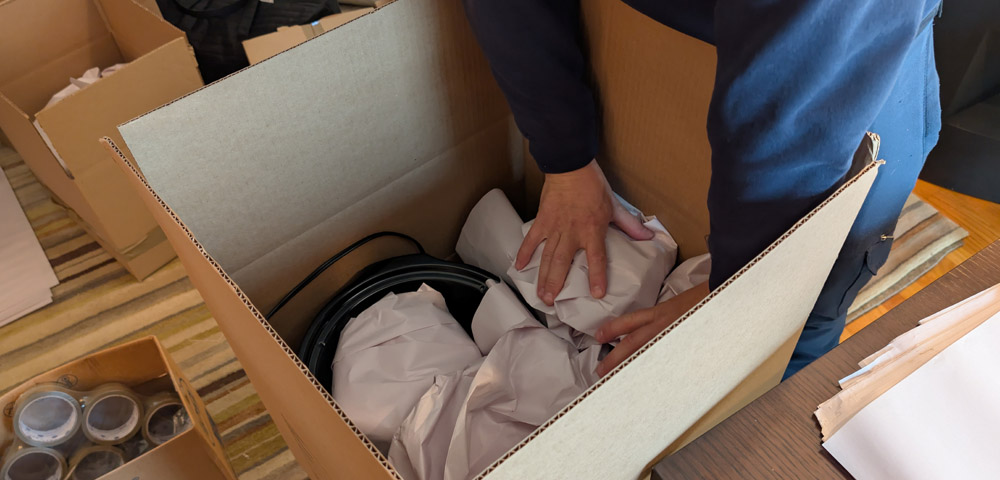
Breakable items need extra attention. Each fragile piece should be wrapped individually using packing paper or bubble wrap. Empty space inside boxes should be filled so items don’t shift during transport. Plates are best packed on their sides, not stacked flat, and glassware should be cushioned and kept upright.
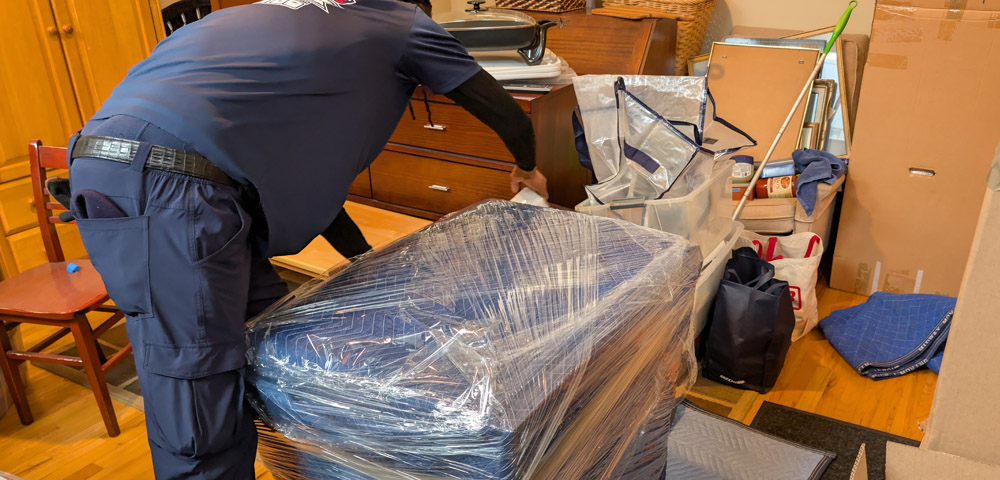
Heavier items belong on the bottom of boxes, with lighter items layered on top. Taking the time to pack fragile items carefully can prevent costly damage and unnecessary stress later.
Be Careful With Electronics
Electronics should always be packed with care. When possible, use original boxes and inserts. If those aren’t available, wrap each item securely and pad the box well on all sides. Keep cords, remotes, and accessories together in labeled bags so nothing goes missing.
Mark electronics boxes clearly and keep them upright during transport to reduce the risk of internal damage.