April 25, 2026
How to recycle damaged moving boxes
After a move, most people are left staring at a pile of beat up cardboard boxes with crushed corners, torn seams, and tape stuck everywhere. They are too damaged to reuse, but tossing them in the trash feels wasteful. Cardboard is one of the most recyclable materials in the household waste stream, and recycling it properly reduces landfill pressure, saves energy, and keeps manufacturing demand lower. The trick is knowing how to prepare damaged boxes so they actually get recycled rather than rejected by processing facilities.
Cardboard recycling has a meaningful environmental impact. According to industry recycling data, corrugated cardboard has a recovery rate above 90 percent in many developed regions, making it one of the most successfully recycled materials. Producing recycled cardboard uses roughly 40 percent less energy and about half the water compared with manufacturing new cardboard from virgin wood pulp. Every ton of recycled cardboard saves an estimated 17 trees and more than 7,000 gallons of water. When you recycle your moving boxes correctly, you are participating in one of the most effective circular material systems in everyday life.
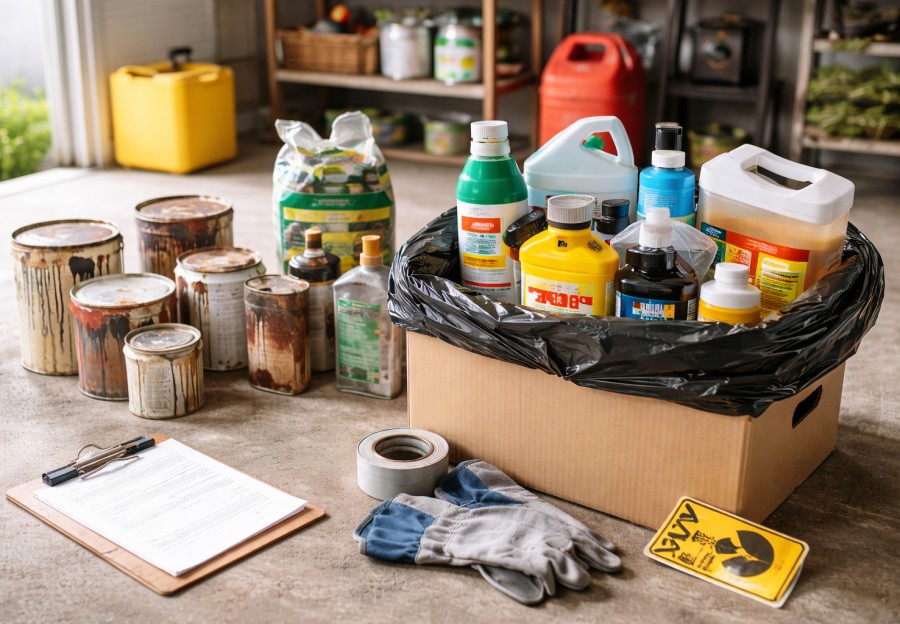
Damage does not automatically disqualify a box from recycling. Tears, dents, crushed edges, and worn surfaces are fine. What matters is contamination. Recycling facilities reject cardboard that is soaked with grease, food residue, oil, paint, or heavy moisture. Fiber recycling relies on clean cellulose fibers. Contaminants interfere with pulping and can degrade entire batches. Waste management studies show that contamination remains one of the top reasons recyclable material ends up diverted to landfill even when residents place it in recycling bins.
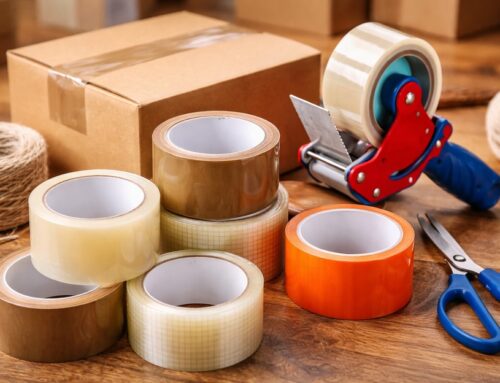
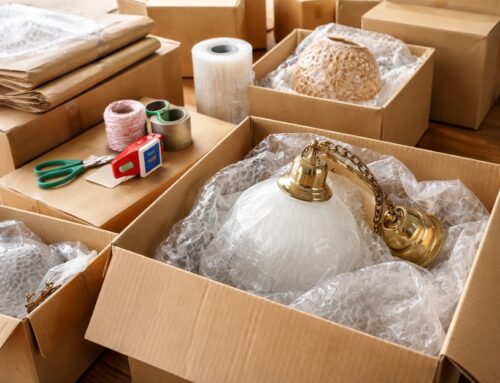
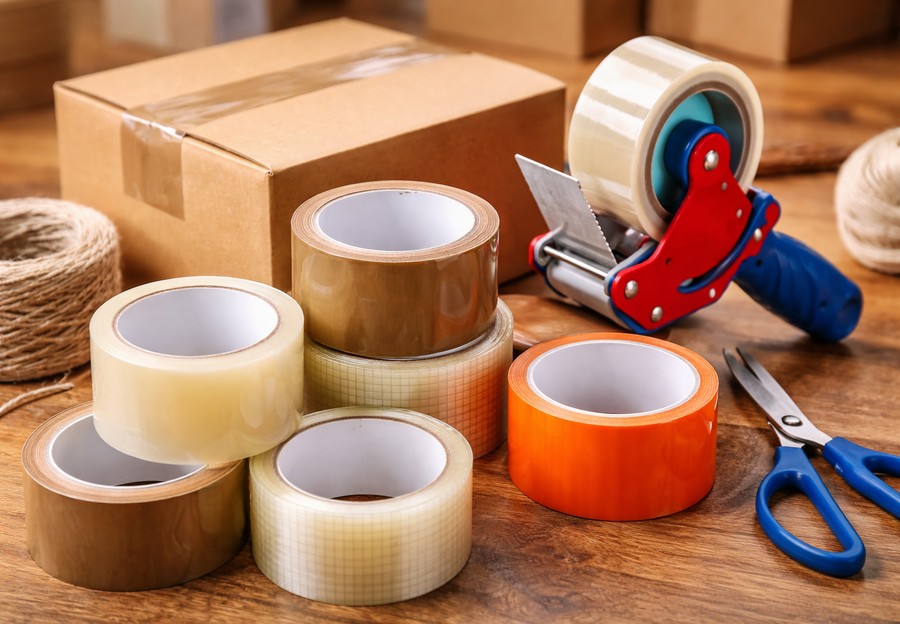
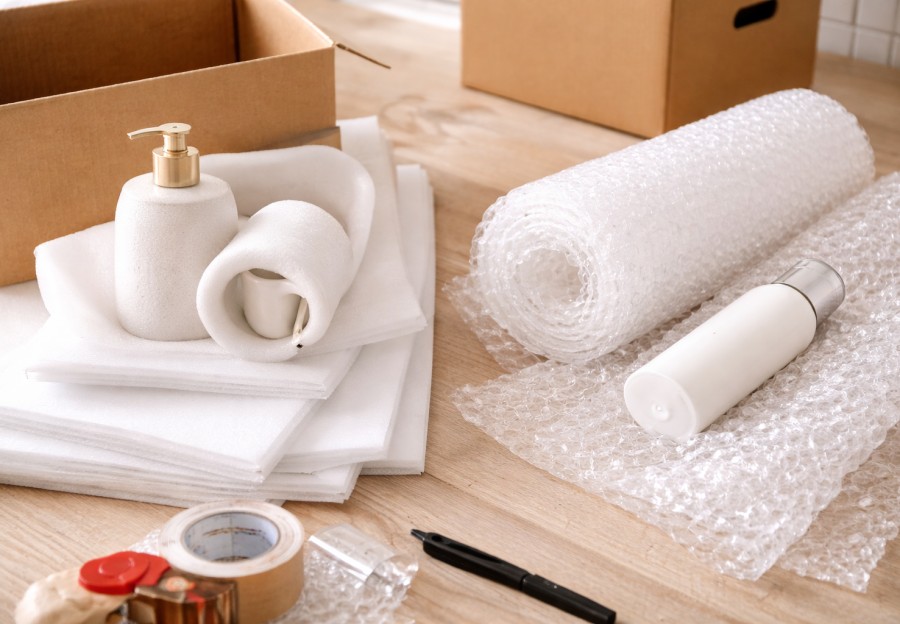
Start by removing everything that is not cardboard. Plastic tape, shipping labels with plastic backing, foam padding, bubble wrap, and metal staples should be pulled off when possible. Small tape fragments usually get filtered during processing, but removing larger sections improves fiber quality and reduces machine fouling at recycling plants. Materials recovery facility operators report that excessive plastic contamination increases downtime and sorting costs significantly.
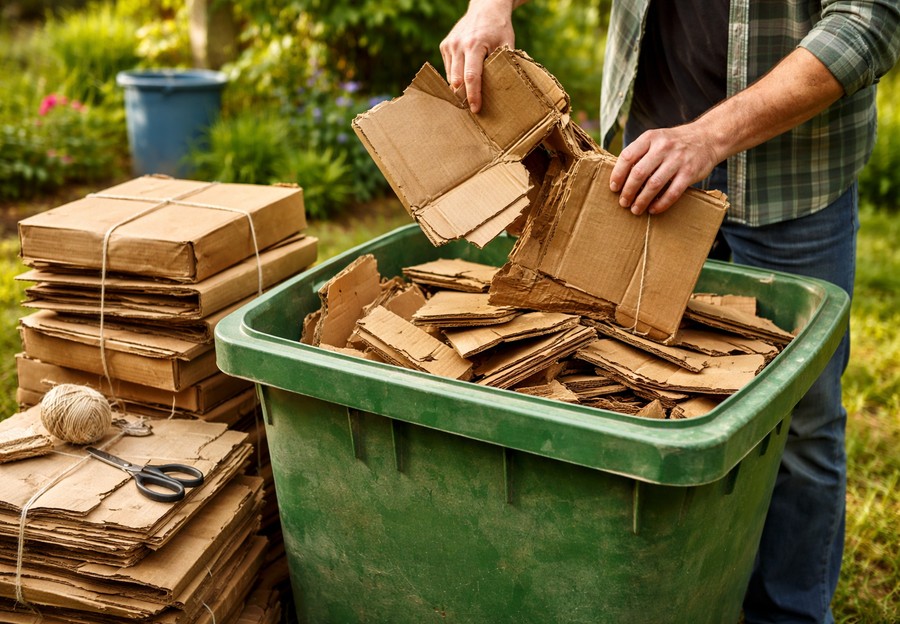
Flattening the boxes is the next step. Flattened cardboard stacks more efficiently in recycling bins and collection trucks, reducing transportation emissions and preventing bin overflow. Logistics studies show that compacted loads improve route efficiency and reduce collection frequency. Flattening also helps inspectors quickly confirm that the material is clean and acceptable.
If a box is heavily soiled, assess whether part of it can still be recycled. For example, if the bottom is damp or greasy but the sides and top are clean, cut away the contaminated sections and recycle the clean portions. Compost the soiled paper fiber if your local program allows it. Municipal composting guidelines often permit uncoated cardboard as a carbon rich compost input, provided it is free of synthetic coatings and heavy inks.
Moisture is a common concern after moves, especially if boxes sat in rain or snow during loading. Slightly damp cardboard can still be recycled if it is allowed to dry first and is not moldy or structurally disintegrated. However, cardboard saturated with standing water or mold growth should not go into standard recycling streams because mold spores and degraded fibers reduce material quality. Waste processing audits show that wet loads increase rejection rates and contaminate surrounding materials.
Waxed or coated boxes require special attention. Some produce boxes and heavy duty shipping cartons have wax or plastic coatings that make them water resistant. These coatings interfere with pulping. Many curbside programs do not accept wax coated cardboard. If you are unsure, check your local recycling guidelines or look for a glossy or water beading surface that signals coating. If coated boxes are rejected locally, they may need to go to landfill or a specialty recycler.
Remove excessive adhesive residue when practical. Large patches of duct tape or reinforced packing tape can be peeled off. While small remnants are usually filtered, heavy adhesive loads increase contamination. Industrial recycling studies show that sticky contaminants, often called stickies in the industry, cause equipment fouling and paper quality defects during reprocessing.
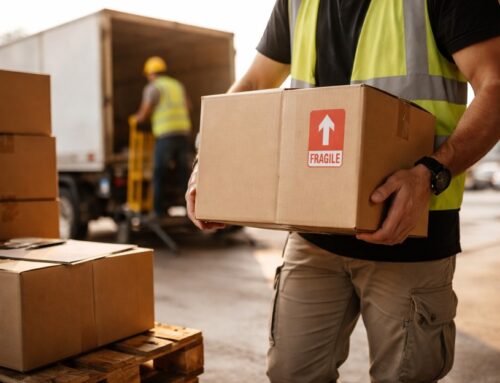
Once prepared, place flattened boxes neatly in your recycling bin or take them to a local recycling drop off center. Many municipalities impose volume limits per pickup. If you have a large number of boxes, staging multiple drop offs prevents overflow and keeps sidewalks clear. Urban sanitation data shows that overflowing bins increase litter and attract pests.
If curbside recycling is not available or volume limits are restrictive, retail recycling centers, transfer stations, or community recycling depots often accept cardboard in bulk. Some moving supply retailers and storage facilities also accept used boxes for recycling or reuse. Call ahead to confirm acceptance rules and hours to avoid wasted trips.
Recycling boxes locally reduces transportation emissions. Environmental lifecycle studies show that transportation distance significantly affects the carbon footprint of recycling operations. Choosing the nearest appropriate facility improves the net benefit of recycling.
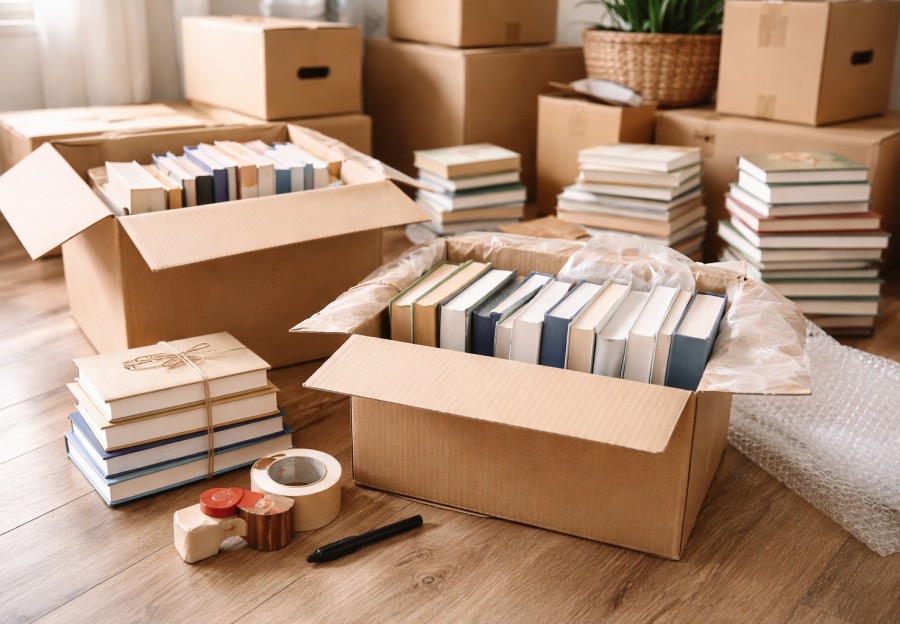
If boxes are only partially damaged, consider reuse before recycling. Boxes with intact structure can be reused for storage, donations, or future moves. Reuse sits higher on the waste hierarchy than recycling because it avoids the energy cost of reprocessing altogether. Consumer reuse surveys show that a single reused box offsets the energy required to manufacture a new one, even when transport distance is considered.
Some communities support box sharing networks through online marketplaces or neighborhood groups. Giving away usable boxes keeps them in circulation longer and reduces demand for new cardboard production. Peer reuse programs have been shown to reduce local waste volume measurably in municipal pilot programs.
For boxes that are truly beyond reuse, recycling remains the responsible option. Cardboard fibers can be recycled multiple times, typically five to seven cycles, before fibers become too short to bond effectively. Even then, they often end up in lower grade paper products or compost streams. Fiber lifecycle research shows that maintaining clean fiber input extends usable fiber life and improves recycling yield.
Be mindful of mixed materials. Boxes with heavy plastic liners, foam insulation panels, or laminated metallic coatings may not be recyclable through standard streams. Disassemble and separate materials where feasible. If separation is not possible, these composite materials often require landfill disposal due to limited processing infrastructure.
Shredding cardboard is sometimes suggested for composting or garden mulch. While shredded cardboard can improve soil moisture retention and suppress weeds, avoid using heavily inked or coated cardboard in gardens. Soil safety studies show that most modern inks are soy based and low toxicity, but coatings and adhesives may contain compounds not ideal for soil contact. Plain brown corrugated cardboard remains the safest option for compost or garden use.
From a financial perspective, recycling cardboard reduces municipal waste management costs. Landfill tipping fees continue to rise in many regions due to limited landfill capacity and environmental compliance costs. Municipal budget reports show that recycling programs often cost less per ton than landfill disposal when contamination is controlled. Your participation helps keep local waste costs lower over time.
There is also a health and cleanliness benefit. Removing large piles of cardboard quickly reduces fire load in garages and storage areas. Fire safety agencies classify stacked cardboard as a combustible material that accelerates fire spread. Clearing it promptly improves home safety.
Psychologically, finishing the recycling step provides closure after a move. Behavioral research shows that completing visible cleanup tasks reduces residual stress and improves satisfaction after major life transitions. Clearing away moving debris helps your new space feel settled faster.
Timing matters. Do not let damaged boxes linger outdoors where rain can saturate them and make recycling impossible. Moisture degrades fiber integrity and increases contamination risk. If outdoor staging is unavoidable, cover boxes with a tarp temporarily and move them into recycling promptly.
If you live in a multi unit building, coordinate with building management. Shared recycling areas often have strict rules about bulk cardboard. Breaking boxes down completely prevents overflow and reduces conflict with neighbors. Property management surveys show that improper cardboard disposal is one of the most common recycling area complaints in apartment complexes.
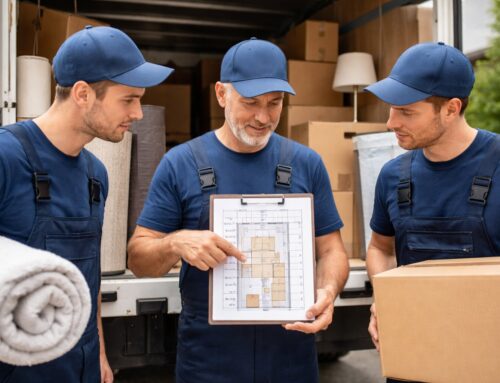
For large scale moves, some moving companies offer cardboard take back or recycling services. These services consolidate bulk material efficiently and route it directly to recycling processors. If offered, it can save time and ensure proper handling.
The big picture matters. Cardboard recycling reduces deforestation pressure, lowers energy consumption, decreases water use, and cuts greenhouse gas emissions associated with pulp production and landfill methane generation. Environmental impact assessments consistently rank cardboard recycling among the highest return recycling actions households can take.
At the same time, quality matters more than quantity. A smaller volume of clean, well prepared cardboard has more recycling value than a large volume contaminated with tape, food, and moisture. Treating recycling as a simple preparation task rather than an afterthought keeps the system working effectively.
In practical terms, the process is straightforward. Strip off non paper materials. Cut away contaminated sections. Flatten everything. Keep it dry. Follow local guidelines. Use drop off centers if volume exceeds curbside limits. Reuse when possible. Recycle the rest responsibly.
Moving already creates enough waste and disruption. Recycling damaged moving boxes correctly turns one unavoidable byproduct of relocation into a positive environmental action. It saves resources, reduces landfill pressure, supports efficient municipal services, and clears your new home of clutter faster.
When the last flattened box disappears into the recycling bin, it marks a small but meaningful milestone. The move is truly complete, not just in your rooms, but in how responsibly the transition was handled.