April 20, 2026
How to clean appliances before relocation
Cleaning appliances before a move sounds like busywork until you understand what actually happens inside a truck, a storage unit, or a closed house during transit. Food residue turns into odor. Moisture turns into mold. Loose grease attracts dust and grit that scratch finishes. Insurance claim data from moving companies consistently shows that appliance related odors, leaks, and contamination complaints rise sharply when units are moved without proper cleaning and drying. A little preparation protects the appliance, the surrounding items in the truck, and your health when you unpack.
There is also a resale and warranty angle. Many appliance manufacturers require that units be clean and dry before transport to avoid corrosion or electrical issues. Home resale surveys show that buyers notice lingering odors from used appliances immediately, especially refrigerators and dishwashers. Odor remediation and professional cleaning after a move often costs far more than doing the work correctly beforehand.
The science behind this is simple. Organic residue supports microbial growth. Microbiology research shows that mold can begin growing within 24 to 48 hours in warm, damp environments. Moving trucks often exceed outdoor temperatures by more than 20 degrees Celsius in direct sun according to vehicle interior temperature studies. That warm enclosed space accelerates bacterial and mold growth if moisture and food particles remain inside appliances.
Grease behaves differently but creates its own problems. Dust adhesion studies show that oily surfaces trap fine particulate matter more aggressively than dry surfaces. During transport vibration, that grit rubs against finishes and seals, accelerating wear. Removing grease before moving reduces long term cosmetic and mechanical damage.
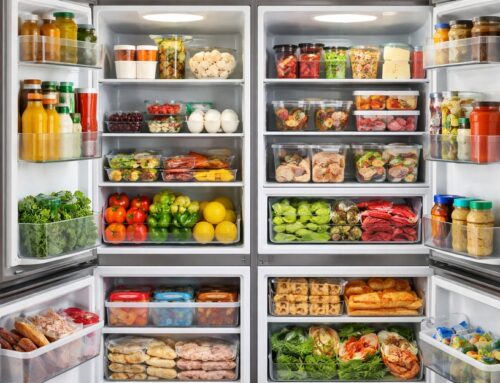
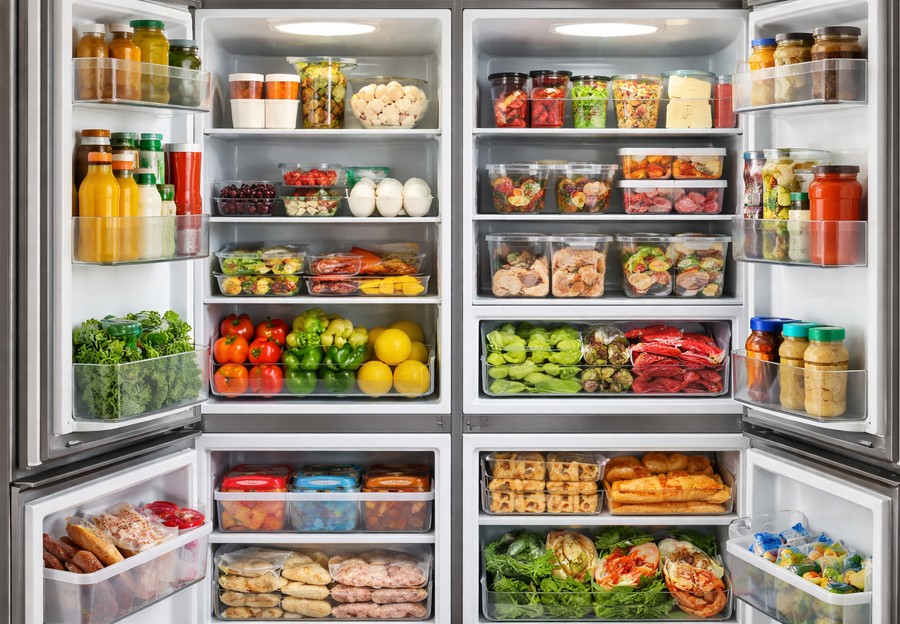
Start with the refrigerator and freezer because they require the most lead time. Empty all food at least 24 hours before moving so the unit can defrost fully. Ice left inside melts during transit and often leaks onto flooring or other boxes. Water damage claims during moves frequently originate from poorly drained refrigerators. Once defrosted, remove shelves and drawers and wash them separately with mild soap and warm water. Dry them completely before reinstalling or packing separately.
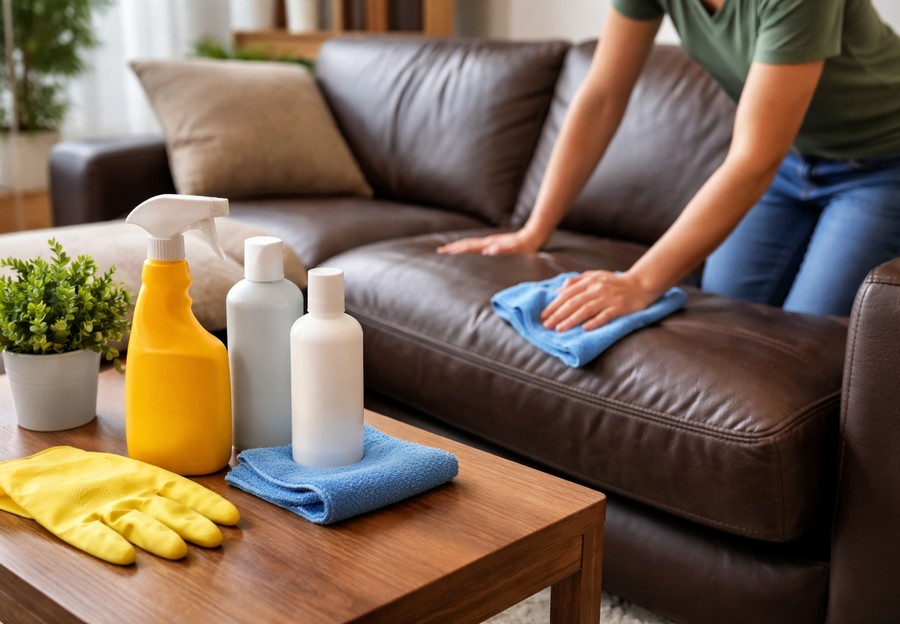
Clean interior surfaces using a gentle non abrasive cleaner or a simple solution of warm water and mild dish soap. Avoid harsh chemicals that can leave residues or degrade plastic liners. Food safety research shows that mild detergents remove most organic contamination effectively when paired with mechanical wiping. Pay attention to door gaskets where moisture and crumbs hide easily. Gaskets left dirty often develop mildew odor during transit.
After cleaning, leave the doors open for several hours to allow complete drying and air exchange. Trapped moisture is the primary driver of post move odor complaints. Some people place an open box of baking soda or activated charcoal inside to absorb residual odors during transit. Odor control studies show that activated carbon effectively binds volatile organic compounds, reducing lingering smells.
Dishwashers also need moisture management. Run a short empty cycle with a cup of white vinegar or a manufacturer approved cleaner to dissolve grease and mineral buildup. Drain any standing water from the filter area and wipe the interior dry. Leave the door slightly ajar overnight to allow moisture to evaporate. Plumbing maintenance data shows that standing water left in dishwasher sumps contributes to bacterial odor formation during inactivity.
Remove and clean the filter if accessible. Filters trap food particles that quickly turn rancid when warm. Appliance service reports frequently cite neglected filters as the source of foul odors after moves.
Washing machines require special attention because water hides in hoses, pumps, and rubber seals. Run a cleaning cycle or hot rinse with a washer cleaner to remove detergent residue and biofilm. Front load washers are especially prone to mold growth in door gaskets. Dry the gasket thoroughly and leave the door open to air dry completely. Drain residual water from the pump filter if your model allows access. Consumer appliance testing organizations note that residual moisture is the leading cause of odor complaints in relocated washers.
Disconnect hoses and drain them fully. Cap or wrap hose ends to prevent dripping during transport. Small leaks often go unnoticed until boxes or flooring are damaged. Water damage restoration data shows that even minor leaks during transport can cause costly secondary damage.
Dryers mainly require lint and dust removal. Clean the lint trap thoroughly and vacuum the lint cavity if accessible. Lint accumulation increases fire risk and spreads dust inside the truck. Fire safety agencies consistently warn that lint buildup is a leading cause of dryer fires. Wipe exterior surfaces to remove dust and residue.
Ovens and ranges benefit from degreasing. Grease left inside ovens can liquefy during hot transport conditions and drip onto insulation or electrical components. Appliance repair data shows that grease contamination contributes to odor and smoke issues after relocation. Use a mild degreaser or baking soda paste rather than harsh oven cleaners that leave chemical residue. Remove oven racks and clean them separately. Dry all surfaces completely before transport.
Microwaves often collect hidden food splatter and moisture. Wipe the interior thoroughly and leave the door open briefly to dry. Remove turntables and rollers and pack them separately to prevent breakage.
Small appliances such as coffee makers, air fryers, toaster ovens, and blenders should be emptied and dried fully. Coffee makers often retain water in internal reservoirs. Mold growth inside water channels is common when units sit unused in warm environments. Consumer appliance hygiene studies show that coffee equipment harbors significant microbial growth when moisture remains trapped.
Water dispensing appliances and refrigerators with water lines require line draining and shutoff. Follow manufacturer guidelines to prevent trapped water from freezing or leaking. Plumbing service data shows that improperly drained lines are a common cause of post move leaks.
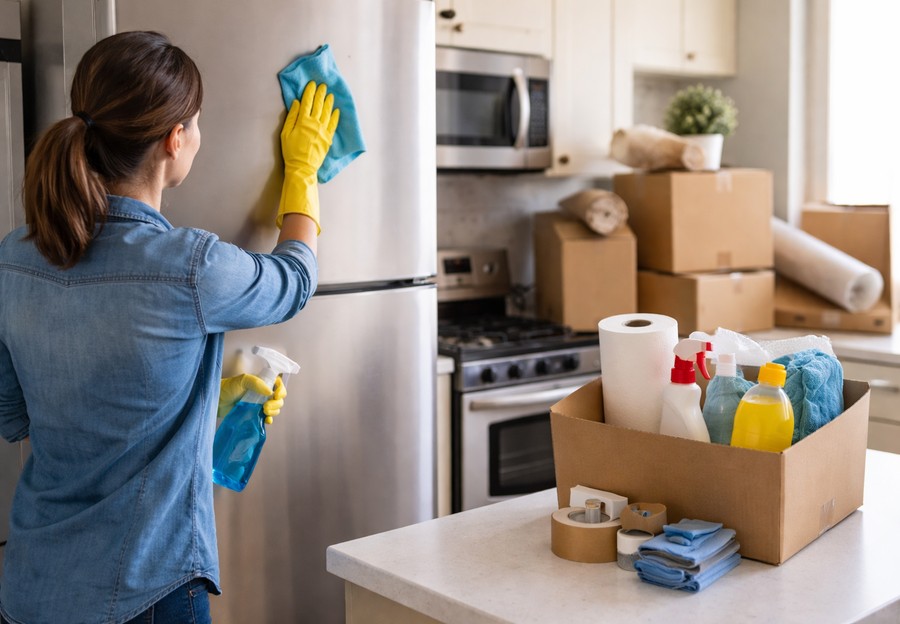
Exterior cleaning matters too. Wipe down handles, control panels, and side panels to remove oils and dust. These surfaces rub against padding and straps during transport. Clean surfaces reduce abrasion and staining transfer.
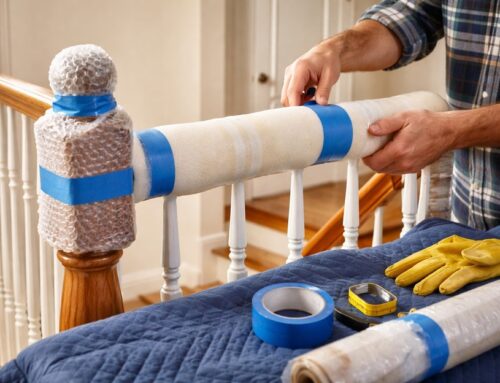
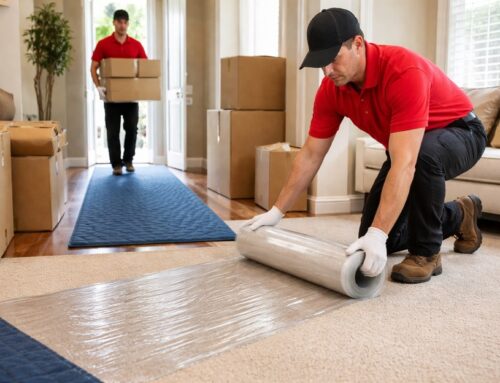
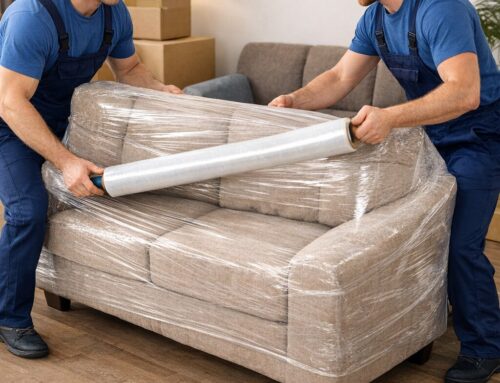
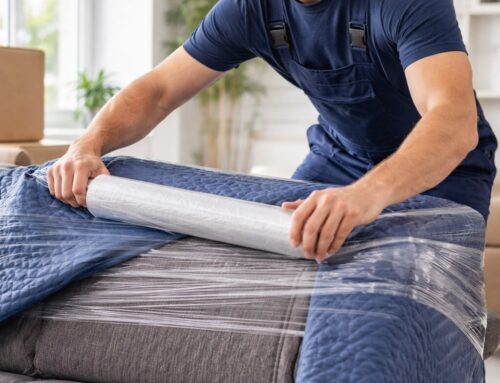
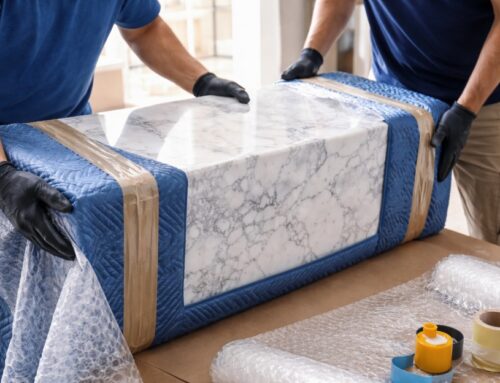
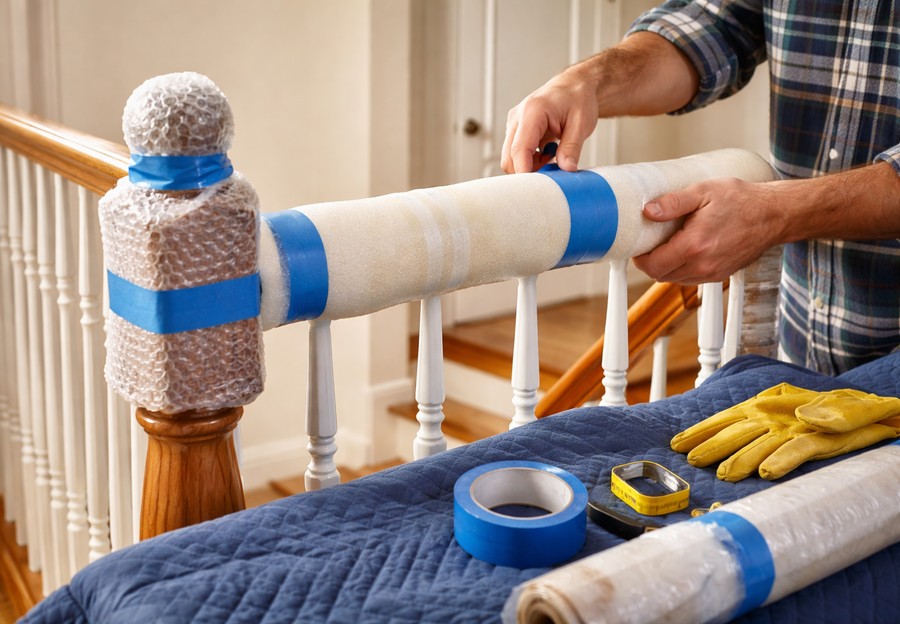
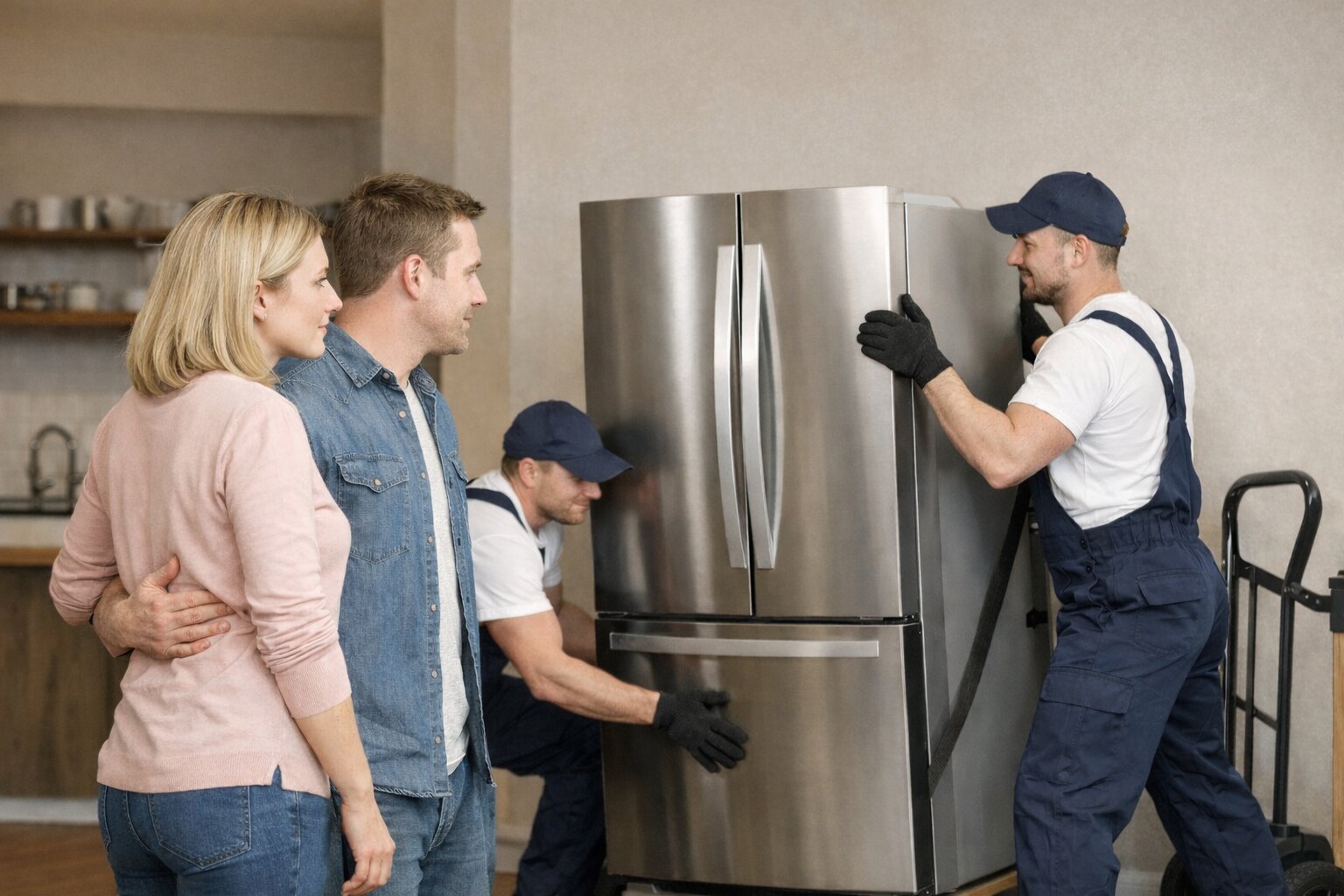
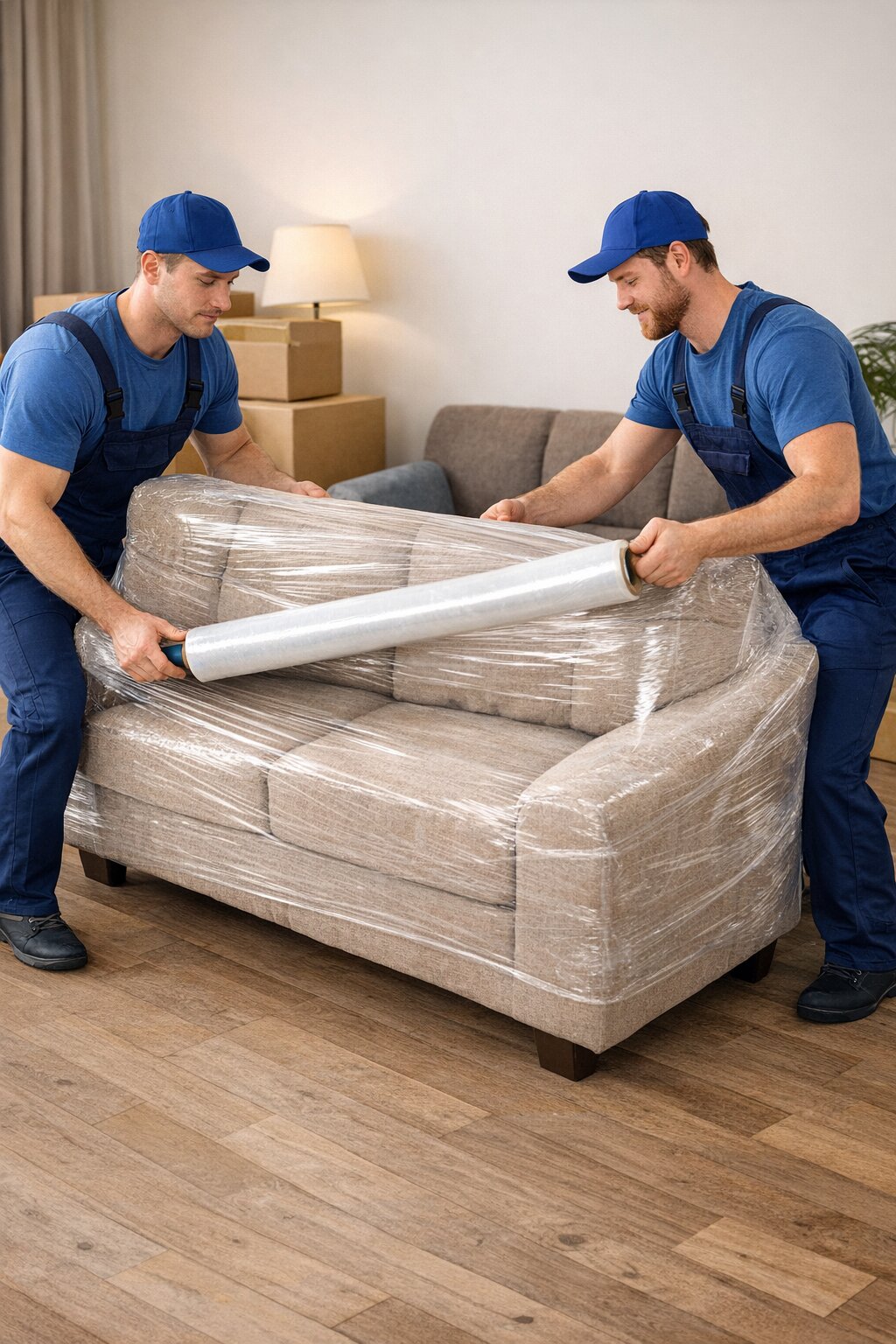
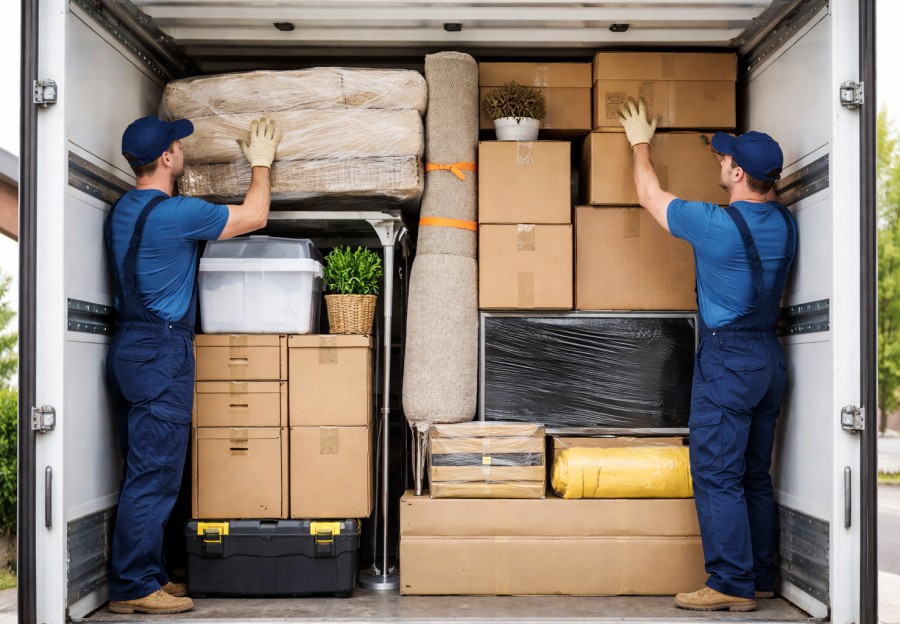
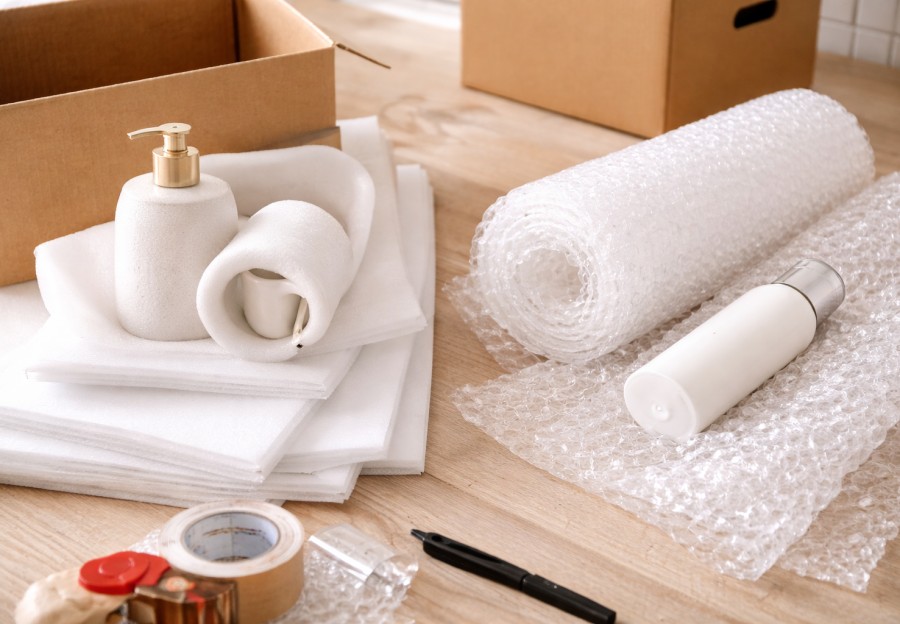
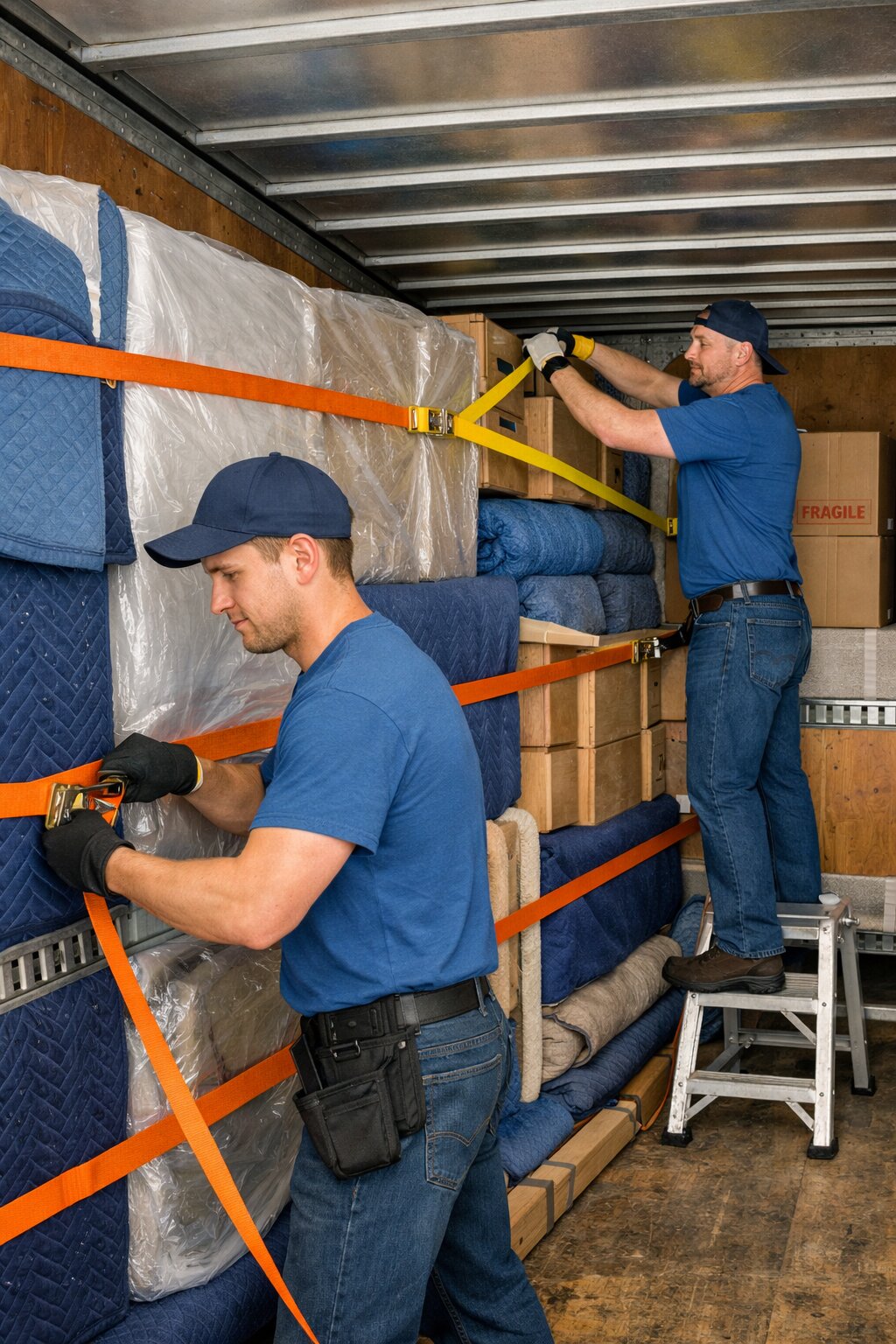
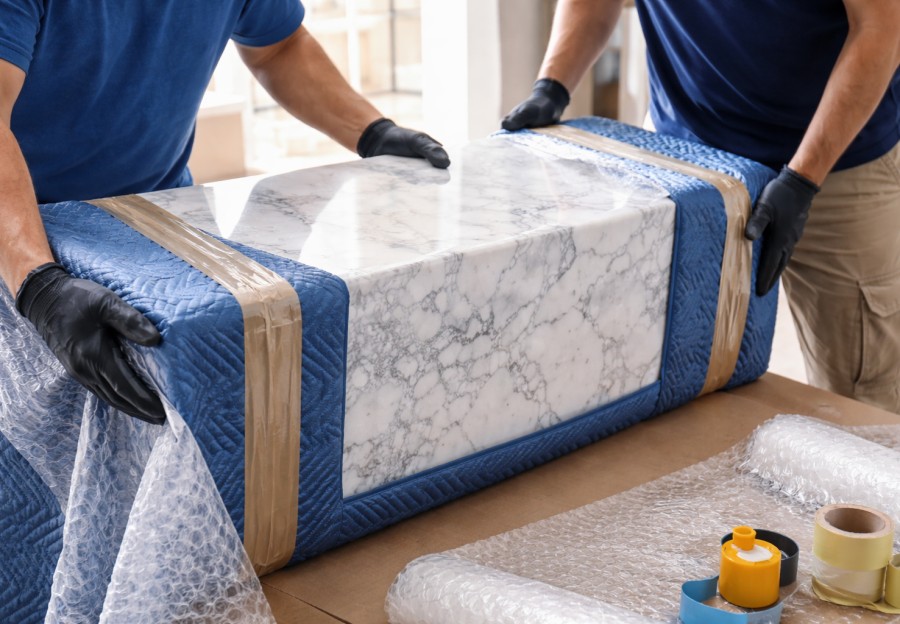
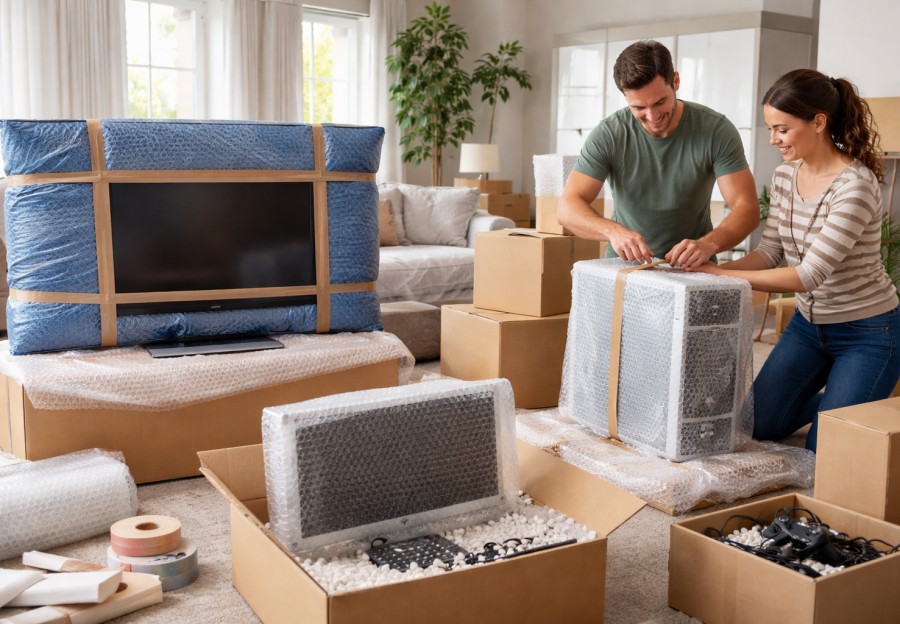
Once cleaned and dried, protect appliances for transport. Doors should be secured so they do not swing open, but never seal them airtight while moisture may still be present. Allow adequate drying time before securing. Many movers use breathable padding and stretch wrap to stabilize doors without trapping moisture directly against surfaces.
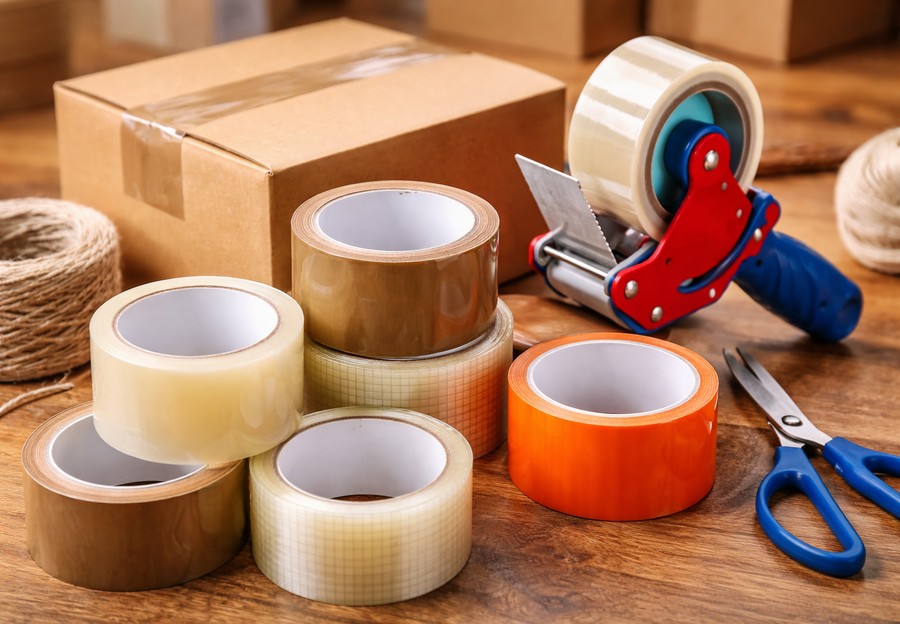
Avoid using tape directly on finished surfaces. Adhesive residue can damage paint and stainless steel coatings. Tape should only contact protective padding.
Allow appliances to acclimate before powering on in the new home. Refrigerators typically require several hours upright before plugging in to allow compressor oils to settle. Manufacturer guidelines often recommend waiting 4 to 24 hours depending on how the unit was transported. Failing to wait can shorten compressor lifespan. Appliance engineering studies show that improper startup after transport increases mechanical wear.
From a health perspective, cleaning reduces allergen and mold exposure in the new home. Indoor air quality research links mold spores and bacterial growth to respiratory irritation and allergic reactions. Starting with clean appliances supports healthier indoor air after the move.
Financially, prevention saves real money. Odor remediation services, mold cleanup, and appliance repairs often cost hundreds of dollars. Consumer repair surveys show that many post move appliance service calls stem from preventable moisture and residue issues.
There is also an environmental benefit. Extending appliance lifespan reduces manufacturing demand and landfill waste. Sustainability studies consistently show that preserving durable goods has a lower environmental footprint than replacement.
Psychologically, unpacking into a clean kitchen and laundry area reduces stress and accelerates the feeling of being settled. Behavioral research shows that clean functional spaces improve perceived control and comfort during transitions.
Timing matters. Start cleaning large appliances several days before moving day so they have time to dry fully. Rushing this step often leads to trapped moisture and odor issues later. Build it into your moving timeline rather than treating it as a last minute chore.
If appliances will be stored for an extended period, additional moisture control such as desiccant packs may be helpful. Storage industry data shows that humidity management reduces corrosion and odor development in stored appliances.
The guiding principle is simple. Remove organic residue. Eliminate moisture. Allow airflow. Protect surfaces. Respect manufacturer startup guidelines. These steps address the real physical and biological processes that cause most post move appliance problems.
Cleaning appliances before relocation is not about perfection. It is about creating stable conditions so nothing grows, leaks, smells, or corrodes while the appliance is out of daily use. A few hours of thoughtful preparation protects years of service life and saves money, frustration, and health concerns later.
When you plug in your refrigerator and it smells fresh instead of stale, when your washer runs without mildew odor, when your oven heats without burnt grease smoke, you experience the quiet payoff of preparation. The move feels cleaner, safer, and more complete because the details were handled with care.