
May 10, 2026
How movers handle elevators in older buildings
Older buildings add character and charm, but their elevators often reflect a different era of engineering. Smaller cabs, slower speeds, manual doors, sensitive motors, lower weight ratings, and fragile finishes all change how a move must be handled. Professional movers treat these elevators as high risk zones because one mistake can damage the building, overload mechanical systems, or delay the entire job. Careful planning and disciplined handling keep both people and property safe.
The first factor movers evaluate is capacity. Many older elevators have weight limits between 1,500 and 2,500 pounds, compared with modern freight elevators that often exceed 4,000 pounds. Elevator engineering data shows that exceeding rated capacity increases wear on cables, motors, and braking systems and raises the risk of service shutdowns. Because moving carts, dollies, and multiple movers add significant weight, crews calculate combined load rather than guessing. A refrigerator alone can weigh 300 pounds. Add a dolly, two movers, and protective padding and the margin disappears quickly.
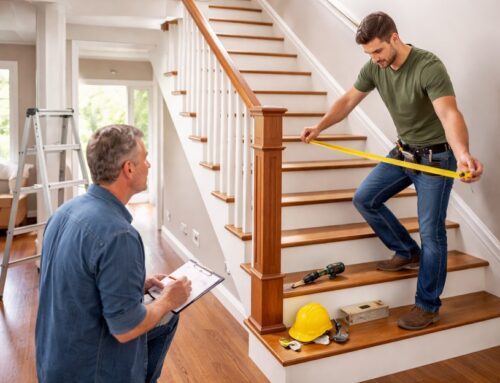
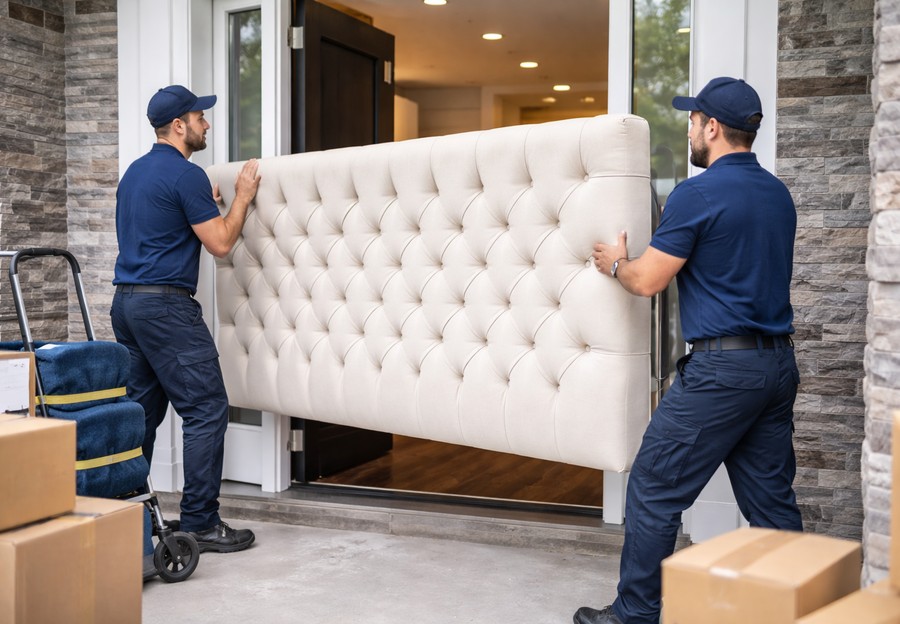
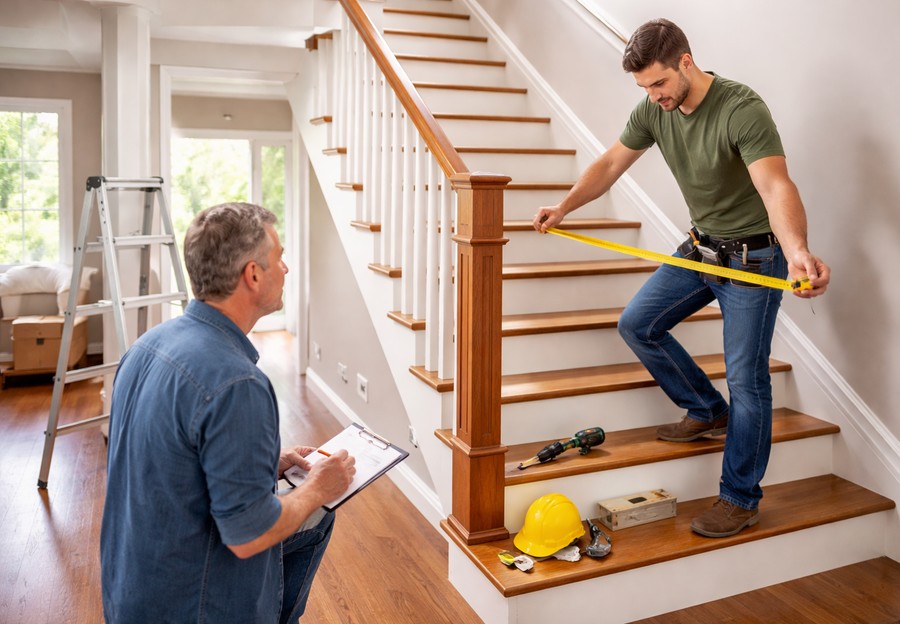
Cab dimensions matter as much as weight. Older elevators frequently have narrower doors, lower ceilings, and shallower depth. Diagonal clearance becomes the limiting factor when rotating furniture inside the cab. Building measurement surveys show that many prewar residential elevators have door widths under 36 inches and interior depths under 60 inches. Movers measure these dimensions in advance to determine which items fit and which require stair carries or partial disassembly.
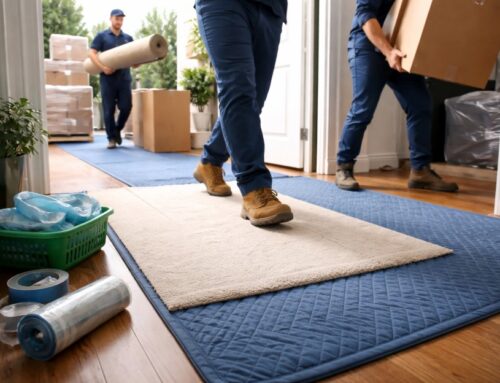
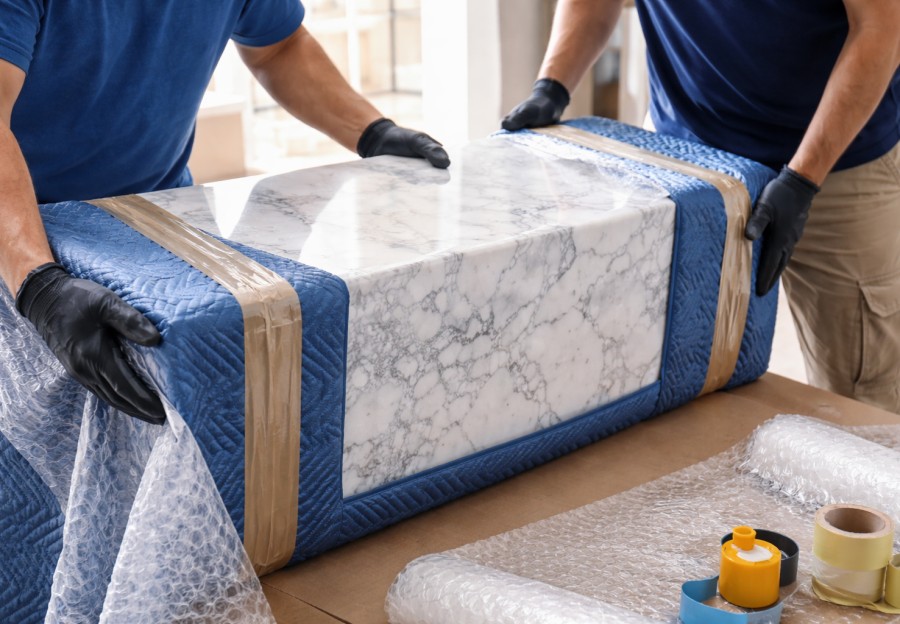
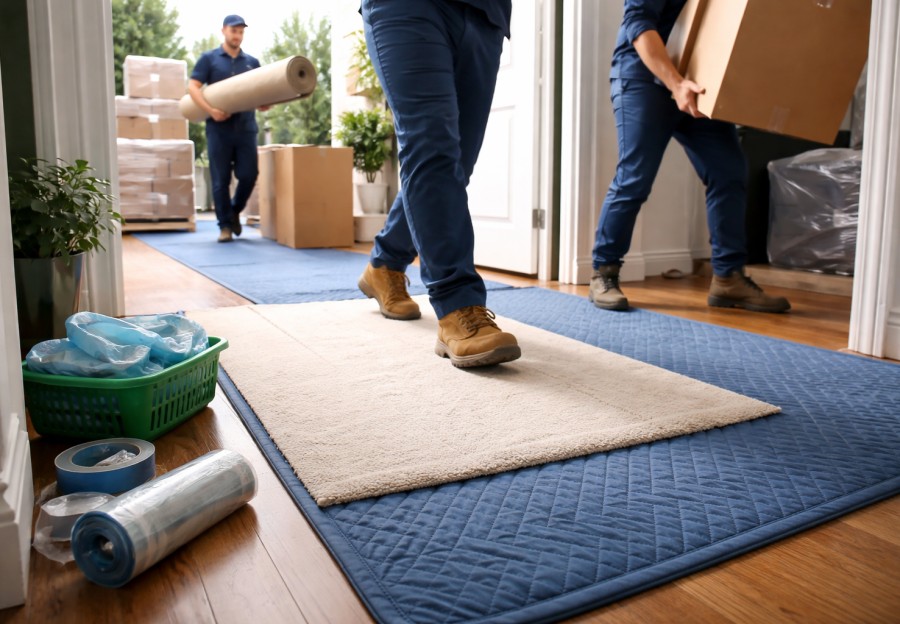
Surface protection is essential. Wood veneer panels, brass trim, mirrors, and vintage finishes scratch easily and are expensive to repair. Preservation cost data shows that restoring historic elevator interiors can cost thousands of dollars due to custom materials and labor. Movers pad walls, corners, and handrails with thick blankets secured so they do not slide. Floor protection prevents grit from grinding into tile or wood surfaces.
Door mechanisms require special care. Manual accordion or swing doors can derail or jam if struck by heavy furniture. Impact forces on door tracks accelerate mechanical wear. Mechanical maintenance studies show that door misalignment remains one of the most common causes of elevator service calls in older buildings. Movers assign a spotter to guide clearance and prevent accidental door contact during loading.
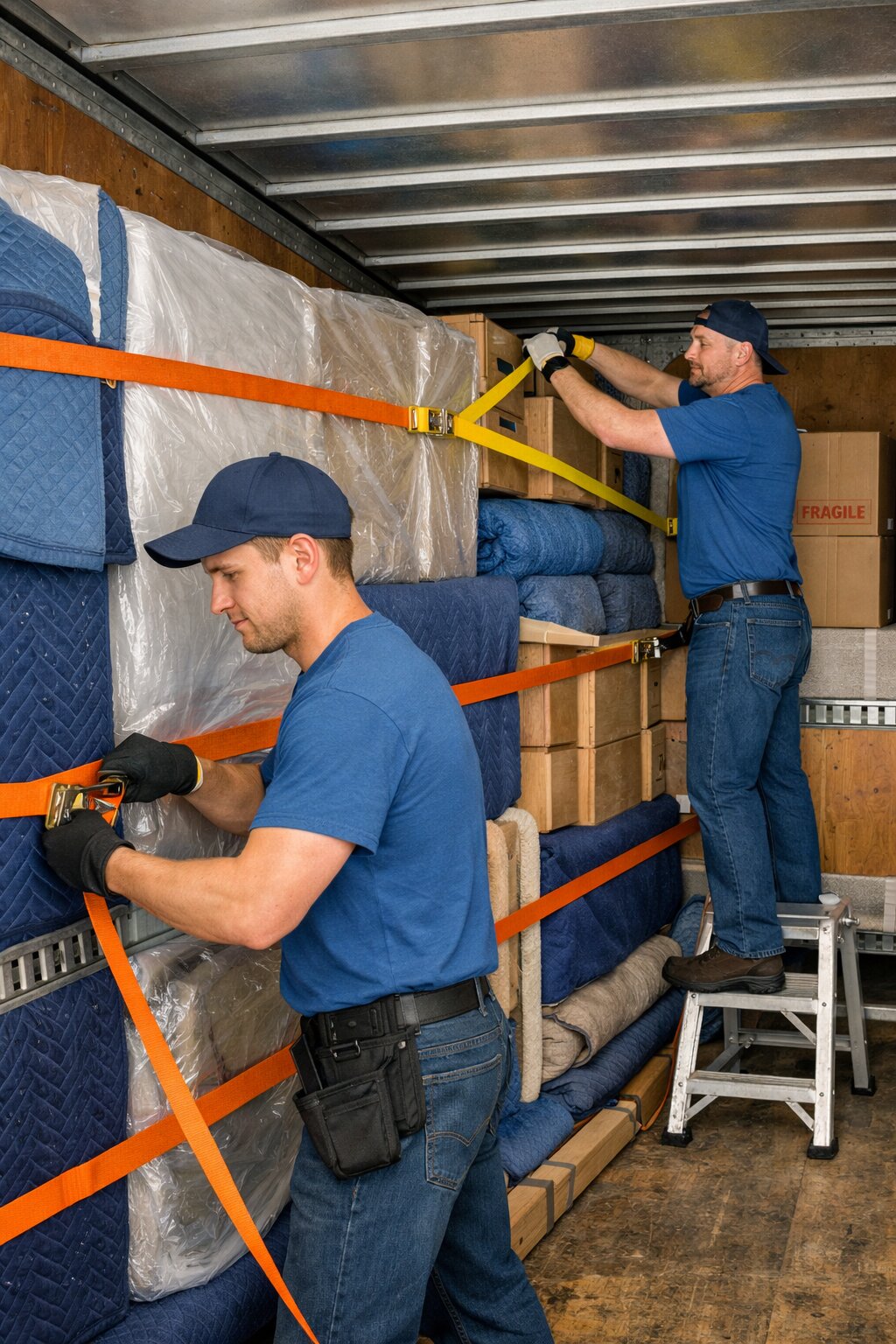
Speed and ride quality differ from modern elevators. Older systems often accelerate and decelerate abruptly and transmit more vibration through the cab. Transportation vibration research shows that repeated shock loads increase furniture damage risk and loosen fasteners. Movers secure loads tightly inside the cab and avoid stacking items loosely that could shift during starts and stops.
Ventilation inside older elevator cabs can be limited. Heat buildup affects both people and sensitive items. Vehicle and enclosure thermal studies show that confined spaces heat quickly under body load and friction. Movers limit ride occupancy to avoid overheating and fatigue.
Traffic management matters in occupied buildings. Older elevators may serve all residents with no dedicated service elevator. Frequent stops increase cycle time dramatically. Building operations surveys show that shared elevators can double move duration compared with dedicated freight elevators. Movers schedule off peak hours when possible and coordinate with building management to minimize disruption.
Electrical reliability influences pacing. Older elevator control systems may trip if overloaded or used continuously under high demand. Maintenance records show that older systems are more sensitive to thermal overload and prolonged cycling. Movers pace trips and avoid continuous nonstop runs that stress motors.
Leveling accuracy can be inconsistent. Older elevators sometimes stop slightly above or below floor level. Trip hazard risk increases when rolling heavy loads across uneven thresholds. Safety engineering studies show that even small elevation differences increase tip and fall risk. Movers slow transitions and use threshold ramps or manual lift assistance when necessary.
Noise sensitivity matters in older buildings with thinner walls and tighter sound transmission. Sliding heavy furniture into the cab can create loud impact noise. Acoustic transmission studies show that low frequency vibration travels easily through older structural systems. Movers reduce noise by padding contact points and using controlled placement rather than sliding or dropping loads.
Fire safety rules often restrict elevator use for certain items or during specific hours in historic buildings. Compliance avoids fines and shutdowns. Building code enforcement data shows that unauthorized elevator use during moves remains a frequent violation in older properties.
Contingency planning is important. If an elevator goes out of service unexpectedly, movers need an alternate route strategy. Stair carries for heavy items require additional manpower and time. Risk planning models emphasize redundancy in critical path operations to prevent total job stoppage.
Communication with building staff reduces friction. Doormen, supers, or building engineers often know elevator quirks such as slow doors, sensitive sensors, or uneven leveling. Incorporating this knowledge prevents surprises. Operational knowledge sharing has been shown to reduce incident rates in facility operations.
Load sequencing improves efficiency. Movers often send heavier dense items first when energy is highest and elevator availability is best, then follow with lighter boxes. Fatigue studies show that handling heavy loads earlier reduces injury risk later in the day.
Cab staging discipline prevents congestion. Only one major item is loaded at a time to avoid crowding and door obstruction. Crowded cabs increase collision risk and reduce escape space in emergencies.
Insurance and liability considerations also shape behavior. Damage to elevators can trigger costly claims and building fines. Insurance industry data shows that elevator related claims carry high average repair costs compared with wall or floor damage. Movers prioritize protection accordingly.
Environmental responsibility plays a role too. Elevator repairs involve specialized parts and materials with significant environmental footprint. Preventing damage avoids unnecessary replacement manufacturing.
Psychological comfort matters for residents. Loud, chaotic moving behavior increases complaints and tension in shared buildings. Social behavior studies show that perceived respect for shared spaces improves community satisfaction even during disruptive events. Careful elevator handling maintains goodwill.
Lighting inside older elevator cabs may be dimmer or uneven. Visual ergonomics research shows that low light increases misjudgment of clearance and increases collision errors. Portable lighting or headlamps improve visibility during loading.
Emergency protocols differ in older buildings. Some elevators lack modern communication systems or automatic rescue features. Movers avoid risky loading that could cause jams and know how to contact building staff quickly if issues arise.
Temperature sensitivity of finishes matters. Brass and lacquer finishes soften under heat and scratch more easily. Conservation research shows that elevated temperatures reduce coating hardness temporarily. Padding thickness becomes even more important in warm conditions.
Time expectations should be adjusted. Elevator cycling, shared usage, and careful pacing extend move duration compared with ground level or freight elevator buildings. Consumer moving surveys show that elevator access remains one of the biggest predictors of extended labor time.
Cost planning benefits from realism. Longer elevator cycles increase labor hours. Budgeting extra time prevents surprise charges and rushed behavior that increases damage risk.
From a safety perspective, elevators concentrate multiple hazards. Confined space, moving machinery, heavy loads, and public access intersect. Safety management frameworks emphasize layered controls in such environments. Padding, load limits, pacing, communication, and spotters create redundant protection.
The core principle movers follow is respect for the machine and the building. Older elevators were not designed for continuous heavy material handling. Treating them gently preserves reliability and avoids costly breakdowns.
Preparation makes everything smoother. Measure capacity and dimensions. Coordinate with management. Reserve time windows. Stage padding. Plan load sequence. Identify alternate routes. Communicate with residents. Pace usage. Monitor load weight. Protect surfaces. Maintain lighting.
When done well, the elevator ride becomes uneventful. Items glide in and out slowly. Doors close without scraping. The cab remains spotless. Residents pass without frustration. The elevator continues operating normally after the move.
That quiet outcome is the goal. Movers handling older elevators successfully blend engineering awareness, patience, respect for property, and disciplined process. It is not flashy work, but it protects safety, budgets, relationships, and the long term health of a piece of machinery that often holds decades of history inside its cables and gears.
Older elevators deserve careful handling. When movers adapt their techniques thoughtfully, the building keeps its character intact, the move stays on schedule, and nobody has to call a repair technician when the last box is delivered.