April 15, 2026
How to avoid broken glass during a move
Broken glass is one of the most common and frustrating problems during a move. A single cracked mirror or shattered wine glass can turn into a cleanup hazard, lost money, and a ripple of stress when you are already tired. Industry claims data consistently lists glassware, mirrors, framed art, and tabletop glass among the most frequently damaged household items during relocation. The good news is that most breakage is preventable when you understand what actually causes glass to fail and pack accordingly.
Glass breaks from three main forces. Direct impact creates sudden stress that exceeds the material’s tensile strength. Compression occurs when weight presses unevenly against a surface. Vibration causes repeated micro impacts that slowly propagate microscopic cracks until failure occurs. Materials engineering studies show that glass often fails not from one dramatic hit but from cumulative stress applied over time. During a move, all three forces are present inside a truck unless controlled carefully.
Preparation begins with inspection. Look for chips, hairline cracks, or weak edges before packing. Damaged glass is more likely to shatter under vibration. Glass fracture research shows that existing micro cracks dramatically reduce load tolerance. If something is already compromised, consider transporting it separately or replacing it rather than risking injury and mess later.
Clean and dry all glass surfaces before wrapping. Dust and grit trapped in wrapping material act like abrasives under vibration. Abrasion studies show that micro particles accelerate surface wear and create stress concentration points. Moisture trapped against glass can also weaken labels and padding effectiveness.
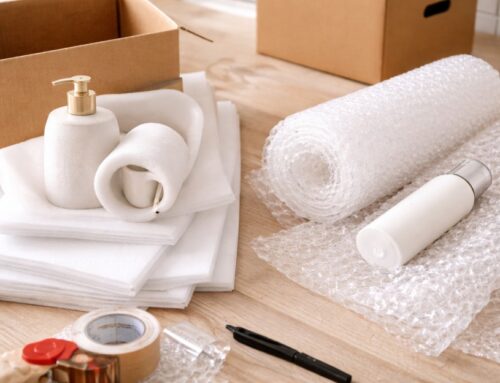
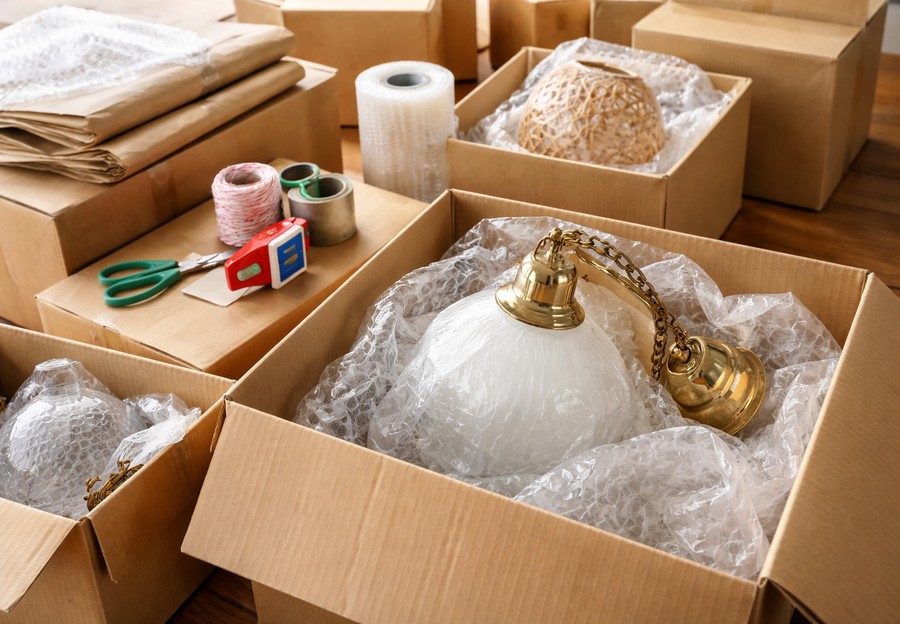
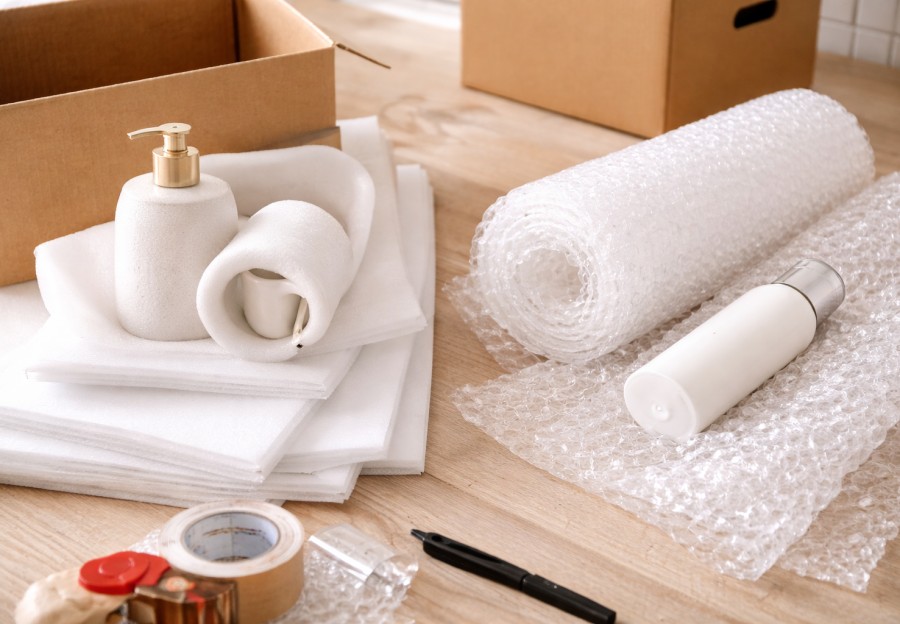
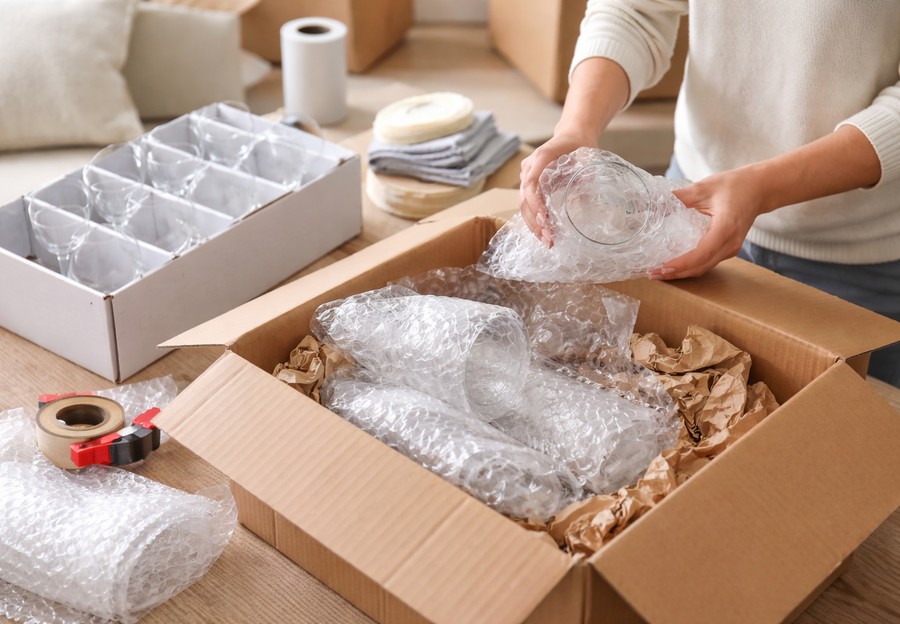
Individual wrapping is essential. Glass items should never touch each other directly. Each piece needs its own cushioning layer so that impact energy dissipates before reaching the surface. Packaging lab testing consistently shows that layered cushioning reduces fracture rates significantly compared with thin single layer wrapping.
Pay special attention to edges and corners. These areas experience the highest stress concentration during impact. Fracture mechanics research confirms that cracks typically initiate at edges rather than flat surfaces. Adding extra padding around rims and corners greatly improves survival.
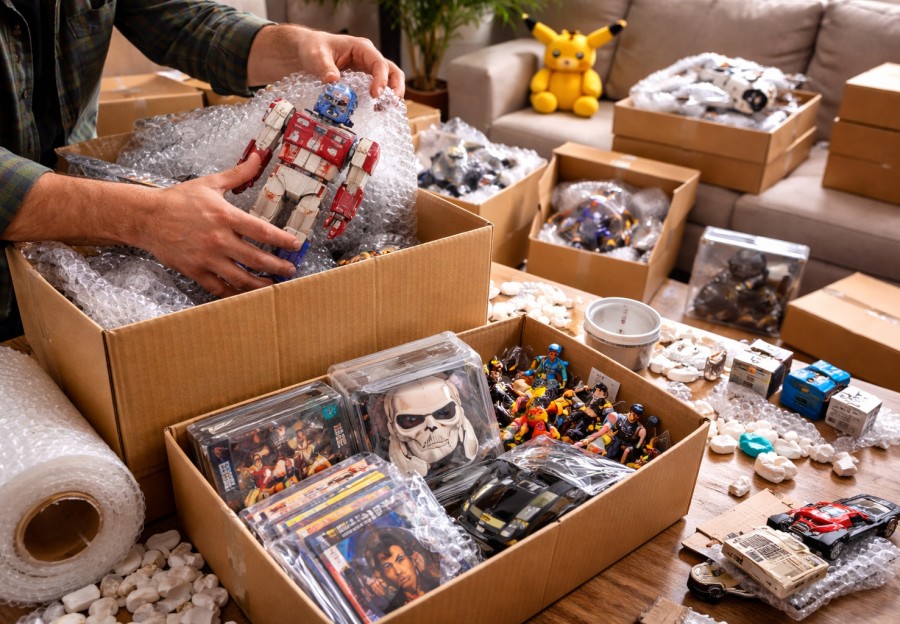
Internal void control inside the box matters more than many people expect. Empty space allows items to move, collide, and build momentum during transport vibration. Packaging vibration studies show that uncontrolled internal movement dramatically increases breakage rates. Fill all gaps firmly but gently so nothing shifts when the box is shaken lightly.
Box strength influences outcomes. Thin retail boxes collapse under stacking pressure and transmit compression directly to contents. Double wall corrugated boxes resist deformation better and distribute load more evenly. Packaging engineering data shows that stronger cartons reduce crushing failure under vertical load significantly.
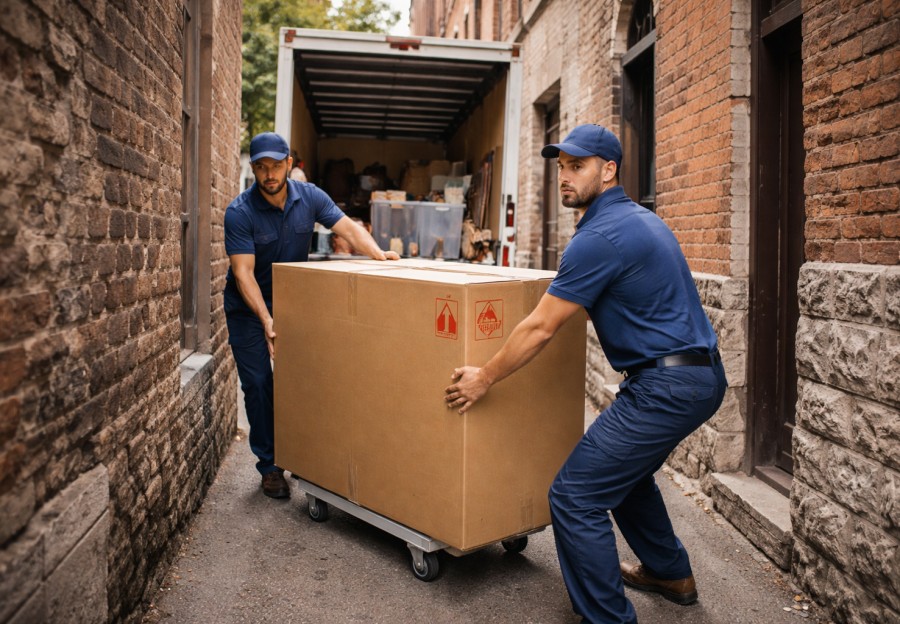
Weight management is critical. Glass boxes should never become too heavy. Heavy boxes increase drop risk and generate higher impact forces if mishandled. Ergonomics research shows that lifting accuracy and grip stability decline as box weight increases, raising drop probability. Keeping glass boxes within manageable weight limits protects both handlers and contents.
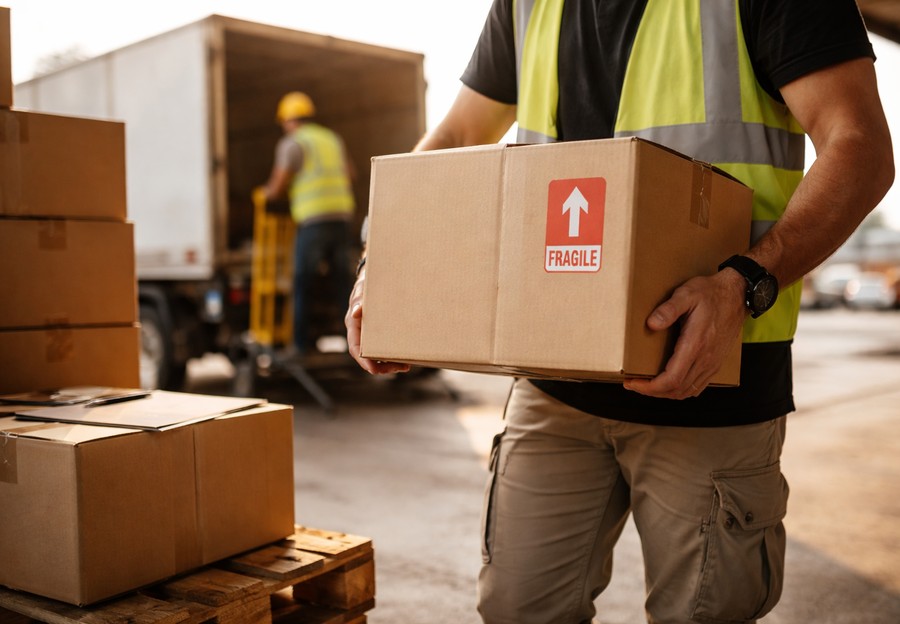
Orientation labeling improves handling. Marking boxes as fragile and indicating upright orientation increases the chance that handlers keep them vertical and avoid stacking heavy items on top. Logistics studies show that clear visual labeling reduces handling errors by roughly 25 to 30 percent in busy environments.
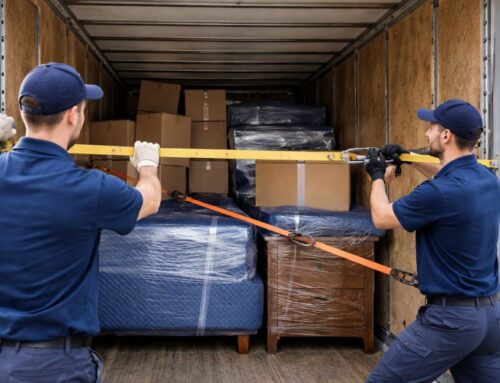
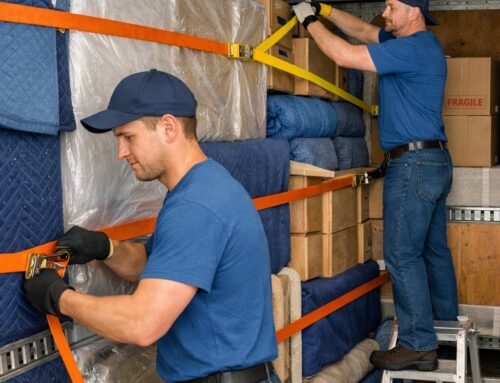
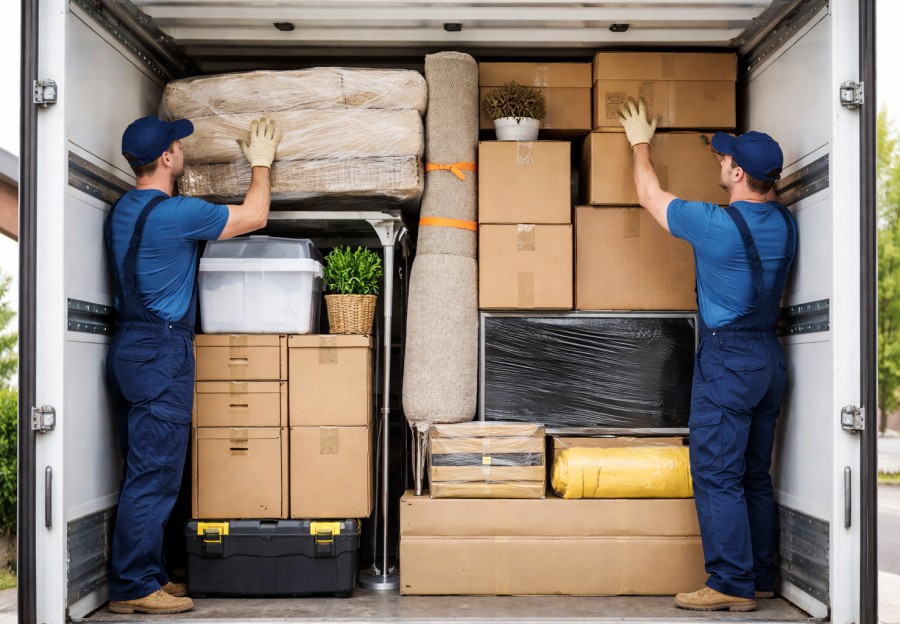
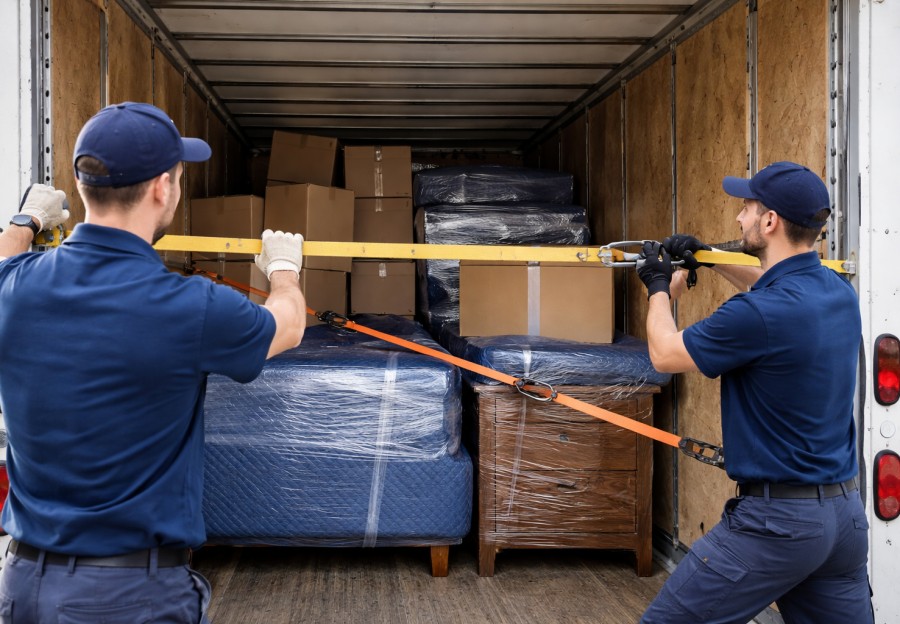
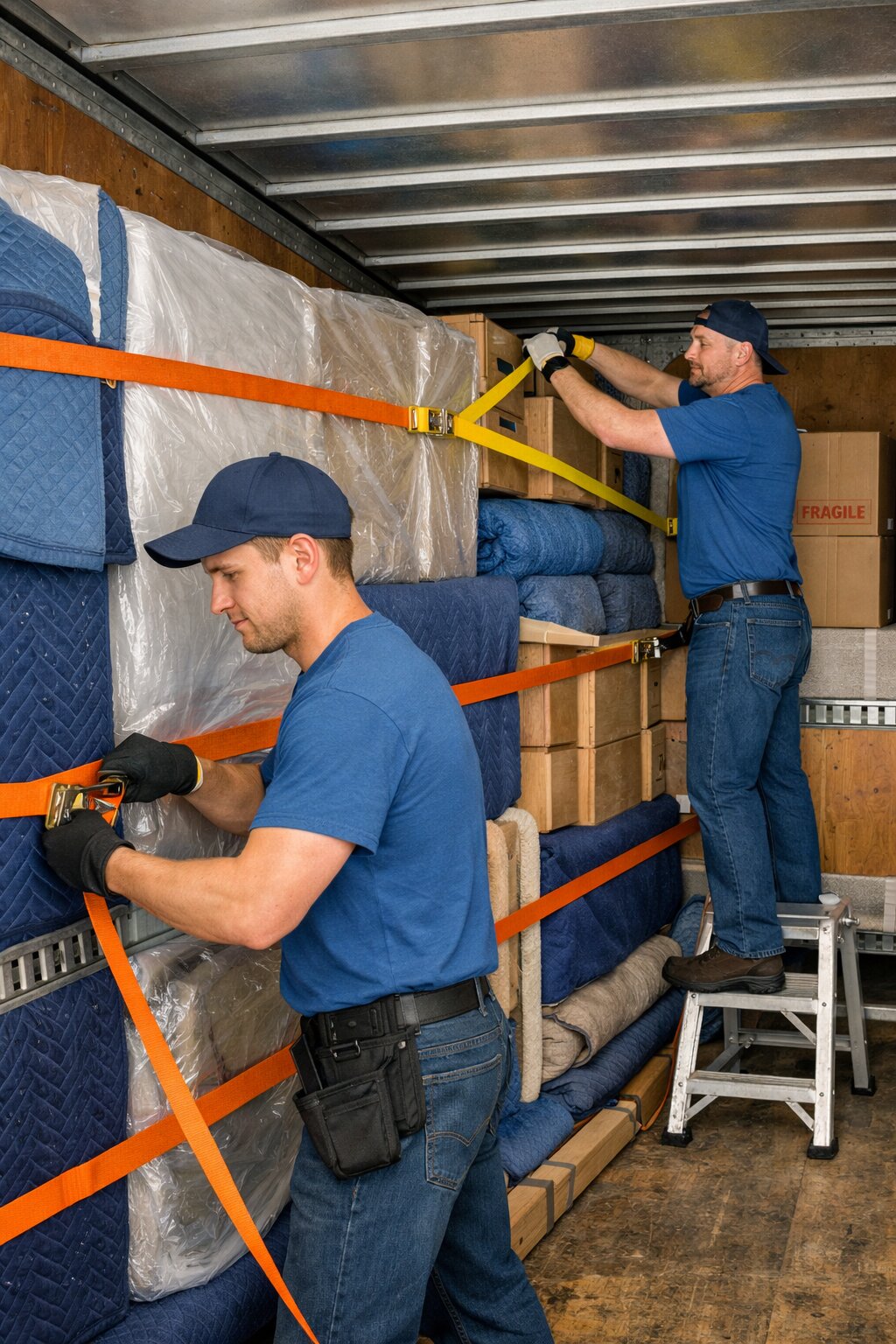
Layering inside the truck matters. Glass boxes should ride above heavier items and be wedged between soft shock absorbing surfaces such as mattresses, sofas, or padded furniture. Transportation safety research shows that lower layers absorb the highest compression forces during braking and vibration. Elevating fragile items reduces transmitted shock.
Avoid placing glass near rigid edges or metal surfaces inside the truck. Hard contact points transmit vibration directly and increase fracture risk. Soft buffering materials dampen energy better.
Temperature swings can influence glass indirectly. Rapid temperature changes create expansion stress, especially in thick or layered glass. Vehicle interior studies show that closed trucks can experience large temperature fluctuations in short periods. While household glass tolerates moderate change, avoiding direct sun exposure and minimizing time in extreme heat or cold reduces stress.
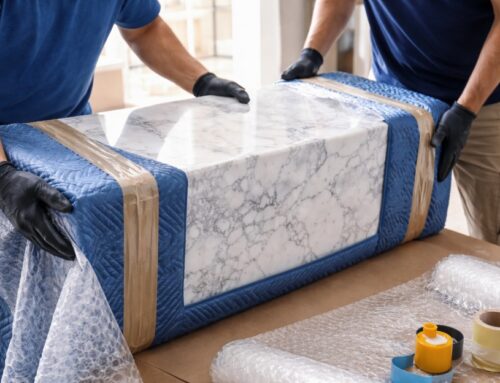
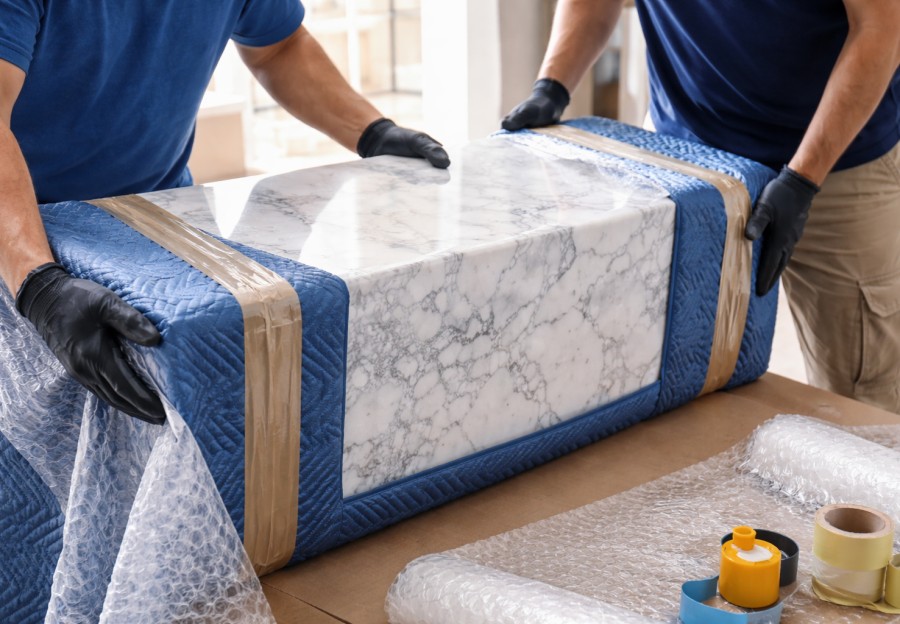
Mirrors and framed glass deserve special handling. They should be packed vertically rather than flat to reduce flex stress across the surface. Glass manufacturers recommend vertical transport for large panels because flat positioning concentrates bending stress. Adding rigid cardboard sheets on both sides creates a protective sandwich that resists flexing.
Tabletops and shelves benefit from edge guards and rigid panels as well. Large flat glass surfaces behave like structural plates. Structural mechanics research shows that bending stress increases exponentially with unsupported span length. Supporting the surface evenly reduces flex risk.
Wine glasses and stemware should have stems isolated and supported so bending forces do not concentrate at the narrow junction. Stem breakage often occurs due to side pressure rather than direct impact. Cushioning that immobilizes the stem reduces leverage stress.
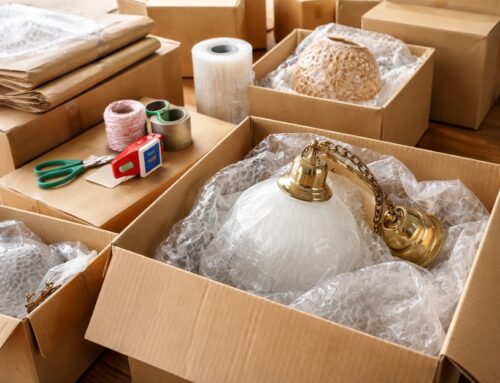
Lighting glass such as shades and globes should be packed with layered cushioning and rigid outer support. Their curved surfaces distribute stress well, but attachment lips and rims remain vulnerable.
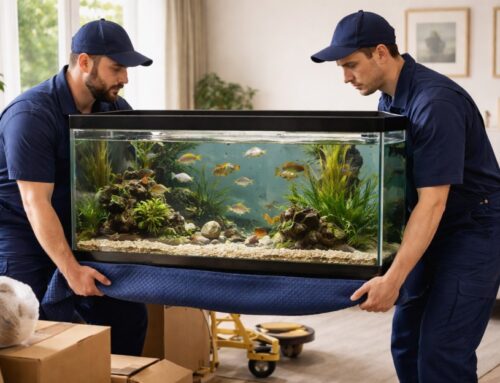
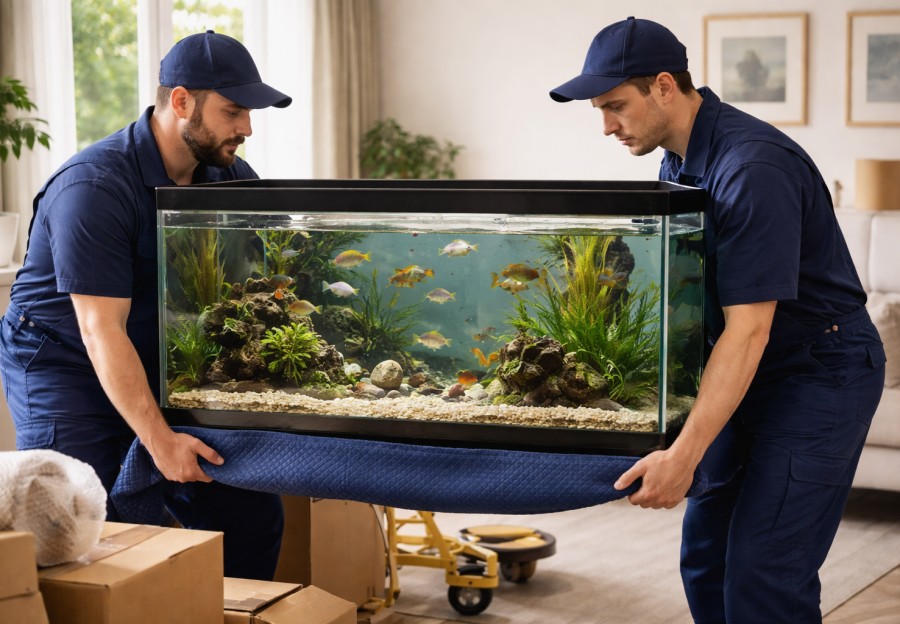
Aquariums require separate strategies due to silicone seams and structural loads, and should never be stacked or compressed.
Moisture protection matters for labels and padding performance. Wet paper loses cushioning ability. If rain or humidity is present during loading, ensure boxes are protected with outer wrap until inside the truck.
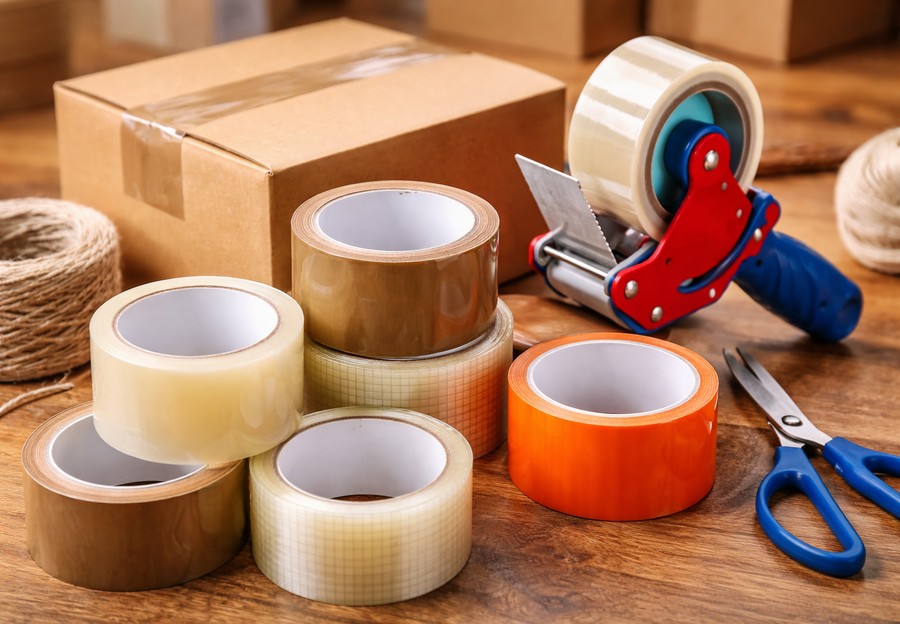
Avoid over taping directly on glass wrapped surfaces where adhesive residue may transfer. Tape should secure wrapping layers, not contact glass directly.
Unpacking requires patience as well. Glass that has experienced cold may be more brittle until temperature equalizes. Allow items to acclimate briefly before unwrapping to reduce thermal shock risk. Handle each piece individually and inspect for hairline cracks before placing into use.
Safety during unpacking is just as important. Wear gloves if there is any concern about breakage. Broken glass injuries are common during rushed unpacking. Consumer injury data shows that lacerations from glass remain a frequent cause of emergency room visits during home projects.
Cost prevention reinforces careful packing. Replacement costs add up quickly, especially for specialty glass, mirrors, or custom table tops. Repair surveys show that custom glass replacement often carries long lead times and high labor costs.
Environmental impact matters too. Glass production requires high energy input. Preventing breakage reduces waste and manufacturing demand. Sustainability research shows that extending product lifespan reduces environmental footprint more effectively than recycling after breakage.
There is also the emotional factor. Many glass items carry sentimental value such as inherited crystal, wedding gifts, or custom artwork. Behavioral studies show that sentimental loss amplifies stress beyond monetary cost.
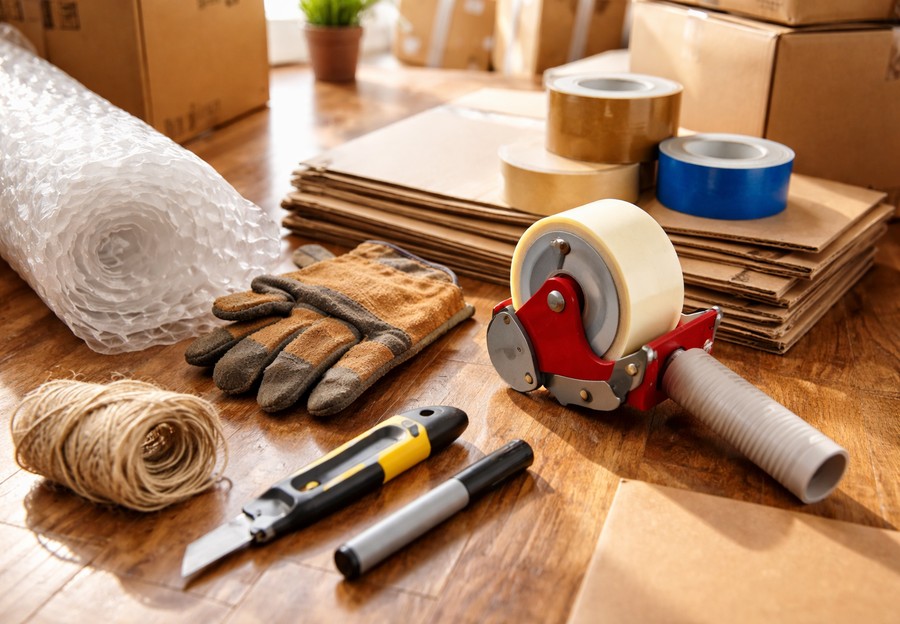
Planning ahead makes a measurable difference. Gather quality packing materials early. Set aside dedicated fragile packing time when you are not rushed. Label clearly. Stage fragile boxes away from heavy traffic until loading. Communicate with movers about fragile zones inside the truck.
Avoid mixing glass with heavy or sharp objects in the same box. Mixed density packing increases collision energy during vibration and increases puncture risk. Packaging lab research confirms that similar density grouping reduces internal damage.
If you are moving long distance or have high value glass collections, professional packing or custom crating may be worth the cost. Specialty packaging uses foam cutouts and rigid shells that dramatically reduce vibration transmission.
The core idea is simple. Glass survives when forces are spread out, movement is eliminated, pressure is controlled, and temperature swings are moderated. Most breakage happens when one of those controls fails.
A move will always introduce motion and stress. Your goal is to manage how that stress reaches the glass. When wrapped individually, cushioned generously, immobilized inside strong boxes, layered safely inside the truck, and handled with awareness, glass travels surprisingly well.
Avoiding broken glass is not about luck. It is about respecting material science and building simple protective systems that work even when humans are tired. A little extra care before the truck closes saves cleanup, injury risk, replacement costs, and emotional frustration later.
When you unpack and find every glass intact, you feel a quiet sense of success that makes the entire move feel more worth it.