April 27, 2026
How to pack wine bottles safely
Packing wine bottles for a move feels deceptively simple until you remember that each bottle is glass under internal pressure, sealed with a cork that reacts to temperature, and often carrying significant financial or sentimental value. A single broken bottle can ruin surrounding boxes, stain furniture, and turn a small mistake into a large cleanup problem. With a little understanding of physics, materials, and temperature behavior, wine travels far more safely than most people expect.
Wine bottles fail mainly from impact, point pressure, vibration, and thermal stress. Glass engineering studies show that micro cracks often originate at the base and shoulder of bottles where thickness changes create stress concentration points. During a move, vibration inside a truck creates thousands of small micro impacts. If bottles touch each other or hard box walls directly, those vibrations compound into fracture risk.
Temperature also matters. Wine expands slightly when warmed and contracts when cooled. Rapid temperature swings increase internal pressure against the cork and glass. Enology research shows that extreme heat accelerates cork expansion and leakage, while freezing temperatures can push liquid expansion toward the bottle’s limits. Moving trucks can exceed outdoor temperatures by more than 20 degrees Celsius in direct sun, according to vehicle interior temperature studies. Managing exposure time reduces stress on both wine and packaging.
Start by checking bottle condition. Inspect for chips, cracks, or loose corks. A compromised bottle is more likely to fail under vibration. If a bottle already shows weakness, consider transporting it separately with extra protection or consuming it before the move.
Clean and dry each bottle so residue does not attract dust or create slippery handling conditions. Oils on glass reduce grip friction, increasing drop risk. Friction studies show that clean dry surfaces improve grip stability significantly.
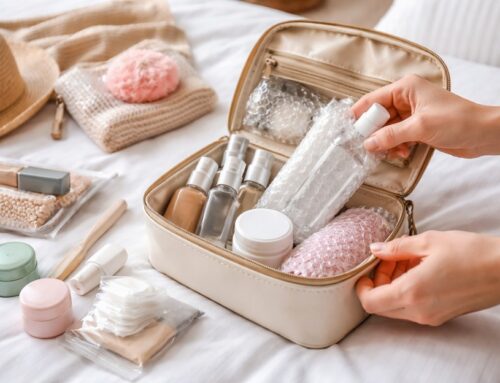
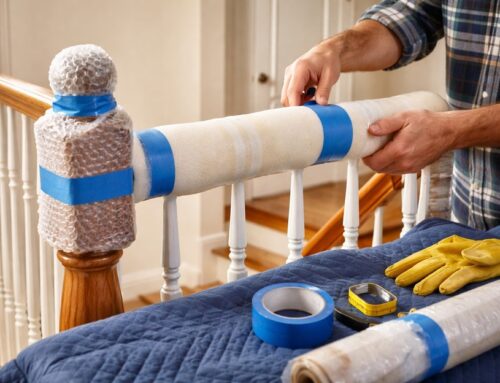
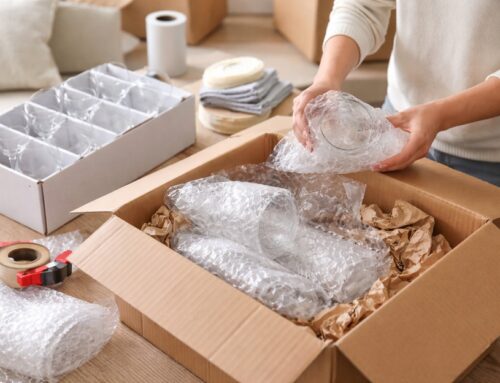
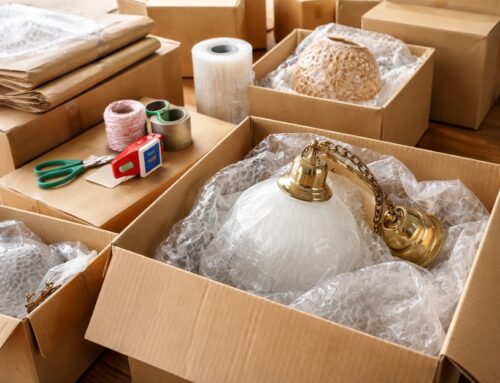
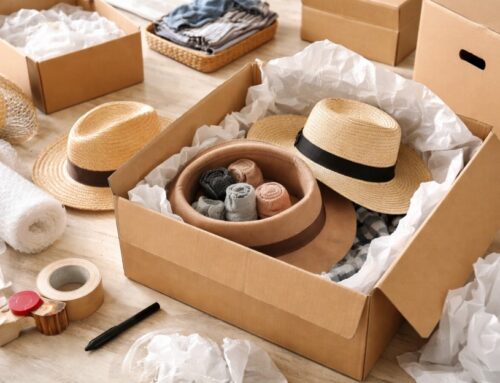
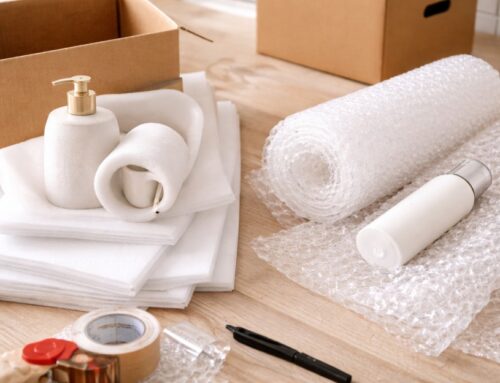
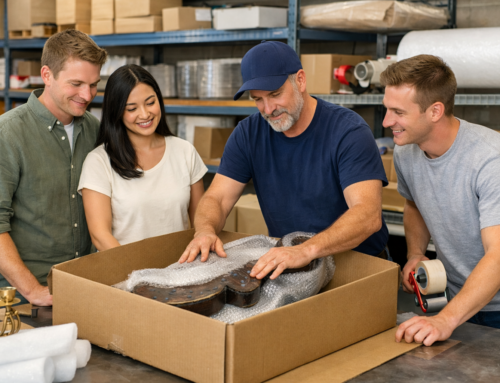
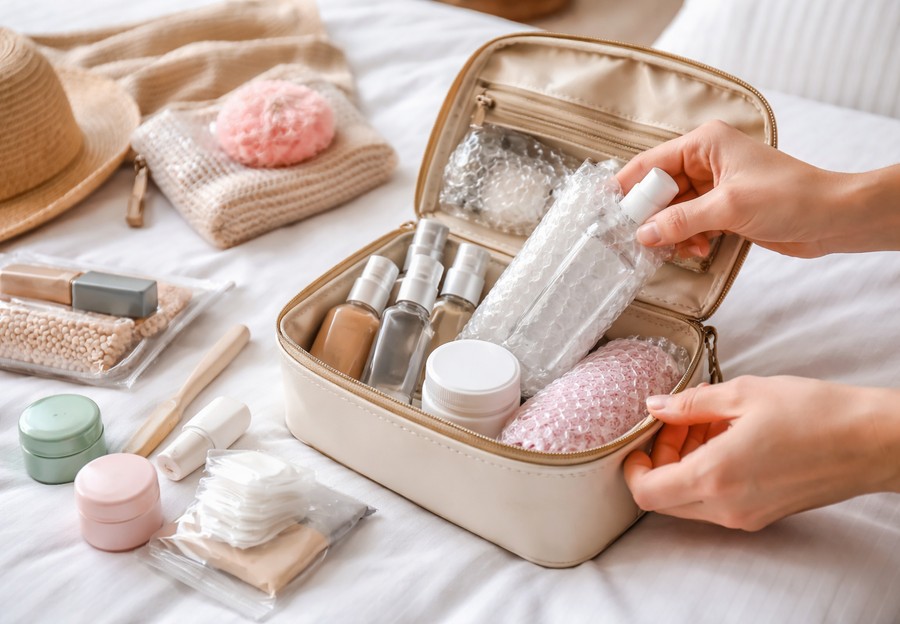
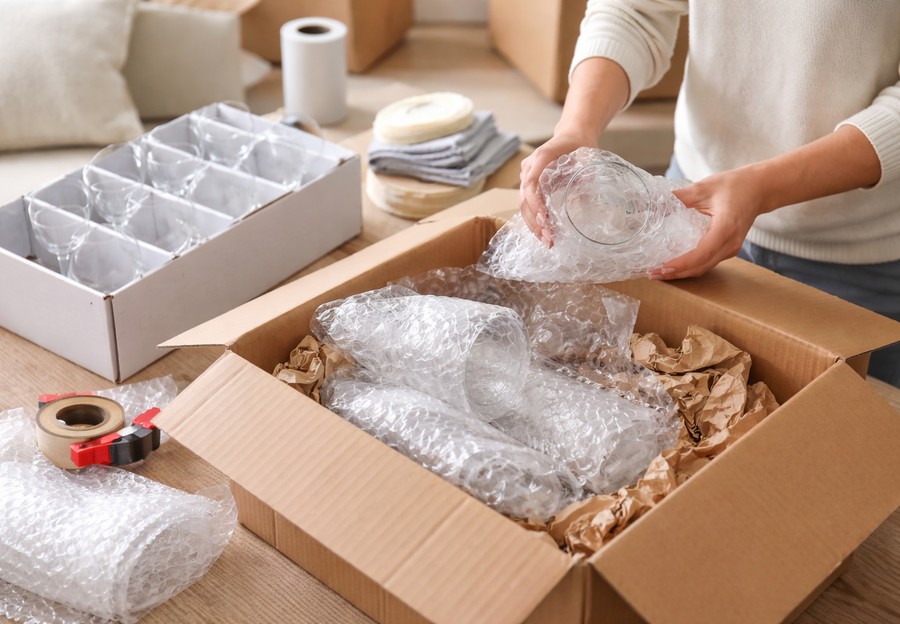
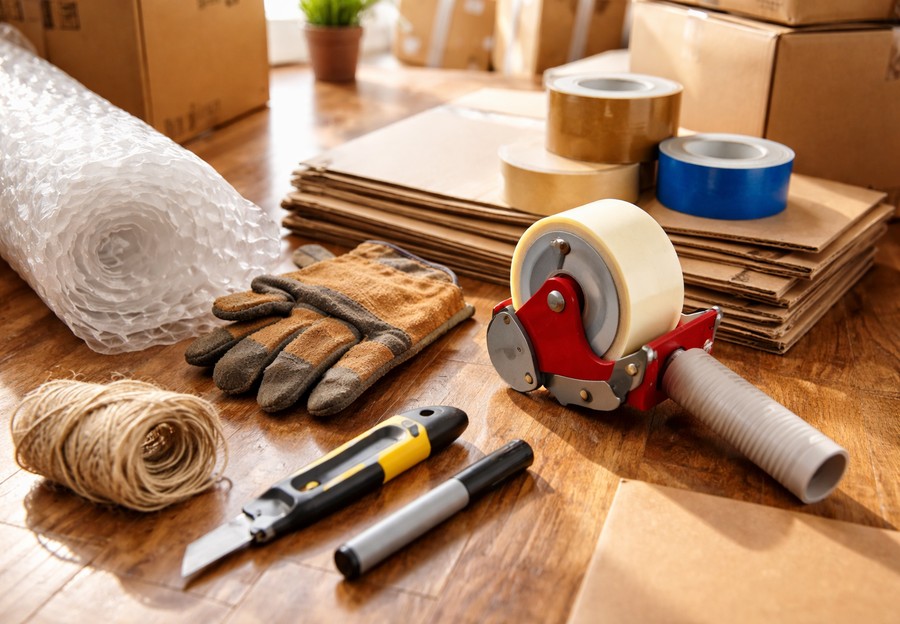
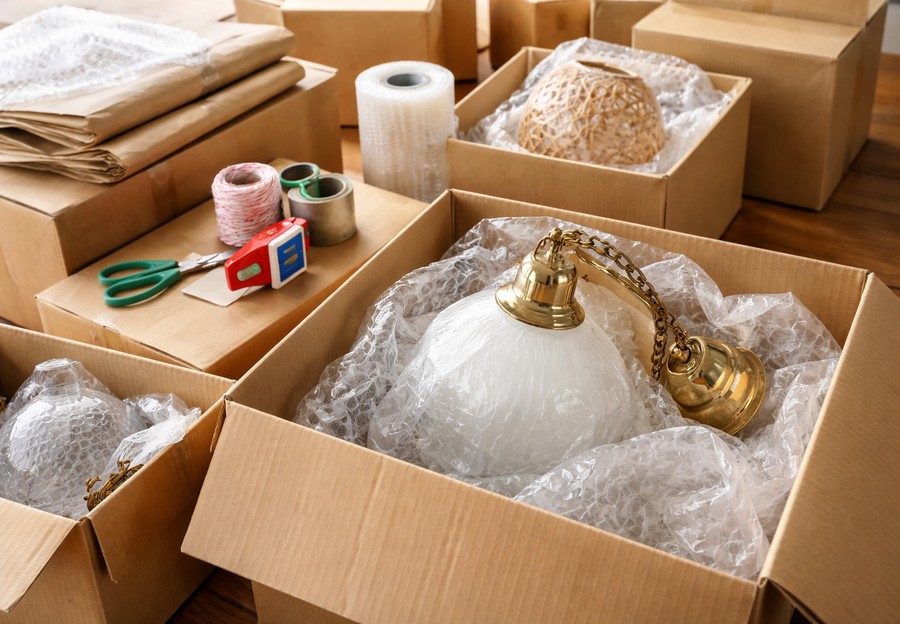
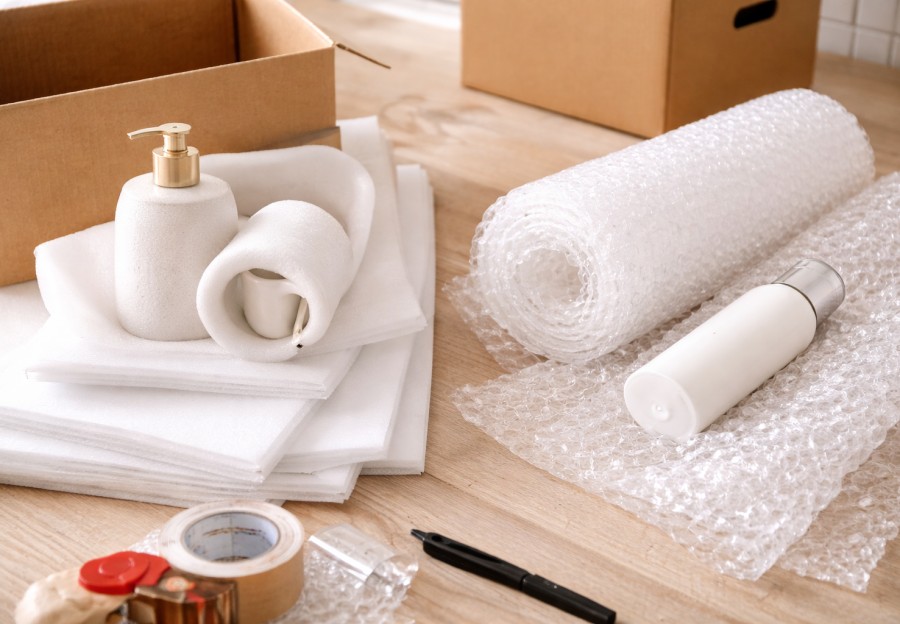
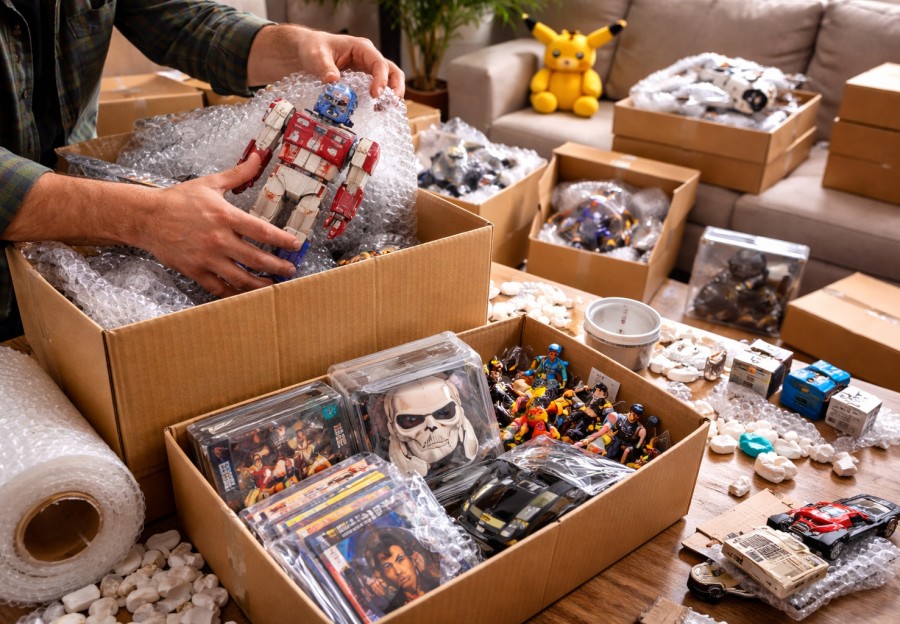
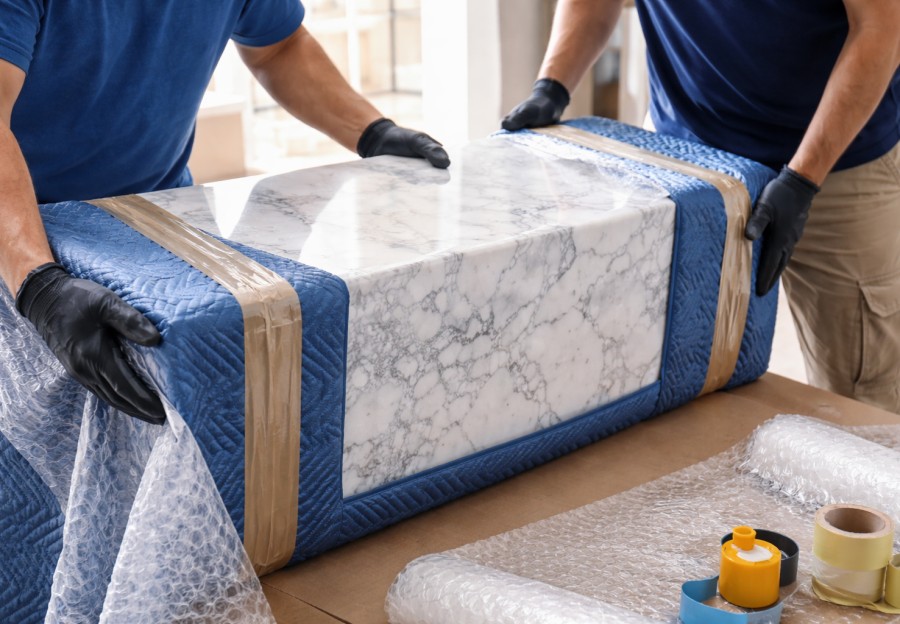
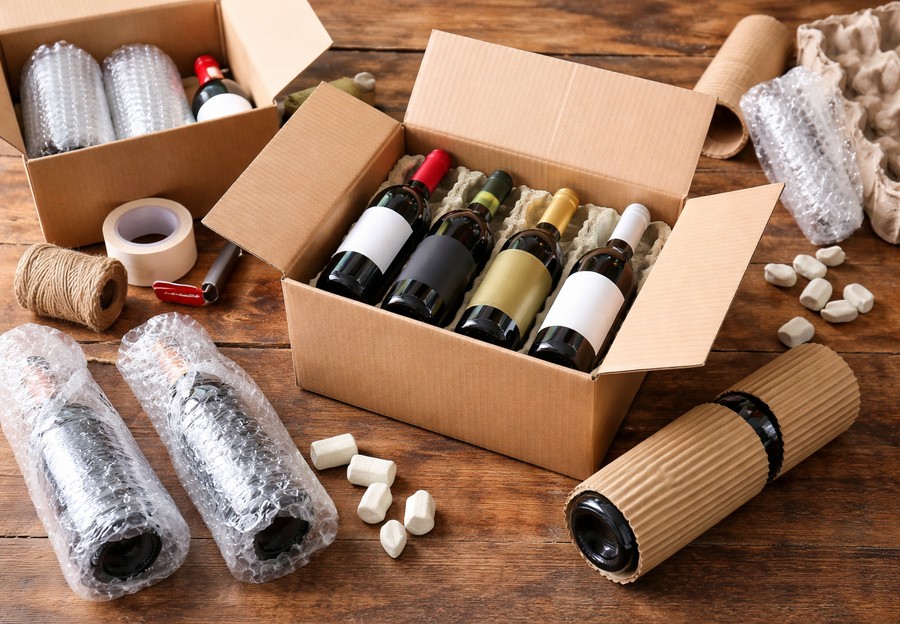
Individual wrapping is essential. Each bottle should be isolated so it never contacts another bottle directly. Thick packing paper, foam sleeves, or bubble wrap work well. Pay extra attention to the base and neck, which are the most vulnerable points. Layered cushioning dissipates impact energy better than a single thin layer, according to packaging lab testing.
The cork end deserves special care. While the cork itself is flexible, impacts to the neck area transmit force into the seal and can cause micro leaks. Extra padding around the neck stabilizes this region and reduces bending stress.
Orientation inside the box influences pressure and leakage risk. Many wine transport studies recommend horizontal orientation for long term storage to keep corks moist, but for short duration moving, upright or slightly angled placement with secure immobilization is acceptable and often safer for preventing rolling and collision. The key factor is immobilization rather than orientation alone.
Use a strong box designed for bottles if possible. Wine shipping boxes include molded dividers that isolate each bottle and distribute load evenly. If you do not have specialty boxes, create internal dividers using cardboard inserts or thick rolled padding so each bottle sits in its own compartment. Packaging engineering data shows that compartmentalization significantly reduces breakage during vibration.
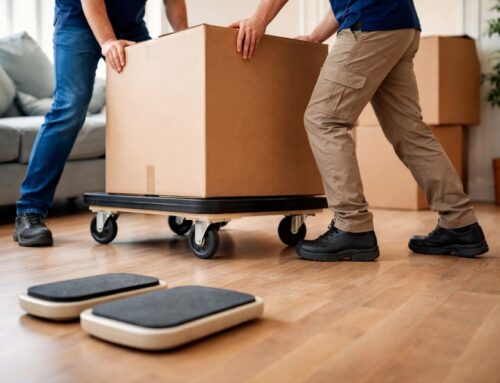
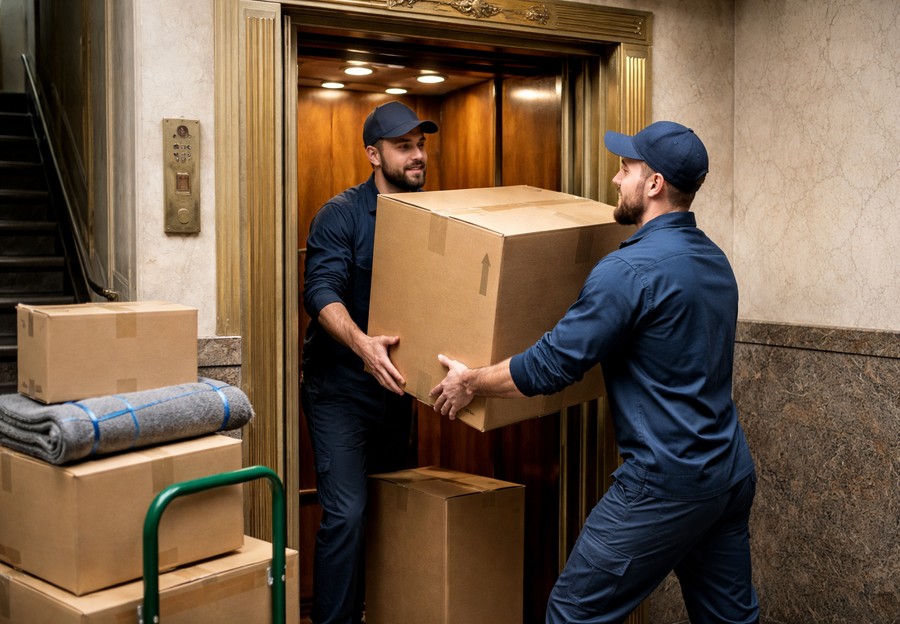
Avoid overloading the box. Wine is heavy. A standard 750 milliliter bottle weighs roughly 2.5 to 3 pounds when full. A case of twelve bottles can exceed 30 pounds before adding packaging. Ergonomics research shows that heavy boxes increase drop risk and reduce handling accuracy. Smaller boxes with fewer bottles reduce strain and improve control.
Fill all voids inside the box so nothing shifts when gently shaken. Internal movement is one of the leading causes of bottle breakage during transport. Vibration studies show that even small movement magnifies impact forces over time.
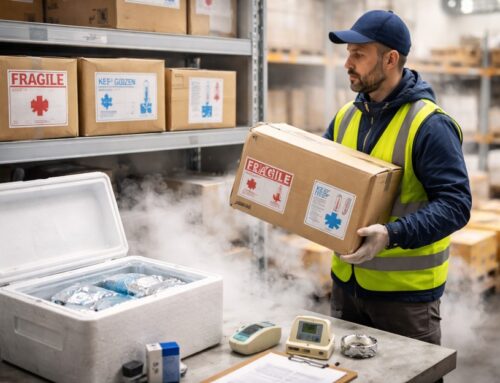
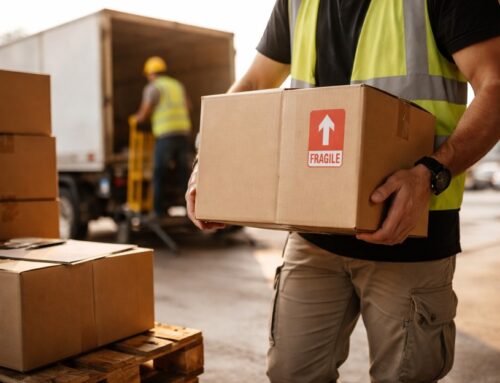
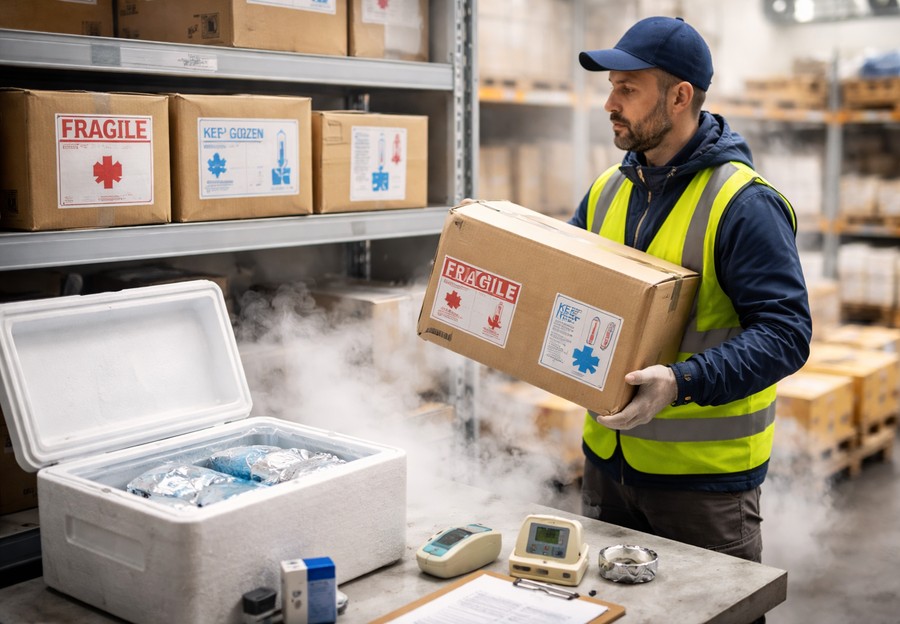
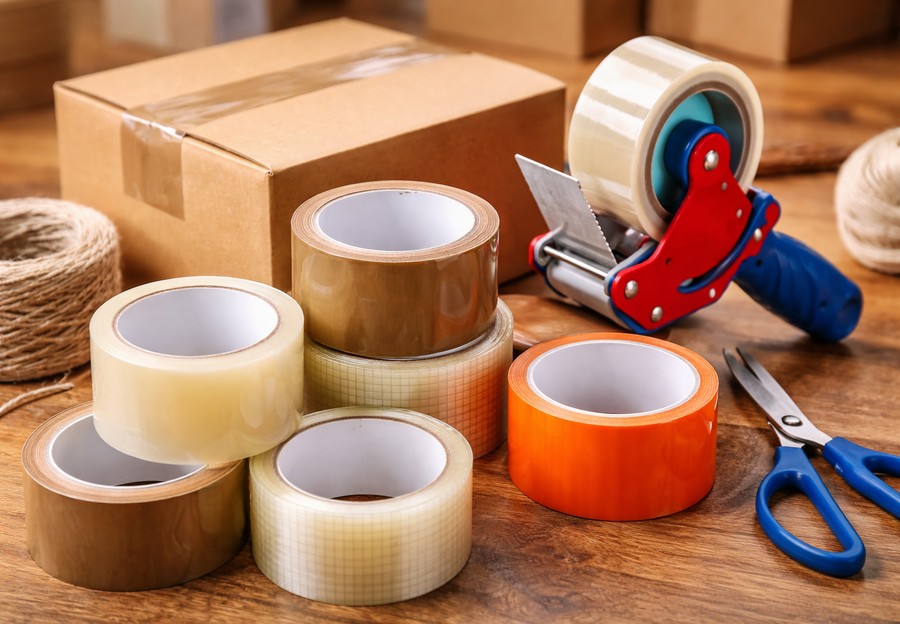
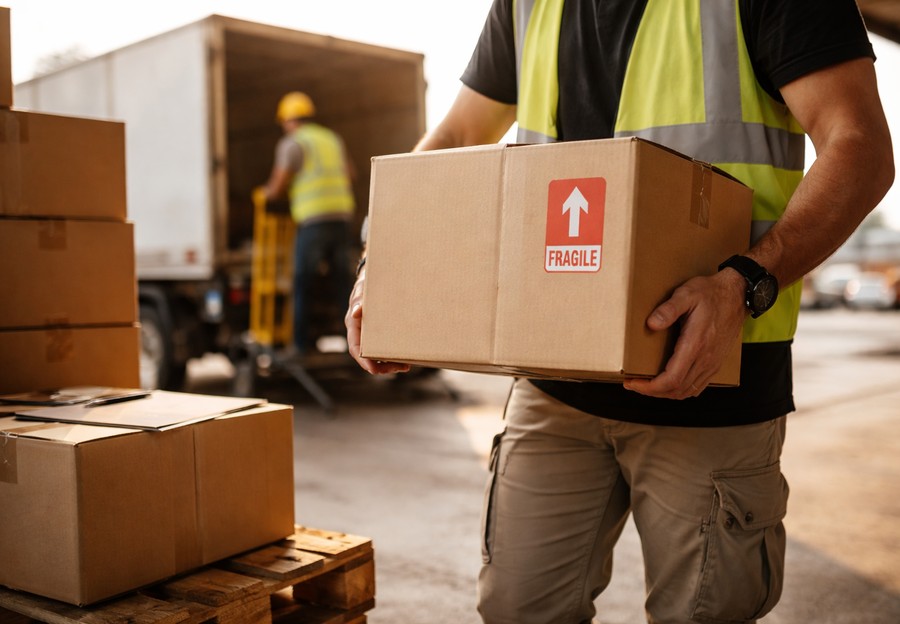
Seal boxes securely and label them as fragile. Clear labeling improves handling behavior. Logistics studies show that visible fragile marking reduces mishandling rates by roughly 25 percent in busy environments.
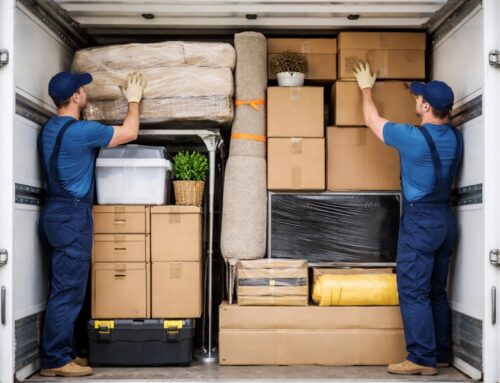
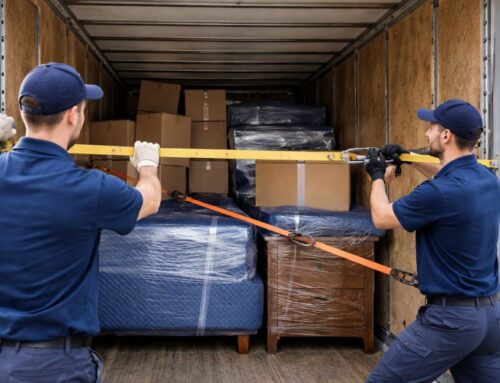
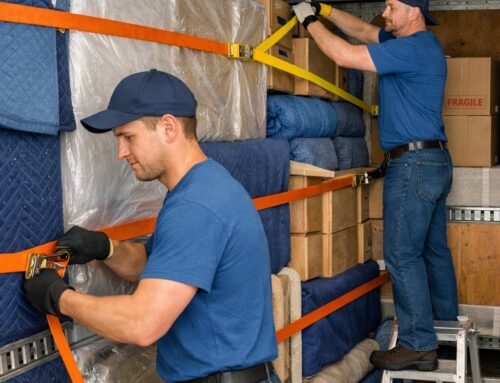
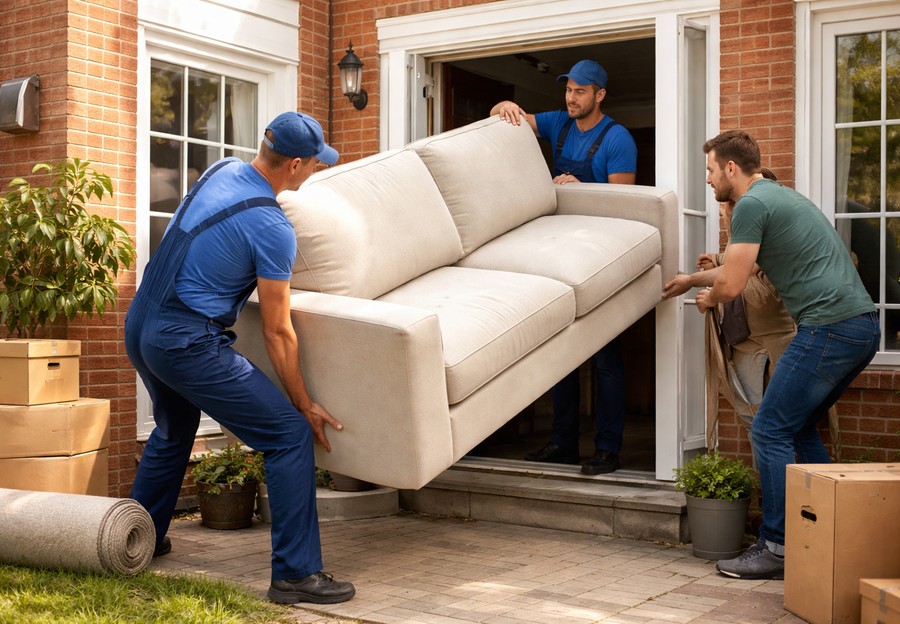
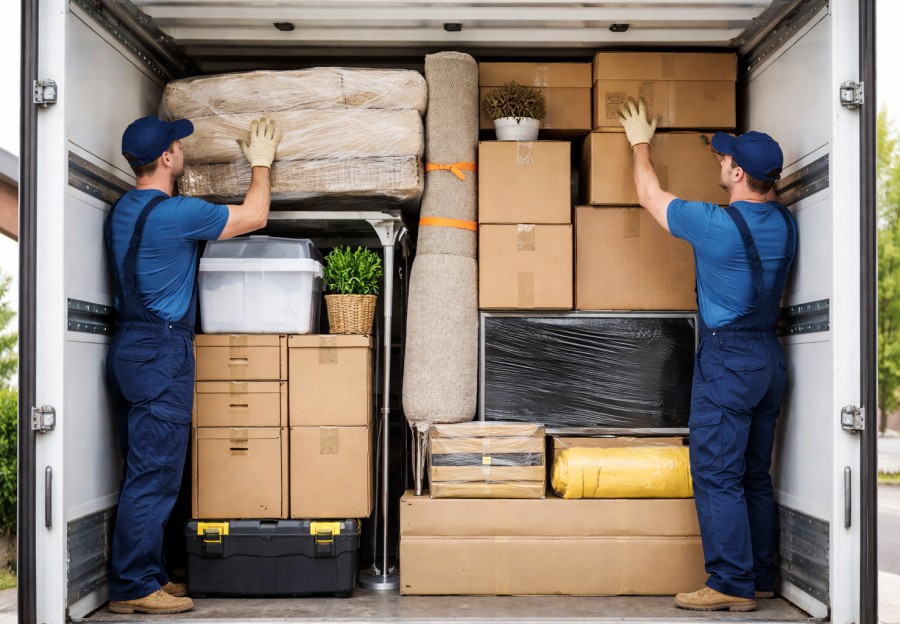
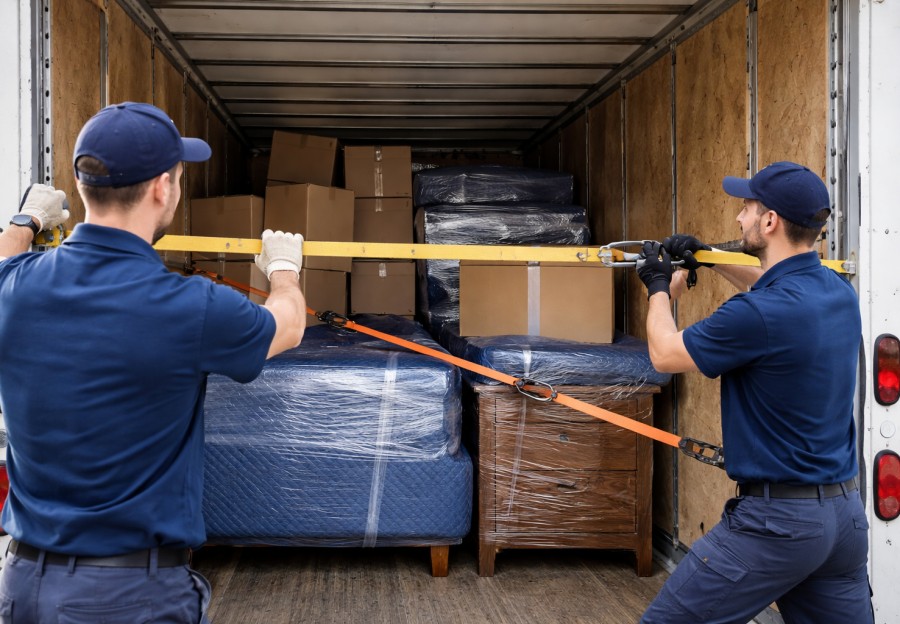
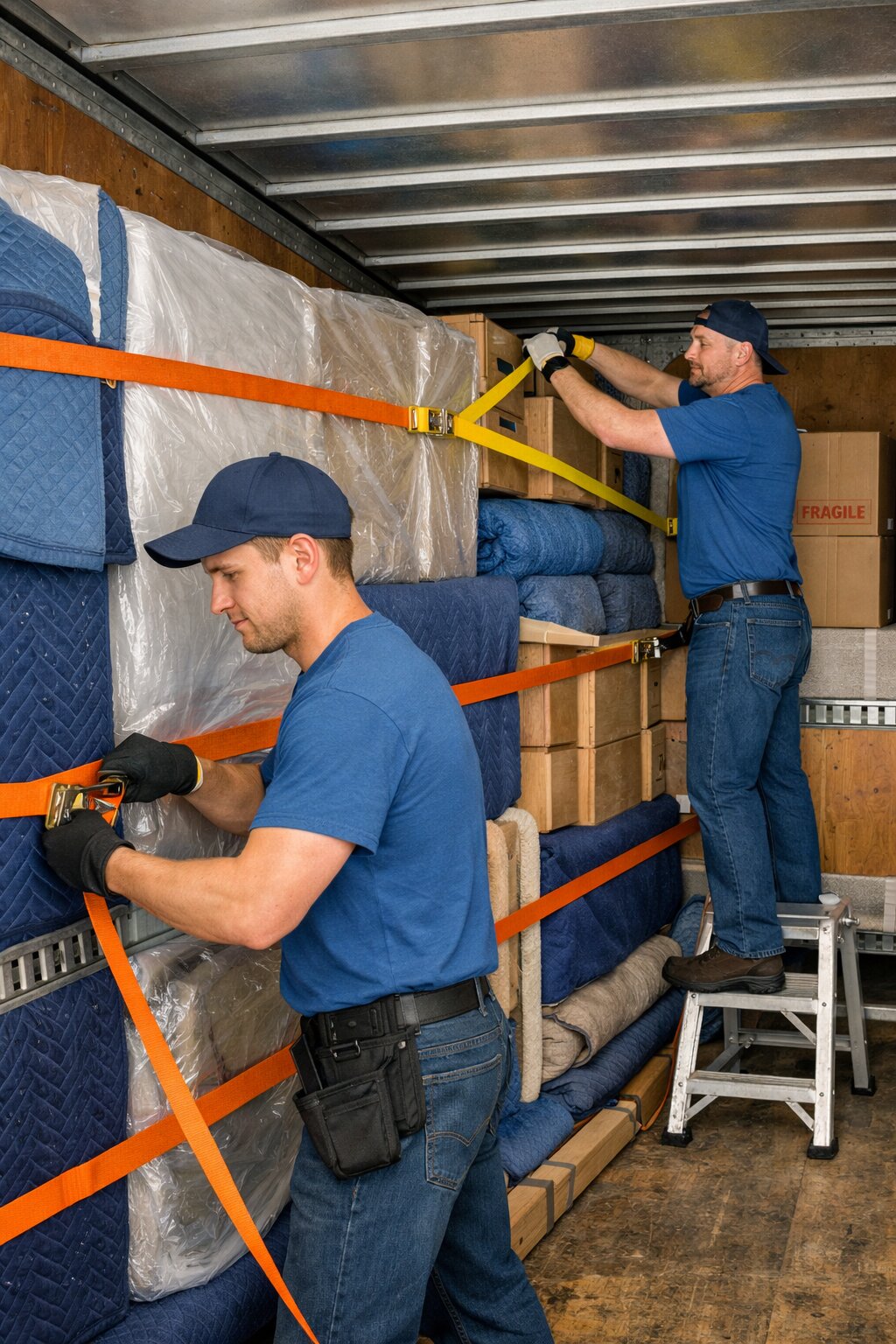
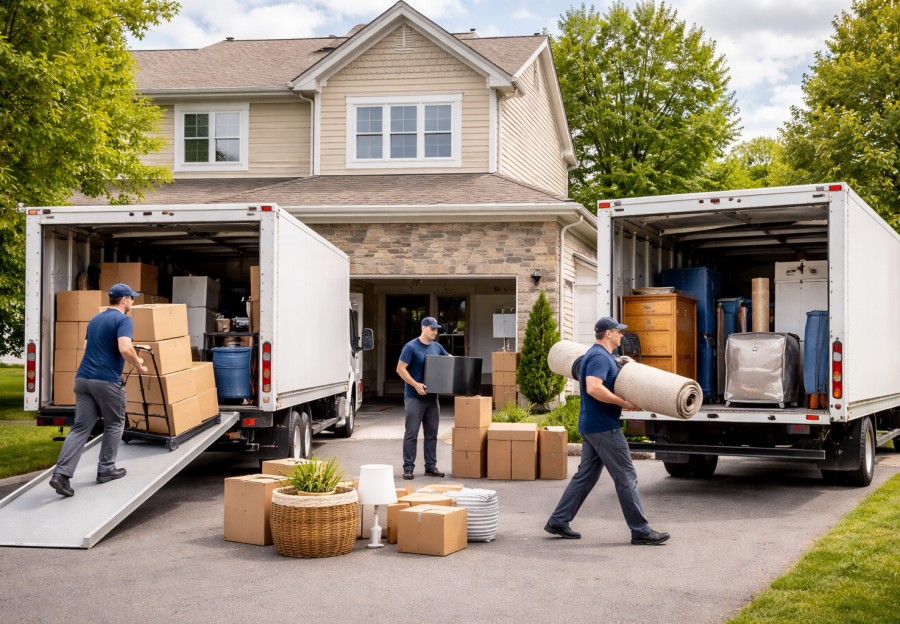
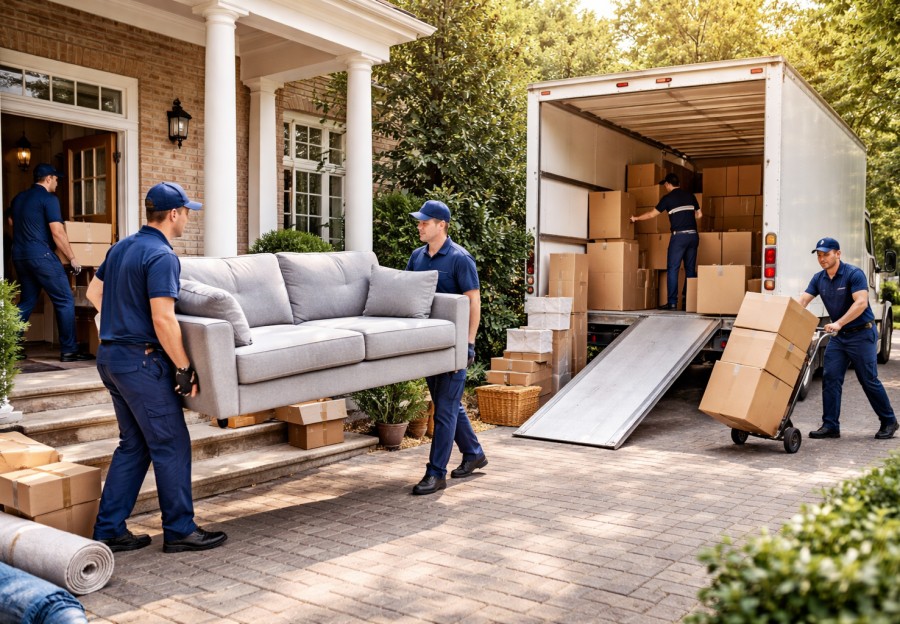
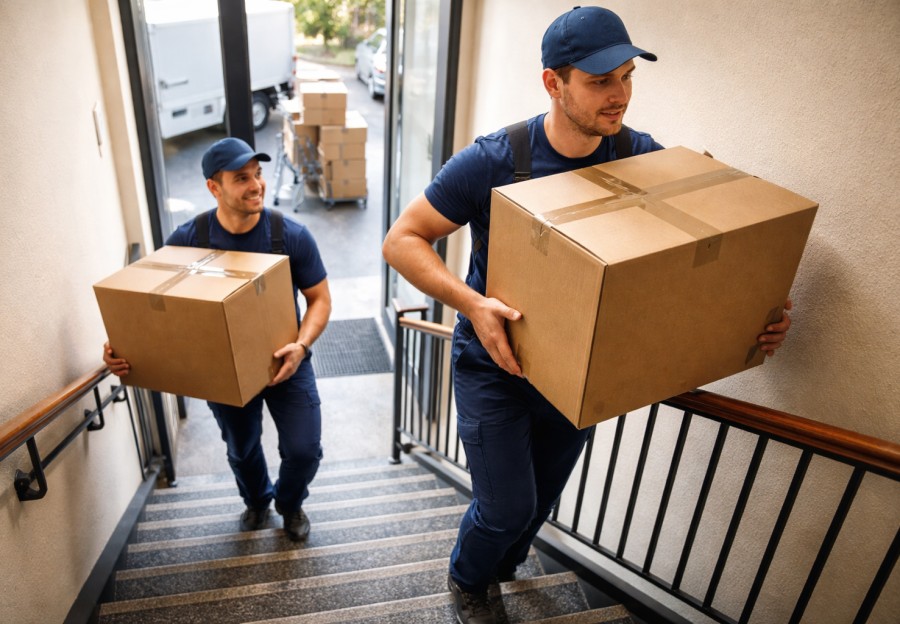
Placement in the truck matters. Wine boxes should ride on top of heavier stable items or wedged between padded furniture where they are protected from crushing. Transportation safety research shows that lower layers experience the highest compression forces during braking and vibration. Never place wine boxes directly on the truck floor where vibration is strongest.
Avoid placing wine near heat sources inside the truck such as metal walls exposed to direct sun. Buffering with furniture or blankets reduces temperature swings and vibration transmission.
If the move involves long distance travel or extreme weather, consider transporting valuable bottles in a climate controlled vehicle instead of the moving truck. Wine industry logistics studies show that temperature stability is the single biggest factor affecting wine quality during transport.
Unpacking should be done carefully and not rushed. Allow bottles to rest upright for a short period after transport before opening. Enology guidelines often recommend letting bottles settle so sediment can resettle and internal pressure equalizes.
Inspect each bottle for leakage or cracks before placing into storage. Wipe down any sticky residue immediately to prevent label damage or mold growth.
If you plan to store wine after the move, return bottles to a stable environment with consistent temperature ideally around 12 to 15 degrees Celsius and moderate humidity to preserve cork integrity. Wine storage research consistently shows that temperature stability matters more than absolute temperature for long term quality.
From a financial standpoint, broken bottles add up quickly, especially for collectible or imported wines. Replacement costs, shipping delays, and potential loss of aging investment can exceed the cost of proper packing materials by a wide margin.
Environmental considerations matter as well. Glass manufacturing requires high energy input. Preventing breakage reduces waste and replacement demand. Sustainability studies consistently show that extending product lifespan reduces environmental footprint more effectively than recycling after damage.
There is also the mess factor. Wine spills inside boxes can soak cardboard and create sticky residue that attracts pests or creates odor problems in the new home. Cleaning those spills often costs more time and money than the initial packing effort would have.
The principles stay consistent regardless of collection size. Isolate each bottle. Cushion generously at vulnerable points. Immobilize inside strong compartmentalized boxes. Manage weight. Control temperature exposure. Place boxes strategically in the truck. Unpack patiently.
Moving wine safely is not about luck. It is about respecting how glass, liquid pressure, and vibration interact during transport. When done thoughtfully, even a sizable wine collection can arrive intact, ready to be enjoyed rather than mourned.
When you finally open a bottle in your new home and it pours cleanly without leaks or broken glass cleanup, the quiet satisfaction confirms that the preparation was worth every minute.