
April 23, 2026
Locker-to-apartment moves: what to expect
Moving from a storage locker into an apartment feels simple on paper. Everything is already boxed, labeled, and sitting in one place. No stairs inside a house, no furniture to disassemble, no rooms to clear. In reality, these moves bring their own surprises. Access rules, stacking pressure, dust exposure, weight distribution, and timing issues often catch people off guard. Knowing what actually happens during a locker to apartment move helps you avoid delays, protect your belongings, and control costs.
Storage facilities are designed for density, not convenience. Units are stacked tightly along narrow corridors with limited turning space. Industry data from self storage associations shows that many standard indoor storage hallways range between 36 and 48 inches wide, barely enough for dollies to pass each other comfortably. If your unit sits on an upper floor, elevator access becomes another bottleneck. Elevator wait times increase dramatically during peak moving hours, which can stretch loading time far beyond what people expect.
Another hidden factor is vertical stacking. Most storage units are packed floor to ceiling to maximize space. That means heavier boxes often end up buried under lighter items or behind large furniture. Removing everything safely requires partial unpacking inside the unit before items can even reach the hallway. Material handling studies show that repeated rehandling increases fatigue and raises damage risk because items get moved more times than during a typical home pickup.
Dust exposure is also common. Even climate controlled units accumulate airborne dust from cardboard fibers, concrete floors, and shared ventilation. Environmental monitoring in warehouses shows particulate levels higher than in residential spaces, especially in older facilities. That dust settles on furniture surfaces and inside soft goods. If items were stored for several months, expect to wipe down or lightly clean many surfaces before bringing them into a clean apartment environment.
Temperature swings affect stored items more than people realize. While many units are climate controlled, fluctuations still occur during door openings and seasonal changes. Vehicle and warehouse studies show that even controlled environments experience humidity variation that can influence wood expansion, metal corrosion, and fabric odor absorption. Items may feel slightly stiff, dusty, or musty when removed from storage. Allowing them to air out briefly before final placement improves comfort and reduces odor retention.
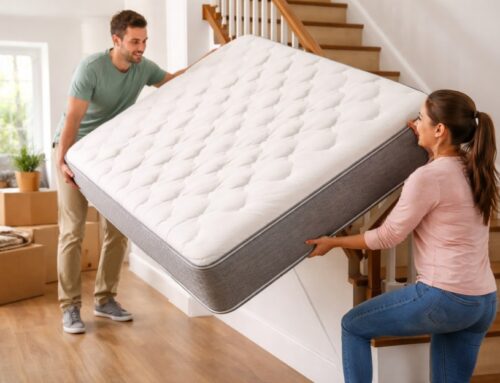
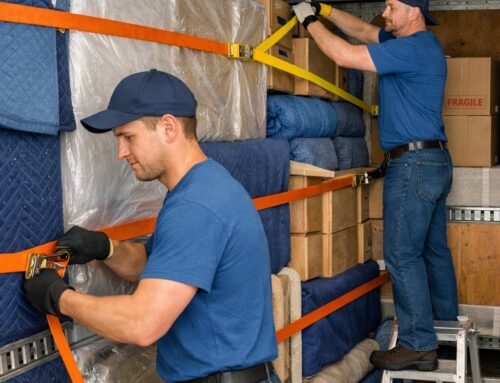
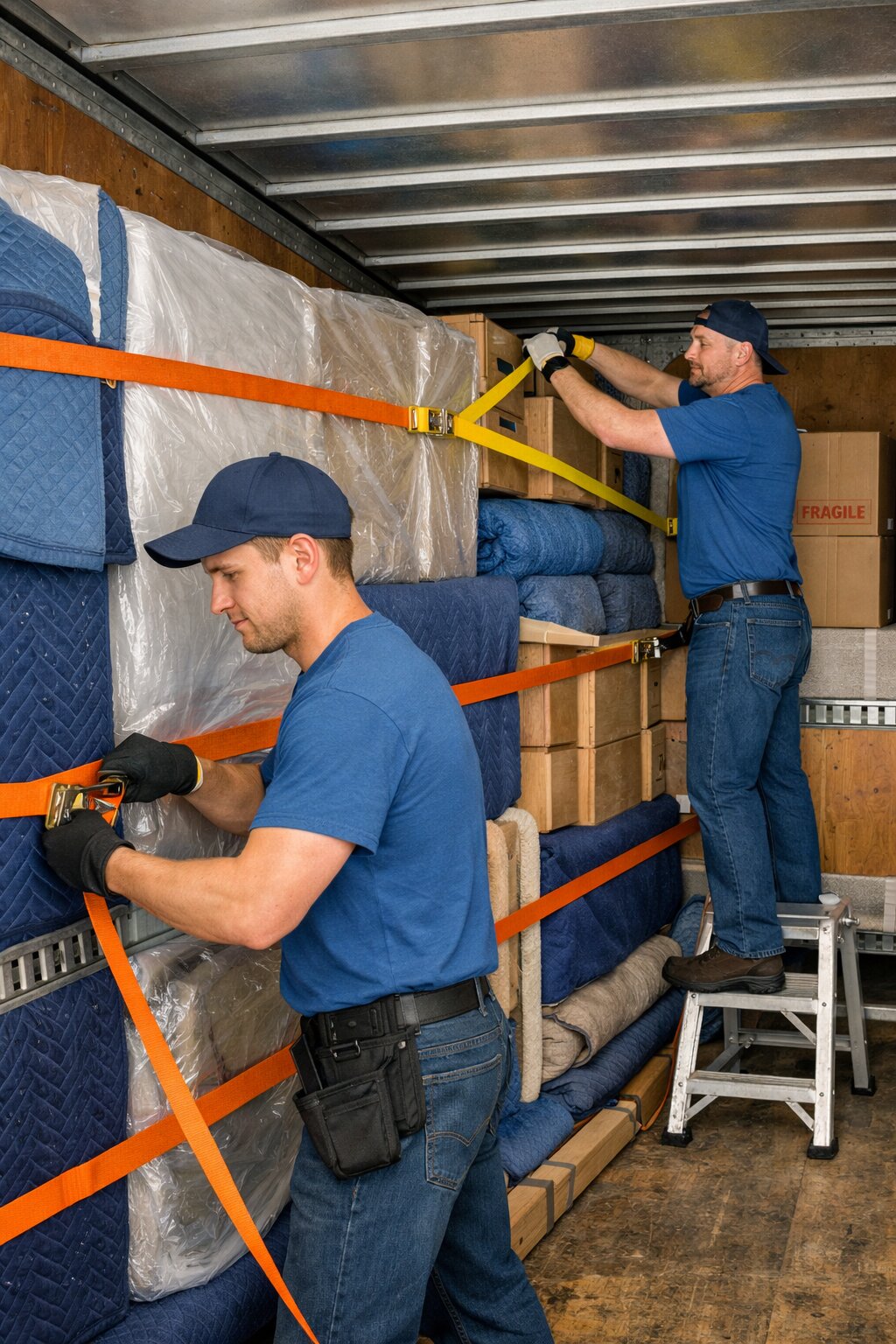
Weight distribution surprises many people during locker moves. Boxes packed long ago often lack consistent weight logic. Some may contain books, tools, or mixed heavy items that exceed safe lifting limits. Ergonomics research shows that lifting accuracy and grip strength drop when box weight exceeds comfortable thresholds, increasing strain risk. Movers often need to rebalance loads mid move by redistributing box stacks inside the truck rather than relying on original packing order.
Inventory reality sets in quickly. People often forget exactly what went into storage, especially if the unit has been untouched for months or years. Cognitive memory studies show that recall accuracy declines sharply over time for visual item lists without reinforcement. Expect moments of rediscovery, missing items you assumed were there, or duplicate items you forgot you owned. This can slow unloading decisions and increase clutter temporarily in the apartment.
Time expectations deserve adjustment. Locker moves often take longer than similar volume home moves because of elevator wait times, narrow corridors, access codes, distance from parking areas, and security check ins. Storage industry operations data shows that loading rates in facilities are often lower than in residential drive up settings due to congestion and access restrictions. Building in extra buffer time reduces stress and avoids overtime costs.
Security procedures affect workflow. Many storage facilities require check in at the office, gate access codes, time restrictions, and insurance verification. Some prohibit propped doors or limit how long vehicles can idle at loading zones. These rules protect the facility but can slow staging. Understanding facility policies in advance prevents surprise delays.
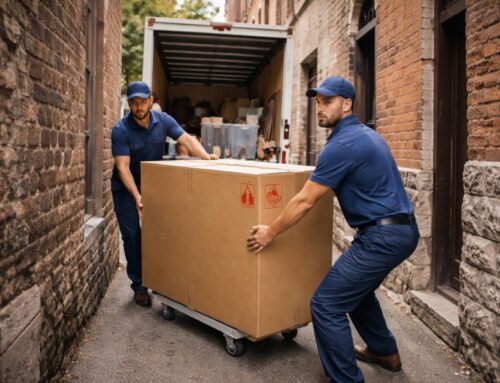
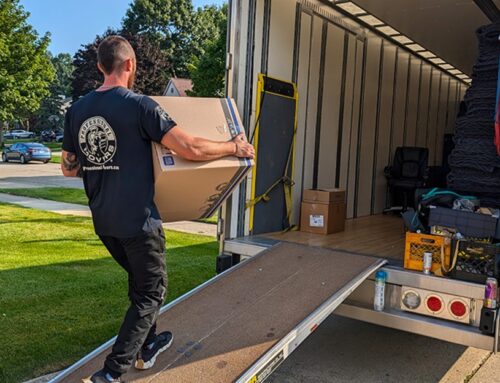
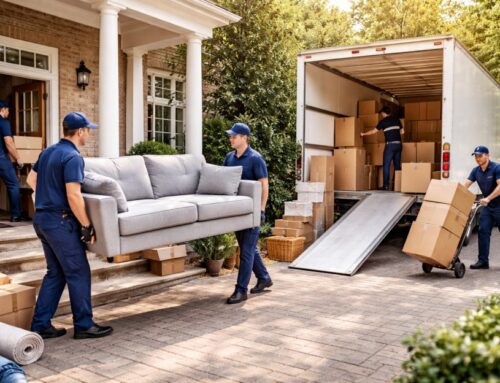
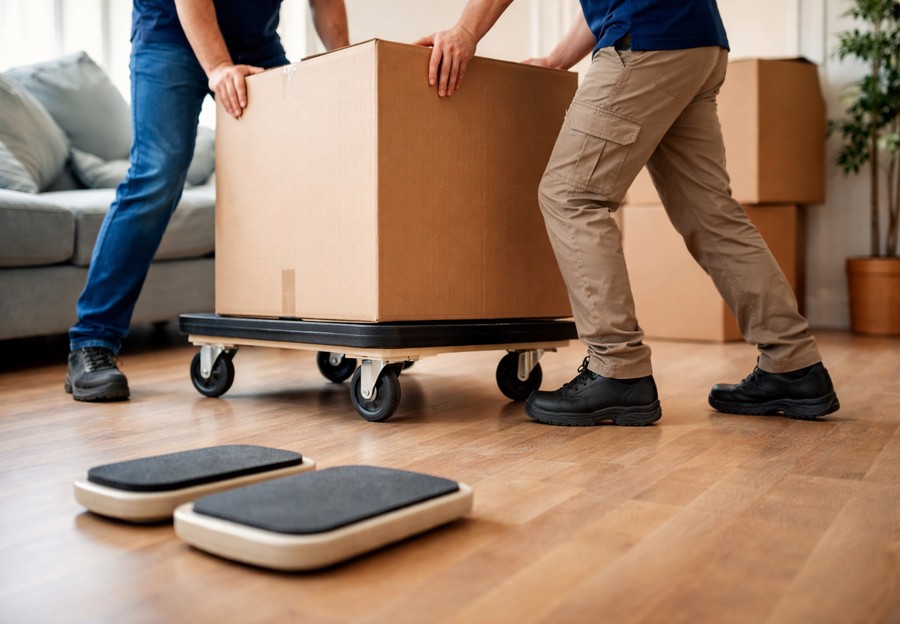
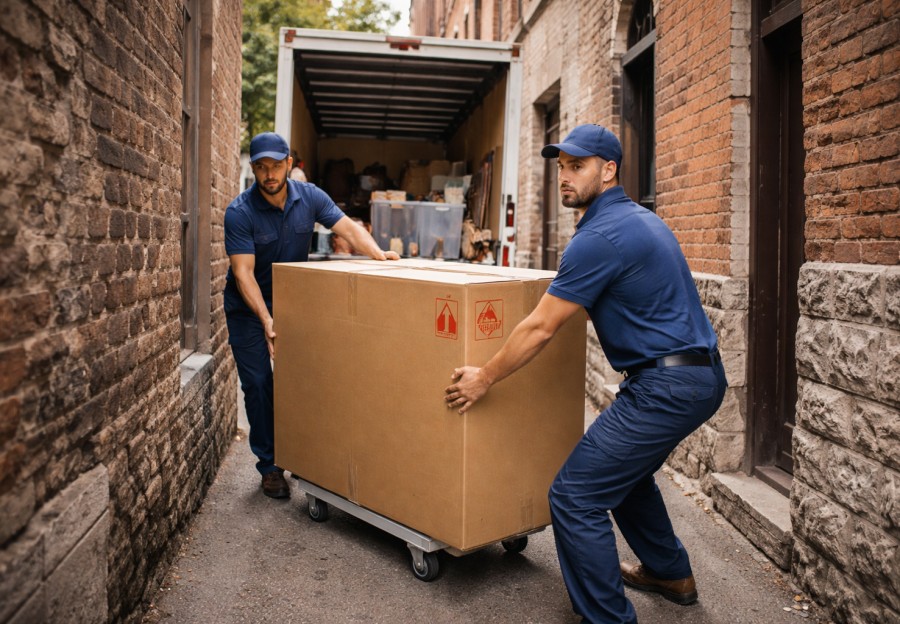
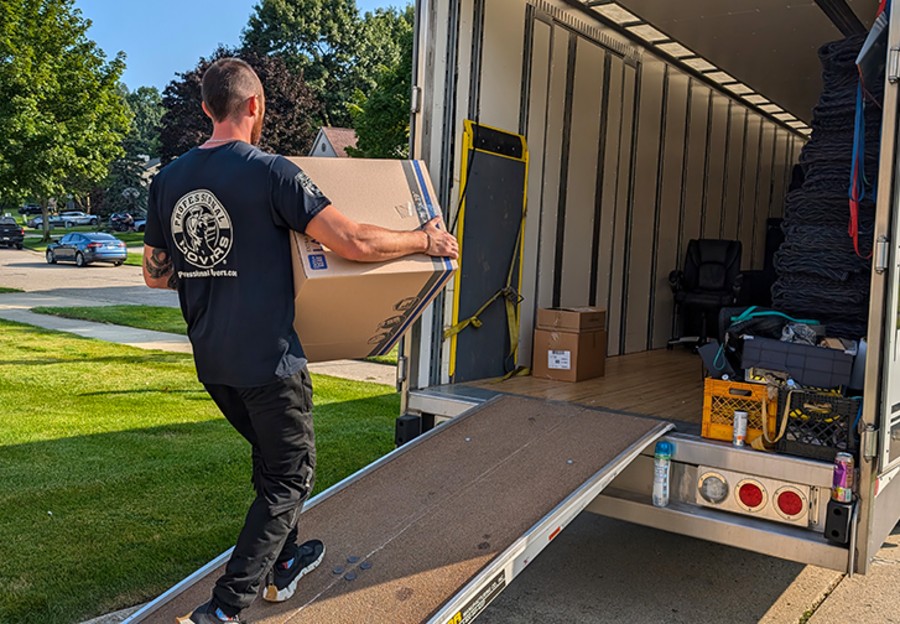
Truck staging becomes more complex in storage environments. Parking may be limited, especially in urban locations. Municipal traffic data shows that curbside loading zones are often time restricted, and violations can lead to fines or towing. If the truck cannot park directly outside the unit entrance, movers may need to shuttle loads longer distances using dollies, increasing labor time.
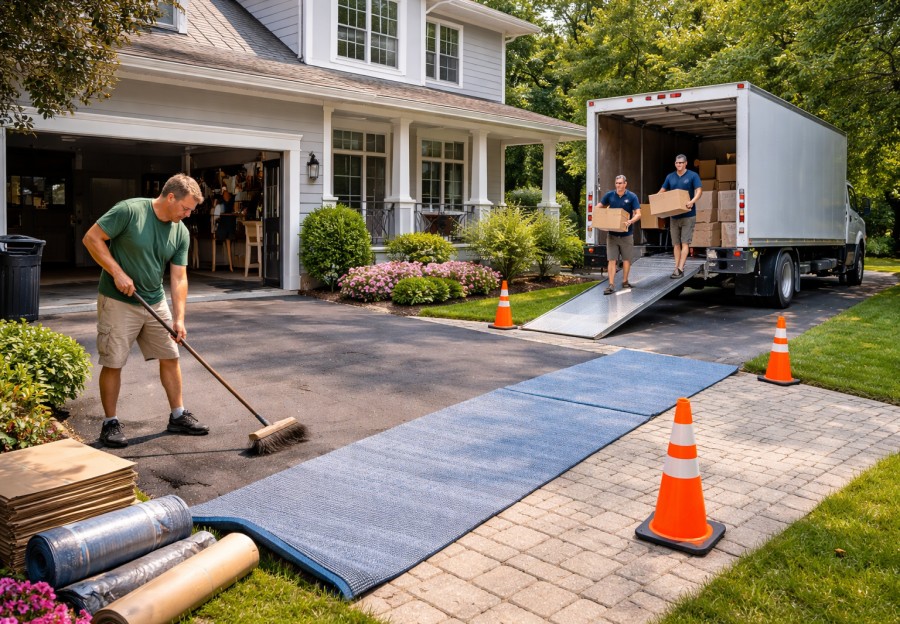
Weather exposure plays a larger role than people expect. Storage facilities often require outdoor transitions between buildings, elevators, and loading areas. Rain, heat, or cold increases slip risk and moisture exposure. Environmental safety research shows that outdoor transitions increase handling errors and injury risk compared with controlled indoor moves. Protective coverings and careful pacing become more important in these conditions.
Box integrity should be evaluated early. Cardboard degrades slowly over time, especially in fluctuating humidity. Packaging durability studies show that long term storage weakens corrugated fiber strength, reducing stacking resistance and tear strength. Some boxes may need reinforcement or repacking before transport to avoid bottom failure during lifting.
Furniture compression marks may appear after long storage stacking. Foam cushions and upholstery recover slowly after prolonged load. Foam recovery research shows that elastic rebound improves when pressure is removed gradually, but some deformation may remain temporarily. Allowing items to rest and reshape in the apartment before judging condition helps.
Metal items may show minor surface oxidation if humidity fluctuated. Light corrosion often wipes away easily, but early inspection prevents long term damage. Materials corrosion studies show that early removal of surface oxidation slows further degradation significantly.
Expect a sorting phase at the apartment. Items coming out of storage often represent a mix of long term keepsakes, seasonal items, and everyday belongings. Without a clear plan, boxes pile up randomly and block walkways. Spatial organization research shows that clutter increases cognitive fatigue and slows decision making. Creating open zones for staging helps maintain flow during unloading.
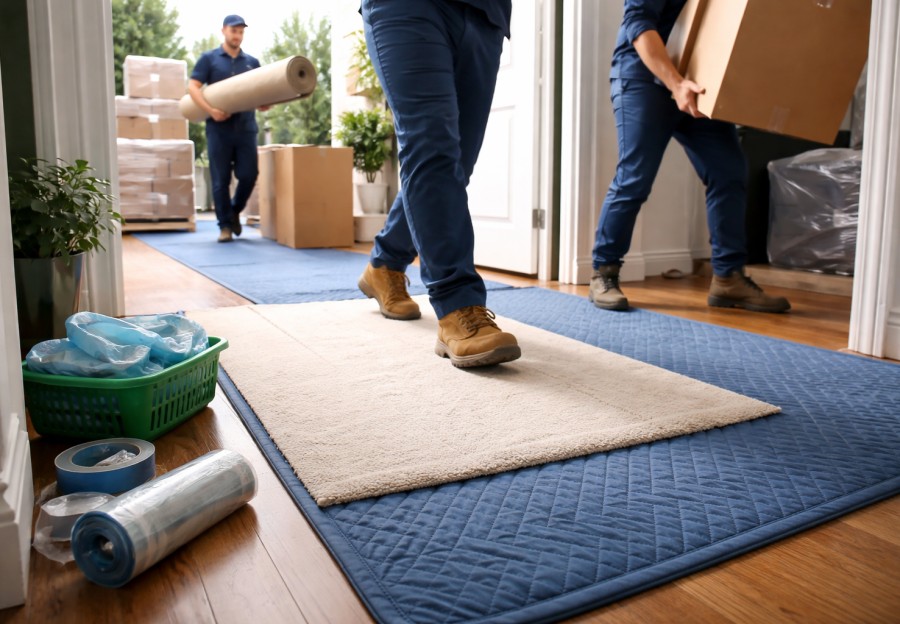
Elevator rules in apartment buildings mirror storage facility constraints. Many buildings require reservations, protective padding, time windows, or weight limits. Property management surveys show that elevator congestion remains a leading source of move delays in multi unit buildings. Coordination between storage access and apartment elevator availability avoids idle time.
Noise policies may affect timing. Some buildings restrict moving activity during early morning or evening hours. Violating these policies can create conflict or fines. Planning around quiet hours prevents rushed unloading near the end of the day.
Expect minor surprises inside stored boxes. Temperature changes can loosen tape, shift contents, or allow small items to migrate inside boxes. Packaging vibration studies show that even stationary storage environments experience micro vibration from foot traffic and building movement. Opening boxes cautiously prevents spills and breakage.
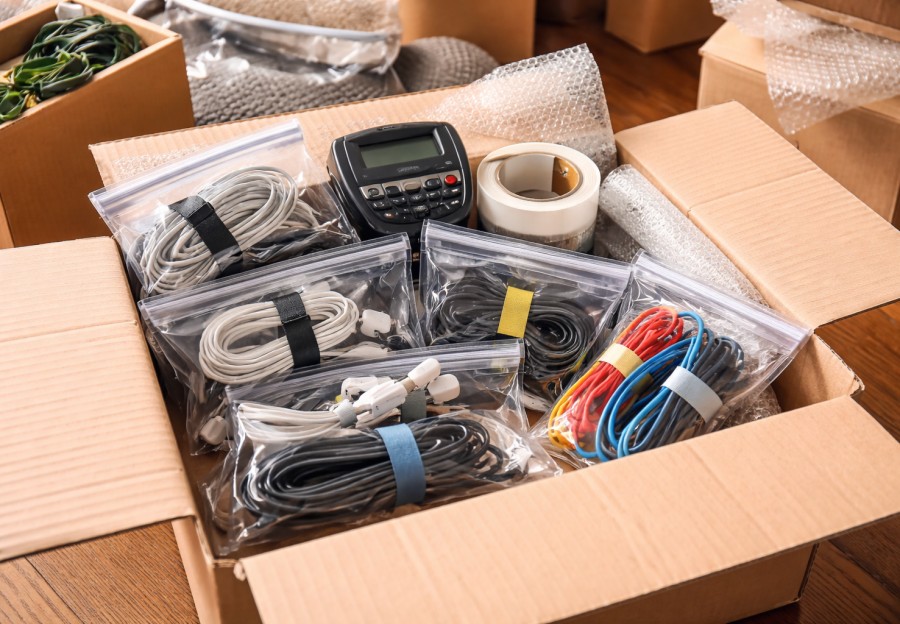
Labeling quality from the original packing session often determines how smooth unloading feels. If labels faded or were vague, sorting slows dramatically. Logistics research shows that unclear labeling increases handling time by roughly 25 percent in busy environments. Be prepared to open and verify contents more often than you would in a fresh home to home move.
Financial planning matters. Locker moves sometimes cost more per cubic foot than residential pickups due to access inefficiencies. Labor time increases, elevator waiting adds idle hours, and parking constraints extend handling distance. Consumer moving surveys consistently show that storage access moves often run longer than estimated unless access conditions are optimized.
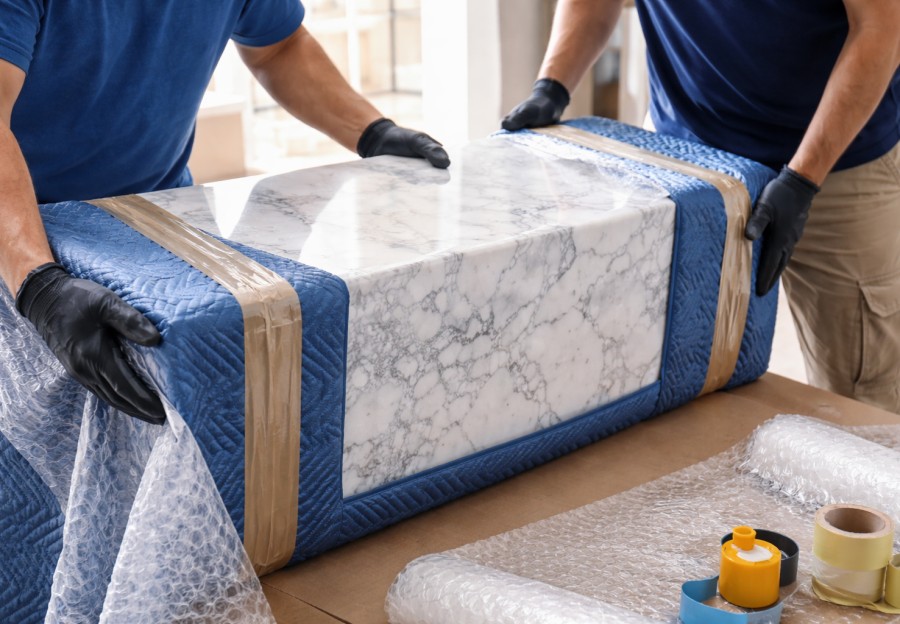
Insurance considerations deserve review. Storage facilities typically limit liability for stored contents. Moving companies also have valuation limits. High value items should be documented and insured appropriately before transport. Risk management studies show that claim disputes often arise when responsibility transitions between storage and transport providers.
From a health perspective, dust exposure and heavy lifting increase respiratory and strain risk. Wearing gloves, maintaining hydration, and pacing work reduces fatigue. Occupational health research shows that micro breaks reduce cumulative strain injury risk during physically demanding tasks.
There is also an emotional aspect. Unpacking from storage often reconnects people with memories tied to previous homes, life stages, or family history. Behavioral psychology research shows that nostalgia and decision fatigue often surface together during decluttering moments. Allowing time for emotional processing prevents rushed discard or regret decisions.
Environmental responsibility comes into play when rediscovering unused items. Donation and reuse reduce landfill waste. Sustainability studies consistently show that extending product life through reuse lowers environmental impact more than recycling after disposal.
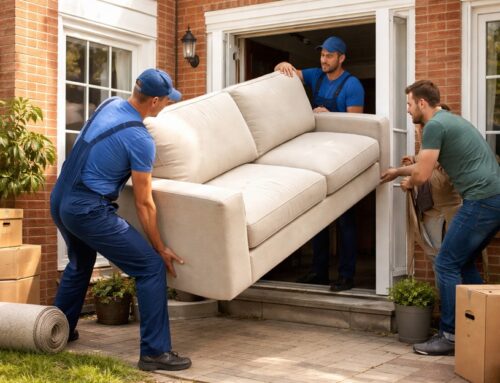
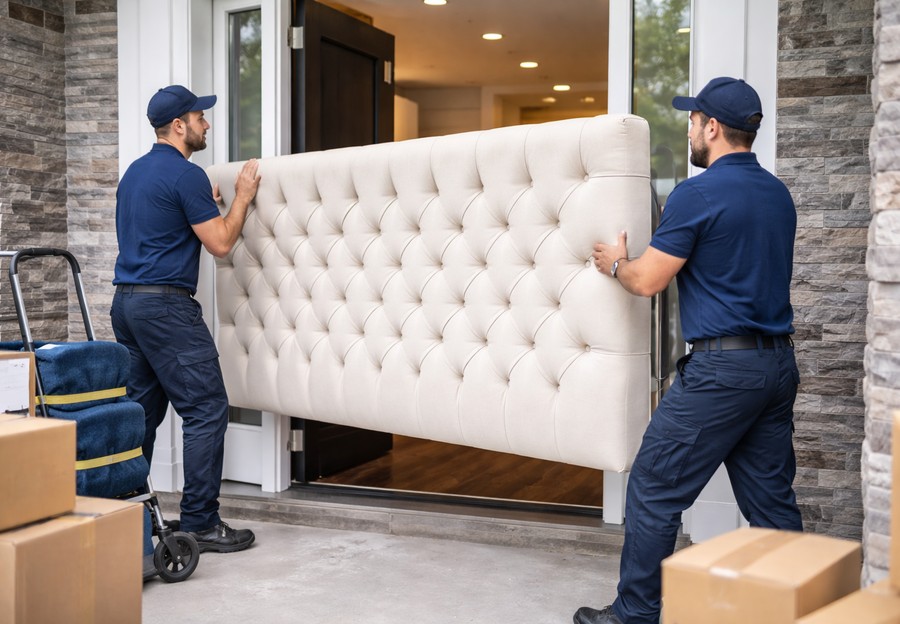
The apartment itself may reveal access surprises. Narrow hallways, tight corners, and elevator dimensions sometimes differ from what floor plans suggest. Measuring key clearances ahead of time prevents awkward last minute furniture jams. Spatial planning research shows that diagonal clearance often becomes the limiting factor rather than straight width.
Unpacking strategy matters more than speed. Prioritize essential zones such as sleeping, bathroom access, and kitchen function. Behavioral studies show that restoring daily routines early reduces stress and improves adjustment in new environments.
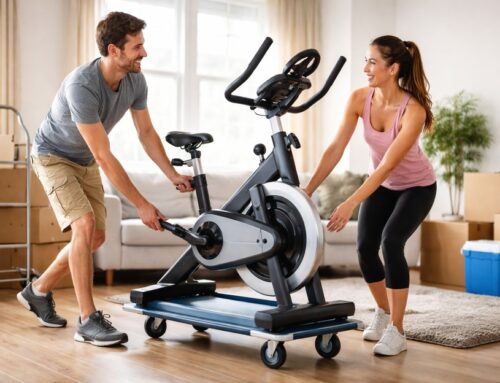
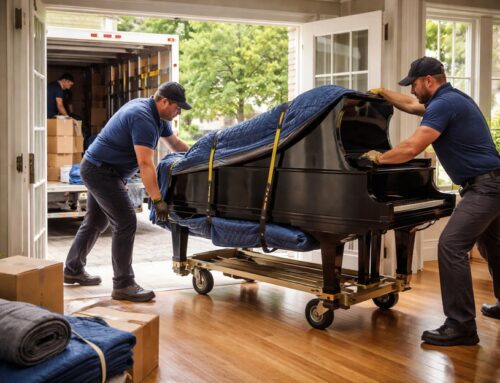
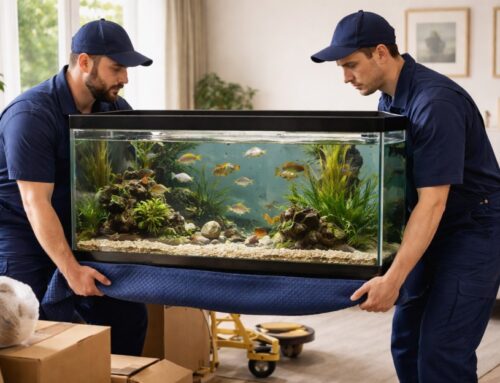
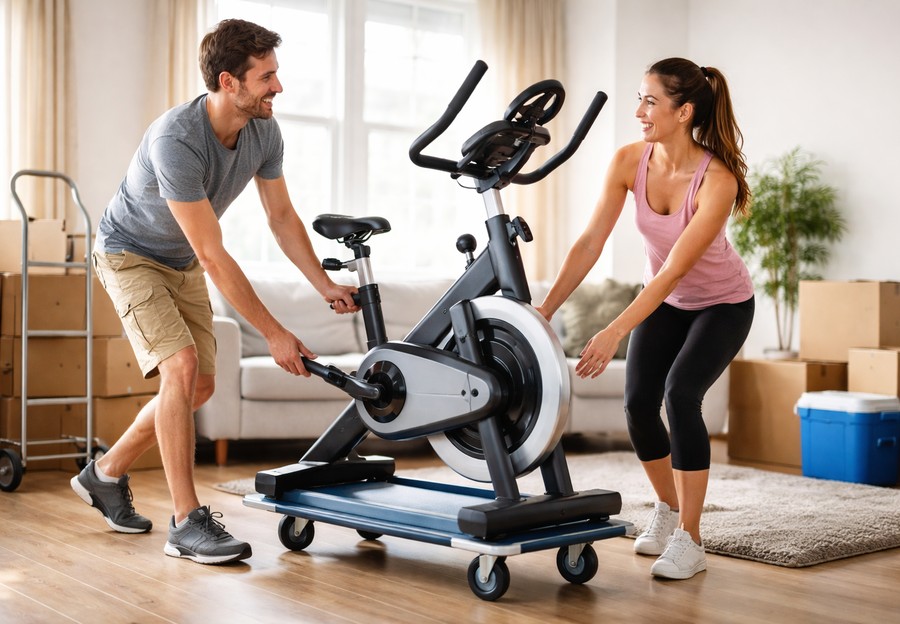
If your locker contains specialty items such as exercise equipment, artwork, fragile collectibles, or oversized furniture, plan those moves first while energy and attention are highest. Fatigue increases error rates and damage risk later in the day according to occupational safety data.
Expect some dust cleanup afterward. Vacuuming floors, wiping surfaces, and laundering soft goods refreshes items that sat in storage. Indoor air quality studies show that dust accumulation contributes to respiratory irritation and allergy flare ups. A basic post move cleaning restores comfort quickly.
A locker to apartment move often feels like reopening a time capsule combined with a logistics puzzle. It is rarely as fast or simple as people imagine, but it becomes manageable when expectations align with reality. Access constraints slow flow. Dust and minor condition changes appear. Sorting takes time. Scheduling coordination matters. Costs may be slightly higher than a direct home move. Emotional decisions surface unexpectedly.
The upside is that everything arrives already consolidated in one place, which simplifies route planning and inventory tracking. Once the initial hurdles are cleared, the move settles into a steady rhythm.
Preparation reduces friction. Confirm facility access rules. Reserve elevators. Measure apartment clearances. Inspect box integrity. Plan staging zones. Budget extra time. Protect against weather. Review insurance coverage. Hydrate and pace the work. Build in moments to breathe and reset when decision fatigue appears.
Moving from a locker into an apartment is less about muscle and more about patience, organization, and realistic expectations. When you treat it as a controlled unpacking project rather than a simple pickup, the process feels calmer, safer, and far more predictable.