May 7, 2026
The evolution of moving techniques over decades
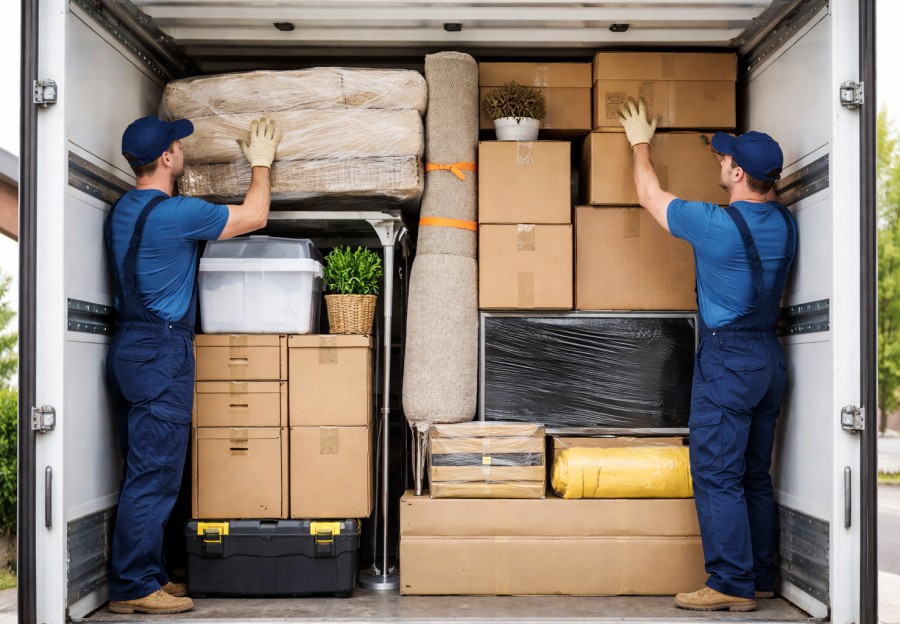
If you watched a home move in the 1960s and compared it with one today, the difference would feel dramatic. Not just in the trucks or uniforms, but in how crews lift, communicate, protect surfaces, and manage risk. Moving has quietly evolved alongside advances in ergonomics, materials science, logistics, safety regulation, and consumer expectations. What once relied heavily on brute strength and improvisation has become a disciplined system focused on efficiency, injury prevention, and damage control.
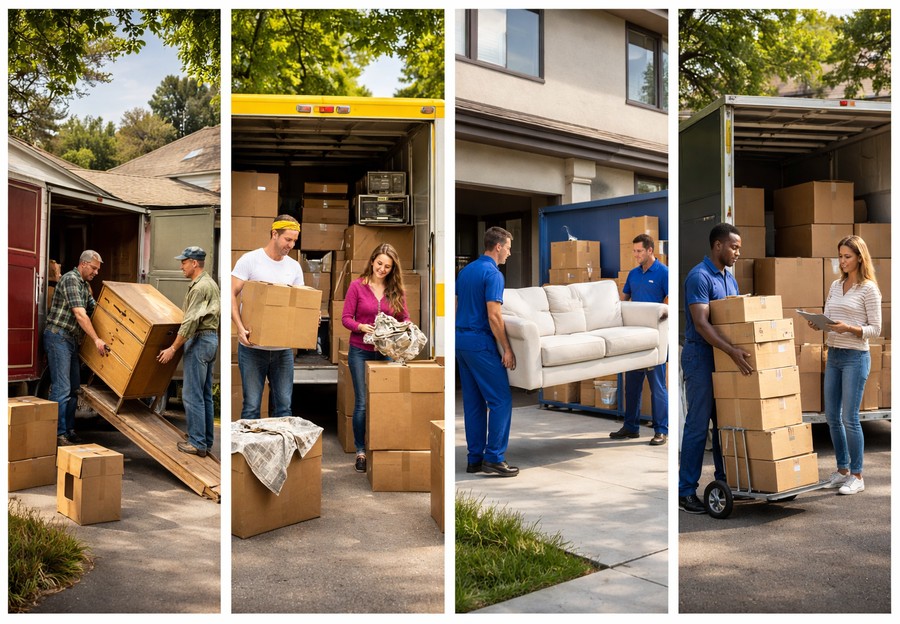
In the early postwar decades, most household moves were manual in the purest sense. Crews relied on wooden dollies with solid wheels, rope tie downs, canvas blankets, and sheer muscle. Trucks lacked lift gates, suspension was rough, and interior load control systems were minimal. Furniture protection often meant a single blanket tied loosely with rope. Damage rates were higher simply because vibration control and padding technology had not matured. Injury data from mid twentieth century labor studies shows that back injuries and hand injuries were common in material handling occupations, with limited understanding of ergonomic load limits.
Communication was informal and unstructured. Teams relied on shouted cues and individual experience rather than standardized commands or training protocols. There was little formal measurement of routes, door clearances, or load distribution. Many decisions were made on the fly at the doorway or stairwell. That improvisation increased both risk and time variability.
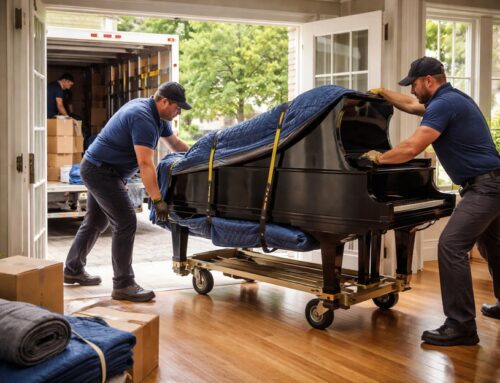
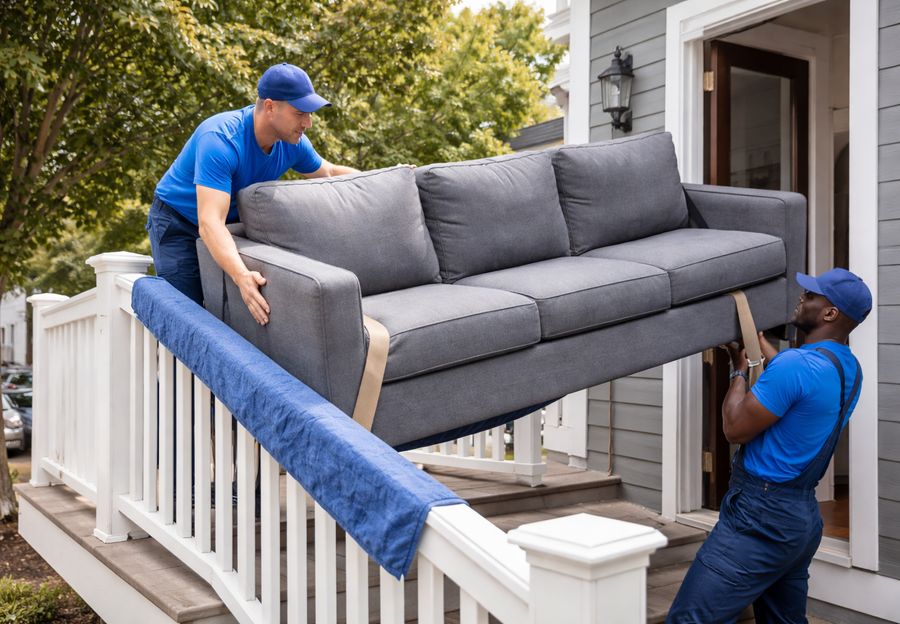
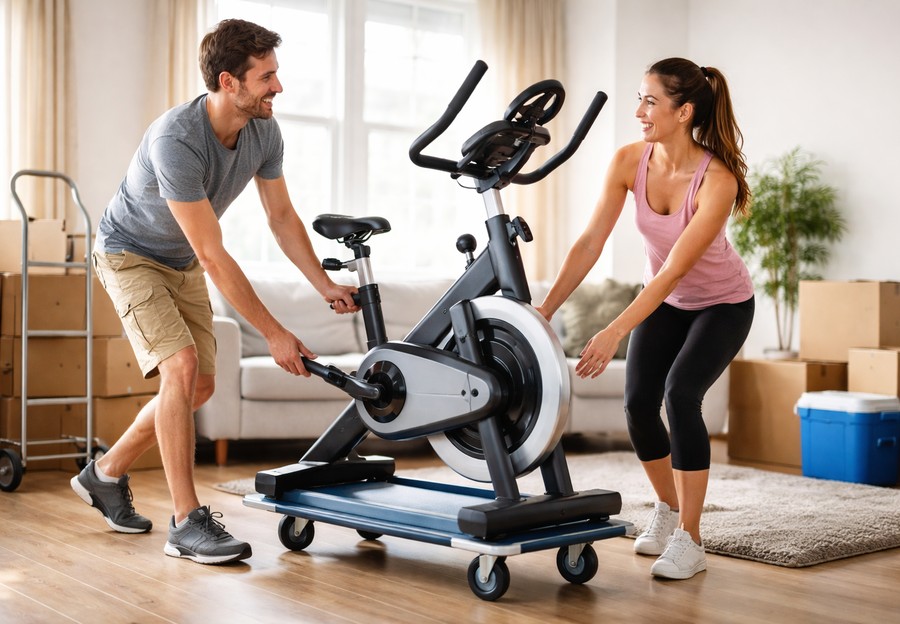
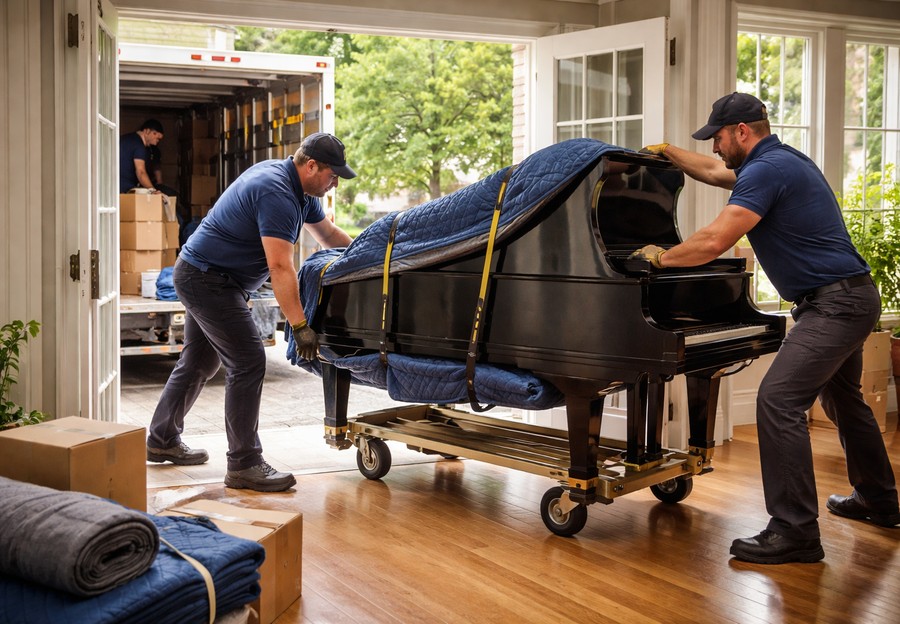
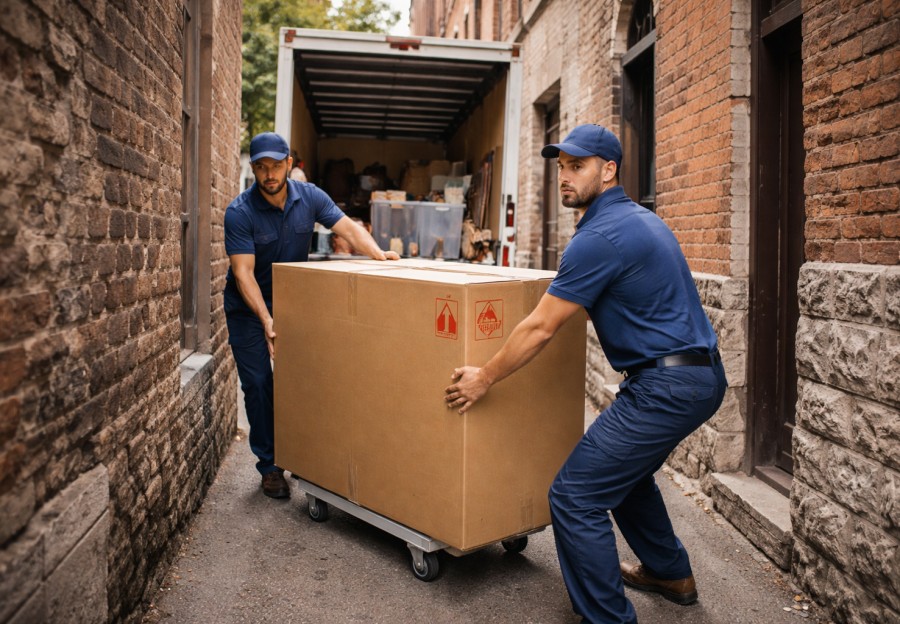
The 1970s and 1980s began introducing mechanical assistance and safety awareness. Steel framed dollies replaced many wooden models, improving load capacity and durability. Pneumatic wheels reduced vibration transmission compared with solid wheels. Moving straps became more common, shifting some lifting force to larger muscle groups. Occupational safety research in this era began quantifying spinal compression and repetitive strain, which influenced early lifting guidelines.
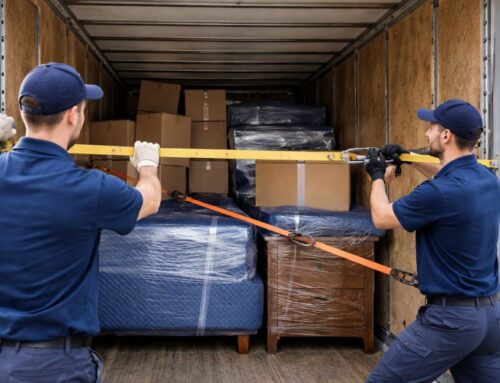
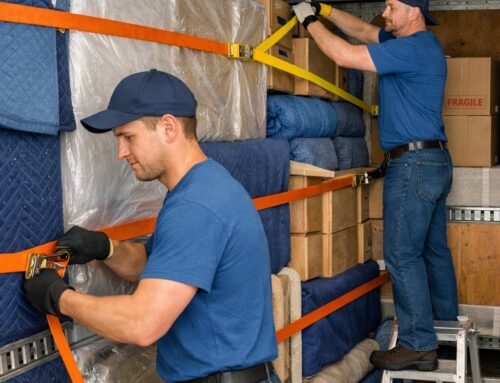
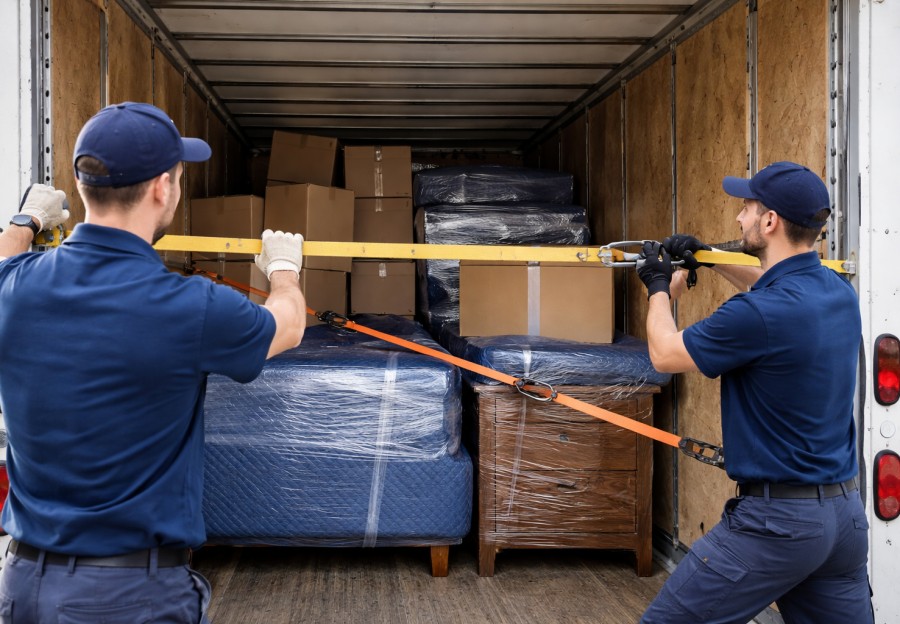
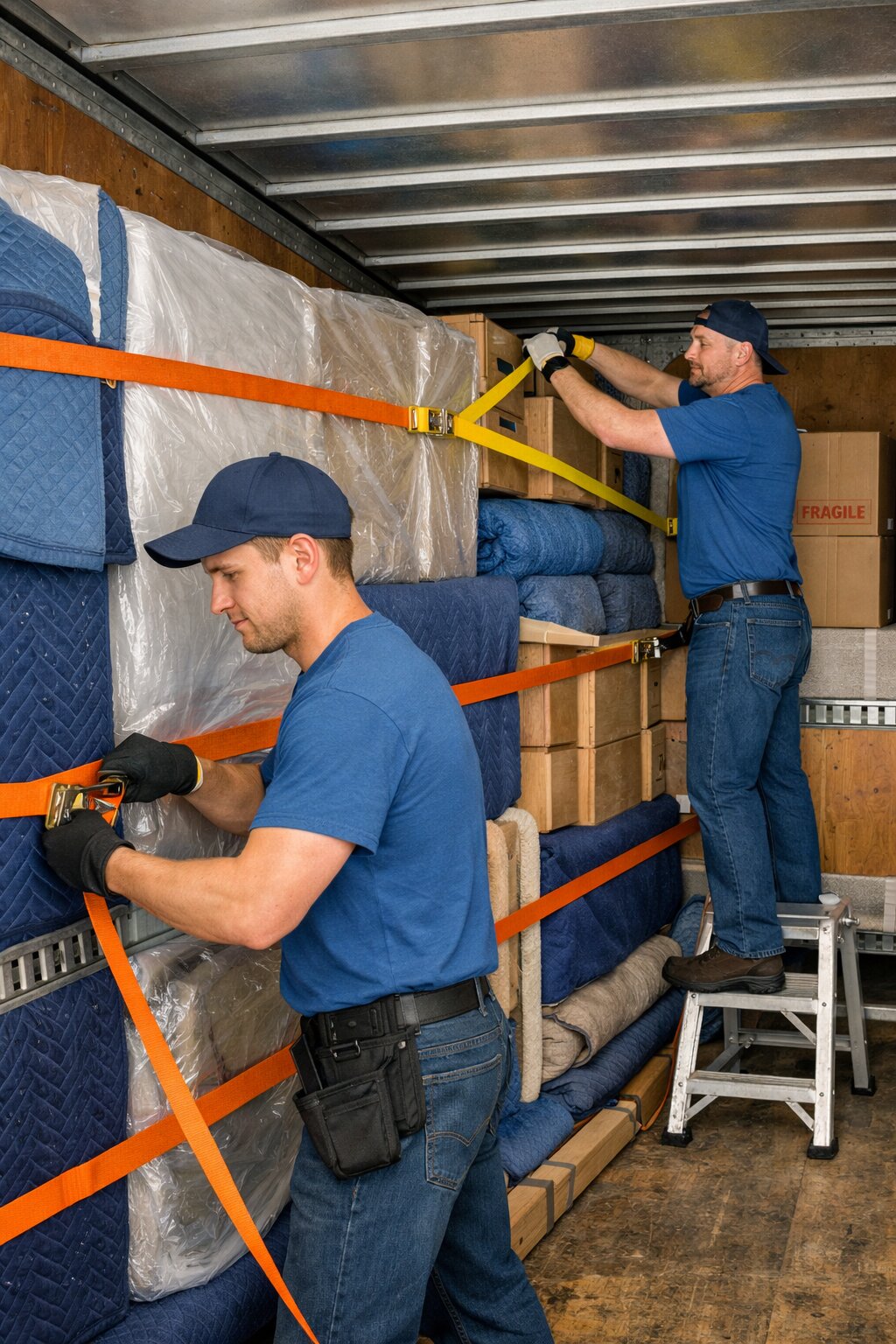
Truck design improved as well. Better suspension systems reduced shock loads during transport. Interior tie rails and E track systems allowed more secure load anchoring. Transportation engineering data from this period shows significant reductions in cargo shift incidents as anchoring systems improved. Blankets evolved from rough canvas to quilted moving pads that absorbed impact energy more effectively.
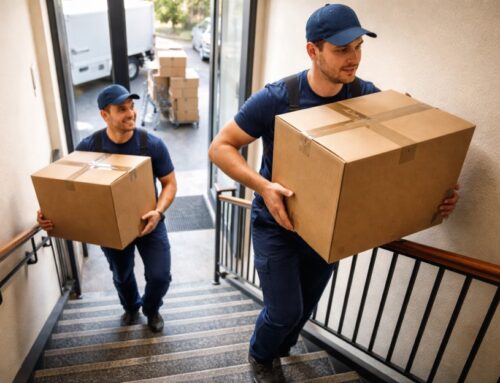
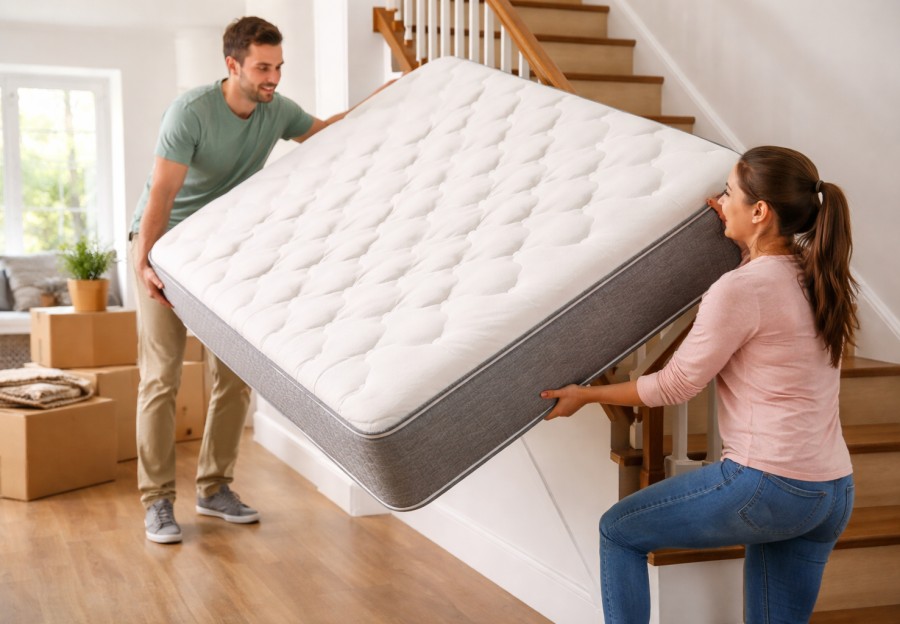
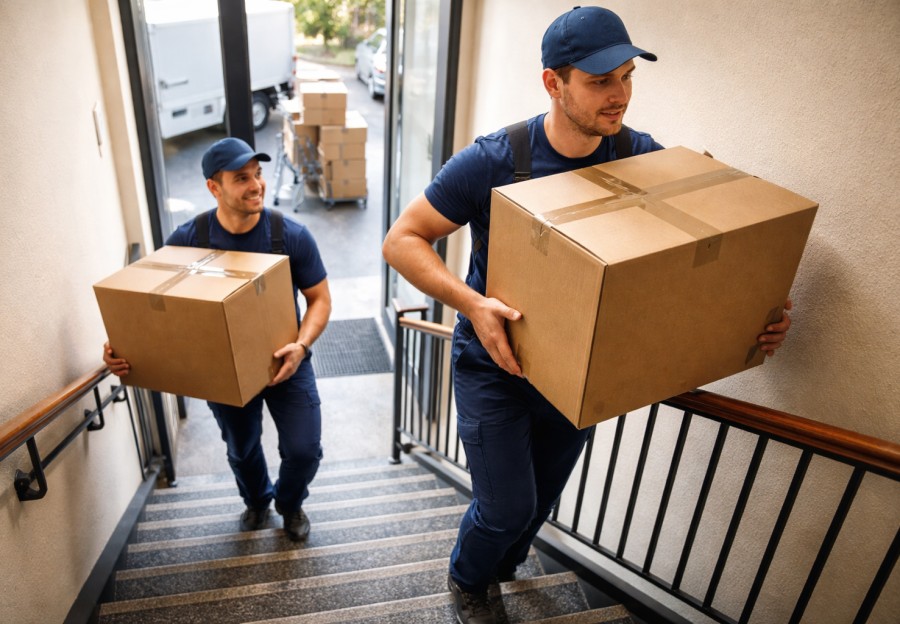
The 1990s brought stronger focus on ergonomics and risk management. Material handling research expanded rapidly, driven by rising workers compensation costs and regulatory attention. Companies began training crews in body mechanics, team lifting coordination, and hazard recognition. The use of appliance dollies with stair climbers became more widespread, reducing injury rates on stair carries. Injury surveillance data from logistics industries shows measurable declines in back injury rates as mechanical aids became standard.
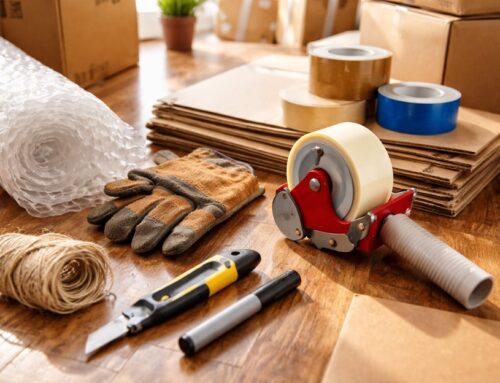
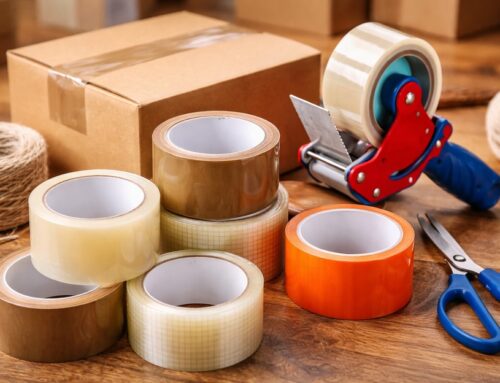
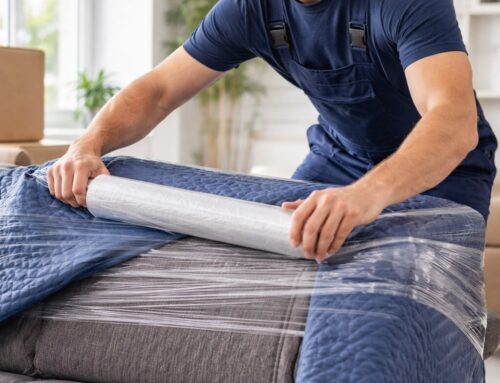
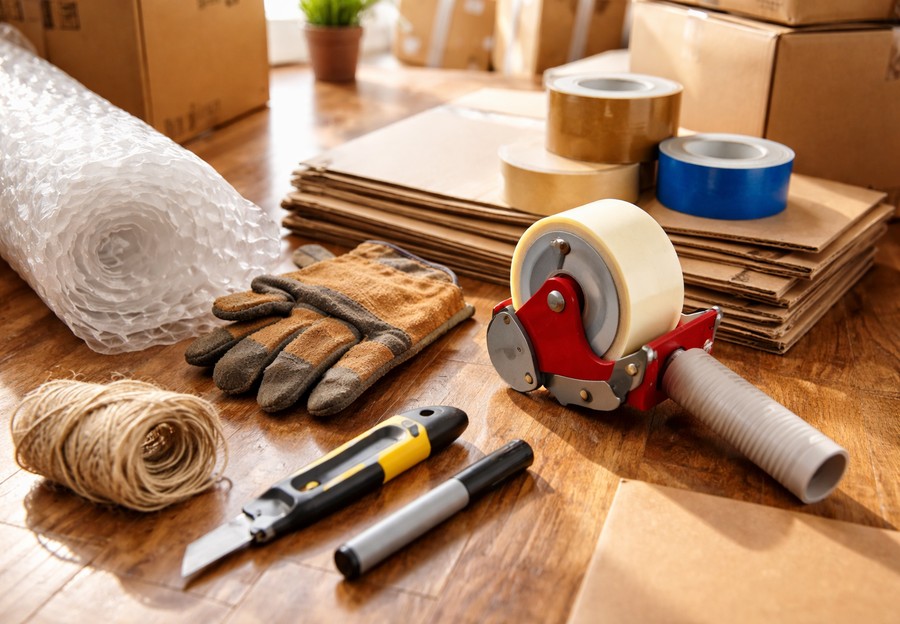
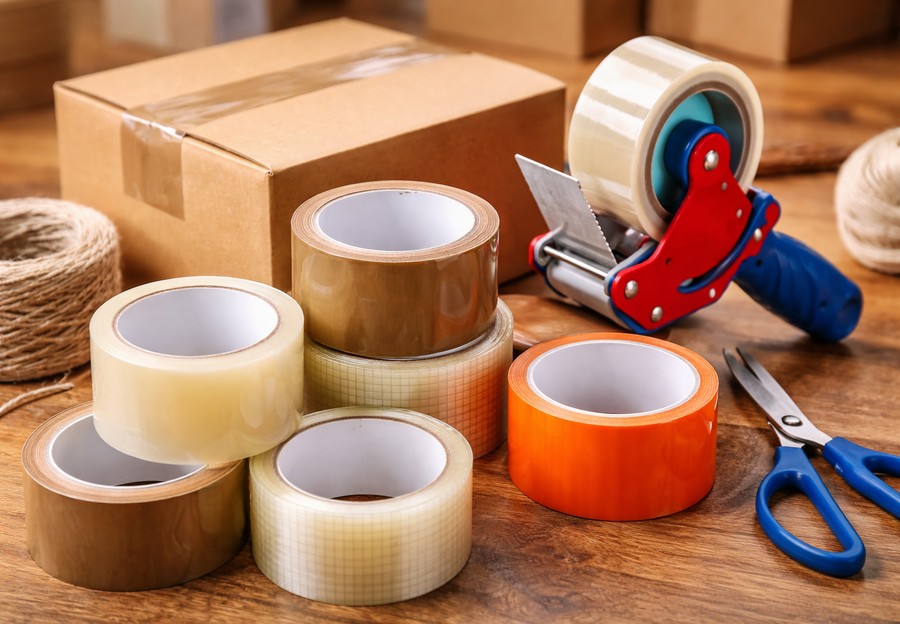
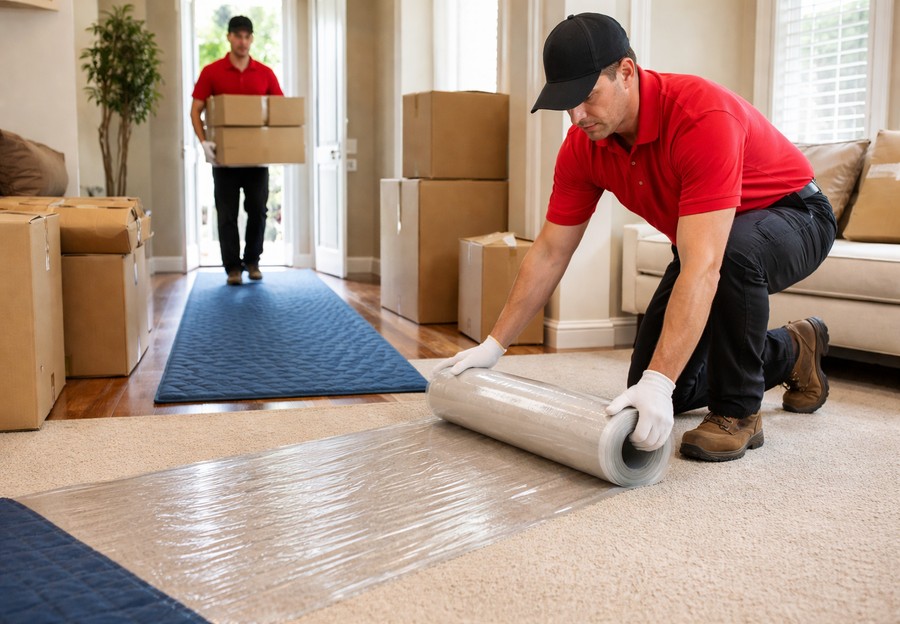
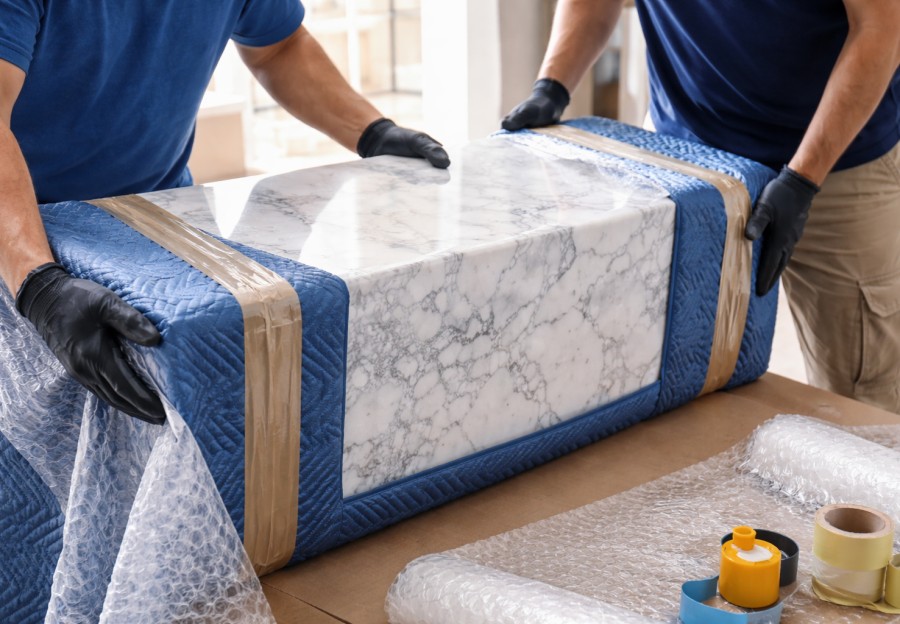
Packaging technology advanced too. Stretch wrap became widely available, allowing crews to bundle furniture components and protect finishes without adhesive contact. Corrugated packaging quality improved, with higher burst strength and better stacking performance. Packaging engineering studies show that modern corrugated fiberboard offers significantly higher compression resistance than earlier generations.
The early 2000s introduced digital planning into moving operations. GPS routing improved arrival accuracy and reduced idle time. Digital inventory systems replaced handwritten logs in many professional operations, improving accountability and claims resolution. Barcode labeling and photo documentation reduced lost item disputes. Logistics industry data shows that digital tracking reduces error rates and improves customer satisfaction.
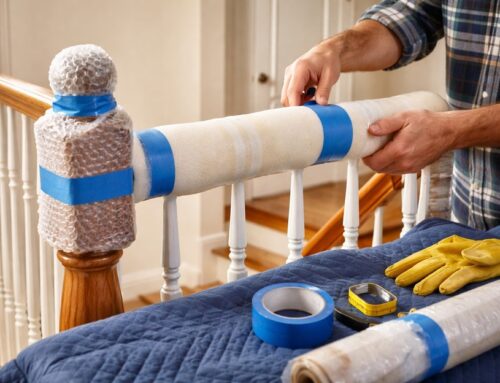
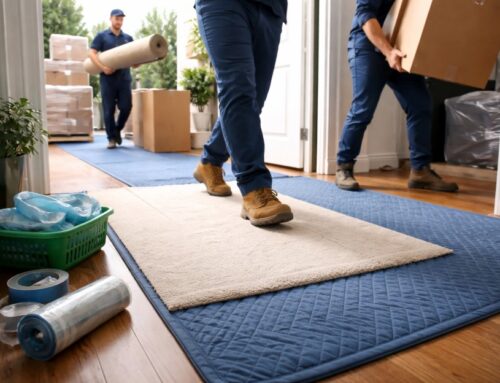
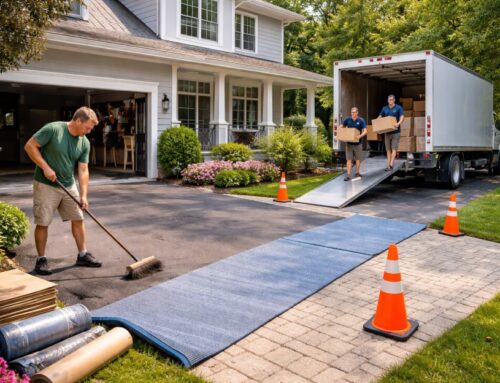
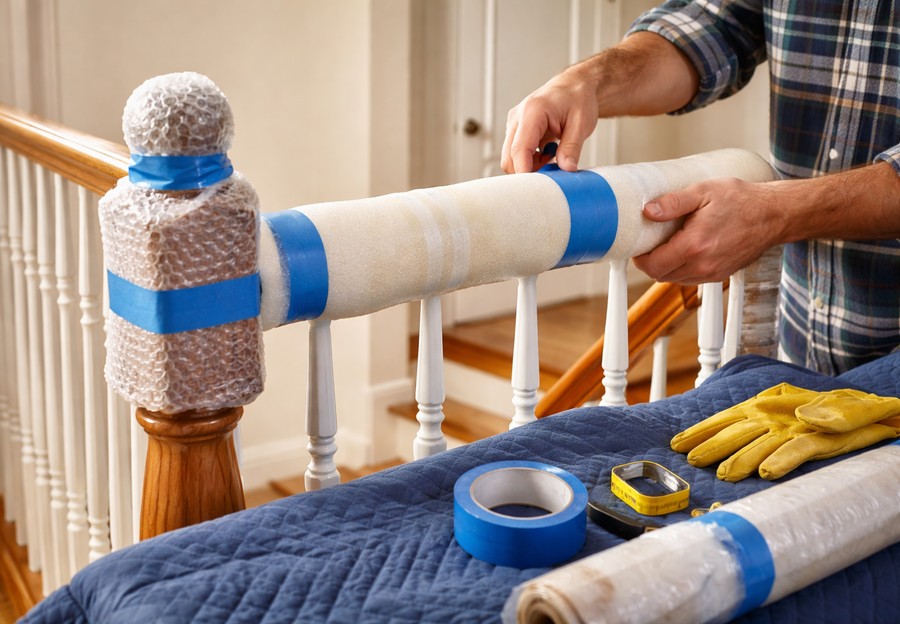
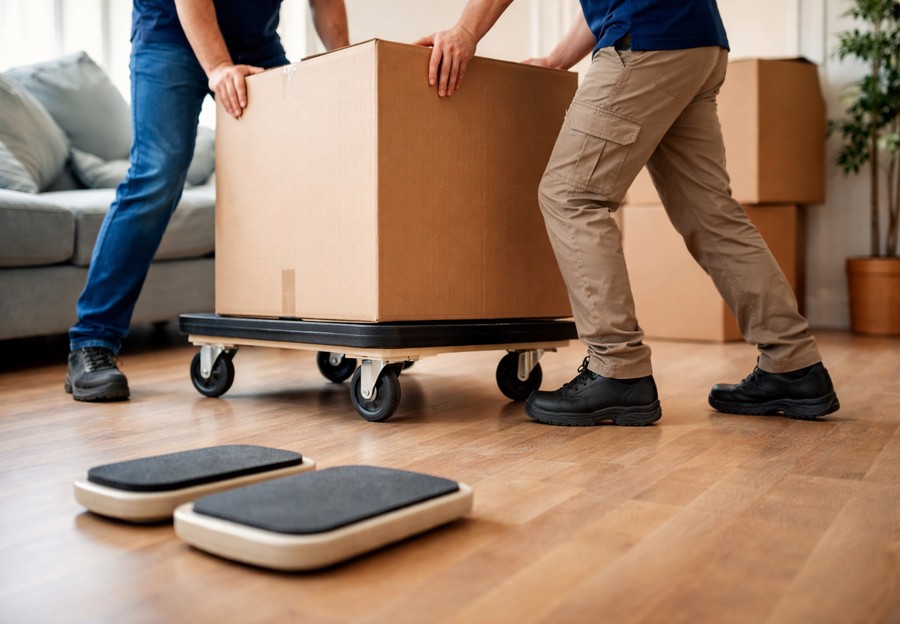
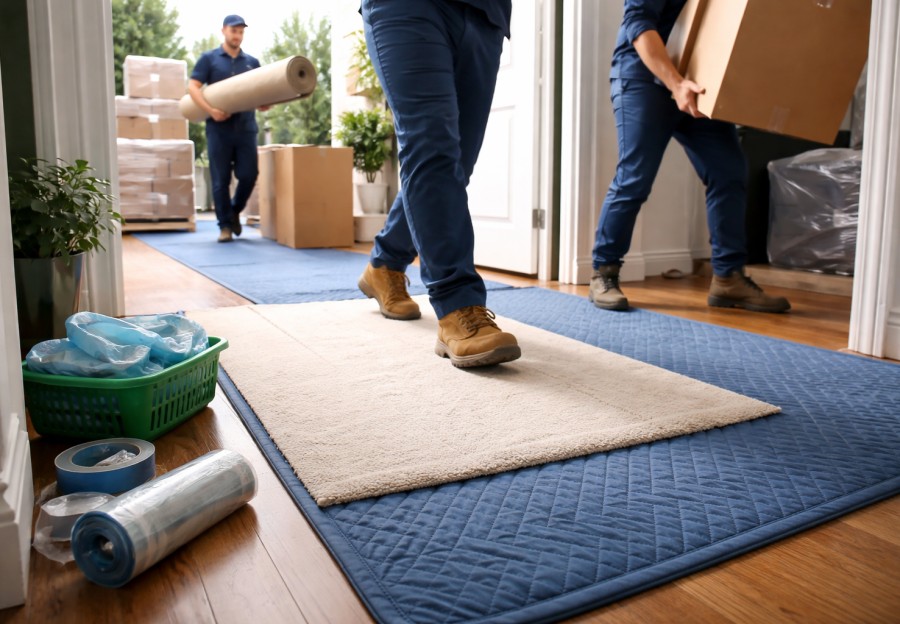
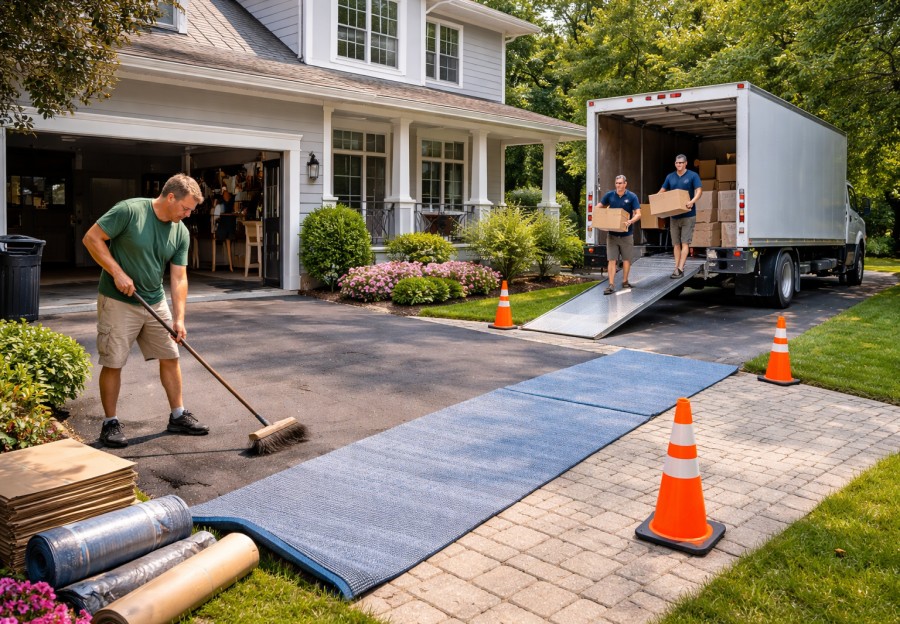
Customer expectations also shifted. Homeowners became more aware of property protection, expecting floor runners, door jamb padding, and corner guards as standard practice. Surface protection products expanded significantly, driven by rising home renovation costs and higher quality finishes. Flooring industry data shows that hardwood and engineered flooring installations increased substantially during this period, increasing the need for better protection during moves.
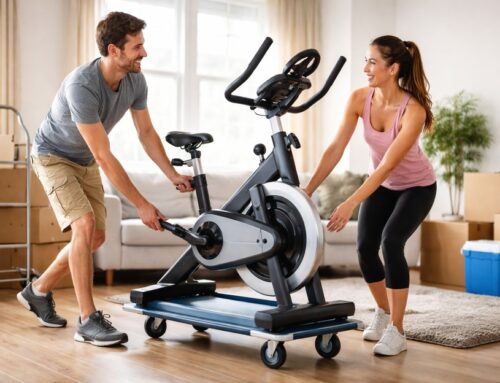
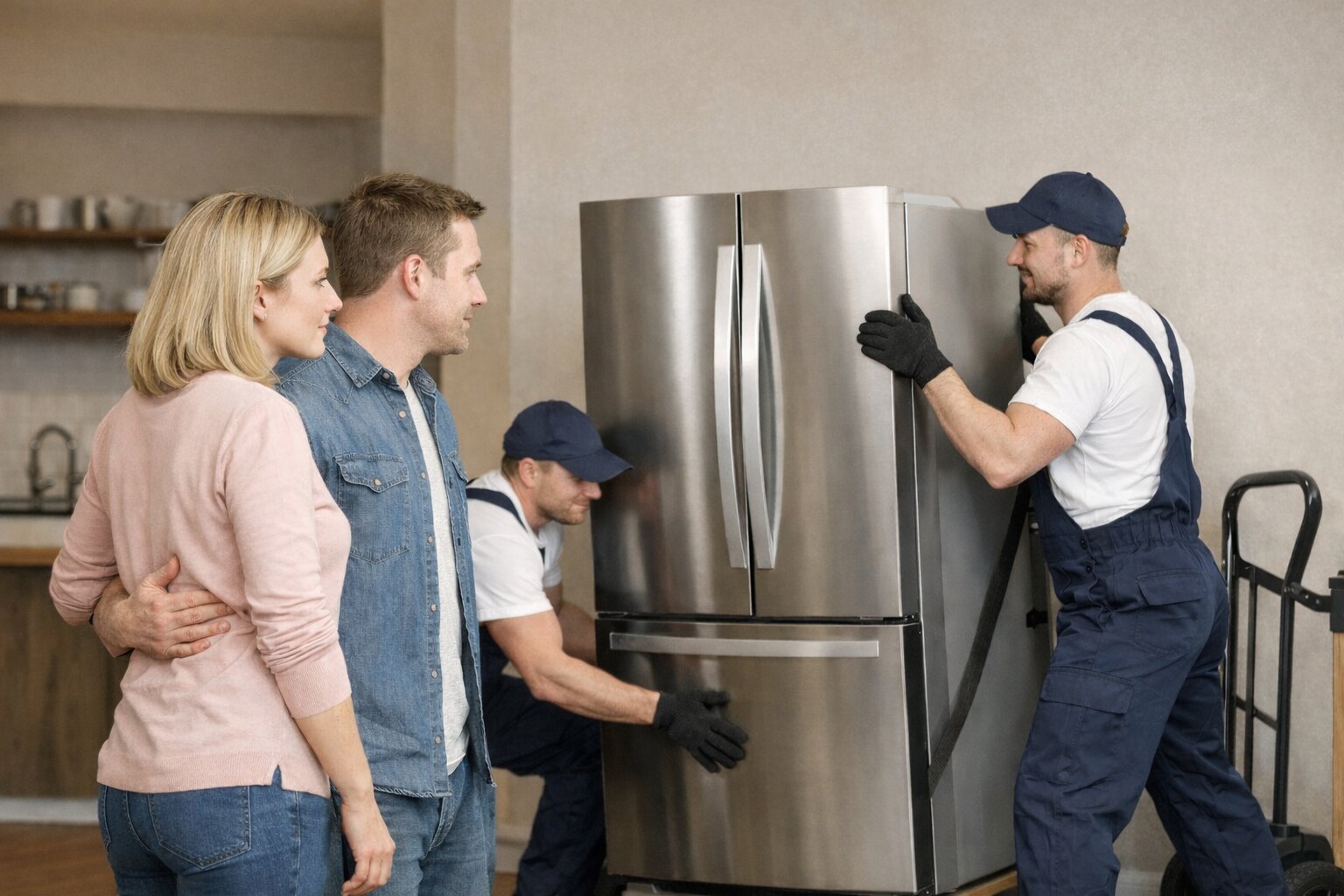
The 2010s accelerated safety and efficiency improvements further. Lightweight aluminum dollies reduced operator fatigue while maintaining load capacity. Powered stair climbers and lift assist devices entered the market, allowing single operators to move heavy appliances more safely. Ergonomics research shows that powered assistance dramatically reduces cumulative spinal load during repetitive heavy handling tasks.
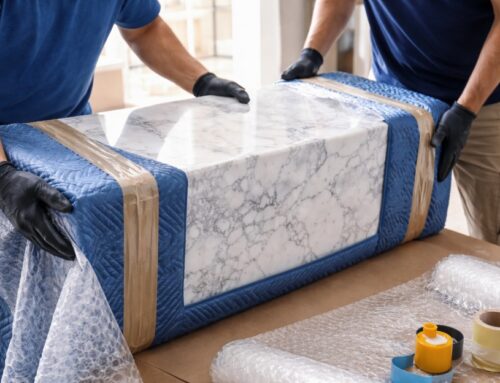
Material science improvements brought better padding foams, non marking straps, and breathable protective wraps that reduced moisture trapping and finish damage. Conservation research influenced how movers protect artwork, antiques, and climate sensitive items.
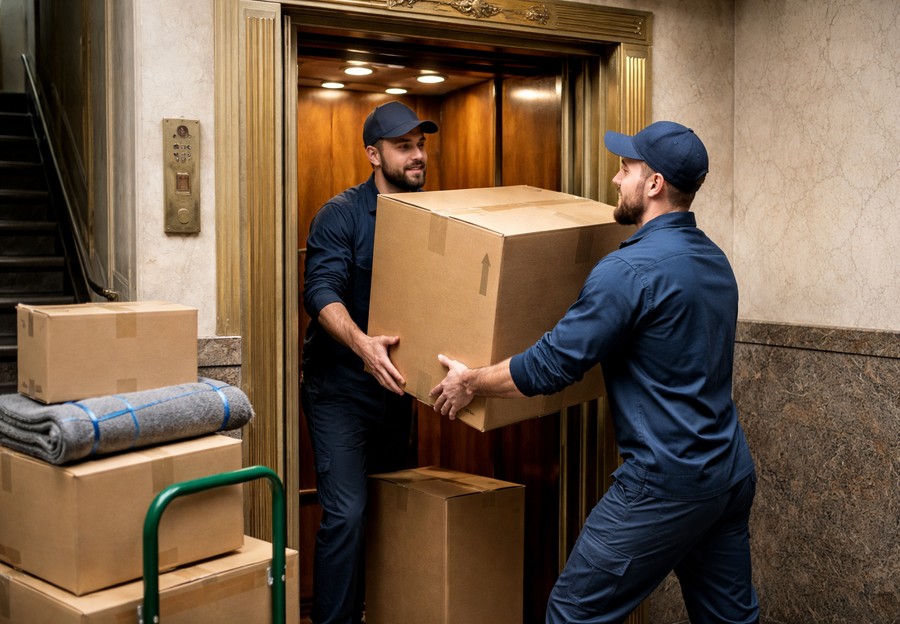
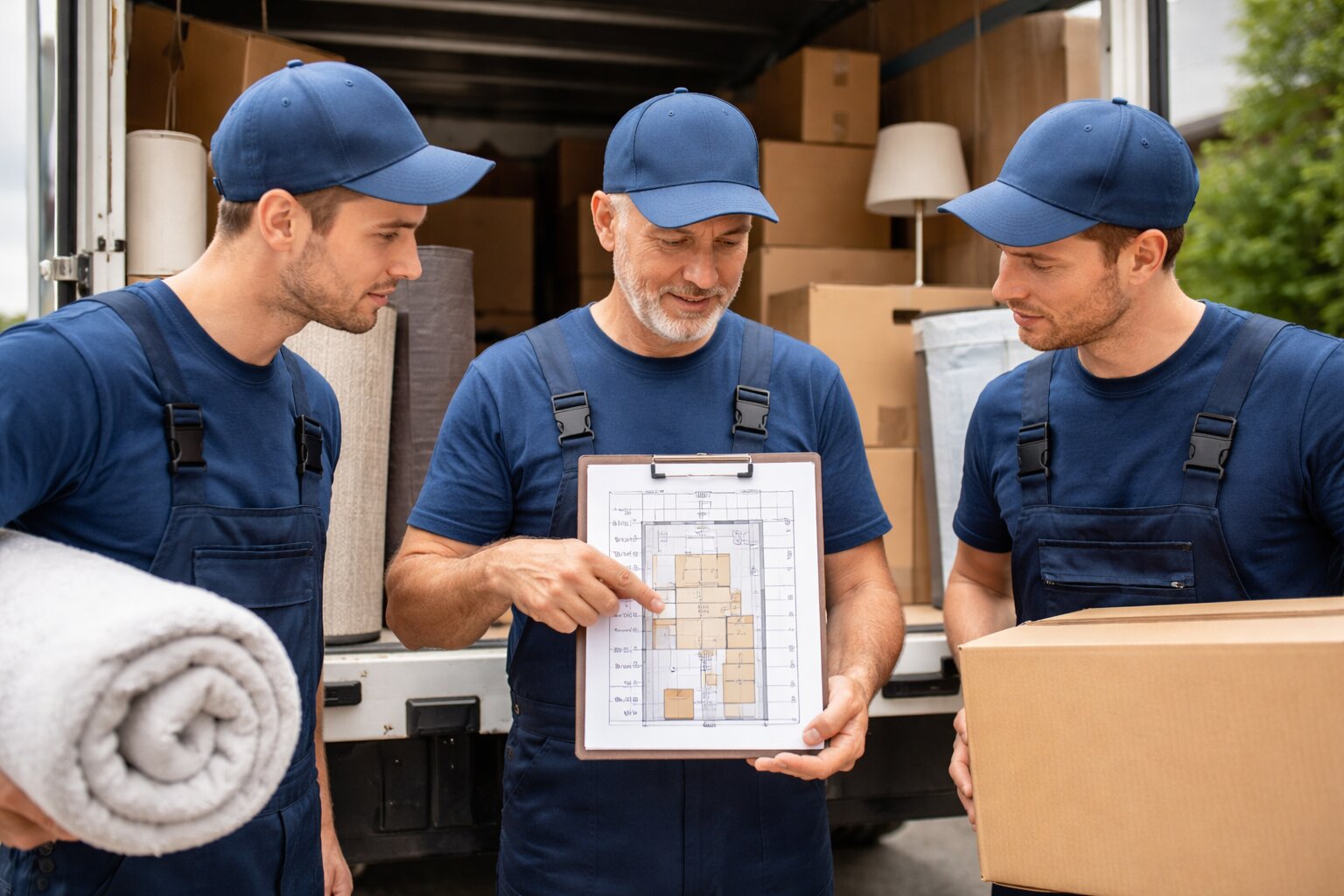
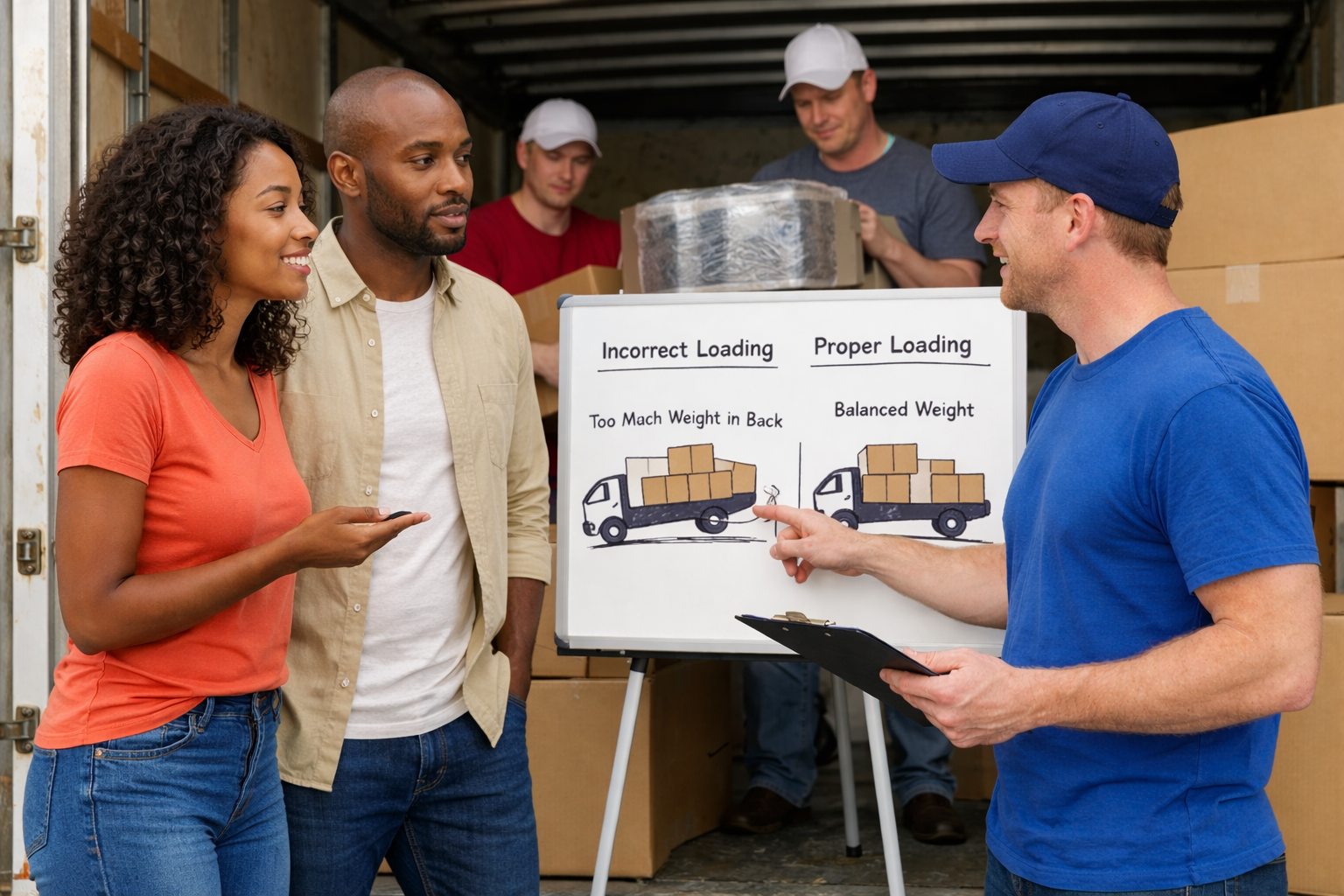
Communication systems became more structured. Crews adopted standardized hand signals and verbal cues for tight maneuvers, improving synchronization. Human factors research shows that standardized communication reduces coordination errors under physical stress.
Sustainability began influencing operations as well. Reusable plastic moving crates gained popularity in some markets, reducing cardboard waste. Fleet fuel efficiency improved through route optimization and newer engine standards. Environmental impact studies show that optimized routing and load consolidation reduce fuel consumption and emissions significantly.
The late 2010s and early 2020s brought further data driven refinement. Wearable technology and safety analytics began tracking movement patterns and fatigue indicators in some logistics operations. While still emerging, early studies suggest potential for injury prevention through predictive monitoring. Virtual walkthroughs and digital measurements improved pre move planning accuracy, reducing surprise obstacles and last minute improvisation.
Pandemic era adjustments also influenced techniques. Contact reduction protocols increased the use of pre packed containers, remote estimates, and digital documentation. Ventilation awareness increased attention to airflow and hygiene in trucks and storage environments.
Consumer awareness of health and safety grew. People began paying closer attention to crew lifting practices, PPE usage, and sanitation standards. Insurance providers tightened risk controls, encouraging better documentation and standardized procedures.
Across all decades, the trend has been consistent. Less brute force. More mechanical advantage. Better data. Smarter materials. Greater attention to human limits and property protection.
The economic drivers behind this evolution are strong. Injury claims, property damage, and inefficiency are expensive. Workers compensation costs incentivize ergonomic improvements. Insurance premiums incentivize damage reduction. Customer reviews incentivize quality and consistency. Sustainability pressures incentivize waste reduction and fuel efficiency. Each of these forces pushes the industry toward more refined practices.
The science supports the shift. Biomechanics research shows that mechanical aids reduce spinal compression dramatically. Vibration testing shows that better padding reduces micro damage. Logistics modeling shows that route optimization saves fuel and time. Human factors research shows that standardized processes reduce error. Environmental studies show that efficient operations reduce carbon footprint.
At the same time, the human element remains central. Moving still requires judgment, coordination, and adaptability. No algorithm can fully replace spatial problem solving at a tight stairwell or delicate antique handling. What has changed is the support system around that human skill. Better tools, better training, and better data amplify human capability rather than replace it.
Looking forward, continued evolution is likely. Robotics may eventually assist with heavy lifting in constrained spaces. Advanced materials may further reduce vibration transmission and surface damage. AI driven planning may optimize packing geometry and route sequencing. Smart sensors may monitor load stability in real time. Each innovation will continue the same pattern of reducing risk while increasing efficiency and predictability.
Yet the core principle remains unchanged from decades past. Moving is about transferring human lives from one place to another without breaking bodies, belongings, or budgets. The tools and methods evolve, but the goal stays constant.
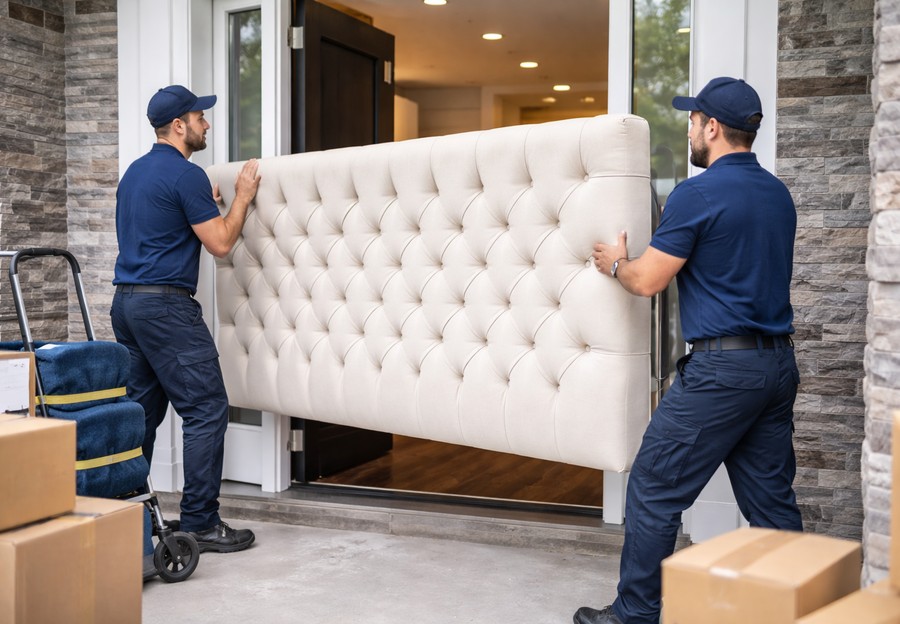
Understanding this evolution builds appreciation for why modern movers work the way they do. The slow deliberate pacing. The layers of padding. The careful measurements. The reliance on dollies rather than dragging. The structured communication. These practices did not appear randomly. They emerged from decades of learning, data, and hard lessons paid for in injuries and damage.
What once looked like simple muscle work has become a quiet blend of physics, ergonomics, logistics, and psychology. The result is safer crews, better protected homes, fewer surprises, and smoother moves.
The next time you watch a professional move unfold calmly and methodically, you are seeing the accumulated wisdom of generations of trial, error, research, and innovation working together. That evolution continues quietly with every improved tool, every safer practice, and every lesson learned from the past.