May 2, 2026
How to handle items that require climate protection
Some belongings tolerate heat, cold, humidity, and vibration without complaint. Others quietly deteriorate the moment temperature swings, moisture creeps in, or airflow stagnates. Musical instruments go out of tune. Artwork warps. Electronics corrode. Leather stiffens. Wine degrades. Family photos stick together. Climate sensitive items demand a different level of planning during a move because the truck, hallway staging areas, elevators, and storage units rarely provide stable environmental conditions.
This matters more than people realize. Materials science research shows that many organic and composite materials begin measurable degradation when relative humidity stays above 60 percent for extended periods, while wood and paper can dry and crack below 30 percent. Electronics reliability studies link corrosion risk to repeated humidity cycling rather than constant exposure. Vehicle interior temperature studies show that closed moving trucks can exceed outdoor temperatures by more than 20 degrees Celsius in direct sun, then cool rapidly at night, creating condensation cycles that accelerate damage. These swings happen quietly while the truck is parked or waiting at loading docks.
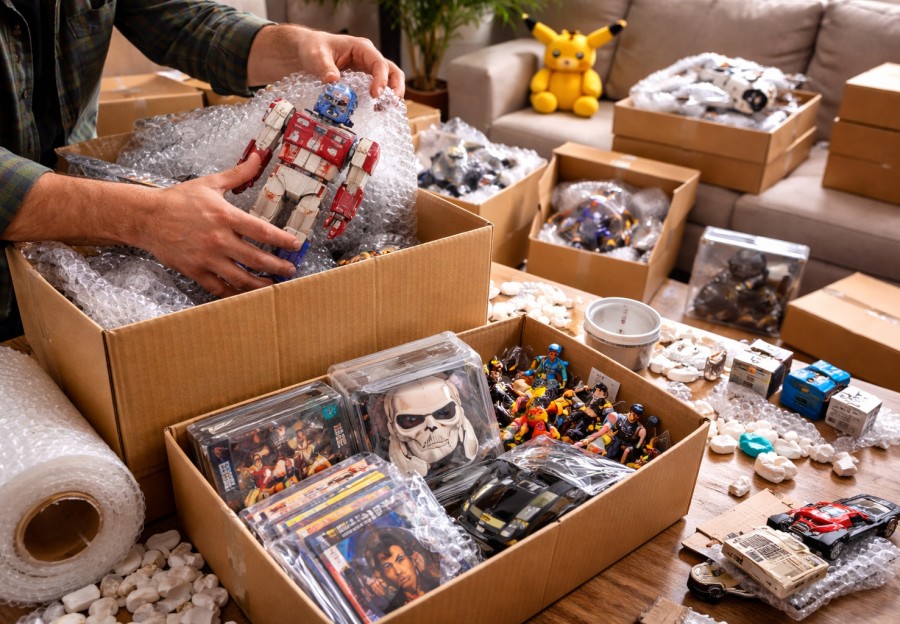
The first step is identifying which items truly require climate protection. Common examples include artwork, framed photos, musical instruments, vinyl records, wine collections, electronics, medical equipment, leather furniture, antiques, collectibles, and important documents. Even modern furniture can contain adhesives and foams that soften in heat and stiffen in cold. Upholstery foam recovery studies show that prolonged compression combined with heat reduces rebound permanently. Adhesives used in veneers and laminates lose bond strength when exposed to elevated temperatures over time.
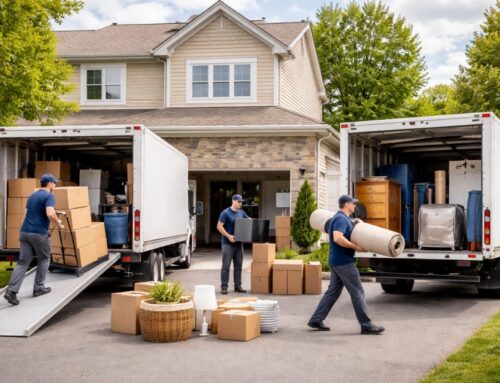
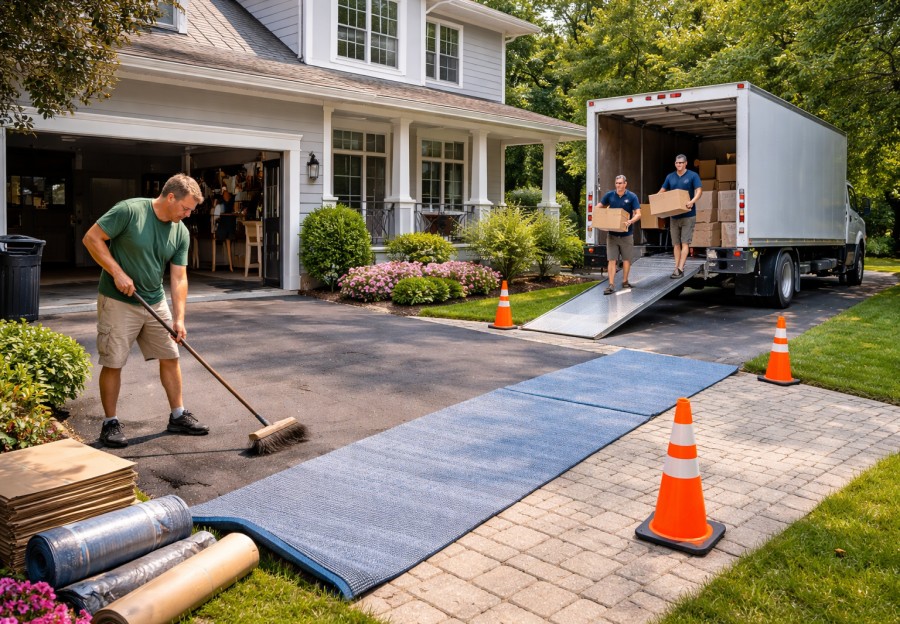
Timing is one of the strongest controls you have. Reducing how long climate sensitive items sit in uncontrolled environments lowers cumulative exposure. If possible, load these items last and unload them first so they spend minimal time inside a hot or cold truck. Logistics time exposure studies show that reducing dwell time in uncontrolled zones has a greater protective effect than adding small amounts of extra packaging alone.
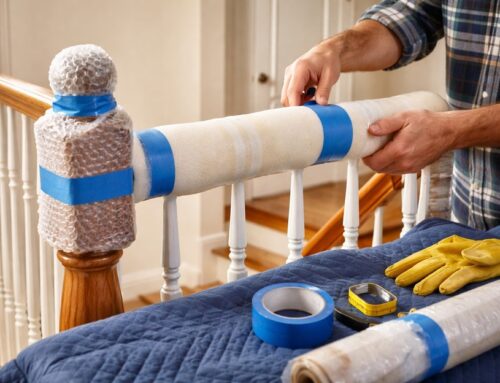
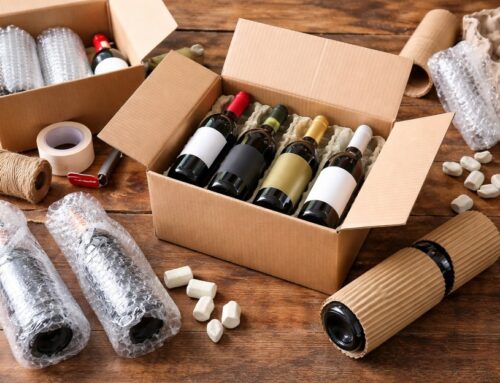
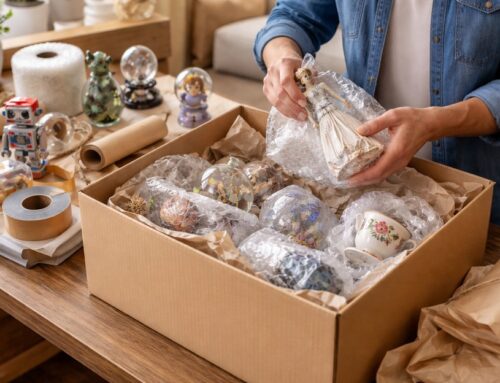
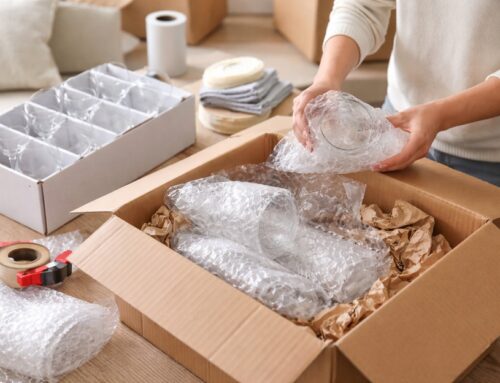
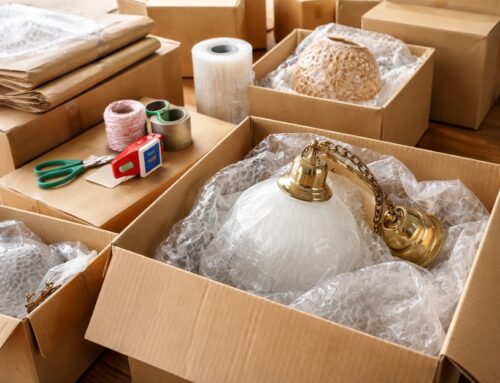
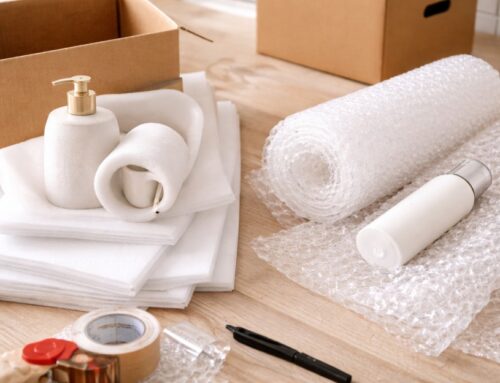
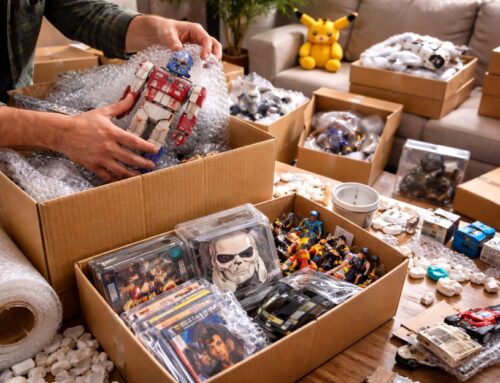
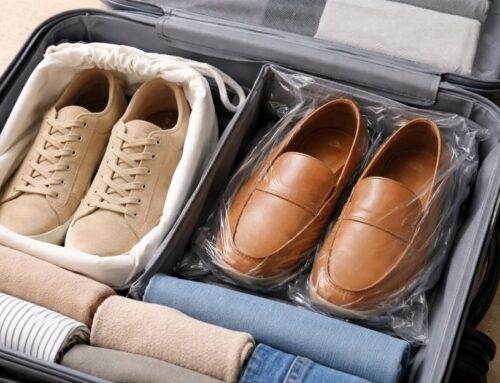
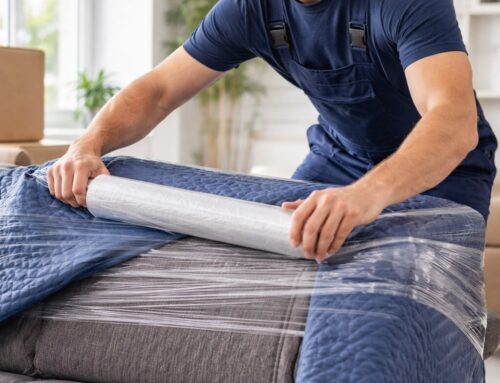
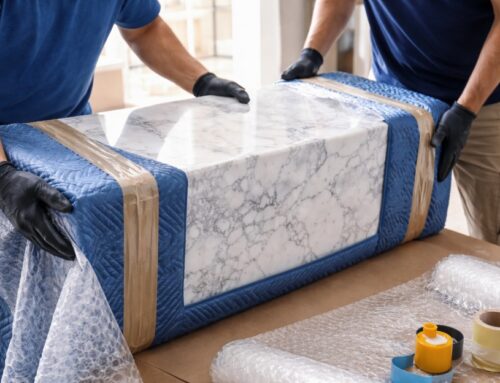
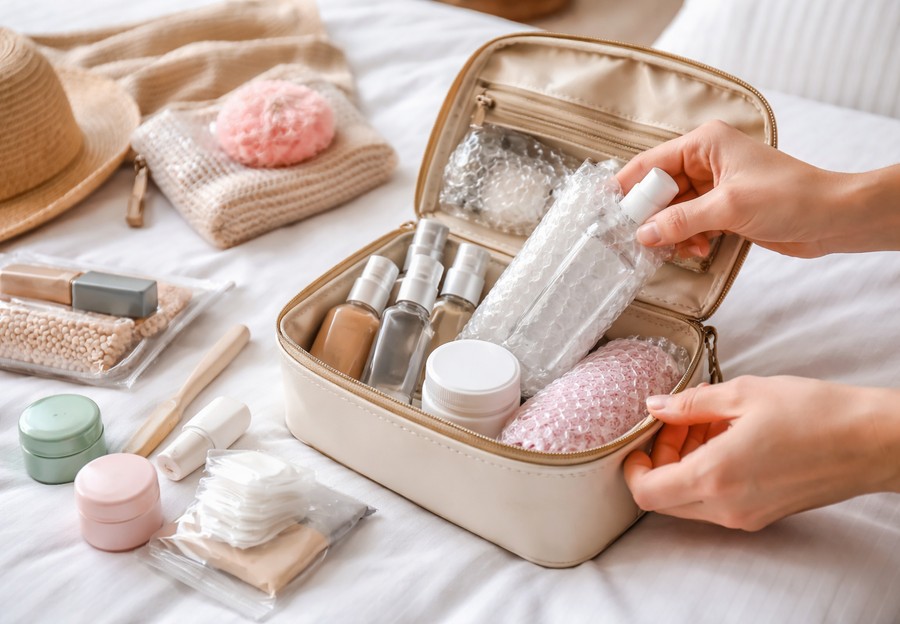
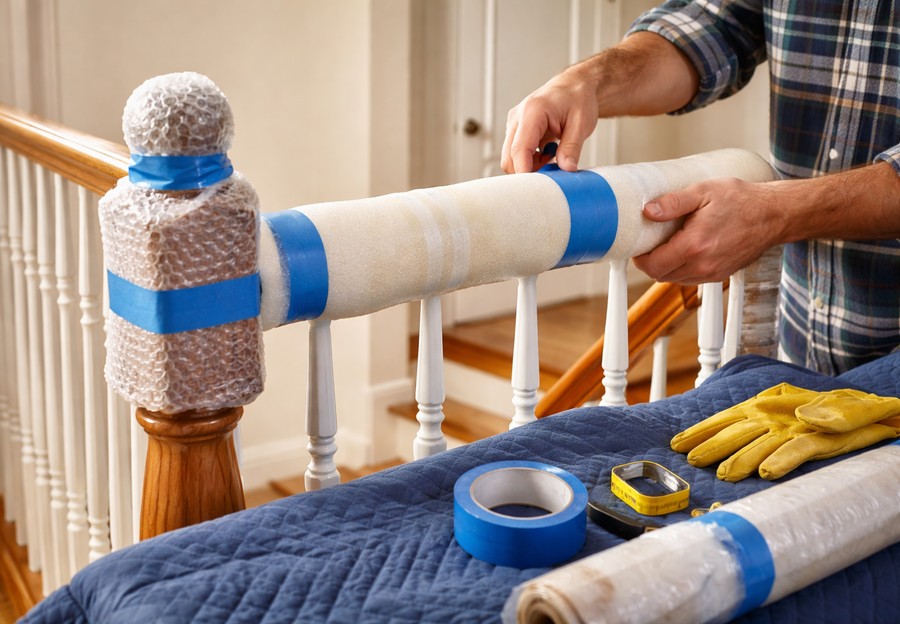
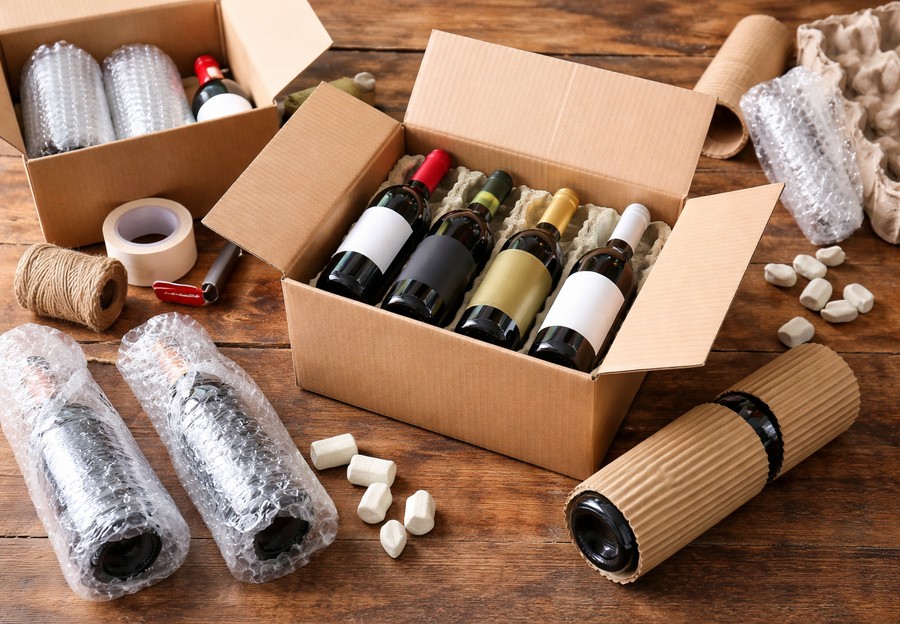
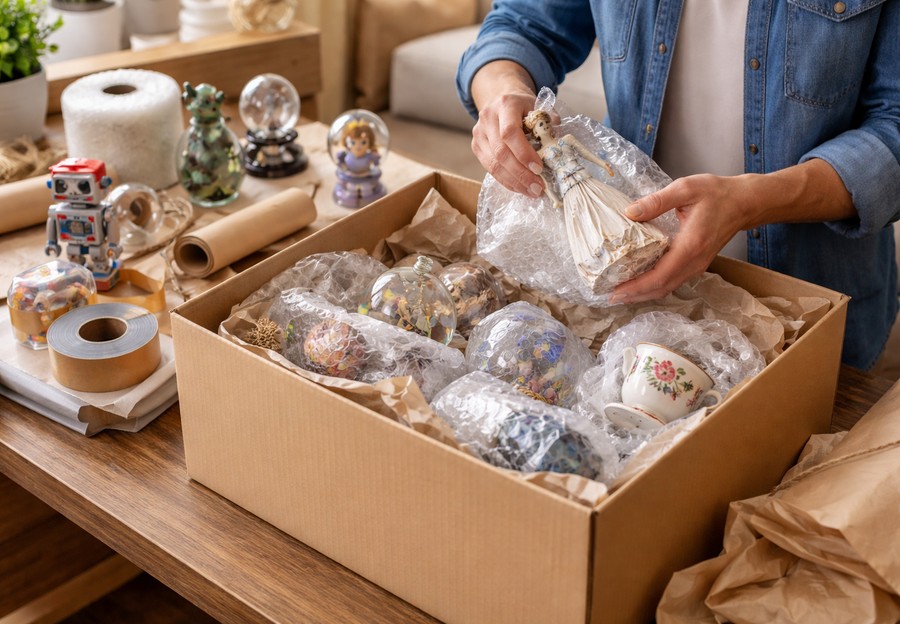
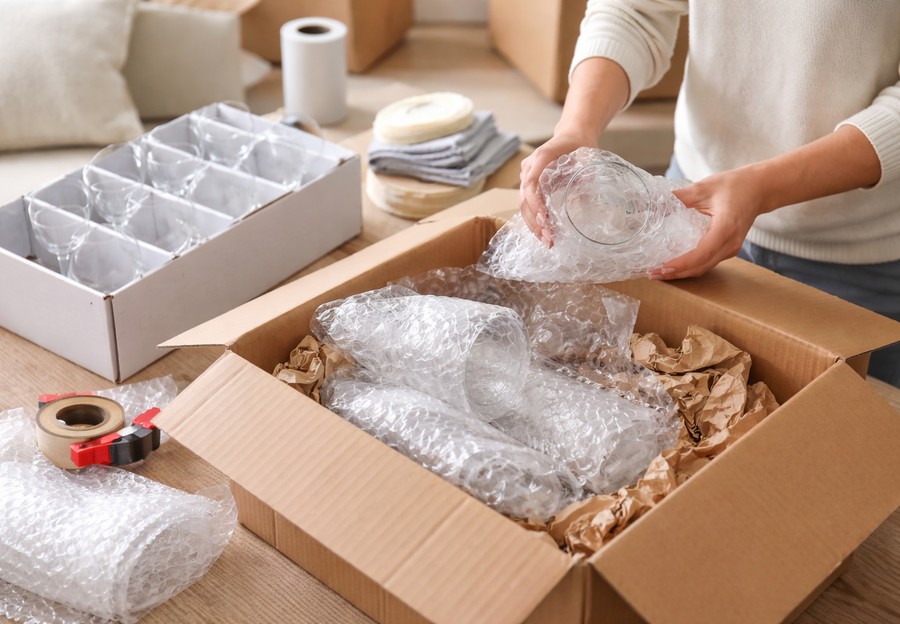
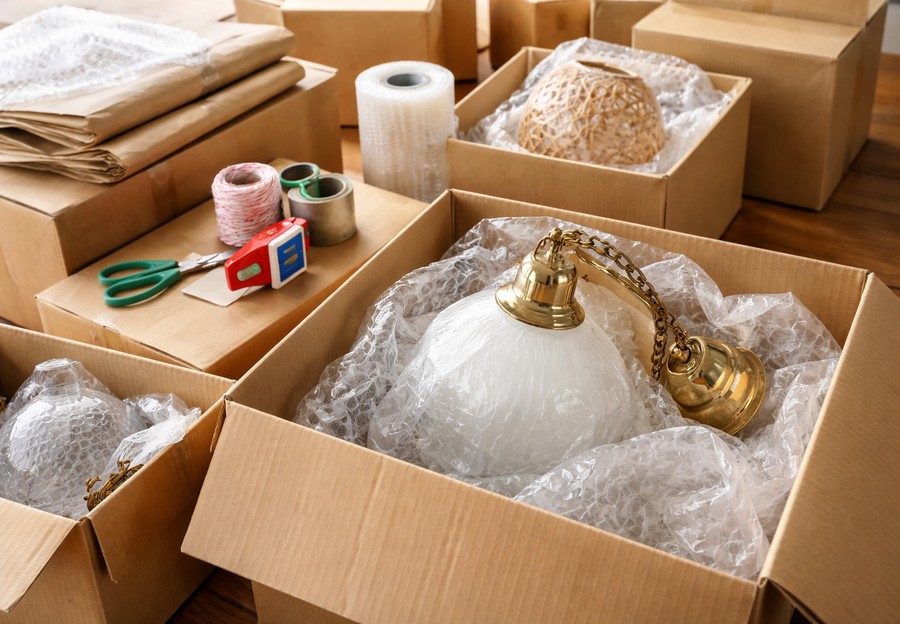
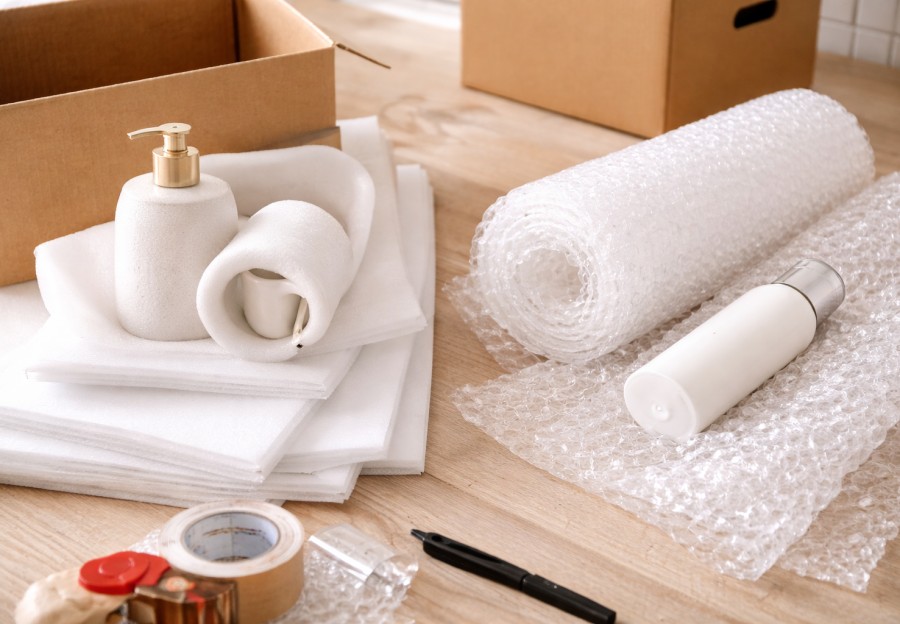
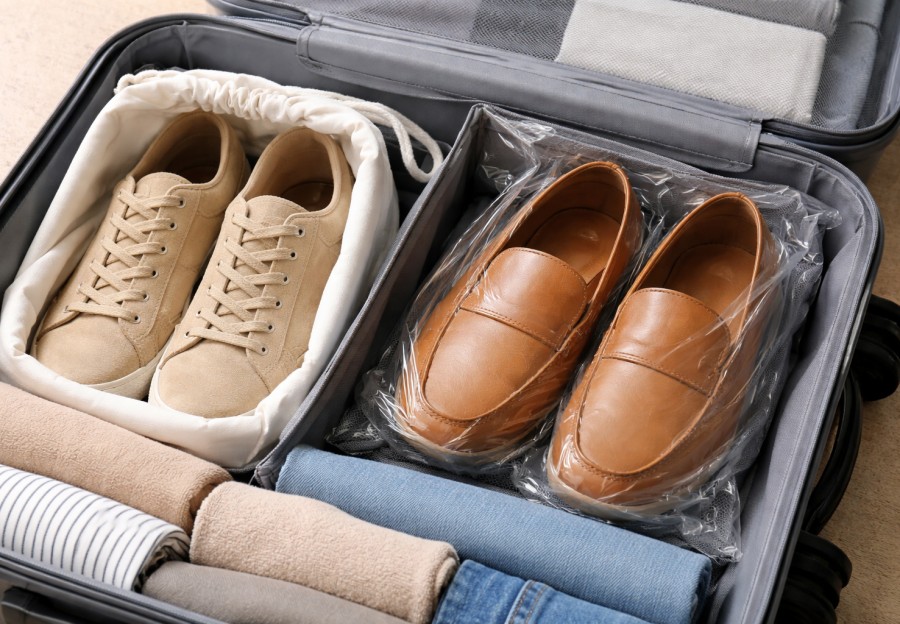
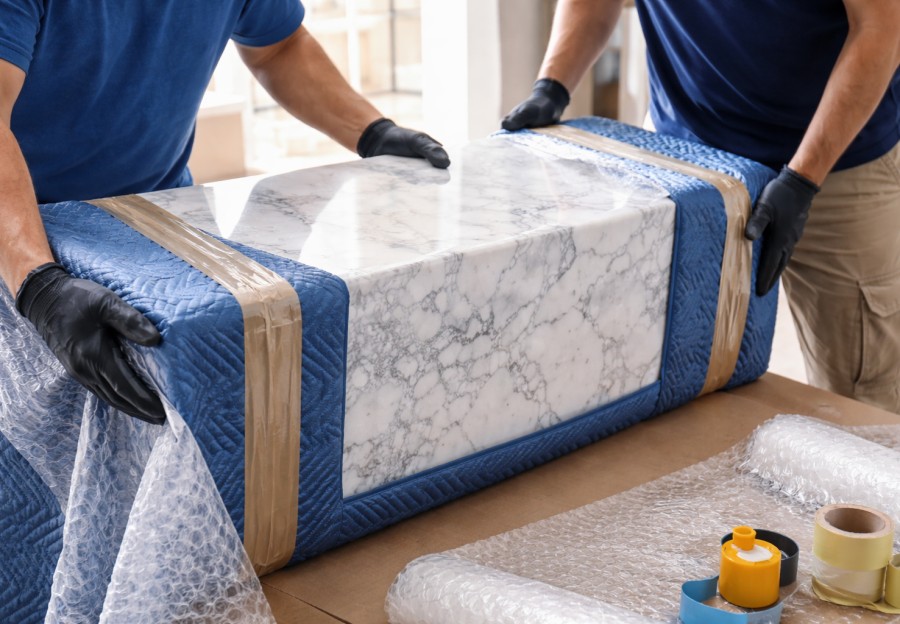
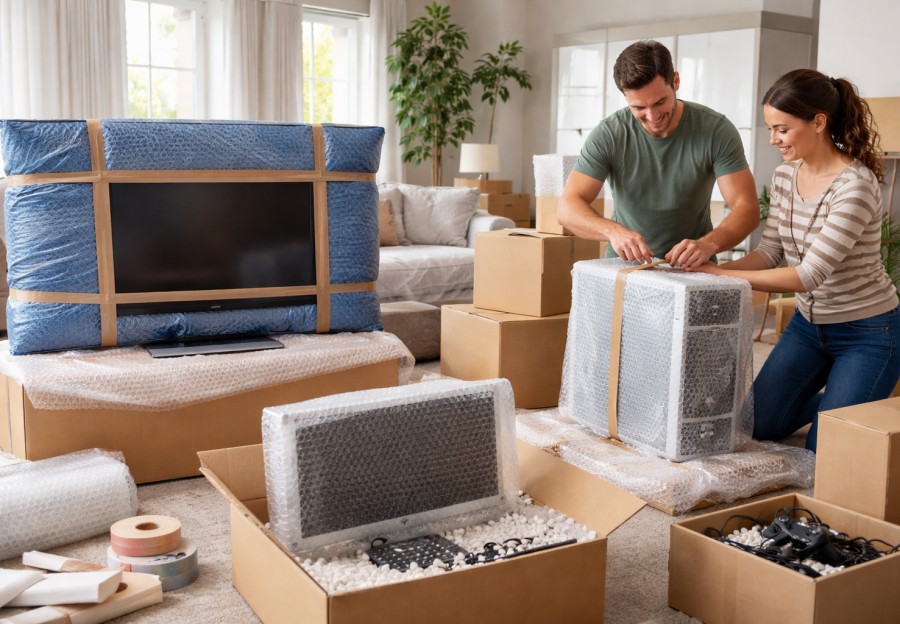
Packaging choice directly affects microclimate stability. Breathable padding such as moving blankets, paper padding, and fabric wraps allow gradual moisture exchange and reduce condensation buildup. Conservation research in museums recommends breathable barriers for artwork and mixed material objects rather than sealed plastic, which traps humidity and can imprint textures under heat. Plastic can still be used as an outer moisture barrier in short exposure situations, but it should not be sealed tightly around sensitive surfaces for long durations.
Layering works better than single thick wraps. A soft inner layer cushions vibration and buffers temperature change, while a slightly denser outer layer protects against abrasion and compression. Packaging lab testing shows that layered systems dissipate impact energy and slow thermal transfer more effectively than one uniform layer.
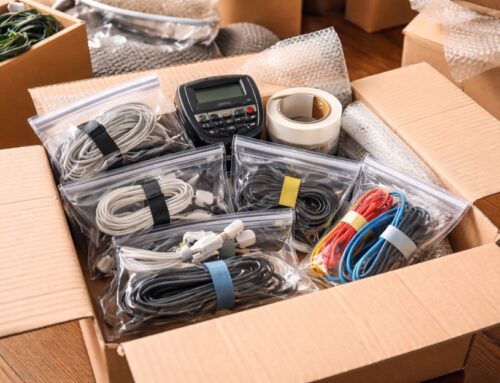
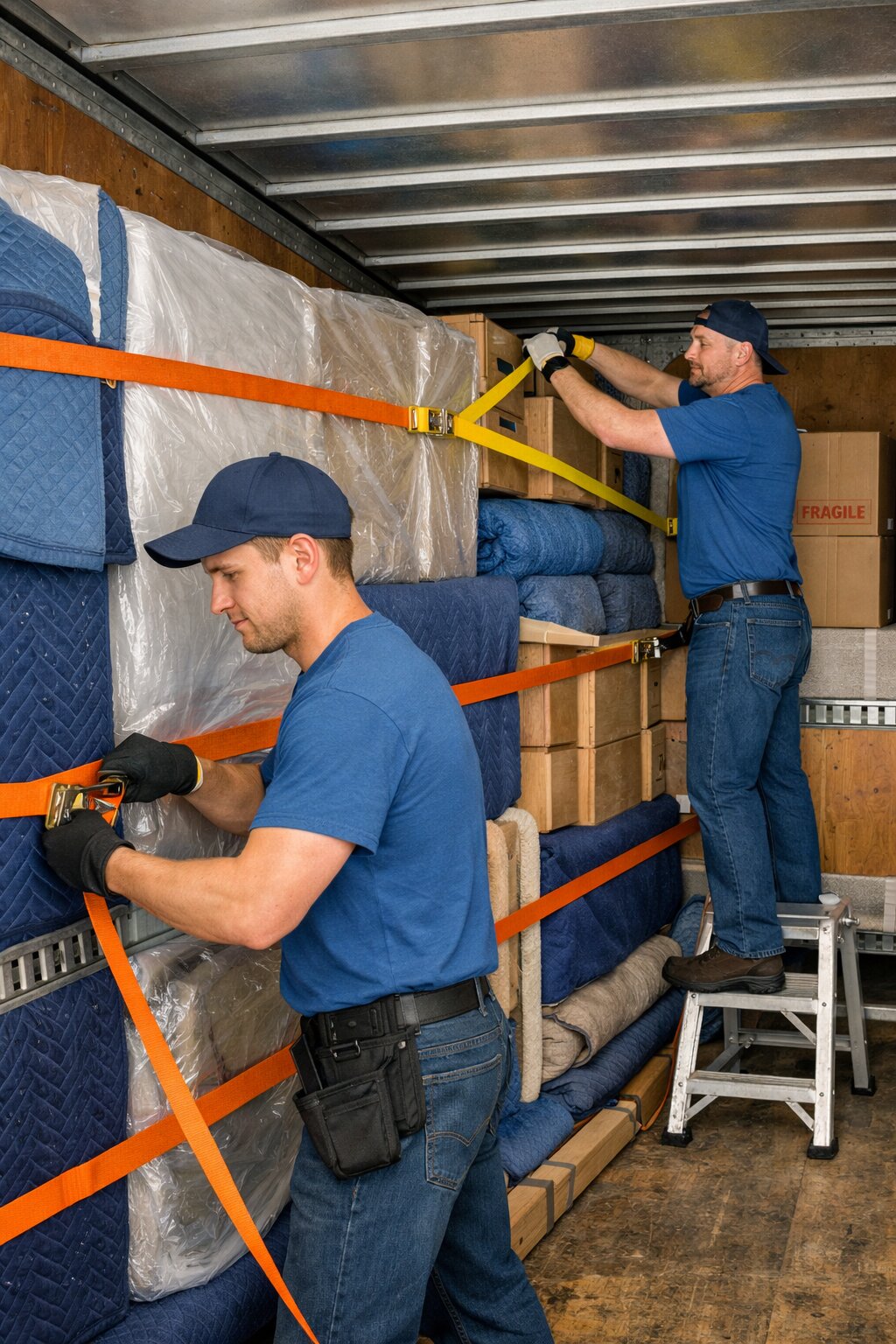
Internal movement control is just as important as climate buffering. Vibration accelerates micro damage and can amplify moisture migration inside packaging. Transportation vibration studies show that immobilized items experience significantly lower cumulative stress than items allowed to shift even slightly. Fill voids inside boxes so contents do not move when gently shaken.
Humidity control inside packaging can be enhanced with desiccant packs or humidity buffering materials for long distance or storage scenarios. Storage industry data shows that moisture absorbers reduce corrosion and odor development when humidity fluctuates. Desiccants must be sized appropriately for the container volume and exposure duration to remain effective.
Temperature buffering can be improved by grouping sensitive items together rather than scattering them throughout the truck. Dense groupings surrounded by padding retain temperature more slowly than isolated items exposed directly to metal truck walls. Heat transfer studies show that larger insulated mass changes temperature more slowly than small exposed mass.
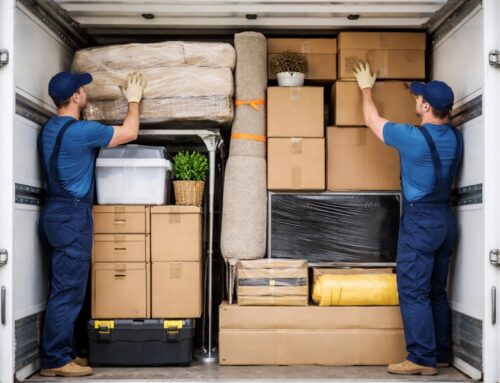
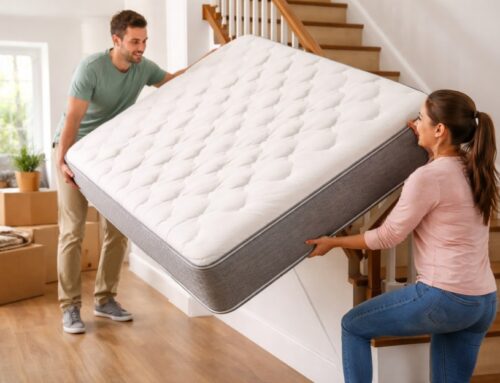
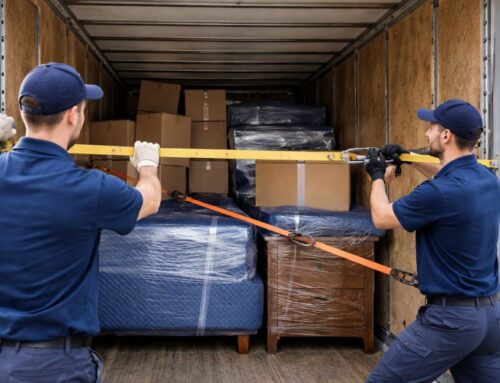
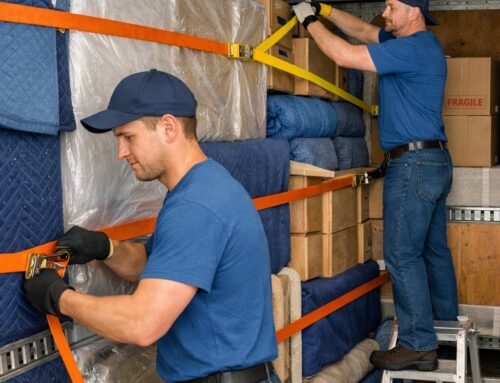
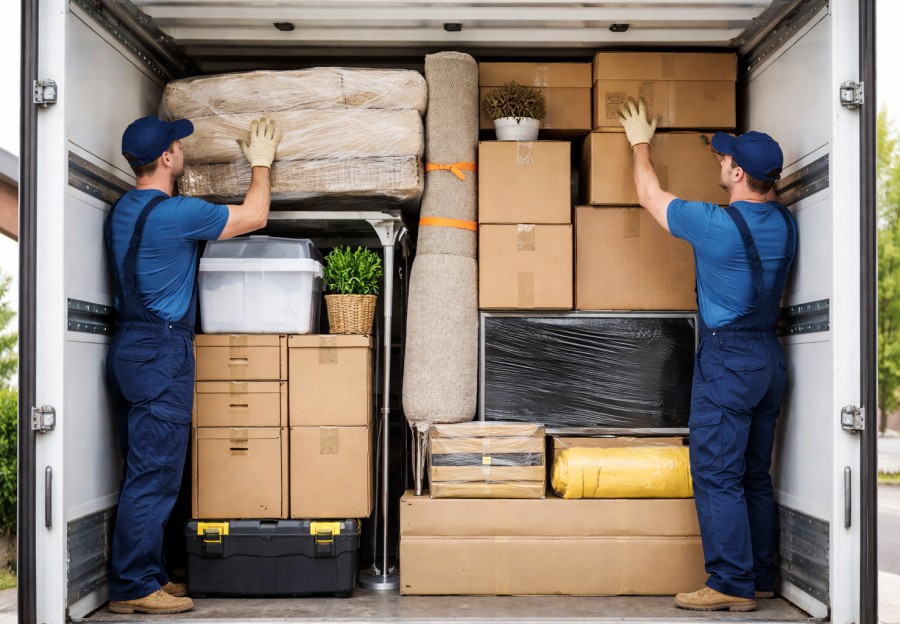
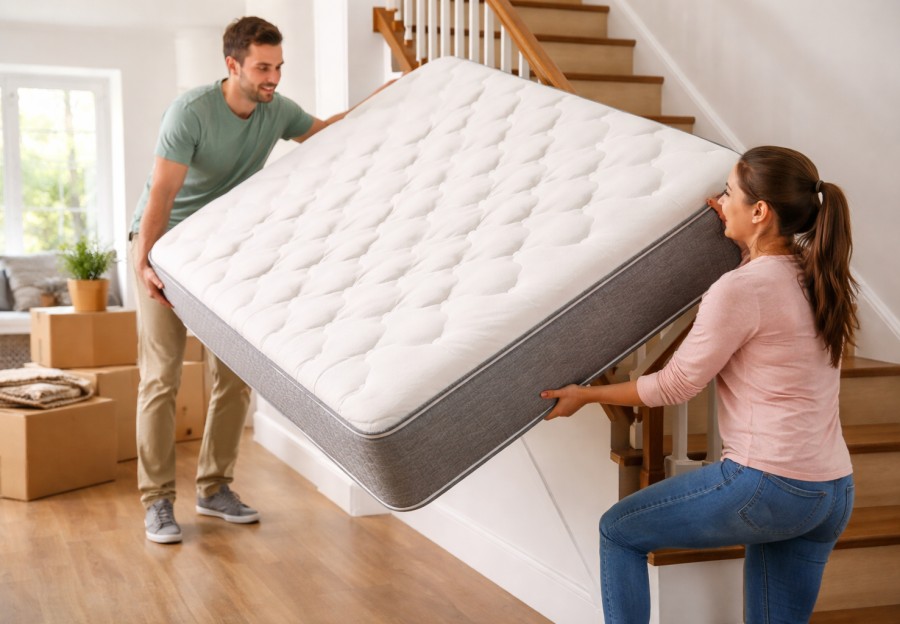
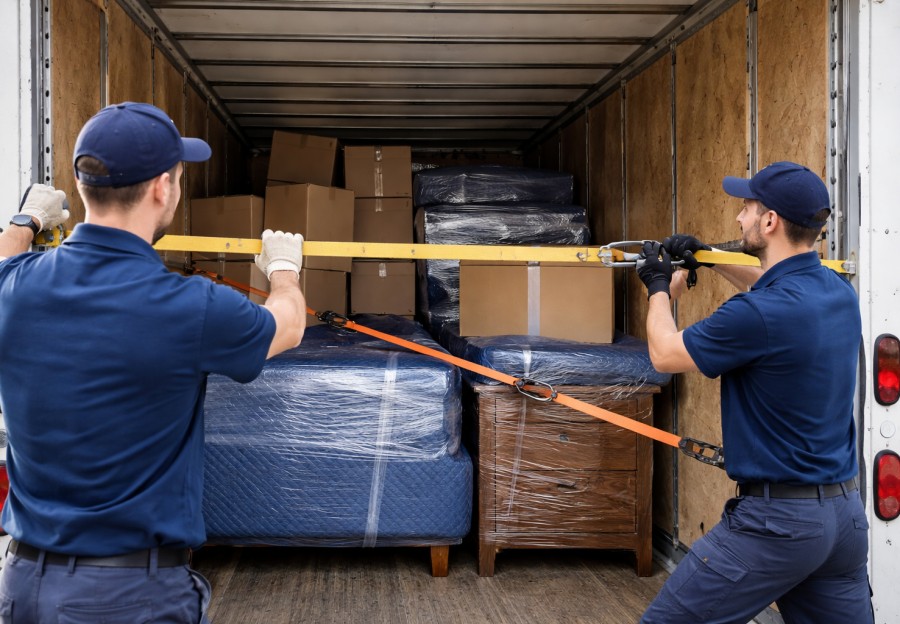
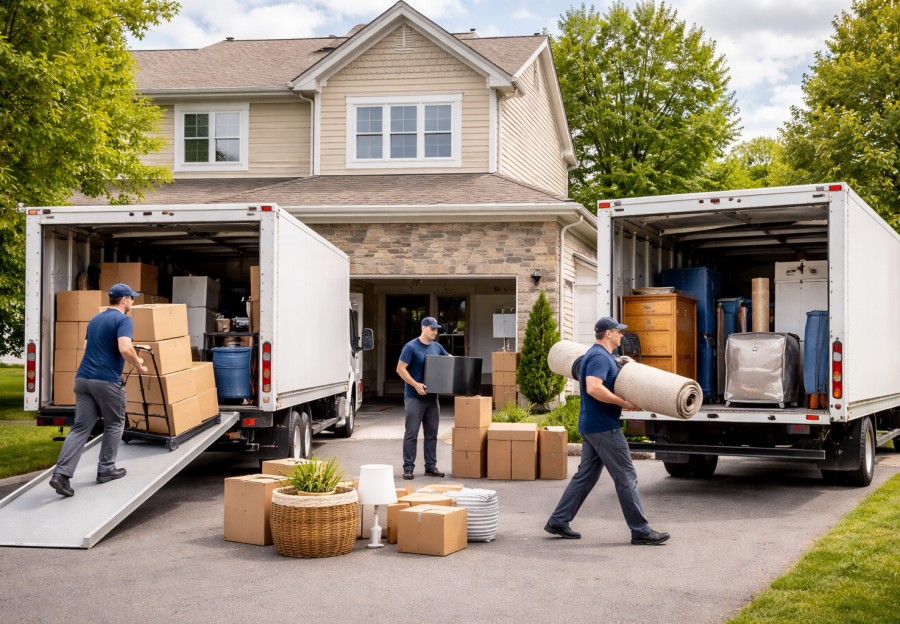
Truck placement plays a meaningful role. Avoid placing climate sensitive items directly against exterior metal walls where solar heating and nighttime cooling are most extreme. Place them toward the center of the load, buffered by furniture and mattresses that act as thermal mass and vibration dampers. Transportation safety research shows that central load placement reduces exposure to temperature extremes and shock.
Short distance moves still carry risk. Even a two hour drive can expose items to temperature spikes and humidity swings if the truck sits in sun during loading or traffic delays. Do not assume short duration equals safe conditions.
If you have high value or highly sensitive items, personal transport in a climate controlled vehicle may be the safest option. Wine logistics studies consistently show that temperature stability is the single most important factor in preserving quality during transport. Electronics reliability testing shows that corrosion and solder joint stress increase when humidity cycling occurs, even without direct water exposure.
Storage decisions deserve extra scrutiny. Not all climate controlled units provide tight environmental control. Many maintain general temperature ranges but allow humidity fluctuation when doors open frequently. Storage facility audits show that humidity control varies widely by building age and HVAC design. Ask for specific temperature and humidity ranges rather than assuming consistent control.
If items must enter storage, elevate them off concrete floors where temperature and moisture transfer are higher. Concrete transmits ground moisture and cold efficiently. Materials engineering studies show that direct contact with concrete increases condensation risk on cooler surfaces. Pallets or shelving create airflow and thermal separation.
Inspection before packing helps prevent existing issues from worsening. Look for existing moisture damage, mold, cracked finishes, or corroded contacts. Address minor issues before packing rather than sealing problems into a warm dark environment where they can accelerate.
Cleaning before packing reduces biological growth risk. Organic residue supports mold and bacteria growth quickly in warm humid environments. Microbiology research shows that mold colonies can establish within 24 to 48 hours under favorable conditions. Dry surfaces thoroughly before wrapping.
Documentation protects value and insurance outcomes. Photograph condition before packing and record serial numbers for electronics or instruments. Insurance claim studies show that documentation improves resolution speed and reduces disputes when damage occurs.
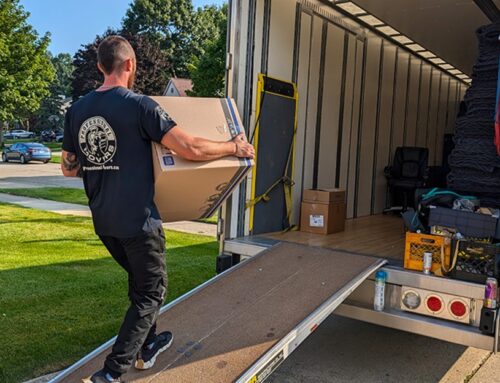
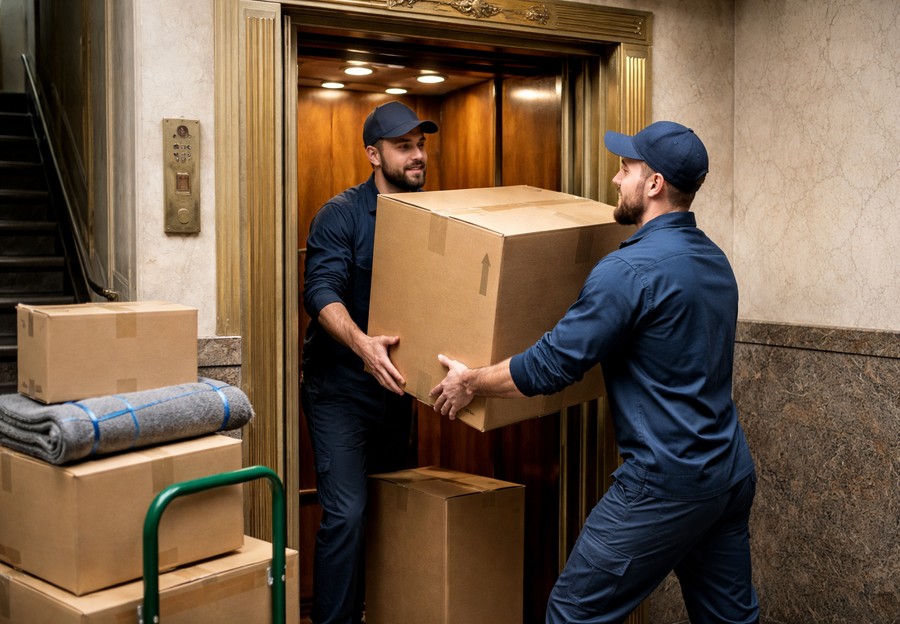
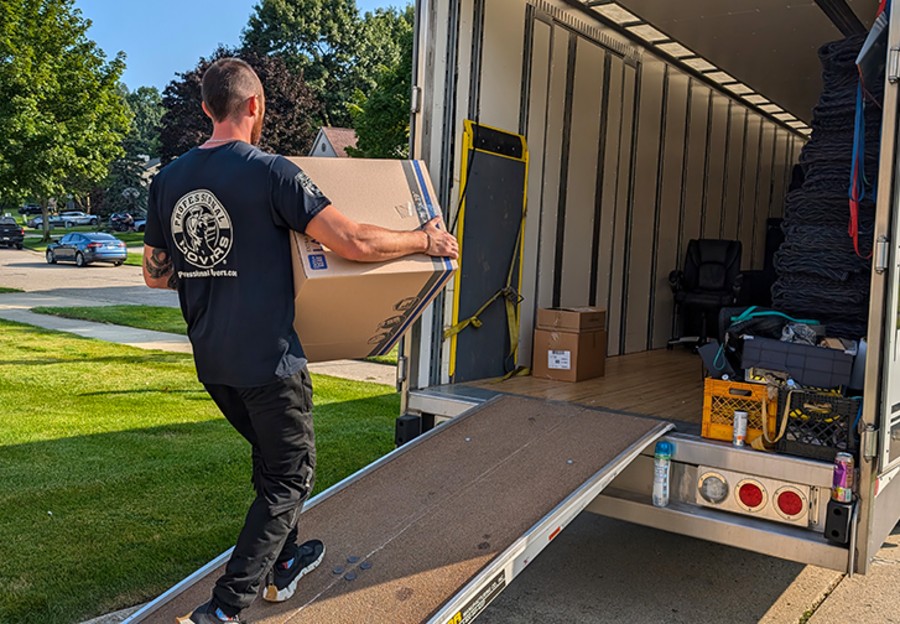
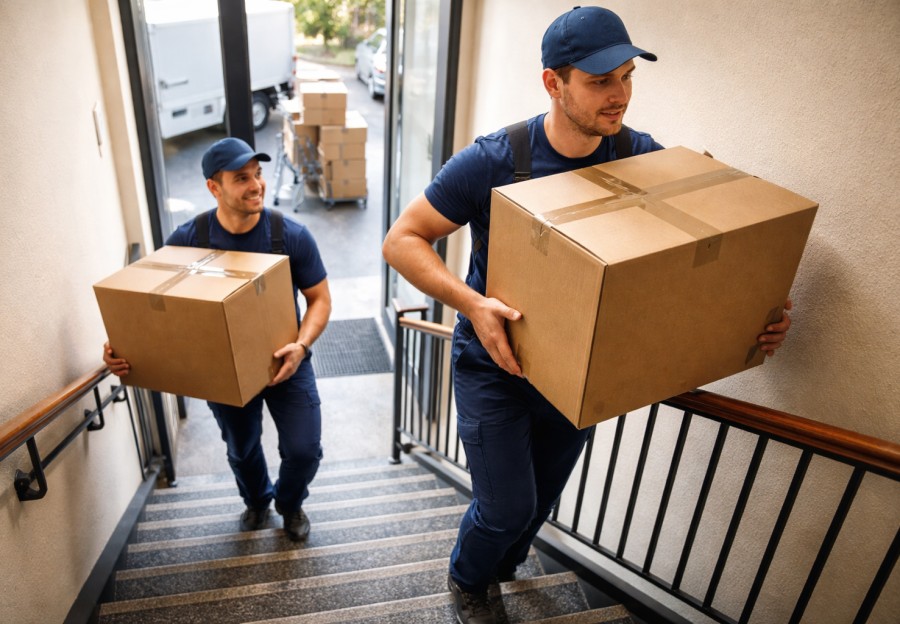
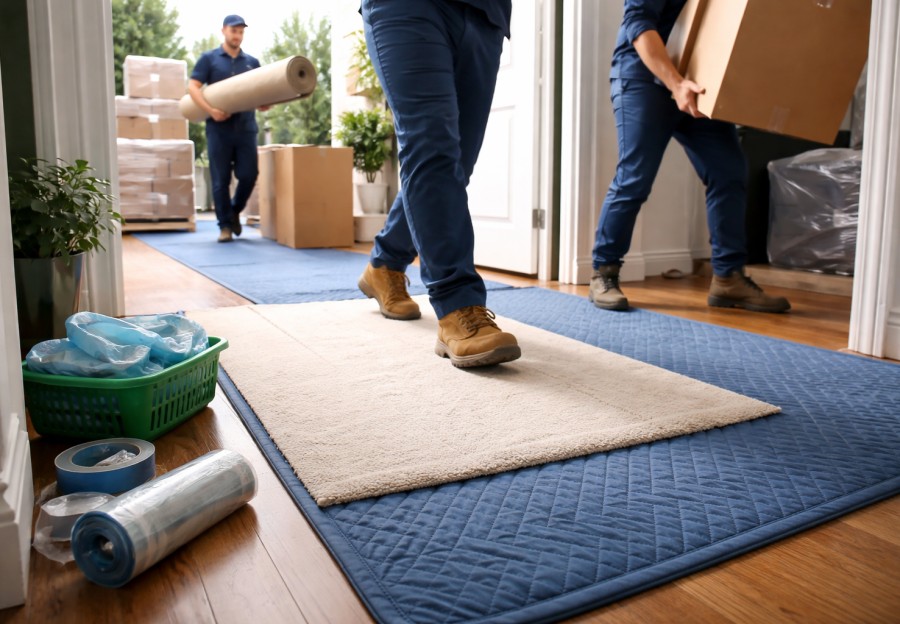
Unloading should prioritize climate sensitive items early. Do not leave them sitting in a hot truck while furniture is staged. Move them directly into the controlled indoor environment whenever possible.
Acclimation matters after arrival. Rapid temperature changes create condensation on cool surfaces and stress on materials. Allow items to rest in their packaging for a short period so temperatures equalize gradually. Materials science research shows that gradual equilibration reduces micro cracking and moisture condensation risk, especially for glass, wood, and electronics.
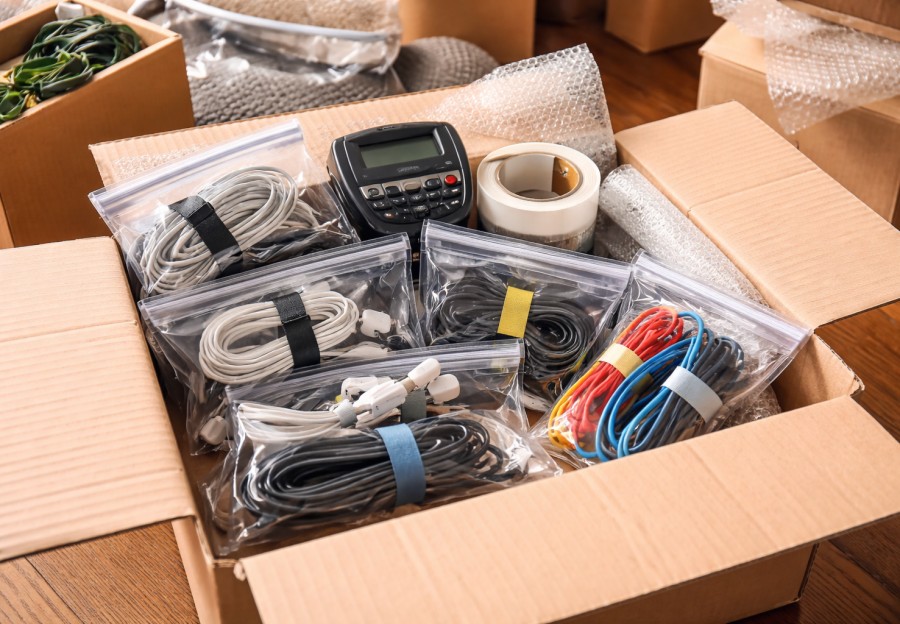
Powering on electronics immediately after exposure to cold can cause internal condensation to short sensitive circuits. Electronics service guidelines often recommend allowing devices to reach room temperature before powering on to prevent moisture related failure.
Musical instruments benefit from humidity stabilization before tuning. Wood instruments respond slowly to moisture changes. Instrument manufacturer guidelines commonly recommend allowing several hours to days for acclimation before fine tuning to prevent structural stress and tuning drift.
Wine and beverages should be allowed to settle after movement and temperature change before opening. Enology studies show that agitation and temperature fluctuation can temporarily disturb sediment and pressure equilibrium.
Long term placement in the new home influences future stability. Avoid placing sensitive items near exterior walls, heating vents, direct sunlight, or drafty windows. Indoor environmental monitoring studies show that these zones experience greater temperature and humidity fluctuation than interior rooms.
Financial implications reinforce careful handling. Repairing warped artwork, cracked instruments, corroded electronics, or spoiled wine often costs far more than preventive packing measures. Consumer repair surveys show that specialty repairs frequently exceed several hundred or thousands of dollars depending on item value and complexity.
There is also a health dimension. Mold growth in packed items can trigger respiratory irritation and allergies. Indoor air quality research links hidden mold contamination to long term health complaints in residential environments.
Environmental responsibility matters as well. Preserving existing items reduces replacement manufacturing demand and landfill waste. Sustainability studies consistently show that extending product lifespan has greater environmental benefit than recycling after premature failure.
Psychologically, losing sentimental or irreplaceable items due to preventable climate damage creates lasting frustration. Behavioral research shows that loss of sentimental objects amplifies stress during life transitions more than purely financial losses.
The core principle is managing exposure rather than trying to eliminate it completely. You cannot fully control outdoor temperatures or truck interiors, but you can shorten exposure time, buffer temperature and humidity changes, immobilize items to reduce vibration, choose breathable packaging, and place items strategically in the load.
Preparation makes the difference between items arriving stable and items arriving compromised. Identify what needs protection. Clean and dry thoroughly. Use layered breathable padding. Control internal movement. Add humidity buffering when needed. Place items away from exterior walls. Reduce dwell time. Unload early. Allow acclimation before use.
Handling climate sensitive belongings well does not require exotic materials or complex equipment. It requires awareness of how heat, moisture, and vibration interact with real materials over time. When you respect those forces and plan accordingly, even delicate and valuable items move safely through imperfect environments.
A move always brings uncertainty, but climate damage does not need to be one of the risks you accept. Thoughtful preparation preserves function, value, health, and peace of mind long after the boxes are unpacked and the truck has driven away.