April 18, 2026
Safe disassembly tips for bunk beds
Bunk beds save space and add flexibility, but they become one of the most awkward pieces of furniture to take apart during a move. They combine height, weight, multiple fasteners, guard rails, ladders, and sometimes built in storage. When rushed or handled incorrectly, they can damage walls, floors, or worse, cause injuries. Taking the time to disassemble a bunk bed safely protects both people and the frame so it can be reassembled securely in the new home.
The injury risk is real. Home safety data consistently shows that furniture related lifting and tip overs contribute to a significant number of household injuries each year, especially strains, finger pinches, and foot injuries. Bunk beds amplify this risk because long rails act like levers, and stacked sections shift suddenly when bolts loosen. Even a small unexpected shift in a tall frame multiplies force due to leverage. Physics explains this clearly. Torque increases with length, so a long rail moving unexpectedly creates more momentum than a short one.
Before touching any tools, clear the area around the bed. Give yourself enough space to lay parts flat once removed. Tripping hazards increase dramatically when hardware, rails, and slats pile up in tight spaces. Occupational safety studies show that cluttered work zones raise accident rates noticeably during manual tasks. Good lighting also matters. Visual perception research shows that poor lighting increases misjudgment of depth and tool alignment, which leads to stripped screws and sudden slips.
Start by removing all bedding and mattresses. Mattresses trap dust and shift weight unexpectedly when you try to work around them. Removing them reduces clutter and improves visibility of joints and fasteners. It also lowers the chance of tripping or losing small hardware in fabric folds.
If the bunk bed has a ladder, guard rails, or detachable storage components, remove those first. These pieces usually carry less structural load and come off easily. Removing them reduces leverage forces acting on the main frame. Furniture engineering studies show that reducing protruding mass improves stability during partial disassembly.
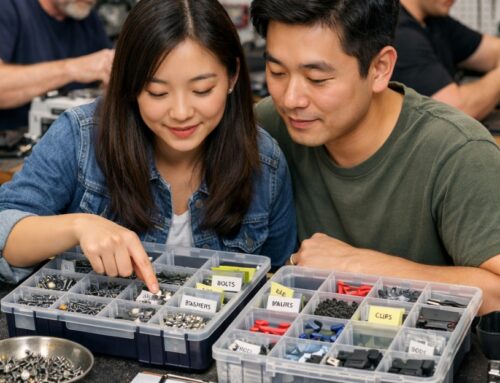
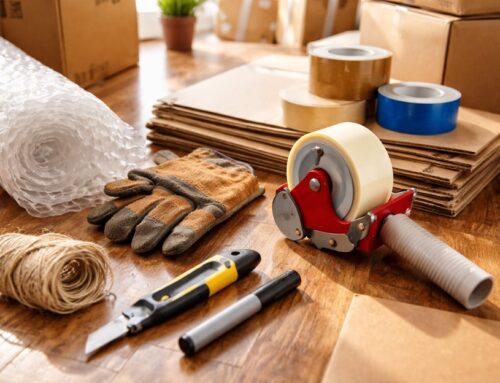
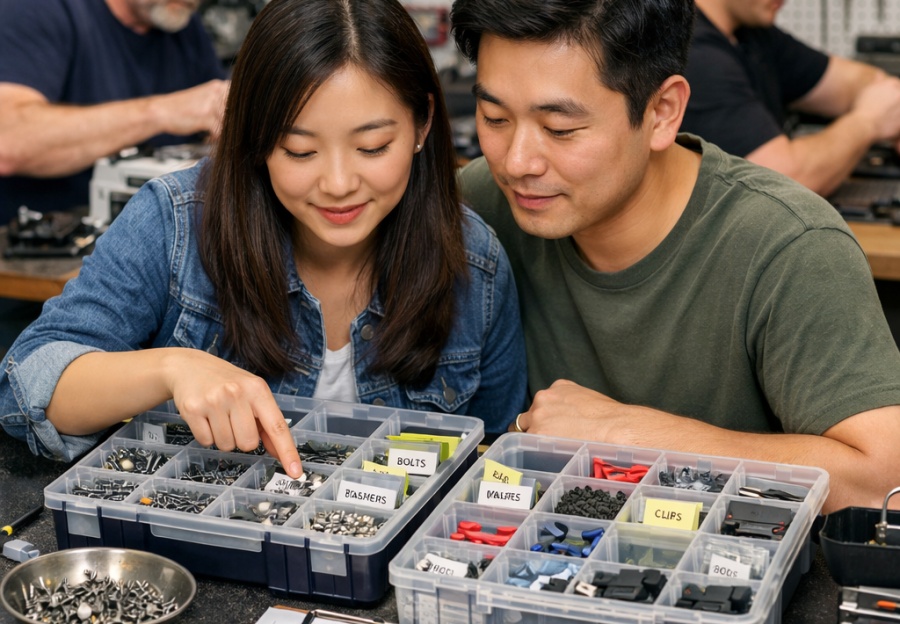
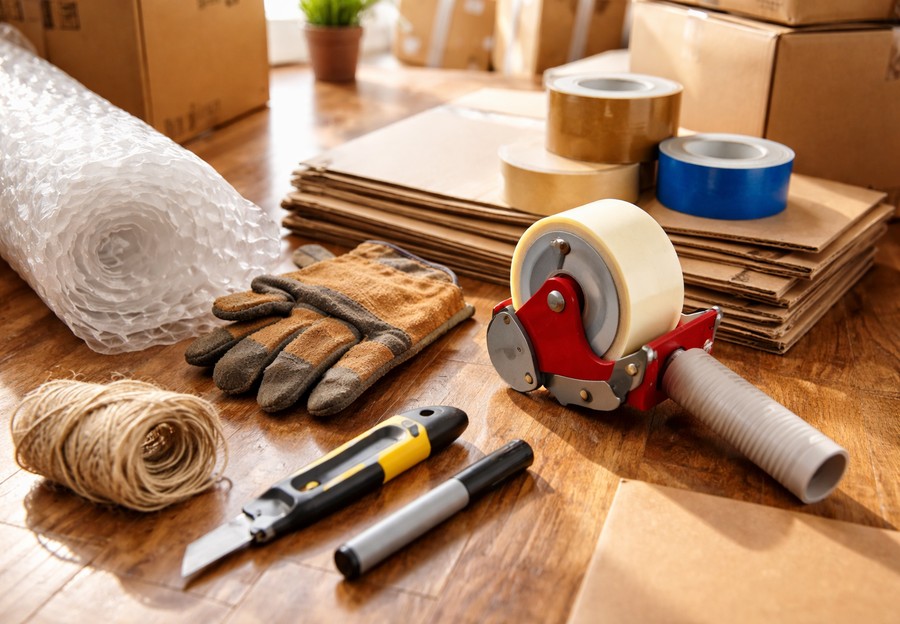
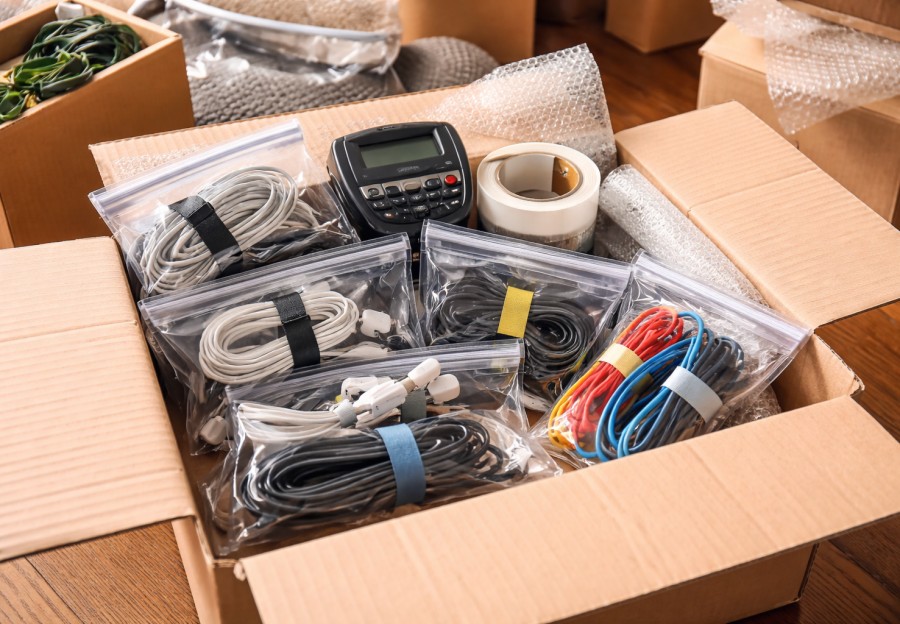
Use the correct tools rather than improvising. Many bunk beds rely on hex bolts, cam locks, or specialty fasteners. Using the wrong size tool rounds edges and makes removal harder, increasing frustration and injury risk. Consumer tool safety data shows that stripped fasteners are a leading cause of hand slips and minor lacerations during DIY projects. Keep a small container or labeled bags ready to hold hardware immediately as it comes off. Assembly error research consistently shows that lost hardware is one of the biggest causes of unstable reassembly later.
Photograph each joint before loosening it. Visual documentation helps during reassembly and reduces guesswork about orientation and washer placement. Cognitive research shows that visual references outperform memory when reconstructing complex assemblies after time gaps. This is especially helpful if the move takes several days.
Work from the top down. The upper bunk rails, guard rails, and slats should come off before separating the main posts. Gravity works against you if you remove lower supports too early. Structural mechanics research shows that unsupported frames redistribute load unpredictably, which increases sudden movement risk.
As you loosen bolts, keep a firm hand on the connected pieces. Do not assume the frame will stay balanced on its own. Wood joints often release tension suddenly when the last thread disengages. This is where finger pinches and falling rails occur most often. Hand injury statistics show that pinch points account for a large share of minor but painful moving injuries.
If the bed includes metal cross braces or tension rods, release tension slowly. These components store energy under load. Releasing them abruptly can cause snapping movement. Materials testing shows that stored elastic energy releases rapidly once restraint is removed, which surprises many people during disassembly.
Slats should be bundled together once removed. Loose slats create tripping hazards and can warp if leaned unevenly against walls. Wood deformation studies show that long thin boards bend permanently if stored under uneven load for extended periods.
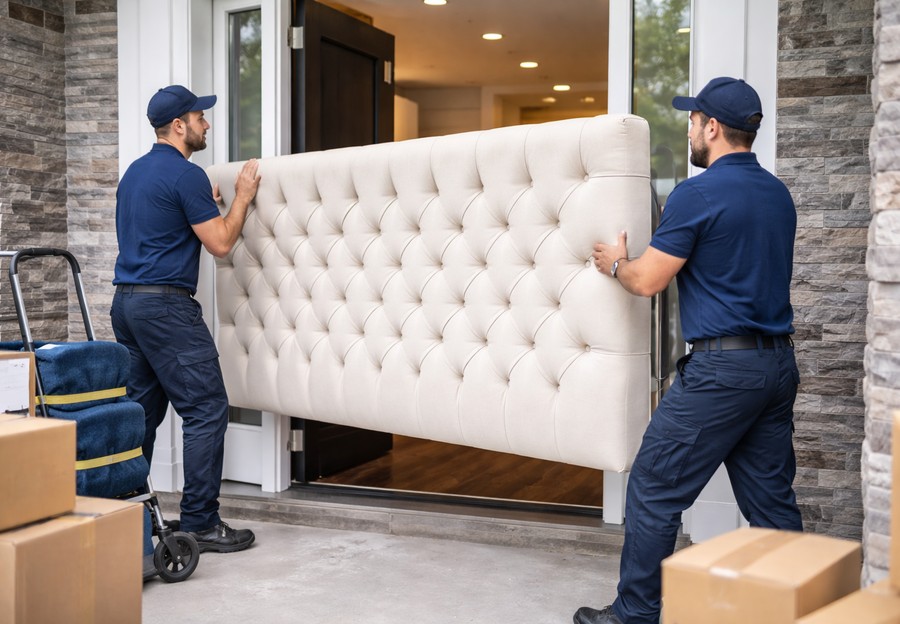
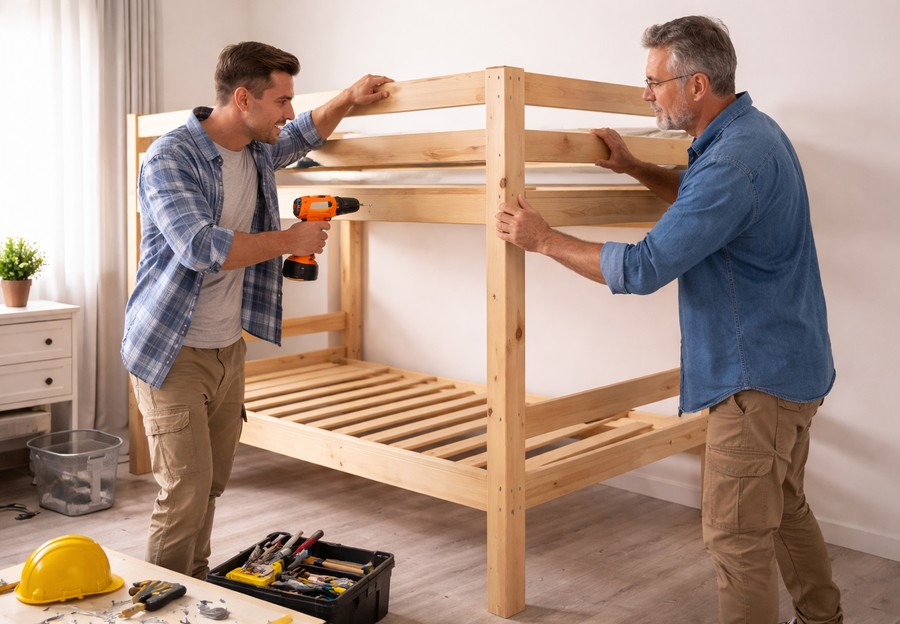
When separating the two bunk sections, always have at least one helper stabilize the frame. Even lightweight bunk beds become awkward when tall vertical posts start moving. Biomechanics research shows that stabilizing tall loads requires more coordination than lifting compact loads of the same weight. Communication between helpers prevents sudden shifts.
If the bed has been assembled for many years, expect some resistance. Wood fibers compress over time, making joints tighter. Avoid hammering aggressively on finished surfaces. Use gentle tapping with a rubber mallet and padding to protect finishes. Impact testing shows that rubber mallets distribute force more evenly than metal hammers, reducing dent risk.
Watch for hidden fasteners. Some beds use decorative caps that hide bolts. Forcing parts without finding all fasteners can crack wood or bend metal brackets. Furniture repair surveys show that cracked joints are one of the most expensive failures to fix after improper disassembly.
Children’s bunk beds sometimes include safety locking mechanisms or anti wobble brackets attached to walls. Detach these carefully and patch wall anchors later if needed. Anchors left in place can catch clothing or cause scratches during moving traffic.
Label major components clearly. Upper rails, lower rails, headboard ends, footboard ends, ladder orientation, and left versus right parts can look identical after packing. Logistics studies show that clear labeling reduces sorting and reassembly errors by roughly 25 to 30 percent in complex handling environments.
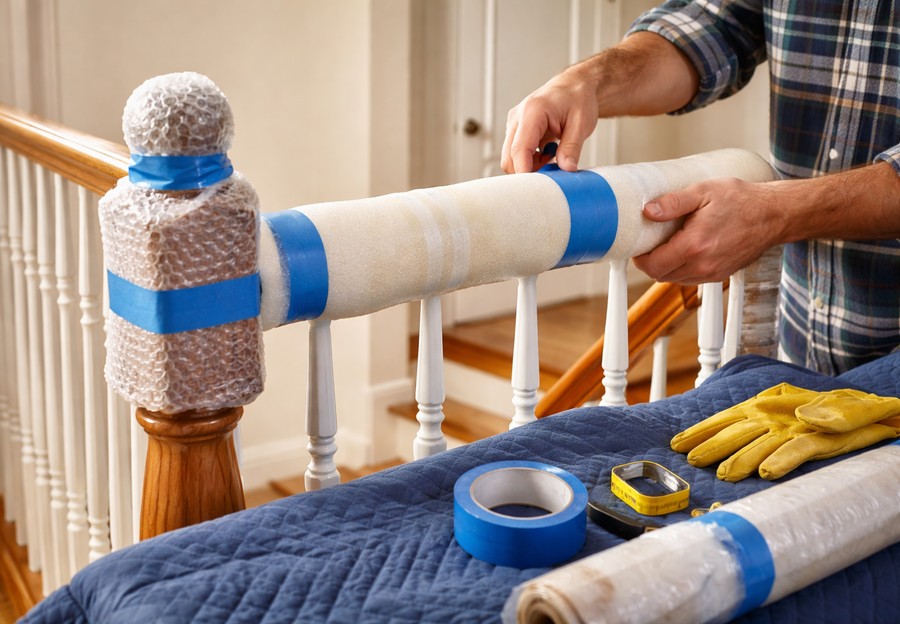
Protect exposed threads and hardware holes. Wrapping threaded ends lightly prevents bending during transport. Bent threads make reassembly difficult and may compromise structural integrity.
If the bed includes integrated desks or storage drawers, remove those separately. These add weight and create awkward leverage when attached. Drawer slides can bend under vibration if left installed.
Stack parts flat when possible rather than leaning tall sections upright where they can tip. Tip over incidents cause both damage and injury. Home safety data consistently shows furniture tip overs remain a common household hazard.
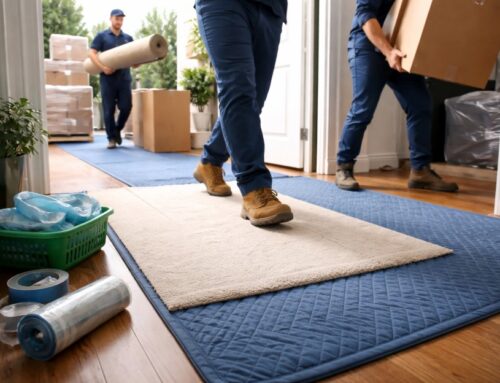
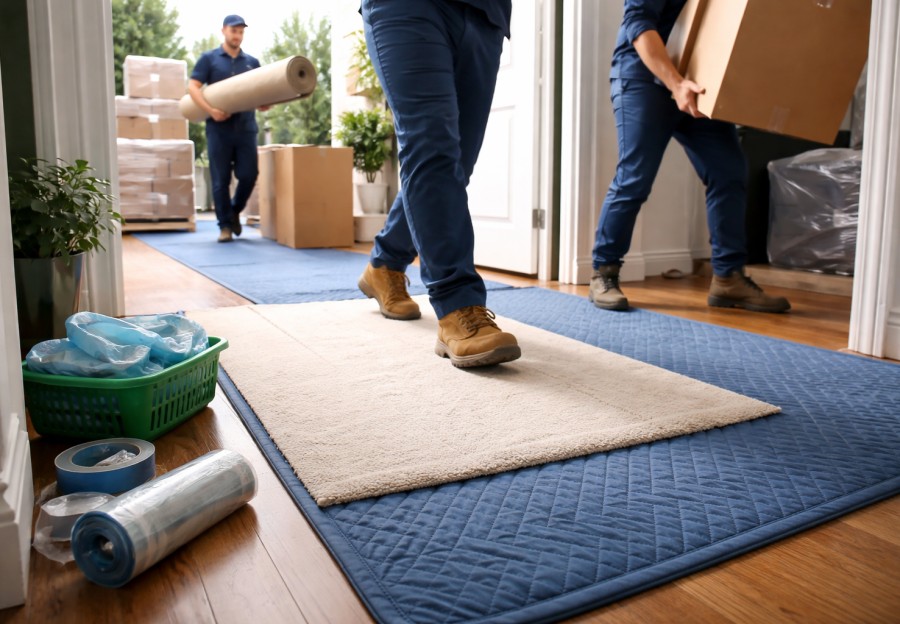
Be mindful of floor protection during disassembly. Dropped bolts, sliding rails, and metal brackets scratch flooring easily. Flooring damage repair surveys show that refinishing costs can escalate quickly even from small scratches. Using cardboard or drop cloths protects surfaces during work.
Take breaks if the process becomes frustrating. Fatigue increases error rates and reduces grip strength. Occupational fatigue studies show that injury risk rises significantly after prolonged manual work without rest. Slow steady progress is safer than rushing.
If the bunk bed is older or shows structural wear, inspect joints as you disassemble. Cracks, stripped holes, or loose dowels may require reinforcement before reassembly. Furniture durability research shows that repeated disassembly weakens joints over time. Planning minor repairs early improves long term safety for children.
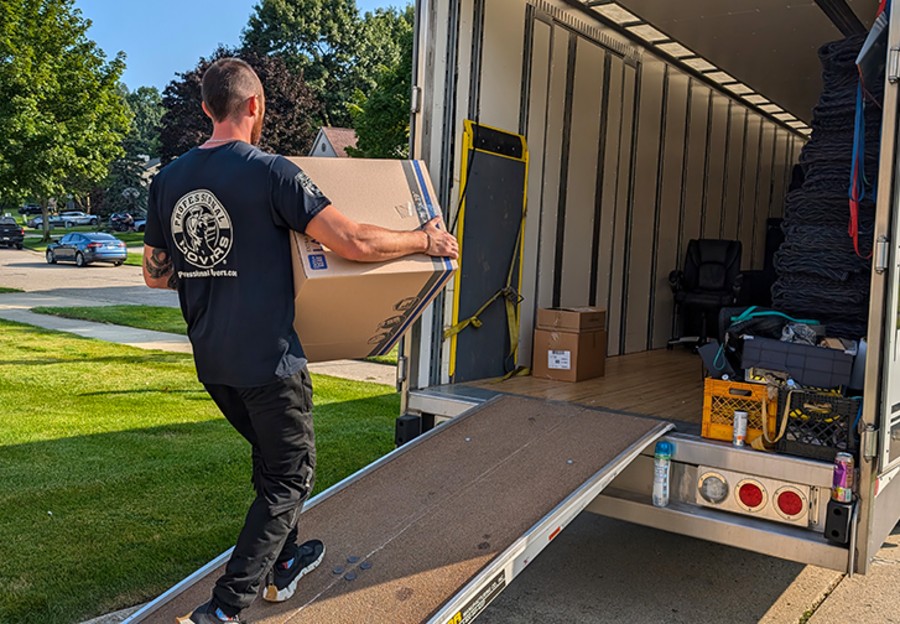
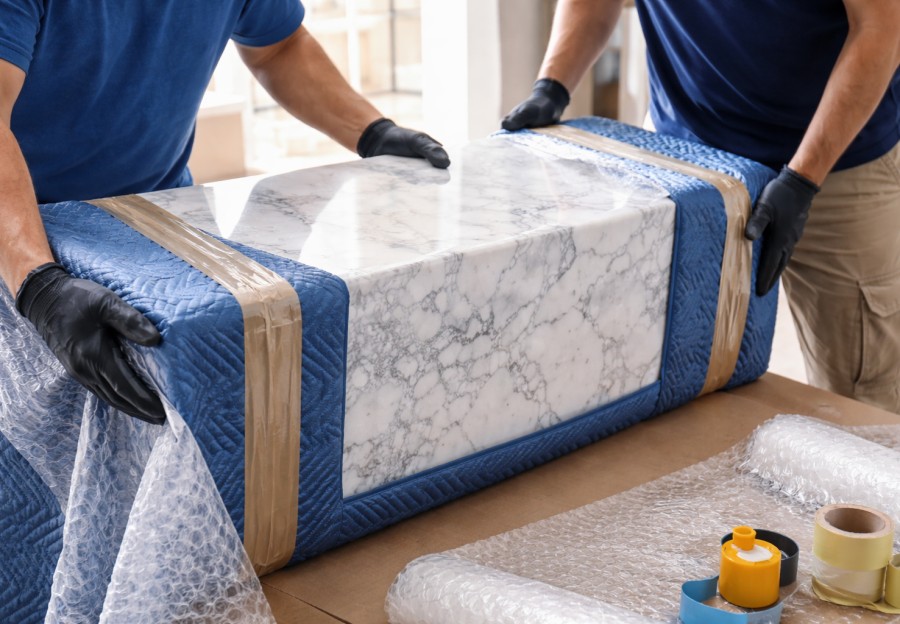
Transport the disassembled parts securely. Long rails should be padded and tied together to prevent flexing and surface damage. Hardware bags should be taped to one of the main frame pieces so they remain together. Vibration studies show that loose metal parts inside boxes increase abrasion and puncture risk.
When you arrive at the new home, allow wood parts to acclimate to indoor temperature and humidity before reassembly. Wood expands and contracts with moisture changes. Materials science research shows that sudden environmental shifts increase joint stress and misalignment. A short acclimation period improves fit and stability.
Reassembly should follow the reverse order of disassembly, tightening bolts gradually rather than fully tightening one joint at a time. Even torque distribution improves frame alignment and reduces long term squeaking or wobble. Mechanical assembly guidelines consistently recommend staged tightening for structural stability.
After reassembly, perform a stability check. Gently shake the frame and listen for movement or creaking. Safety standards for bunk beds emphasize rigidity to prevent collapse or entrapment hazards. If anything feels loose, retighten before allowing use.
From a cost perspective, safe disassembly protects both the furniture and the home. Repairing cracked rails, stripped threads, or damaged flooring often costs far more than the small amount of time invested in careful handling. Consumer repair surveys show that furniture structural repairs frequently reach several hundred dollars, especially for hardwood frames.
Environmental responsibility matters too. Bunk beds represent a significant amount of wood and metal. Extending their lifespan through careful handling reduces replacement demand and landfill waste. Sustainability studies consistently show that preserving durable goods offers greater environmental benefit than recycling after damage.
There is also peace of mind. Knowing the bed will reassemble safely and remain stable for children improves confidence after the move. Behavioral research shows that perceived safety and order reduce stress during transitions, especially in households with kids.
Safe disassembly is not about speed. It is about control, awareness of load behavior, and respecting how materials respond to force. Clear workspace, correct tools, top down sequencing, controlled tension release, labeling, stabilization support, and patient pacing transform what could be a risky task into a predictable one.
Bunk beds may look simple, but they behave like small structures when assembled. Treating them with the same care you would any structural system protects your family, your investment, and your sanity during the move. When the bed goes back together solidly in the new home and feels just as stable as before, the extra care taken during disassembly proves its value quietly and completely.