
April 26, 2026
How to move super-heavy appliances without injury
Moving a refrigerator, washer, dryer, or commercial freezer is one of the most injury prone tasks in a home move. These machines look manageable until you feel their true mass and awkward balance. A full size refrigerator often weighs between 250 and 350 pounds. Front load washing machines regularly exceed 200 pounds because of concrete counterweights inside the drum. Commercial style ranges and built in freezers can push well past 400 pounds. When that much weight shifts unexpectedly, muscles and joints absorb the force in ways the body is not designed to handle.
The injury data makes this clear. The Bureau of Labor Statistics consistently reports that overexertion and bodily reaction account for roughly one third of all workplace injuries, and manual material handling is one of the leading contributors. Back strains, shoulder injuries, and crushed fingers are especially common when people try to move heavy objects without proper control. Emergency department data shows that home related lifting injuries spike during moving seasons, especially in spring and summer when most relocations occur.
The first principle of moving heavy appliances safely is respecting physics rather than fighting it. Gravity, momentum, friction, and center of mass always win. Your goal is not to overpower the load but to manage how those forces flow through the system. When you control direction, speed, and contact points, the load becomes predictable instead of dangerous.
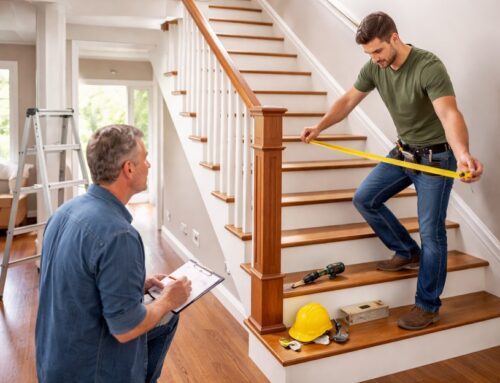
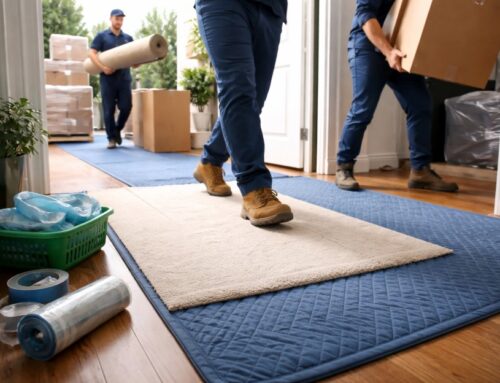
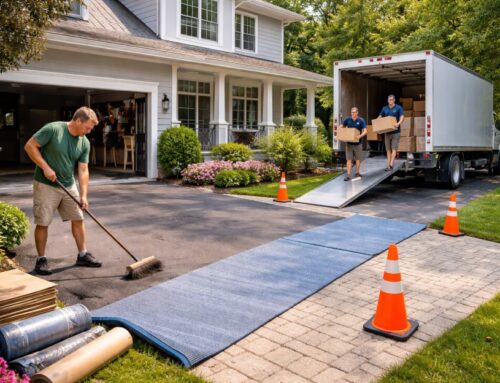
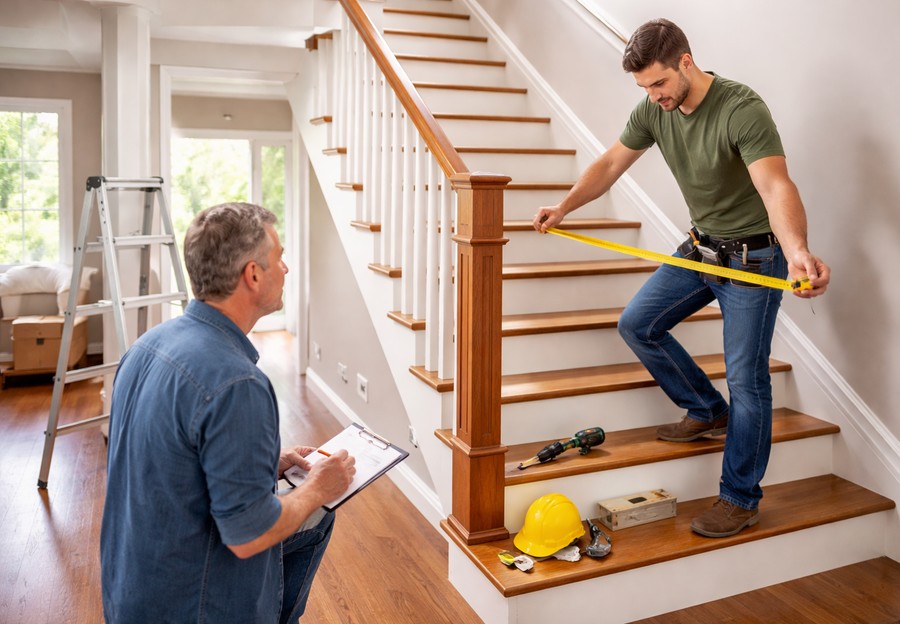
Preparation starts with clearing the path. Remove rugs, cords, loose shoes, and small furniture from the route. Slips and trips are one of the most common triggers for sudden load loss. Occupational safety studies show that even small floor obstructions dramatically increase fall risk when carrying heavy loads. Measure doorways, hallways, and tight turns in advance so you are not forced into last second twisting or tilting under weight.
Next comes appliance preparation. Unplug and disconnect water or gas lines well ahead of time so hoses can drain and coils can dry. Secure loose parts such as shelves, doors, and cords so they do not swing or shift. Unexpected movement changes the center of mass mid carry, which increases strain and tipping risk. Materials handling research shows that unstable loads are significantly more likely to cause musculoskeletal injury than stable ones of the same weight.
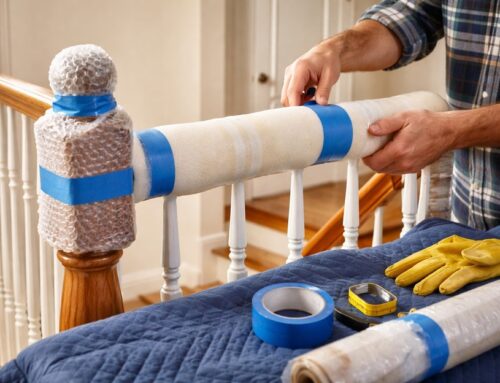
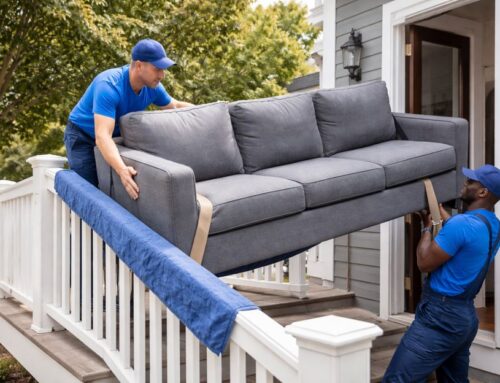
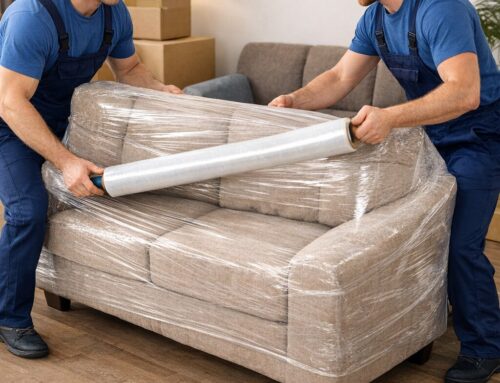
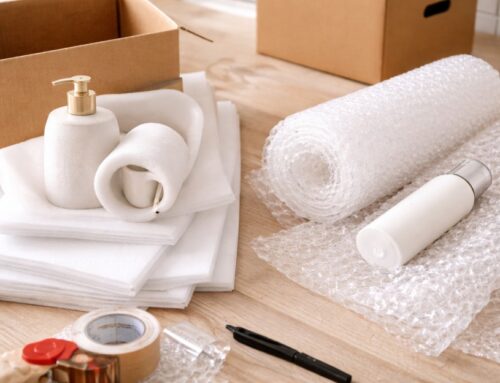
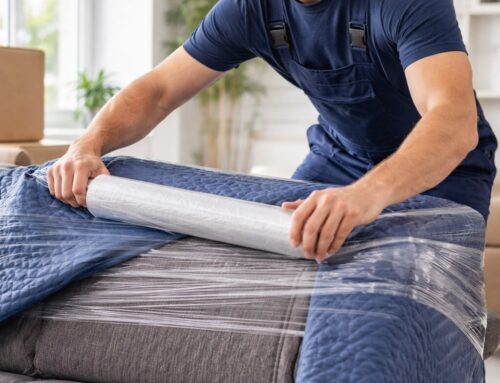
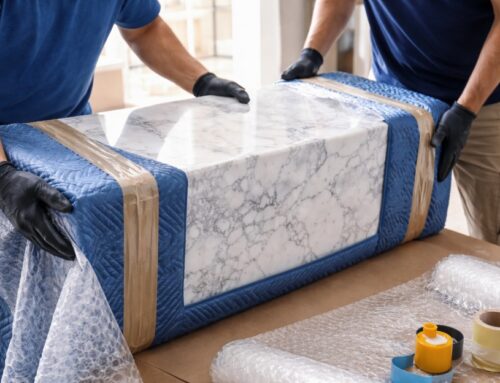
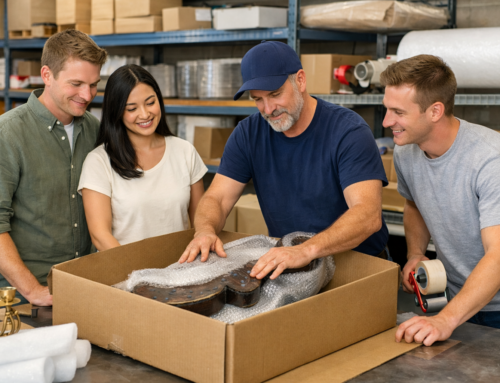
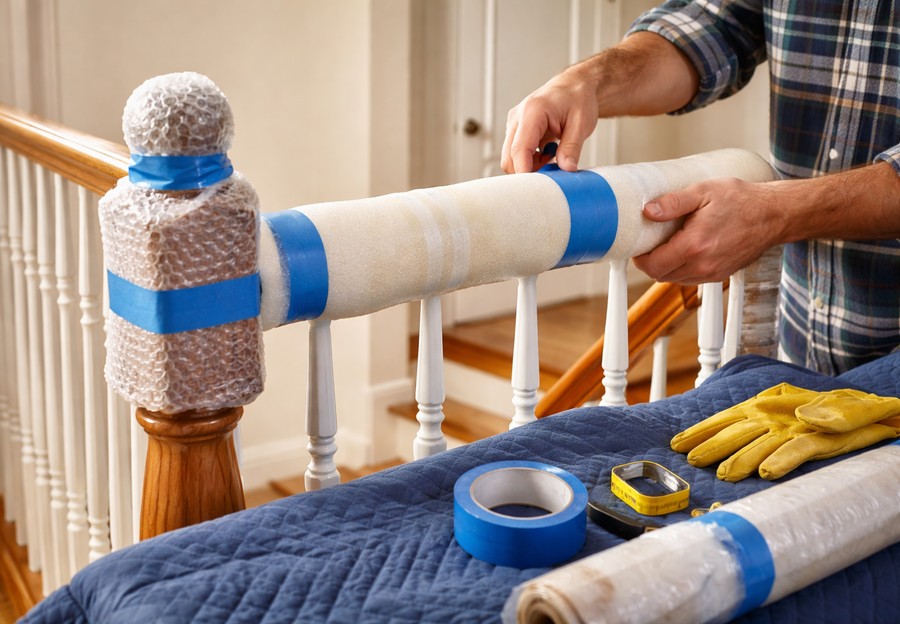
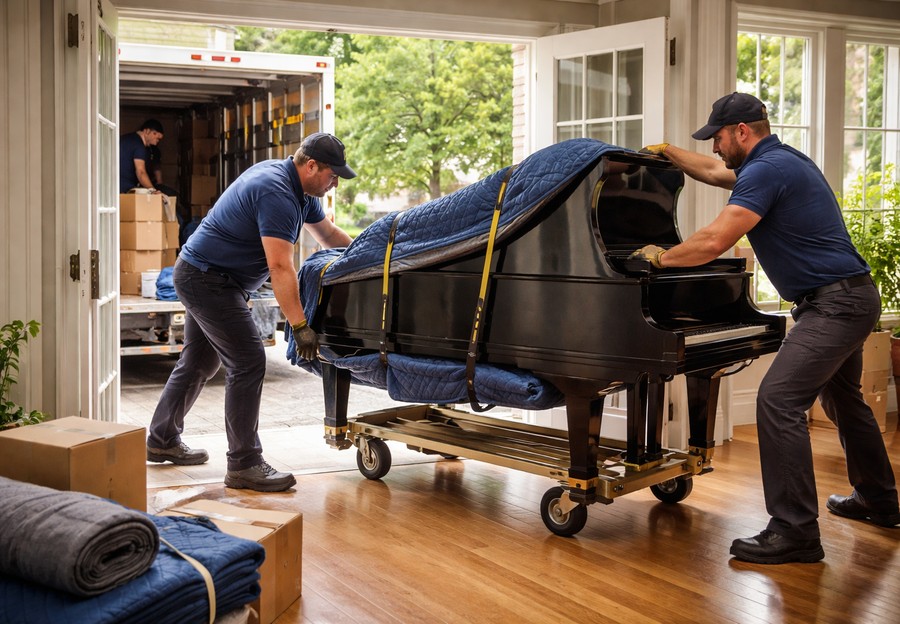
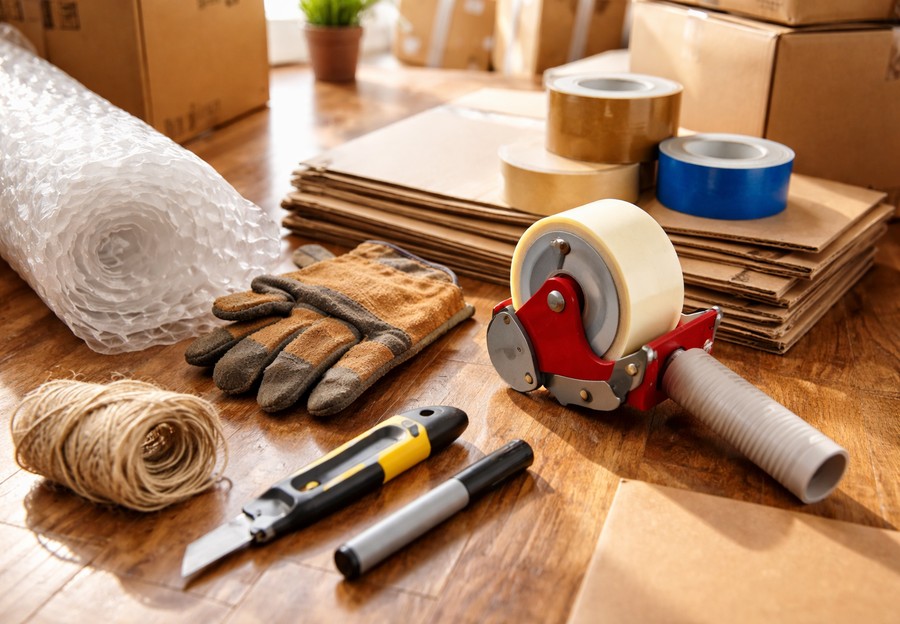
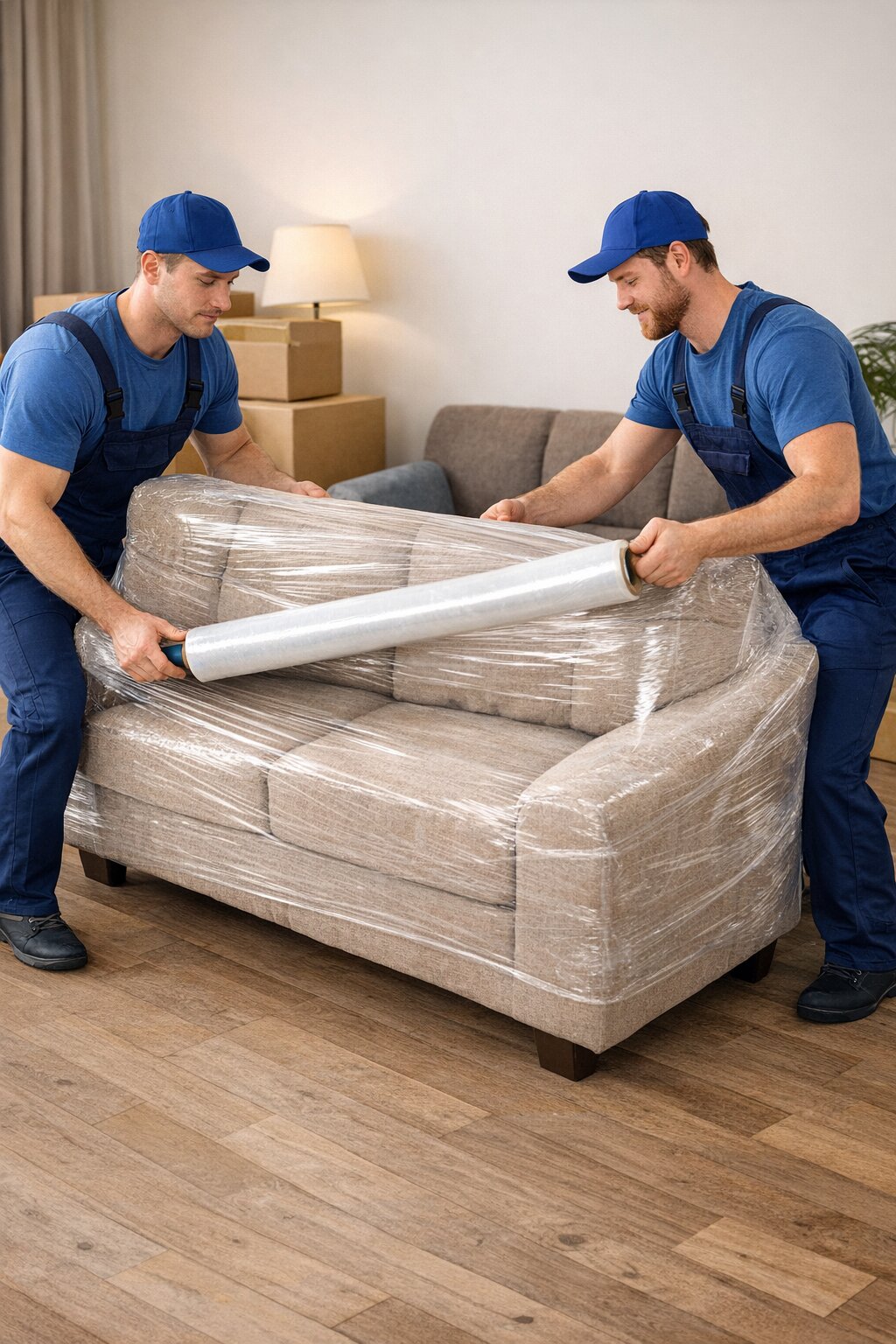
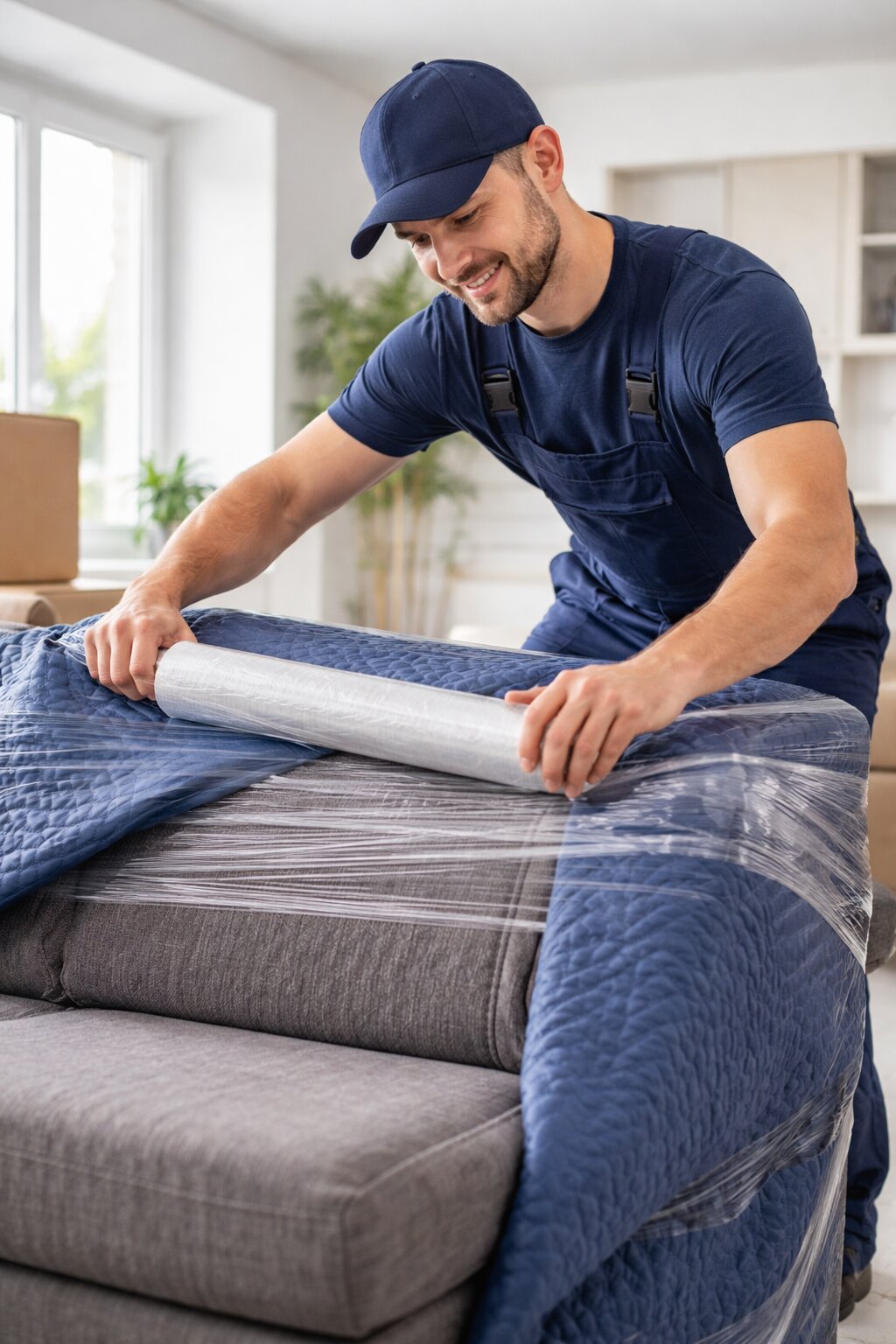
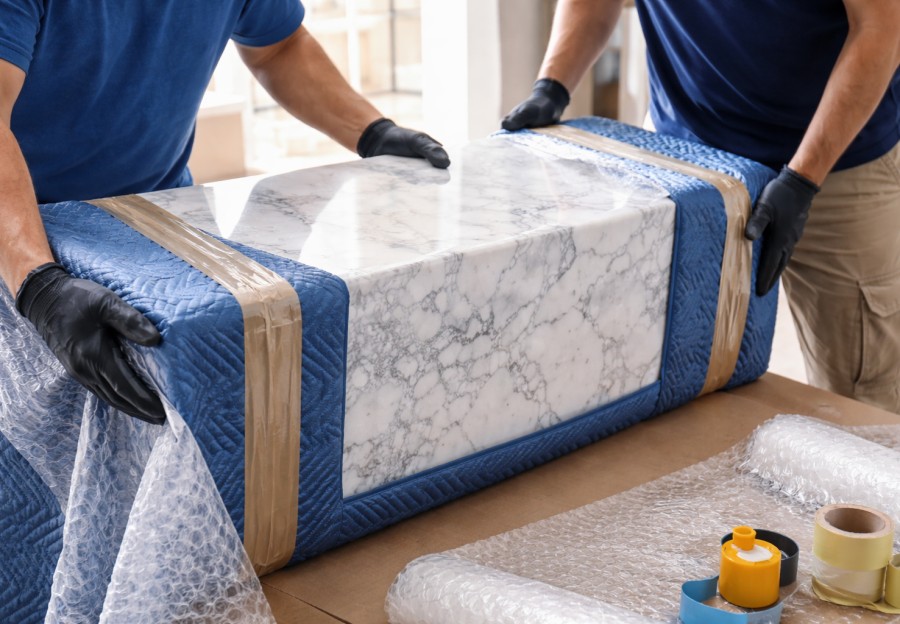
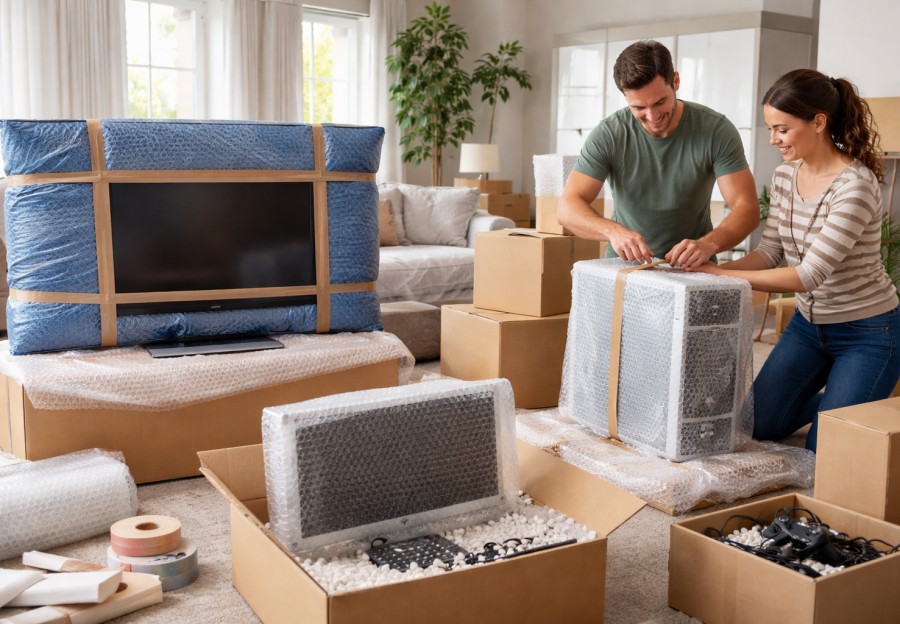
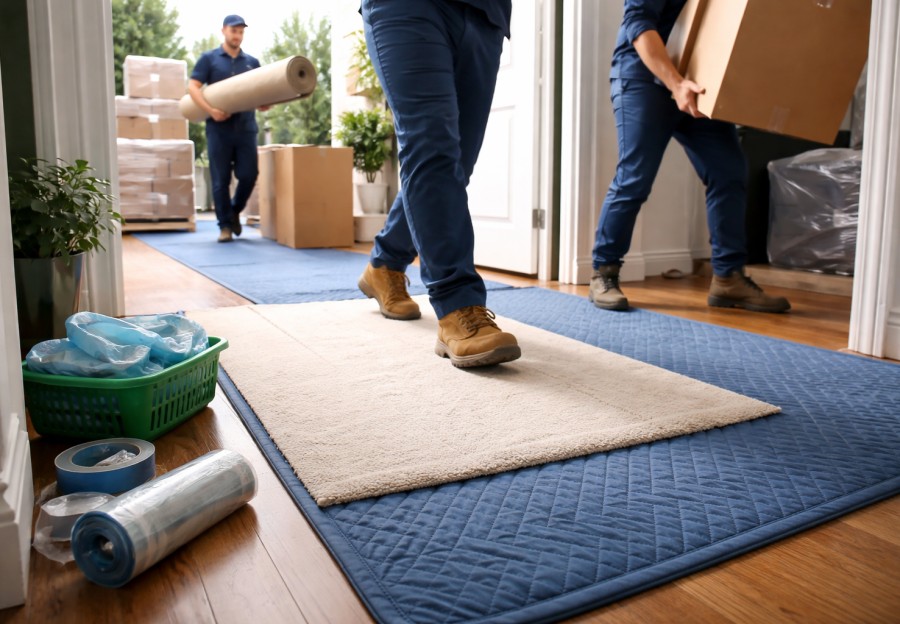
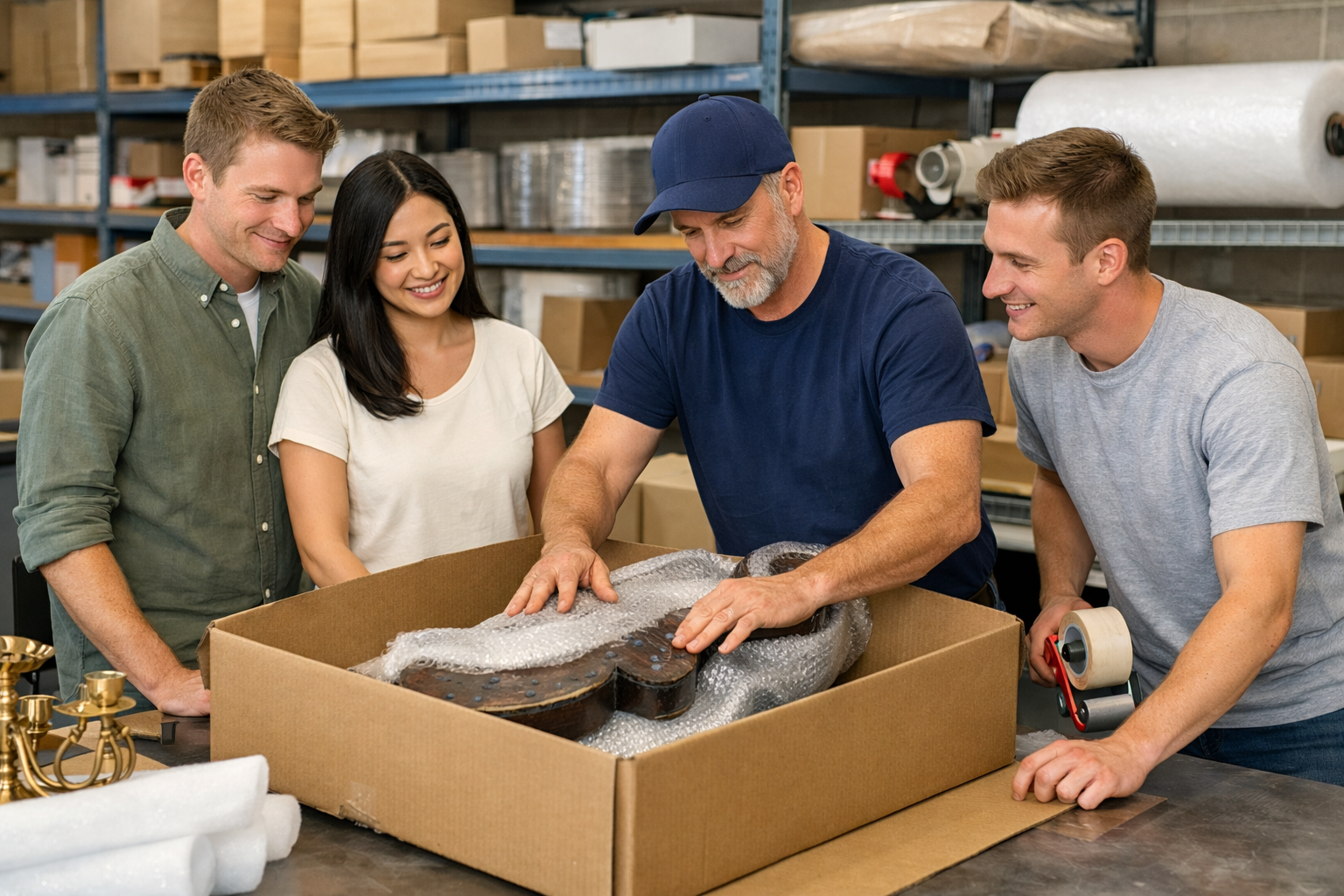
Protect both the appliance and the environment with padding. Moving blankets reduce surface damage and increase friction, which improves grip control. Higher friction surfaces require less gripping force to stabilize, reducing hand and forearm fatigue. Ergonomics studies show that grip fatigue contributes to loss of control during heavy handling tasks.
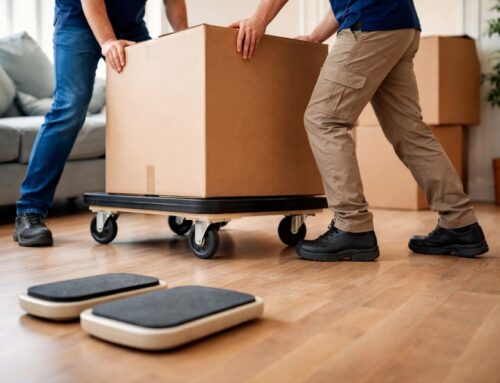
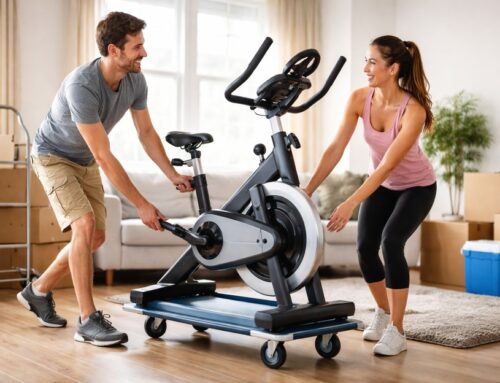
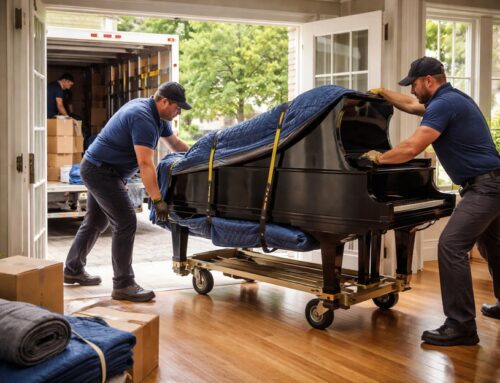
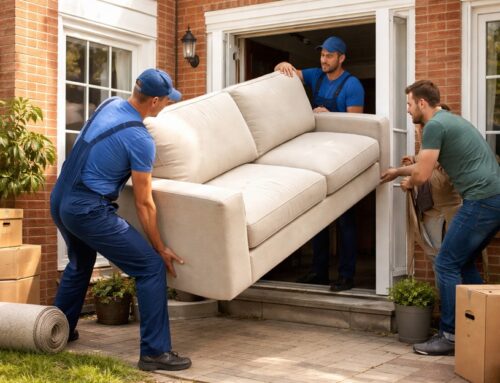
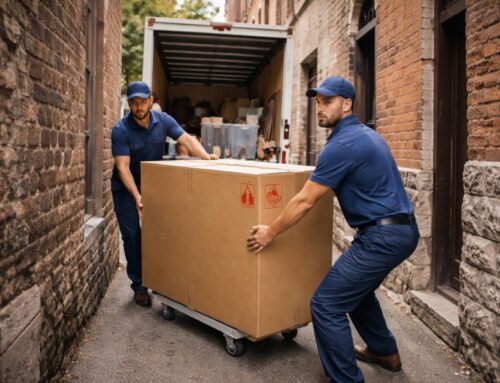
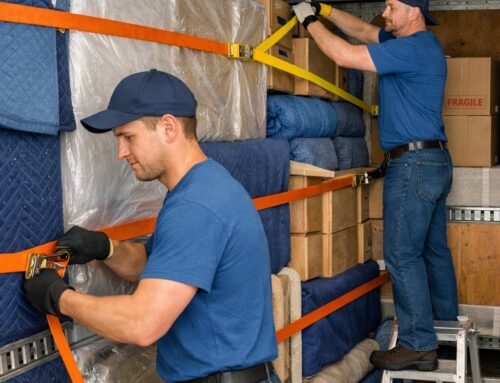
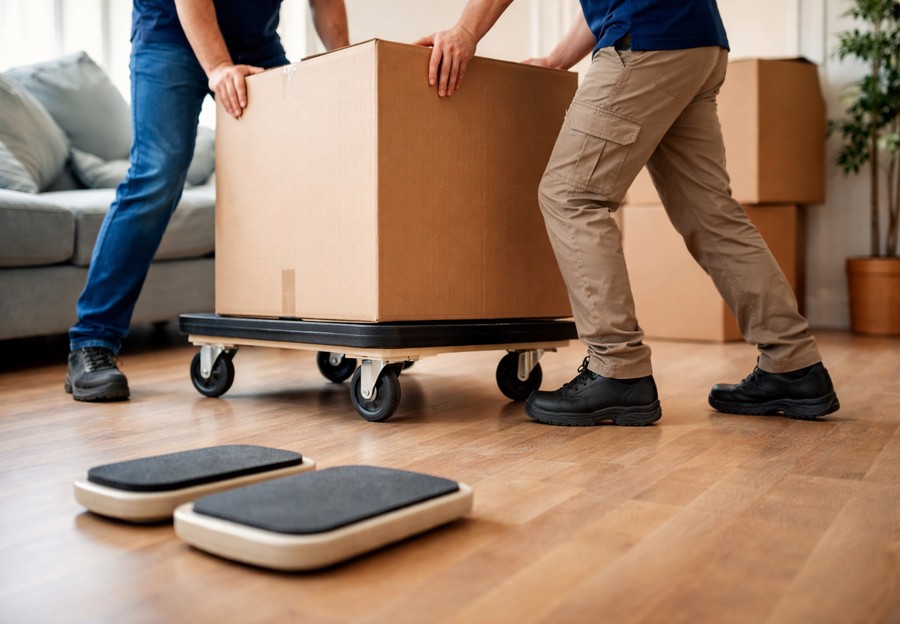
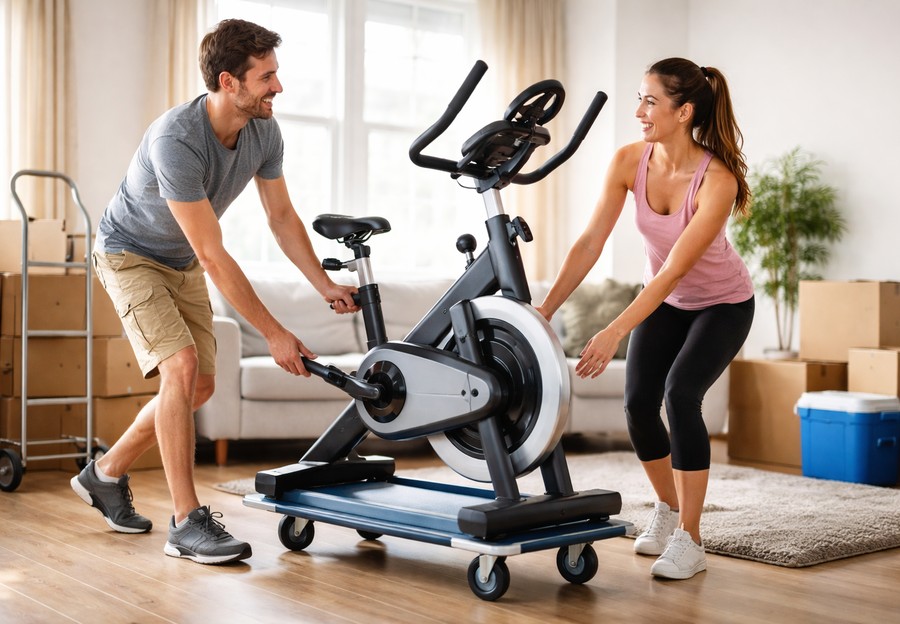
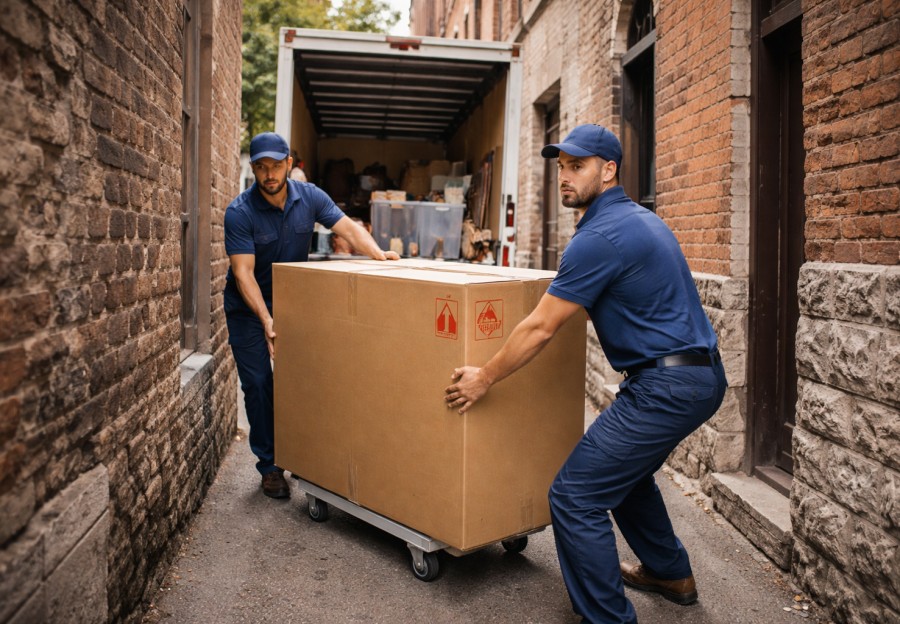
The most important safety upgrade is using mechanical advantage rather than pure lifting. A heavy duty appliance dolly or hand truck rated for the load shifts most of the weight onto wheels. Rolling reduces spinal compression dramatically compared with carrying. Biomechanics research shows that pushing and pulling loads on wheels reduces lower back load by more than half compared with manual lifting of equivalent weight. Ratchet straps or built in dolly straps secure the appliance to the frame so it moves as a single unit.
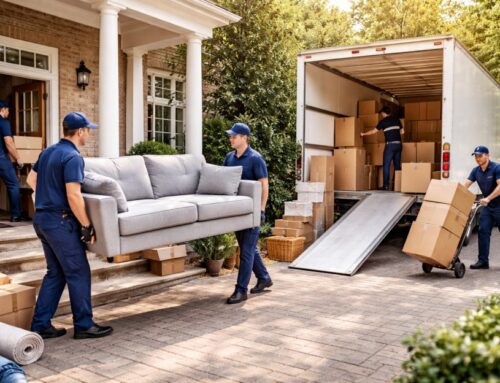
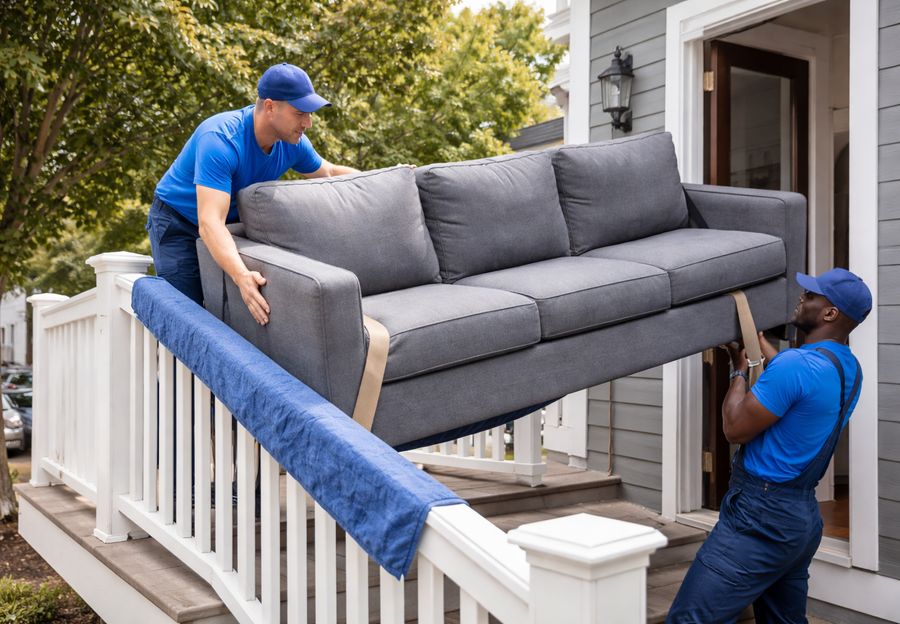
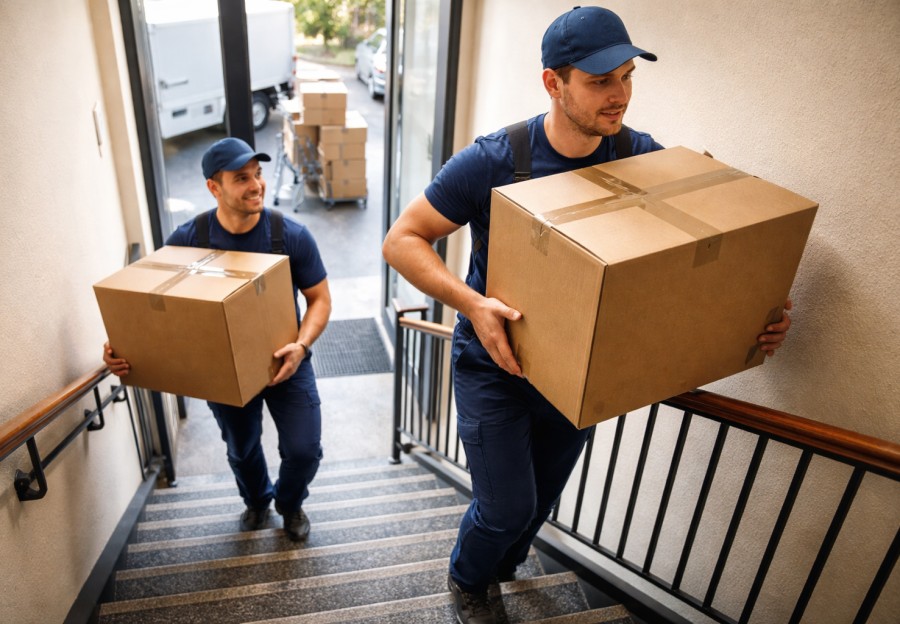
When navigating stairs, ramps, or thresholds, control becomes even more critical. Stairs multiply risk because gravity adds acceleration and braking forces. Occupational injury data consistently shows higher injury rates on stairs during manual handling tasks. Use additional helpers so one person controls braking from below while another stabilizes from above. Move slowly, one step at a time, keeping the load tilted slightly into the dolly frame rather than away from it.
Body positioning protects joints and prevents sudden strain. Keep the load close to your body rather than reaching outward. The farther the weight sits from your center, the more torque it places on your spine and shoulders. Biomechanics studies show that doubling the horizontal distance of a load from the body can more than double spinal compression forces. Bend at the hips and knees rather than rounding the back. Engage leg muscles for controlled lifting when necessary, even for small adjustments.
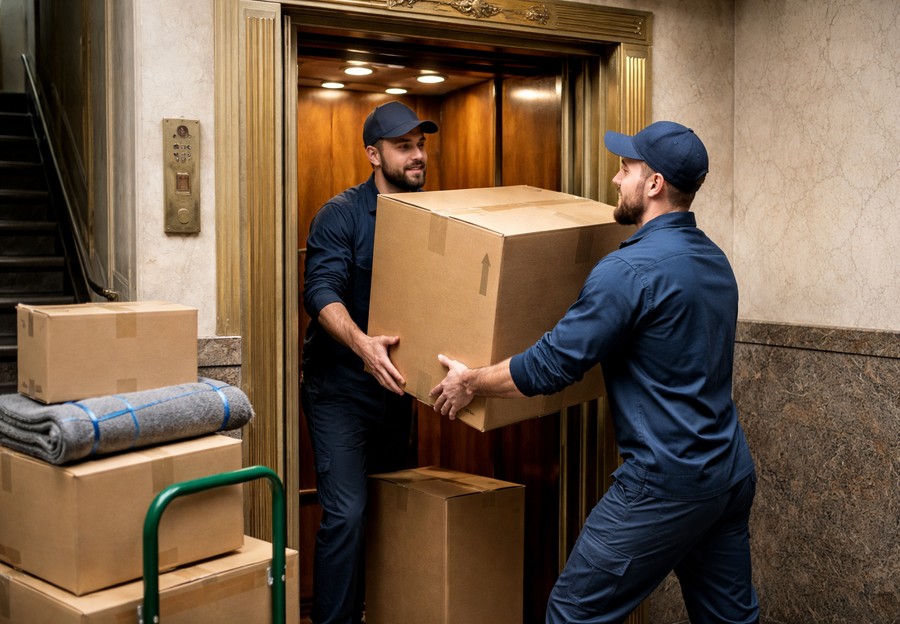
Communication matters when more than one person is involved. Agree on commands and pacing before moving. Sudden mismatched movements create twisting forces that destabilize the load. Workplace coordination research shows that synchronized movement reduces error rates and improves safety during team handling tasks.
Pacing prevents fatigue related mistakes. Fatigue reduces grip strength, reaction time, and balance. Occupational fatigue studies show that injury risk rises significantly after prolonged manual labor without rest. Take short breaks when repositioning or navigating difficult transitions rather than pushing through exhaustion.
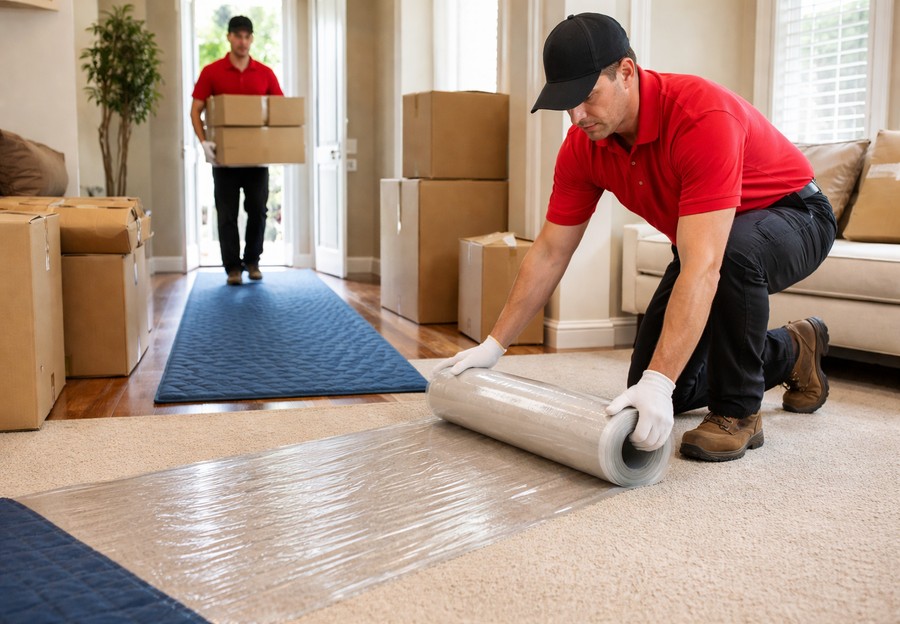
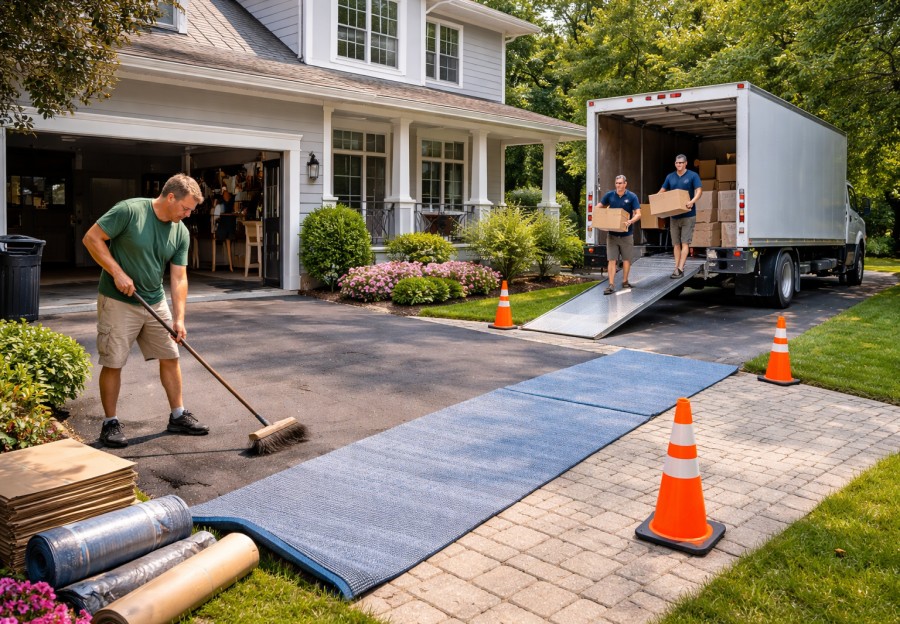
Surface conditions influence safety more than people expect. Dust, moisture, polished tile, or worn carpet reduce traction. Environmental safety research shows that slip risk increases sharply on low friction surfaces under load. If needed, lay down protective runners or cardboard to improve traction and protect flooring.
Temperature and hydration also affect physical performance. Dehydration reduces muscle endurance and cognitive clarity. Sports medicine research shows that even mild dehydration can reduce strength and coordination measurably. Keep water available and avoid rushing during hot conditions.
Sometimes the safest decision is knowing when not to move an appliance yourself. If the route includes steep stairs, tight spiral turns, long carries, or elevated balconies, professional movers with powered stair climbers, lift gates, and specialized dollies dramatically reduce risk. Injury cost data shows that one back injury can exceed several thousand dollars in medical care and lost productivity, far more than the cost of professional handling.
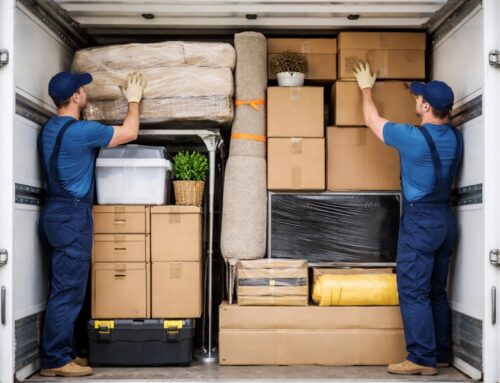
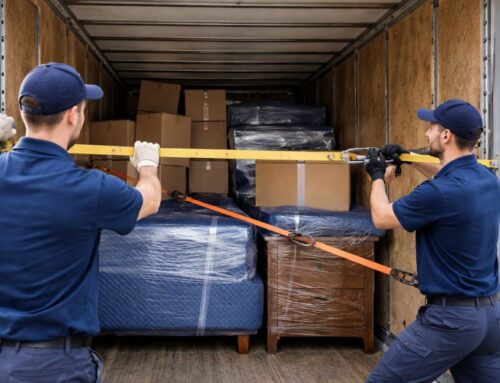
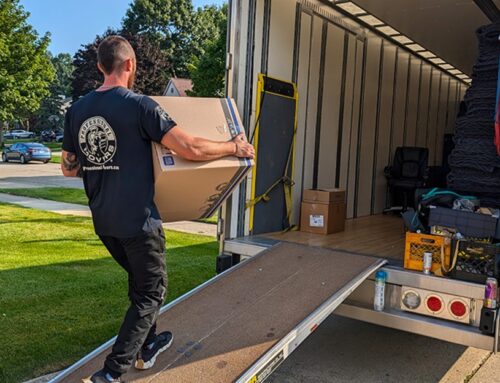
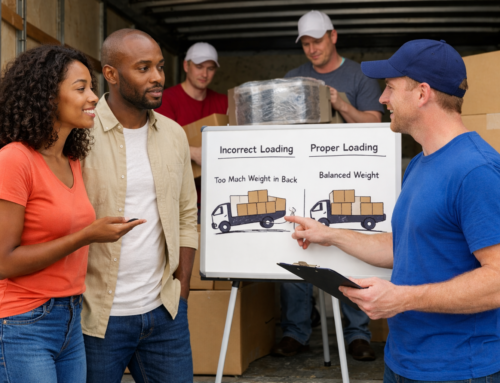
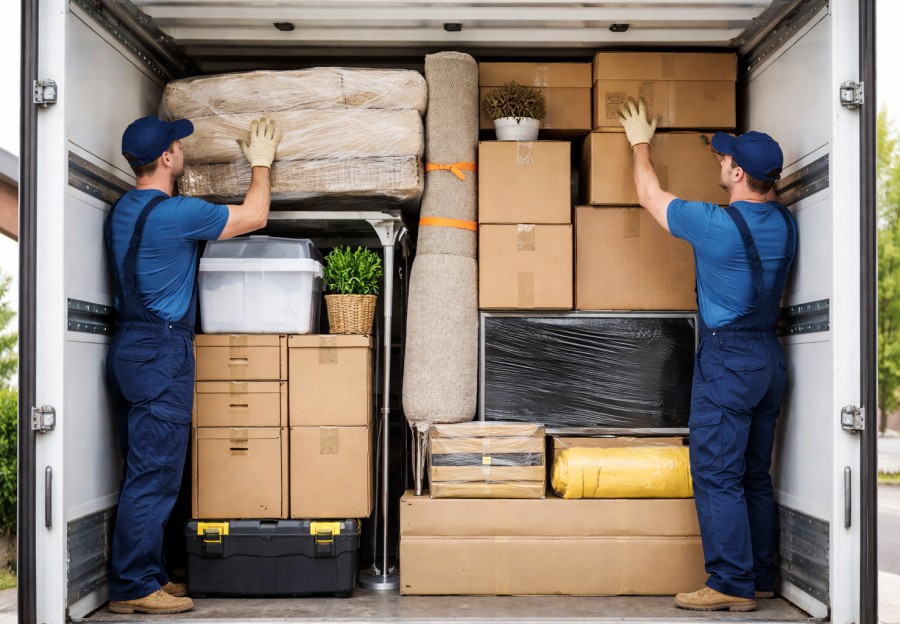
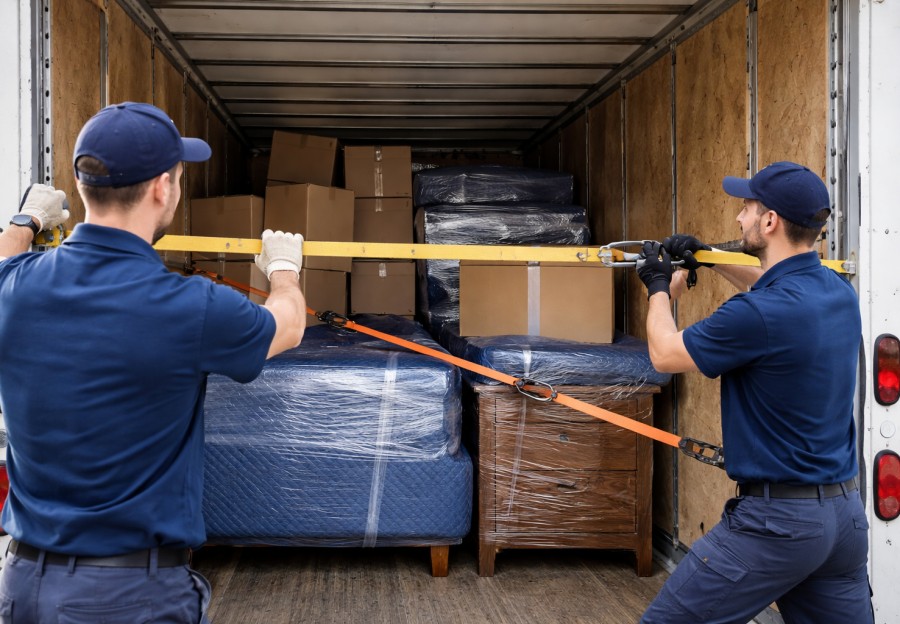
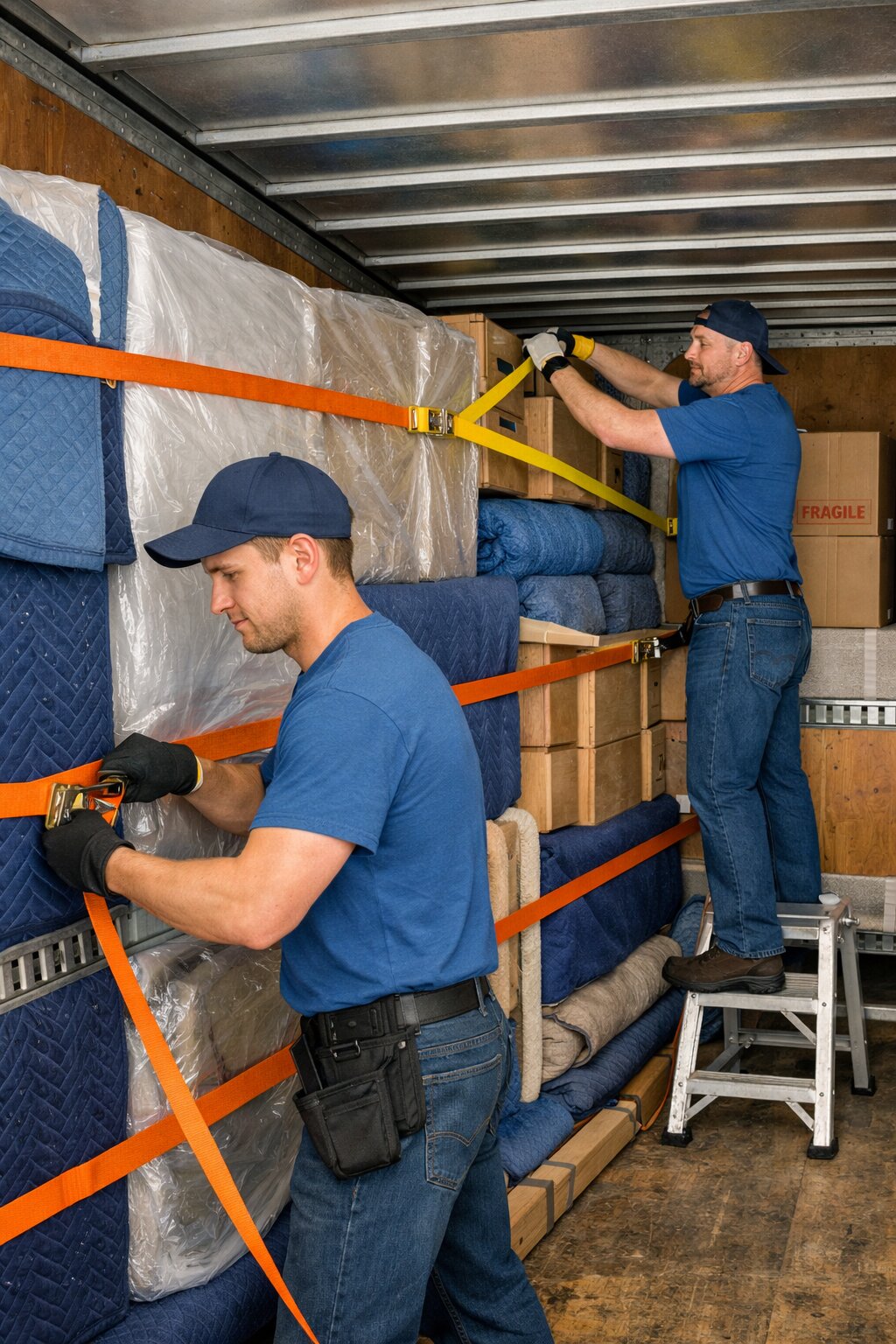
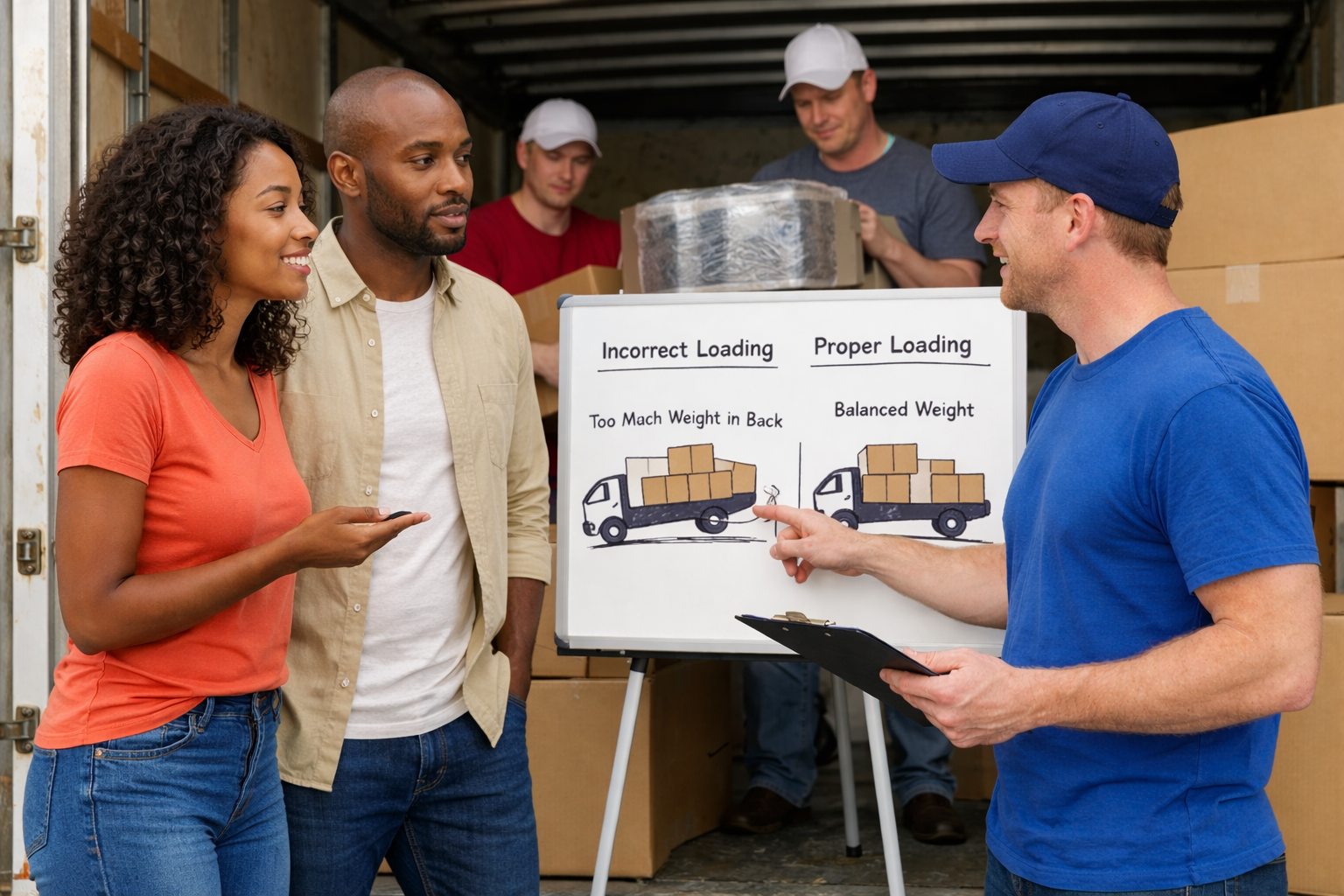
Vehicle loading adds another layer of safety. Appliances should be positioned upright unless manufacturer guidelines explicitly allow laying them down. Compressors rely on oil distribution that can shift if tipped improperly. Appliance manufacturers often recommend waiting several hours before powering on after transport so fluids can resettle. Improper handling can shorten compressor lifespan and increase failure risk. Transportation safety studies show that loads must be strapped securely to prevent shifting during braking forces that can exceed several hundred pounds of forward force in sudden stops.
Avoid stacking heavy items on top of appliances. Sustained compression can deform panels, loosen mounts, and damage internal components. Place appliances against padded walls and secure them with load straps so they cannot tip or slide.
Unloading requires the same discipline as loading. Fatigue is usually higher at the end of the move, which increases error risk. Injury surveillance data shows that many moving injuries occur during the final stages when people rush to finish. Maintain the same slow controlled approach.
Allow appliances to acclimate before reconnecting and powering on. Refrigerators commonly require four to twenty four hours upright depending on how they were transported. Starting too soon can stress compressors and reduce efficiency. Appliance engineering studies show that improper startup after transport increases mechanical wear.
From a financial perspective, injury prevention saves more than repair costs. According to healthcare cost surveys, even a minor back strain can lead to hundreds or thousands of dollars in treatment and missed work. Long term musculoskeletal injuries can linger for years. Protecting your body is the most valuable investment in the move.
There is also a property protection angle. Dropped appliances damage floors, door frames, railings, and walls quickly. Home repair surveys show that fixing cracked tile, dented drywall, or damaged hardwood can exceed the replacement value of the appliance itself. Careful handling prevents cascading damage.
Environmental responsibility matters as well. Appliances represent significant material and energy investment in manufacturing. Extending their lifespan through safe handling reduces landfill waste and replacement emissions. Sustainability studies consistently show that preserving durable goods has a lower environmental footprint than recycling after premature failure.
Psychologically, heavy lifting accidents often occur when people feel rushed or overconfident. Behavioral research shows that perceived urgency increases risk taking and reduces attention to safety cues. Slowing down intentionally counters this tendency and improves outcomes.
Good footwear improves traction and stability. Closed toe shoes with firm grip reduce slip risk and protect feet from dropped edges. Foot injury data shows that toe and metatarsal injuries are common during furniture handling incidents.
Gloves improve grip and protect against pinches. Hand injury statistics consistently show that finger injuries rank among the most frequent moving related injuries. Better grip control reduces the need for excessive force.
If an appliance must be tilted, keep the tilt angle minimal and controlled. Sudden large tilts shift internal components and center of mass abruptly. Engineering balance studies show that gradual angle changes allow handlers to adjust grip and posture safely.
Avoid twisting your torso while carrying or stabilizing weight. Twisting under load significantly increases spinal disc stress. Spine biomechanics research shows that combined bending and twisting multiplies injury risk compared with straight lifting.
If the appliance has wheels, use them cautiously. Factory wheels are often designed for short positioning adjustments, not long distance rolling over thresholds or uneven surfaces. Wheel failure under load creates sudden instability. Inspect wheels before relying on them.
Plan your exit and entry angles. Approaching doorways straight on rather than at sharp angles reduces the need for sudden rotation under load. Spatial planning research shows that diagonal clearance often limits movement more than straight width, so visualize rotations in advance.
The big idea is replacing strength with systems. Clear paths, mechanical advantage, proper posture, slow pacing, communication, traction management, hydration, and realistic limits create a safety net that protects both people and property.
Moving super heavy appliances without injury is absolutely achievable when approached deliberately. It is not about proving toughness. It is about engineering the task so the body never absorbs uncontrolled forces. When the appliance arrives in place, unscathed and your back still feels normal the next morning, that is the real success metric of a move done right.