April 19, 2026
How to move fragile collectibles as a set
Moving fragile collectibles is stressful on its own. Moving them as a complete set raises the stakes even more. Whether it is a collection of porcelain figurines, vintage glassware, model trains, vinyl records, crystal stemware, or limited edition memorabilia, the value often comes from the group staying intact. One broken or missing piece can reduce the entire set’s monetary and sentimental value. The goal is not only preventing damage but preserving order, alignment, and completeness from door to door.
Fragile items typically fail because of impact, compression, vibration, and uncontrolled movement. Materials engineering studies show that many breakages occur from repeated low level vibration rather than one dramatic drop. During transport, micro movements allow items to tap against each other thousands of times. Over time, tiny cracks grow until a visible failure appears. Sets multiply this risk because each piece becomes a potential collision point.
Another factor is psychological fatigue. Moving involves decision overload and physical exhaustion. Cognitive research shows that working memory becomes less reliable under stress and fatigue, which increases the chance of misplacing small pieces or mixing components from different sets. A system that protects both physical integrity and organization matters just as much as cushioning.
Start by documenting the set before packing. Take clear photos of every piece together and individually. This creates a visual inventory that protects against loss, insurance disputes, and reassembly confusion. Collection management studies show that visual documentation improves tracking accuracy and reduces disputes after transit incidents. It also helps confirm that nothing was forgotten during unpacking.
Clean and dry each item gently. Dust particles trapped between wrapping layers act like abrasives during vibration. Abrasion studies show that microscopic grit accelerates surface wear and creates stress concentration points on fragile finishes. Moisture trapped in wrapping can also weaken paper padding and promote staining or corrosion on metal accents.
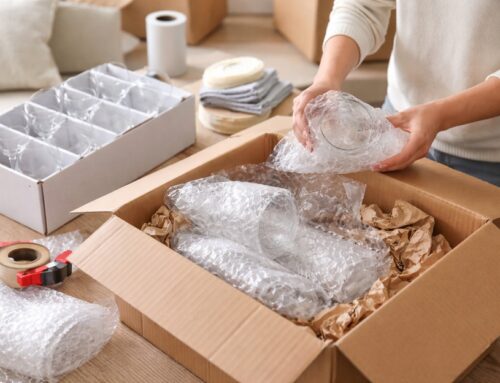
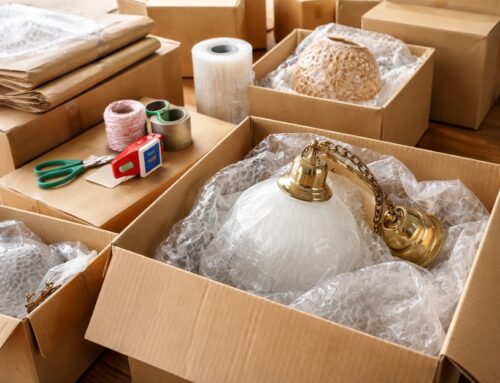
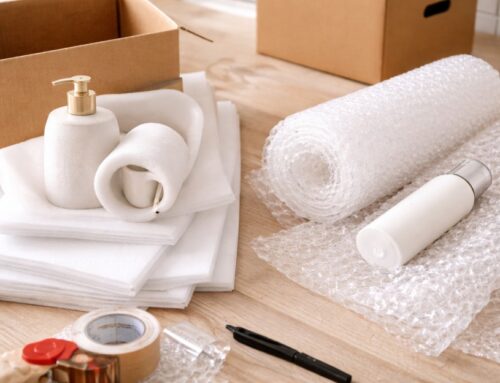
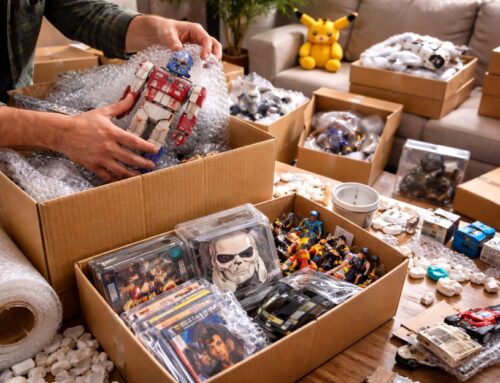
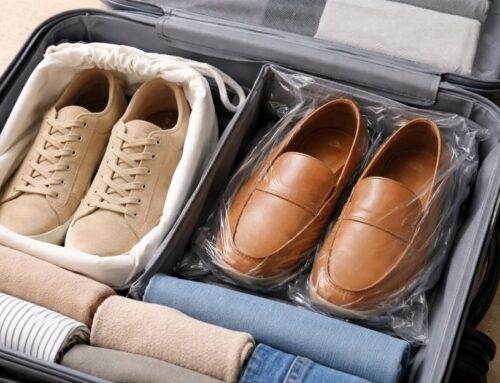
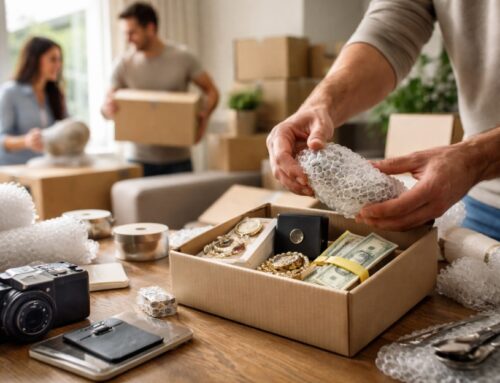
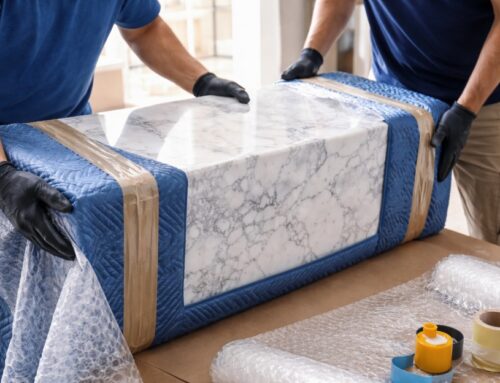
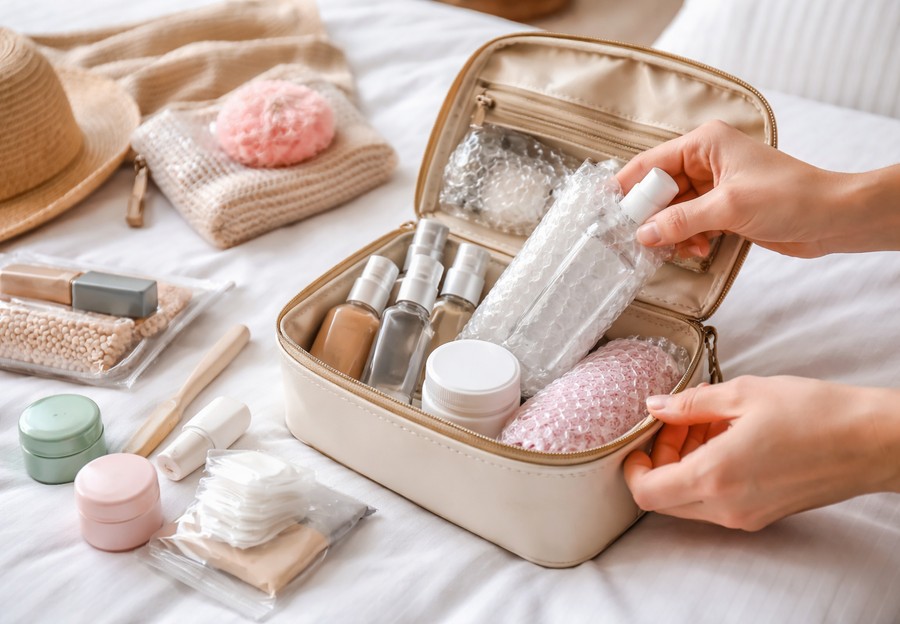
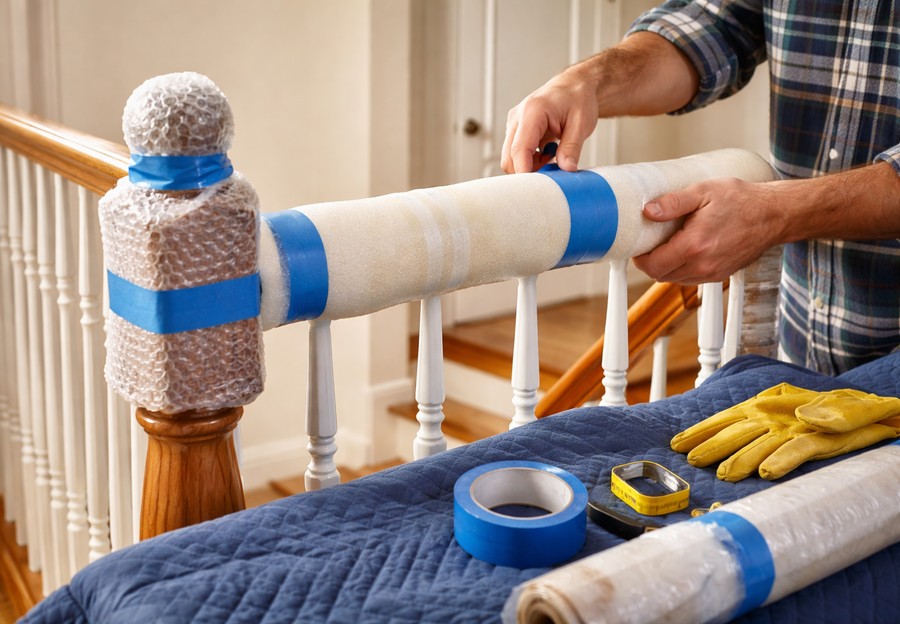
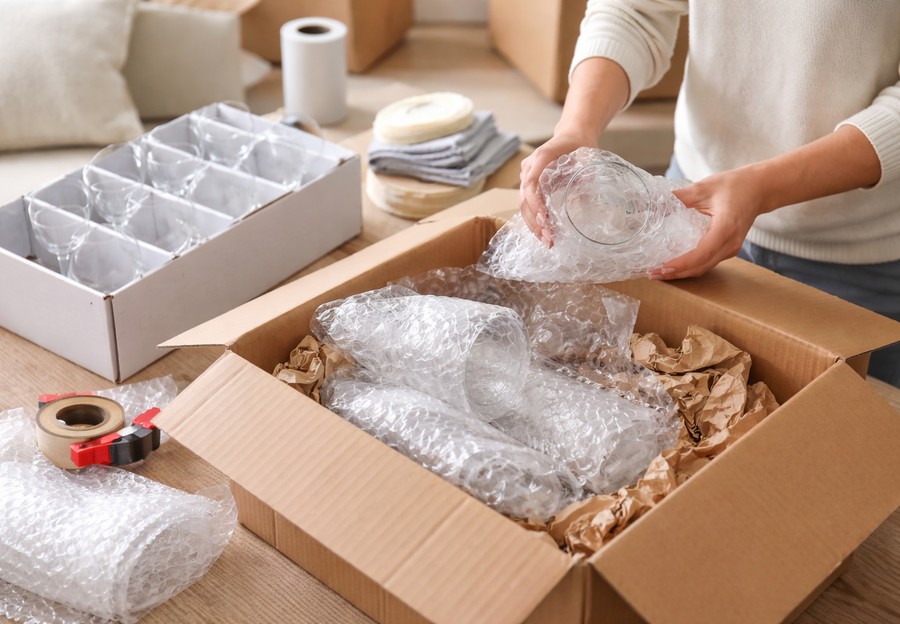
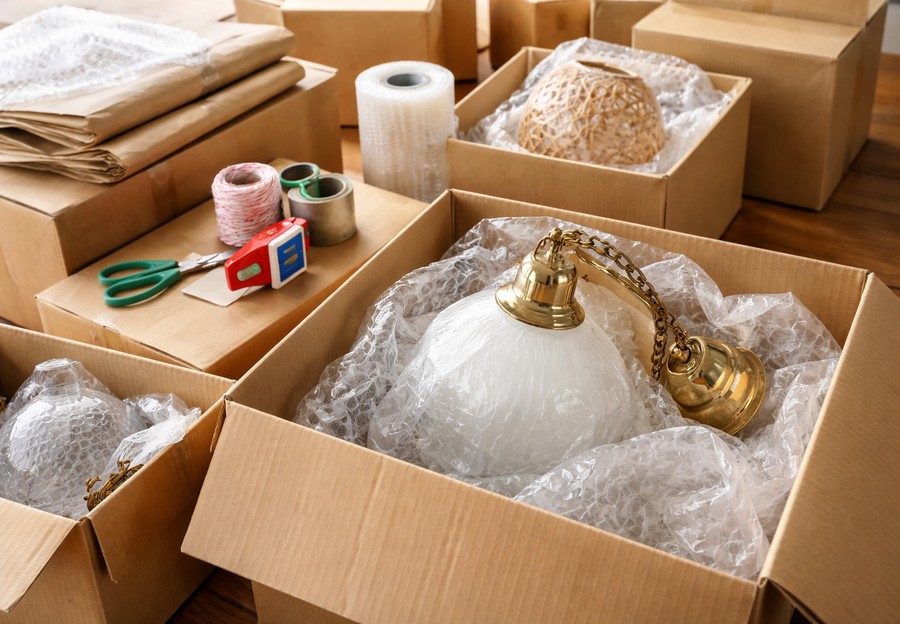
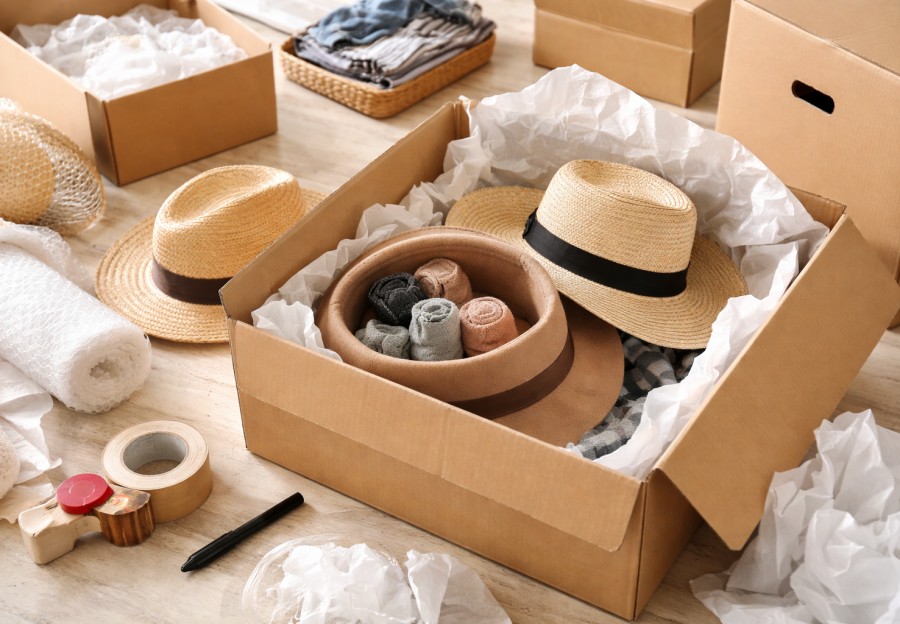
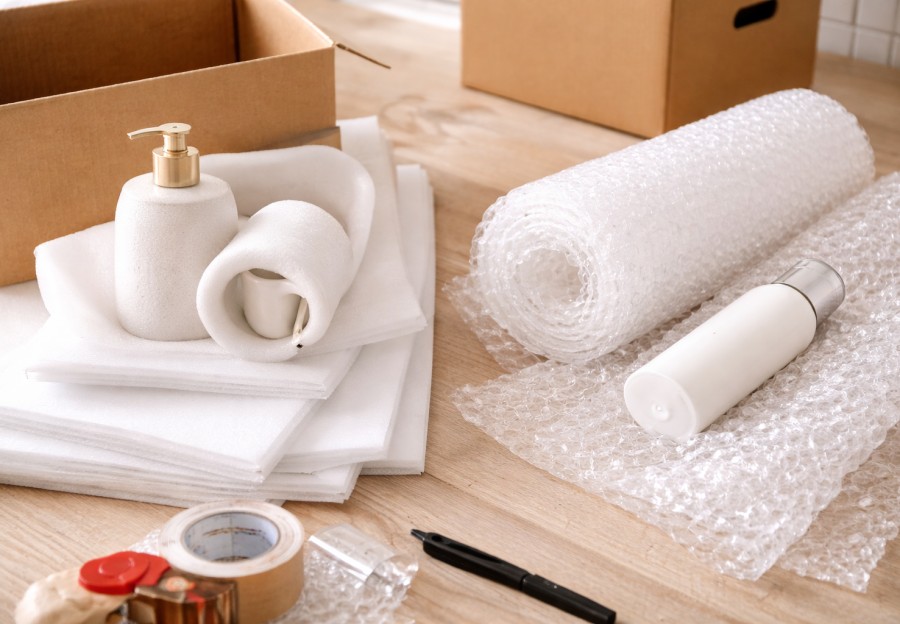
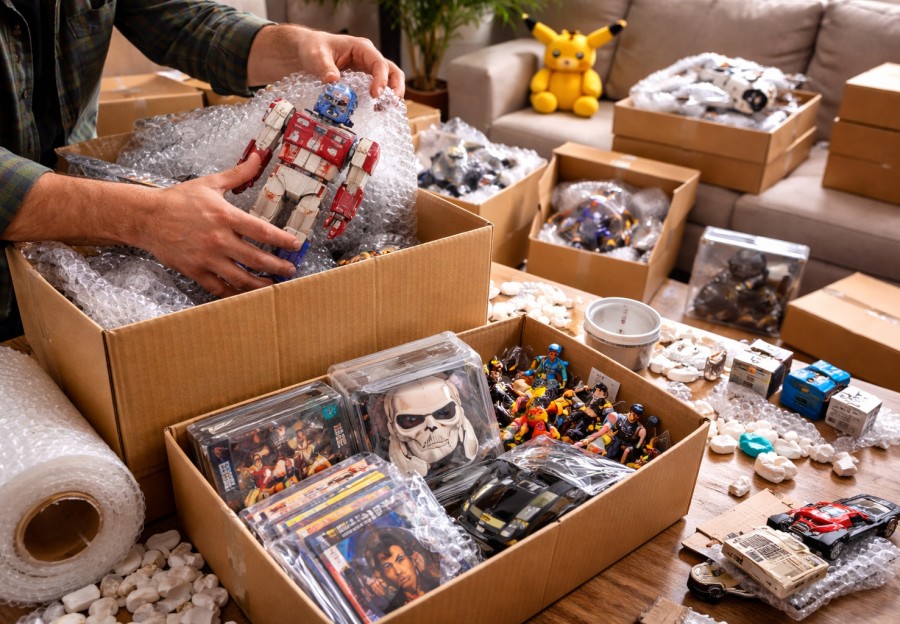
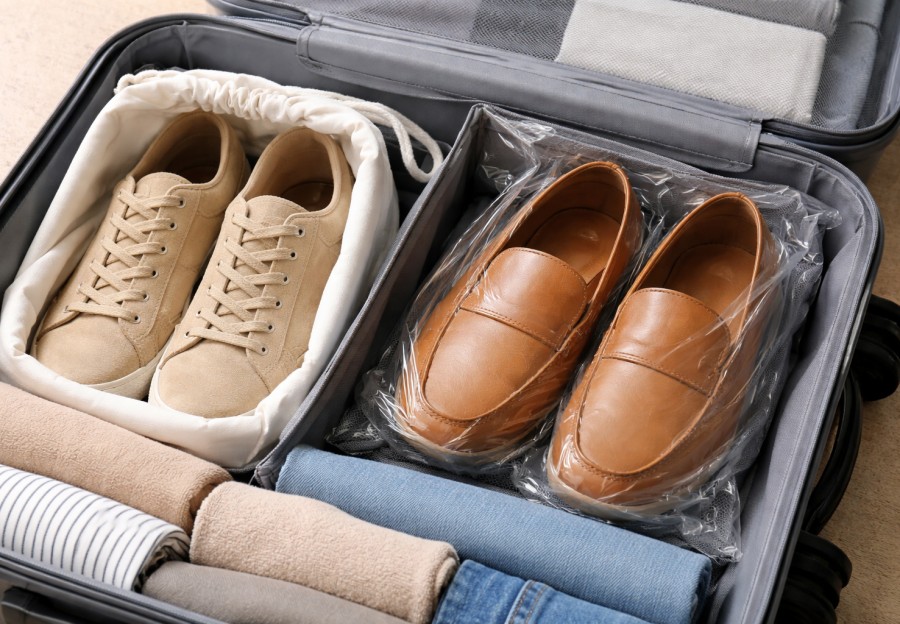
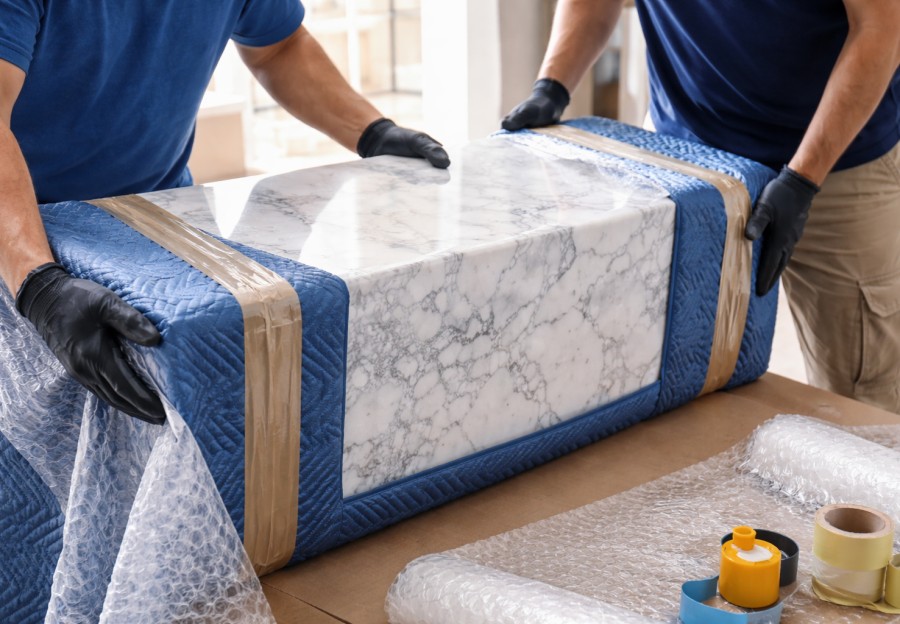
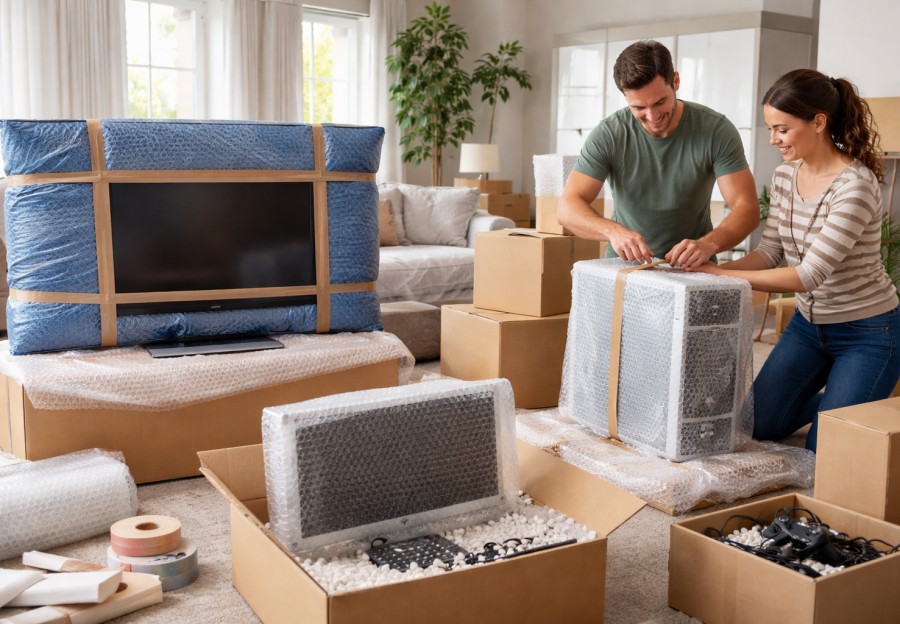
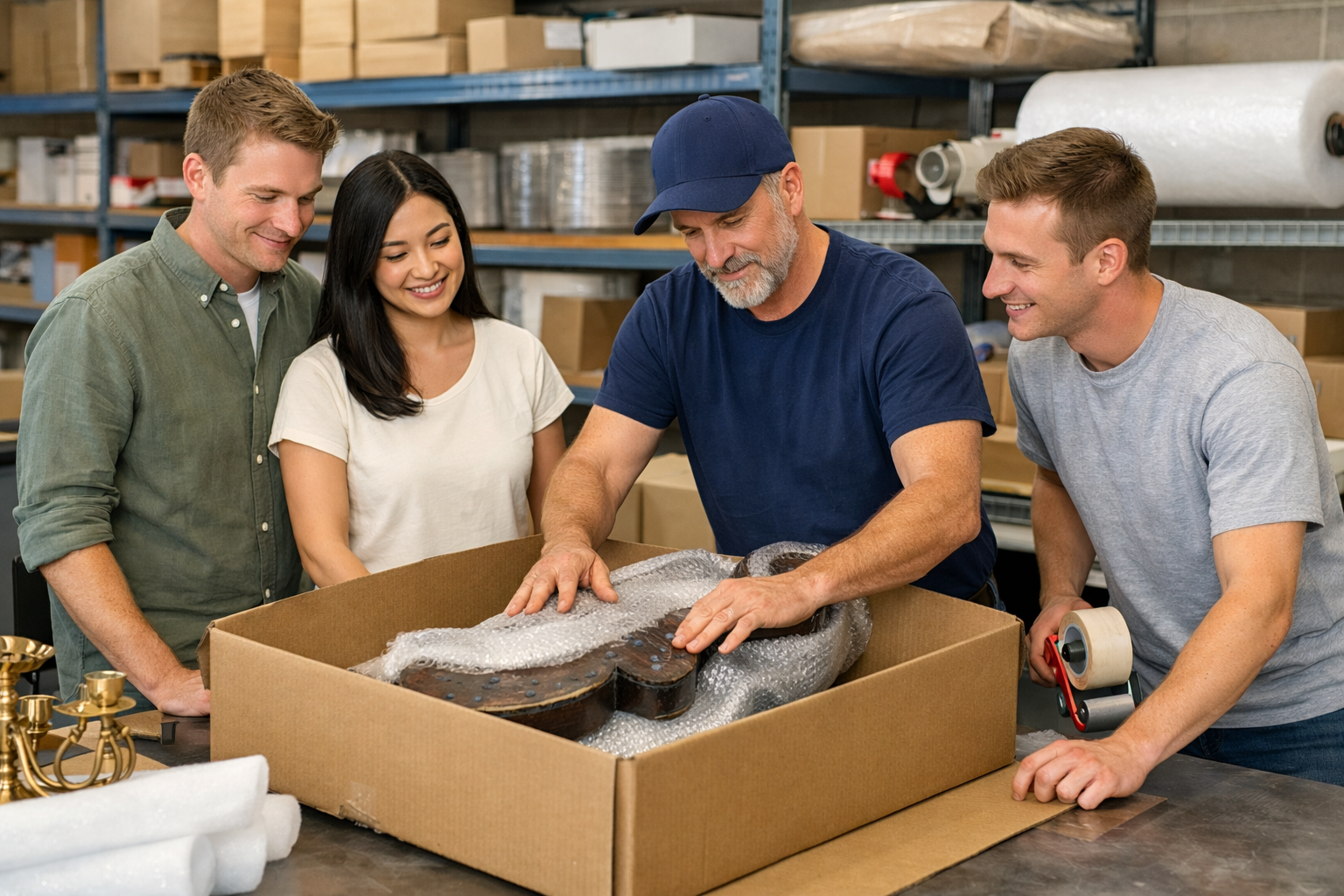
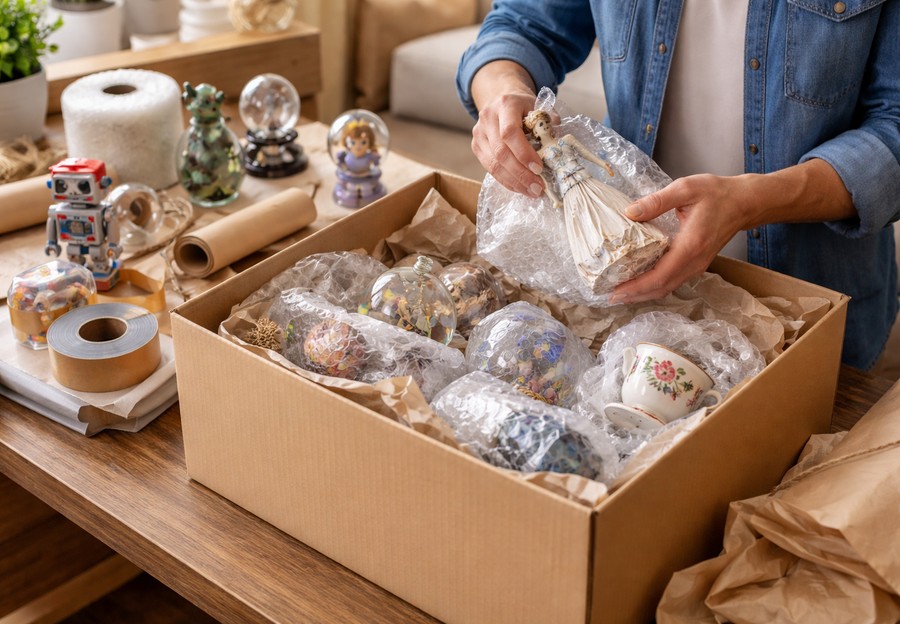
The most important rule is isolating each piece so nothing touches anything else directly. Even soft contact creates pressure points when vibration is introduced. Packaging lab testing consistently shows that individual wrapping reduces fracture rates significantly compared with grouped wrapping. Each item should receive its own cushioning layer that distributes pressure evenly rather than concentrating it at edges or corners.
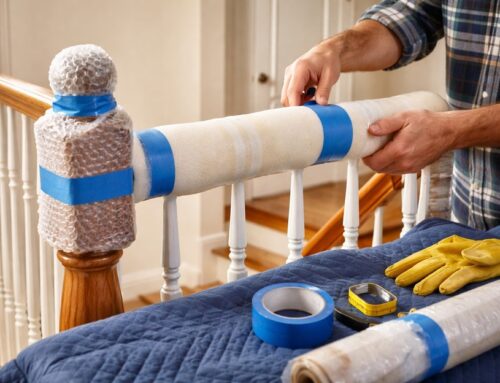
Edges and protrusions deserve extra padding. Fracture mechanics research confirms that cracks typically originate at edges where stress concentrates. Rounded surfaces tolerate impact better than sharp transitions. Adding extra cushioning around rims, handles, antennae, and thin extensions improves survival rates dramatically.
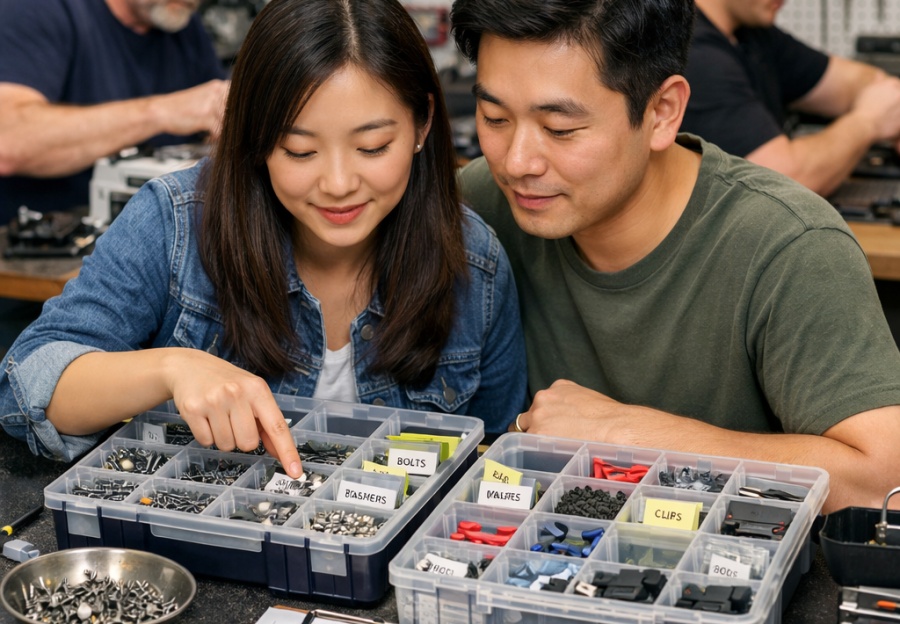
Maintaining the set as a logical unit requires a secondary organization layer. While each piece is individually protected, the entire group should be housed within a single master container whenever practical. This prevents separation during loading and unloading. Logistics studies show that grouping related items reduces sorting errors by roughly 25 to 30 percent in busy handling environments.
Inside the master container, internal void control is critical. Empty space allows movement, which amplifies vibration damage. Packaging vibration research shows that internal shifting increases breakage probability even when individual items are well wrapped. Use soft but resilient fillers to immobilize the wrapped items so the box feels solid when gently shaken.
Box strength matters more than many people expect. Thin retail cartons deform under stacking pressure and transmit compression directly to contents. Double wall corrugated boxes distribute load more evenly and resist collapse better. Packaging engineering data shows that stronger cartons significantly reduce compression failure during vertical stacking.
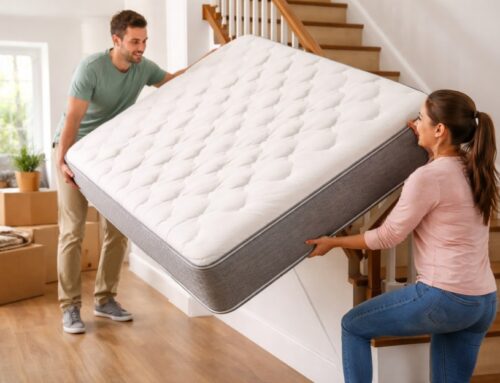
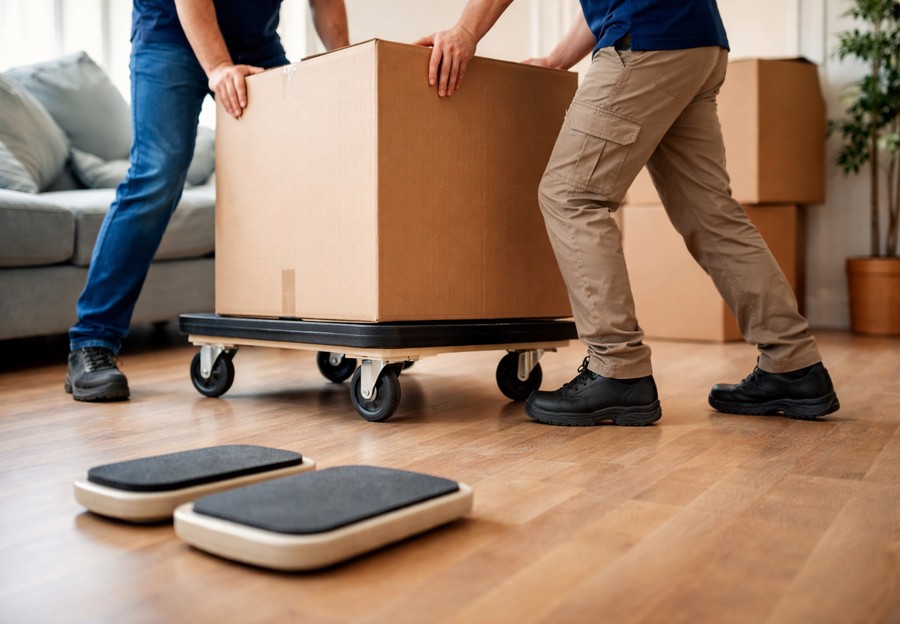
Weight management protects both the items and the handlers. Overloaded boxes increase drop risk and produce higher impact forces if mishandled. Ergonomics research shows that lifting accuracy and grip stability decline as box weight increases. Splitting a large set across two clearly matched boxes may be safer than forcing everything into one heavy container, as long as both boxes remain labeled and grouped.
Orientation consistency reduces internal stress. Keeping fragile items upright when appropriate minimizes bending loads on delicate shapes. Glass and ceramic manufacturers often recommend vertical transport for larger flat items because flat orientation increases flex stress across the surface.
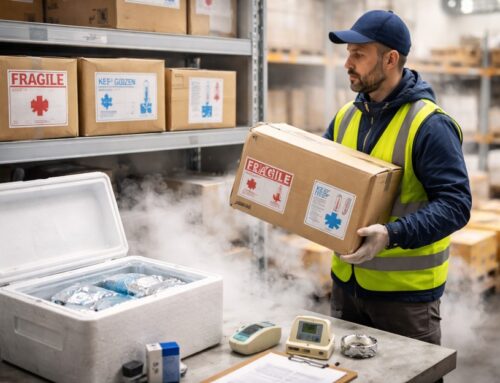
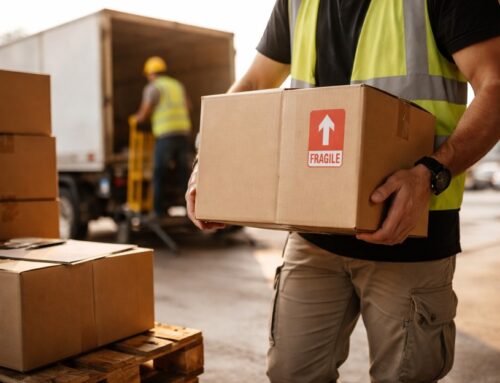
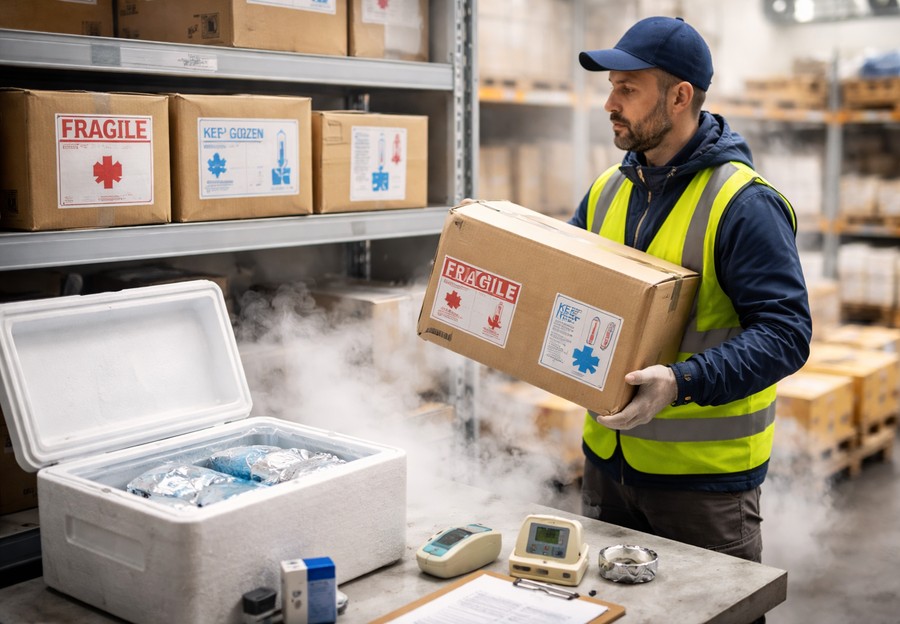
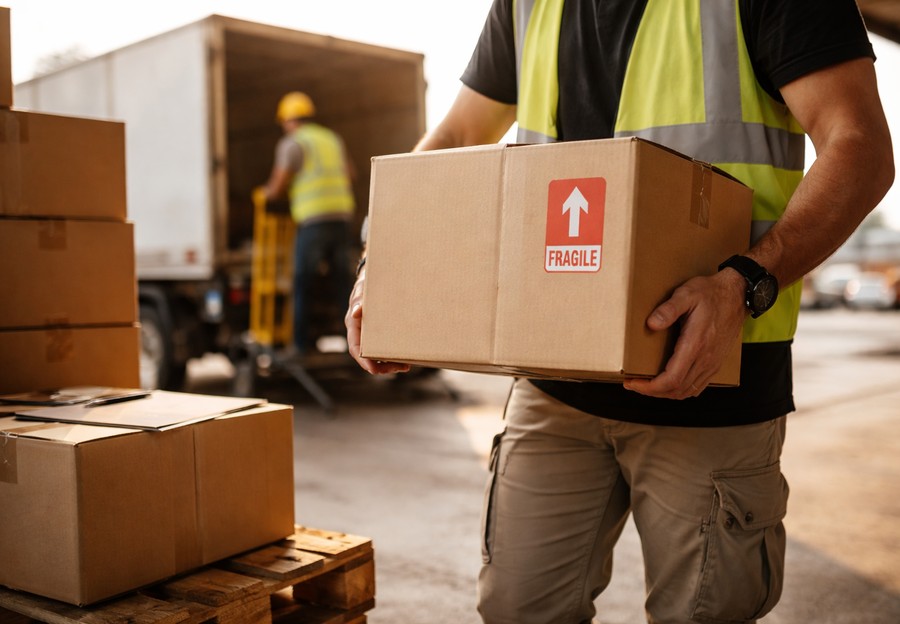
Labeling supports both protection and organization. Clear fragile marking and orientation cues improve handling behavior. Logistics field studies show that visible labeling reduces mishandling errors by roughly one quarter in high traffic environments. Including a set identifier on all related boxes preserves grouping through unloading and staging.
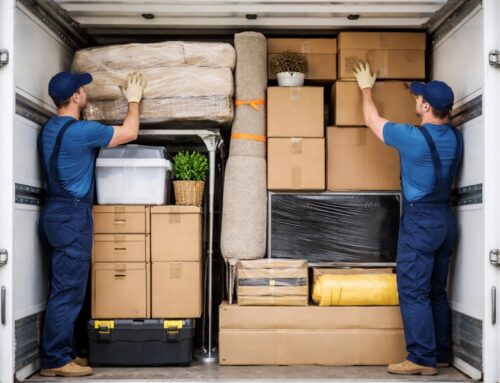
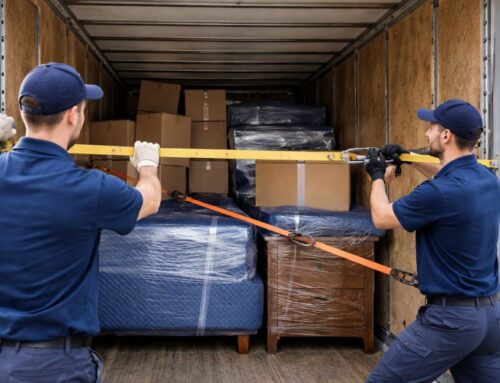
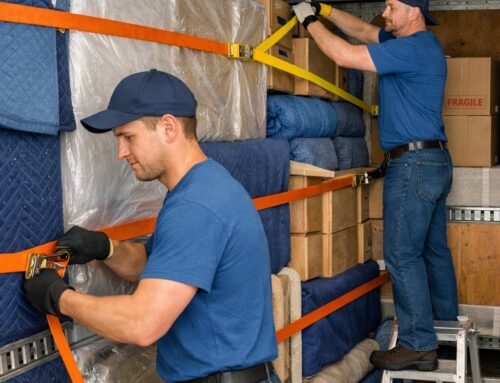
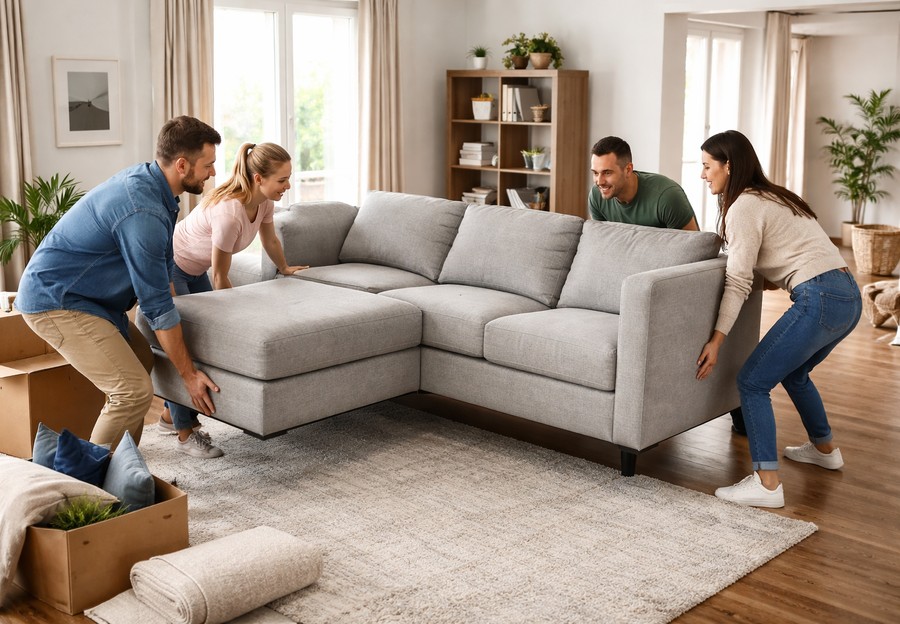
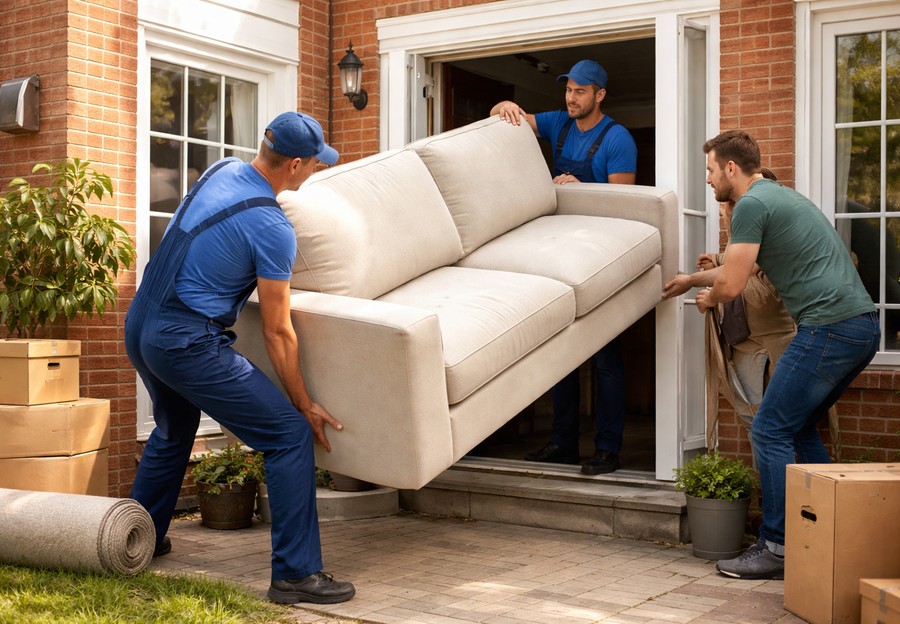
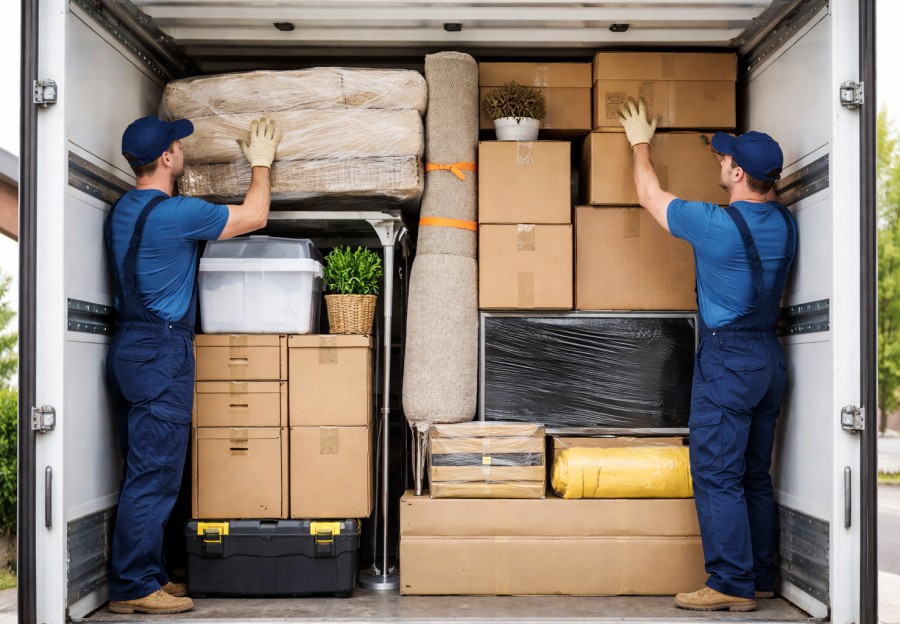
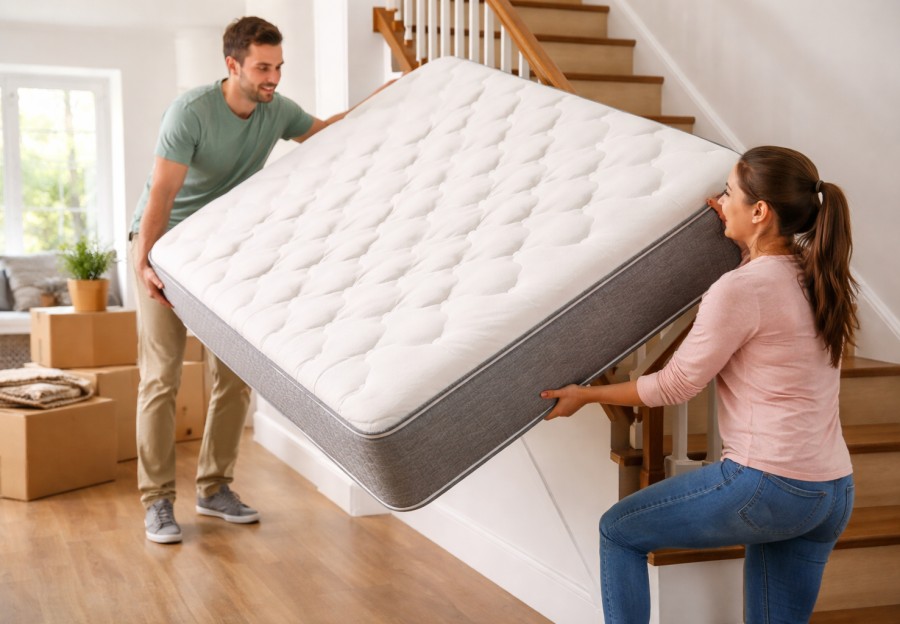
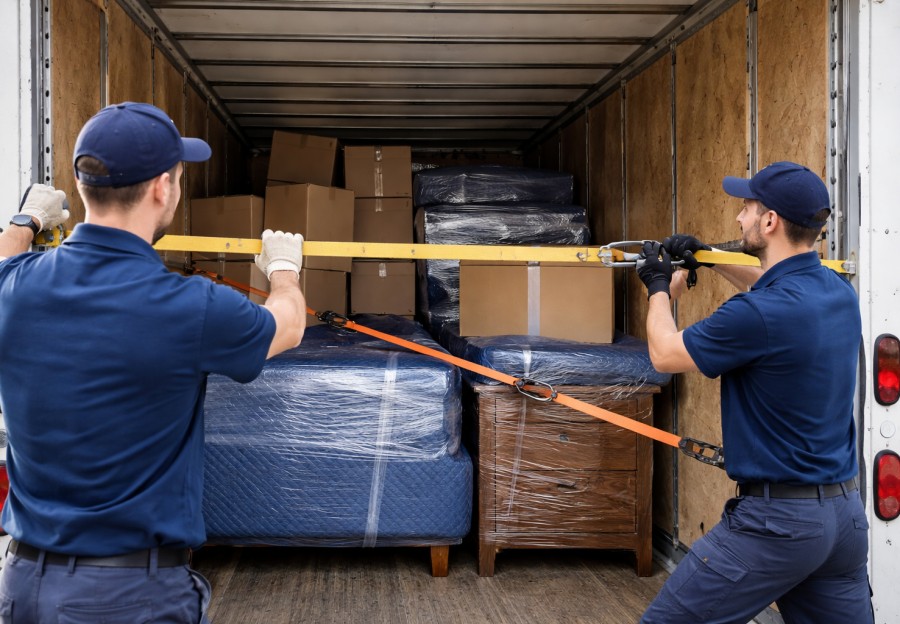
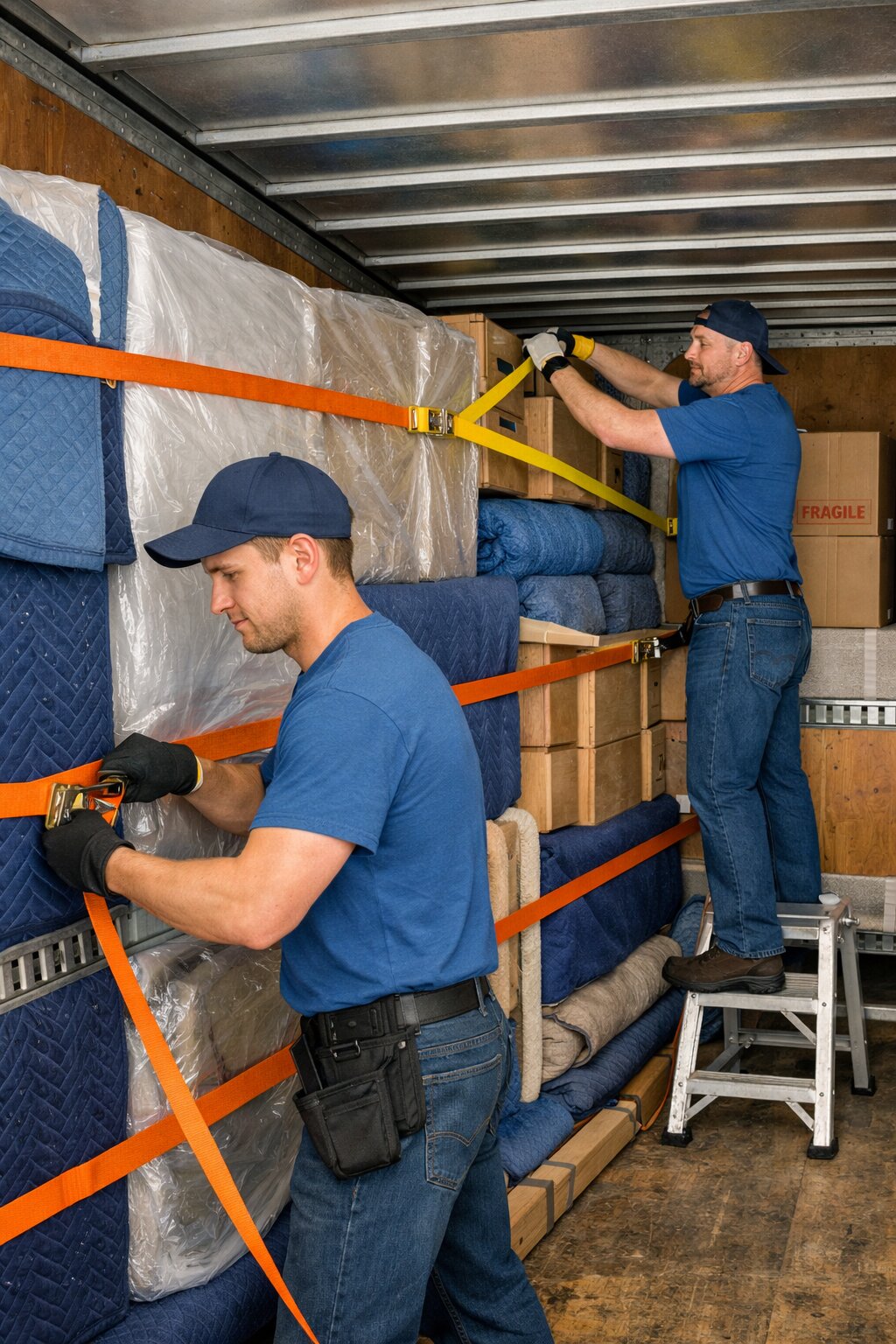
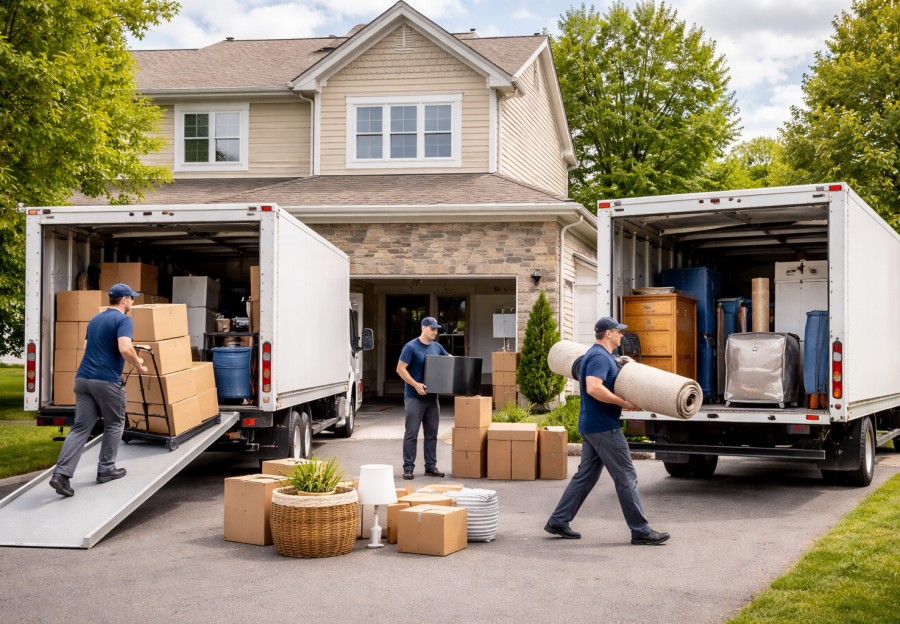
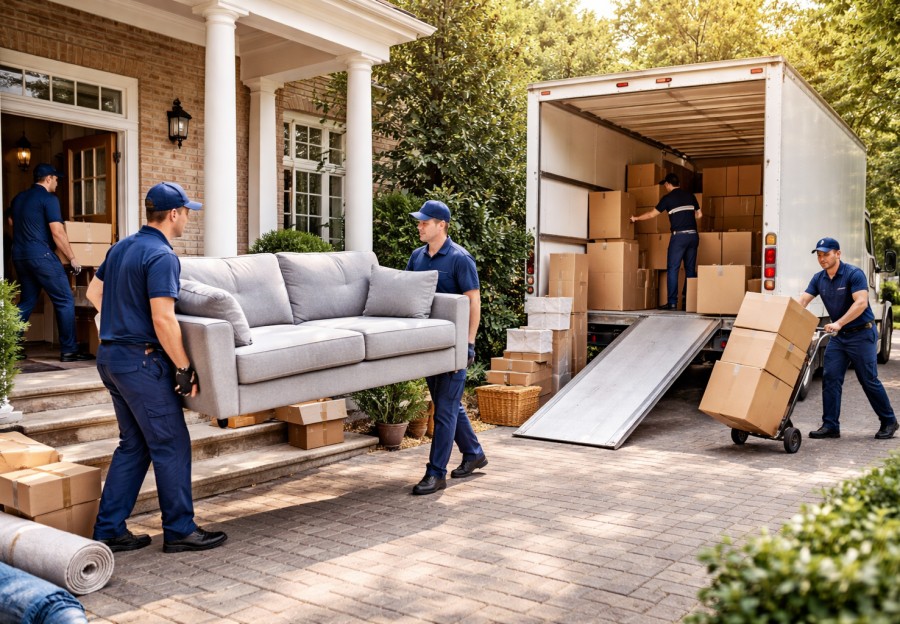
Truck placement strongly influences survival. Fragile sets should never ride at the bottom of stacks or against rigid metal walls. Transportation safety research shows that lower layers absorb the highest compression and braking forces. Placing the set between padded furniture such as mattresses or sofas creates a shock absorbing buffer that dampens vibration energy.
Temperature and humidity swings deserve attention, especially for mixed material collectibles that combine wood, metal, paper, and adhesives. Vehicle interior studies show that closed trucks can exceed outdoor temperatures by more than 20 degrees Celsius in direct sun and cool rapidly later, creating condensation cycles. Moisture accelerates corrosion and adhesive degradation. Breathable padding layers reduce moisture trapping and allow gradual equilibration.
Avoid sealing fragile sets in airtight plastic for long durations. While plastic blocks dust and water briefly, it traps humidity and can imprint textures onto sensitive finishes under heat. Conservation research in museums recommends breathable barriers when long exposure is expected.
Security matters when value is high. High value collectibles may attract theft risk simply because they are portable and recognizable. Risk management studies show that small high value items experience higher loss rates during multi handoff transport environments. If the set has significant financial or sentimental value, consider transporting it personally rather than placing it on a shared truck.
Insurance documentation should reflect the full value of the set rather than individual pieces. Claims often evaluate loss based on declared value and completeness. Keeping photos and a simple inventory list supports faster resolution if something goes wrong.
Unpacking deserves as much care as packing. Fatigue is high at the end of a move, which increases accident risk. Injury data shows that cuts from broken glass and ceramic often occur during rushed unpacking. Set up a clean, padded surface before opening boxes. Remove one piece at a time and inspect for hairline cracks or loosened components.
Allow items to acclimate to indoor temperature before fully unwrapping if they traveled through cold or heat. Materials science research shows that rapid temperature equalization reduces micro cracking and condensation related damage, especially in glass and ceramics.
Reassemble the display thoughtfully rather than rushing to recreate the full layout immediately. Verify stability of shelves, lighting heat exposure, and vibration sources in the new space. Display engineering studies show that shelf vibration and uneven support contribute to long term damage even after safe transport.
From a financial standpoint, preserving a set intact protects its market value. Antiques and collectibles pricing data consistently shows that incomplete sets sell for substantially less than complete ones, sometimes by more than half depending on rarity. Preventing a single break preserves the investment value of the entire group.
There is also an environmental benefit. Fragile collectibles often involve high energy manufacturing processes such as kiln firing, glass melting, and metal casting. Sustainability research shows that extending product lifespan reduces environmental footprint more effectively than recycling after damage.
Emotionally, collections often represent years of careful curation, travel memories, family history, or personal milestones. Behavioral psychology studies show that loss of sentimental objects creates disproportionate emotional distress compared with purely financial loss. Protecting the set protects those memories and identity anchors during a transition that already carries emotional load.
Time investment upfront saves significant frustration later. Packing a set carefully may take longer than tossing items into a box, but it prevents cleanup, insurance claims, replacement searches, and disappointment. Time management research consistently shows that proactive preparation reduces downstream recovery time more than reactive problem solving.
If the set is exceptionally rare, large, or fragile, professional packing services may be worth considering. Specialty packers use custom foam cavities and rigid containers designed to minimize vibration transmission. Cost comparison data often shows that one avoided loss offsets professional packing fees for high value collections.
The underlying principles remain consistent regardless of what you collect. Isolate each piece. Cushion edges generously. Eliminate internal movement. Use strong boxes. Control weight. Maintain grouping. Label clearly. Manage temperature and moisture exposure. Place boxes strategically in the truck. Unpack patiently.
Moving fragile collectibles as a set is not about luck. It is about respecting physics, materials science, and human limits. When done thoughtfully, even delicate collections travel safely across long distances without loss of order or integrity.
Arriving at your new home and seeing the entire set intact, clean, and ready to display restores a sense of continuity amid change. That quiet moment of relief is the reward for careful planning and disciplined execution.