
May 3, 2026
Why staggered delivery days are beneficial
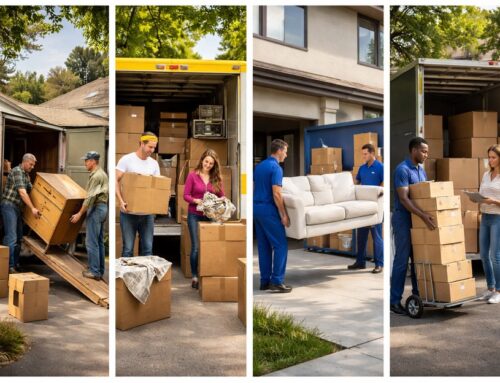
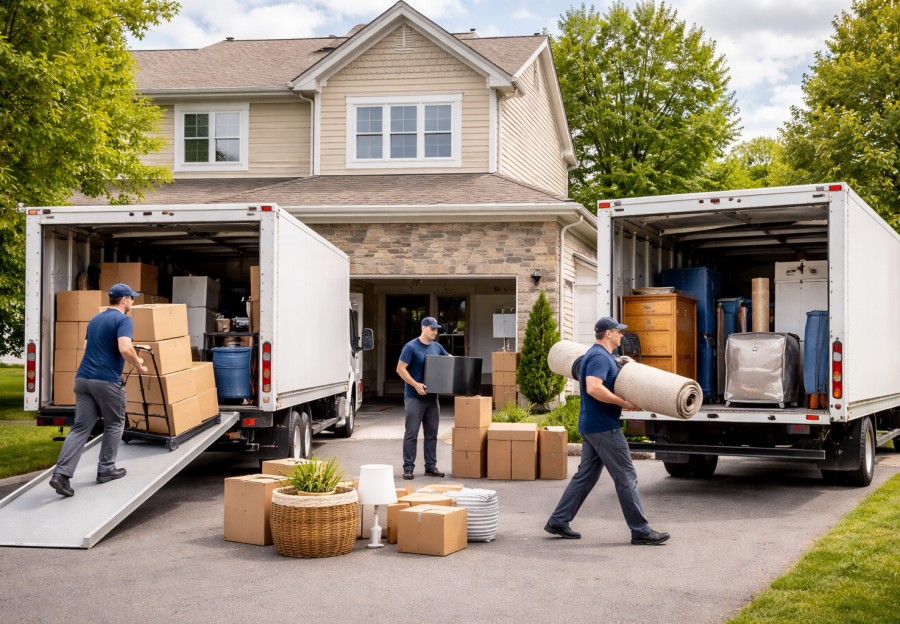
Most people imagine moving as a single intense day where everything arrives at once and life restarts immediately. In reality, that compressed timeline creates pressure, fatigue, congestion, and higher risk of damage. Staggered delivery days, where belongings arrive in phases rather than all at once, offer practical advantages that reduce cost, improve safety, and make settling in far less stressful. While it sounds slower on paper, the overall experience is often smoother and more efficient.
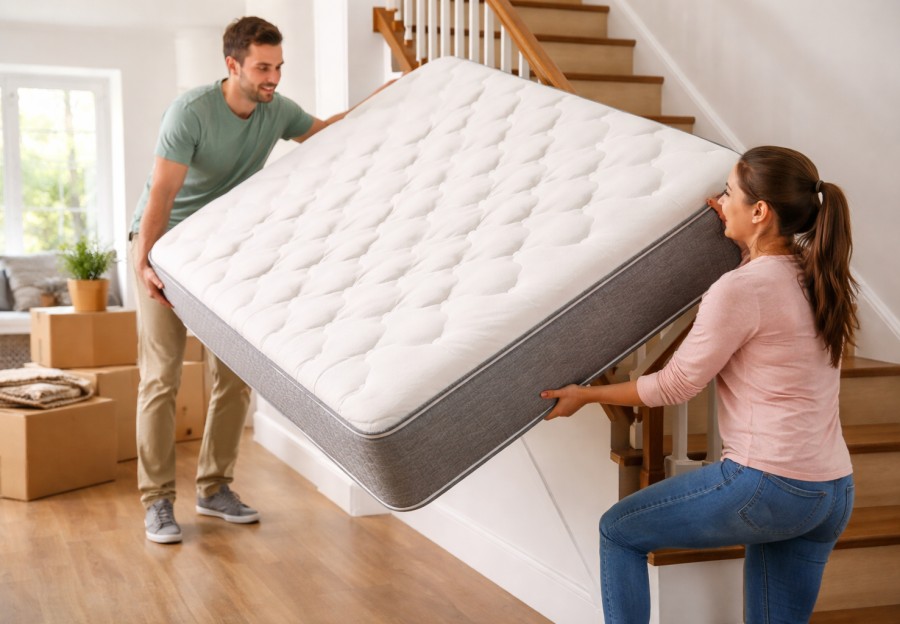
The first benefit shows up in physical strain and injury prevention. Moving is one of the most injury prone household activities. The Bureau of Labor Statistics reports that overexertion and bodily reaction injuries account for roughly one third of workplace injuries, and similar patterns appear in consumer injury data during peak moving seasons. When everything arrives in a single day, people tend to rush, lift heavier loads while fatigued, and make riskier decisions late in the day. Spreading deliveries across multiple days allows recovery time for muscles and joints, reduces cumulative fatigue, and lowers the chance of strains, slips, and dropped items. Even one night of rest restores grip strength and reaction time measurably according to occupational health research.
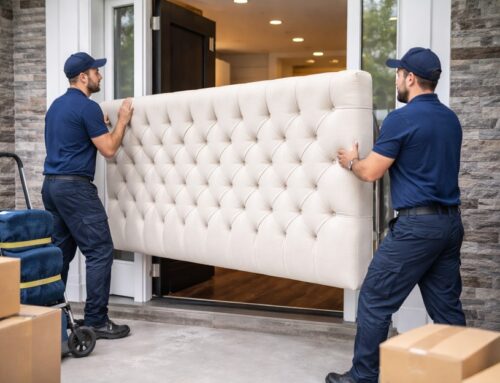
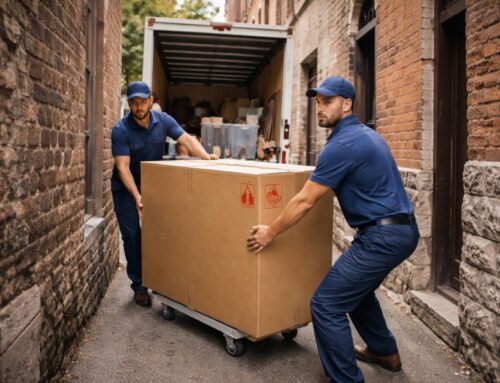
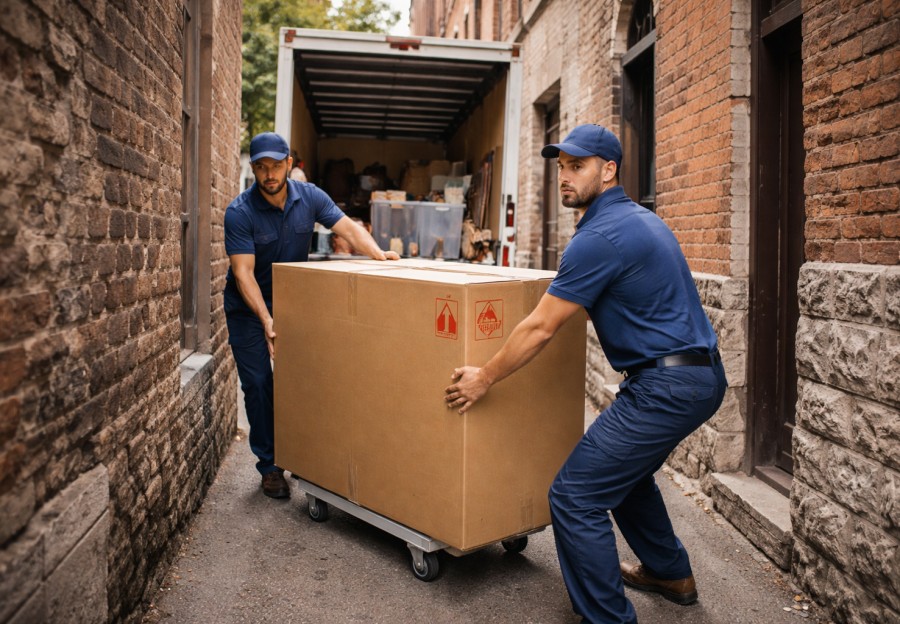
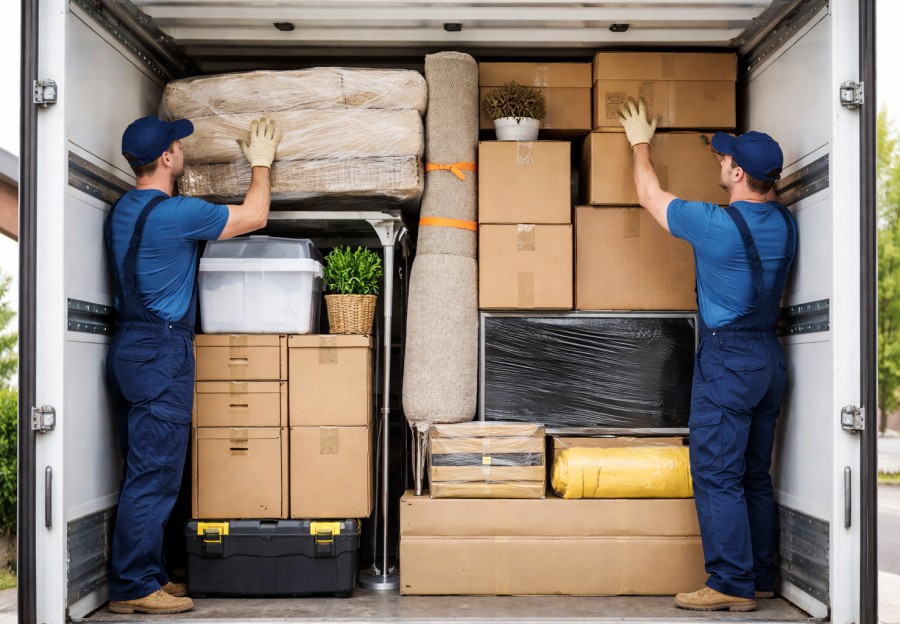
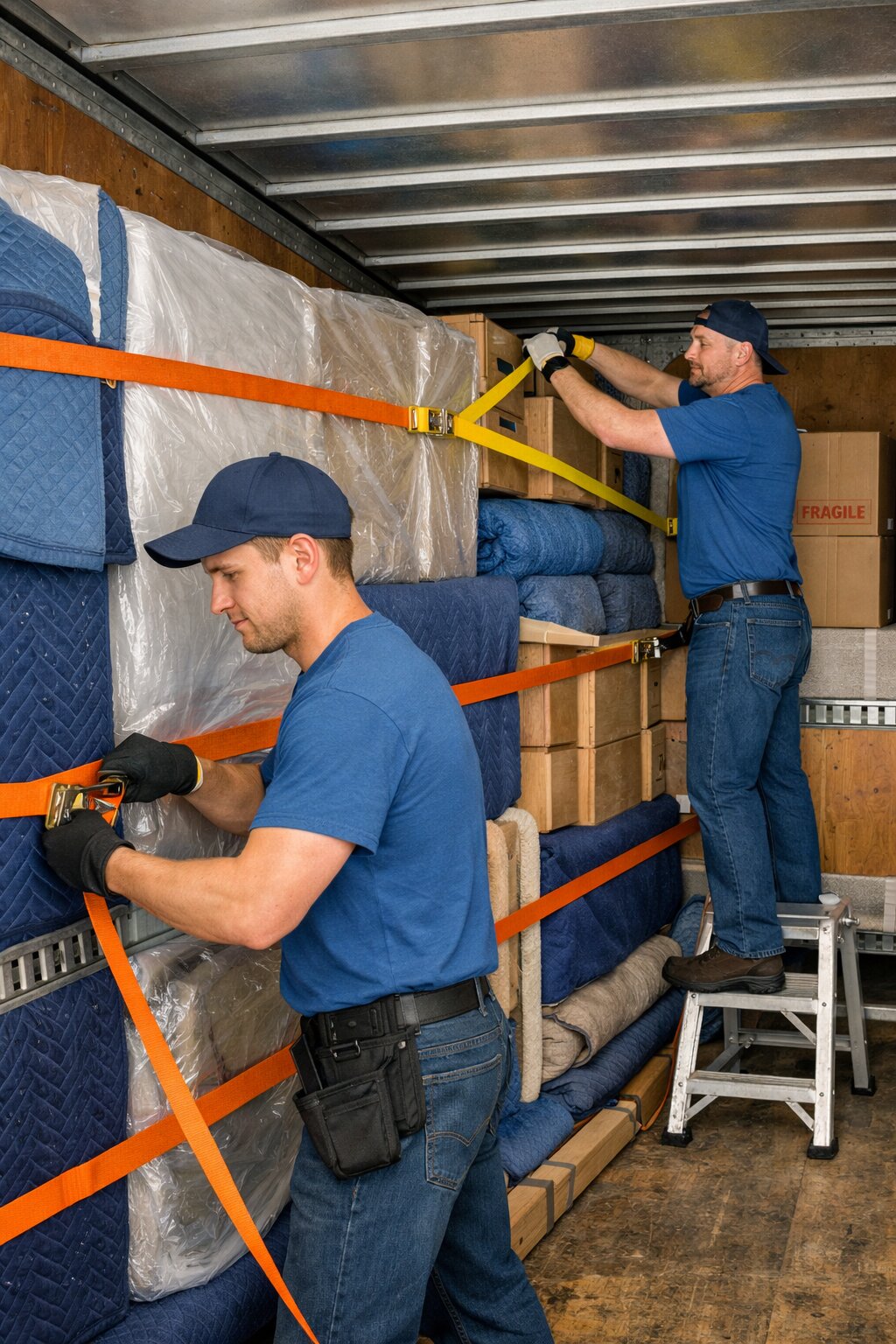
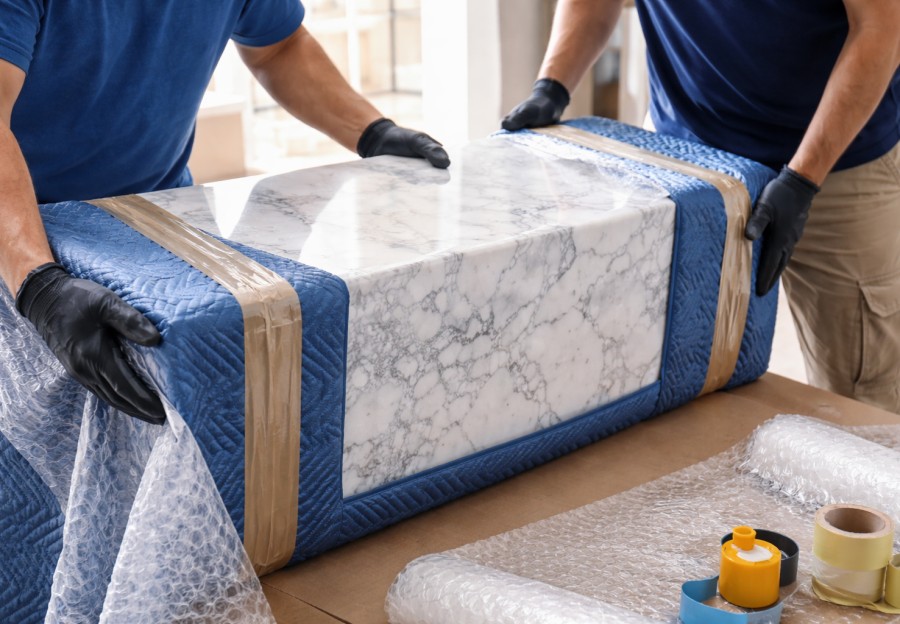
Damage prevention is another major advantage. Transportation vibration studies show that most household damage occurs during handling transitions rather than while items sit secured in the truck. When crews are exhausted and spaces become crowded, items get stacked hastily, corners get clipped, and padding gets skipped. A staggered schedule keeps work zones less congested and allows more careful placement. Insurance claim data from the moving industry consistently shows that rushed handling and end of day fatigue correlate with higher damage rates. Slowing the pace improves precision and reduces costly repairs.
Space management inside the new home improves dramatically when deliveries are staggered. An empty apartment or house fills quickly when dozens of boxes and large furniture arrive at once. Clutter blocks walkways, hides outlets, and slows furniture placement. Environmental psychology studies show that clutter increases cognitive fatigue and decision paralysis, making it harder to organize efficiently. When deliveries are spaced out, each phase can be unpacked and placed properly before the next load arrives. This keeps circulation paths open and allows better layout decisions without constantly moving obstacles.
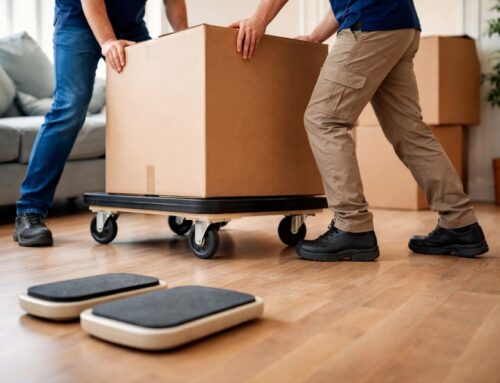
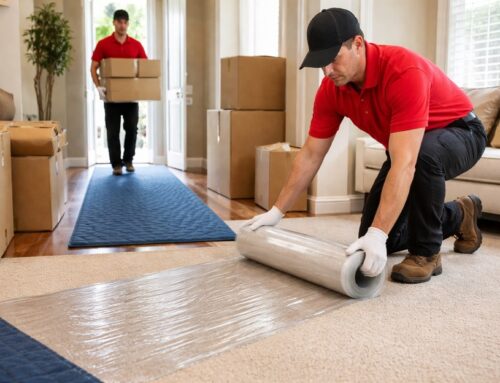
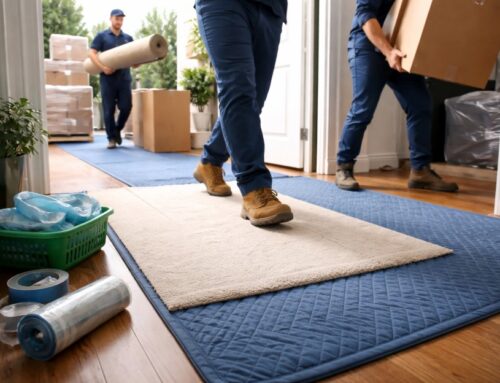
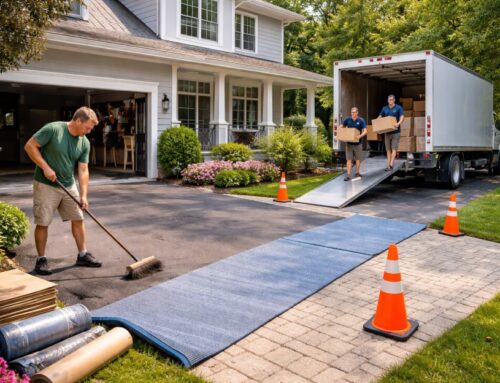
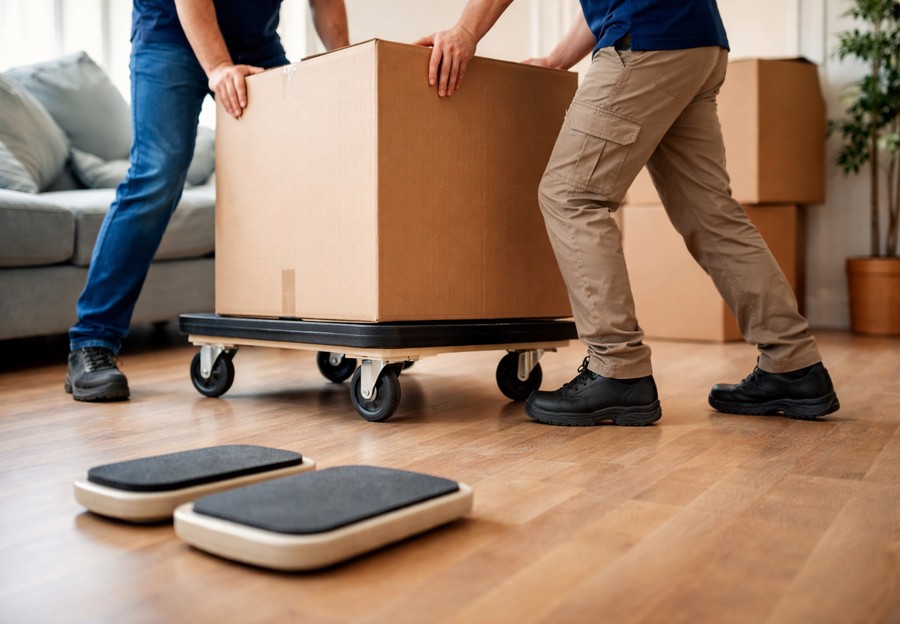
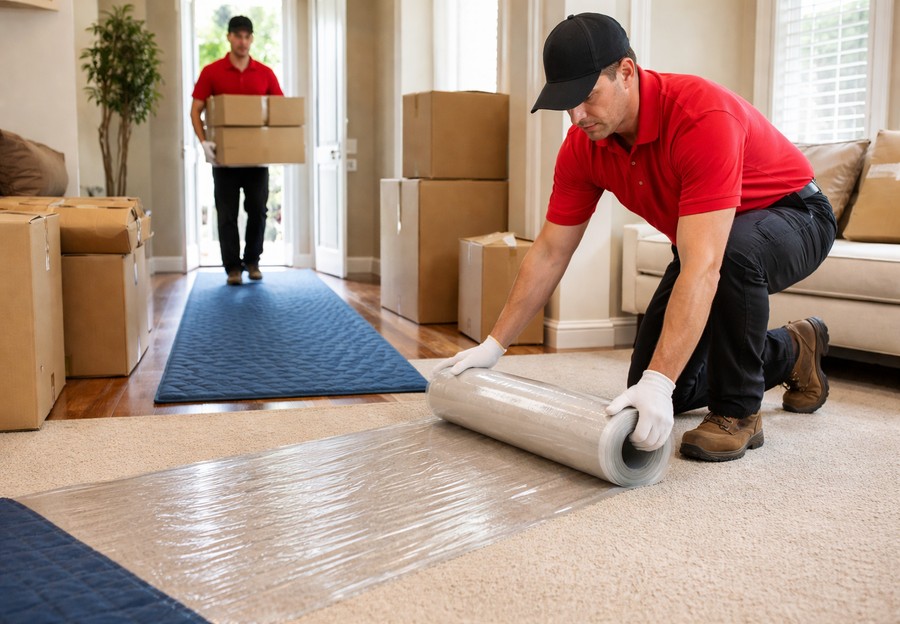
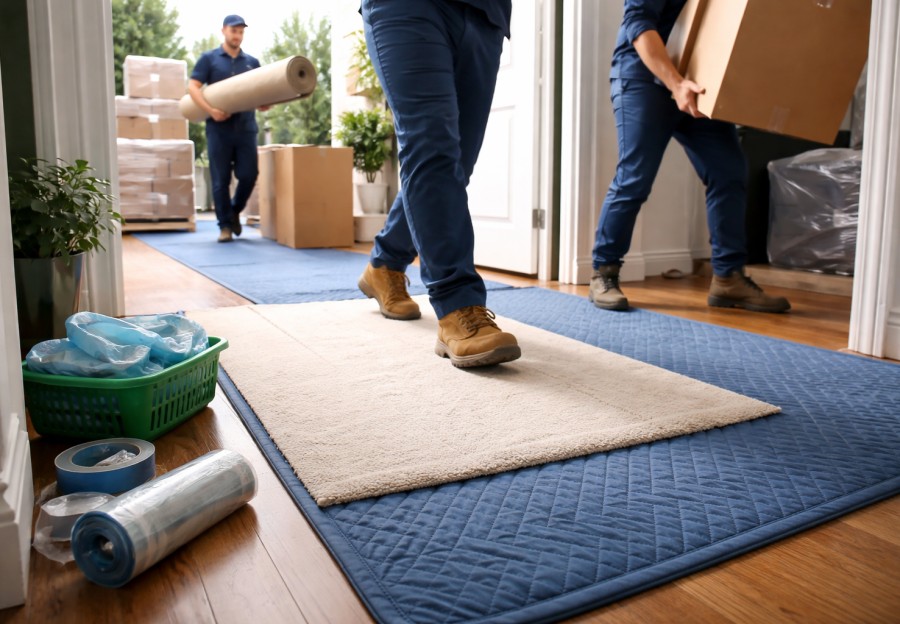
Staggered delivery also improves cleaning and preparation quality. Many homes benefit from light cleaning, floor protection placement, or minor repairs before heavy furniture arrives. Flooring industry data shows that freshly cleaned or recently refinished floors are more vulnerable to scuffing and compression during the first 24 to 48 hours. Delivering heavy items after surfaces have cured or settled reduces cosmetic damage risk. A phased approach gives time to install rugs, protective runners, and wall guards where needed.
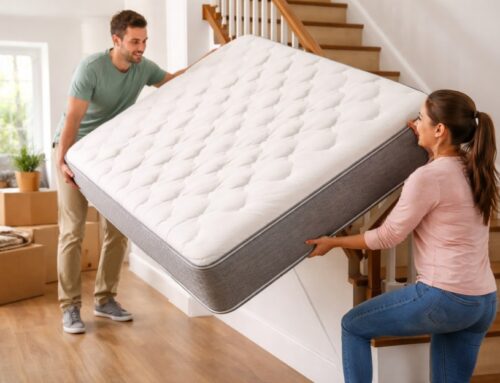
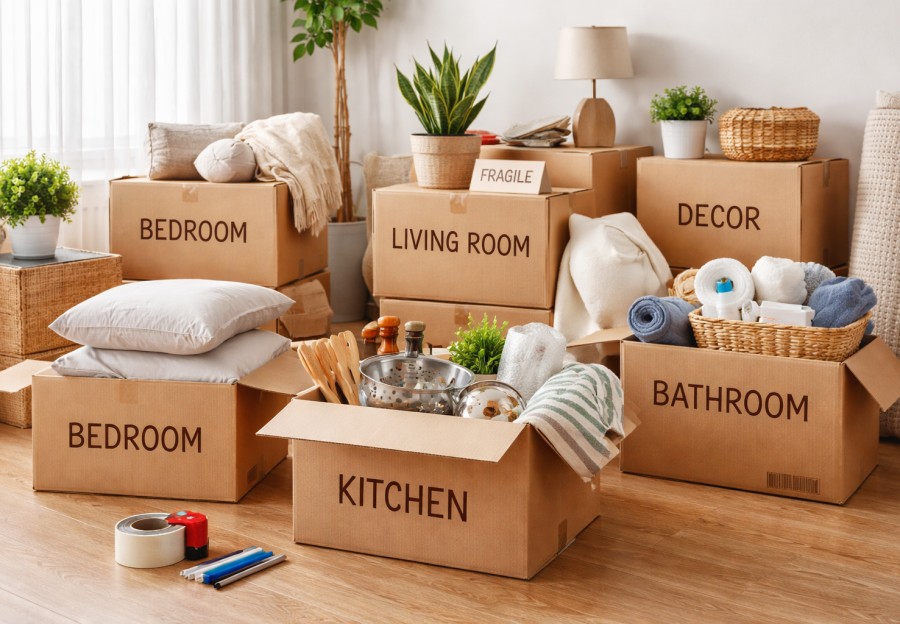
Utilities and setup sequencing become easier with staggered arrivals. Beds, basic seating, and essential kitchen items can arrive first so the household functions normally while remaining items follow later. Behavioral research shows that restoring basic daily routines early reduces relocation stress and improves adjustment speed. Instead of living among towering stacks of unopened boxes, people can establish sleep, hygiene, and meal routines quickly.
Time efficiency actually improves when viewed across the full move timeline. While a single delivery day feels fast, unpacking chaos often stretches for weeks afterward. Task management studies show that breaking large projects into manageable phases improves completion rates and reduces procrastination. With staggered deliveries, each phase has a clear scope. Unpacking stays focused rather than overwhelming, which shortens total settle in time even if deliveries span multiple days.
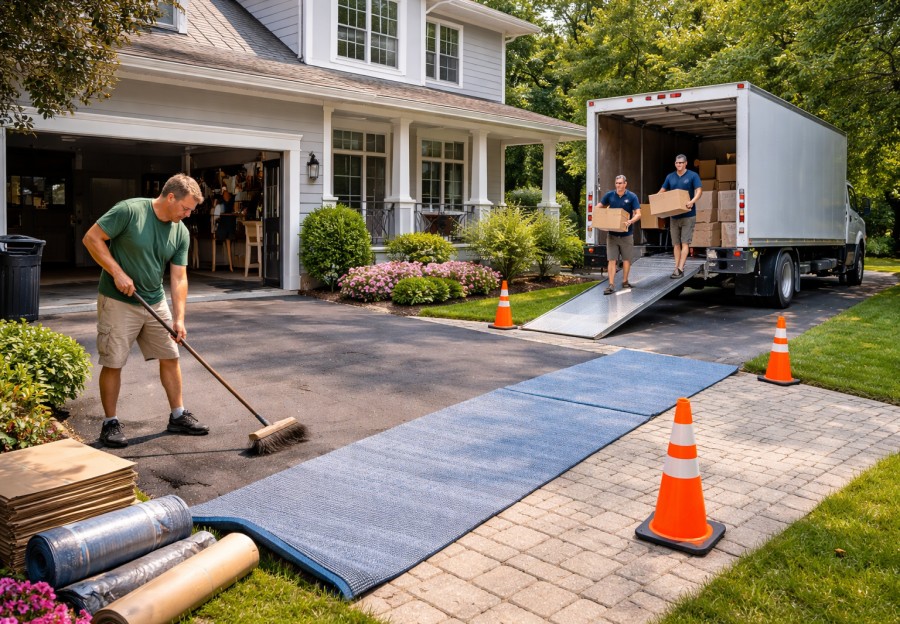
Cost control can benefit as well. Overtime labor charges often appear when single day deliveries run long due to congestion, elevator delays, or fatigue slowdowns. Building management surveys show that elevator congestion remains one of the most common causes of move delays in multi unit buildings. When deliveries are spread out, peak congestion periods can be avoided and labor stays closer to scheduled hours. This reduces surprise charges.
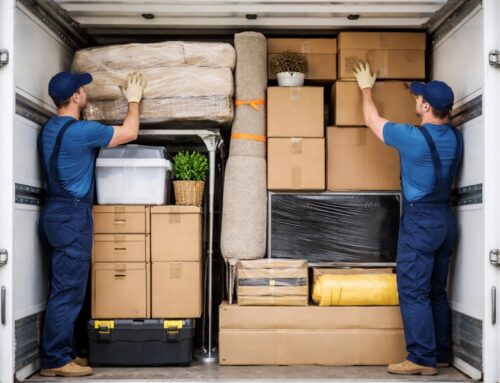
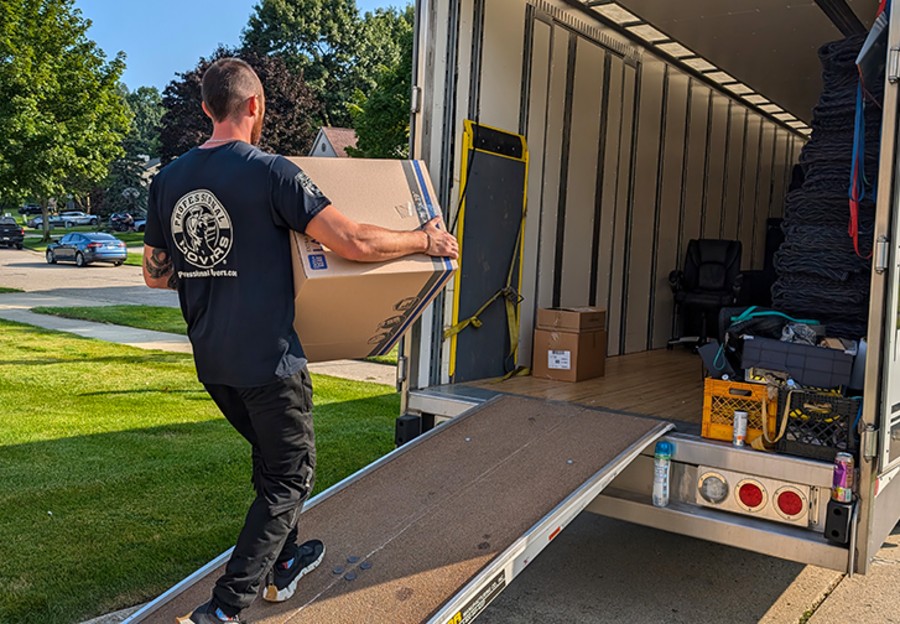
For larger homes or long distance moves, staggered delivery often aligns naturally with logistics. Long haul carriers frequently consolidate loads across multiple routes. Transportation efficiency studies show that optimized routing reduces fuel consumption and idle time when shipments are staged intelligently rather than forced into single day windows. Allowing flexible delivery windows can lower overall transport costs that eventually benefit customers.
Climate sensitive items benefit from phased handling. Electronics, artwork, musical instruments, and wine experience stress from temperature swings and humidity changes. Vehicle interior temperature studies show that closed trucks can exceed outdoor temperatures by more than 20 degrees Celsius in direct sun. By prioritizing sensitive items early in the day or on separate controlled trips, exposure time drops significantly. Materials science research shows that reducing exposure duration often matters more than adding extra packaging layers.
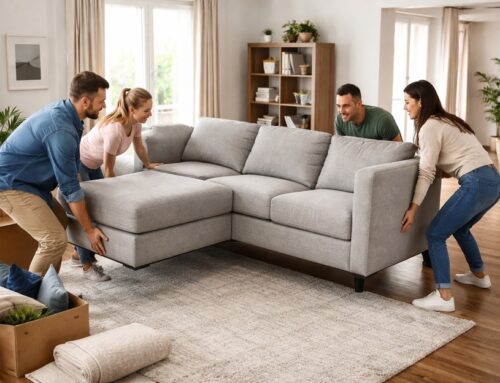
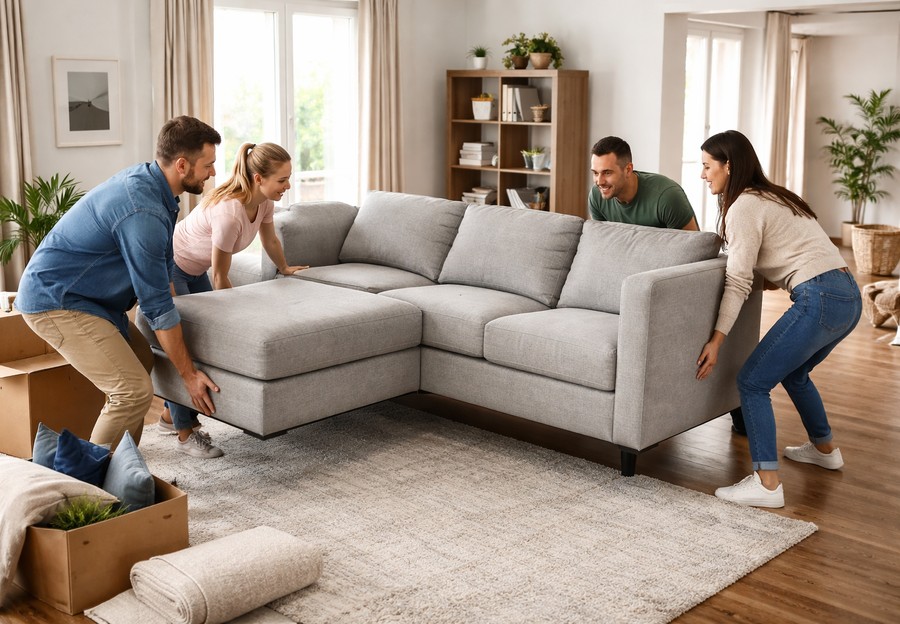
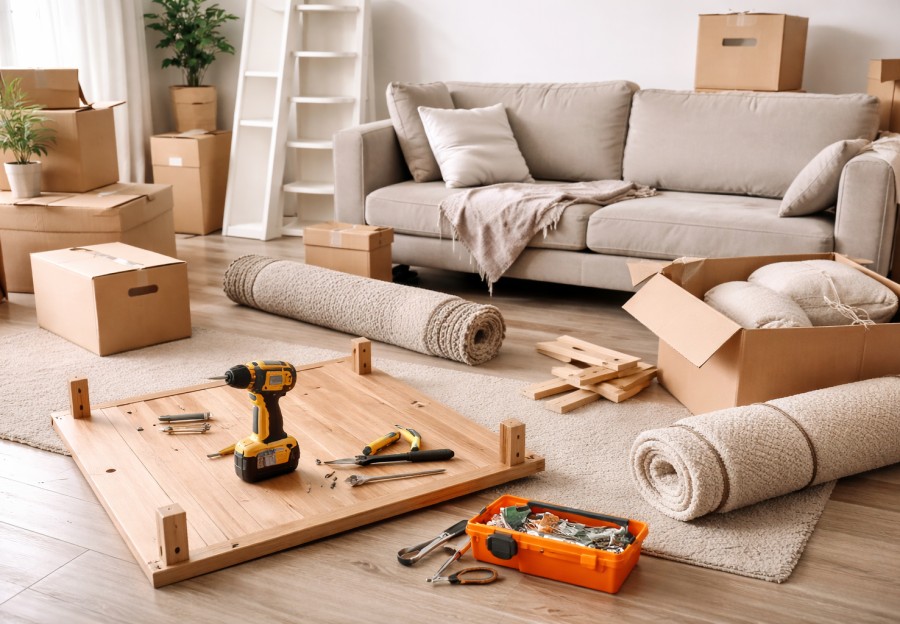
Staggered delivery also improves decision quality when arranging furniture layouts. Many people realize only after seeing items in place that a different configuration works better. Interior design surveys show that homeowners frequently reposition furniture multiple times during the first month after moving. When everything arrives at once, heavy items often block each other and require repeated lifting to adjust layouts. Phased placement allows real world testing of spacing, lighting, and traffic flow before committing to final positions.
There is a psychological benefit as well. Moving ranks among the top life stressors according to behavioral health research. Large simultaneous tasks increase perceived stress and reduce satisfaction even when outcomes are positive. Smaller staged milestones create a sense of progress and control. Completing one phase before the next begins improves motivation and reduces burnout.
Storage transitions become smoother with staggered delivery. Many households move part of their belongings from storage or temporary housing. Self storage industry data shows that the average storage customer keeps a unit for over a year even when initially planned as short term. Phased delivery allows gradual release of stored items based on actual space availability and lifestyle needs rather than dumping everything into the home at once and paying for overflow storage later.
Environmental impact improves when loads are optimized rather than rushed. Transportation energy studies show that better load planning reduces fuel consumption and idling. Fewer rushed trips and reduced rehandling translate into lower emissions. Damage prevention also reduces replacement manufacturing, which sustainability studies consistently identify as a major source of household carbon footprint.
Safety for children and pets improves as well. Busy move days create hazards such as open doors, stacked boxes, exposed tools, and distracted adults. Injury surveillance data shows that household accident risk increases during major transitions. Spreading activity across calmer days reduces chaos and improves supervision.
Staggered delivery supports better inventory control. When everything arrives at once, missing or damaged items may go unnoticed until weeks later when claims become harder to file. Logistics audits show that immediate inspection improves claim resolution rates significantly. Phased deliveries allow careful inspection of each batch while memory and documentation remain fresh.
Financial planning becomes clearer too. With phased arrivals, purchases such as shelving, storage bins, or furniture adjustments can be based on actual needs rather than assumptions made before moving. Consumer spending studies show that rushed post move purchases often lead to duplication and regret. Slower pacing supports smarter spending.
Even neighbors and building management benefit. Noise, elevator usage, parking congestion, and hallway traffic create friction in shared buildings. Property management surveys frequently cite move day congestion as a source of resident complaints. Smaller deliveries reduce disruption and maintain goodwill.
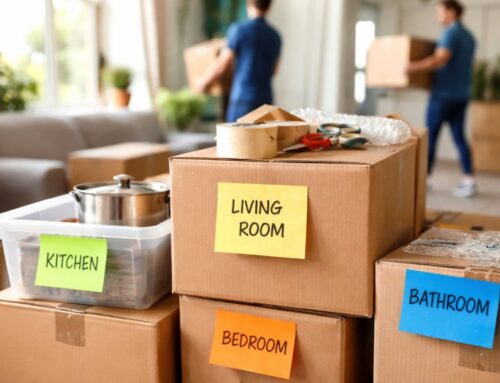
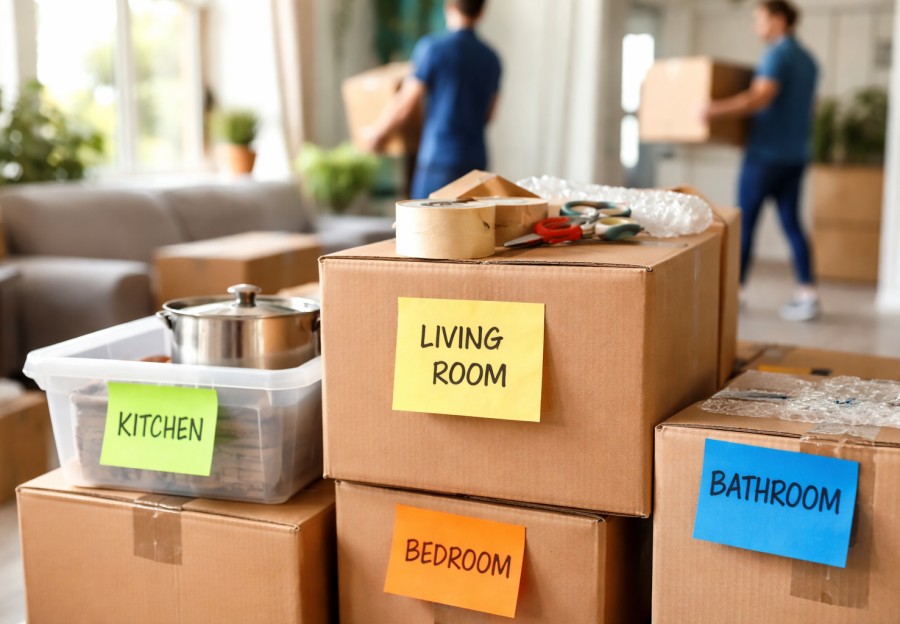
There are practical limits to staggered delivery. It requires coordination, clear labeling, and sometimes slightly higher planning effort. However, the tradeoff usually favors control and safety over raw speed. The small inconvenience of waiting an extra day or two for non essential items is often outweighed by reduced stress, fewer injuries, less damage, and better organization.
The numbers support this logic. Injury risk rises with fatigue. Damage claims rise with rushed handling. Storage costs accumulate when space is misjudged. Energy use increases when routing is inefficient. Stress impairs decision making. Each of these factors improves when work is distributed rather than compressed.
A move is not a race. It is a controlled transition of your entire living environment. Treating it as a staged process rather than a single chaotic event aligns better with how humans perform complex physical and organizational tasks. Most large projects in construction, logistics, and manufacturing are phased precisely because quality and safety improve when pressure is distributed.
Staggered delivery days create breathing room. They protect bodies, belongings, budgets, and mental clarity. They allow better setup, cleaner spaces, smarter decisions, and calmer households. Instead of one exhausting marathon day followed by weeks of recovery, the move becomes a series of manageable steps that build toward a stable home.
When the last delivery arrives and everything is already organized rather than piled, the value of pacing becomes obvious. The move feels intentional rather than frantic. That difference carries forward into how quickly a space begins to feel like home, not just occupied, but settled, functional, and comfortable.