May 5, 2026
How movers deal with oversized headboards
Oversized headboards look beautiful in a bedroom, but the moment they have to leave that room, reality sets in. Tall upholstered panels, solid wood slabs, carved frames, and wide wall mounted designs often exceed standard doorway width, stairwell clearance, or elevator limits. They are awkward, top heavy, easy to scuff, and surprisingly fragile at stress points. Movers treat oversized headboards as specialty items because a small mistake can crack joints, tear fabric, or damage walls and railings in seconds.
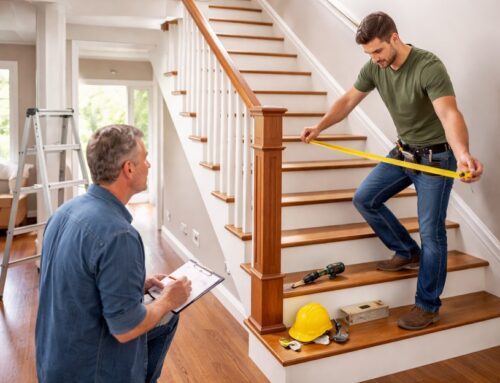
The size issue comes first. Many modern king and California king headboards stand 60 to 72 inches tall and can be wider than 80 inches. Interior doorways in most homes range between 28 and 36 inches wide. Stairwell turn radii are often even tighter. Spatial planning studies show that diagonal clearance rather than straight width usually becomes the limiting factor when rotating large flat objects in confined spaces. Movers measure both the headboard and the path before touching the piece so they can visualize rotations rather than improvising under load.
Weight distribution is another challenge. Solid wood headboards may weigh over 150 pounds, while upholstered frames hide dense internal plywood and foam that shift the center of mass unpredictably. Furniture manufacturing data shows that decorative carvings, metal inlays, and mounting hardware often concentrate weight toward one side or along the top rail. That imbalance increases tipping risk during carries and increases strain on shoulders and wrists.
Injury risk is real. The Bureau of Labor Statistics consistently reports that overexertion and awkward handling contribute heavily to workplace injuries in moving and furniture handling roles. Oversized flat objects create long lever arms that amplify torque on the body. Biomechanics research shows that holding weight far from the body increases spinal compression and shoulder stress significantly even when total weight seems manageable.
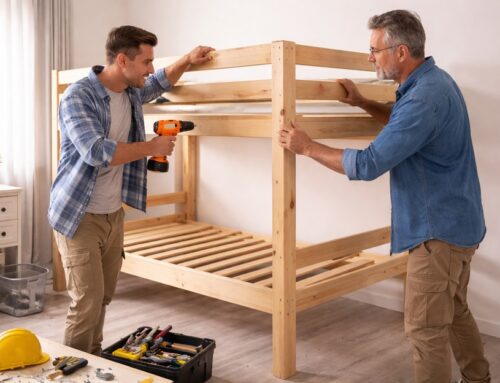
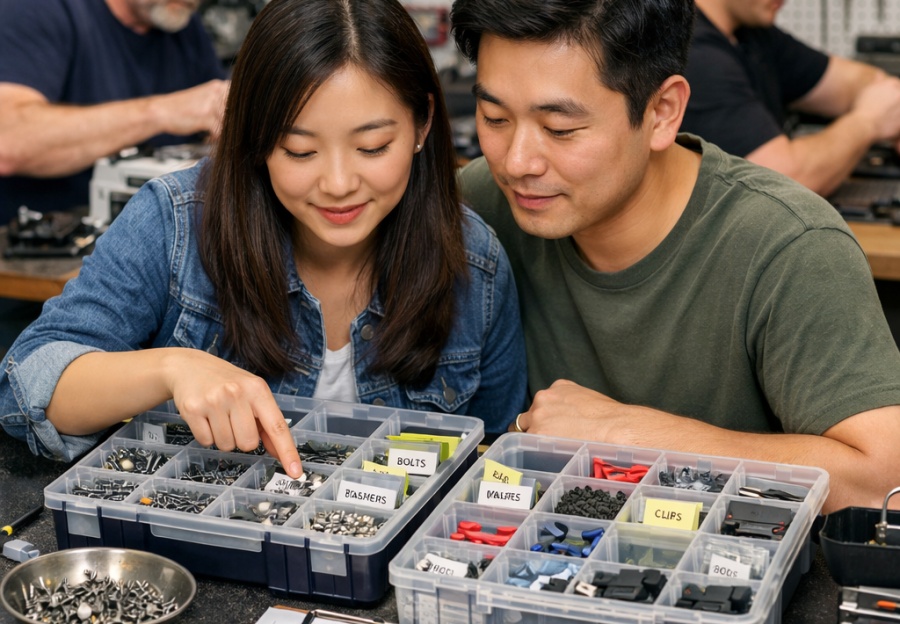
Disassembly is the first strategy movers evaluate. Many headboards detach from bed frames, wall brackets, or decorative legs. Removing mounting hardware reduces width, lowers weight, and eliminates protruding edges that catch on door frames. Even removing decorative trim or detachable panels can restore safe clearance. Mechanical assembly guidelines consistently show that partial disassembly reduces handling stress and damage probability during transport.
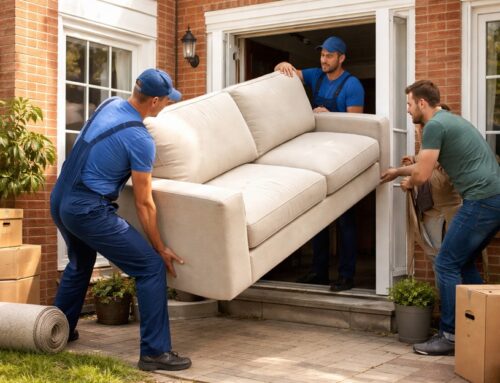
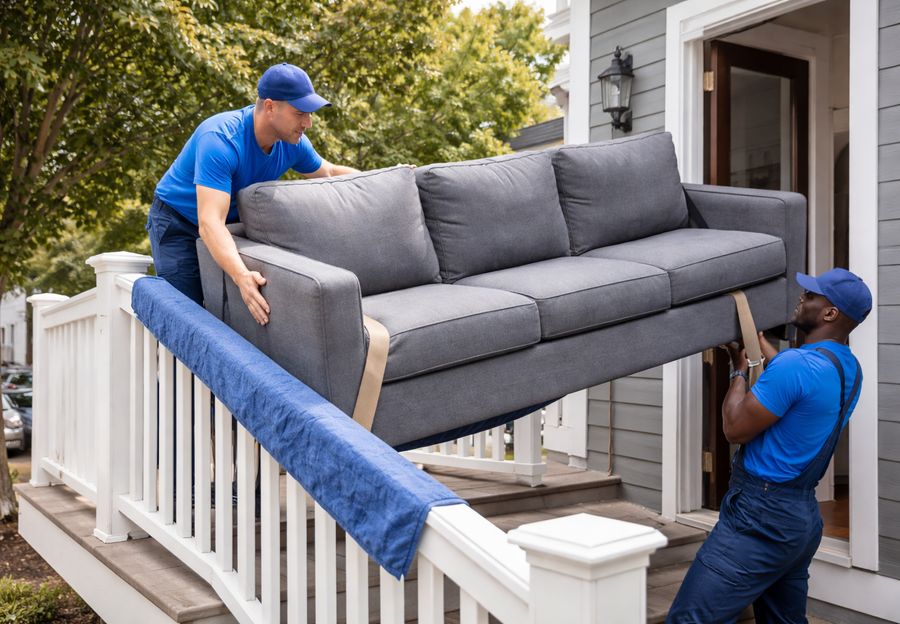
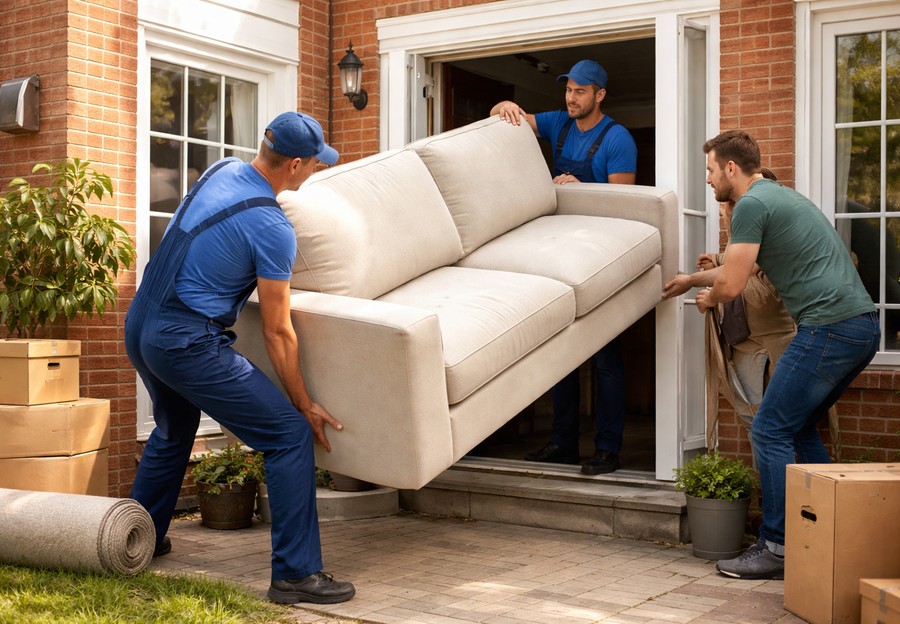
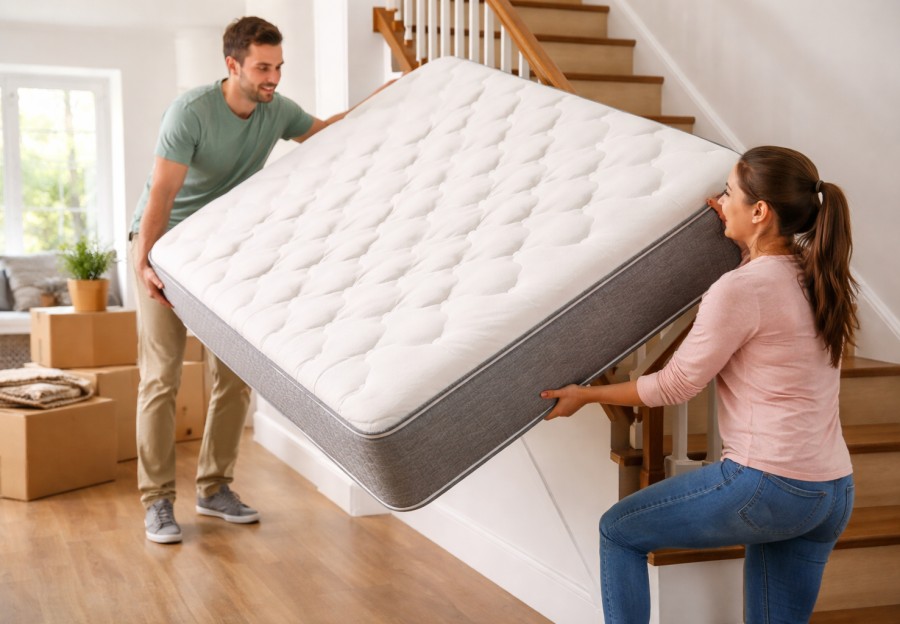
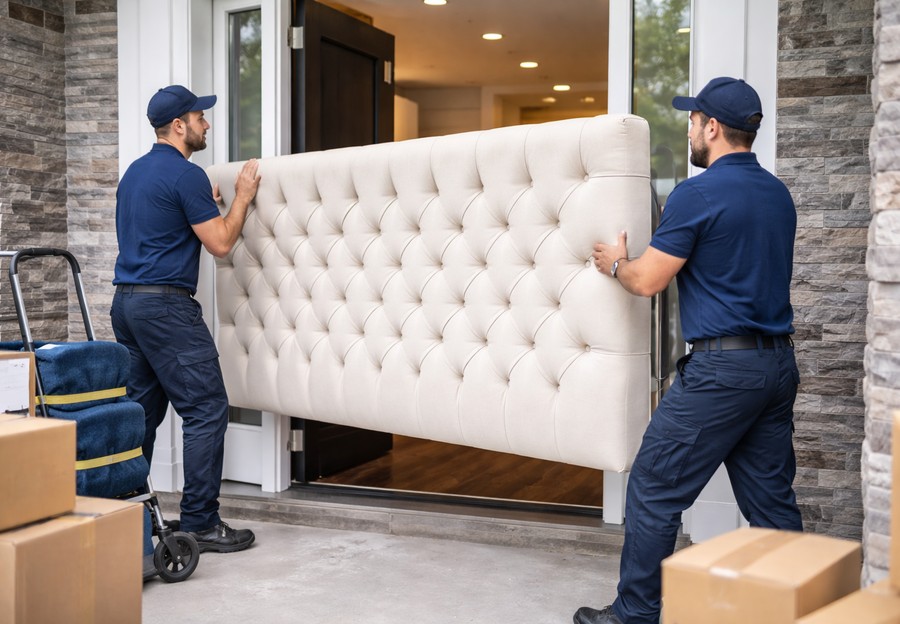
If the headboard cannot be disassembled safely, movers focus on orientation and path control. Carrying a headboard flat maximizes width and increases wind resistance in stairwells or outdoor transitions. Instead, movers typically angle or tilt the headboard so its diagonal dimension clears doorways and corners. Geometry explains this clearly. A rectangle often fits through an opening diagonally even when its straight width exceeds the opening dimension.
Tilting introduces balance challenges. When a large panel tilts, the center of gravity shifts upward and outward. That makes slow controlled movement essential. Occupational safety research shows that sudden acceleration increases instability and strain risk. Movers take small synchronized steps and pause frequently to reset grip and alignment rather than rushing through tight points.
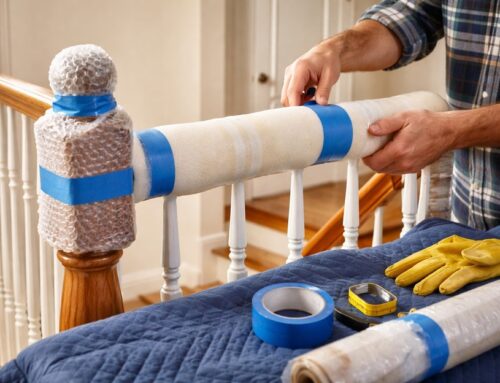
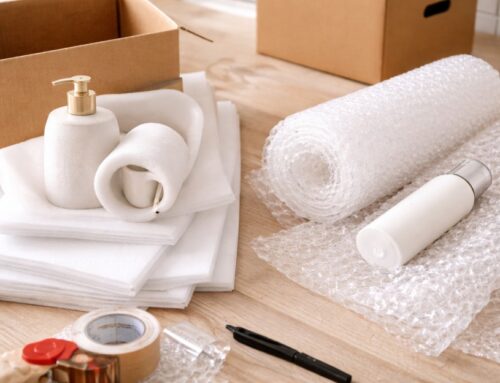
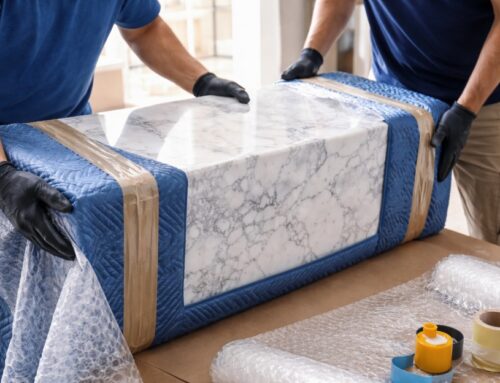
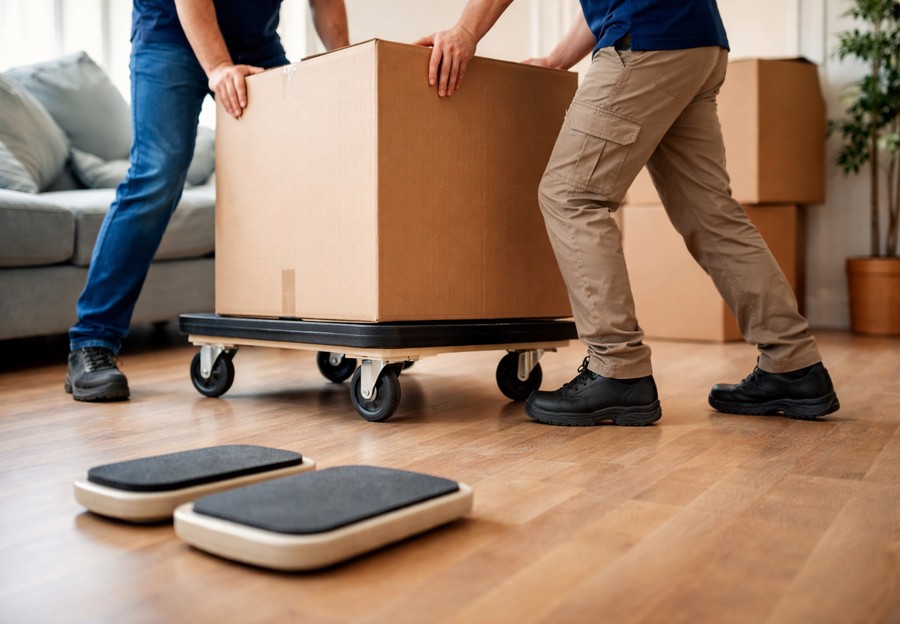
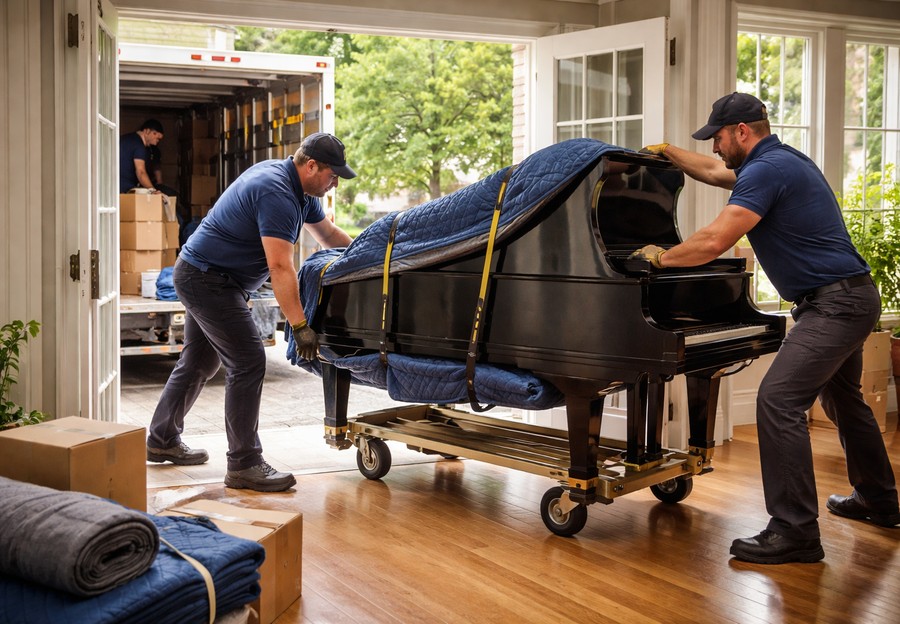
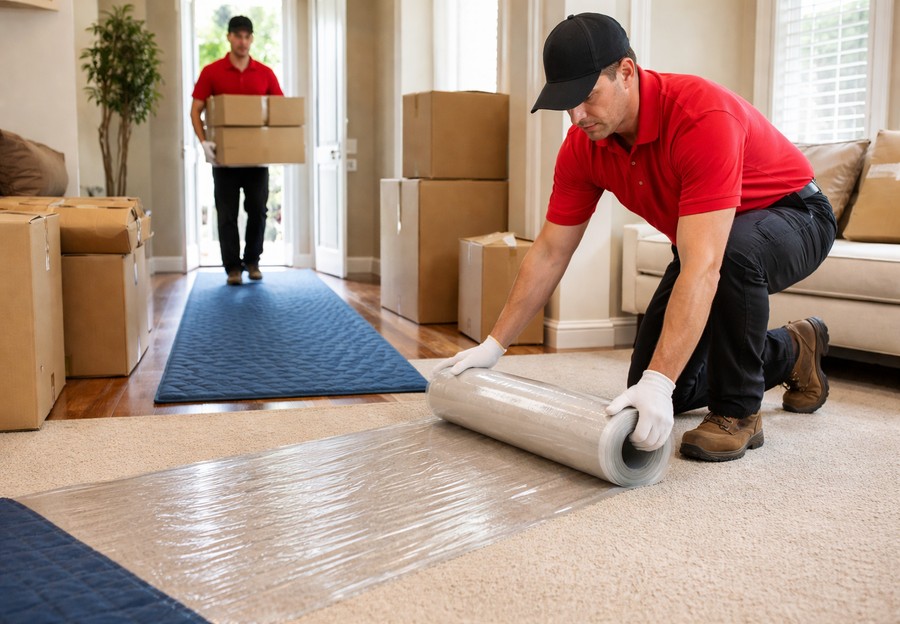
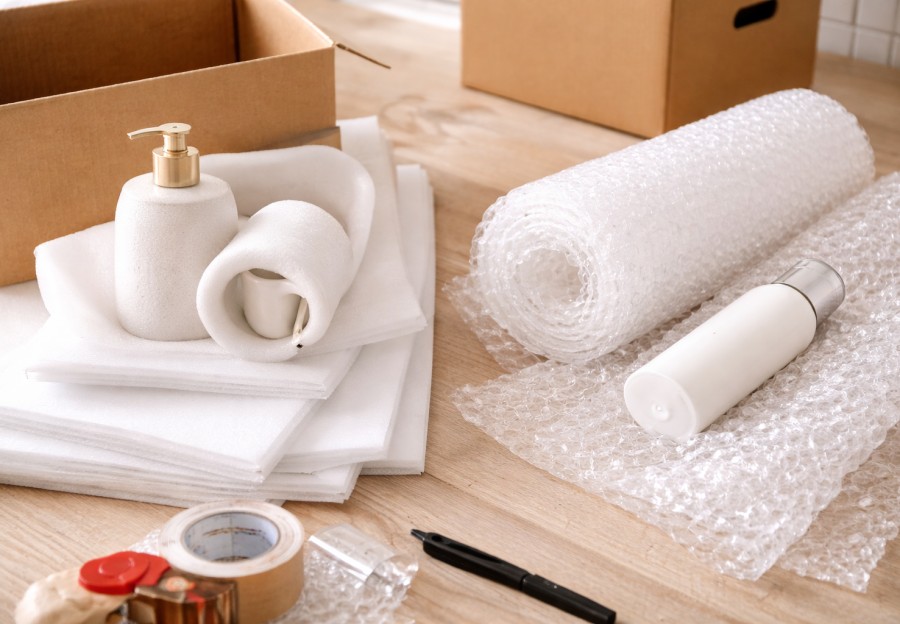
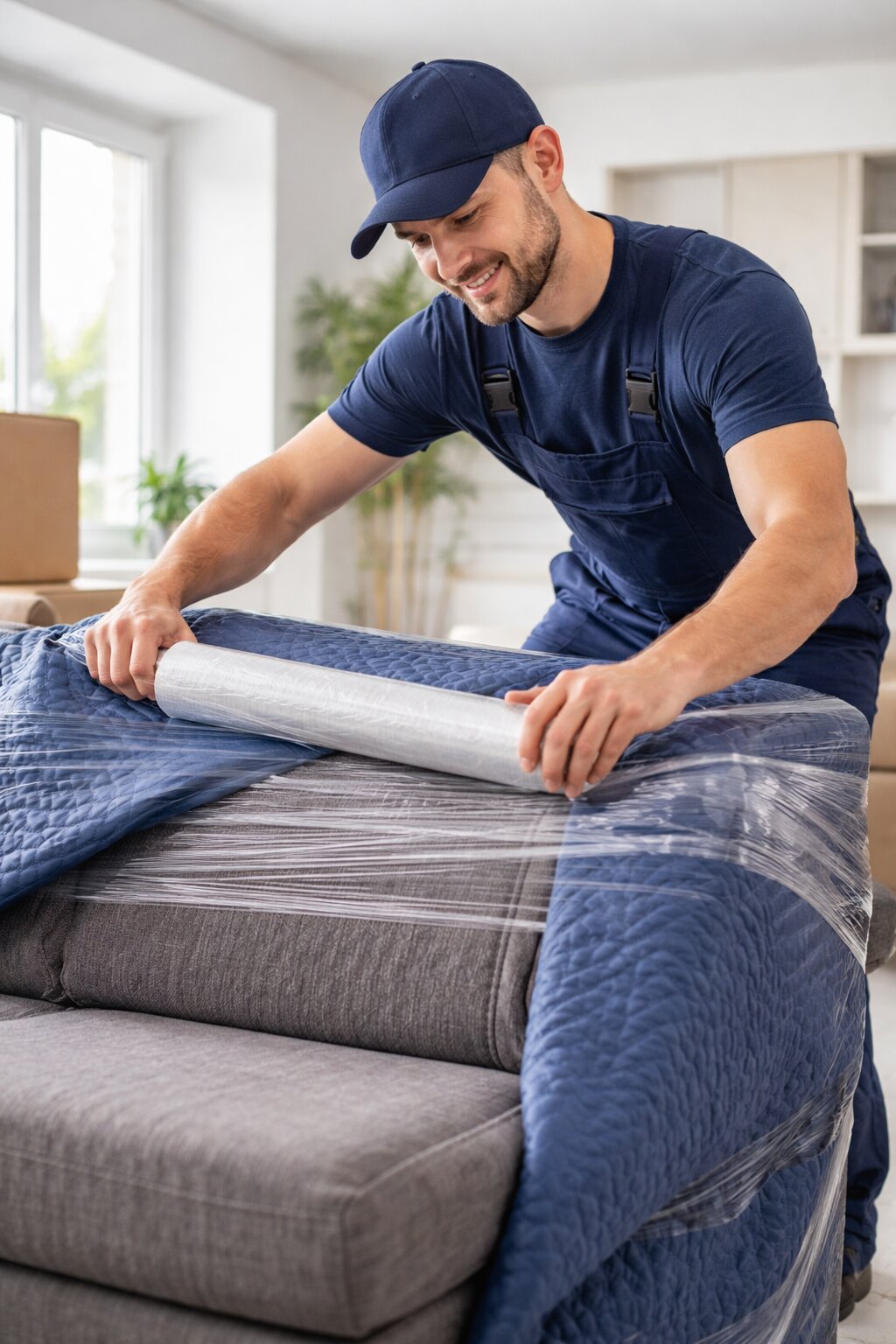
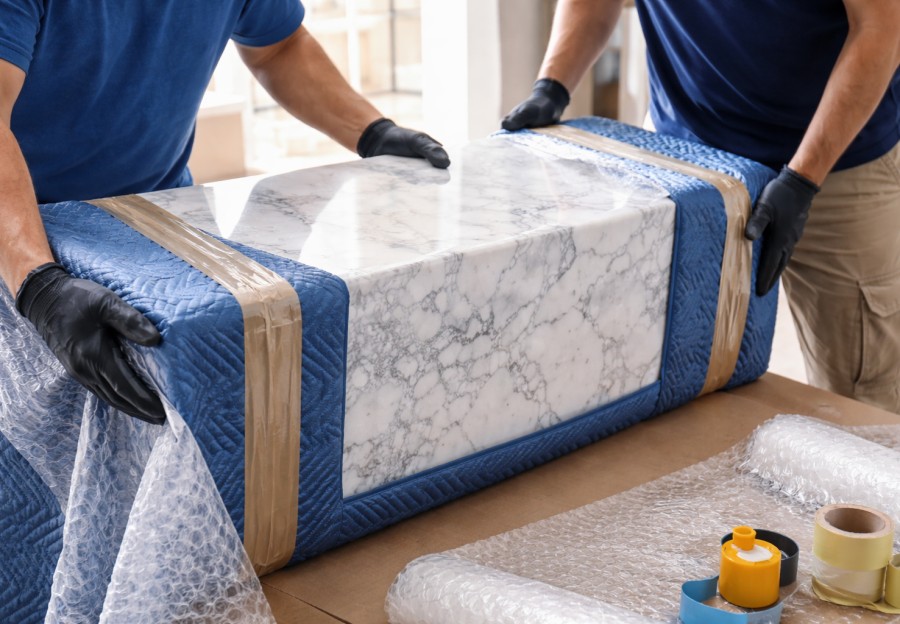
Padding serves both protection and control. Thick moving blankets protect finishes and add friction so hands grip more securely. Materials handling studies show that higher friction surfaces reduce the force required to stabilize loads, lowering fatigue and improving control. Corners and decorative edges receive extra padding because stress concentrates at sharp transitions. Structural engineering research confirms that impact forces amplify at corners during collisions.
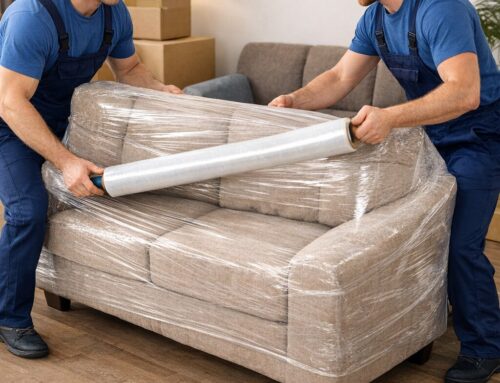
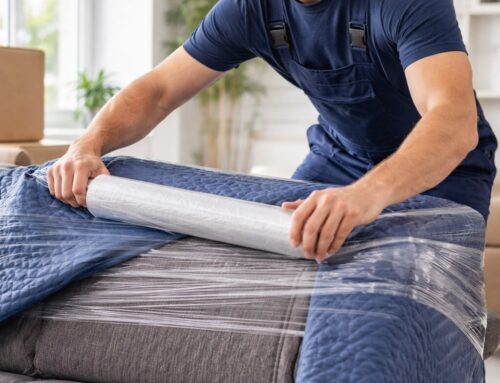
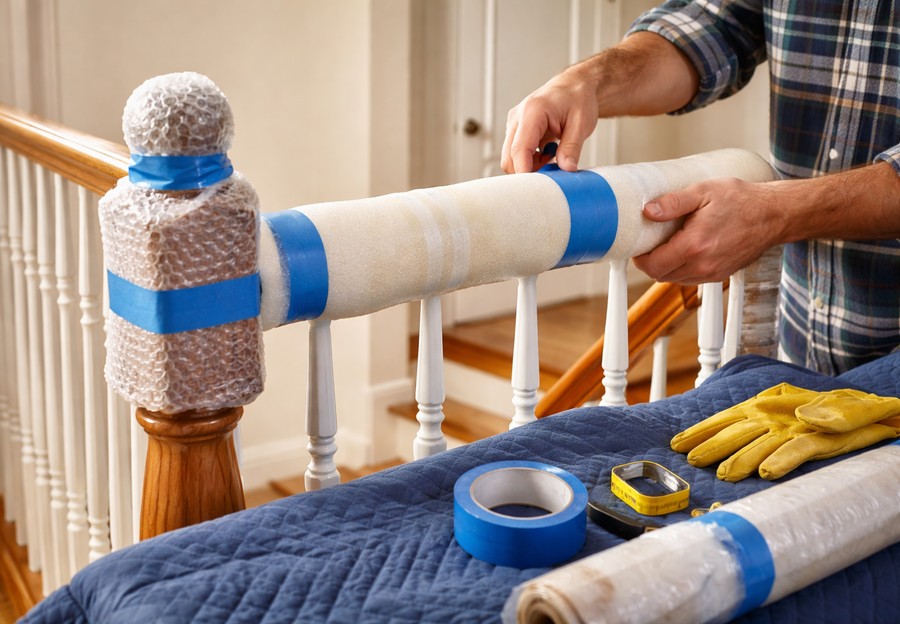
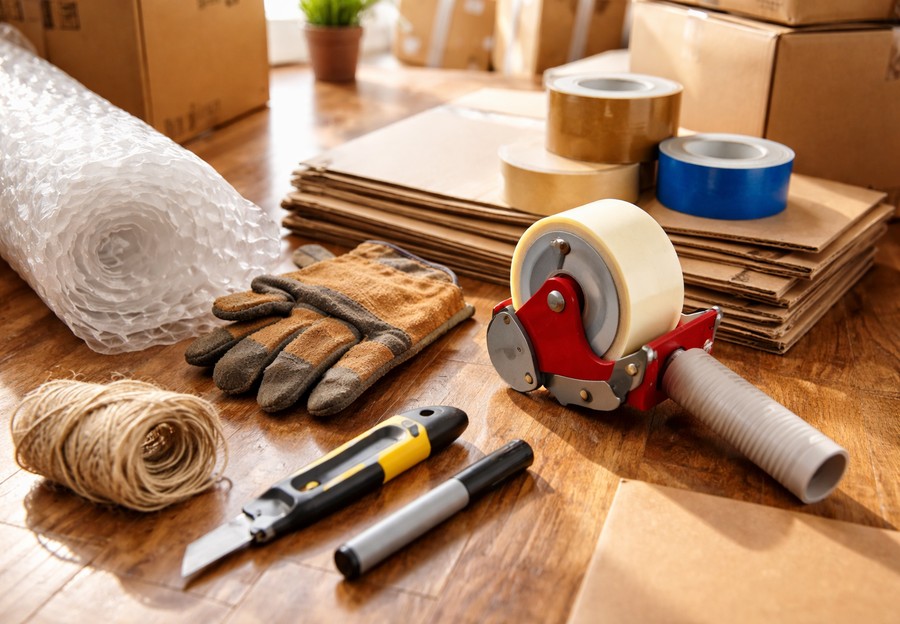
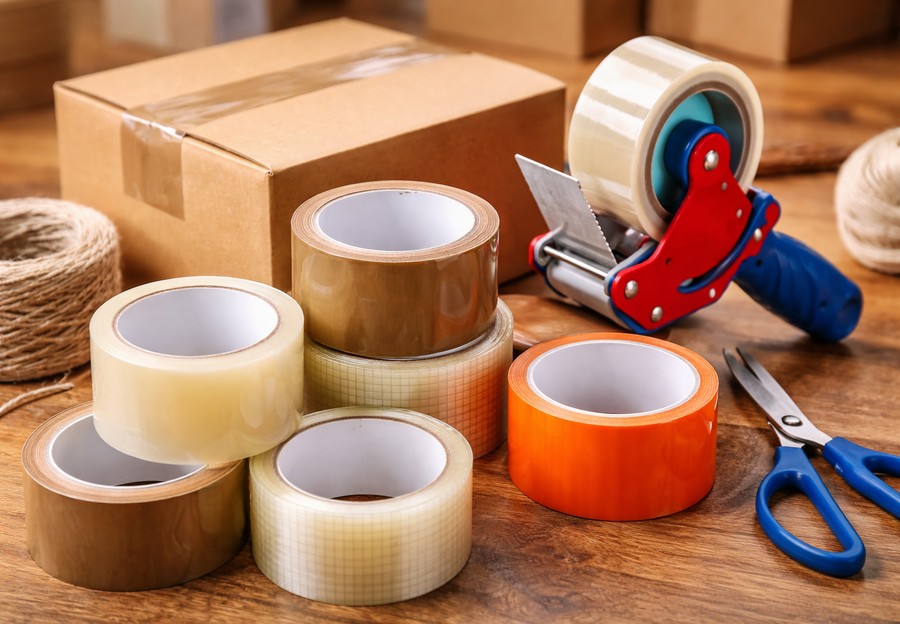
Stretch wrap or banding keeps padding tight and prevents fabric from snagging. However, tape is never placed directly on finished surfaces. Adhesive residue can damage wood finishes, lacquer, and upholstery coatings. Conservation guidelines for furniture handling consistently warn against direct adhesive contact.
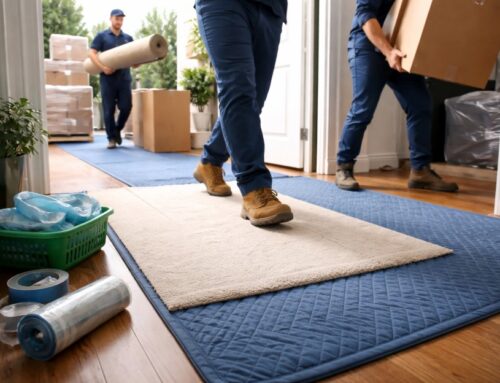
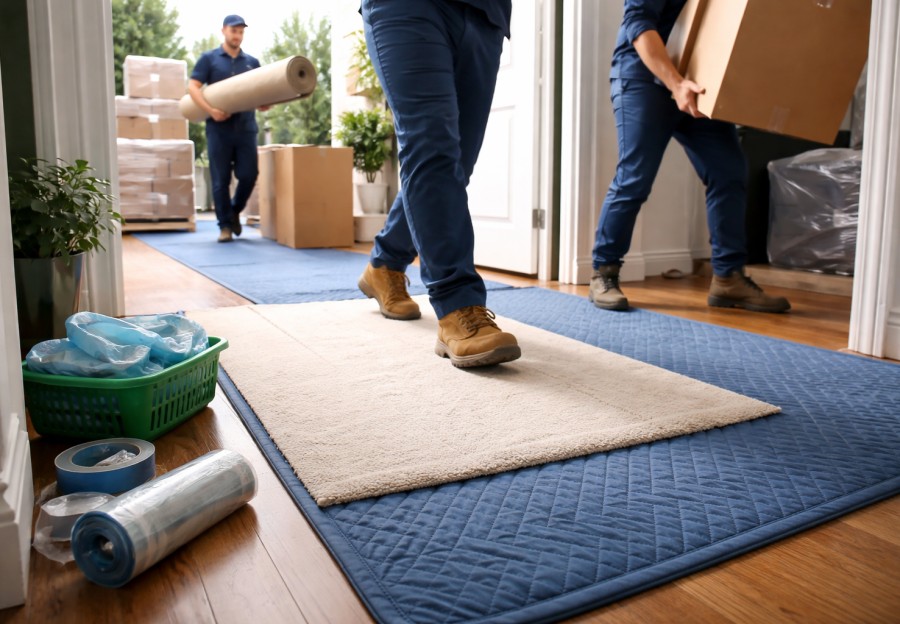
Clearance management protects both the headboard and the building. Walls, railings, light fixtures, and door trim are vulnerable when a wide panel pivots through tight angles. Repair cost surveys show that trim repair and drywall patching frequently exceed several hundred dollars per incident. Movers often protect tight corners with temporary padding or spotters who guide clearance visually.
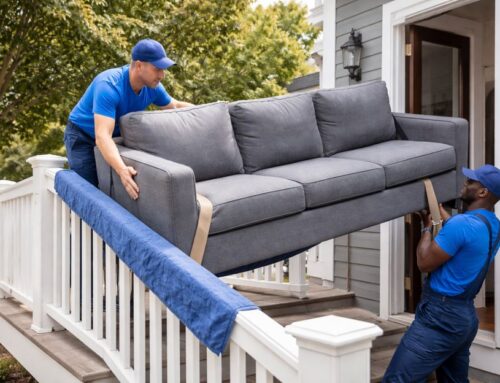
Staircases present additional complexity. Gravity amplifies momentum on descents and increases braking force on ascents. Occupational injury data shows higher injury rates on stair carries during material handling. Movers keep the heavier end uphill whenever possible and assign extra hands to stabilize rotational movement rather than relying on brute strength alone.
Elevators introduce height limits and door swing restrictions. Elevator door openings often narrow significantly at the frame edges, and ceiling clearance may limit vertical tilt options. Building management surveys show that elevator congestion and dimensional constraints cause frequent move delays. Movers may rotate the headboard inside the cab diagonally or position it partially upright depending on cab dimensions. Protective elevator padding prevents surface damage during contact.
When interior routes simply cannot accommodate the headboard safely, alternative strategies come into play. Hoisting through large windows or balconies using controlled rigging systems may be considered in high rise or historic buildings with narrow stairwells. Rigging safety standards emphasize load control, anchor strength, and weather conditions. This approach is typically reserved for extreme cases due to complexity and cost.
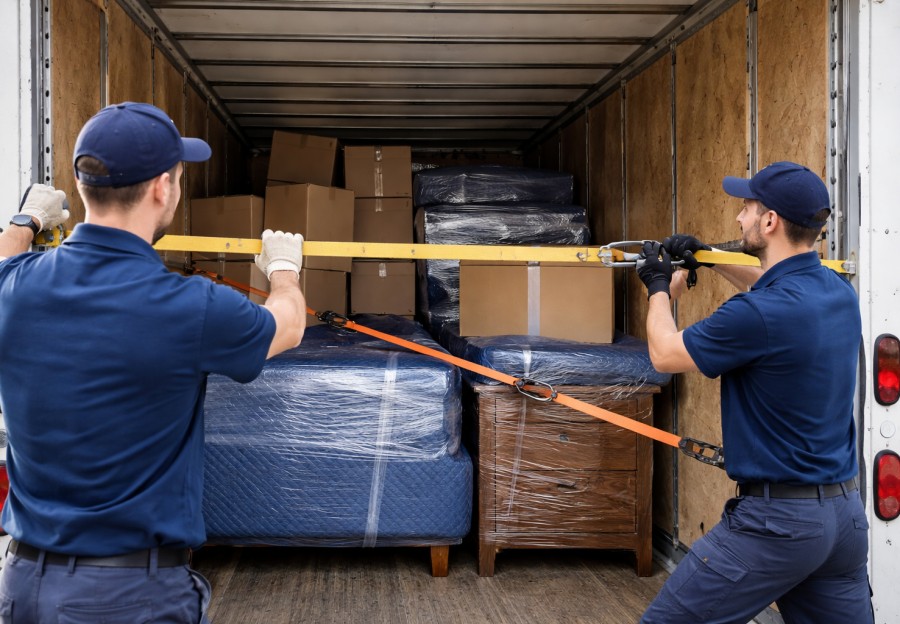
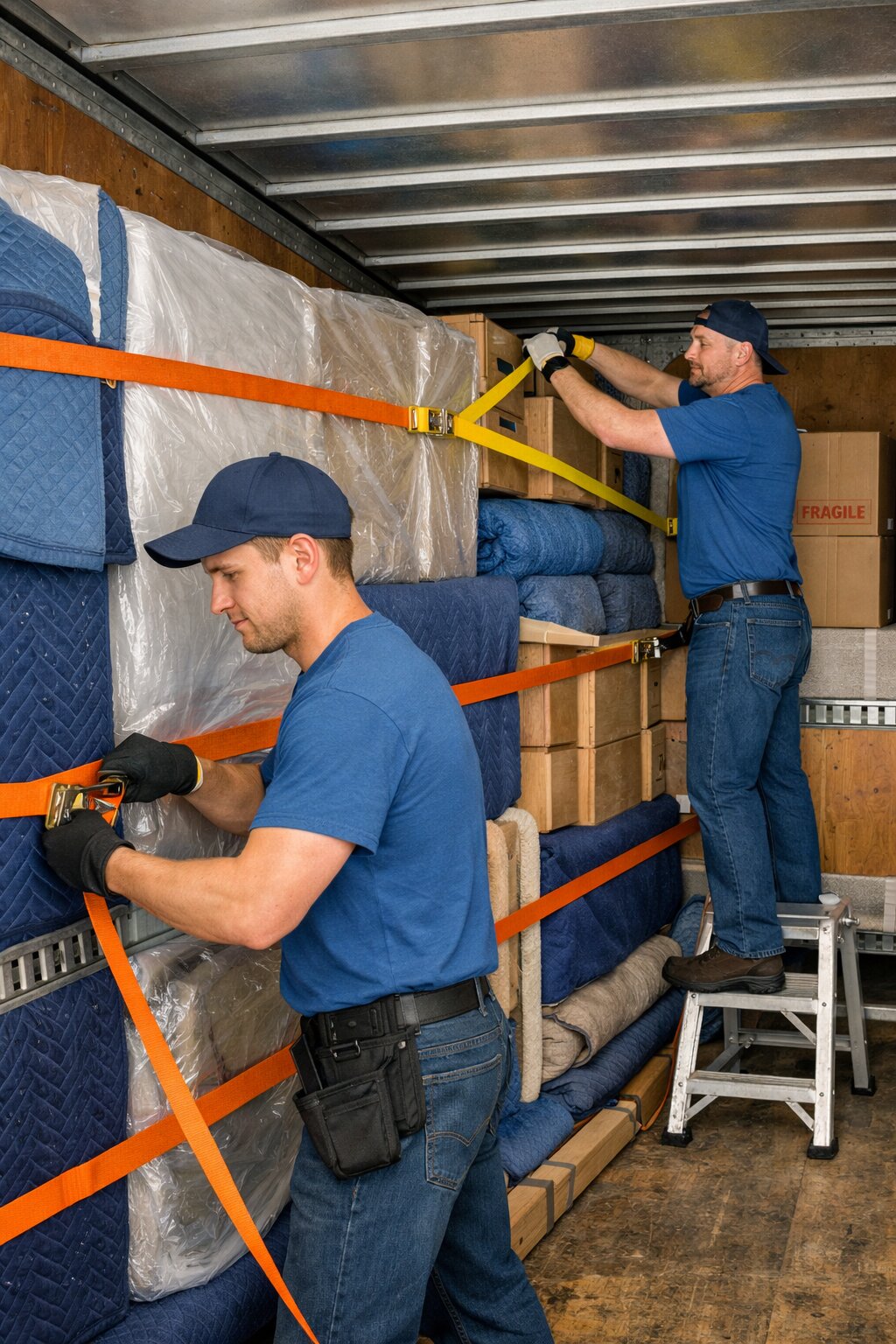
Truck loading strategy affects survival during transit. Oversized headboards should ride vertically against padded load walls rather than flat under stacked weight. Transportation safety research shows that lower layers experience the highest compression forces during braking and vibration. Vertical placement distributes load more evenly and reduces bending stress across the panel.
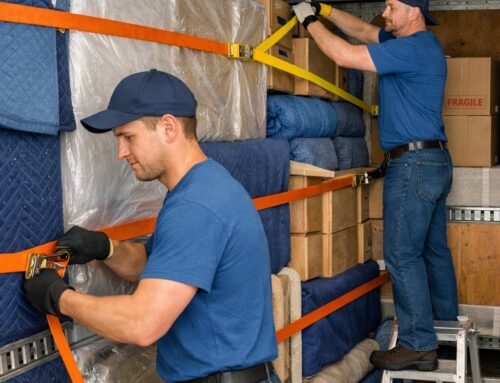
Strapping prevents flex and vibration. Micro movement during transport causes cumulative fatigue in joints and fasteners. Vibration testing in shipping environments shows that immobilized loads experience significantly lower damage rates than loosely restrained items.
Temperature and humidity exposure matter as well. Trucks are not climate controlled. Vehicle interior studies show temperature swings exceeding 20 degrees Celsius in direct sun. Wood expands and contracts with moisture and heat. Upholstery adhesives soften in high temperatures. Breathable padding allows gradual moisture exchange and reduces condensation risk compared with sealed plastic.
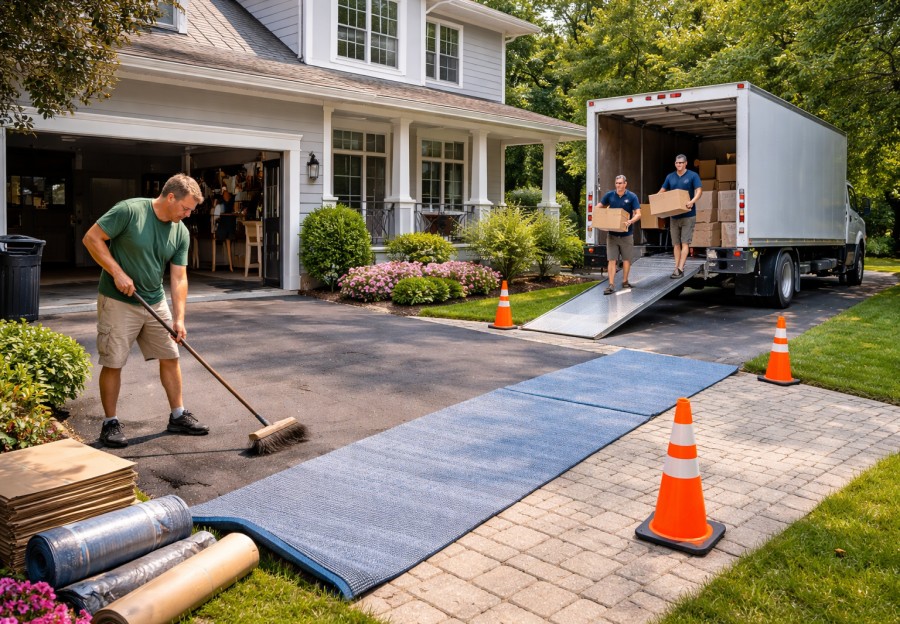
Unloading deserves the same care as loading. Fatigue is usually higher at the end of the move, increasing error risk. Injury surveillance data shows that many accidents occur late in the day when people rush to finish. Movers slow down deliberately during final placement to maintain control.
Reassembly requires alignment discipline. Mounting brackets must align evenly before tightening to avoid frame twist and squeaks. Mechanical assembly standards recommend staged tightening to distribute stress evenly across joints.
Financial implications reinforce careful handling. Repairing cracked wood, torn upholstery, chipped veneer, or damaged trim adds up quickly. Furniture repair surveys show that specialty repairs often range from several hundred to over a thousand dollars depending on materials and craftsmanship. One mistake can exceed the cost of professional handling.
Environmental impact matters too. Headboards contain hardwood, engineered wood, foam, metal, and textile components that require significant energy to manufacture. Sustainability studies consistently show that extending product lifespan reduces environmental footprint more effectively than recycling after damage.
Psychologically, damaged bedroom furniture affects comfort and satisfaction more than people expect. Behavioral research shows that visible damage in personal spaces increases background stress and dissatisfaction. Protecting the headboard protects sleep quality and emotional comfort.
Timing helps. Movers often handle oversized specialty items early in the day when energy and focus are highest. Fatigue management studies show that physical precision declines as exertion accumulates.
Footwear and gloves improve safety. Shoes with strong traction reduce slip risk on stairs and ramps. Gloves improve grip and protect against pinches. Hand injury statistics consistently list finger injuries among the most common moving related incidents.
Lighting quality matters during tight maneuvers. Dim stairwells and garages increase misjudgment of clearance. Visual ergonomics research shows that poor lighting increases object detection errors significantly. Portable lighting reduces blind spots during carries.
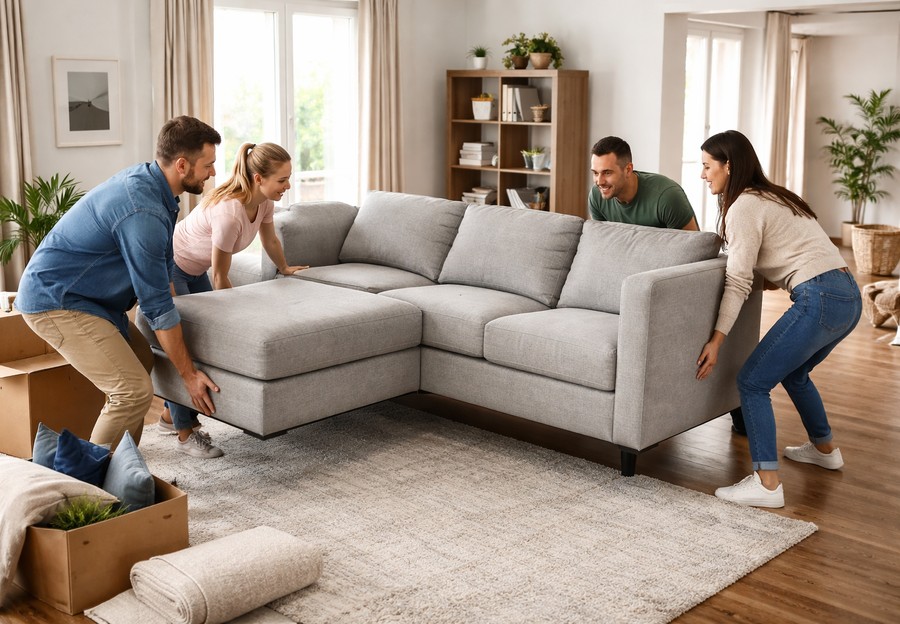
Communication keeps movement synchronized. One person typically calls pacing and turning cues so the team moves as a unit. Workplace coordination studies show that synchronized movement reduces lateral drift and collision risk during complex carries.
When homeowners attempt oversized headboard moves alone, most problems arise from underestimating weight distribution, skipping padding, and rushing through tight turns. Small miscalculations become expensive quickly. Professional crews rely on repeatable systems rather than improvisation.
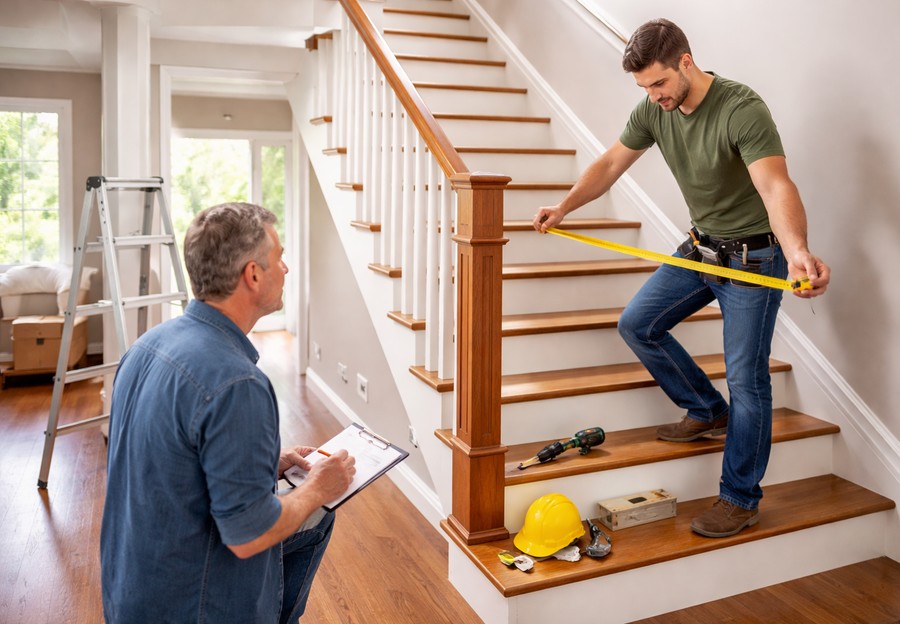
There is also a planning element many people overlook. Measuring doorways, stair angles, elevator dimensions, and turning radii before moving day allows early decision making about disassembly or alternative routes. Spatial planning research shows that proactive measurement prevents last minute force decisions that increase damage risk.
The smart handling of oversized headboards blends geometry, biomechanics, materials protection, pacing, and teamwork. It is not about brute strength. It is about managing forces and space deliberately.
When done correctly, the process looks calm rather than dramatic. The headboard glides slowly through tight points, padding brushing gently past corners, hands adjusting micro angles, voices coordinating small movements. No scraping, no sudden drops, no panic.
The reward shows up later when the bed is reassembled, the headboard stands flawless against the wall, and no mysterious dents or cracks appear in the trim or stair rails. Sleep begins in a room that feels intact and familiar rather than damaged by the move.
Oversized headboards demand respect for scale and physics. Movers deal with them successfully because they plan routes, reduce size when possible, protect surfaces generously, move slowly, communicate clearly, and never rush through tight clearances. That disciplined approach protects bodies, property, budgets, and peace of mind.
In the end, the goal is simple. Move a beautiful piece of furniture through imperfect spaces without leaving scars behind. When that happens, the process fades into the background, and the headboard quietly resumes its real job of supporting rest and comfort in a new home.