April 21, 2026
How to wrap framed photos safely
Framed photos carry more than glass and paper. They carry memories, history, and often irreplaceable moments. That makes damage during a move especially painful. Frames crack, glass shatters, corners dent, and moisture warps prints if they are not protected properly. The good news is that framed photos are very survivable in transit when you understand how glass behaves under stress and how vibration and pressure actually cause damage.
Glass fails mainly from edge stress, impact, flexing, and cumulative vibration. Materials engineering studies show that microscopic cracks at edges grow under repeated low level stress until a visible break occurs. During a move, frames experience thousands of small vibrations even on short drives. If the glass is allowed to flex or rub against hard surfaces, the risk of cracking rises sharply.
Start by inspecting each frame. Look for loose backing, exposed corners, or existing cracks. If the backing is loose, secure it gently so it does not flex during movement. If glass already shows cracks, consider replacing it before the move or transporting the piece separately with extra reinforcement. Fracture mechanics research shows that pre existing flaws reduce glass strength dramatically.
Remove surface dust gently with a dry microfiber cloth. Grit trapped under padding behaves like sandpaper when vibration occurs. Abrasion studies show that fine particulate matter accelerates surface wear and creates micro stress points on finishes and glass.
Protect the glass surface first. A soft clean sheet of paper, foam, or thin cardboard placed directly over the glass prevents scuffing and absorbs micro vibration. Some professional packers lightly tape a sheet of painter’s tape in a crisscross pattern over the glass to help contain shards if breakage occurs. The tape does not strengthen the glass, but safety studies show it reduces scatter, making cleanup safer and preventing damage to the artwork behind the glass if it cracks.
Corner protection matters more than most people realize. Corners experience the highest impact forces during handling. Structural engineering research confirms that stress concentrates at sharp transitions. Foam corner guards, folded cardboard, or extra padding at each corner greatly reduce denting and frame splitting.
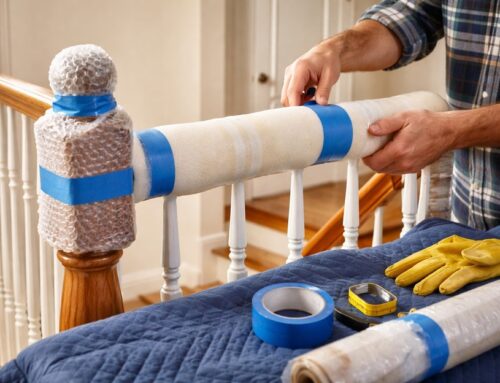
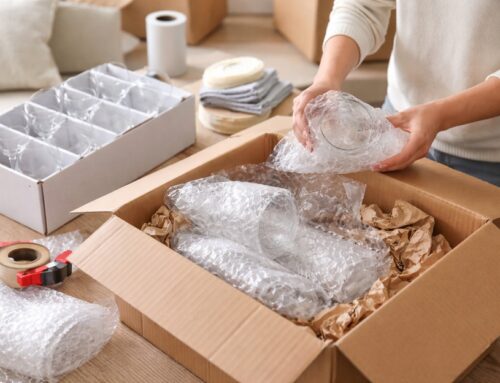
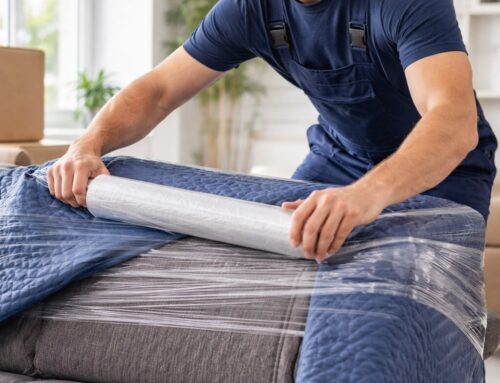
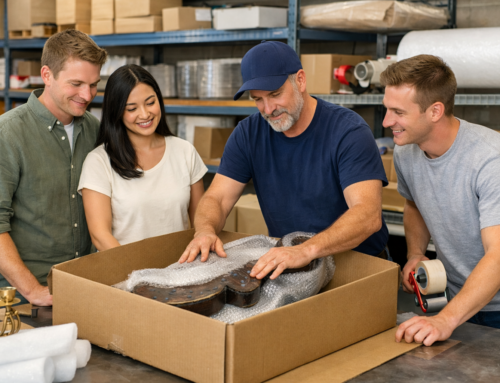
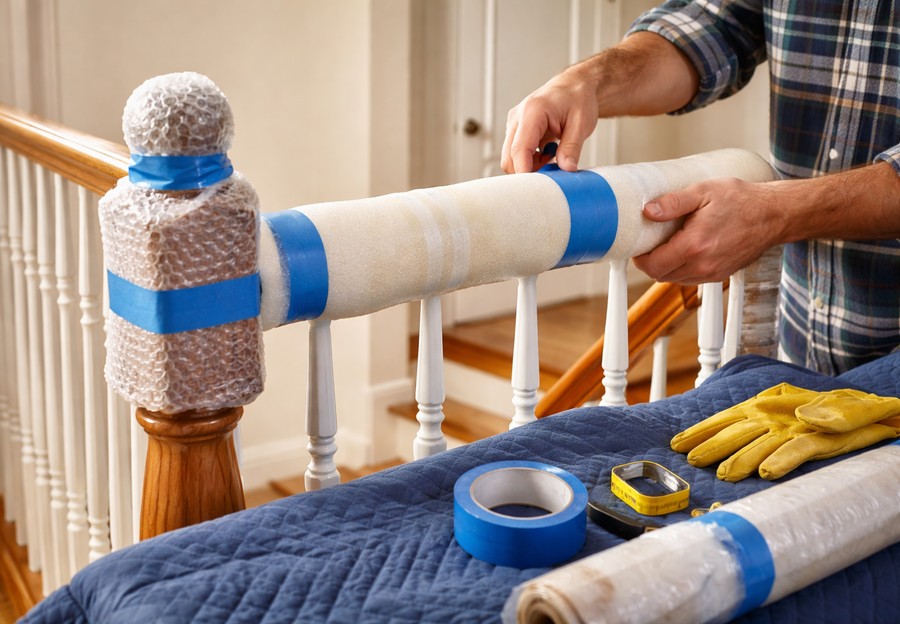
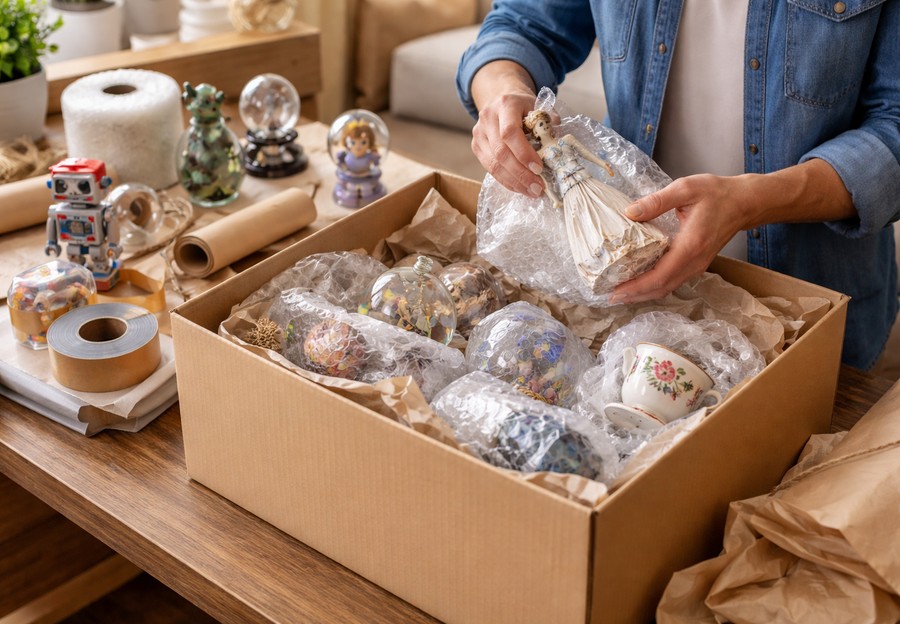
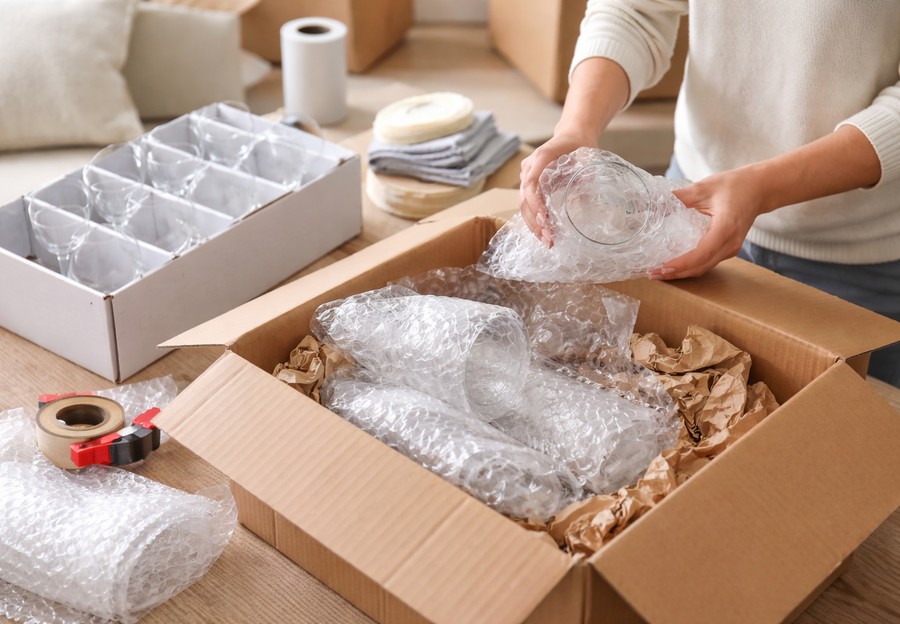
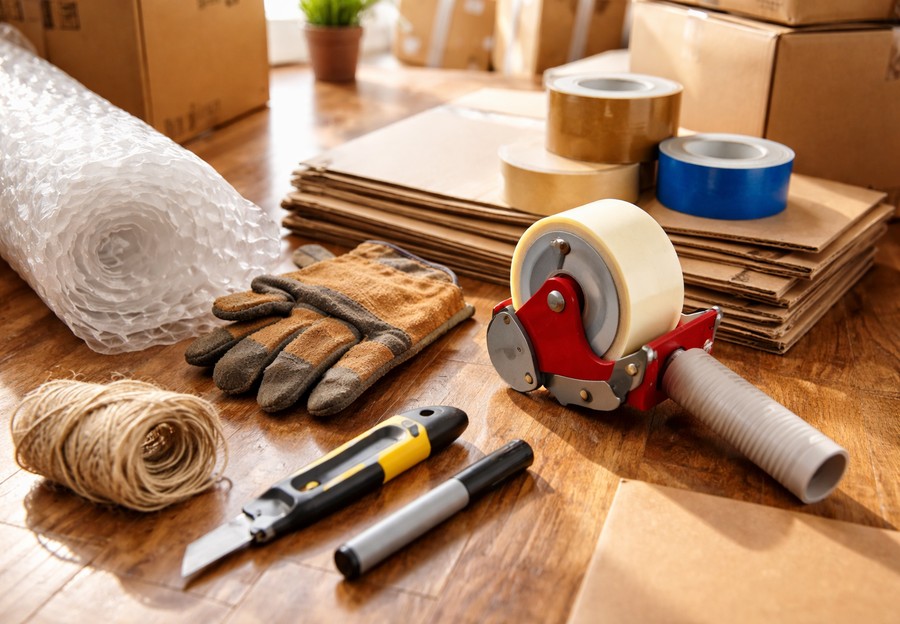
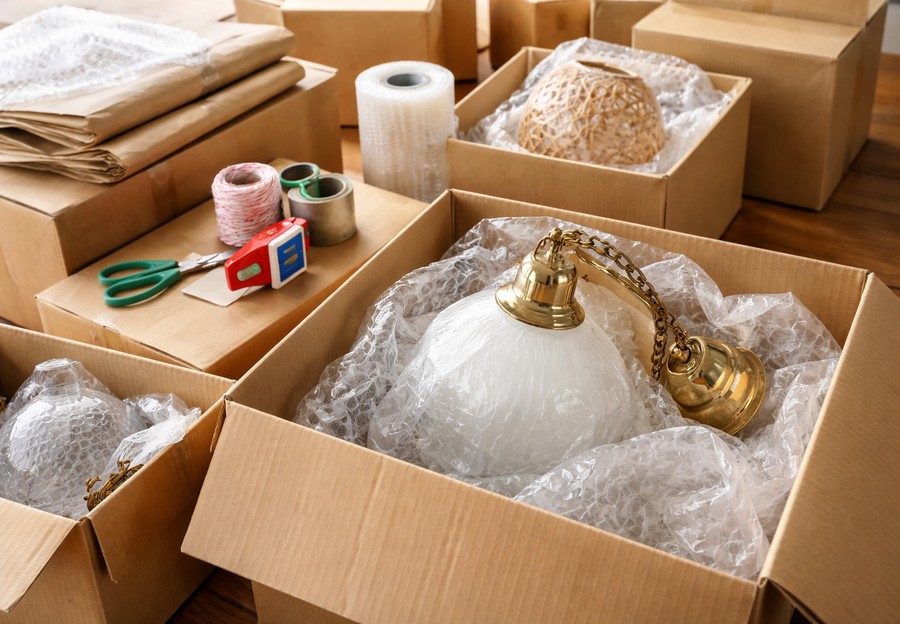
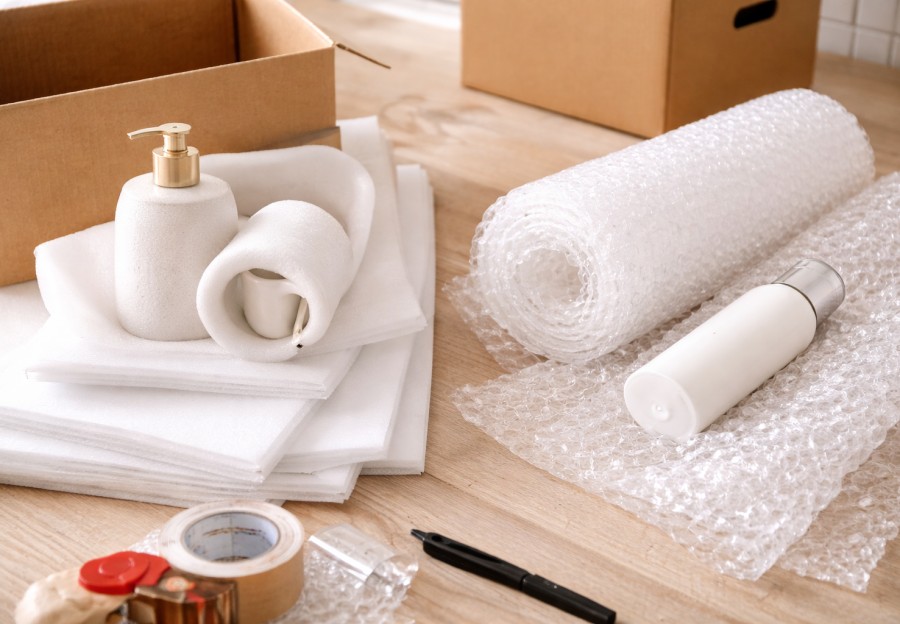
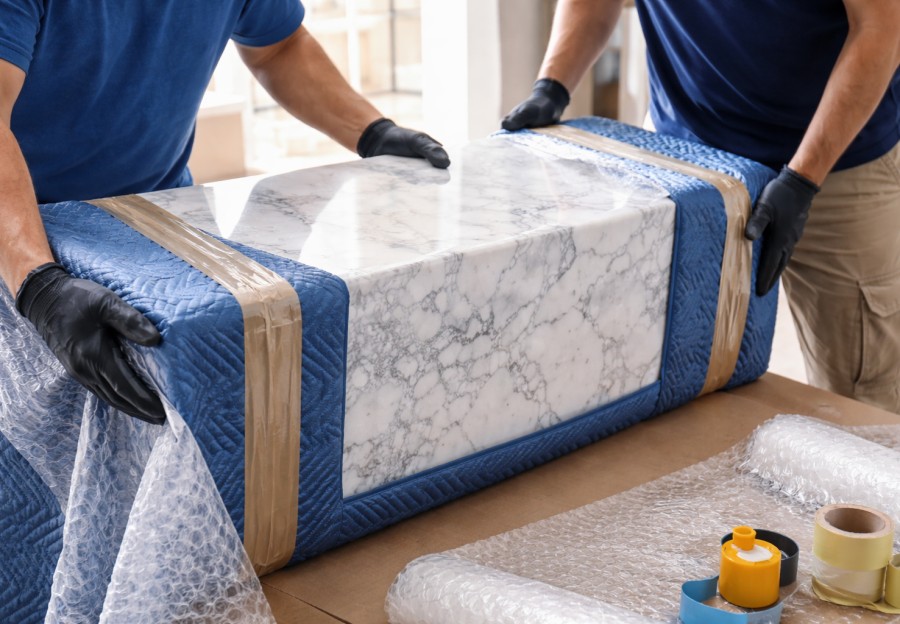
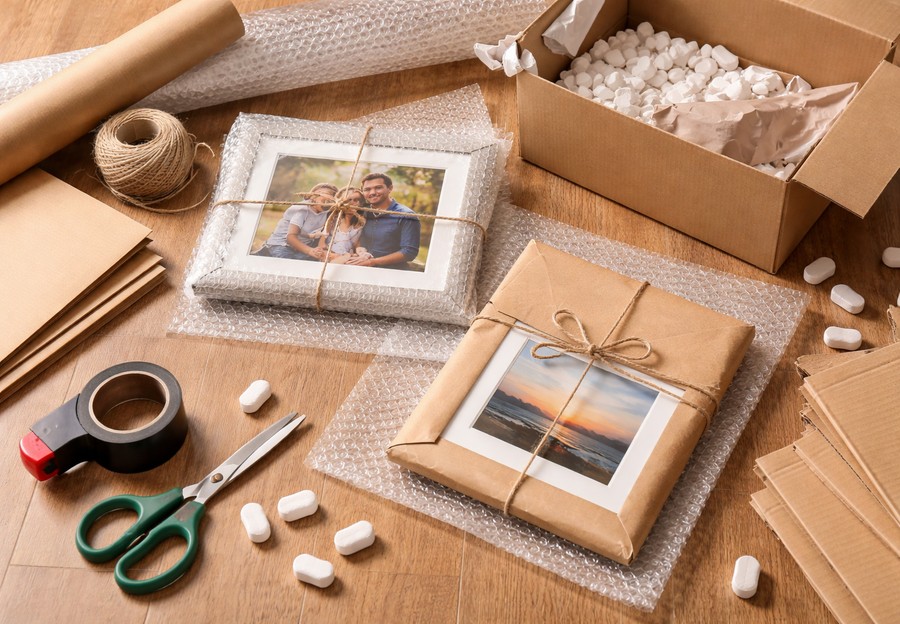
Wrap the entire frame in multiple layers of cushioning. Bubble wrap or thick packing paper works well. The goal is to distribute pressure evenly rather than allowing point loads. Packaging lab testing consistently shows that layered cushioning dissipates impact energy better than a single thick layer.
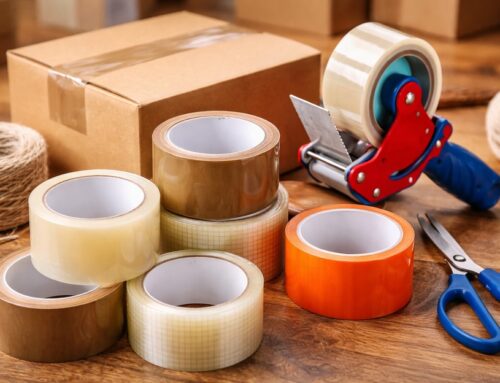
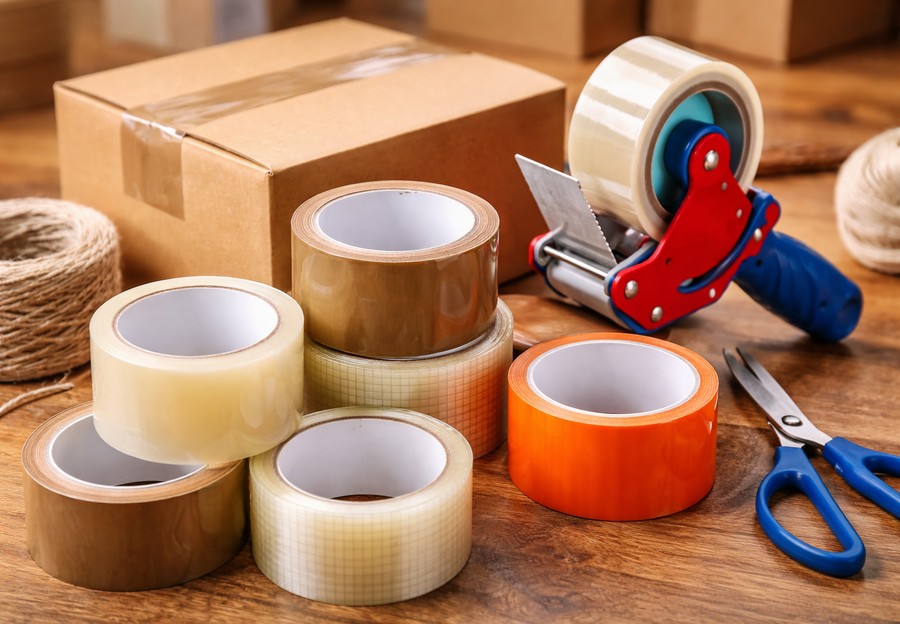
Avoid placing tape directly on finished frame surfaces. Adhesive residue can damage wood finishes, gilding, and painted frames. Tape should secure the wrapping layers, not touch the frame itself.
Rigid reinforcement adds significant protection for larger frames. Sandwiching the wrapped frame between two pieces of sturdy cardboard or foam board creates a stiff panel that resists bending. Structural mechanics research shows that bending stress increases rapidly as unsupported span length grows. Rigid backing reduces flex that leads to glass cracking.
If packing multiple framed photos together, never allow glass surfaces to touch. Place a rigid divider or thick cushioning between each frame so they behave as independent units. Packaging vibration studies show that direct contact dramatically increases breakage rates due to repeated tapping.
Choose a box that fits snugly but allows padding on all sides. Oversized boxes invite internal movement. Undersized boxes compress contents and reduce cushioning effectiveness. Double wall corrugated boxes provide better compression resistance than thin retail cartons. Packaging engineering data shows that stronger cartons reduce crushing failures under stacking loads significantly.
Fill all voids inside the box so the contents cannot shift when gently shaken. Soft fillers such as crumpled paper or foam prevent momentum buildup during transport vibration.
Orientation matters. Framed photos should travel vertically rather than flat when possible. Glass manufacturers often recommend vertical orientation for large panels because flat positioning increases flex stress across the surface. Labeling orientation helps handlers maintain this positioning during loading.
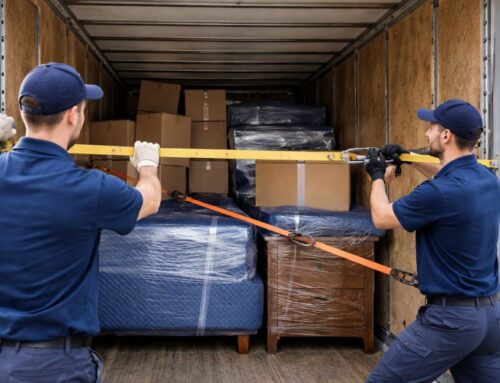
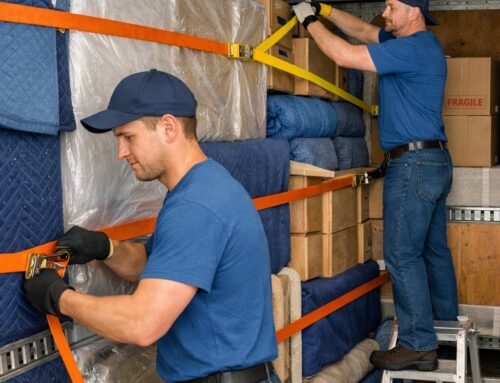
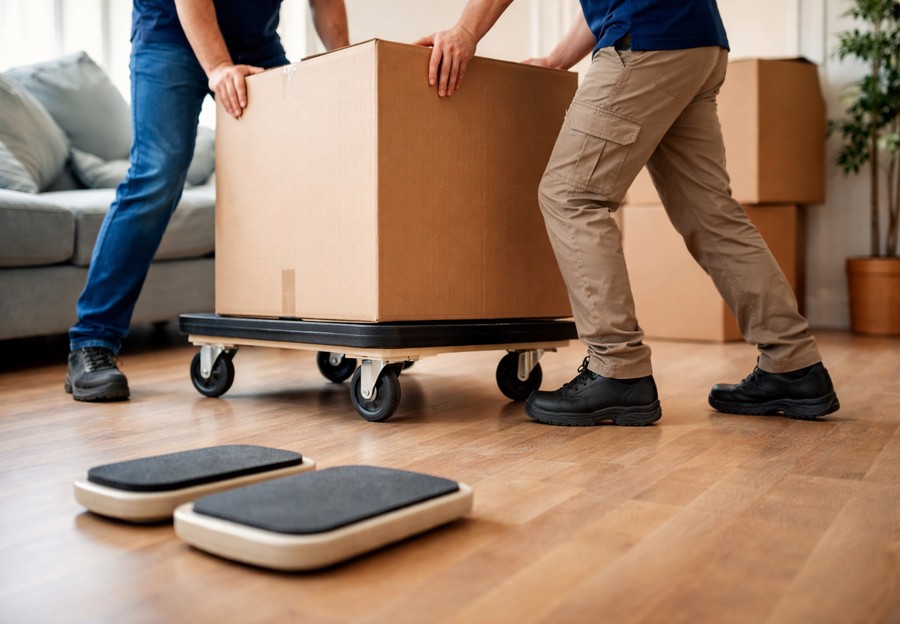
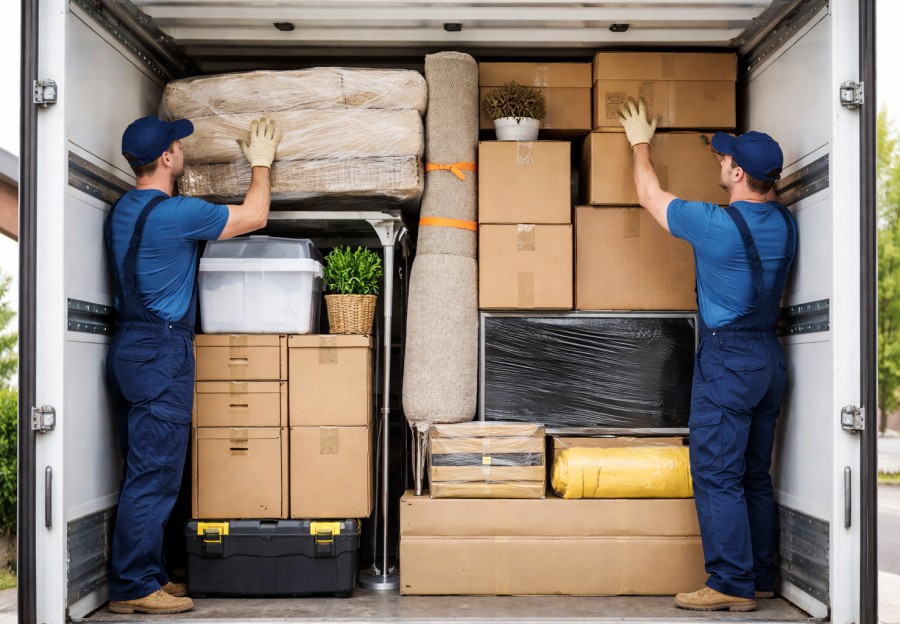
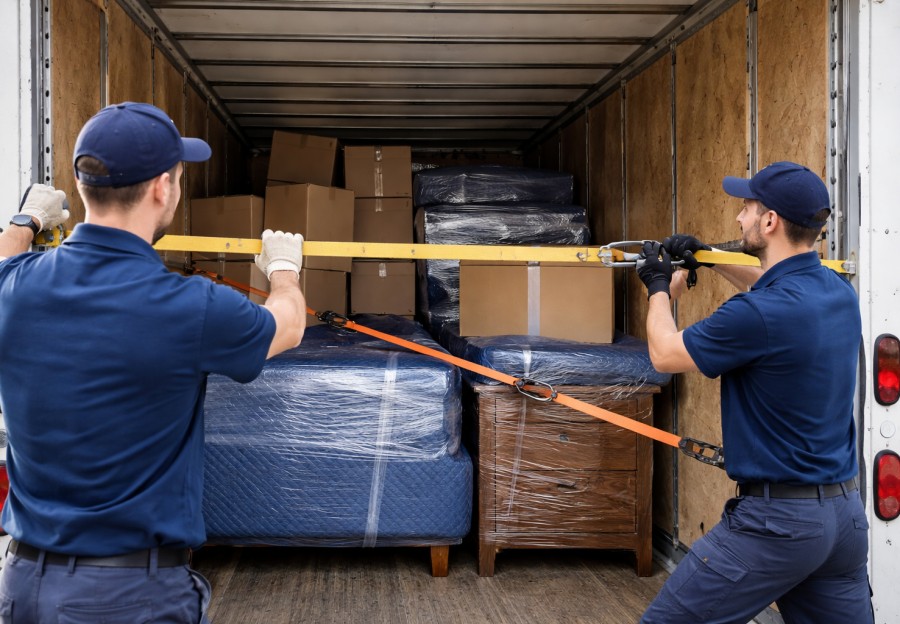
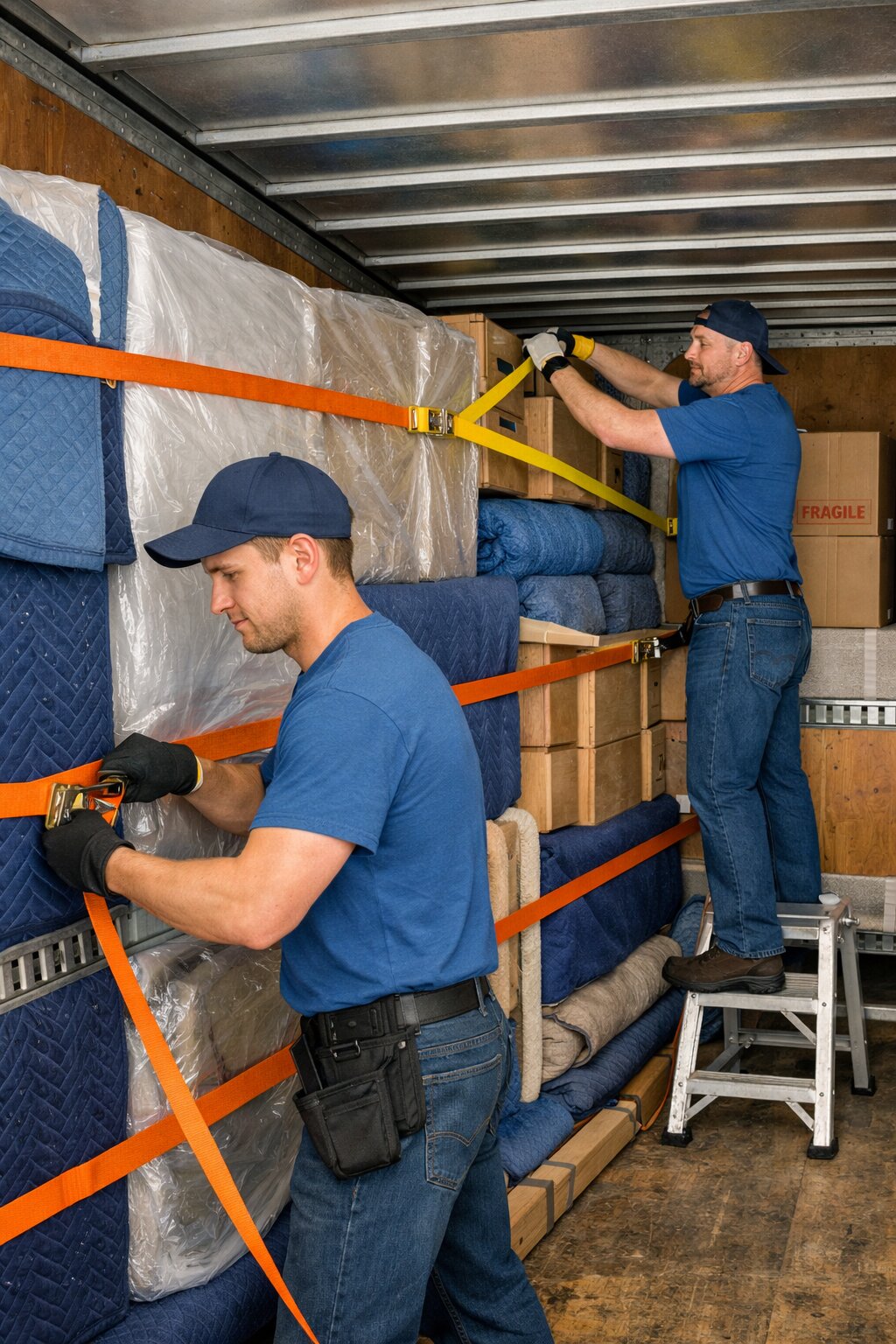
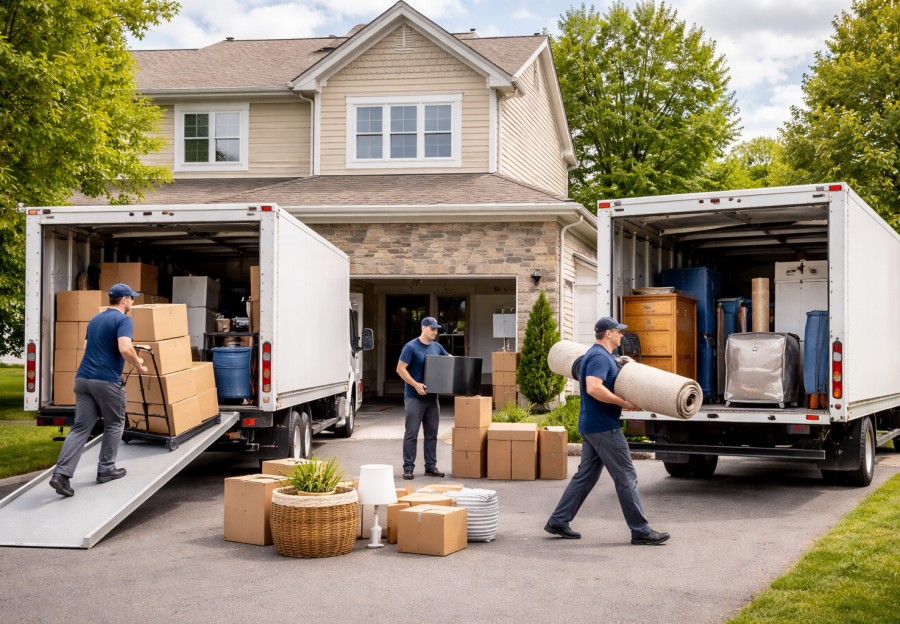
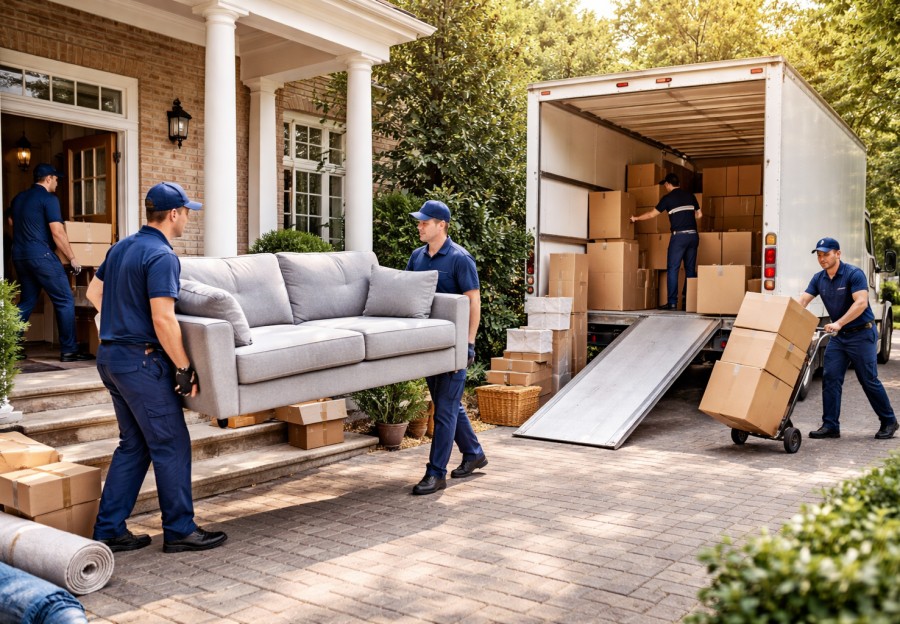
Placement inside the truck influences survival. Framed photos should ride between soft shock absorbing surfaces such as mattresses, sofas, or padded furniture rather than against rigid walls or under heavy stacks. Transportation safety research shows that lower layers experience higher compression forces during braking and vibration.
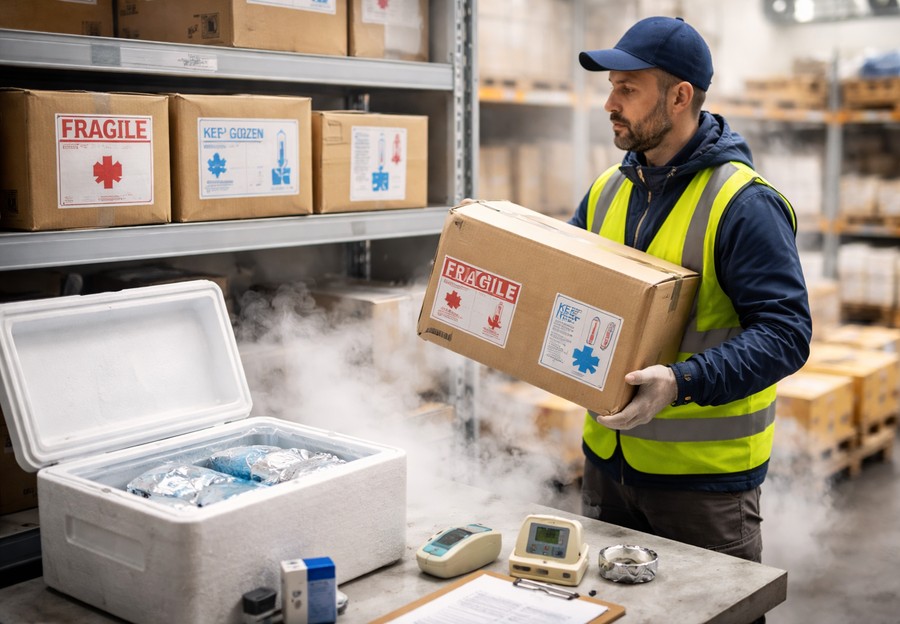
Temperature and moisture deserve attention. Rapid temperature changes can create condensation inside frames, especially when moving from cold trucks into warm interiors. Moisture can warp paper and promote mold growth. Allow framed photos to acclimate briefly before unwrapping if they were exposed to cold or humidity. Materials science research shows that gradual temperature equalization reduces condensation related damage.
Avoid wrapping framed photos directly in airtight plastic for long durations. Plastic traps humidity and can imprint texture onto finishes under heat. Conservation studies recommend breathable barriers for artwork transport.
Unpacking should be done slowly on a padded surface. Inspect frames and glass before hanging. If any glass cracked during transit, keep tape in place until safely removed to prevent cuts. Injury data shows that lacerations from broken glass commonly occur during rushed unpacking.
From a financial perspective, custom framing and glass replacement costs add up quickly. Professional framing services often charge hundreds of dollars per piece for quality materials. Preventing damage saves real money.
Environmental impact matters too. Glass and framing materials require significant energy to manufacture. Preserving existing frames reduces waste and manufacturing demand. Sustainability studies consistently show that extending product lifespan lowers environmental footprint more than recycling after damage.
Emotionally, photos are irreplaceable. Behavioral research shows that loss of sentimental objects creates greater distress than purely financial loss. Protecting framed photos protects memories and emotional continuity during a transition.
If you have particularly valuable or antique frames, professional art packing services may be worth the investment. Specialty packers use foam cutouts and rigid crates designed to minimize vibration and flex.
The principles remain consistent regardless of frame size or style. Protect the glass surface. Cushion edges and corners generously. Add rigid reinforcement. Eliminate internal movement. Choose strong boxes. Transport vertically. Buffer with soft items in the truck. Manage moisture and temperature. Unpack carefully.
Moving is stressful enough without worrying about damaged memories. With thoughtful preparation grounded in real materials science and handling experience, framed photos travel safely and arrive ready to bring warmth and familiarity into your new space.