
April 24, 2026
What comes first: packing or storing?
This question sounds simple until you are actually standing in a room full of half packed boxes and a storage unit reservation that starts tomorrow. Should you pack everything first and then move it into storage, or move items into storage as you pack them? The answer depends on timing, space, item type, and how long things will sit unused. Getting the sequence wrong creates extra handling, damage risk, wasted money, and unnecessary stress.
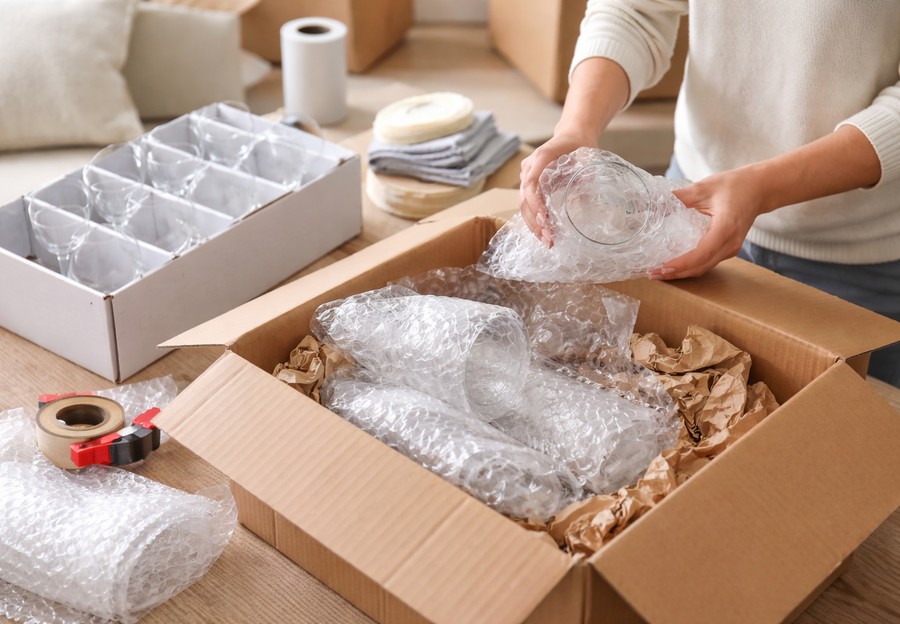
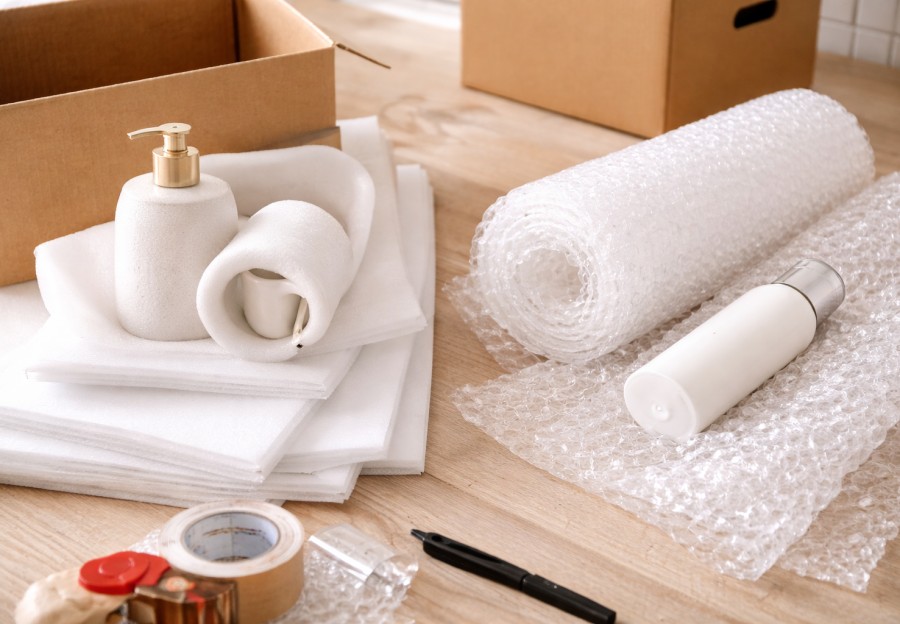
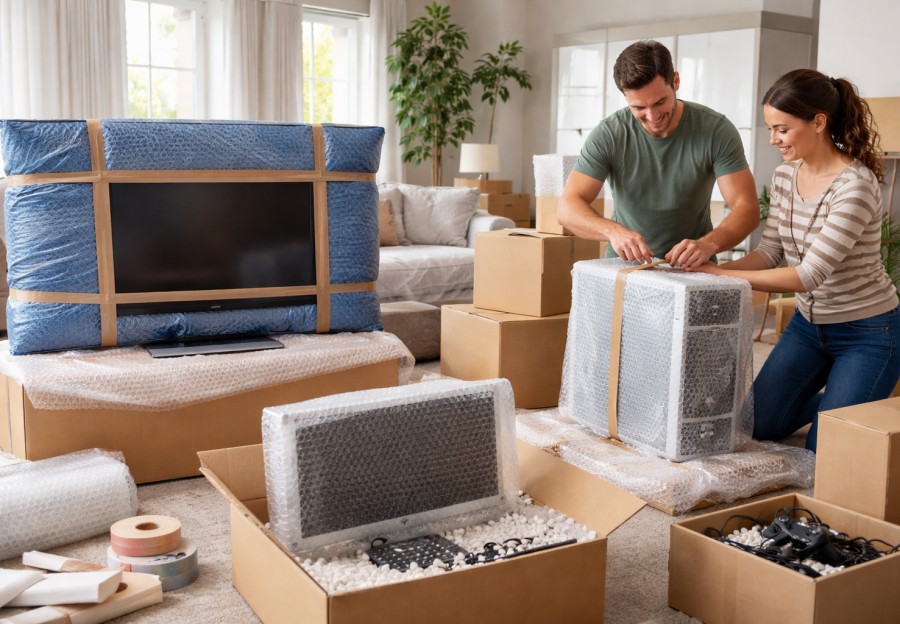
At a practical level, packing should almost always come before storing. Storage units are designed to hold sealed, protected items, not loose household goods. Unpacked or poorly packed items exposed inside storage collect dust, absorb moisture, and become harder to organize later. Warehouse environment studies show that even climate controlled storage spaces experience particulate buildup and humidity fluctuation over time. Boxes act as a protective barrier that stabilizes microclimate around your belongings and reduces contamination.
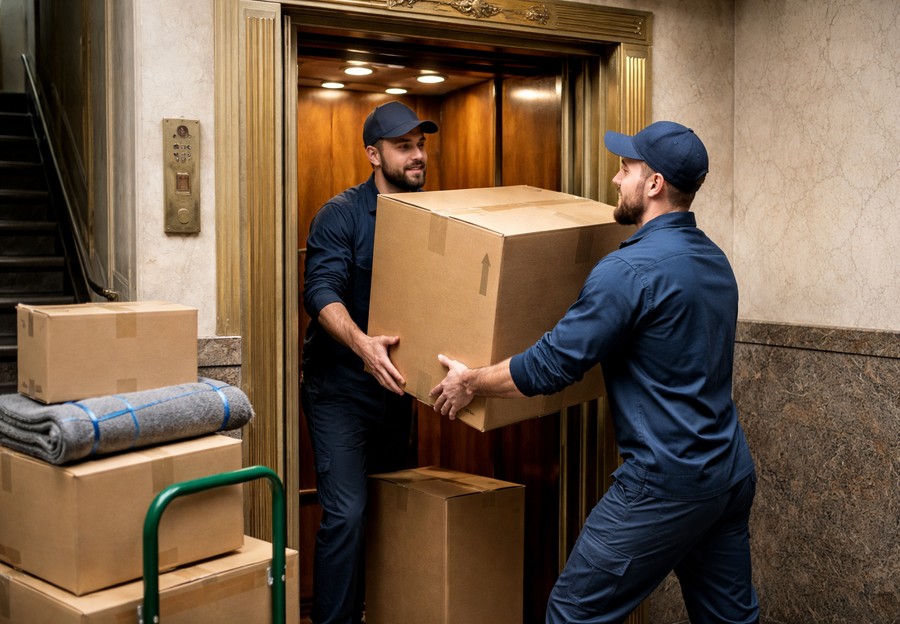
Packing first also reduces handling damage. Every time an item is moved, lifted, or shifted, risk increases. Material handling research shows that repeated rehandling multiplies damage probability because cumulative micro impacts and fatigue increase error rates. When you pack once at home and then move sealed boxes directly into storage, you minimize the number of handling cycles compared with packing partially in storage or reorganizing inside the unit.
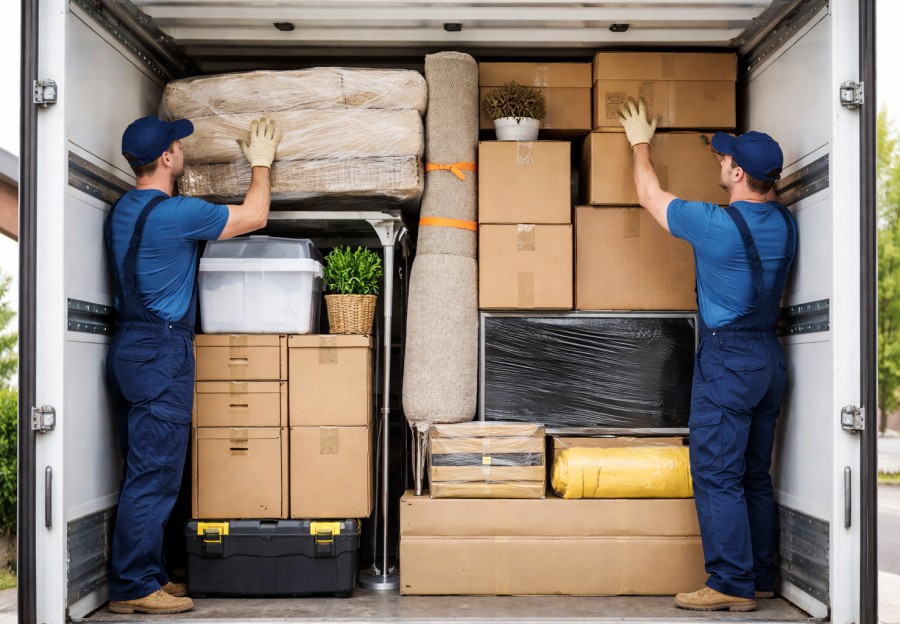
From an efficiency standpoint, packing first improves stacking density and space utilization. Uniform box sizes stack more predictably than loose items or mixed shapes. Packaging engineering studies show that consistent carton sizing improves load stability and reduces void space. Better stacking means you often need less storage square footage, which directly lowers monthly cost.
There are also safety benefits. Loose items inside storage create unstable stacks and trip hazards. Occupational safety data shows that cluttered storage environments increase injury risk from falling objects and awkward lifting. Sealed boxes with clear labels create predictable stacking patterns and safer access.
Moisture control is another major factor. Cardboard and packing paper buffer humidity changes more effectively than exposed surfaces. Materials science research shows that gradual moisture exchange reduces warping and corrosion compared with direct exposure. Packing before storing protects wood furniture, paper goods, and electronics from rapid humidity swings.
Odor prevention matters too. Food residue, oils, and dust trapped on exposed items can develop musty or rancid smells during storage. Microbiology studies show that mold growth can begin within 24 to 48 hours in warm damp environments. Clean and pack items before storage to reduce microbial growth risk.
However, there are situations where partial packing before storage makes sense. If you are staging your home for sale or downsizing over time, you may move seasonal or rarely used items into storage gradually while continuing to live in the space. In this case, those items should still be fully packed and labeled before entering storage. The sequence becomes pack each category thoroughly, then store it, rather than storing loose items and packing later.
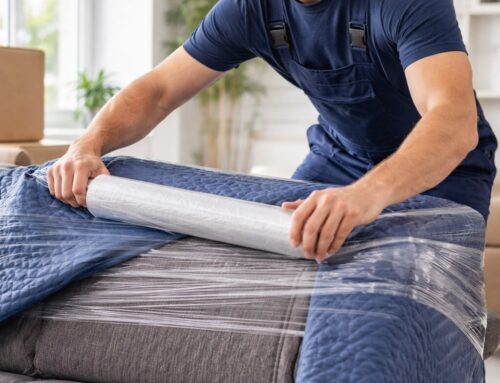
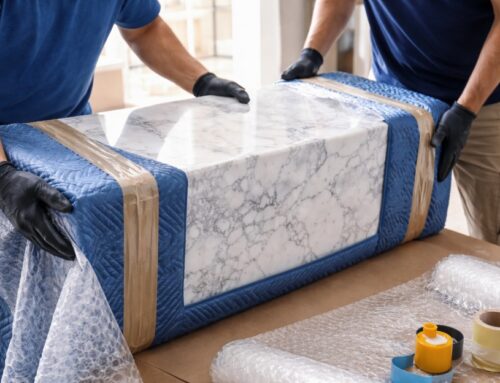
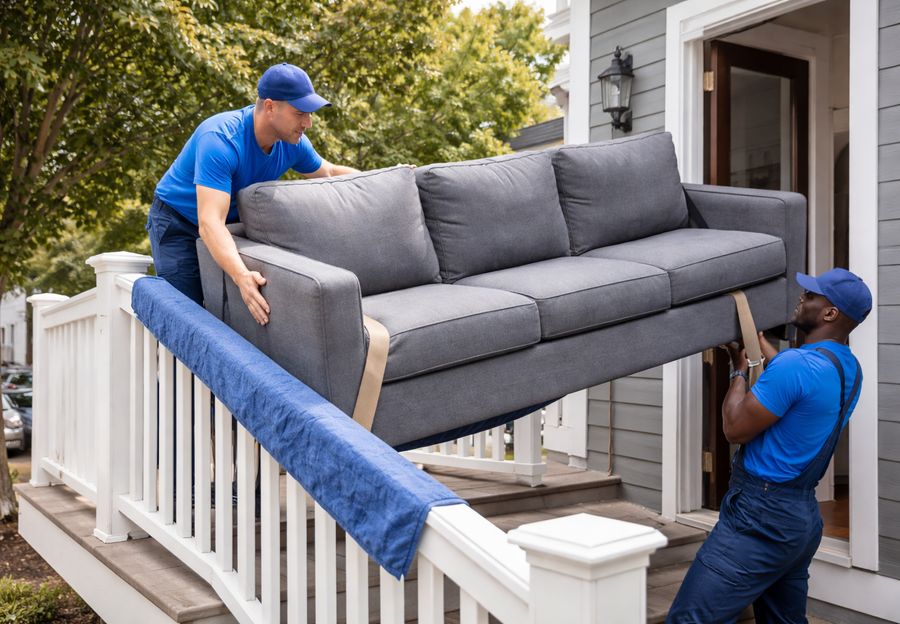
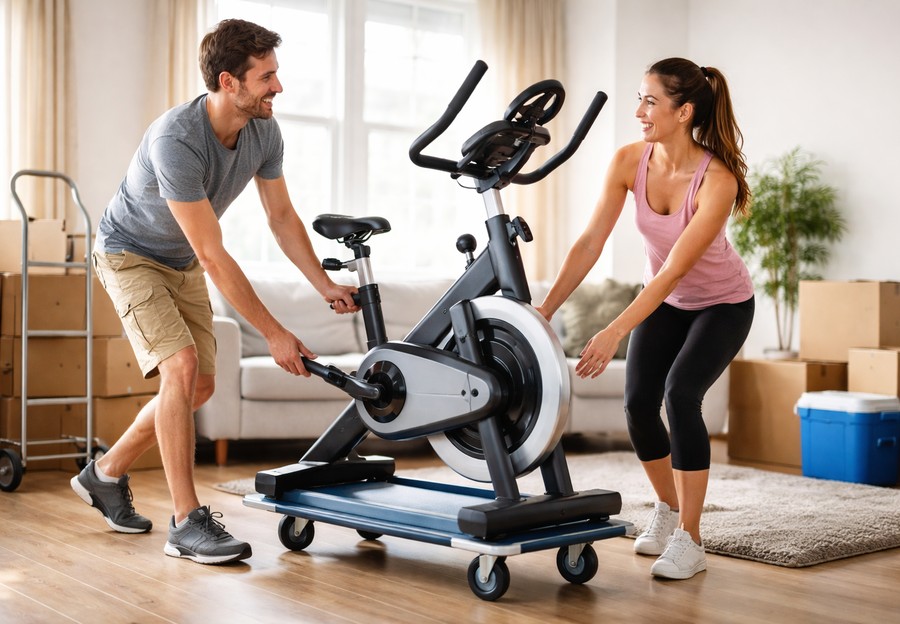
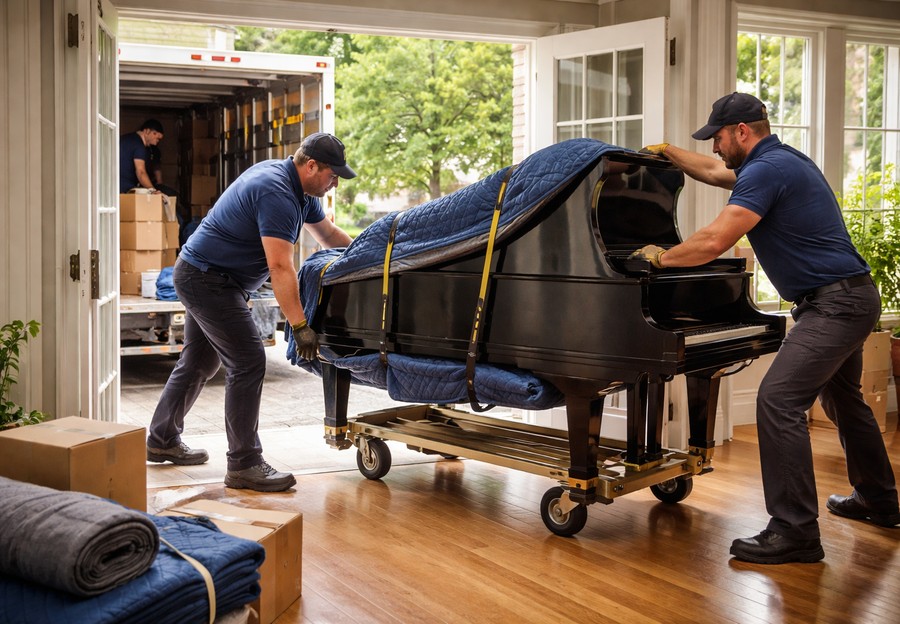
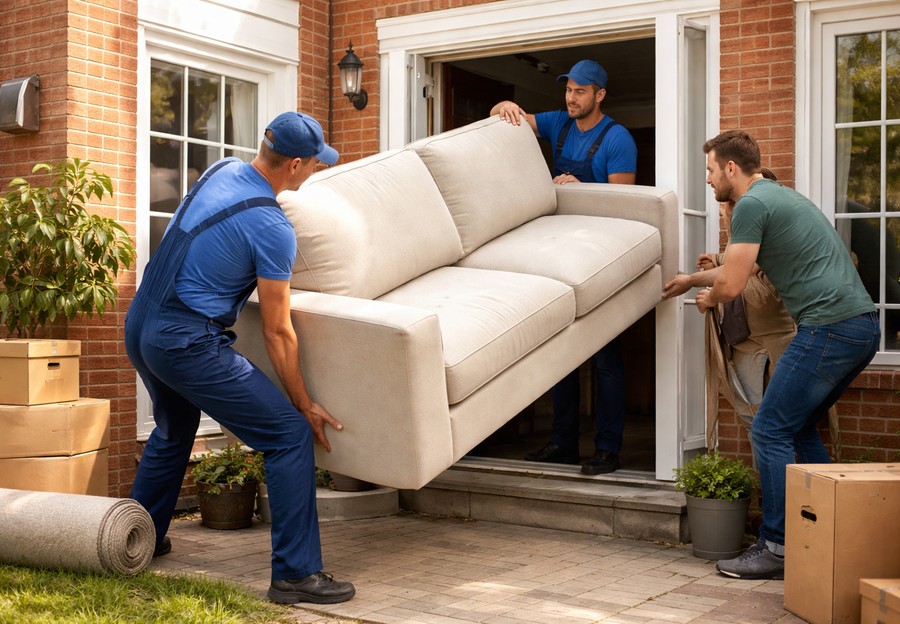
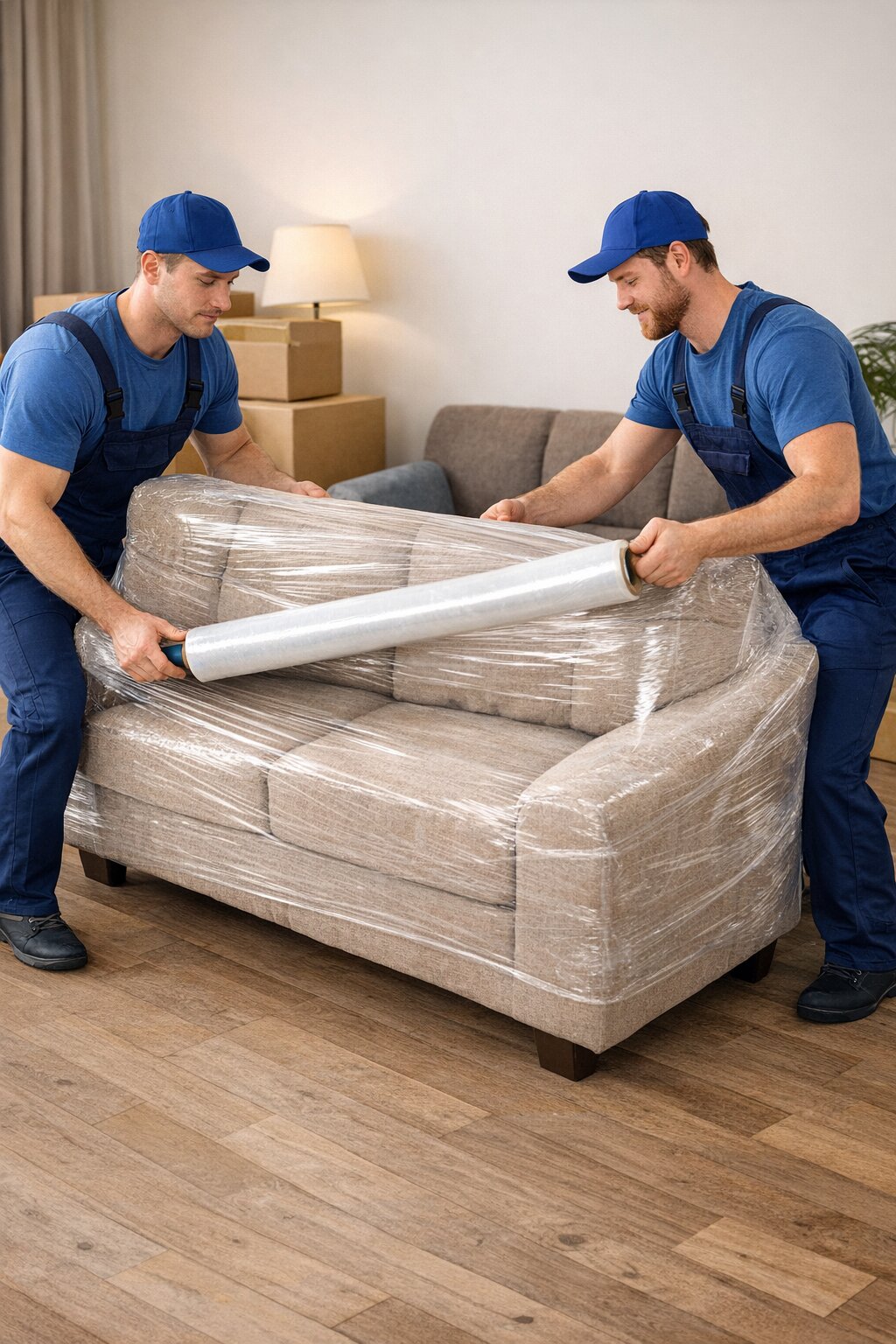
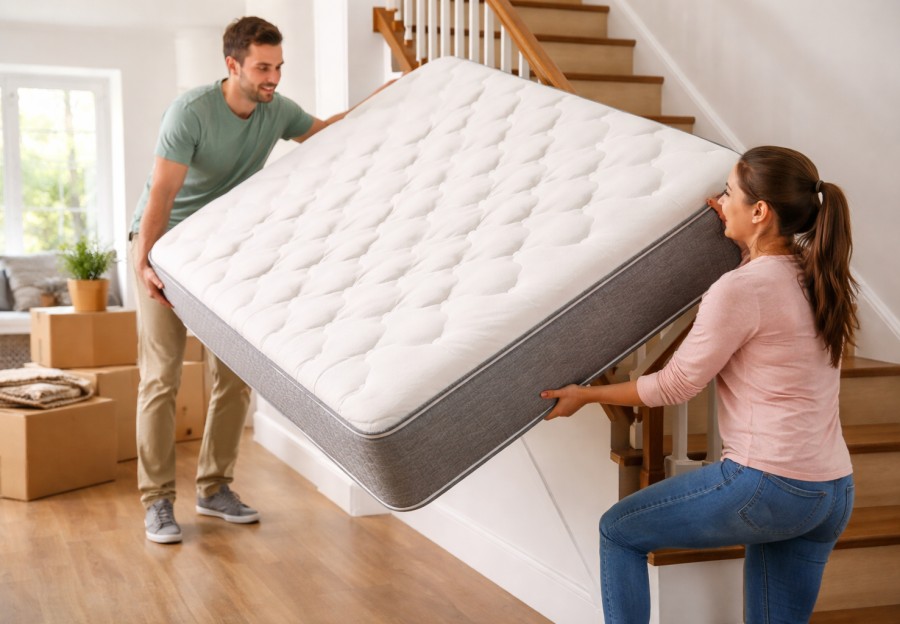
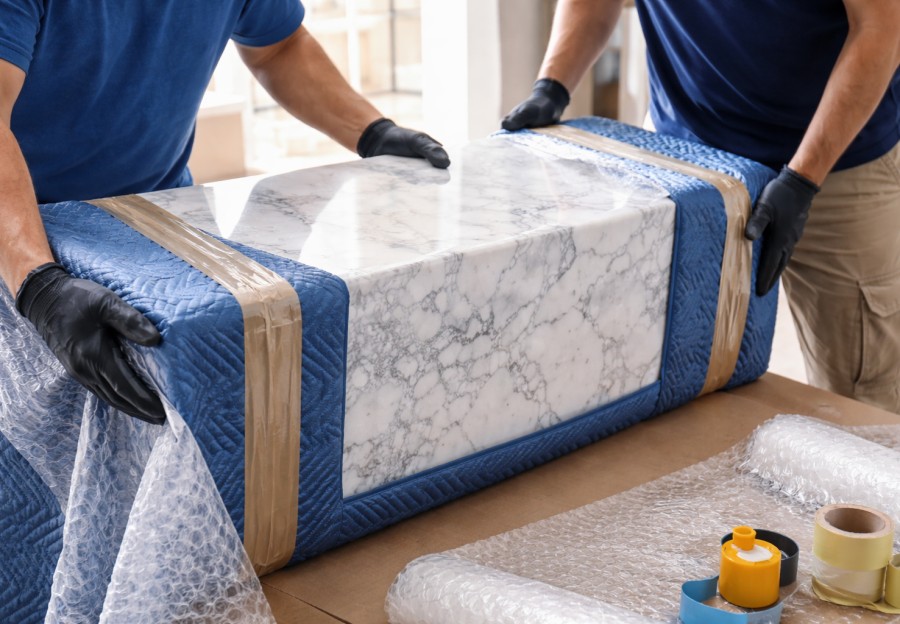
Another exception involves oversized furniture or equipment that will be stored short term and accessed frequently. Some large items may remain wrapped rather than boxed so they can be retrieved easily. Even then, protective padding and dust covers should be applied before storage to prevent surface damage and contamination.
Time pressure sometimes forces compromise. If your lease ends suddenly or renovation schedules change, you may move items into storage faster than ideal. In those cases, prioritize packing fragile, moisture sensitive, and high value items first. Heavier durable items such as solid wood furniture or metal shelving tolerate short periods of less formal packing better than glass, electronics, or textiles.
Cost implications reinforce the pack first approach. Storage unit pricing is based on space, not how efficiently you use it. Consumer storage surveys show that poorly packed units often require larger sizes than necessary because irregular shapes waste vertical space. Paying for extra square footage month after month adds up quickly.
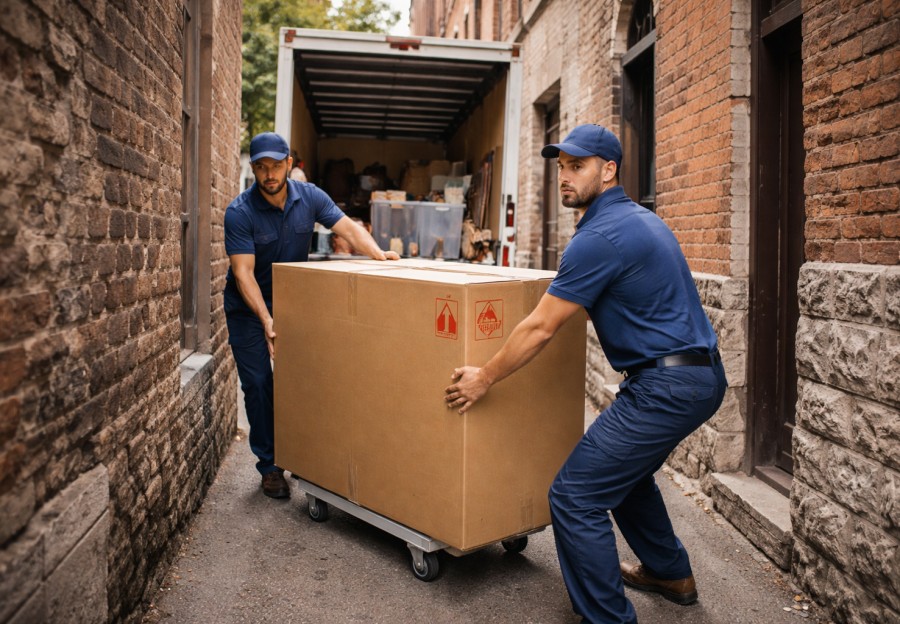
There is also the labor cost angle. If movers or helpers need to repack items inside storage later, you pay twice for handling. Moving industry time studies show that double handling increases labor hours significantly compared with single stage packing and loading.
Insurance and liability considerations favor packing first as well. Many storage insurance policies require items to be properly packed to qualify for coverage in case of damage. Improper packing can complicate claims. Risk management data shows that documentation and proper packing reduce claim disputes substantially.
Long term preservation favors sealed packing. Dust accumulation, pest intrusion, and UV exposure are minimized when items are boxed and covered. Storage facility environmental audits show that even clean facilities cannot eliminate airborne dust entirely.
Psychologically, packing first creates a sense of closure and organization. Behavioral research shows that clearly labeled boxes reduce cognitive load and improve retrieval confidence later. When you return to storage months later, knowing exactly what is inside each box prevents frustration and unnecessary searching.
That said, over packing too early can create inconvenience if you still need frequent access to certain items. Essentials such as documents, seasonal clothing in active rotation, or tools used for ongoing projects should remain accessible until they are truly ready to be stored. Planning an access zone for items that remain in use prevents accidental packing of essentials.
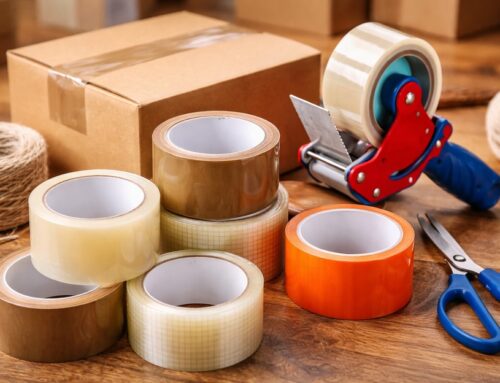
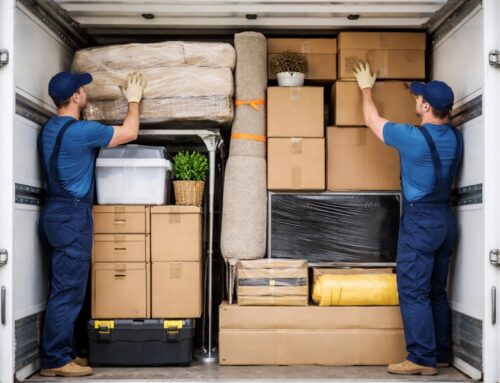
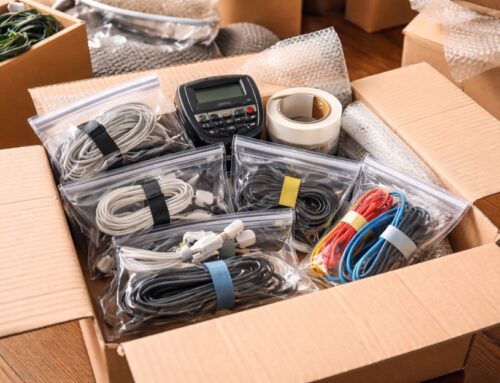
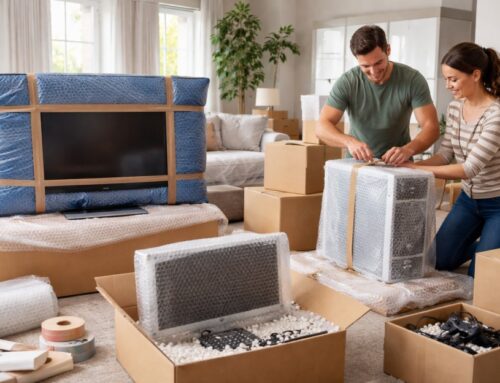
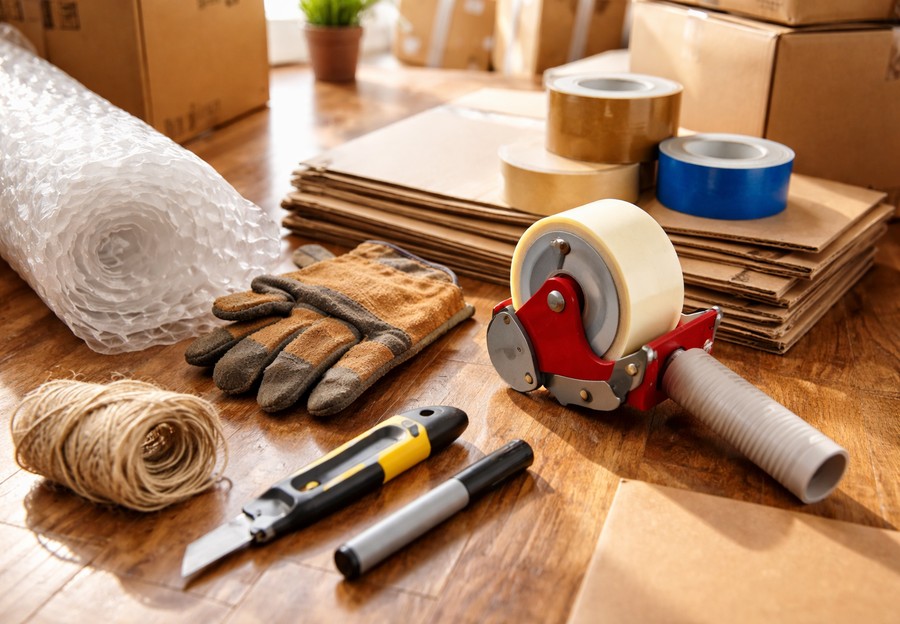
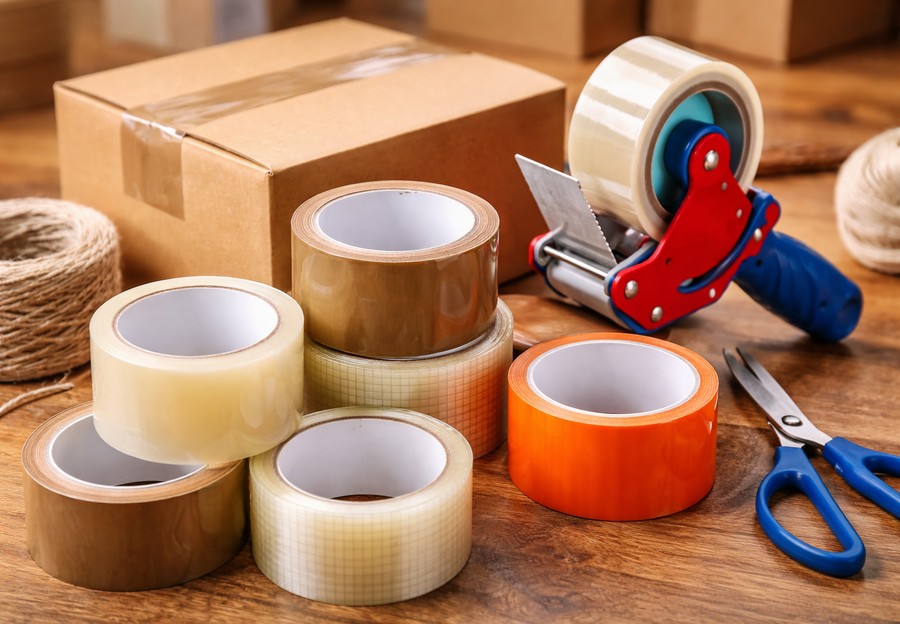
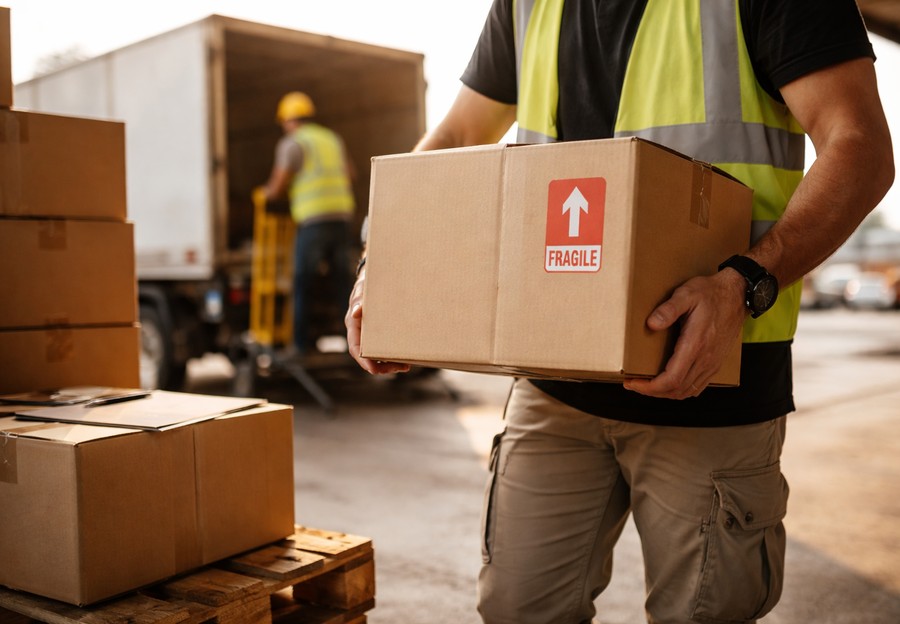
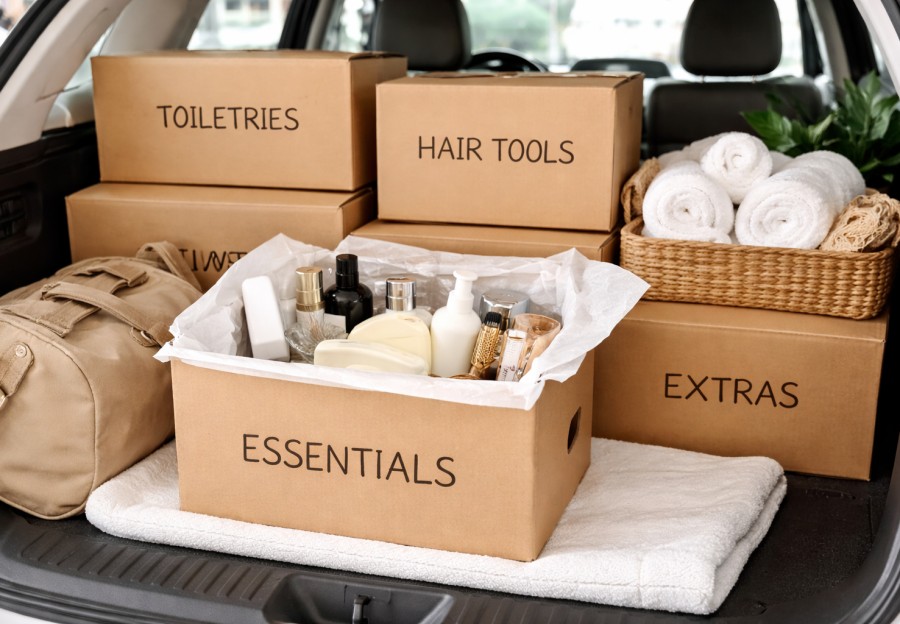
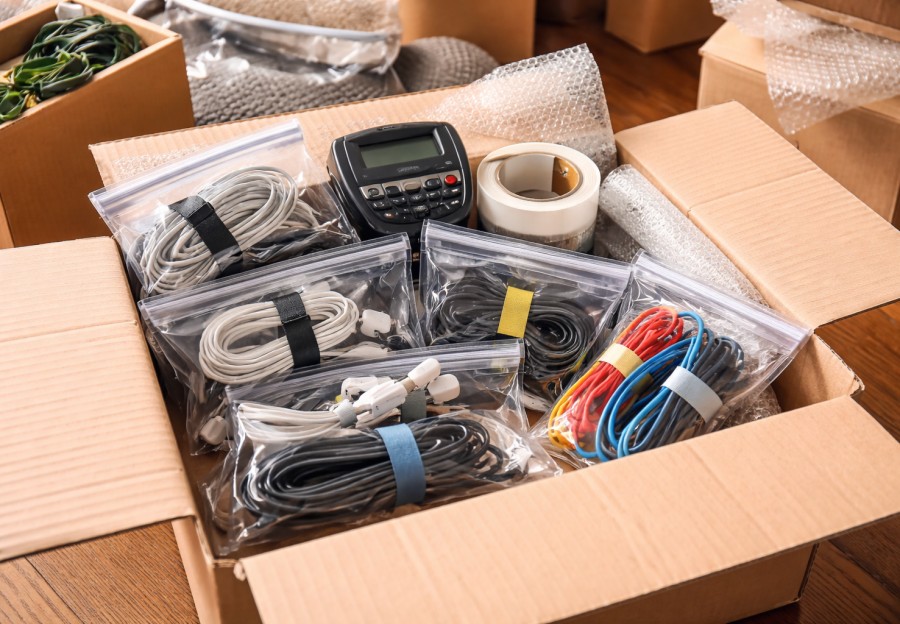
The best sequence in most cases looks like this. Declutter and clean items first. Pack them fully using appropriate materials. Label clearly with contents and destination priority. Move packed boxes into storage. Stack with heavier boxes at the bottom and lighter fragile boxes on top. Leave an access aisle if you will need to retrieve items later.
For long term storage, consider additional moisture control such as desiccant packs or moisture absorbers. Storage industry studies show that humidity management reduces mold and corrosion incidents in stored goods.
There is also an environmental benefit. Efficient packing reduces the need for oversized storage units, lowering energy usage in climate controlled facilities. Sustainability research shows that efficient space utilization reduces operational energy per stored item.
If you expect to move items from storage directly into a new home later, packing first saves you time on the back end as well. You can unload and place boxes without repacking, reducing move in fatigue and chaos.
In summary, packing almost always comes before storing. Packing protects your belongings, reduces handling damage, improves space efficiency, lowers cost, improves safety, supports insurance coverage, and reduces long term maintenance issues. The only meaningful exceptions involve staged downsizing or short term storage of large durable items, and even then protective wrapping still applies.
If you treat storage as a destination rather than a temporary dumping ground, your future self benefits. The time spent packing carefully now saves money, effort, and frustration later. When you eventually open those boxes in your new space, everything arrives clean, organized, and intact, which is exactly what a well planned move should deliver.