May 11, 2026
How to pack cosmetics and toiletries safely
Cosmetics and toiletries seem harmless until they leak inside a box and ruin clothing, electronics, or paperwork. A single loose cap can turn into a sticky mess that takes hours to clean and sometimes permanently stains fabric or damages finishes. Toiletries also react to pressure, temperature changes, and vibration more than people expect. Liquids expand in heat, plastic threads loosen under vibration, and glass bottles chip easily. Packing them safely is less about fancy materials and more about understanding how these products behave during transport.
Liquid expansion is one of the biggest hidden risks. Chemistry studies show that many liquids expand as temperature rises, increasing internal pressure inside sealed containers. Moving trucks and parked vehicles can exceed outdoor temperatures by more than 20 degrees Celsius in direct sun according to vehicle interior temperature research. That pressure pushes against weak caps and flip tops, leading to leaks even when containers were tightly closed at home.
Vibration adds another layer of stress. Transportation testing shows that even smooth roads generate thousands of small micro vibrations during a trip. Those vibrations slowly loosen threaded caps and pump heads. What feels secure in a bathroom cabinet can gradually work itself loose over several hours of driving.
Start by sorting what is worth moving. Old half used products, expired makeup, dried nail polish, and leaking containers rarely justify the risk and cleanup effort. Cosmetic safety data shows that many makeup products have recommended shelf lives of six to twenty four months once opened due to bacterial growth risk. Moving is a smart time to purge anything that is questionable or nearly empty.
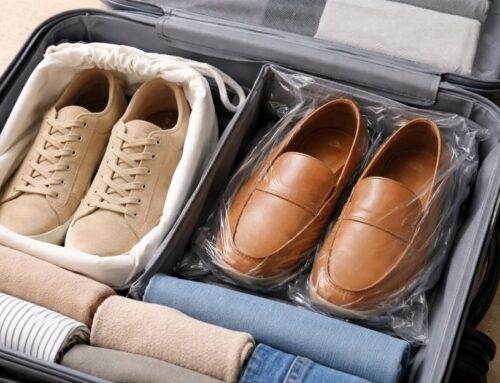
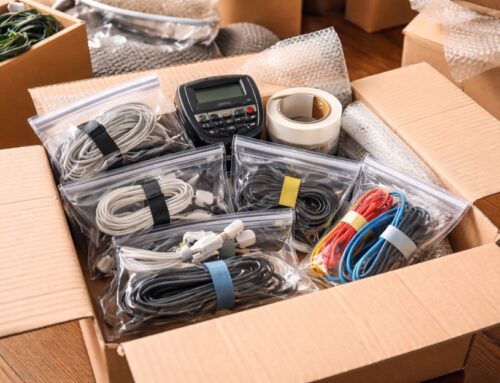
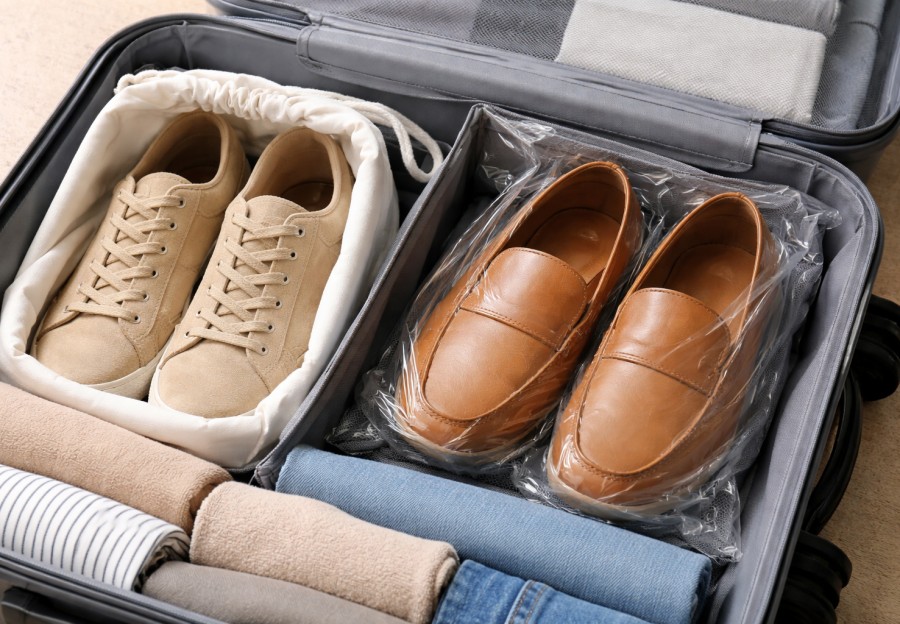
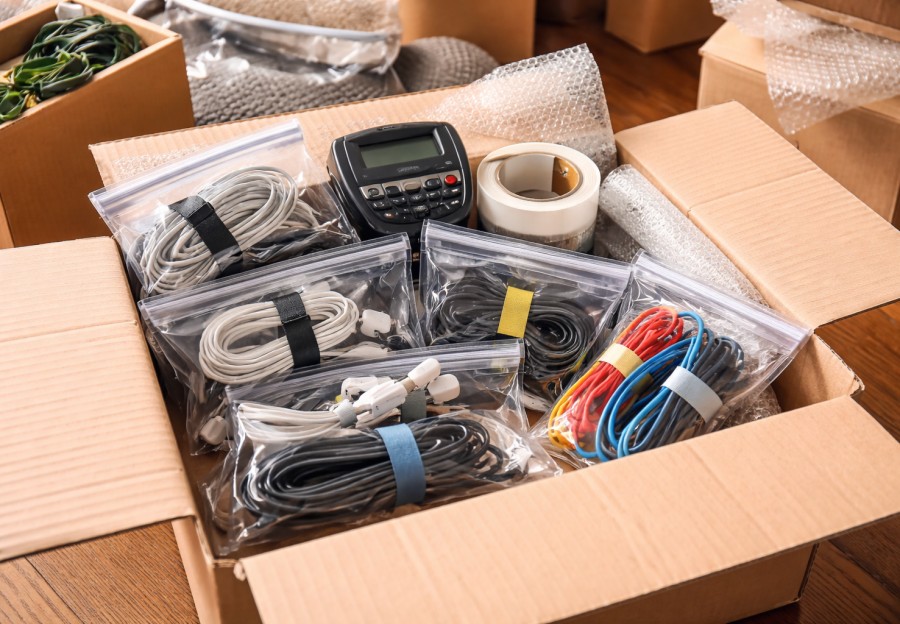
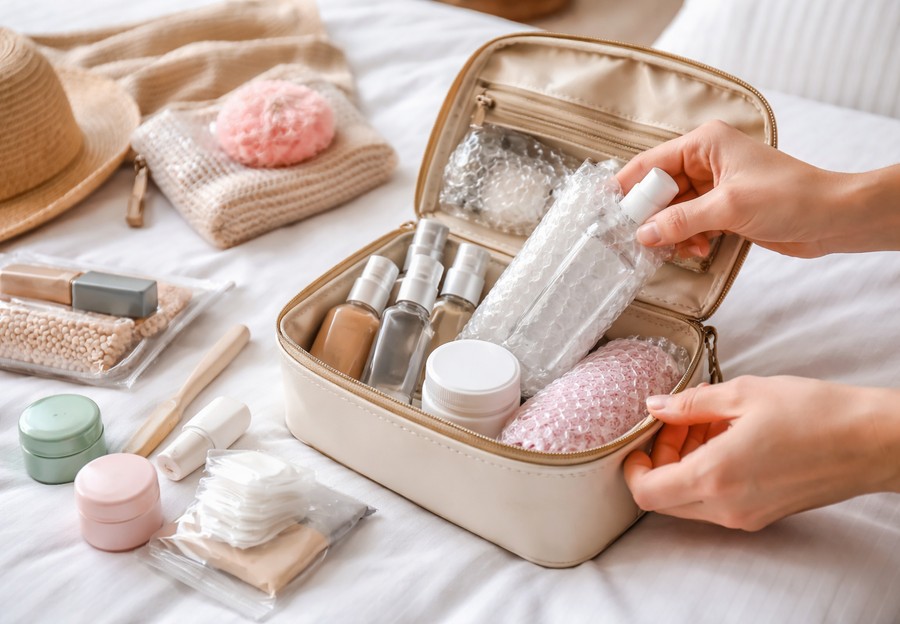
For liquids that you keep, create secondary containment. Every bottle should be sealed inside its own small plastic bag before being grouped together. This way, if one item leaks, it does not contaminate everything else. Packaging research consistently shows that layered containment dramatically reduces spill damage during transport.
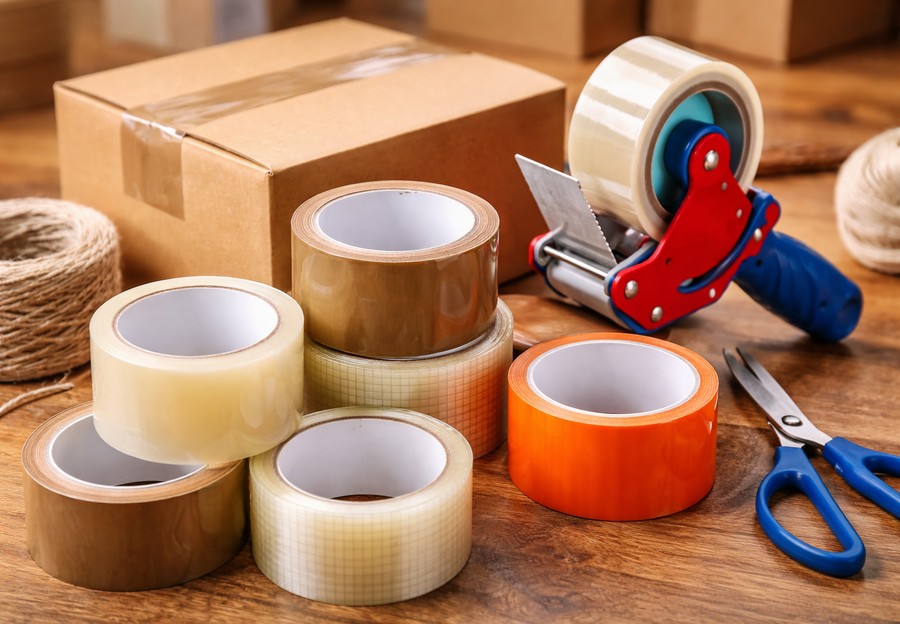
Before bagging, reinforce closures. Remove pump tops when possible and place a small piece of plastic wrap over the opening before screwing the cap back on. This creates an extra vapor and liquid barrier. For flip caps, taping the hinge area lightly can reduce accidental opening during vibration. Make sure tape never touches labels you want to preserve.
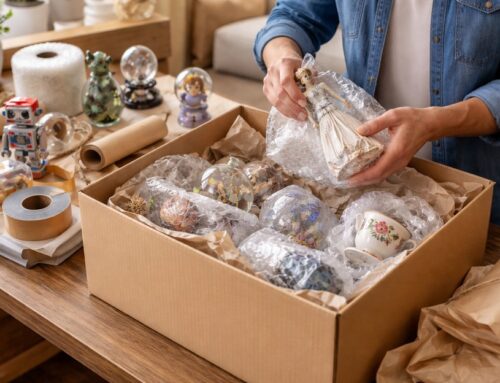
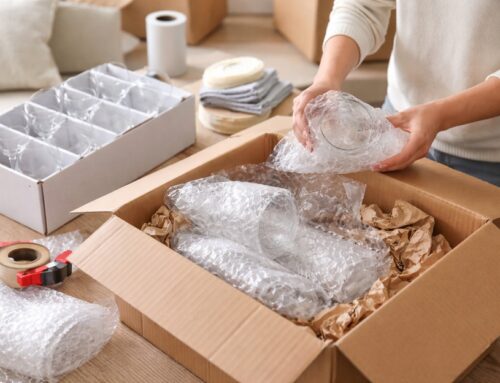
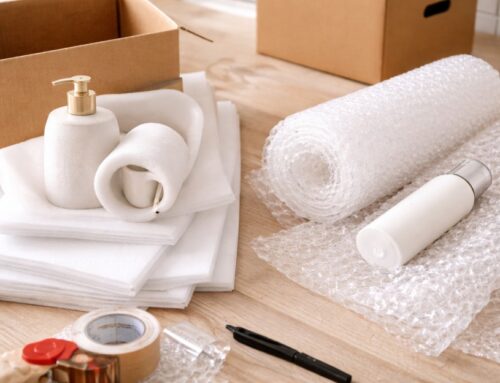
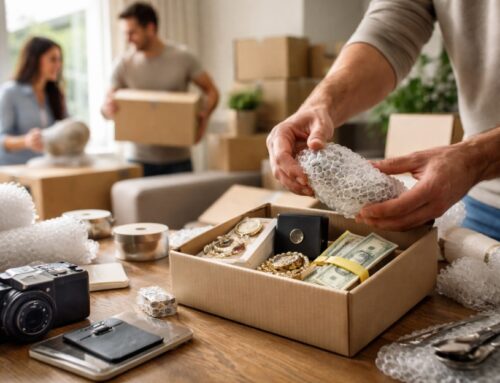
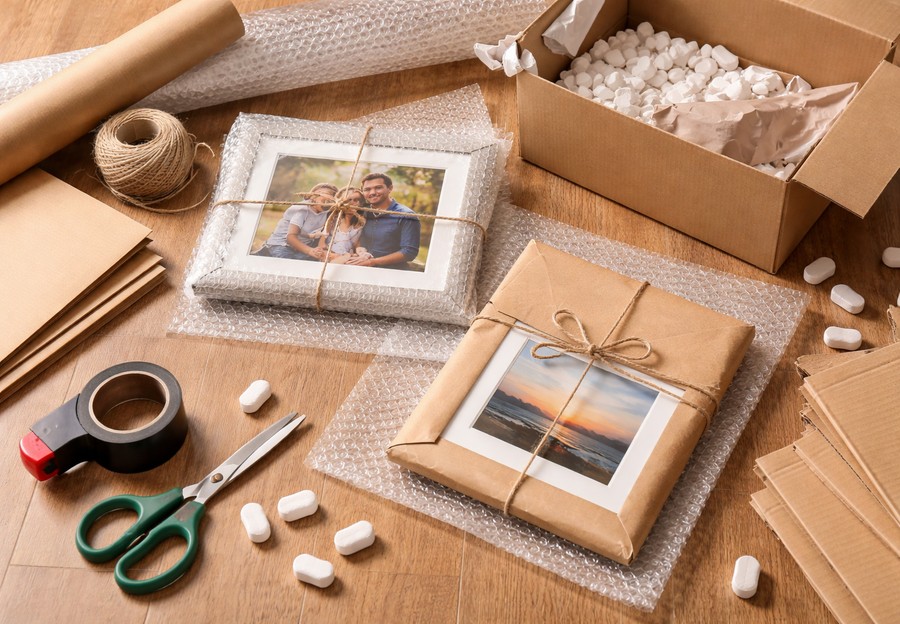
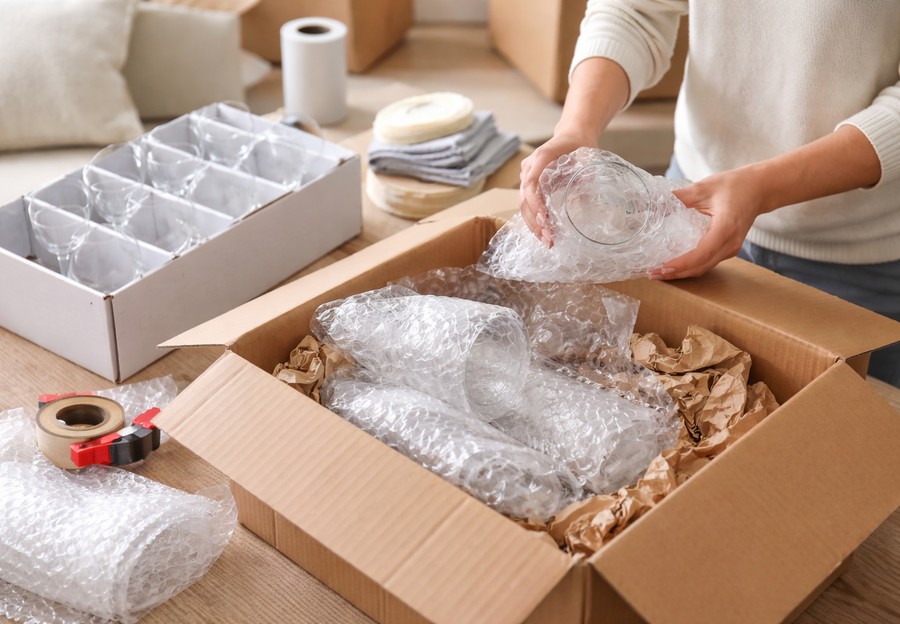
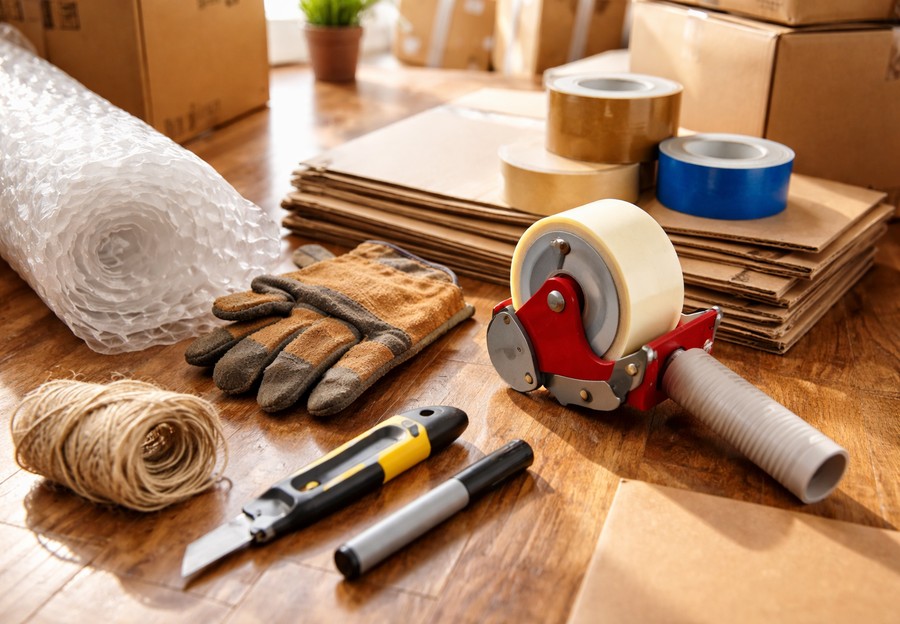
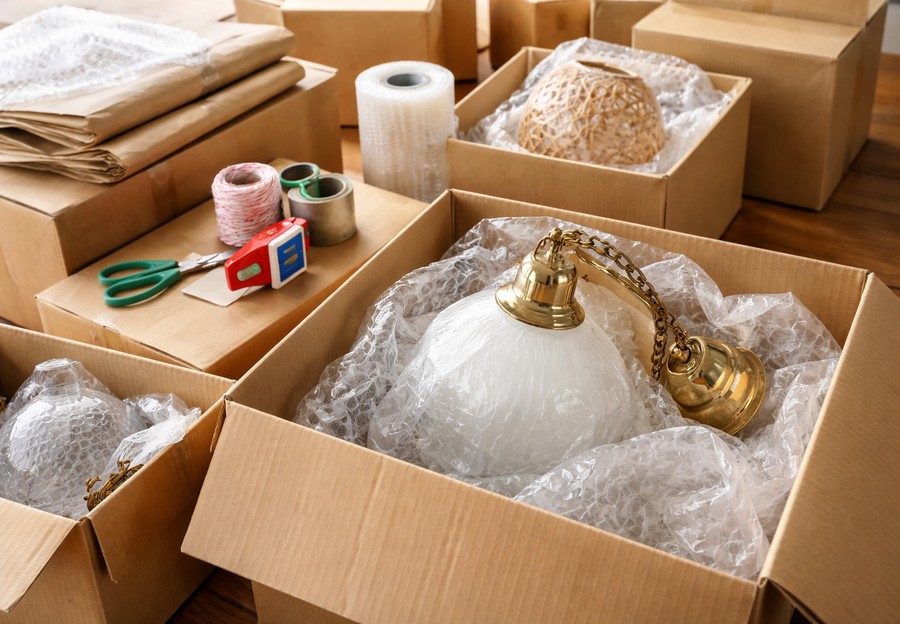
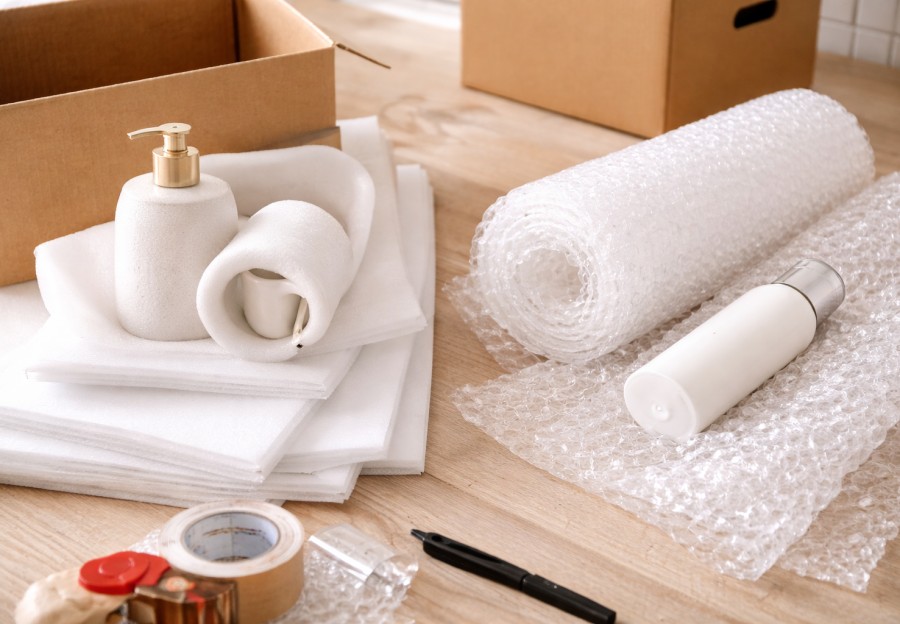
Glass containers deserve special care. Perfume bottles, serum droppers, and skincare jars chip easily when they contact hard surfaces. Wrap each glass item in soft padding such as packing paper, foam, or bubble wrap before bagging. Impact testing shows that layered cushioning absorbs shock far more effectively than a single thin layer.
Powder products behave differently. Eyeshadow palettes, blush compacts, and pressed powders crack under vibration and sudden drops. Place a soft cotton pad or tissue inside the compact before closing to reduce internal movement. This technique reduces micro impacts against the powder surface, which cosmetic packaging studies show helps prevent crumbling.
Lipsticks and creams soften in heat. High temperatures can deform bullet shapes and cause separation in cream formulas. Keeping these items in the center of packed boxes away from exterior walls reduces heat exposure. Heat transfer research shows that insulated interior zones change temperature more slowly than surfaces near metal truck walls.
Airtight plastic alone is not always ideal for long durations. Sealed bags can trap humidity, which may degrade labels and outer packaging. If the move involves storage or long transit, place bagged items inside breathable outer padding such as paper or fabric so moisture can dissipate gradually.
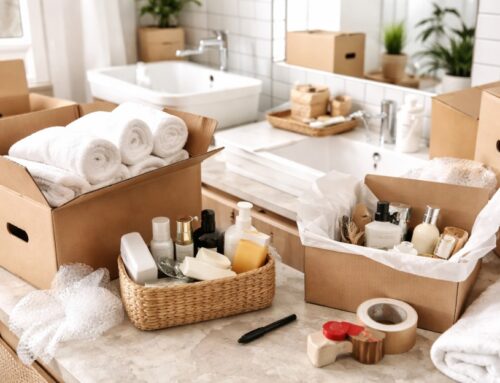
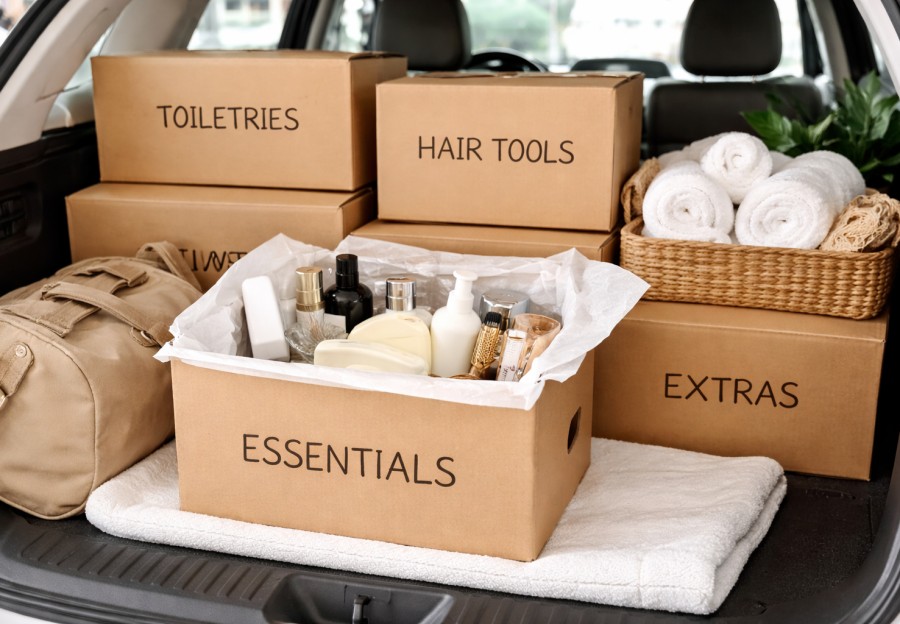
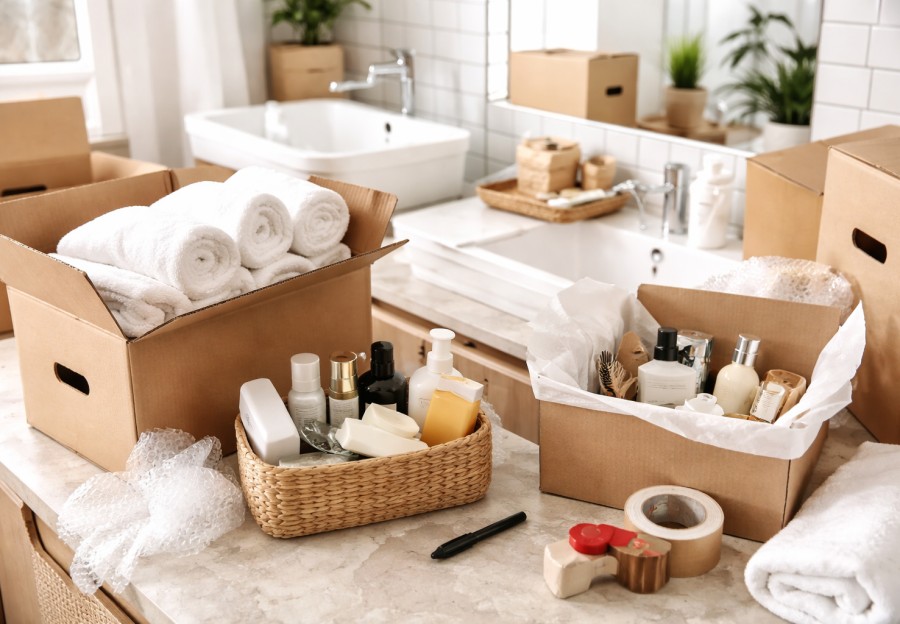
Organize toiletries by leak risk rather than by brand or use. Heavy liquids like shampoo and conditioner should be grouped separately from fragile makeup. This allows you to position heavier items lower in the box and lighter fragile items higher where compression forces are lower. Load stability research shows that heavier items placed at the bottom reduce crushing risk and box deformation.
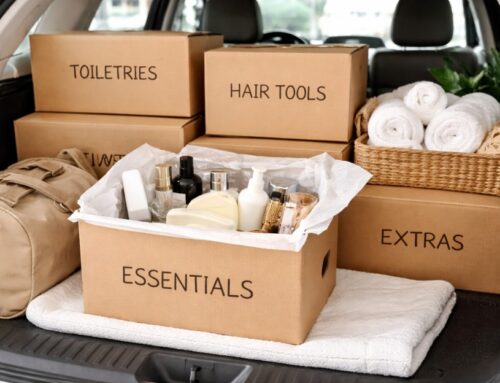
Choose small sturdy boxes rather than large boxes for toiletries. Liquids are deceptively heavy. A few full shampoo bottles can add significant weight quickly. Ergonomics studies show that overly heavy boxes increase drop risk and handling strain. Smaller boxes improve control and reduce accidental impacts.
Fill all empty space in the box so items cannot shift. Crumpled paper or soft padding prevents momentum buildup during vibration. Transportation vibration studies show that internal movement amplifies impact forces over time.
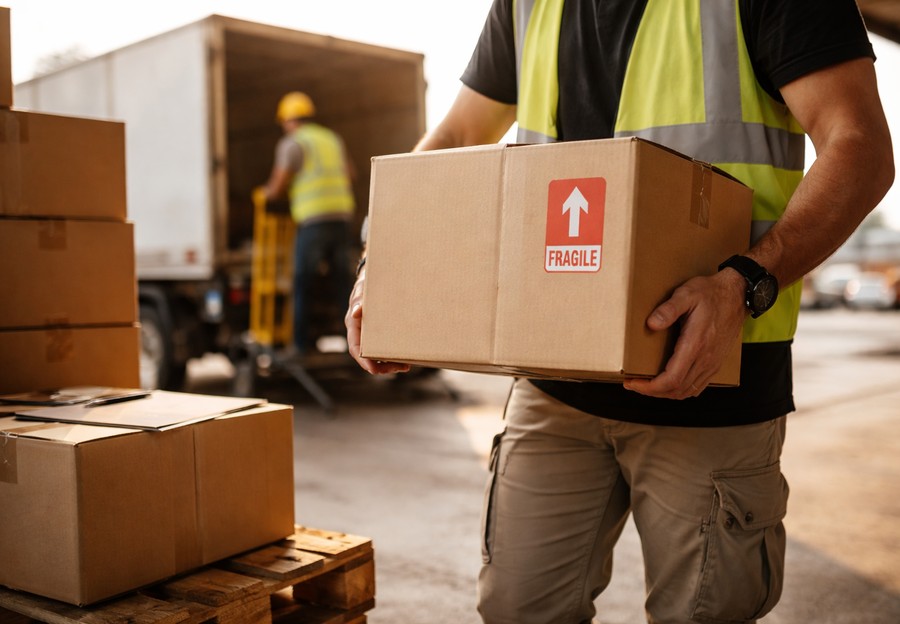
Label these boxes clearly so they are handled upright and opened carefully during unpacking. Logistics studies show that visible handling cues reduce mishandling rates and speed up sorting during unloading.
Temperature planning matters for certain products. Nail polish thickens in cold and becomes more volatile in heat. Some aerosols and pressurized containers should not be exposed to extreme heat due to pressure buildup risk. Safety data sheets for personal care products often recommend storage below specific temperature ranges to prevent container failure.
If you are moving during very hot or cold weather, consider transporting high value or sensitive cosmetics in a climate controlled personal vehicle rather than the moving truck. Short exposure to extreme conditions can still cause leakage or formula separation.
Solid toiletries such as soap bars, deodorant sticks, and dry makeup brushes are lower risk but still benefit from protection against crushing and moisture. Wrap them loosely in paper and keep them away from liquid containers.
Makeup brushes deserve attention. Bent bristles lose shape and shed more quickly. Brush care studies show that prolonged compression damages fiber alignment. Roll brushes in a clean towel or brush roll to protect bristles during transit.
Skincare devices such as facial rollers, electric toothbrushes, and grooming tools should be dried fully and packed separately from liquids. Electronics reliability research links moisture exposure to corrosion and shortened lifespan. Remove batteries when possible to prevent leakage.
Medications and medical skincare products should always travel with you rather than in the moving truck. Temperature control and access during transit matter for safety and continuity of care. Pharmaceutical stability studies show that many medications degrade outside recommended temperature ranges.
Unpacking deserves the same care as packing. Open toiletry boxes over a sink or protected surface in case a hidden leak occurred. Wipe down containers before placing them into cabinets to prevent sticky residue buildup that attracts dust and bacteria. Household hygiene research shows that residue accumulation increases microbial growth on bathroom surfaces.
Allow products that experienced temperature swings to stabilize before use. Creams and serums may temporarily separate. Gentle shaking or resting at room temperature usually restores consistency if no contamination occurred.
From a financial standpoint, replacing spilled cosmetics adds up quickly. Prestige skincare and fragrance products often cost hundreds of dollars per bottle. Preventive packing materials cost far less than replacement purchases. Consumer spending surveys consistently show that beauty products represent a meaningful recurring household expense.
Environmental impact matters too. Spilled liquids contaminate cardboard and padding, increasing waste and landfill contribution. Cosmetic packaging contains plastics and glass that require energy intensive manufacturing. Sustainability studies consistently show that extending product lifespan reduces environmental footprint more effectively than replacement and disposal.
There is also a health aspect. Leaking products can mix chemically inside a box and create skin irritation risk if residue contacts personal items. Safety data shows that mixing personal care chemicals can increase sensitization potential.
Time savings should not be underestimated. Cleaning leaked shampoo out of clothing or makeup stains from fabric consumes hours and sometimes requires professional cleaning. Household cleaning cost surveys show that stain remediation often exceeds the value of the damaged item itself.
Psychologically, opening a box to find a sticky disaster adds unnecessary stress to an already demanding move. Behavioral research shows that small unexpected setbacks increase perceived stress disproportionately during major life transitions. Prevention preserves emotional energy for more important tasks.
The same principles apply regardless of collection size. Seal and bag each liquid individually. Reinforce closures. Cushion fragile containers. Control internal movement. Use smaller sturdy boxes. Separate heavy liquids from delicate makeup. Minimize temperature exposure. Unpack carefully.
Moving cosmetics and toiletries safely is not complicated, but it does require intentional steps that many people skip in a rush. A few minutes spent creating secondary containment and cushioning saves hours of cleanup, replacement cost, and frustration later.
When your bathroom box opens cleanly and every bottle stays intact, the payoff feels immediate. Instead of wiping spills and salvaging stained items, you can set up your space calmly and move on to more satisfying parts of settling into a new home.
Small details often make the biggest difference in moving quality. Cosmetics and toiletries may be small items, but protecting them well keeps the entire move cleaner, safer, and more predictable.