May 9, 2026
How to move pool equipment
Pool equipment looks rugged and permanent once it is bolted in place. Pumps hum quietly, filters sit heavy and solid, heaters hide behind panels, and salt systems blink away without much thought. When it is time to move, that sense of permanence becomes the problem. Pool systems are heavy, electrically sensitive, water exposed, and often connected to rigid plumbing that does not forgive rushed handling. A careful approach protects expensive components, prevents leaks at the new home, and avoids injuries that can linger long after moving day.
The financial stakes are higher than many homeowners realize. A typical residential pool pump often costs between $500 and $1,500 depending on horsepower and efficiency rating. Cartridge and sand filters frequently range from $700 to $2,500. Gas pool heaters can exceed $3,000 before installation costs. Industry maintenance surveys show that improper handling and water intrusion are among the most common causes of premature equipment failure after relocation or renovation. Treating these systems like ordinary furniture increases risk dramatically.
Weight is the first challenge. Even a medium size pump can weigh 40 to 70 pounds. Large cartridge filters and sand filters regularly exceed 150 pounds when dry. If any residual water remains inside, weight climbs quickly. Ergonomics research shows that lifting objects over 75 pounds significantly increases strain risk for untrained individuals, especially when the load is bulky and lacks good handholds. Many pool components also have uneven weight distribution, which increases twisting forces on the back and shoulders.
Preparation begins with shutting everything down properly. Turn off electrical breakers feeding the pool equipment at the main panel rather than relying only on local switches. Electrical safety studies consistently show that lockout at the source reduces accidental energization risk during disconnection. Allow pumps and heaters to cool fully before touching them. Heater heat exchangers can retain high surface temperatures long after shutdown, increasing burn risk.
Drainage is critical. Pumps, filters, heaters, and chlorinators should be fully drained using their built in drain plugs or service valves. Water left inside can leak during transport, saturating packaging and promoting corrosion. Moisture inside electrical housings increases failure risk. Electronics reliability studies link humidity exposure to accelerated corrosion and insulation breakdown over time. Draining thoroughly also reduces weight and improves handling safety.
Disconnect plumbing carefully. Rigid PVC unions should be loosened rather than cut when possible so reconnection remains simple later. If cutting is unavoidable, leave enough straight pipe length for future coupling. Plumbing trade data shows that improper reconnection is a common source of post move leaks that can cause hidden water damage and mold growth.
Electrical disconnection should be done methodically. Label each wire and conduit connection before removal. Taking photos helps with accurate reassembly. Cognitive studies show that visual references improve reconstruction accuracy more than written notes alone when time gaps exist between disassembly and reinstallation.
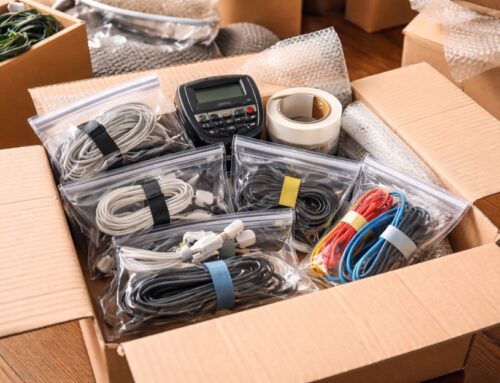
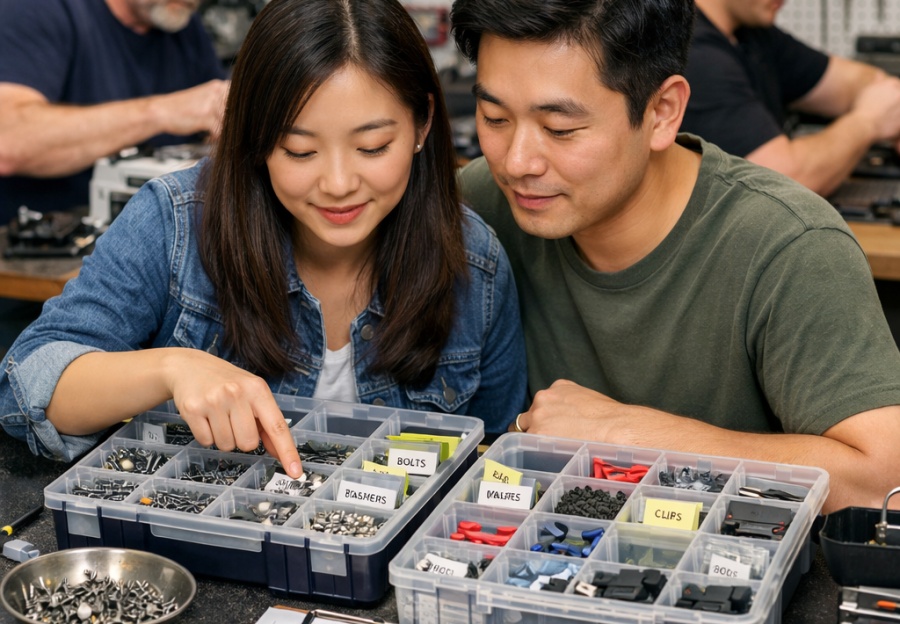
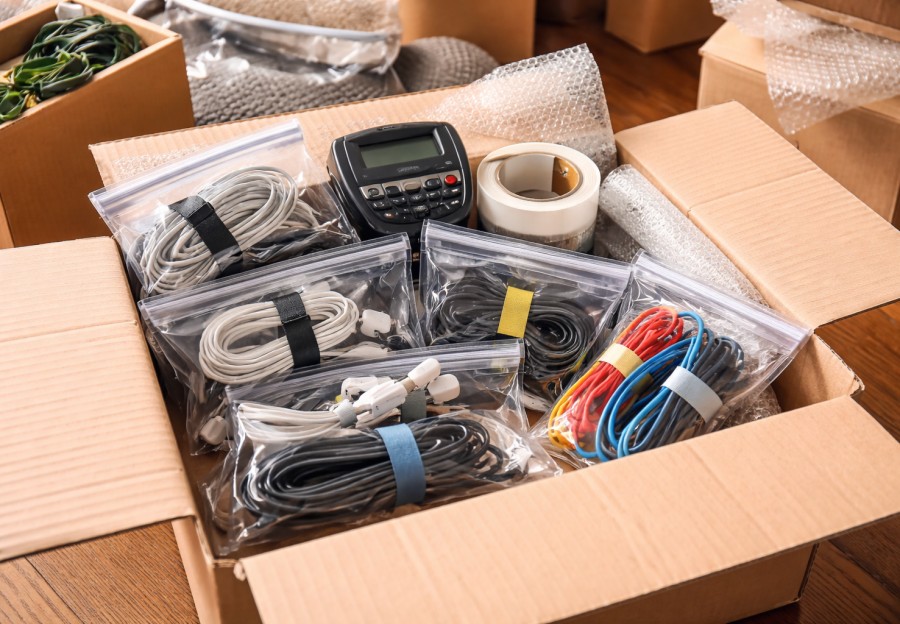
Remove loose accessories such as timers, controllers, flow sensors, and removable lids. Small parts should be bagged and labeled immediately to prevent loss. Maintenance data shows that missing fittings and miswired controllers are frequent causes of delayed pool restarts after moves.
Cleaning before packing is often overlooked but important. Dirt, calcium scale, and chemical residue trap moisture and accelerate corrosion. A quick wipe down with a damp cloth followed by thorough drying reduces long term damage risk. Microbiology studies show that damp enclosed environments promote mold growth within 24 to 48 hours under warm conditions.
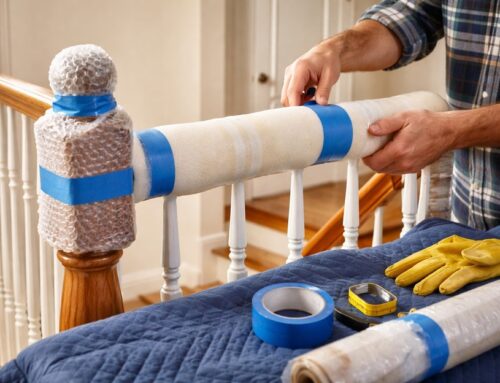
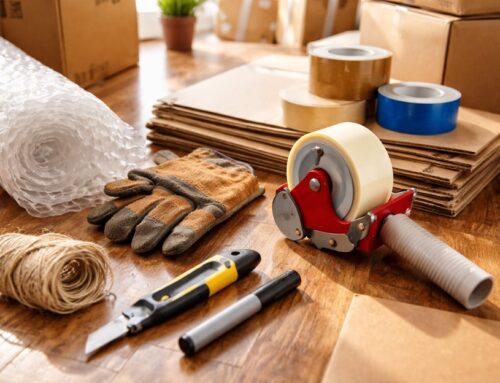
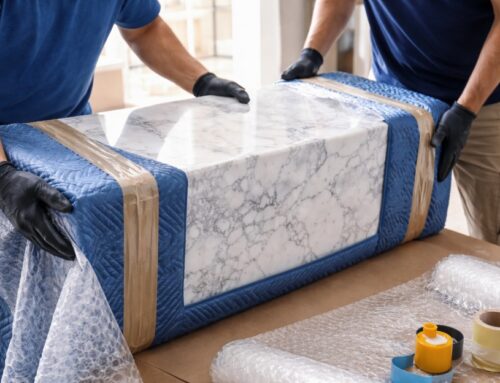
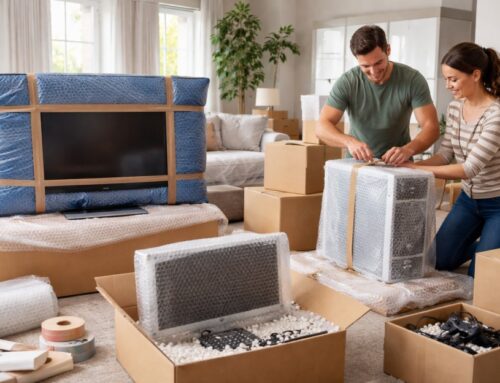
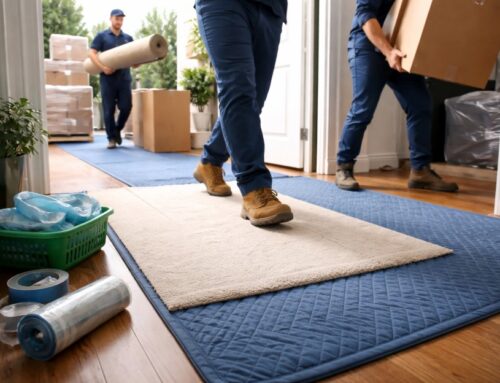
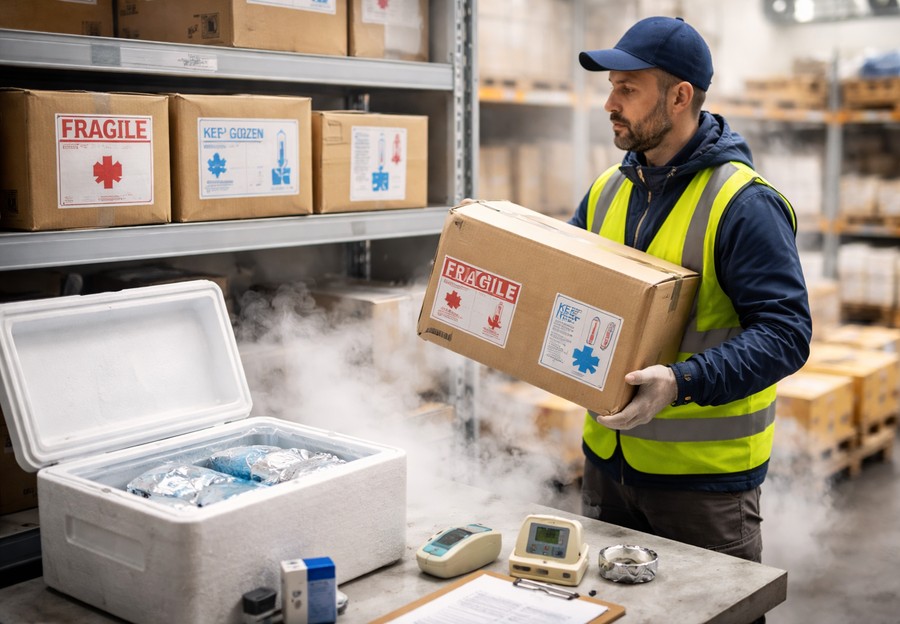
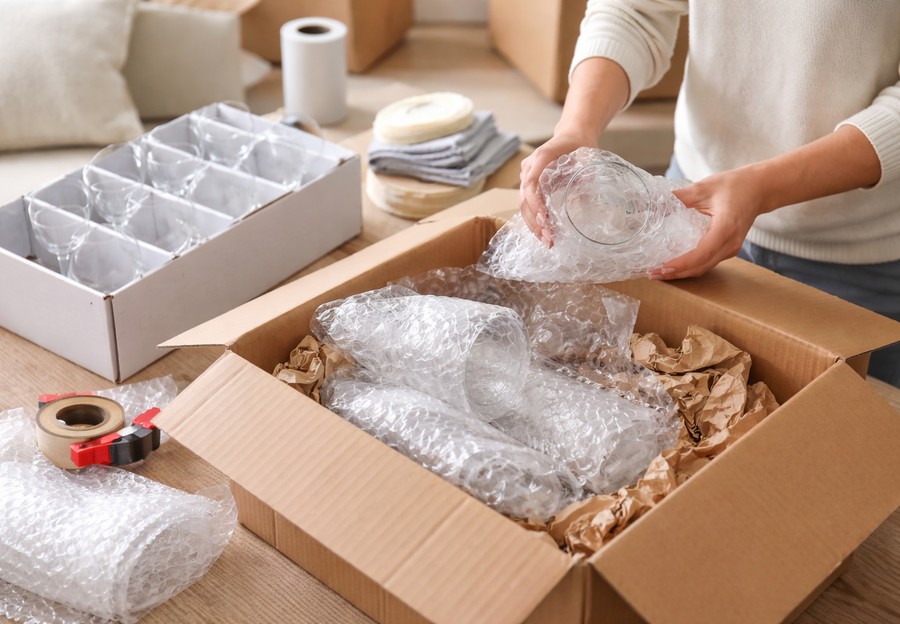
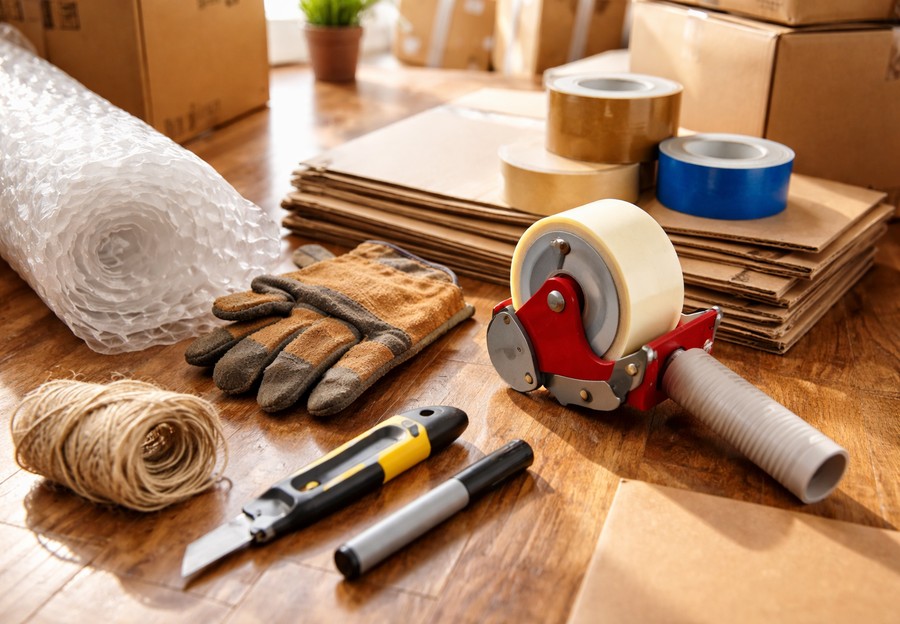
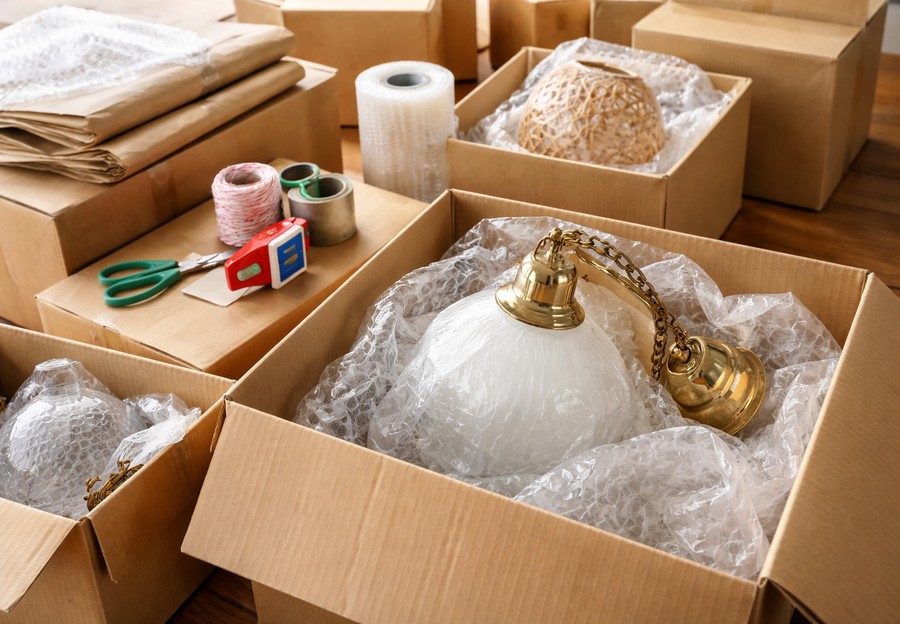
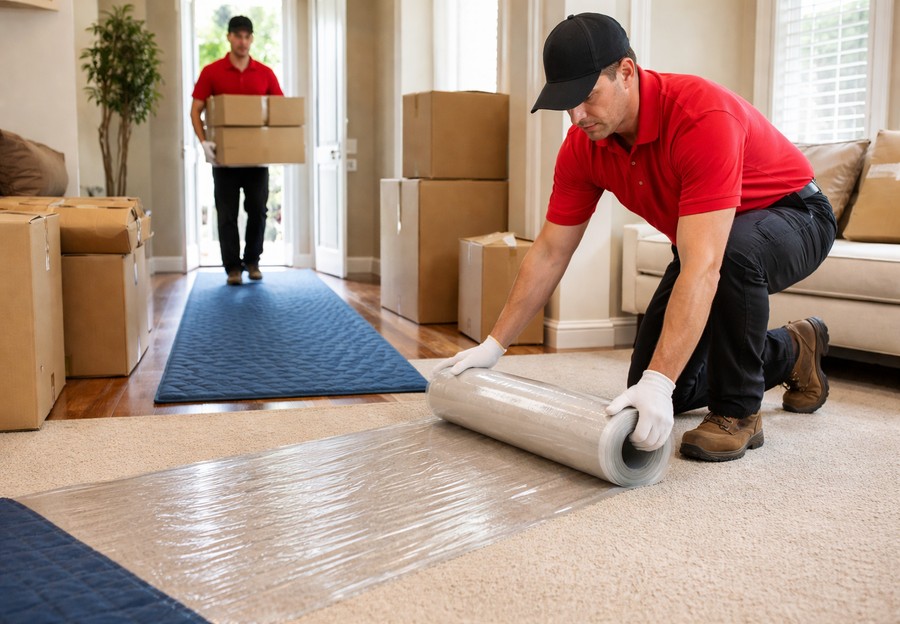
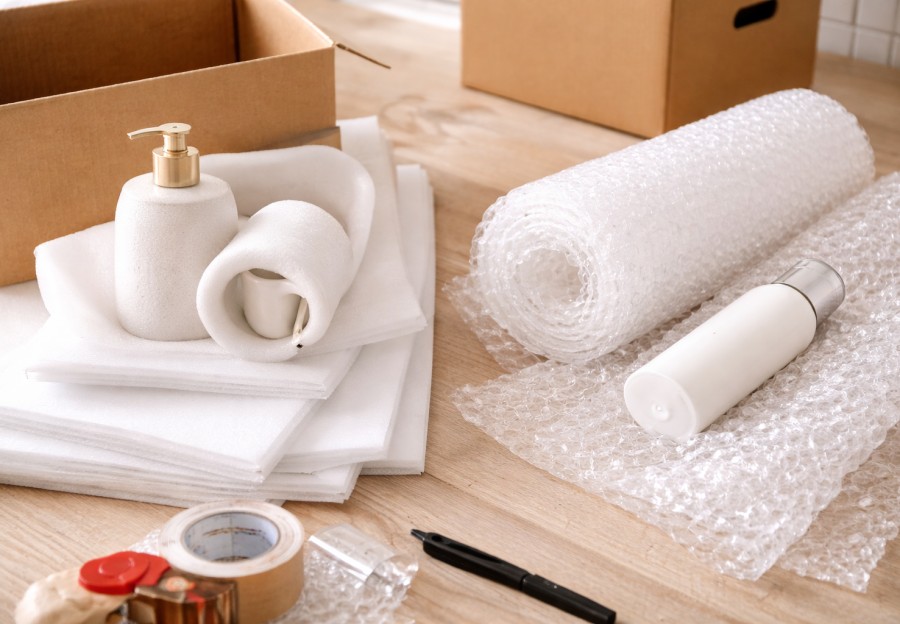
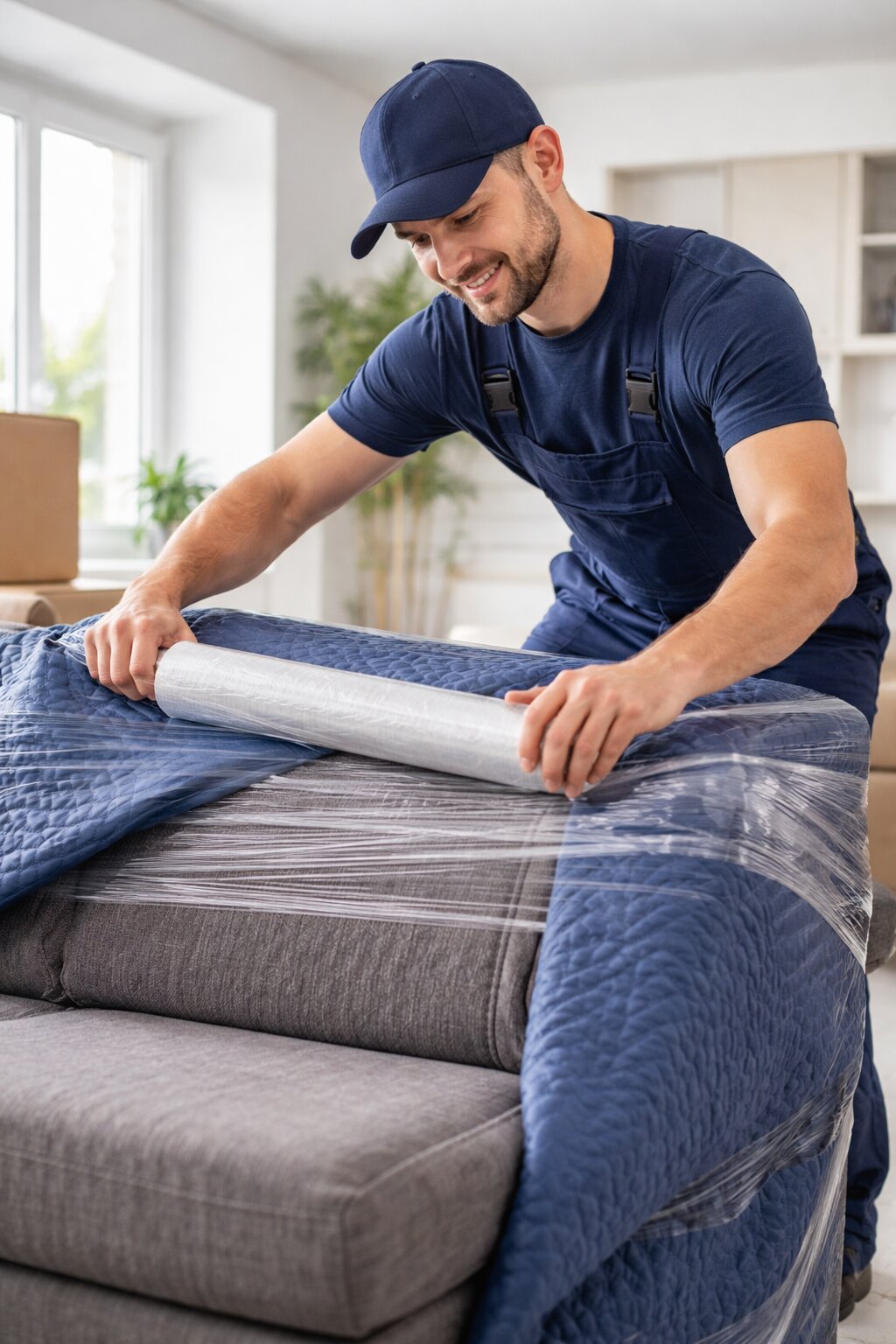
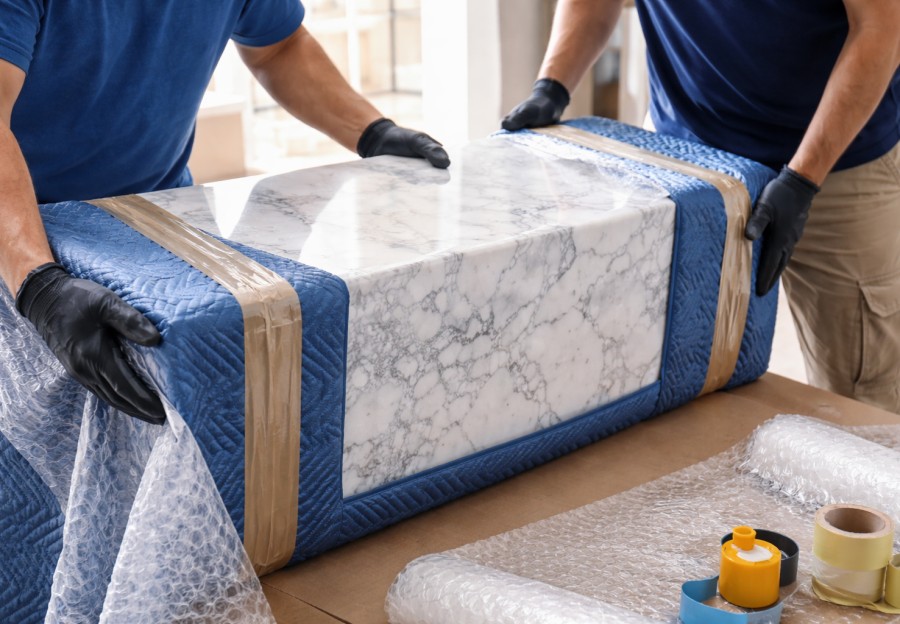
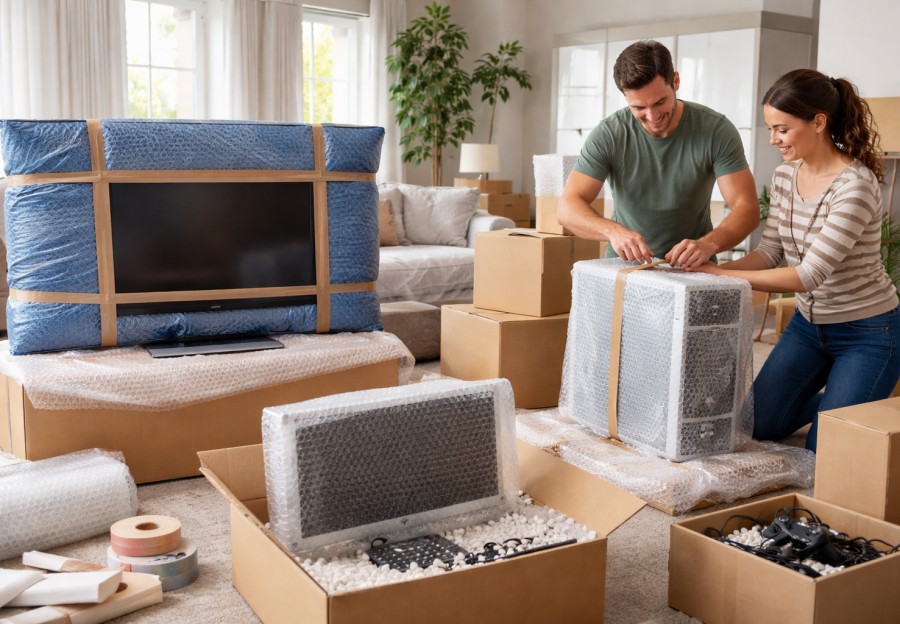
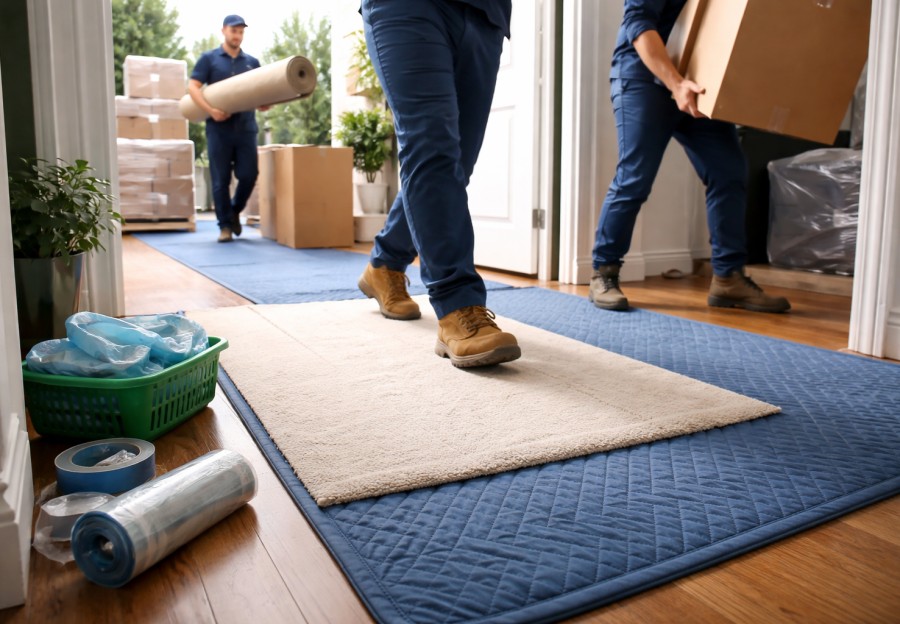
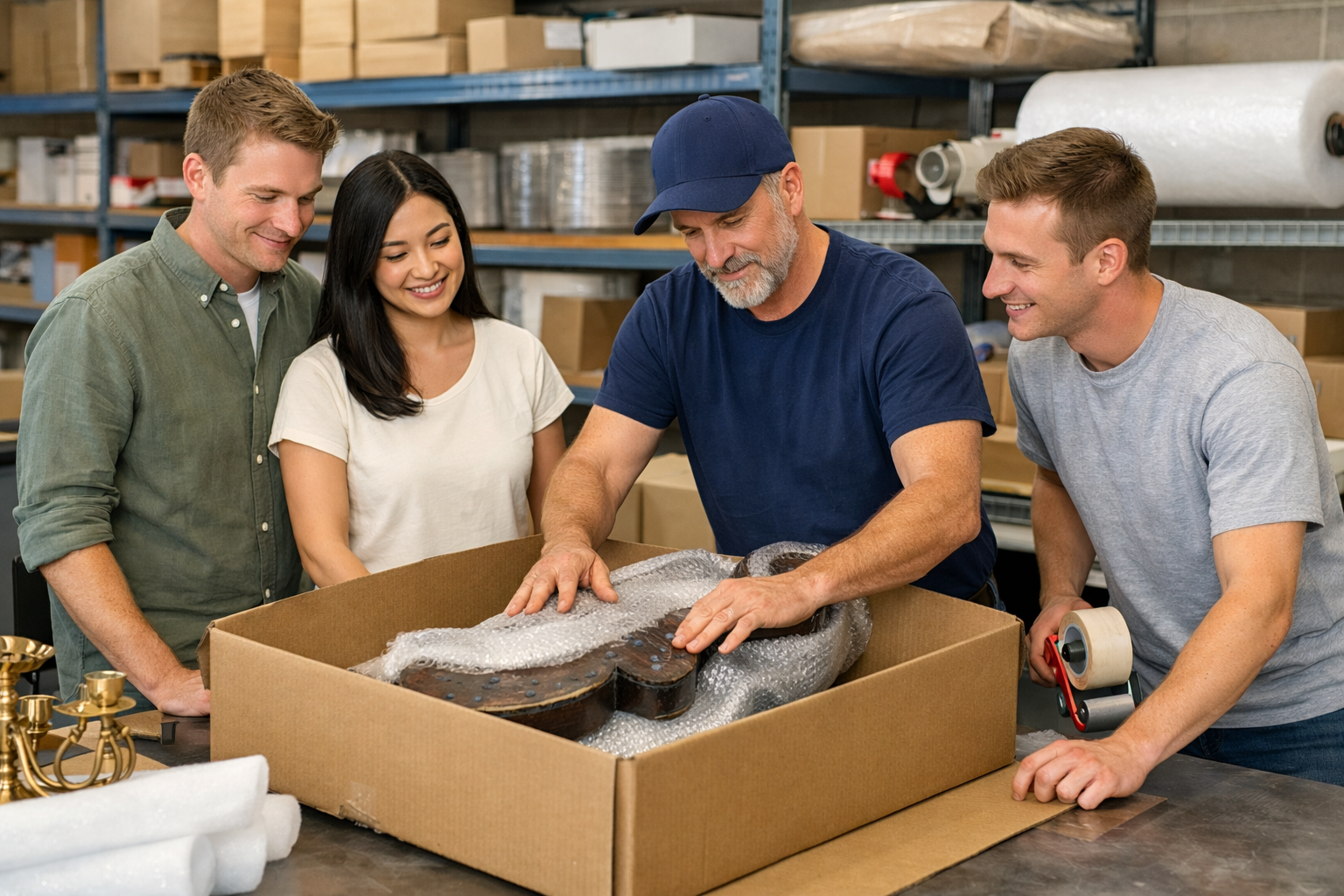
Padding protects both the equipment and everything around it. Pumps and heaters have sharp edges, metal corners, and exposed fittings that easily dent walls and scratch floors. Moving blankets and dense padding absorb impact energy and prevent abrasion. Packaging engineering research consistently shows that layered cushioning reduces peak impact forces during handling and transport.
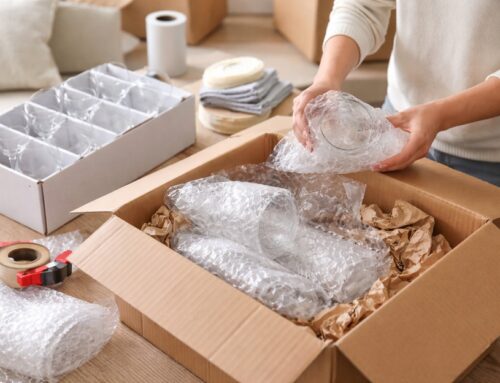
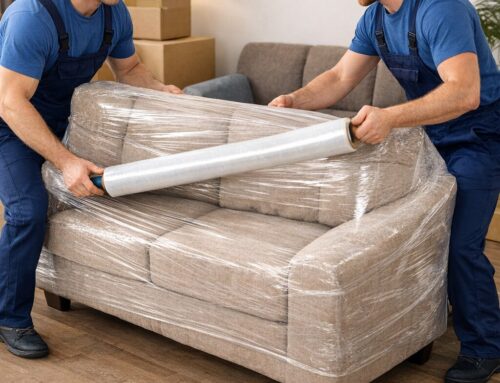
Avoid sealing equipment tightly in plastic for long durations. Plastic traps humidity and condensation, especially during temperature swings. Conservation studies recommend breathable wrapping for mixed material equipment so moisture can escape gradually.
Orientation during transport matters. Keep pumps and heaters upright whenever possible to protect internal components and oil distribution in motor bearings. Motor manufacturers often specify upright transport to avoid lubrication migration that can shorten bearing life.
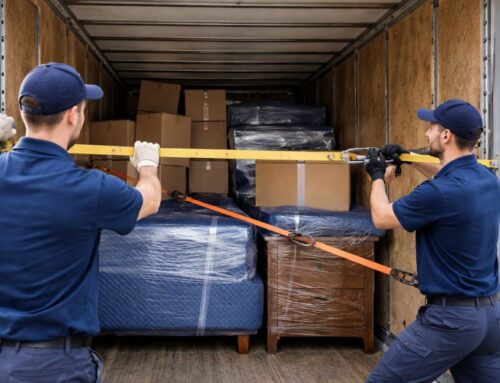
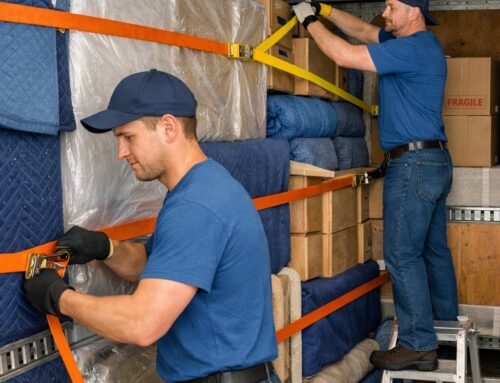
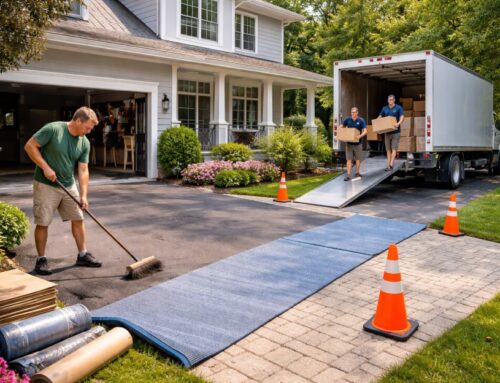
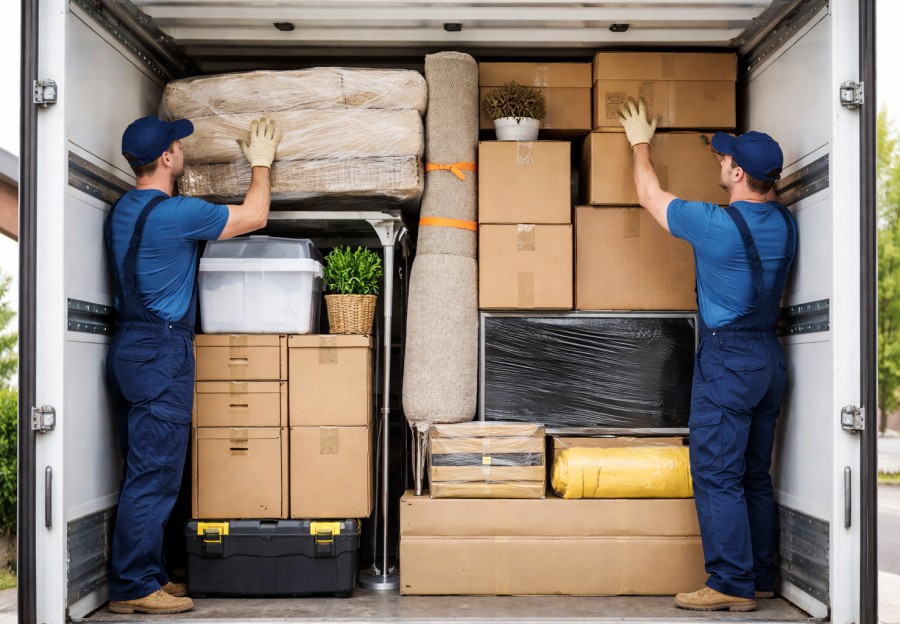
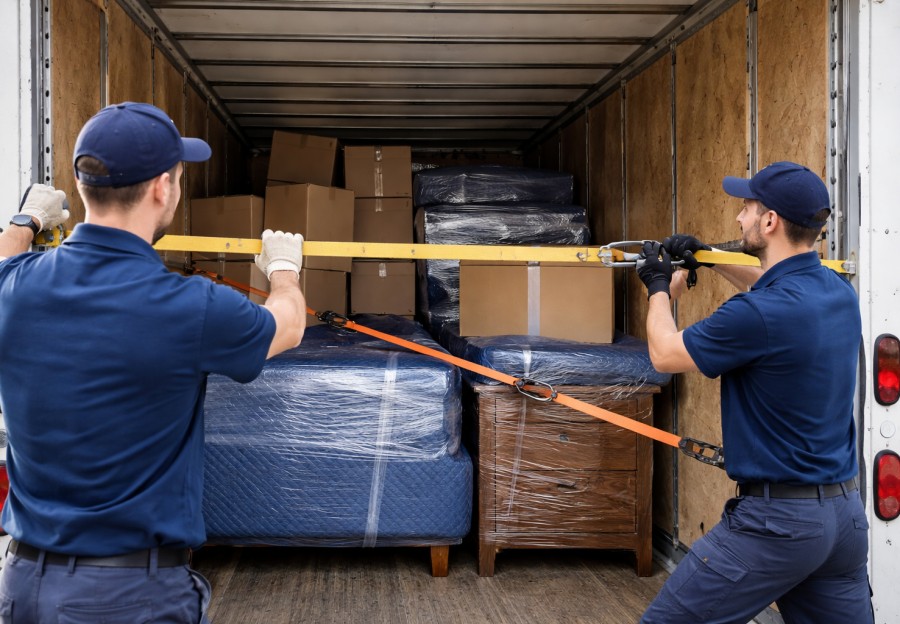
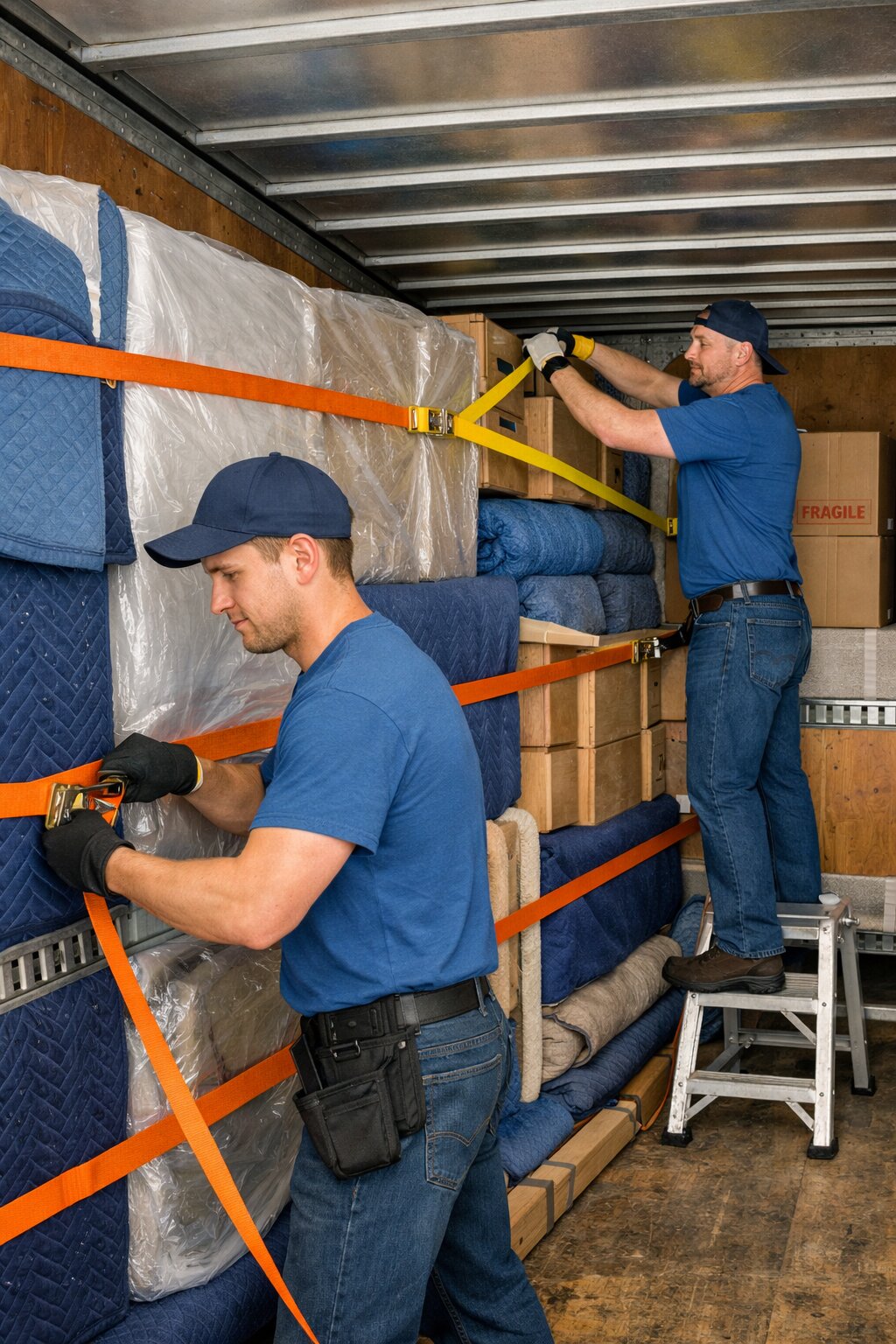
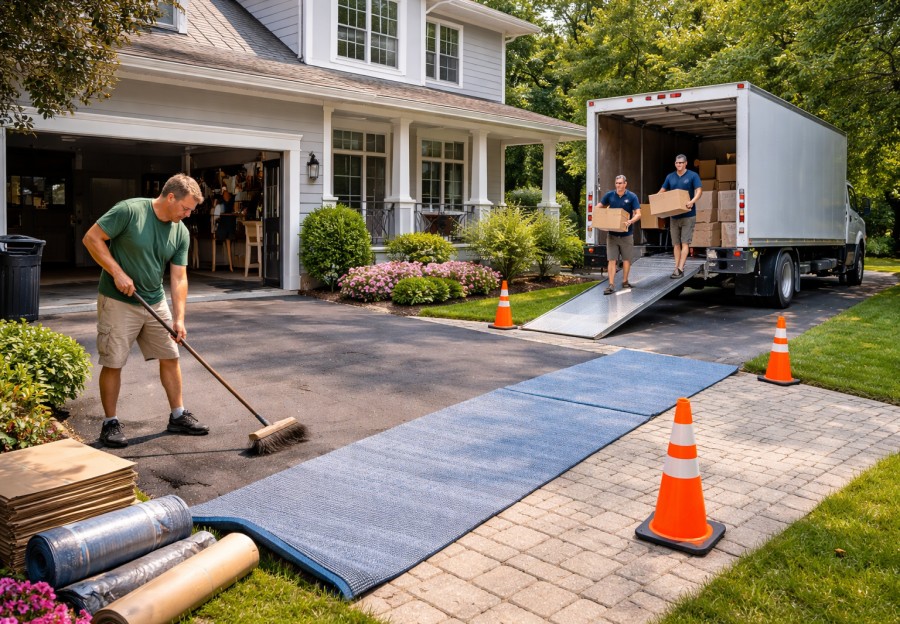
Load placement inside the truck should prioritize stability. Pool equipment should ride against padded walls or be wedged securely between heavy stable items so it cannot tip or slide during braking. Transportation safety testing shows that sudden stops can generate forward forces several times the weight of the load. Proper strapping prevents momentum damage.
Temperature exposure deserves attention. Moving trucks are not climate controlled. Vehicle interior studies show that temperatures inside closed trucks can exceed outdoor conditions by more than 20 degrees Celsius in direct sun. Excessive heat accelerates degradation of seals, gaskets, and electronic components. Minimizing dwell time inside hot trucks reduces cumulative stress. Load equipment late and unload early whenever possible.
If the move involves long distance transport or extreme weather, sensitive control panels and electronics may benefit from being transported inside a climate controlled vehicle rather than the main truck.
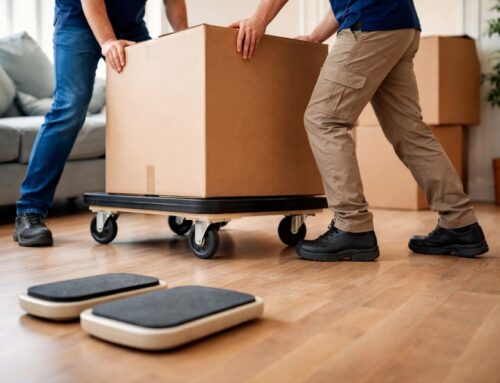
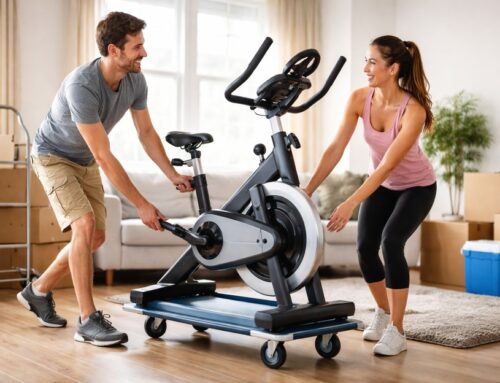
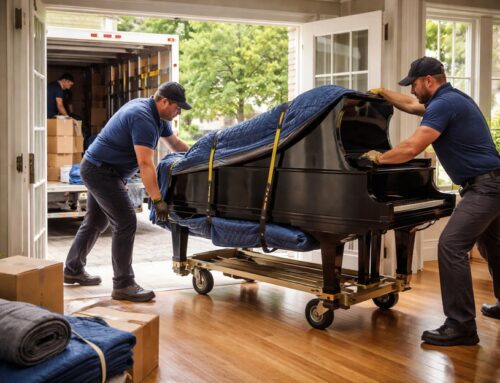
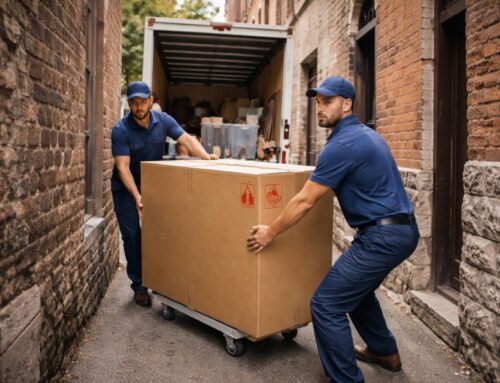
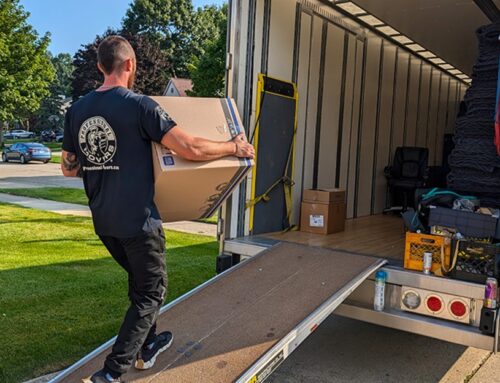
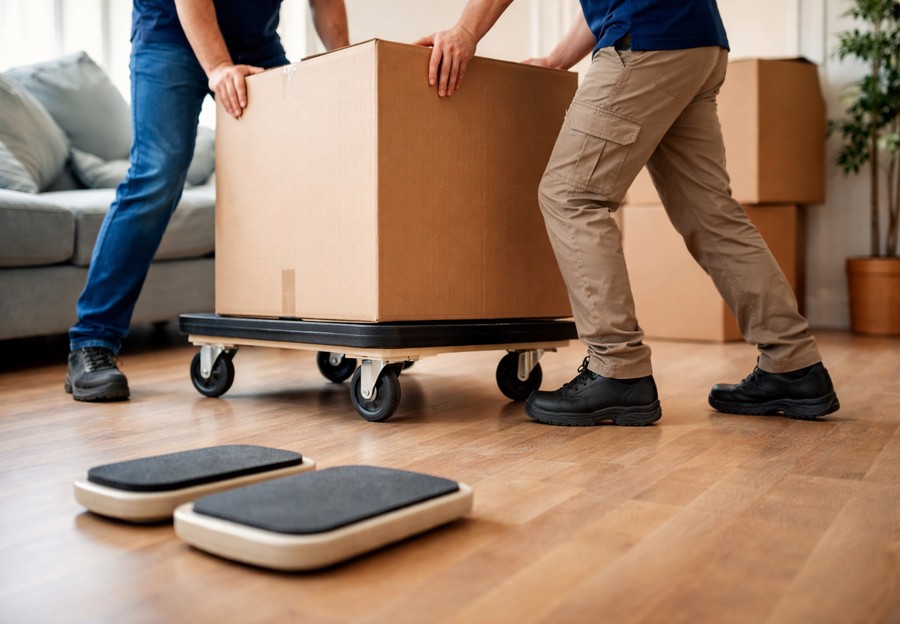
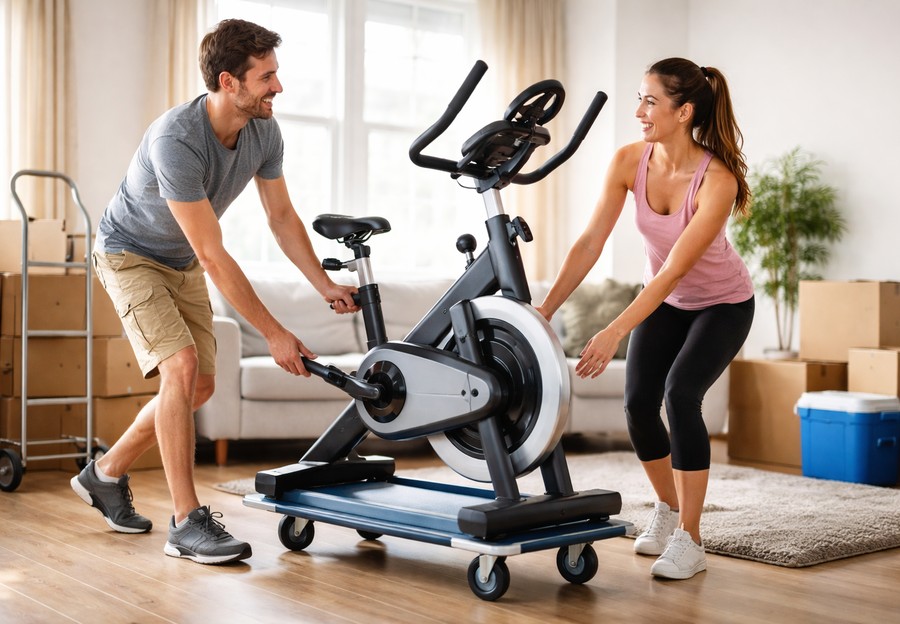
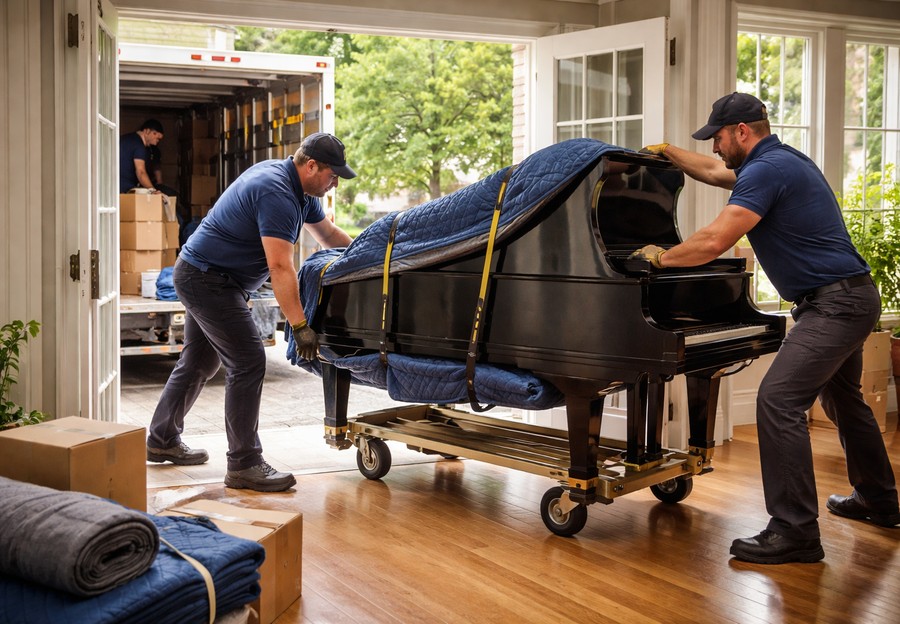
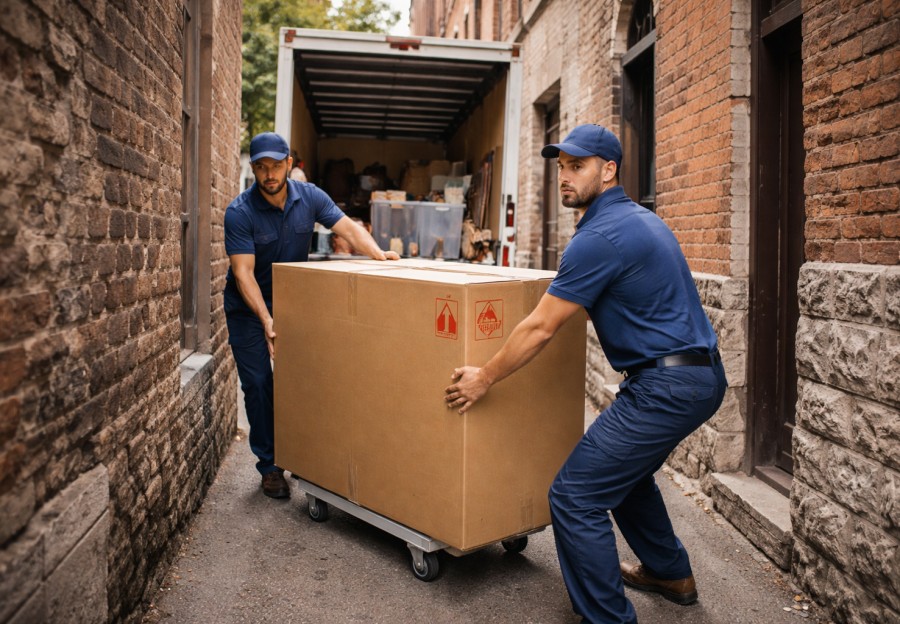
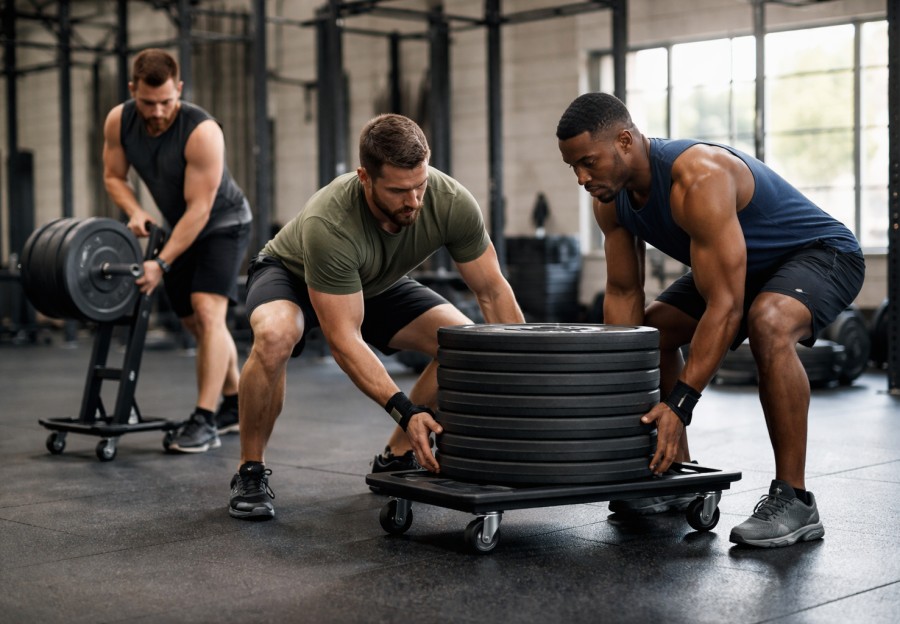
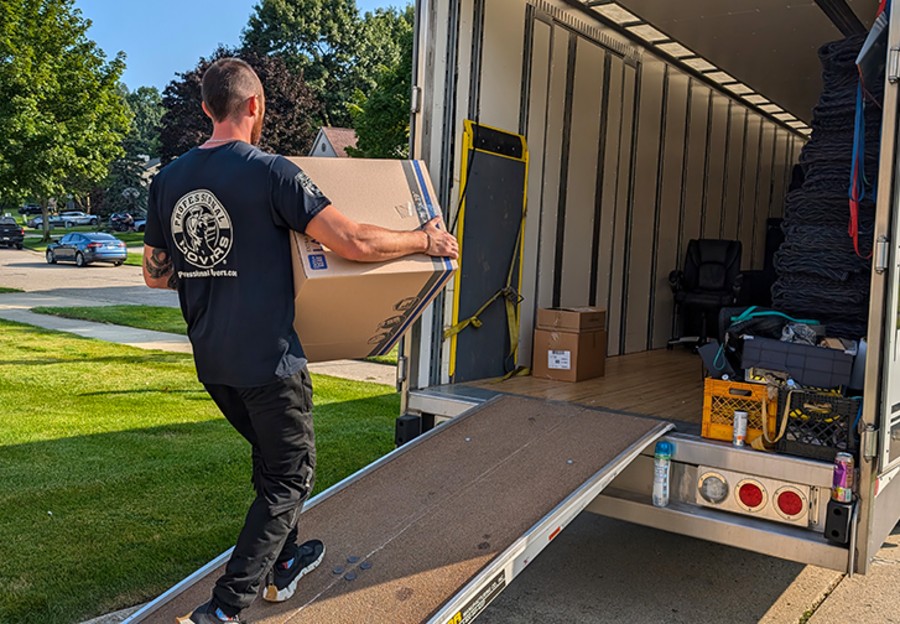
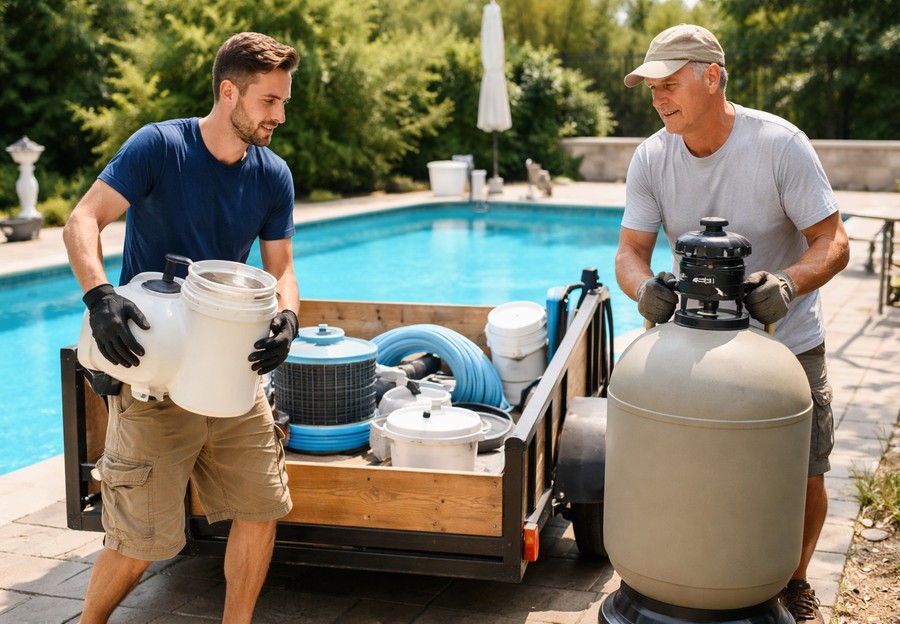
Handling technique protects both people and equipment. Use dollies rated for the load rather than carrying heavy components manually. Biomechanics research shows that wheeled transport reduces spinal compression by more than half compared with lifting equivalent weight. Secure the load to the dolly with straps so it cannot shift during movement.
Avoid twisting under load. Turn your whole body rather than rotating your spine. Spine injury studies show that combined bending and twisting dramatically increases disc stress and injury risk.
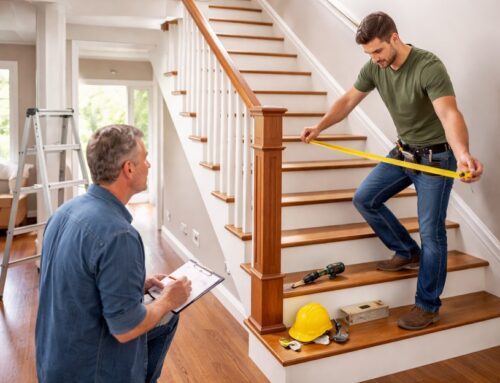
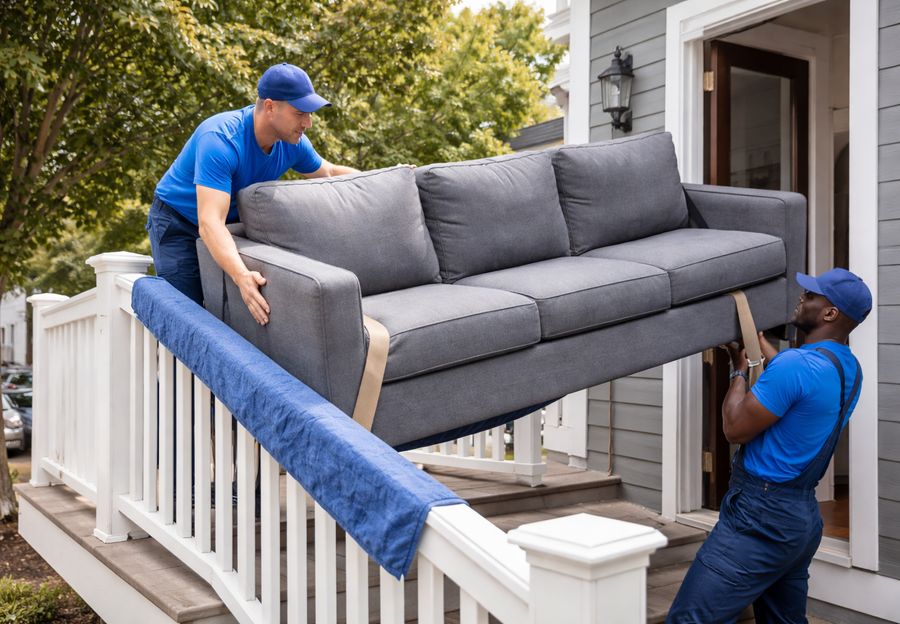
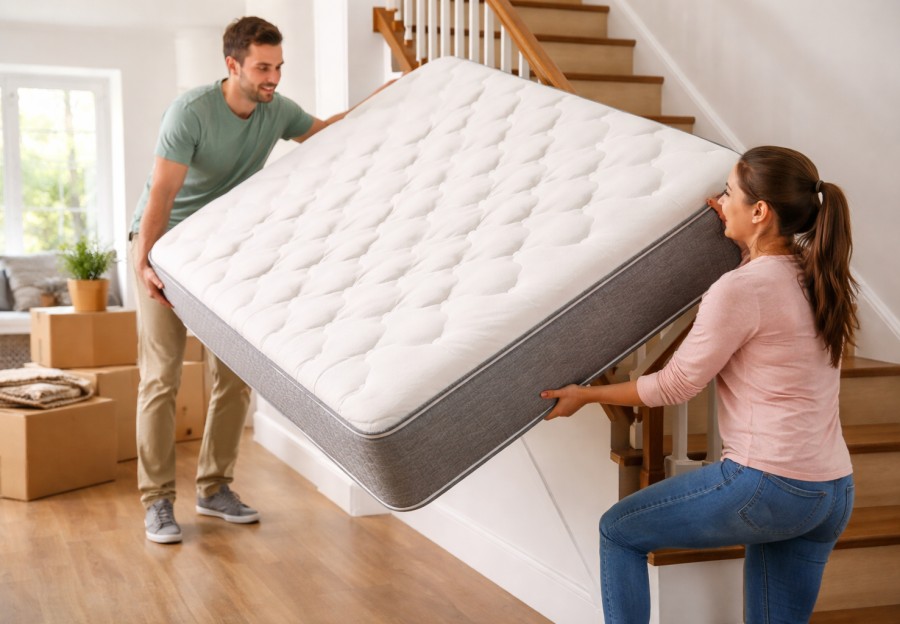
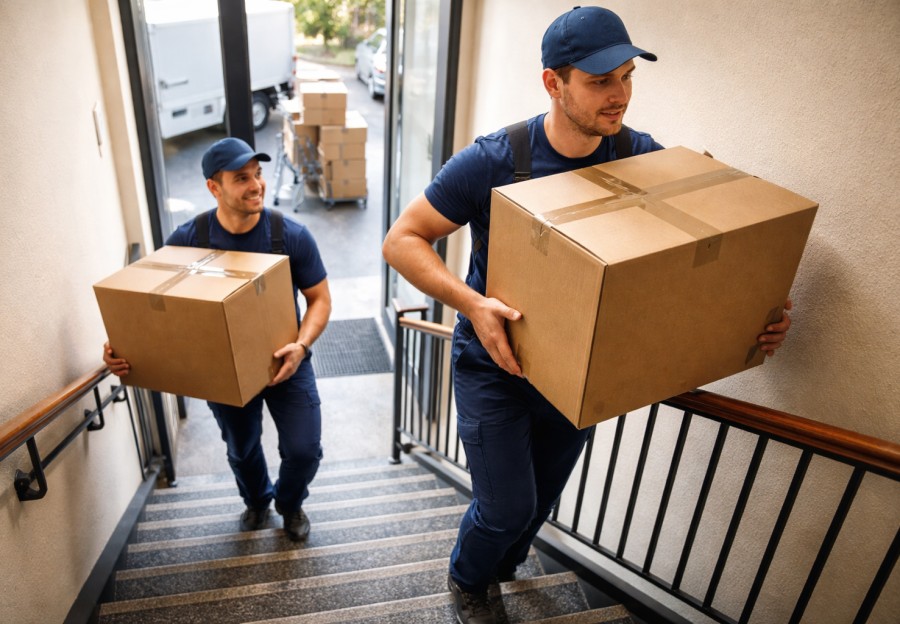
Stairs increase risk significantly. Gravity adds braking and acceleration forces that strain handlers and destabilize loads. Occupational injury data consistently shows higher injury rates on stair carries. If stairs are unavoidable, use additional helpers and move slowly with clear communication.
At the new home, placement planning prevents rework and mistakes. Pool pads should be level, well drained, and accessible for maintenance. Improper leveling increases vibration and bearing wear. Mechanical reliability studies link misalignment and vibration to shortened motor lifespan.
Allow equipment to acclimate before reconnecting and powering on. Rapid temperature changes can create condensation inside electrical housings. Electronics service guidelines recommend allowing devices to reach ambient temperature before energizing to prevent moisture related faults.
Reconnect plumbing carefully with proper thread sealant or gaskets. Hand tighten unions evenly to avoid cross threading. Pressure test the system with low flow initially to detect leaks early. Water damage remediation costs can escalate quickly when small leaks go unnoticed. Insurance industry data shows that water damage remains one of the most expensive residential claim categories.
Electrical reconnection should follow labeling and photos precisely. If unfamiliar with wiring requirements or local electrical codes, licensed electrician assistance reduces risk. Electrical fault data shows that improper reconnection increases fire and equipment failure risk.
Prime pumps properly before startup to prevent dry running. Dry running damages seals and impellers quickly. Pump manufacturer data shows that even short dry operation can significantly shorten seal life.
Monitor the system closely during the first few hours of operation. Listen for unusual vibration, watch for leaks, and verify proper flow and heating behavior. Early detection prevents cascading failures.
From a cost perspective, careful handling protects significant investment. Replacing a damaged pump, cracked filter housing, or control board can easily exceed the cost of professional moving help or extra packing materials. Consumer repair surveys show that pool equipment repairs frequently range into the thousands when components fail prematurely.
There is also a safety dimension. Electrical and gas pool equipment interacts with water and combustible fuel sources. Improper reconnection increases shock and fire risk. Safety incident data consistently shows that most residential pool equipment accidents involve installation or modification errors rather than normal operation.
Environmental responsibility matters too. Pool equipment contains metals, plastics, electronic boards, and composite materials that carry significant manufacturing energy and disposal impact. Extending service life reduces waste and replacement emissions. Sustainability studies consistently show that preserving durable equipment has lower environmental footprint than recycling after premature failure.
Time planning reduces stress. Pool systems often require permits or inspections for reconnection depending on local codes, especially for gas heaters and electrical upgrades. Delays can leave pools offline longer than expected. Planning these steps in advance avoids surprise downtime.
Insurance coverage should be reviewed before transport. Some policies limit coverage for mechanical equipment damage during relocation. Documenting condition with photos provides protection if claims arise. Claims data shows that documentation improves resolution speed and outcomes.
The emotional factor matters too. Pools represent relaxation, family time, and property value. Equipment failure after a move creates frustration and disrupts enjoyment during an already stressful transition. Protecting the system preserves continuity and peace of mind.
Short moves still require care. Even a local relocation can expose equipment to vibration, heat, moisture, and mishandling. Treat every move with the same level of attention regardless of distance.
The core principles remain simple. Power down and drain completely. Label and photograph connections. Clean and dry thoroughly. Use layered padding and breathable wrapping. Move with dollies rather than brute lifting. Secure upright during transport. Minimize heat exposure. Allow acclimation before reconnecting. Test slowly and monitor carefully.
Moving pool equipment successfully is not about speed. It is about respecting how mechanical systems respond to moisture, temperature, vibration, and alignment. When you treat these components like the precision machines they are rather than like patio furniture, they reward you with long service life and reliable performance.
A smooth restart at the new home feels almost invisible. The pump primes cleanly. The filter seals without leaks. The heater ignites smoothly. Water circulates quietly again. That quiet success reflects the care taken during the move.
Protecting pool equipment protects investment, safety, environmental impact, and enjoyment. With thoughtful preparation and disciplined handling, even complex pool systems can relocate without drama and without costly surprises waiting at the first startup.