May 6, 2026
How to transport musical instruments risk-free
Musical instruments are not just objects. They are precision systems made of wood, metal, adhesives, tension, air pressure, and fine tolerances that react quickly to temperature change, humidity, vibration, and impact. A short car ride in the wrong conditions can warp a soundboard, crack a finish, loosen tuning pins, or corrode electronics. Musicians and movers who understand how these forces interact dramatically reduce damage risk and preserve tone, playability, and long term value.
The risk is real. Instrument repair industry data shows that climate related damage accounts for a large share of post transport repairs, especially for stringed instruments and pianos. Wood expands and contracts with moisture. Relative humidity above about 60 percent increases swelling and glue softening, while levels below 30 percent promote cracking and joint separation according to materials science research. Vehicle interior temperature studies show that closed vehicles can exceed outdoor temperature by more than 20 degrees Celsius in direct sun, then cool rapidly at night, creating condensation cycles that stress finishes and internal components.
Vibration is another silent enemy. Transportation vibration testing shows that repeated micro movement loosens screws, fatigues glue joints, and accelerates wear in mechanical linkages. Even when no obvious impact occurs, cumulative vibration over hours of driving can degrade delicate alignment inside instruments.
The first protection layer is the right case. Hard cases with rigid shells distribute impact forces and resist crushing better than soft gig bags. Packaging engineering studies consistently show that rigid outer shells combined with internal padding reduce peak acceleration during drops and vibration exposure. A case should fit snugly so the instrument cannot shift inside when gently shaken. Internal movement amplifies vibration and creates contact stress points.
Padding inside the case matters as much as the shell. Areas where the instrument does not fully contact the padding should be filled with soft material such as clean cloth or foam to prevent micro shifting. Neck support on guitars and violins is critical because the neck acts as a lever arm that amplifies vibration stress at the joint. Structural mechanics research shows that longer lever arms increase torque under small accelerations.
Humidity control inside the case protects wood stability. Case humidifiers or desiccant systems stabilize microclimate during transit. Instrument conservation studies show that buffering humidity reduces crack formation and finish checking significantly during environmental transitions. These systems must be sized appropriately and checked before travel so they are not saturated or depleted.
Temperature management begins with minimizing exposure time. Load instruments last and unload them first so they spend minimal time in uncontrolled environments. Logistics exposure studies show that reducing dwell time in hot or cold zones often has a larger protective effect than adding extra packaging layers.
Whenever possible, transport valuable instruments inside a climate controlled passenger vehicle rather than a moving truck. Trucks heat quickly, cool unevenly, and transmit more vibration. Electronics reliability research links humidity cycling and thermal shock to corrosion and solder joint stress. For electric instruments, amplifiers, and digital equipment, controlled cabin transport dramatically lowers risk.
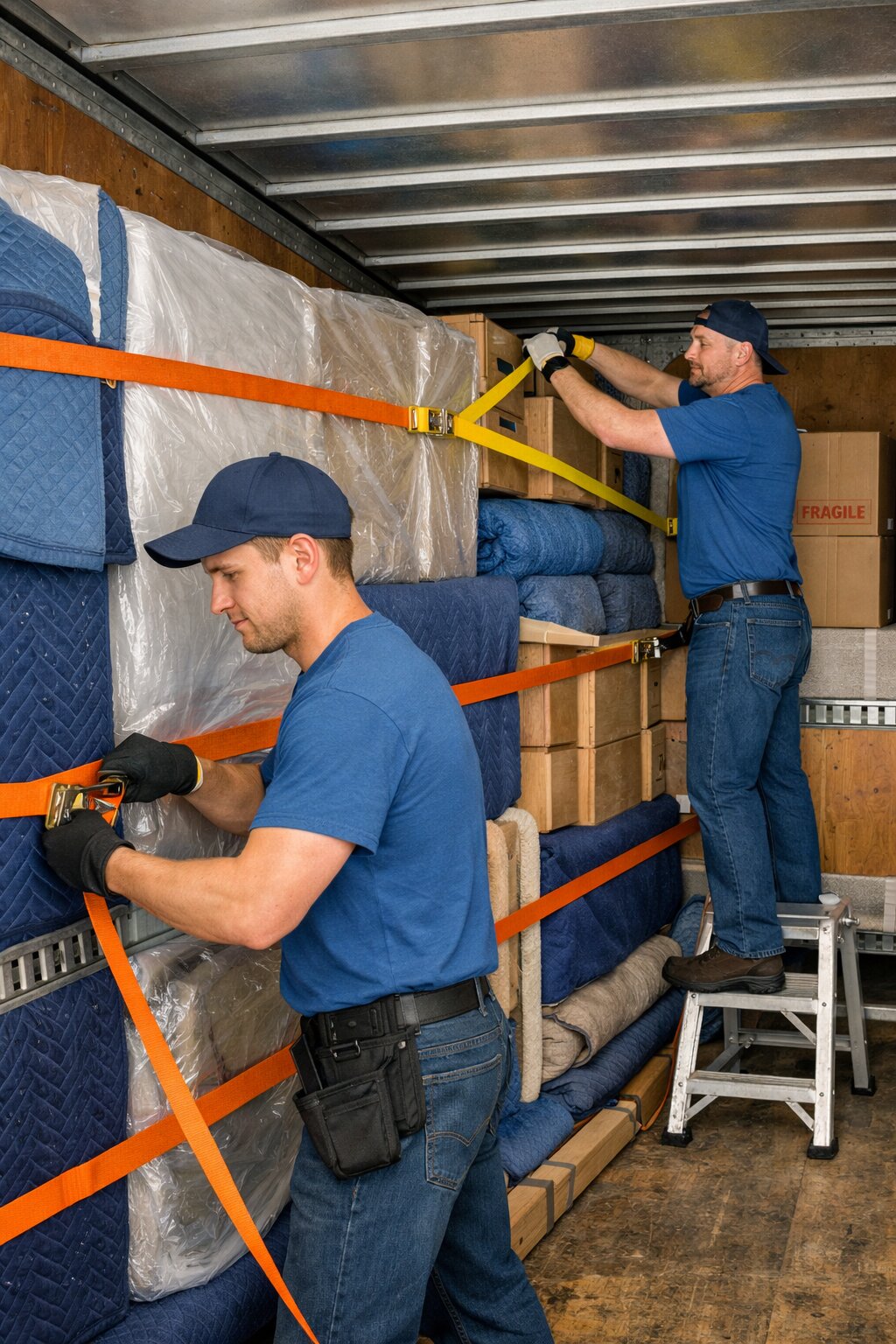
Orientation inside the vehicle matters. Instruments should lie flat on padded surfaces or be secured upright so they cannot tip or slide during braking. Sudden stops can generate forward forces several times the weight of the item according to transportation safety testing. Strapping or wedging prevents momentum damage.
Avoid placing instruments directly against windows or metal vehicle panels where solar heating and rapid cooling are strongest. Heat transfer studies show that metal surfaces transmit temperature change much faster than insulated interior spaces.
Before transport, loosen string tension slightly on stringed instruments, especially for long distance or temperature variable moves. This reduces stress on the neck and soundboard during expansion and contraction. Luthier guidelines commonly recommend small tension reduction rather than full slack to maintain bridge stability and setup alignment.
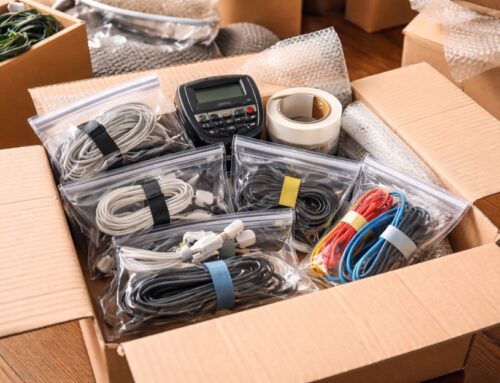
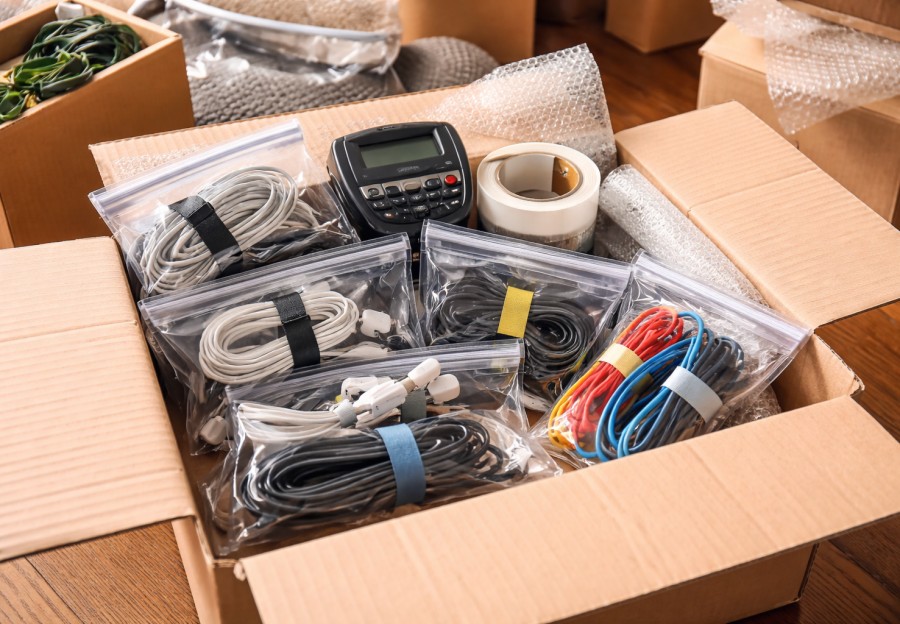
Remove accessories that can move independently. Capos, tuners, shoulder rests, and cables can vibrate against finishes and cause abrasion. Small hard objects inside a case become impact tools during vibration cycles. Materials wear studies show that repeated low force contact can still damage finishes over time.
For wind instruments, clean and dry thoroughly before packing. Moisture trapped inside pads or joints promotes mold growth and corrosion. Microbiology research shows that mold colonies can establish within 24 to 48 hours in warm humid conditions. Swabs and air drying reduce biological risk.
Brass instruments benefit from valve protection. Valve casings and slides are sensitive to lateral shock. Ensure padding supports these areas so the instrument cannot flex inside the case.
Keyboard instruments and digital controllers require additional shock control. Internal circuit boards and solder joints are vulnerable to repeated vibration. Electronics transport testing shows that foam isolation reduces mechanical fatigue significantly. If original packaging is available, it often provides the best engineered protection.
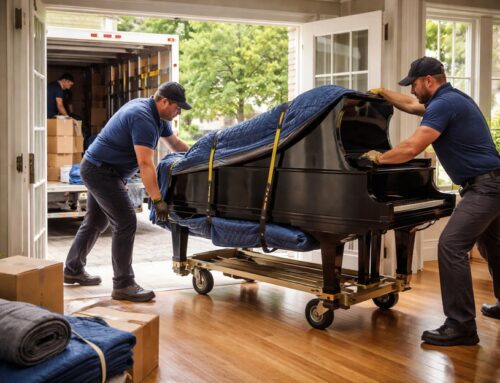
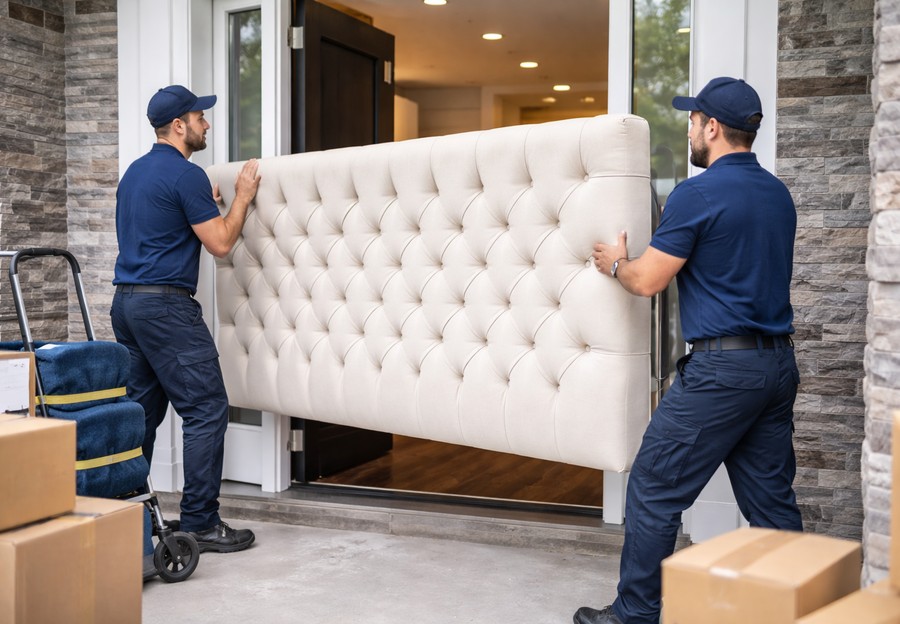
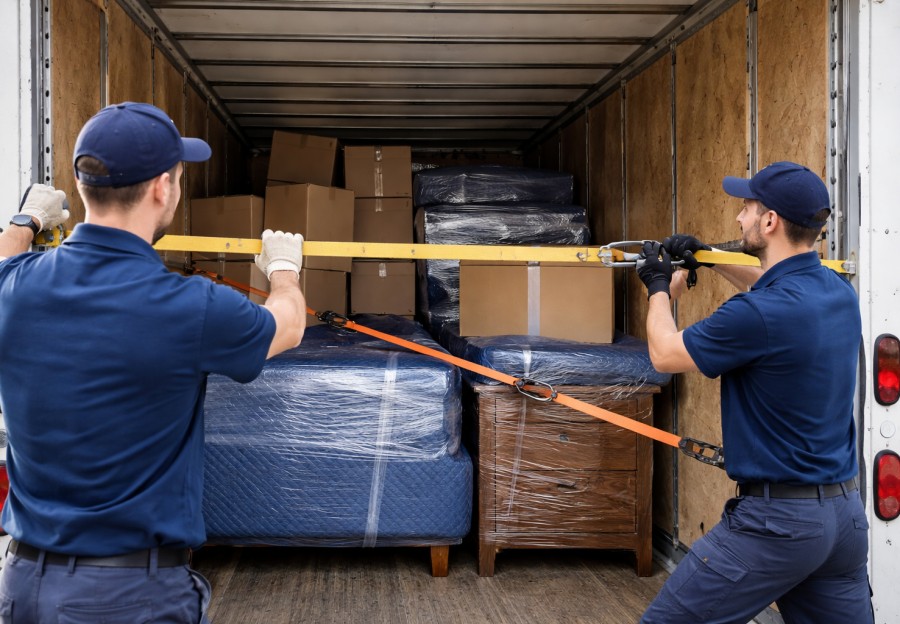
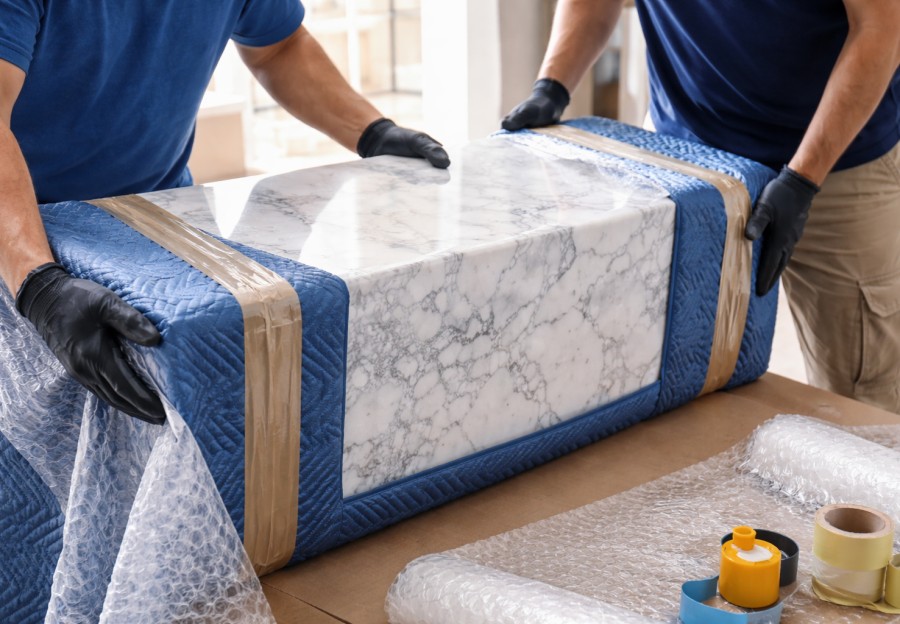
Large instruments such as upright basses, cellos, harps, and pianos require specialized handling. Their size amplifies leverage forces and increases contact risk with doorways and rails. Professional movers use custom padding, rigid crates, and controlled lifting systems to manage these forces. Injury data shows that improper handling of large instruments increases both damage and personal injury risk dramatically.
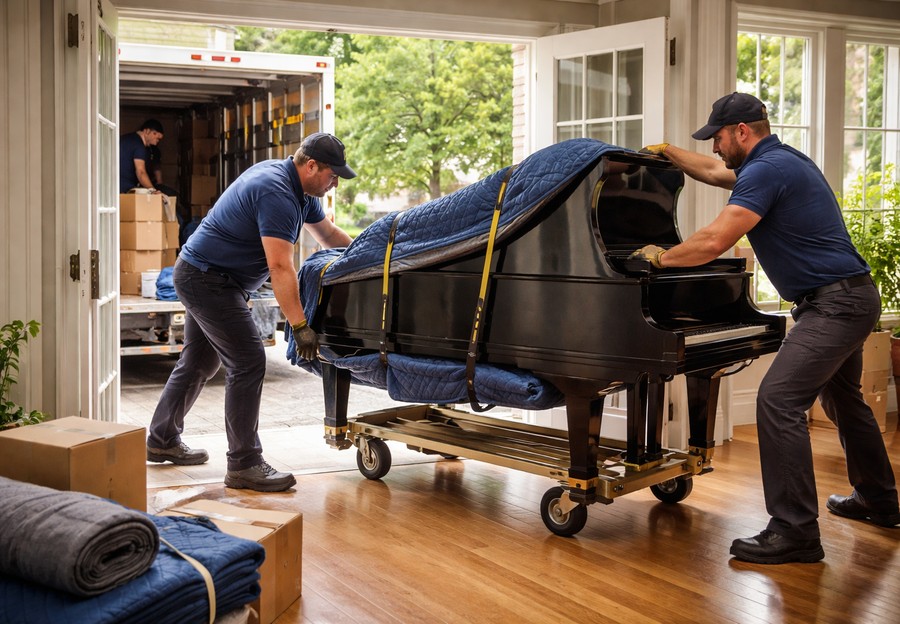
Pianos deserve special mention. A typical upright piano weighs 400 to 600 pounds, while grand pianos often exceed 1,000 pounds. Their internal cast iron plates carry extreme string tension. Structural stress combined with shock can cause costly internal damage. Piano technician associations consistently recommend professional piano movers with specialized dollies, skid boards, and strapping systems.
Insurance coverage should be verified before transport. Many homeowner policies have limited coverage for high value musical instruments. Instrument insurance policies often require documentation of proper packing and transport methods. Claims data shows that documentation improves settlement outcomes and reduces disputes.
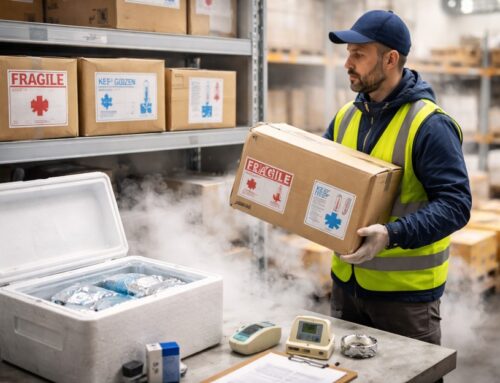
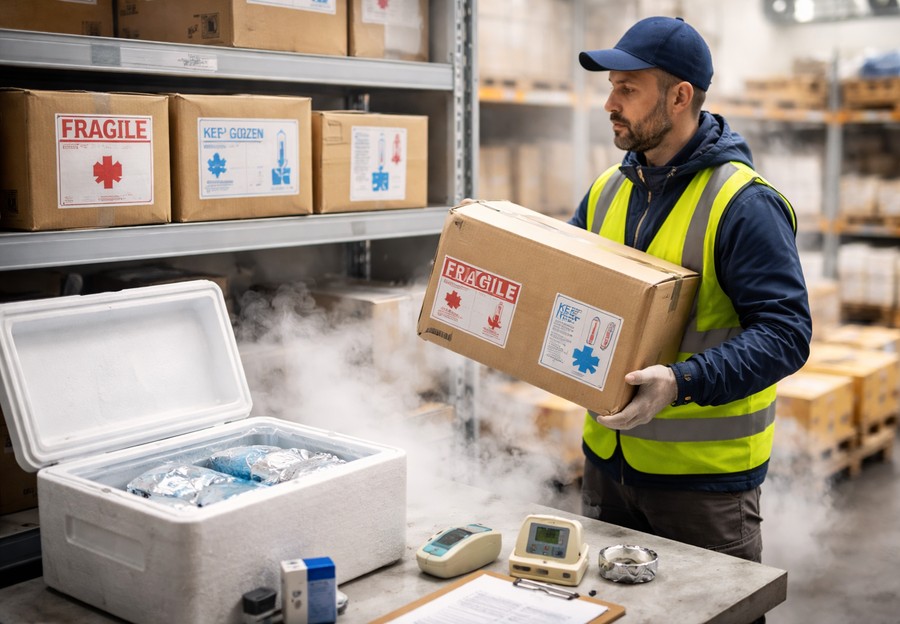
Labeling helps handling behavior. Clear fragile labeling improves awareness during loading and unloading. Logistics studies show that visible fragile marking reduces mishandling rates in busy environments.
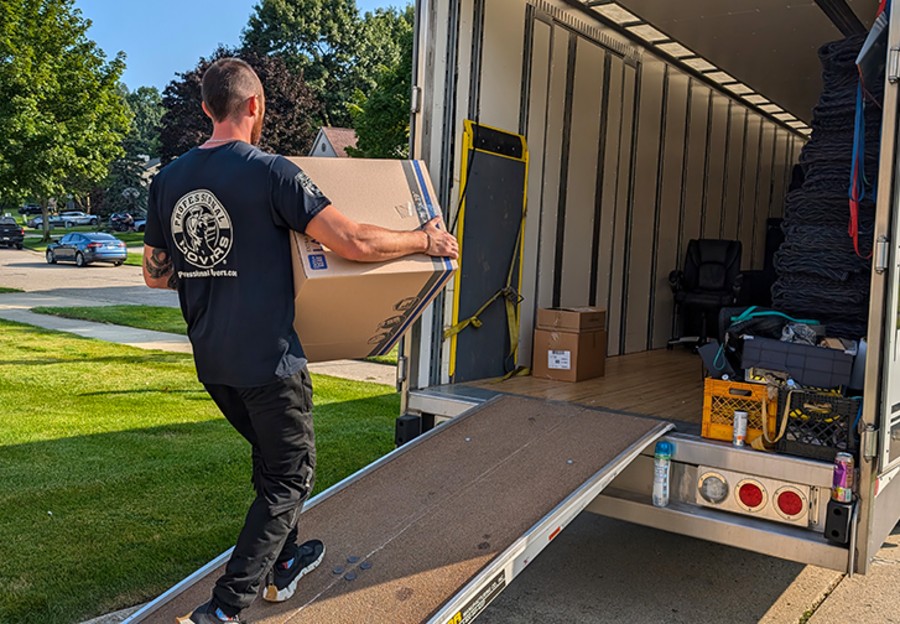
Unloading deserves as much care as loading. Fatigue increases error risk. Injury surveillance data shows that many handling accidents occur at the end of physically demanding days when people rush to finish. Maintain slow controlled handling and clear paths during placement.
Acclimation after arrival is critical. Do not open cases immediately if the instrument experienced temperature extremes. Allow the case to sit closed for several hours so internal temperature equalizes gradually. Materials science research shows that gradual equilibration reduces condensation and finish checking risk. Opening too quickly allows warm humid air to condense on cold surfaces inside the case.
For electronics, wait until the instrument reaches room temperature before powering on. Moisture condensation on circuit boards can cause short circuits and corrosion. Electronics service guidelines consistently recommend thermal acclimation before power up.
After acclimation, inspect carefully. Look for finish cracks, tuning instability, sticking keys or valves, unusual odors, or moisture residue. Early detection allows timely repair before damage spreads. Instrument repair data shows that early intervention reduces long term repair cost significantly.
Re tuning should be gentle. Instruments may drift slightly after climate change. Allow wood and tension systems to stabilize for a day or two before aggressive tuning adjustments. Piano technicians often recommend waiting several days after transport before fine tuning to allow structural settling.
Storage placement in the new space influences long term stability. Avoid placing instruments near exterior walls, heating vents, fireplaces, direct sunlight, or drafty windows. Indoor environmental monitoring studies show that these zones experience greater temperature and humidity fluctuation than interior spaces.
Humidity control in the room improves stability. Maintaining relative humidity around 40 to 50 percent reduces cracking and swelling risk for wood instruments according to conservation research. Simple room humidifiers or dehumidifiers stabilize conditions during seasonal changes.
Financial implications reinforce careful transport. Repairing cracked soundboards, warped necks, corroded electronics, or damaged finishes often costs hundreds to thousands of dollars depending on instrument value and craftsmanship. Vintage and custom instruments may have limited replacement options or long repair timelines.
Environmental responsibility matters as well. Musical instruments represent significant material and labor investment. Preserving existing instruments reduces manufacturing demand and waste. Sustainability studies consistently show that extending product lifespan lowers environmental footprint more than replacement.
There is also emotional value. Instruments often carry years of practice, performances, and personal identity. Behavioral research shows that loss or damage of sentimental objects increases stress more than equivalent financial loss. Protecting an instrument protects emotional continuity during a move.
Short moves are not automatically safe. Even a brief drive can expose instruments to heat spikes, humidity swings, and vibration if the vehicle sits in sun or traffic. Treat every move with the same care regardless of distance.
The core strategy remains consistent. Use rigid protective cases with proper padding. Control humidity and temperature exposure. Minimize time in uncontrolled environments. Prevent internal movement and vibration. Transport sensitive instruments in climate controlled vehicles when possible. Allow gradual acclimation before use. Inspect and stabilize after arrival.
Risk free transport does not mean zero effort. It means intentional effort guided by how materials actually behave under stress. When you respect those realities, instruments arrive ready to play rather than ready for repair.
A well protected instrument carries its voice safely from one space to the next. The music continues without interruption. That continuity is worth every extra minute spent preparing the journey properly.