
May 1, 2026
Why movers prefer rolling dollies vs sliders
At first glance, furniture sliders look like a miracle. You slip them under a couch leg, give a gentle push, and suddenly a heavy piece glides across the floor. It feels effortless, quiet, and safe. Many homeowners assume this is exactly what professional movers must use all day. In reality, experienced crews rely far more on rolling dollies than sliders for most moves. The difference comes down to physics, injury prevention, surface control, efficiency, and long term cost risk.
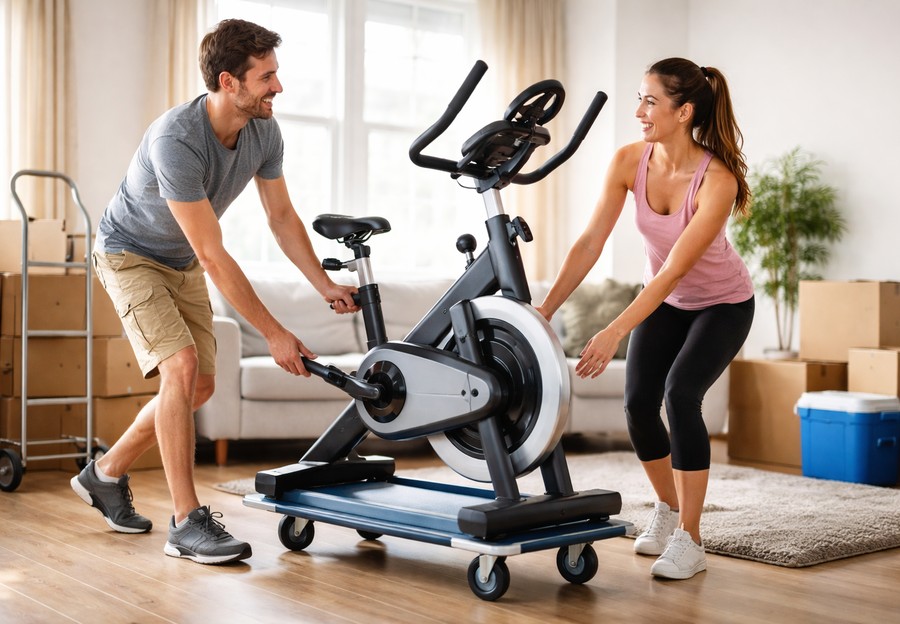
The biggest reason is how weight is managed. Sliders rely on friction reduction rather than weight transfer. The full weight of the item still presses into the floor, only with less resistance. That means every push, stop, and turn still requires muscular force to overcome inertia and control momentum. Rolling dollies change the equation by transferring most of the load onto wheels and bearings. Mechanical engineering studies show that rolling resistance can be ten to twenty times lower than sliding friction depending on surface and wheel material. That difference translates directly into lower strain on the body and far better control.
Injury data supports this preference. The Bureau of Labor Statistics consistently reports that overexertion and bodily reaction injuries make up roughly one third of workplace injuries in material handling jobs. Pushing and dragging heavy loads across floors increases spinal compression and shoulder strain because force must be applied continuously to overcome friction. Ergonomics research shows that wheeled transport reduces lower back load by more than half compared with manual dragging of similar weights. For crews moving hundreds of items per day, that reduction matters for both short term safety and long term career health.
Momentum control is another major factor. Sliders glide smoothly at first, but they do not provide natural braking. Once a heavy item starts moving, stopping it requires sudden force from the mover or impact against a wall, door frame, or rail. That is where dents, cracked trim, and smashed fingers often occur. Rolling dollies allow more precise speed control because wheels respond predictably to push and braking force. Transportation safety studies show that controlled rolling loads generate lower peak impact forces during stops compared with sliding loads that rely on friction spikes to halt movement.
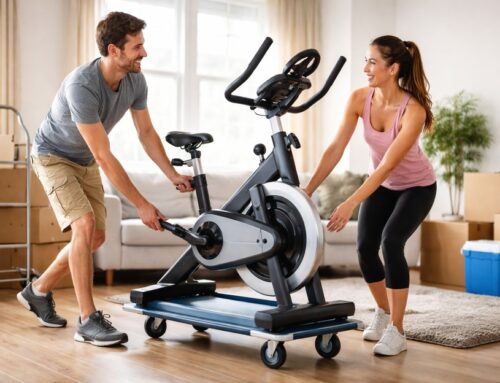
Turning and steering also favor dollies. Sliders resist directional change because the entire base of the object must pivot across the floor surface. This creates torsional stress and unpredictable rotation, especially on textured floors or carpet seams. Dollies, especially four wheel furniture dollies, allow directional steering by shifting weight distribution and wheel angle. Industrial material handling data shows that steering accuracy improves significantly with wheeled platforms compared with sliding platforms when navigating tight corridors and doorways.
Surface protection plays a role as well. Sliders can scratch floors if debris becomes trapped underneath. A single grain of sand can cut visible arcs into hardwood when dragged under pressure. Flooring wear studies show that abrasive particles under sliding loads accelerate finish damage far more than rolling loads where debris tends to be displaced rather than ground into the surface. Dollies distribute weight across multiple wheels and typically roll over minor debris rather than grinding it into the floor.
Carpet behaves differently too. Sliders compress carpet fibers and padding underneath, increasing resistance and requiring more force. On thick pile carpet, sliders often stall completely or require sudden jerking force to restart movement. That jerk transfers force into the body and increases strain risk. Dollies roll more consistently over carpet when properly rated for load and wheel size. Materials handling tests show that larger diameter wheels reduce rolling resistance on soft surfaces significantly compared with small contact patches.
Stability matters when loads shift. Furniture rarely has perfectly balanced weight. Recliners, appliances, bookcases, and sectionals often have heavier sections that pull unpredictably. Sliders allow lateral drift because there is little directional constraint. A heavy item can suddenly skew sideways when one corner encounters more friction than another. Dollies constrain motion within the wheelbase, reducing sudden lateral drift. Engineering stability studies show that constrained rolling platforms maintain center of mass alignment more consistently than sliding bases under asymmetric loads.
Height control is another subtle advantage. Dollies lift furniture slightly off the floor, which allows clearance over thresholds, minor debris, and uneven seams. Sliders stay flush to the surface and can catch on grout lines, transitions, or floor damage. Catch points create abrupt stops that can throw movers off balance. Trip and slip incident reports frequently cite unexpected resistance changes as a trigger for falls during heavy handling tasks.
Efficiency compounds over time. On a single piece of furniture, the difference between sliding and rolling may seem small. Over a full day of moving dozens or hundreds of items, the energy savings add up dramatically. Time motion studies in logistics environments consistently show that wheeled transport increases throughput and reduces fatigue related slowdowns. Crews that finish faster with fewer injuries generate better outcomes for both workers and customers.
There is also a cost protection angle for customers. Sliders make it easier to unintentionally scrape baseboards, door frames, and railings because the object’s edges remain close to contact surfaces during dragging. Dollies raise the object slightly and provide more predictable clearance control. Home repair surveys show that trim repair, drywall patching, and floor refinishing frequently exceed several hundred dollars per incident. Preventing even one scrape offsets the cost of proper equipment.
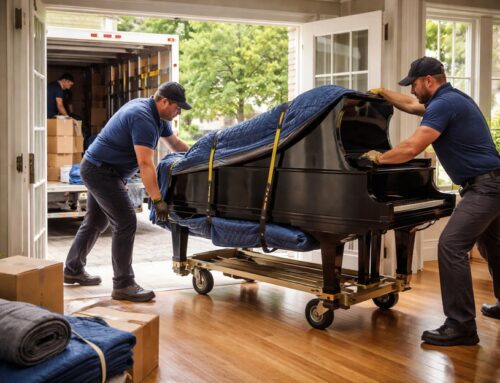
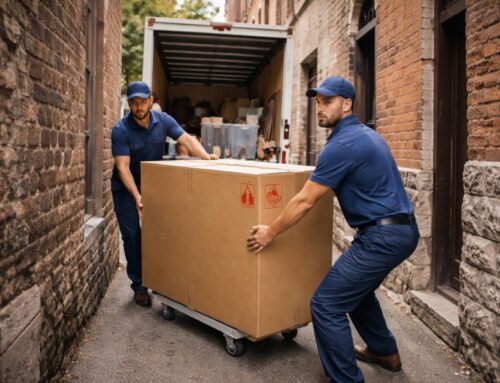
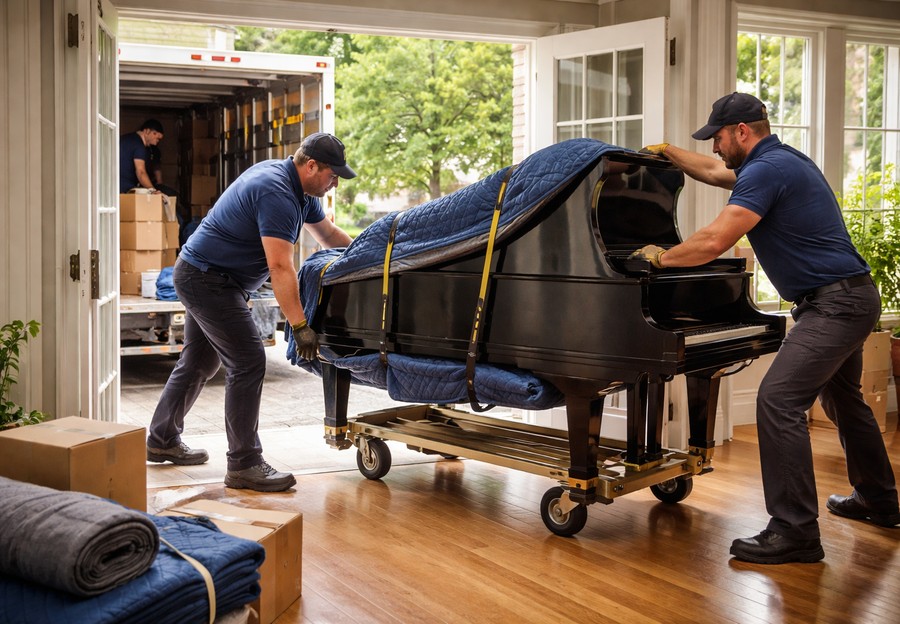
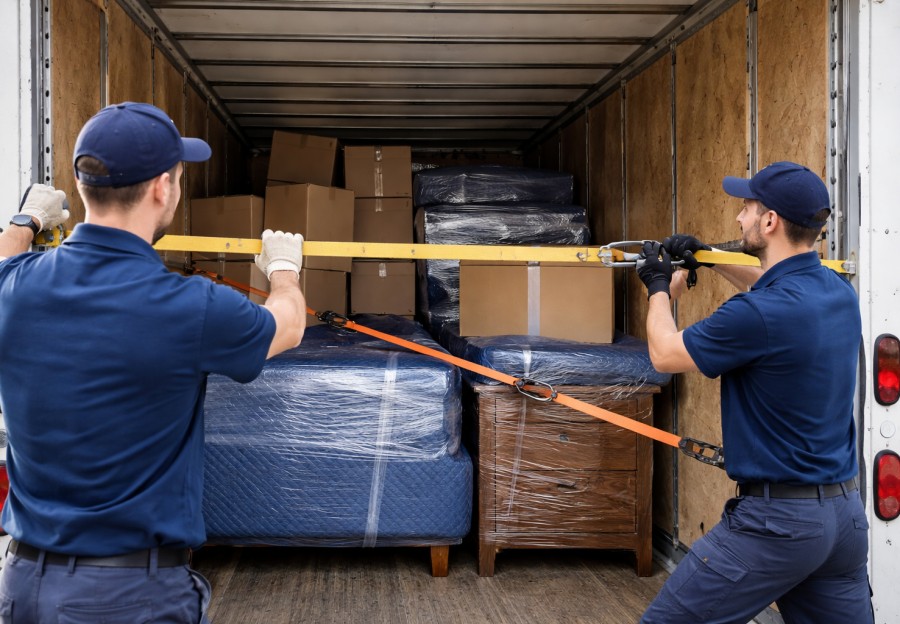
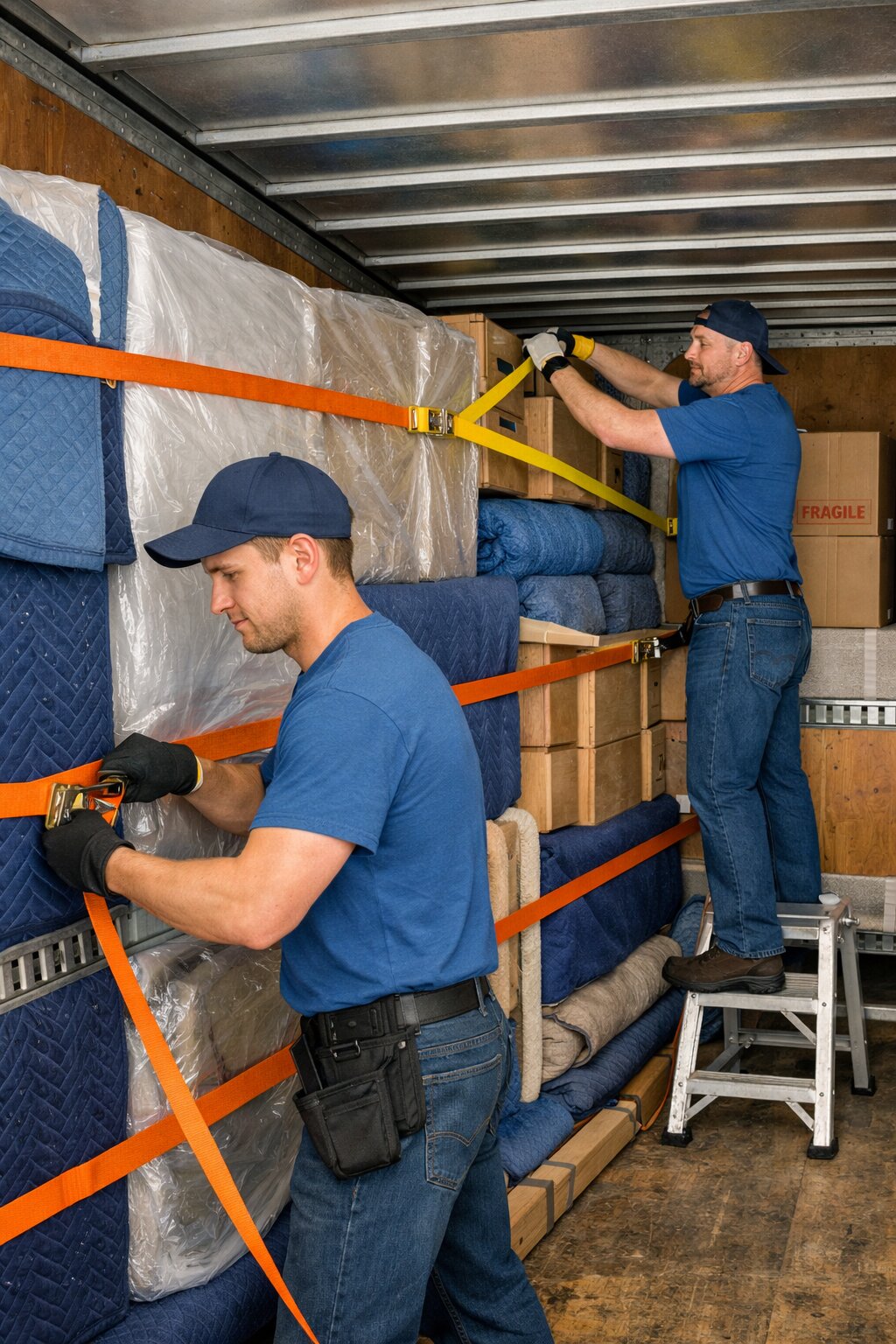
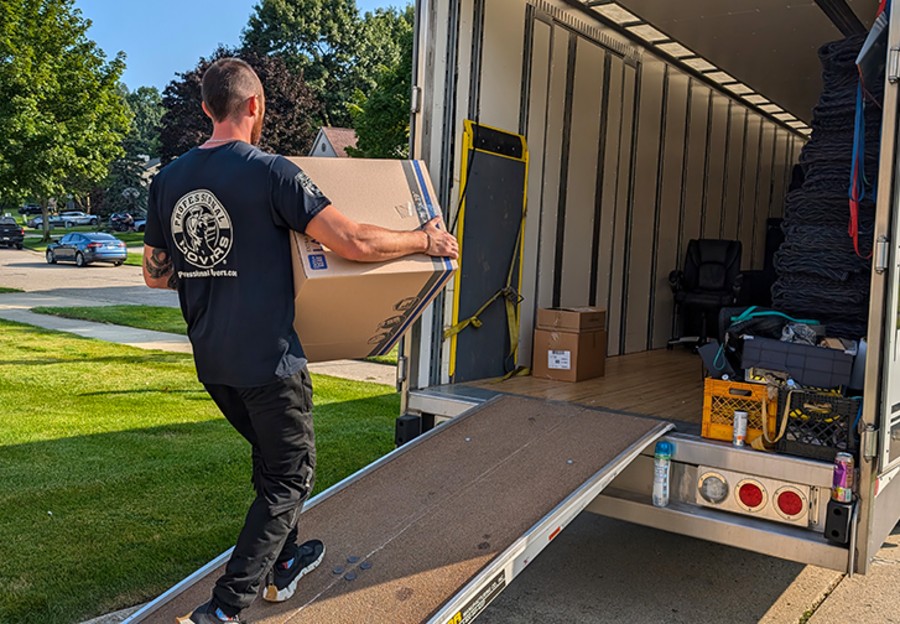
Truck loading benefits from dollies as well. Heavy items can be rolled directly up ramps and positioned precisely against load walls. Sliders offer no benefit once the item leaves flat indoor flooring. Dollies integrate smoothly into the entire move workflow rather than solving only one narrow phase.
Fatigue management strongly favors dollies. Fatigue reduces grip strength, reaction time, and balance. Occupational fatigue studies show that injury risk rises significantly after prolonged exertion without adequate mechanical assistance. Dollies reduce cumulative exertion, allowing crews to maintain consistent safety performance throughout long shifts.
Weather and surface conditions amplify the difference. Dust, moisture, or polished floors reduce friction unpredictably for sliders. A slider that grips well on dry hardwood may suddenly skate uncontrollably on a slightly dusty tile. Dollies with rubber wheels maintain more consistent traction across variable surfaces. Environmental safety research shows that consistent traction reduces handling errors and loss of control incidents.
Sliders still have limited use cases. They are helpful for short repositioning inside a room, especially when space does not allow dolly placement. They are also useful for extremely low clearance situations where lifting onto a dolly is impractical. Professional movers do carry sliders for these niche scenarios. But they treat them as a supplemental tool, not the primary transport method.
Noise and vibration considerations also favor dollies in many buildings. Sliding heavy furniture can create loud scraping noise and vibration that travels through floors and walls, especially in apartments and offices. Acoustic transmission studies show that low frequency vibration propagates more easily through building structures than rolling noise, which can reduce neighbor disturbance complaints.
Insurance risk management reinforces these preferences. Moving industry loss data consistently shows higher claim rates for damage caused by dragging incidents compared with controlled rolling transport. Insurance providers often encourage equipment use that minimizes uncontrolled friction events.
There is a training component as well. Dollies create standardized movement patterns that crews can train around. Consistent techniques improve predictability and safety. Sliders rely more heavily on individual judgment and variable surface behavior, which increases variability in outcomes. Human factors research shows that standardized tools reduce error rates in repetitive physical tasks.
Environmental impact connects here too. Reduced damage means fewer repairs, fewer replacements, and less material waste. Sustainability studies consistently show that extending the lifespan of furniture and building finishes lowers environmental footprint more effectively than recycling after damage.
Psychologically, movers develop trust in tools that behave consistently. Dollies provide feedback through wheel resistance and directional response that experienced handlers can read intuitively. Sliders feel less predictable because friction varies with dust, humidity, and floor finish. Predictability reduces stress and improves decision making under load, according to behavioral safety research.
Cost efficiency for moving companies matters as well. While dollies cost more upfront than sliders, they last longer, reduce injury claims, reduce property damage claims, and improve productivity. Total cost of ownership analysis in industrial equipment consistently shows that higher quality mechanical aids pay for themselves through reduced downtime and incident costs.
There is also a public safety dimension. Rolling loads are easier to stop and redirect away from bystanders, pets, or children who unexpectedly enter a path. Sliding loads require more abrupt force to redirect once momentum builds. Risk management standards emphasize controllability as a key safety factor in public environments.
From the homeowner perspective, sliders feel approachable because they are inexpensive and easy to buy at retail stores. Dollies look like professional equipment that feels intimidating. The difference is not about complexity but about physics and safety margin. Professionals choose the tool that gives them the greatest control over mass, not the tool that simply reduces friction.
The real takeaway is that moving heavy objects safely is about managing force, not eliminating effort entirely. Sliders reduce friction but do not manage momentum, direction, or stability well under heavy loads. Dollies convert heavy lifting and dragging into controlled rolling, which aligns better with how the human body tolerates force.
When you watch experienced movers work, the motion looks calm and deliberate rather than rushed or strained. That calm comes from knowing the load will respond predictably to small inputs. Dollies deliver that predictability. Sliders do not offer the same level of control once weight and momentum increase.
Both tools have their place. Sliders help with fine positioning and tight clearances. Dollies handle the real transportation work. Professionals prioritize the tool that protects their bodies, your property, and the schedule over hundreds of repetitions.
In the end, the preference for rolling dollies is not about tradition or habit. It is about data, biomechanics, surface behavior, injury prevention, and long term cost control. When physics, safety statistics, and real world experience all point in the same direction, the choice becomes obvious.
That is why movers trust wheels more than friction when it comes to moving heavy furniture safely and efficiently.