April 30, 2026
How to move a sectional sofa the smart way
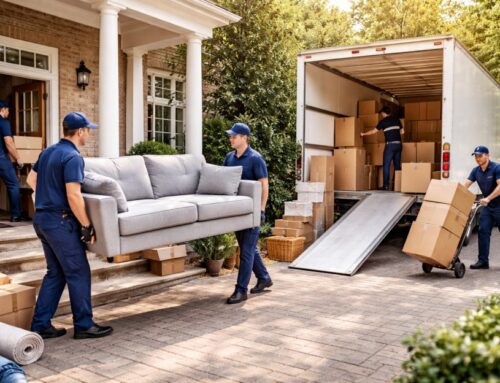
A sectional sofa looks harmless until you try to get it through a doorway. Suddenly the angles do not make sense, the weight feels uneven, and every wall corner looks like a scratch waiting to happen. Sectionals are some of the most damaged and most complained about pieces during moves, not because they are fragile, but because people underestimate how awkward their geometry and weight distribution really are. Moving one the smart way is less about strength and more about planning, physics, and patience.
The first reality check is weight and size. A typical three piece sectional can weigh anywhere from 180 to more than 350 pounds depending on frame construction, cushion density, and reclining mechanisms. Upholstered furniture manufacturing data shows that hardwood frames and metal recliner components add significant mass that is not evenly distributed. One section may feel light while another suddenly pulls downward. That imbalance is where many strains and drops happen.
Injury data supports this. The Bureau of Labor Statistics consistently reports that overexertion and awkward lifting account for a large share of moving related injuries. Sofas rank high on the list because people try to carry them in single heavy pieces instead of managing them as modular components. The smart approach starts by respecting the sectional as a system of parts rather than one object.
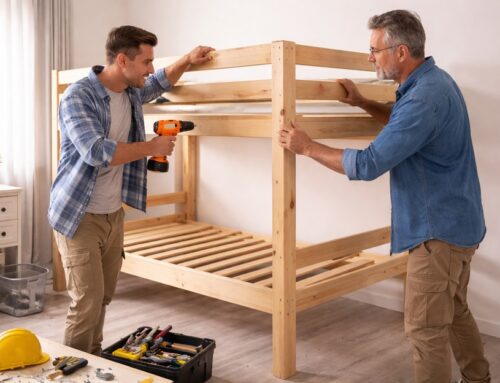
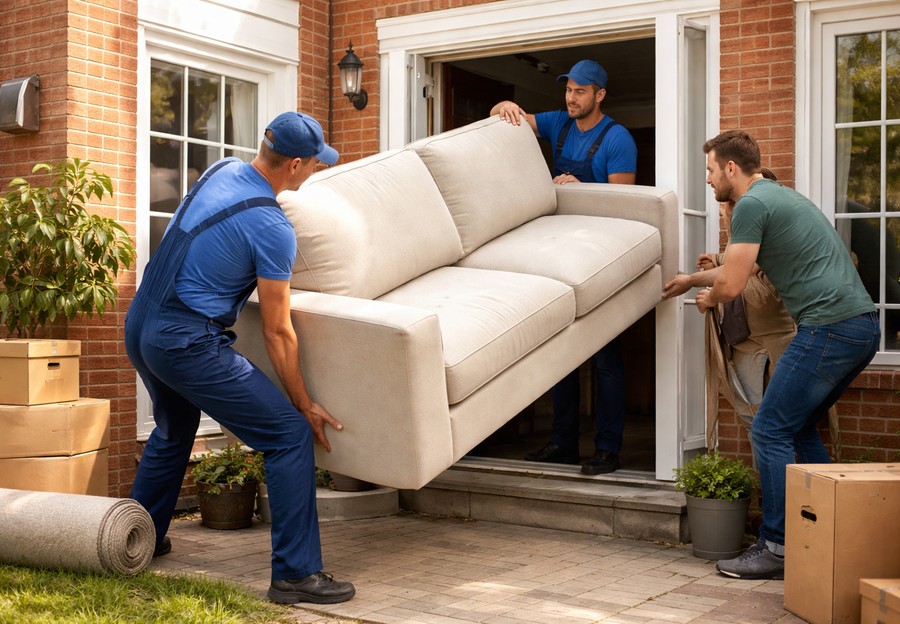
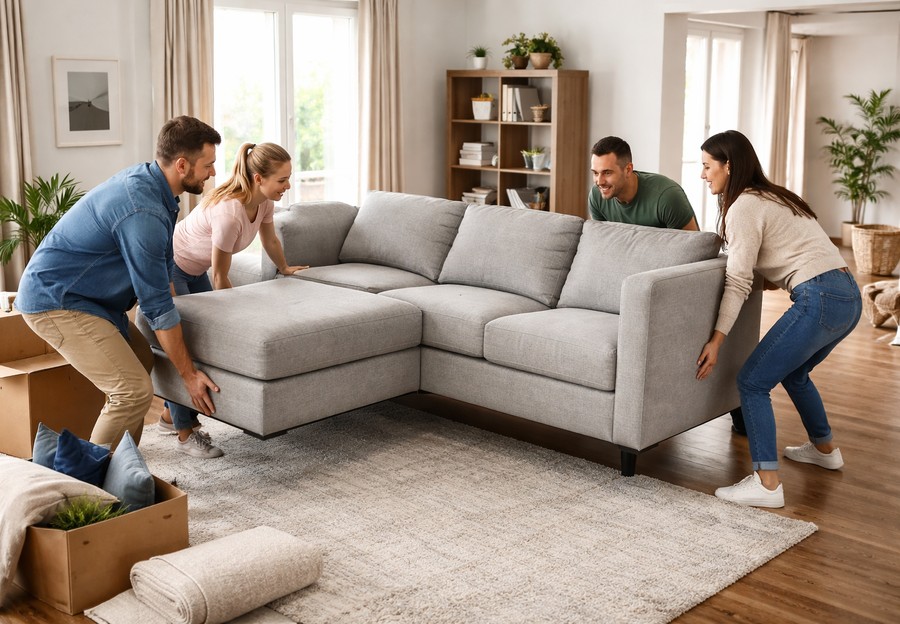
Disassembly is the biggest advantage you can give yourself. Most sectionals are designed to separate into two or more pieces using hidden clips or brackets underneath. Separating sections reduces weight per lift, improves balance, and allows tighter turns through doorways and stairwells. Furniture engineering guidelines show that reducing mass and leverage dramatically improves handling stability. Even removing detachable legs lowers center of gravity and prevents snagging on thresholds.
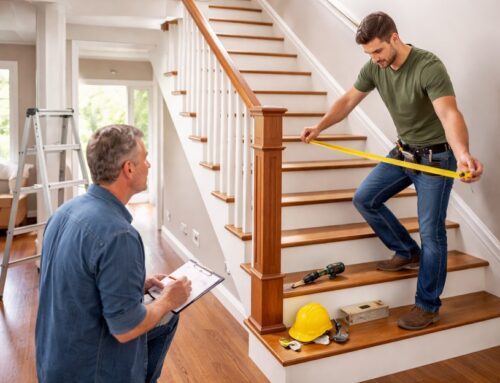
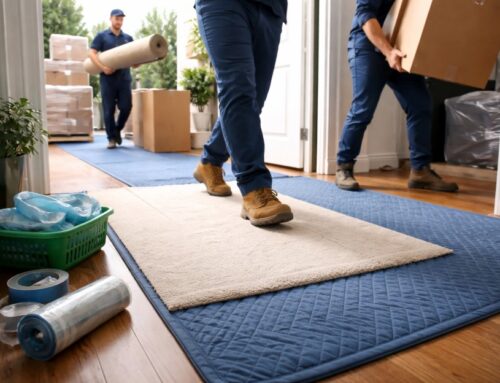
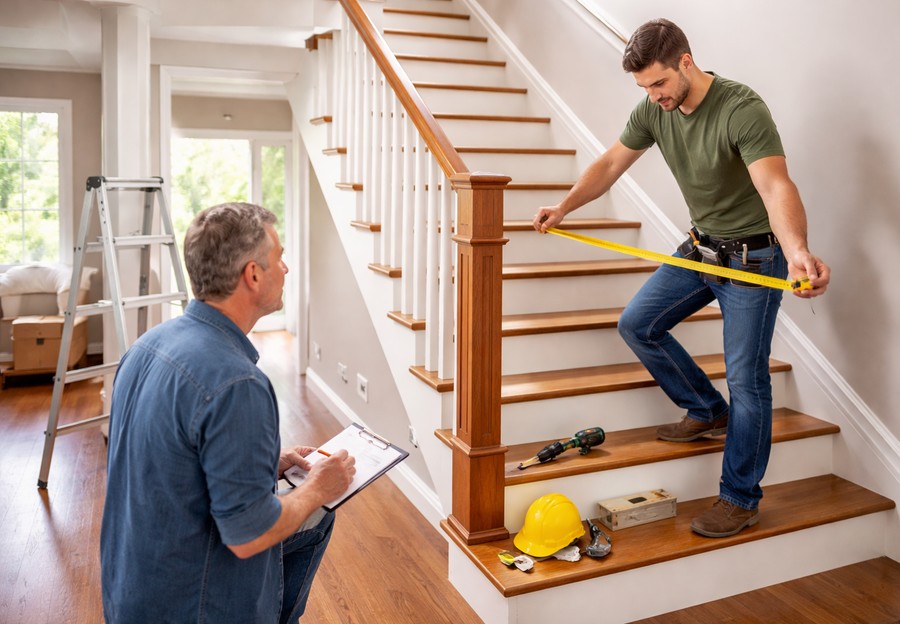
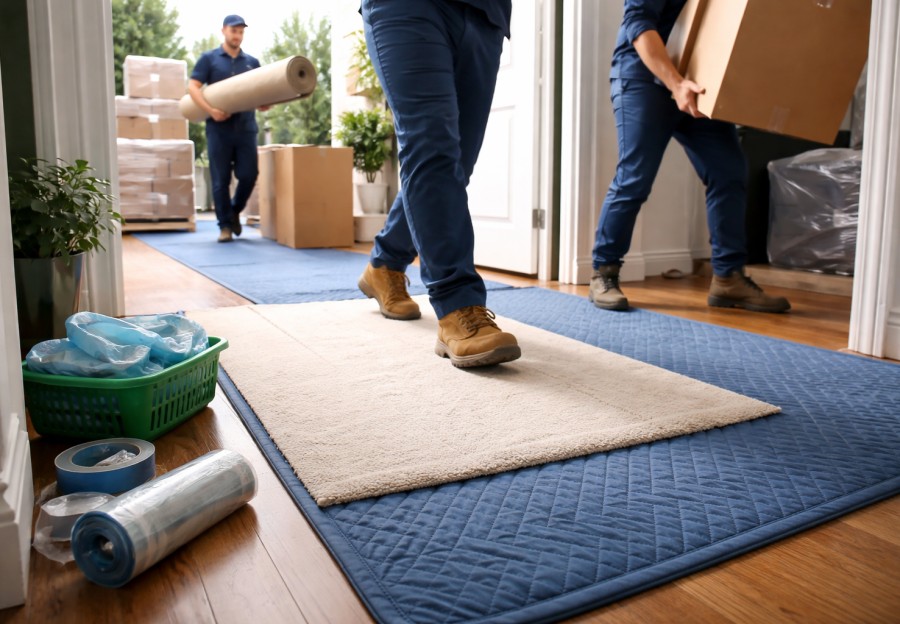
Before moving anything, clear the entire path. Rugs, shoes, plants, wall art, and small furniture become trip hazards when your hands are full and vision is blocked by cushions. Occupational safety studies show that cluttered pathways significantly increase slip and collision risk during manual handling. Measure doorways, hallways, stair widths, and tight corners. Visual estimation is unreliable. Spatial planning research shows that people routinely overestimate clearance when judging by eye alone.
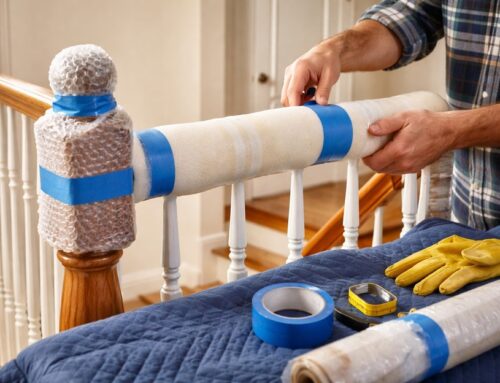
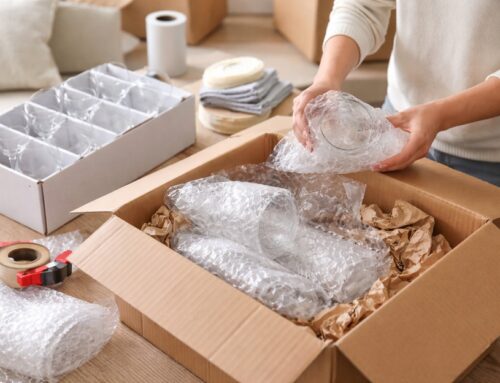
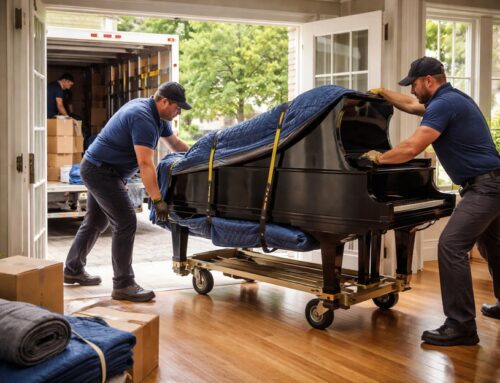
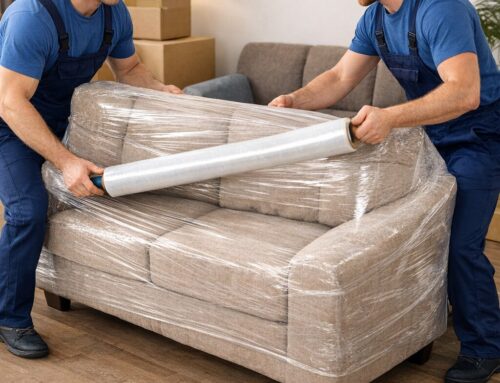
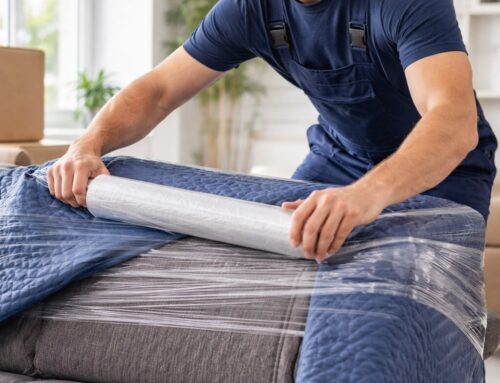
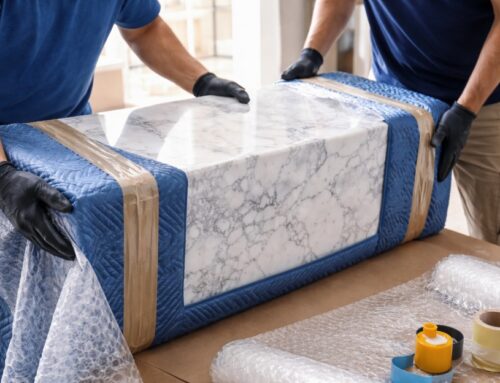
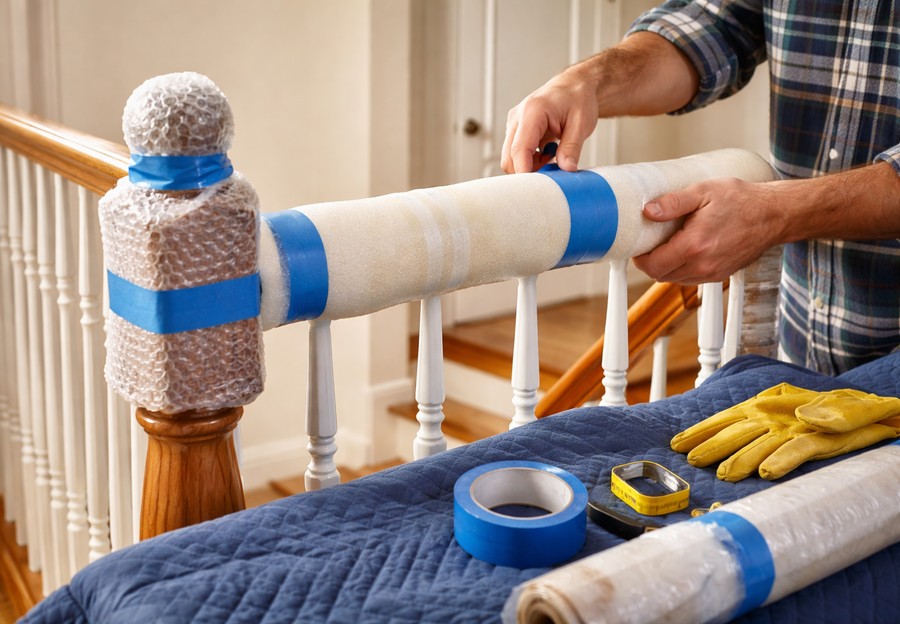
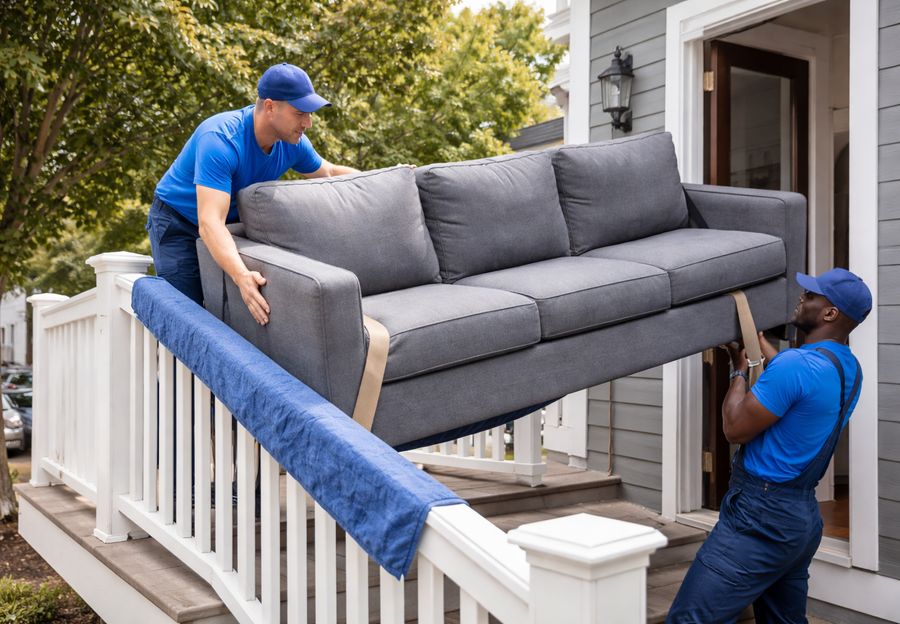
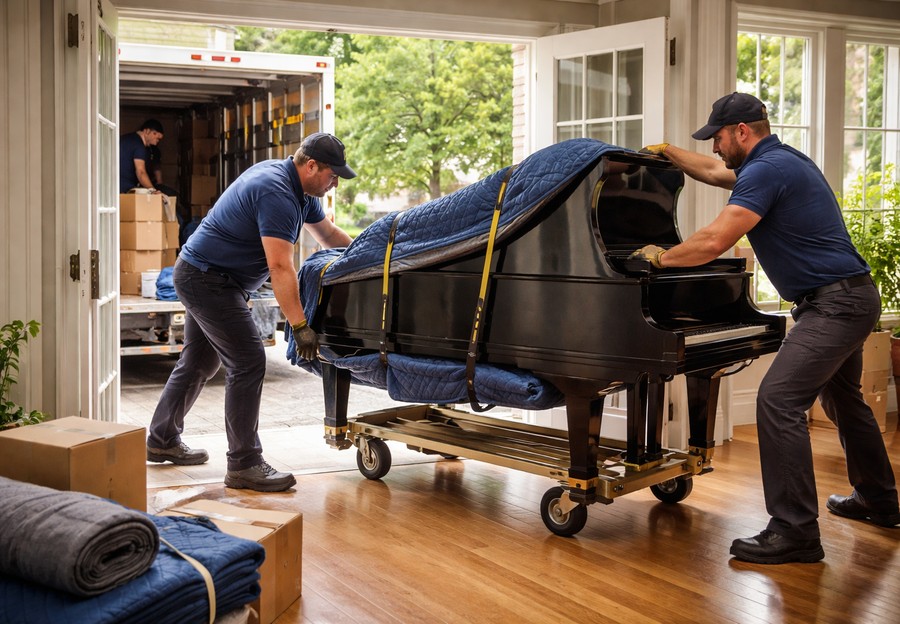
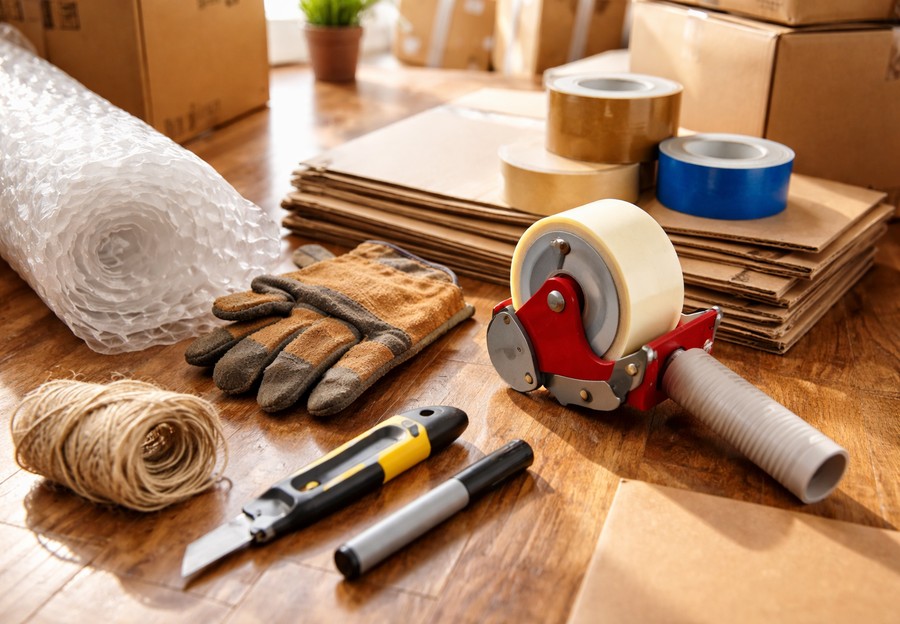
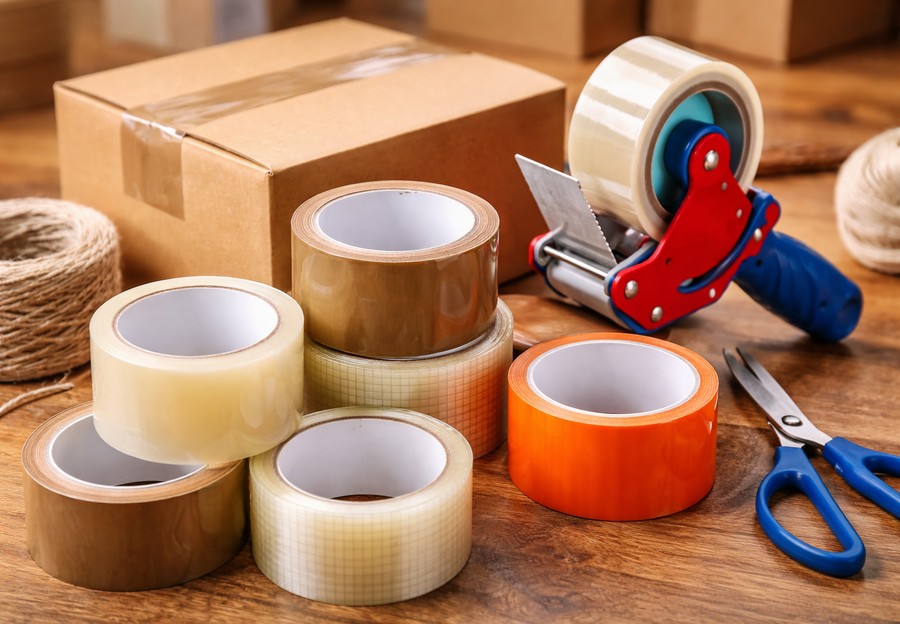
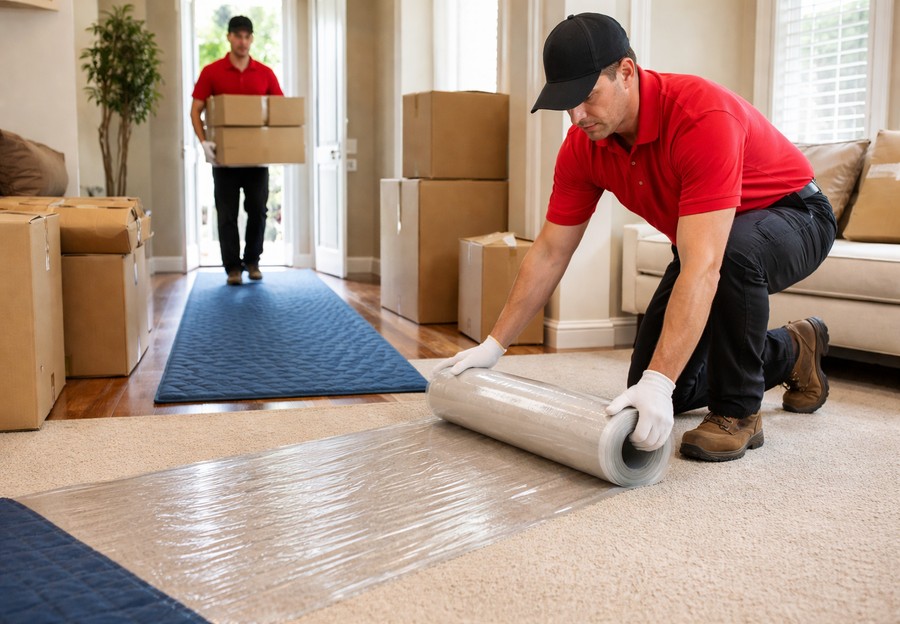
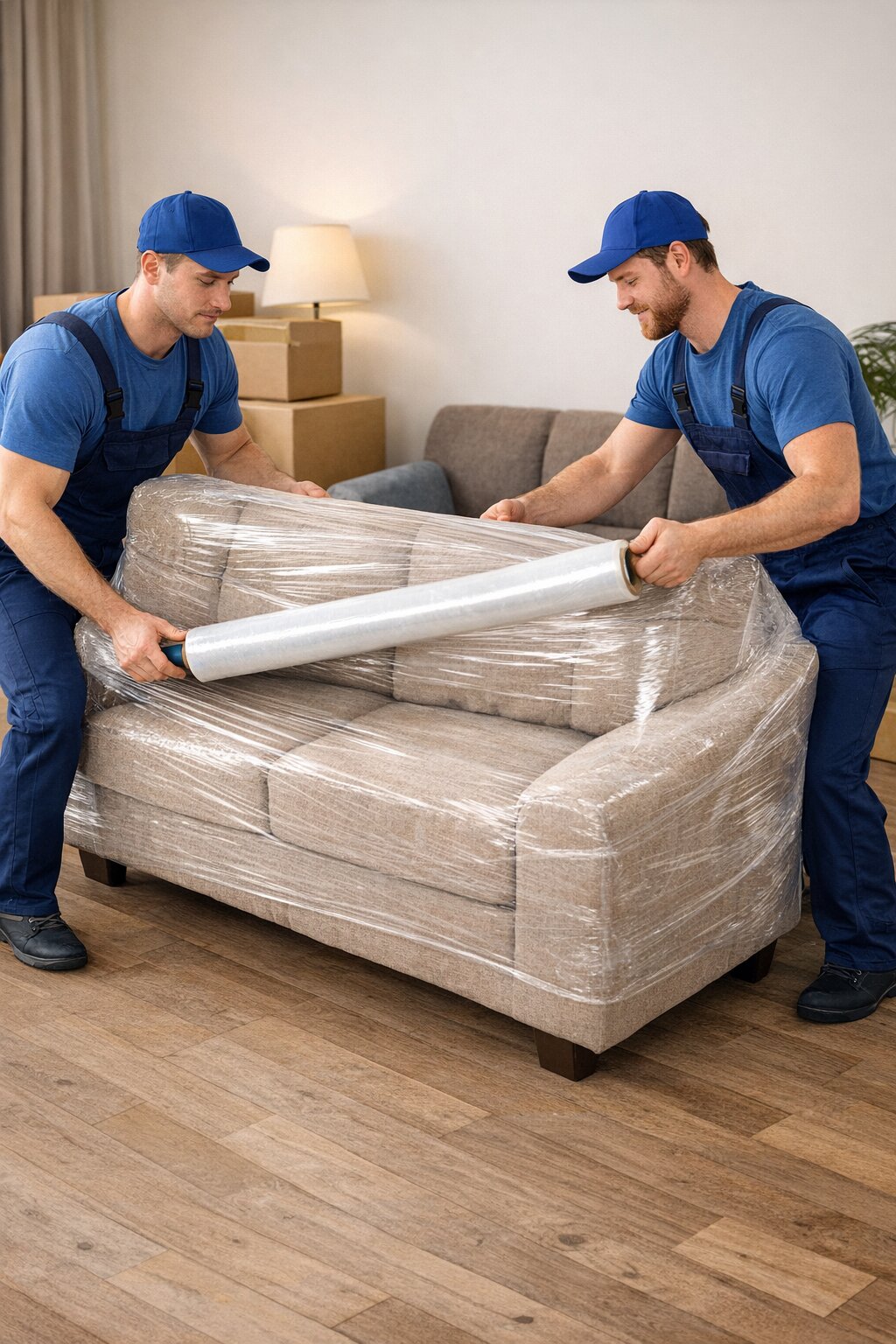
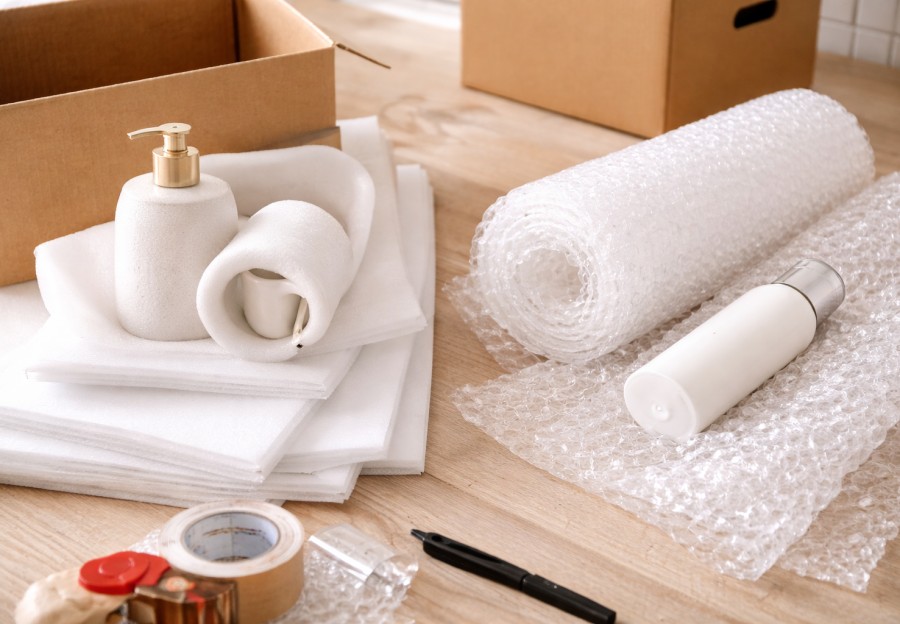
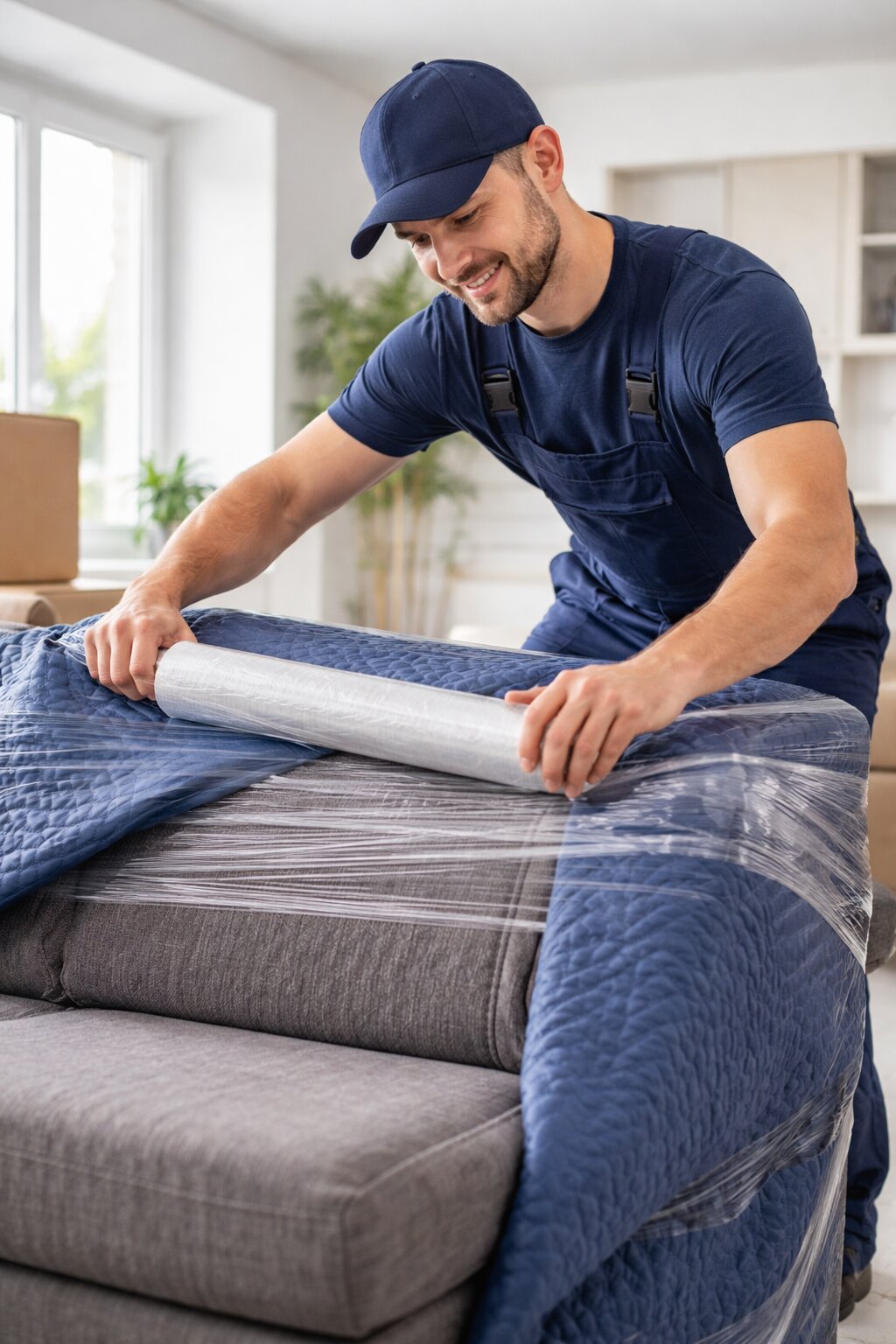
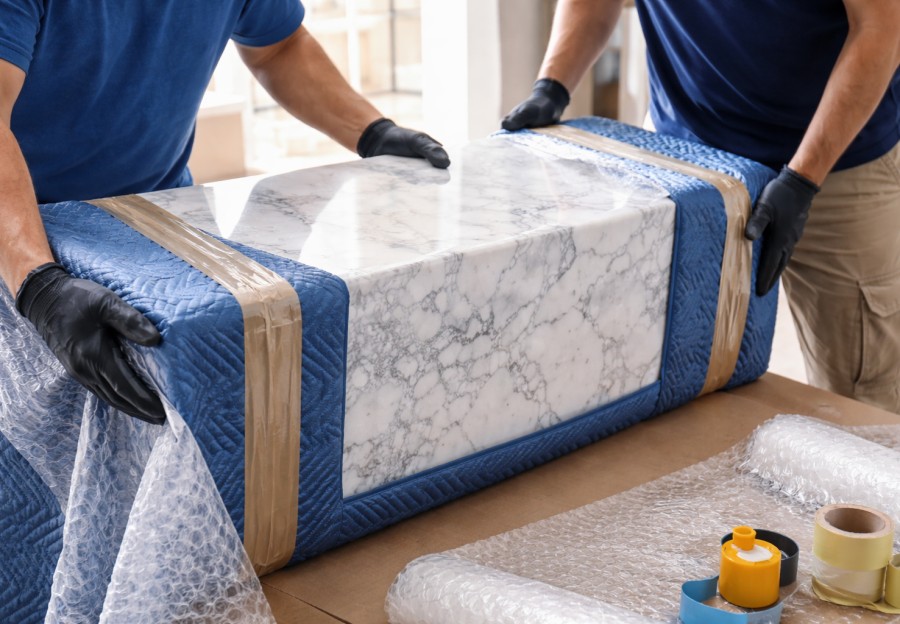
Protective wrapping is not about cosmetics only. Moving blankets reduce surface abrasion and increase friction so the sofa is easier to grip and control. Materials handling research shows that higher friction surfaces reduce the force needed to stabilize loads, lowering hand fatigue and drop risk. Stretch wrap over the blankets keeps cushions from shifting and prevents arms from flopping during turns. Avoid placing tape directly on fabric or leather finishes because adhesive residue can damage surfaces.
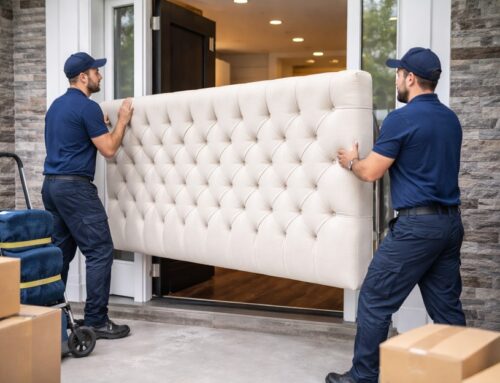
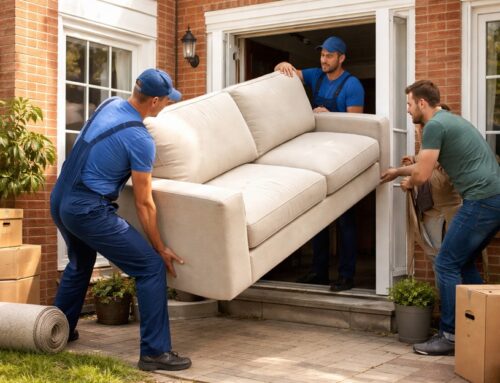
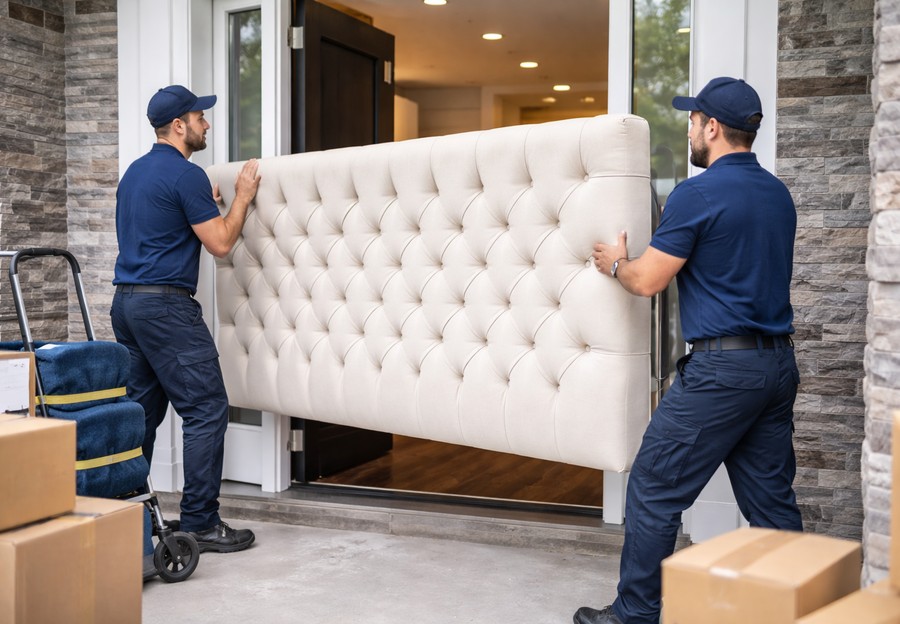
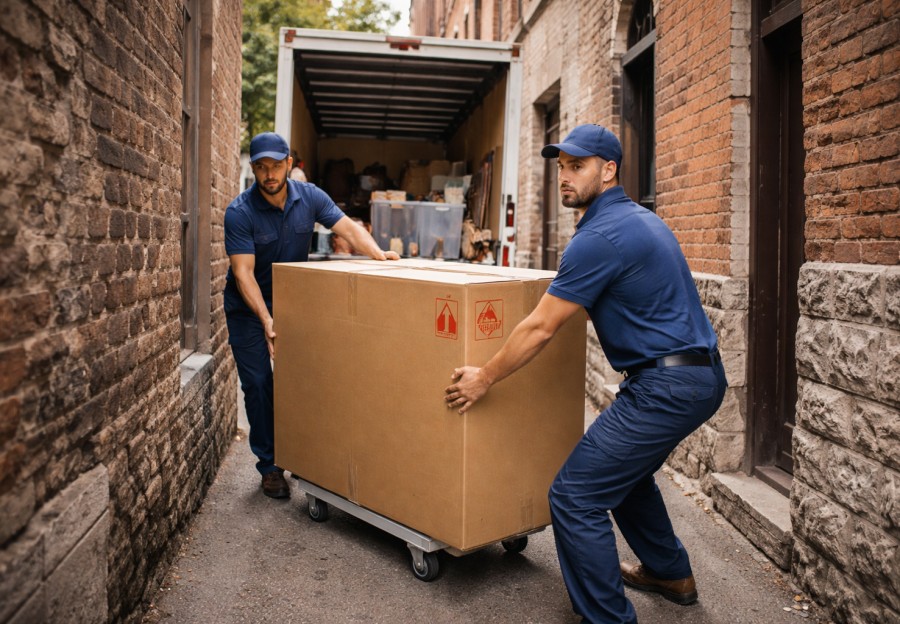
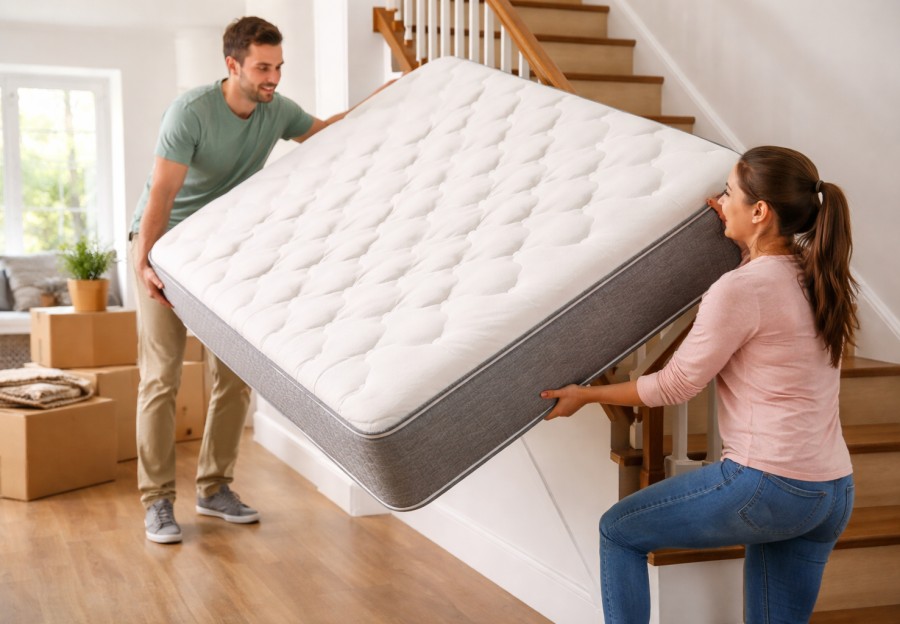
Orientation strategy matters more than people expect. Carrying a sectional flat consumes maximum width and makes tight turns nearly impossible. Angling pieces slightly or standing them partially on end reduces their effective footprint and allows diagonal clearance. Geometry explains this clearly. The diagonal dimension of a rectangle often fits through openings that the straight width cannot. Professional movers constantly use this principle when navigating narrow doors.
However, angling changes the center of gravity. When a piece tilts, weight shifts upward and outward. That is why slow controlled movement matters. Biomechanics studies show that sudden accelerations increase instability and muscle strain. Take small steps, pause frequently to reset grip, and communicate clearly with anyone helping you. Synchronization reduces twisting forces that push furniture into walls or door frames.
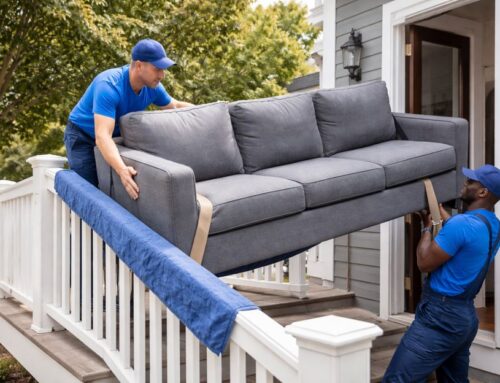
Stairs introduce another layer of risk. Gravity amplifies momentum on descents and braking forces on ascents. Occupational injury data consistently shows higher injury rates on stair carries. If stairs are involved, keep the heavier end uphill whenever possible so gravity assists stability rather than pulling the piece away. Use additional helpers if available so no one bears excessive load alone.
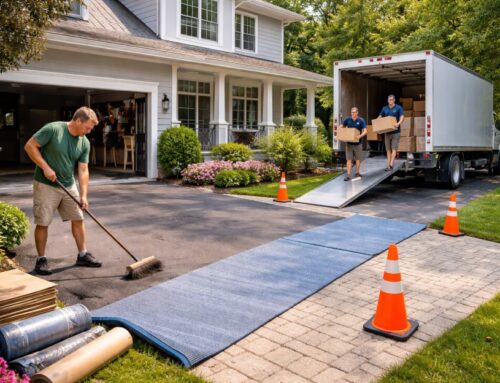
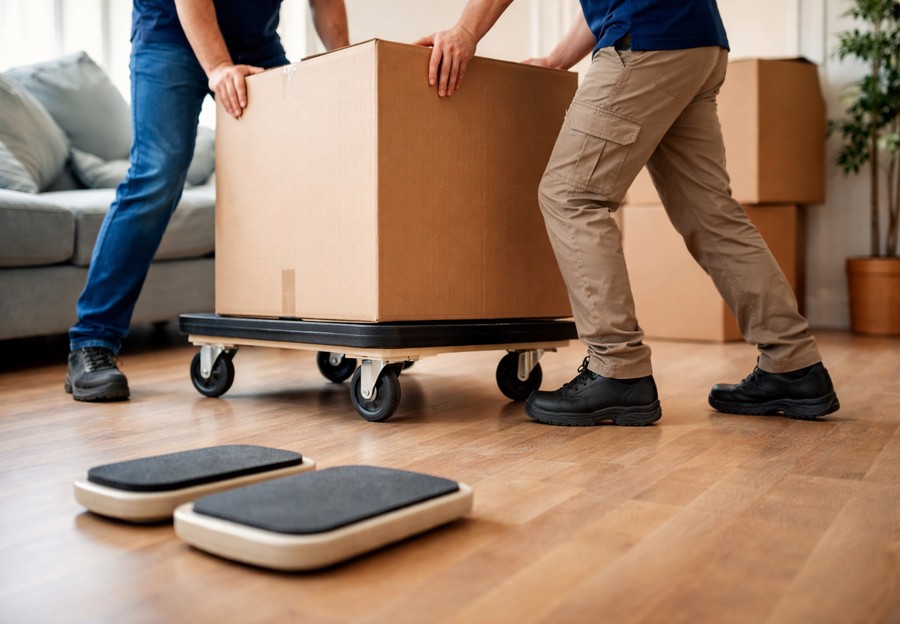
Floor protection should not be overlooked. Dragging or sliding a sectional scratches hardwood and tears carpet fibers. Flooring repair surveys show that refinishing or patching often costs hundreds or thousands of dollars. Using sliders or cardboard sheets reduces friction and protects surfaces while repositioning.
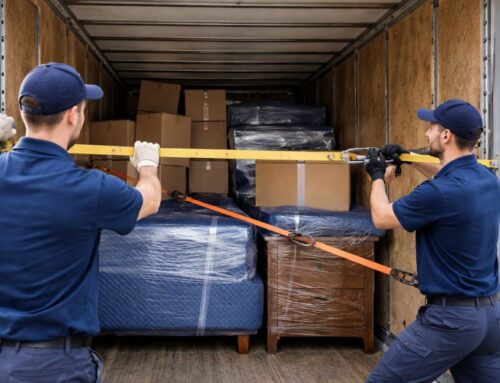
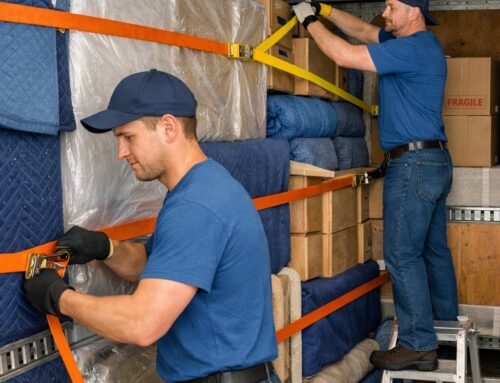
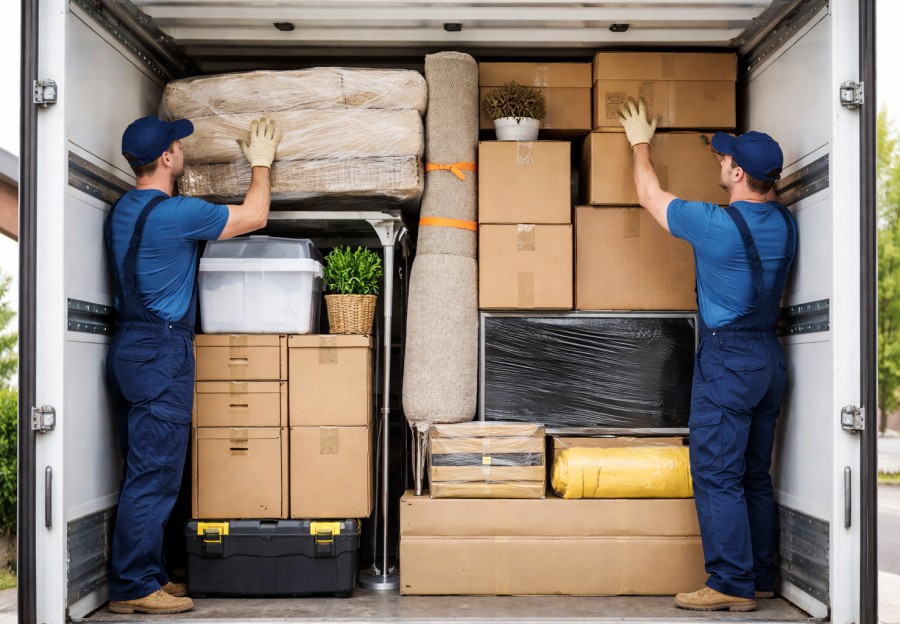
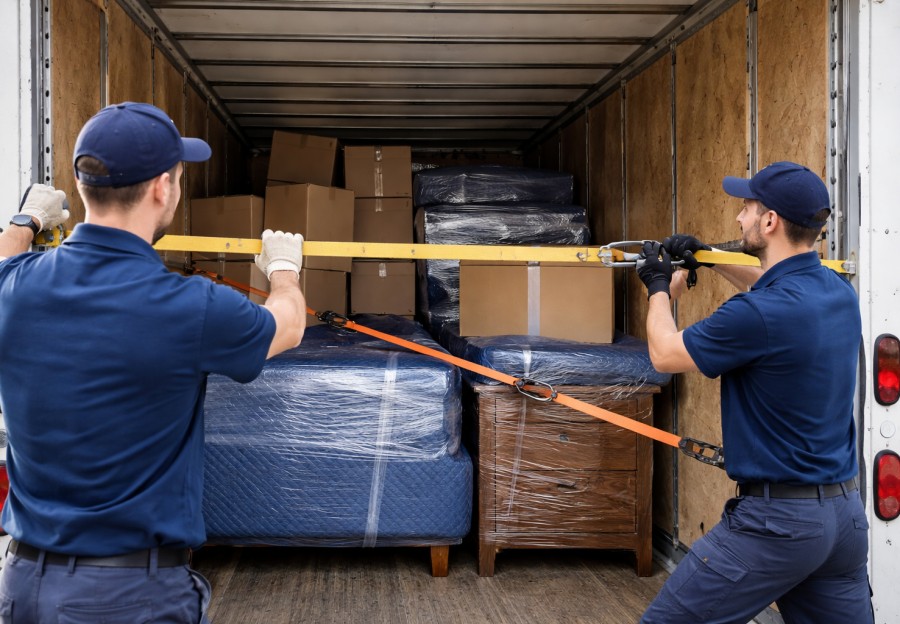
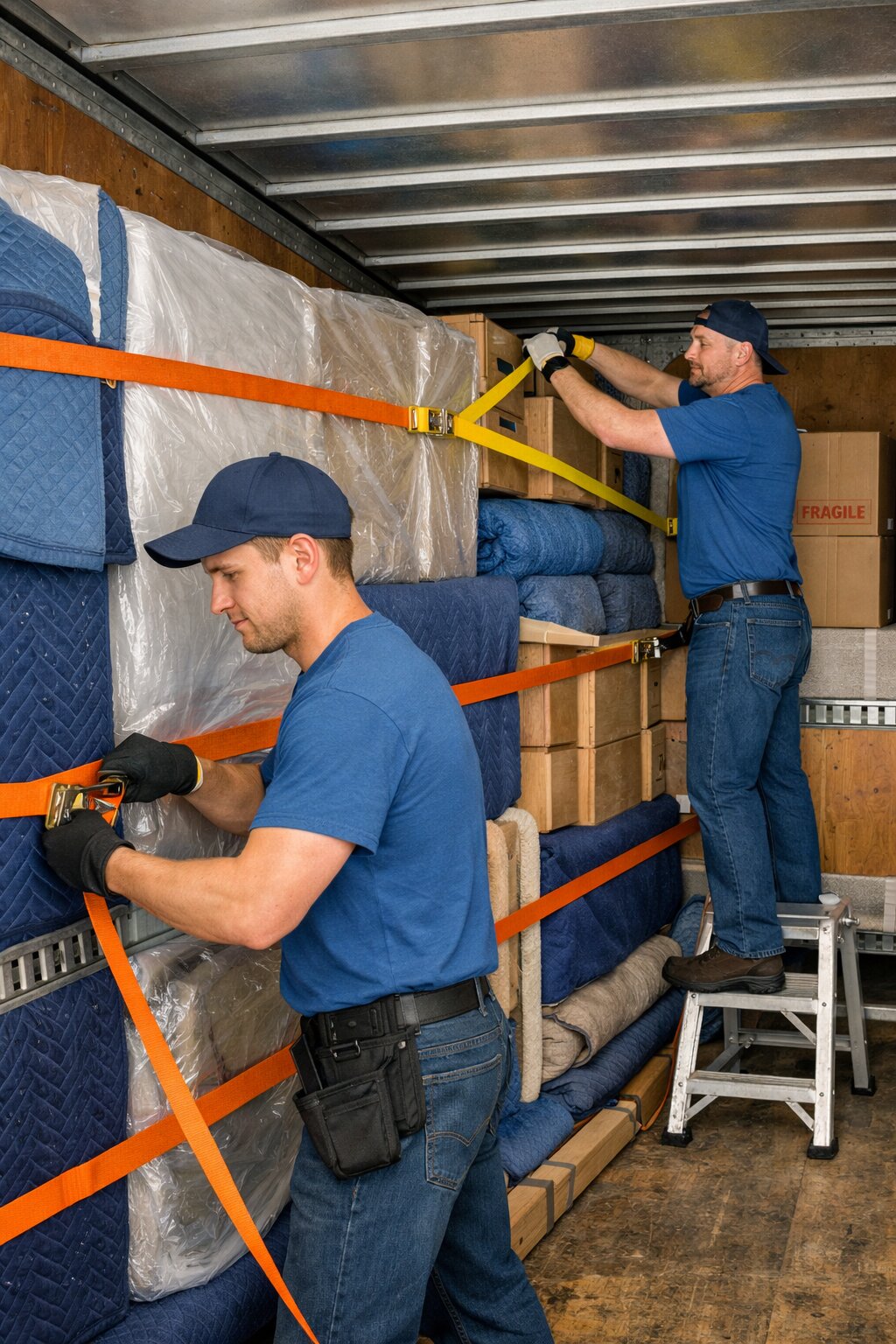
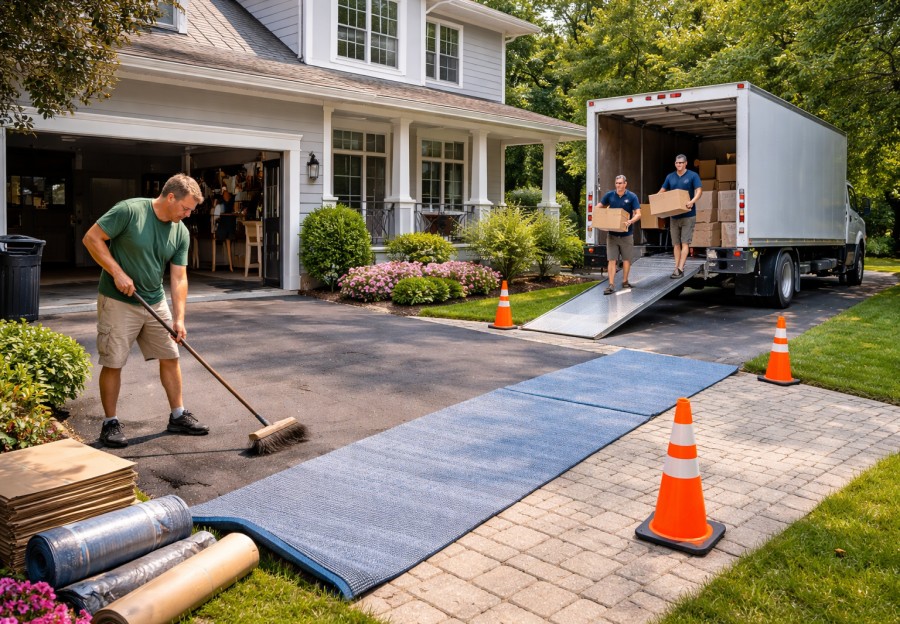
Truck loading placement determines how the sectional survives the drive. Upholstered furniture should ride against padded walls rather than under heavy stacks. Transportation safety research shows that lower layers experience the highest compression and braking forces. Secure each section with straps so it cannot tip or slide. Micro movement during vibration causes fabric wear and frame stress over long distances.
Avoid stacking rigid heavy items directly against upholstered arms or backs. Sustained pressure deforms foam and can create permanent compression marks. Foam recovery studies show that prolonged compression reduces rebound and shortens cushion lifespan.
Temperature and moisture matter as well. Moving trucks are not climate controlled. Vehicle interior studies show that temperatures can exceed outdoor conditions by more than 20 degrees Celsius in direct sun, then cool rapidly later. Heat softens adhesives and leather finishes. Moisture promotes mildew in fabric. Breathable padding allows gradual air exchange and reduces moisture trapping.
Unloading often feels easier because adrenaline kicks in, but fatigue is higher. Injury surveillance data shows that many moving injuries occur near the end of the job when people rush to finish. Maintain the same slow controlled approach during unloading and placement.
Once inside the new space, allow cushions to re expand naturally. Foam may look compressed temporarily after transport. Foam resilience research shows that recovery improves over several hours once pressure is removed. Fluffing cushions gently restores shape without stressing seams.
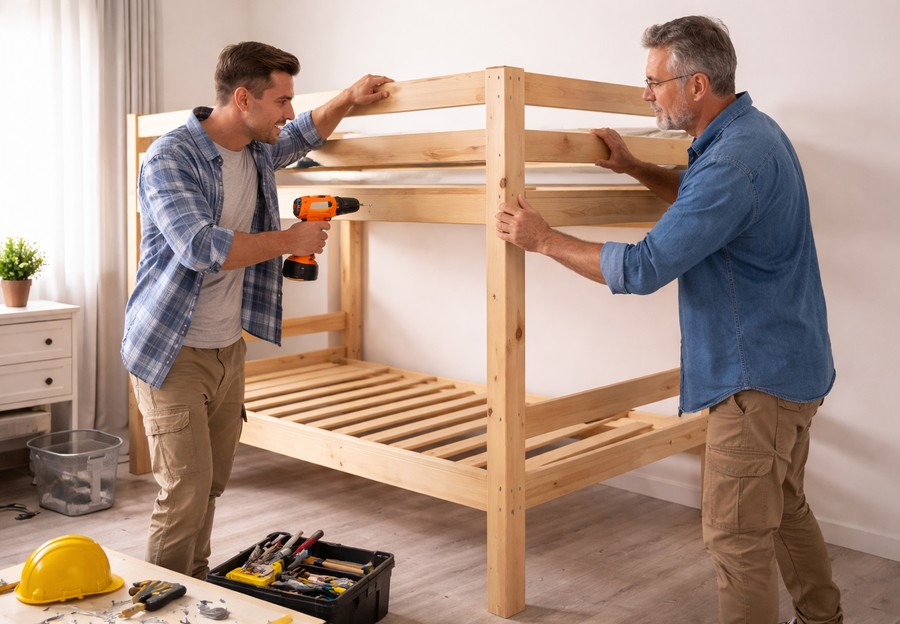
Reassembly should be done carefully. Align connecting brackets evenly before locking them together. Forcing misaligned connectors causes frame twist and squeaks later. Mechanical assembly guidelines recommend staged alignment rather than forcing full engagement immediately.
From a cost perspective, moving a sectional incorrectly gets expensive fast. Upholstery repair, frame reinforcement, fabric cleaning, and floor repairs add up quickly. Consumer repair surveys show that sofa repairs often exceed several hundred dollars depending on damage severity. Injury related medical costs and missed work add further hidden expense.
Environmental impact matters too. Sectionals contain large amounts of wood, foam, fabric, and metal. Replacing damaged furniture increases landfill waste and manufacturing emissions. Sustainability research consistently shows that extending product lifespan reduces environmental footprint more effectively than recycling after damage.
There is also a mental side. A damaged sofa often becomes a constant reminder of a stressful move. Behavioral psychology research shows that visible damage in living spaces increases background stress and dissatisfaction. Protecting the centerpiece of your living room protects peace of mind as well.
Timing helps. Move large furniture earlier in the day when energy and focus are highest. Hydration matters more than people think. Sports medicine research shows that even mild dehydration reduces muscle endurance and coordination. Keep water available and take short breaks when needed.
Footwear and gloves improve safety. Shoes with good grip reduce slip risk. Gloves improve grip strength and protect against pinches. Hand injury statistics show that finger injuries remain among the most common moving related incidents.
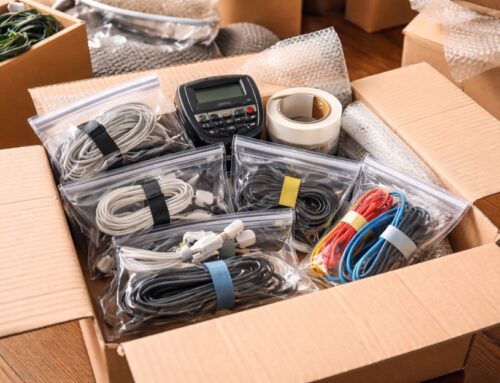
If your sectional includes powered recliners or USB ports, disconnect and secure cables carefully. Electronics reliability studies show that vibration can loosen connectors and damage fragile wiring when left unsecured.
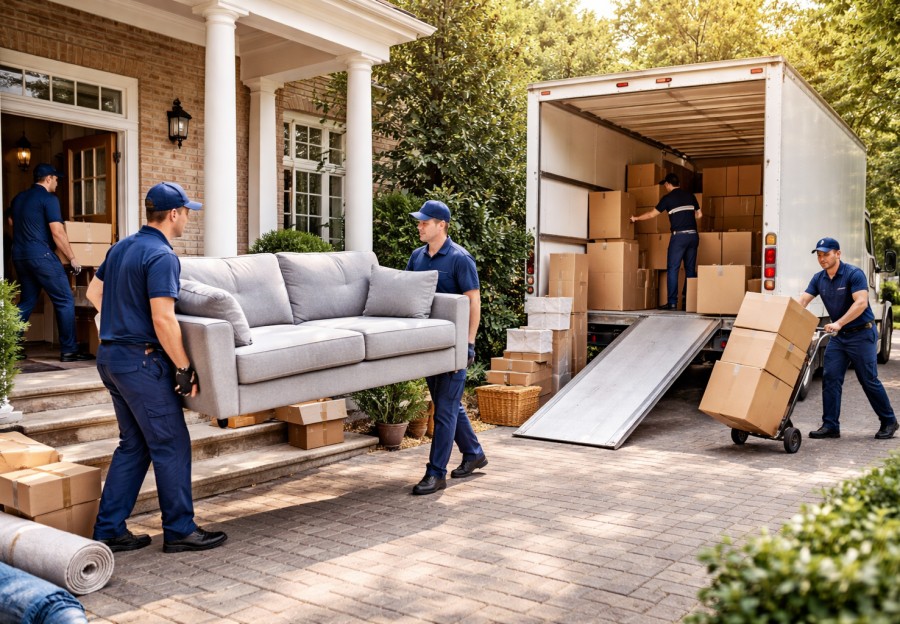
Know when professional help is worth it. If your route includes spiral stairs, tight high rise hallways, balcony rails, or long carries, experienced movers with proper dollies and strapping systems reduce risk significantly. One avoided injury or repair often offsets the cost of professional service.
The smart way to move a sectional is not glamorous. It looks slow. It looks methodical. It involves more preparation than muscle. But it works because it respects physics, human limits, and the real costs of mistakes.
Clear the path. Disassemble when possible. Protect surfaces generously. Measure instead of guessing. Use angles intelligently. Move slowly and communicate. Secure properly in the truck. Respect fatigue. Reassemble carefully. These small disciplines add up to a smooth result.
When the sectional lands in your new living room without scuffs, loose joints, or strained backs, you feel the quiet reward of doing it right. Instead of repairing, replacing, or regretting, you get to relax on the very piece you worked so carefully to protect. That is what moving smart really looks like.