March 20, 2026
What to do with old paint and chemicals before moving
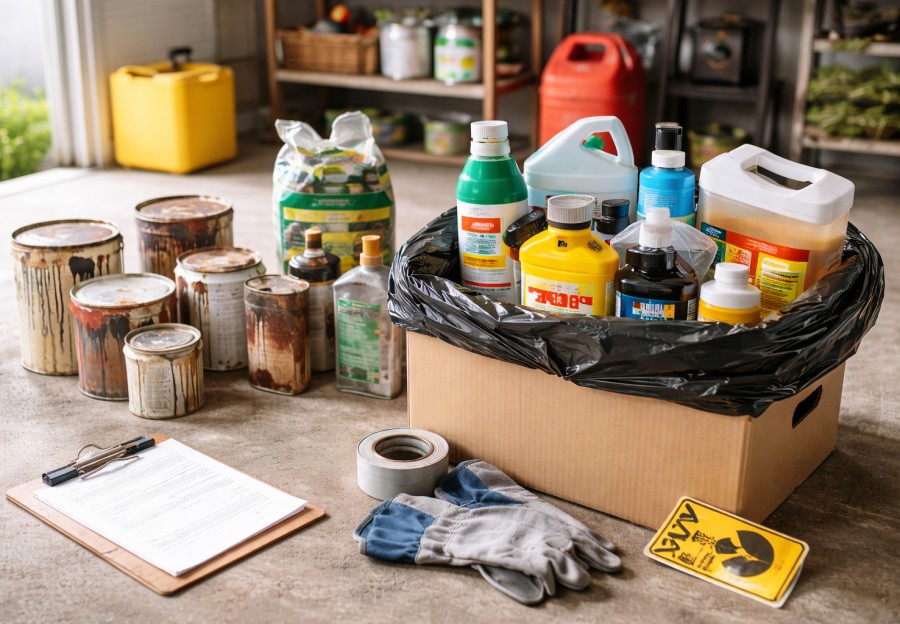
Old paint cans, half used cleaners, solvents, pesticides, automotive fluids, and mystery bottles under the sink are easy to ignore until moving day forces you to confront them. These materials are heavy, messy, regulated in many areas, and often unsafe to transport. Spills can damage floors and boxes, fumes can create health risks inside closed trucks, and improper disposal can carry legal penalties. Handling them correctly before a move protects your safety, your belongings, and the environment.
Households accumulate more hazardous material than most people realize. Environmental agencies estimate that the average home stores between 10 and 20 pounds of household hazardous waste when you count paints, cleaners, batteries, oils, and chemicals. In the United States alone, millions of tons of household hazardous waste are generated each year. Much of it ends up improperly stored or dumped, which contributes to soil contamination, water pollution, and landfill hazards. Moving is one of the best opportunities to reduce that footprint responsibly.
Paint deserves special attention because it is bulky and commonly stockpiled. A single gallon of paint weighs roughly 11 pounds when full. Even a few cans add significant weight and leak risk. Latex paint behaves differently from oil based paint. Latex paint is water based and generally non flammable, while oil based paint contains solvents that release volatile organic compounds and carry higher fire risk. Indoor air quality studies show that VOC exposure contributes to headaches, respiratory irritation, and long term health concerns when ventilation is poor. A closed moving truck can concentrate those vapors quickly, especially in warm weather.
Transporting open or partially full paint cans increases spill risk. Packaging research shows that vibration and temperature changes cause liquid expansion and internal pressure that can push lids loose even when sealed tightly. Vehicle interior temperature studies show that closed trucks can exceed outdoor temperatures by more than 20 degrees Celsius in under an hour under direct sun. That expansion alone can force leaks that soak boxes and flooring.
Most professional movers will not transport open paint or hazardous chemicals because of liability and safety rules. Fire safety regulations restrict transport of flammable liquids in uncontrolled environments. If a spill occurs inside a truck, cleanup can halt the move and cause expensive damage claims. Removing these materials before moving avoids those risks entirely.
The first step is sorting what you actually have. Separate usable products from expired or unwanted ones. Many household chemicals degrade over time. Cleaning product manufacturers publish shelf life estimates showing that effectiveness often drops after one to two years for liquid cleaners and disinfectants. Old chemicals may not perform as intended and may become unstable or corrosive.
If paint is still usable and you will need it for touch ups in the new home, consider whether transporting a small amount makes sense. Small sealed containers that are fully cured and tightly closed can sometimes travel in personal vehicles if local regulations allow and if they are secured upright in ventilated space. However, large quantities rarely justify the risk and effort.
Latex paint can sometimes be disposed of at home if fully dried, depending on local regulations. Drying removes the liquid hazard and allows solid disposal in regular waste in some municipalities. Drying can be done by opening the lid in a well ventilated area or mixing in drying agents such as cat litter or commercial paint hardeners. Always confirm with local waste authorities because disposal rules vary by region.
Oil based paint, stains, varnishes, and solvents require hazardous waste disposal. These materials are flammable and toxic to waterways. Environmental protection agencies report that a single gallon of oil based paint can contaminate millions of gallons of water if improperly dumped. Pouring chemicals down drains introduces toxins into wastewater systems that are not designed to filter these compounds completely.
Most cities operate household hazardous waste collection programs or scheduled drop off days. These programs safely process paints, solvents, batteries, pesticides, and automotive fluids. Participation rates increase during spring and summer moving seasons because residents finally address accumulated storage. Recycling industry data shows that proper hazardous waste collection significantly reduces landfill fires and groundwater contamination incidents.
If you have large quantities of paint, some regions offer paint recycling programs that recover usable material and recycle metal cans. Paint stewardship organizations report recycling millions of gallons annually, turning leftover paint into remanufactured coatings or alternative fuel products. This reduces raw material consumption and landfill volume.
Automotive fluids such as motor oil, antifreeze, brake fluid, and fuel should never be transported casually. Motor oil recycling programs are widely available and recover valuable petroleum resources. Environmental studies show that recycling one gallon of used oil can produce enough refined oil to lubricate dozens of car engines for extended periods. Dumping oil into soil or drains contaminates groundwater and damages ecosystems.
Cleaning chemicals and pesticides also require proper handling. Many contain compounds that react dangerously when mixed or heated. Chemical safety data indicates that bleach combined with ammonia releases toxic chloramine gas, and similar reactions can occur if containers leak and mix during transport. Removing these products before moving eliminates that hazard.
Aerosol cans deserve special caution. Pressurized containers can rupture when exposed to heat or impact. Fire safety data shows that aerosol cans can explode at elevated temperatures, creating shrapnel and ignition risk. These should be disposed of through hazardous waste programs rather than transported.
Batteries, especially lithium and rechargeable types, pose fire risk if damaged or short circuited. Recycling programs recover valuable metals and prevent landfill fires. Waste management studies show that battery related fires are a growing problem in waste facilities due to improper disposal.
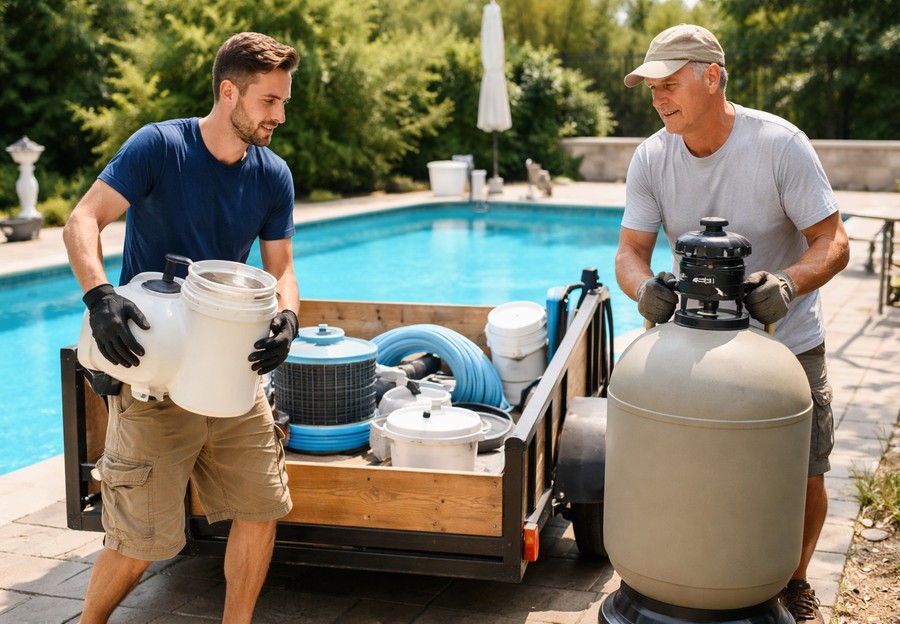
Another overlooked category is pool chemicals and garden treatments. Chlorine compounds and fertilizers react with moisture and heat. Agricultural safety data shows that improper storage of oxidizers increases fire risk. These products should be used up responsibly or delivered to proper disposal facilities before a move.
Timing matters. Hazardous waste collection events often operate on limited schedules. Planning disposal a few weeks before moving avoids last minute scrambling. Municipal waste departments often publish annual calendars for drop off events or permanent facilities.
Transportation to disposal sites should follow safety basics. Keep containers upright, sealed, and separated in a well ventilated vehicle area. Avoid mixing incompatible chemicals in the same container. Never transport leaking containers. If a container is damaged, place it inside a secondary sealed bucket or bag and go directly to the disposal facility.
Documentation helps if you are uncertain what a product contains. Original labels guide disposal staff on handling and classification. If labels are missing, describe the product as accurately as possible. Hazardous waste staff are trained to manage unknowns safely.
If you live in a building with shared waste areas, never abandon chemicals in common dumpsters. Property management data shows that improper dumping increases cleanup costs and can violate building policies or local regulations.
There is also a financial angle. Spills during a move can damage flooring, furniture, and truck interiors. Home repair cost surveys show that chemical staining or solvent damage can easily exceed hundreds or thousands of dollars depending on surface type. Preventing one spill often saves far more than the time spent disposing properly.
Health protection is another major benefit. Exposure to concentrated fumes in enclosed spaces increases respiratory irritation and dizziness risk. Occupational health studies show that chemical exposure incidents rise in poorly ventilated environments. Removing these products from the move reduces that exposure for both you and the moving crew.
Environmental impact cannot be ignored. Household hazardous waste contributes disproportionately to water and soil contamination when mishandled. Environmental monitoring agencies consistently link improper disposal to elevated heavy metals and toxins in local watersheds. Responsible disposal protects community health and ecosystems.
Psychologically, clearing out old chemicals creates a sense of closure and safety. Clutter research shows that removing unused and potentially dangerous items reduces cognitive stress and increases perceived control during major transitions like moving.
There is also a practical benefit. Eliminating heavy and awkward containers reduces total moving weight and packing complexity. Fewer awkward boxes make truck loading safer and faster.
For paint you want to keep, consider consolidating small leftover amounts into clearly labeled airtight containers if local rules allow. Make sure lids seal properly and containers are clean and dry. Store them upright in a protected crate for short personal transport rather than on the moving truck. Only transport what you realistically expect to use.
If you are unsure about any product, local waste authorities provide guidance. Many municipalities publish online lookup tools or phone hotlines that classify household products and recommend disposal methods.
Taking care of old paint and chemicals before moving is not glamorous work, but it is one of the most responsible and protective steps you can take. Sort what you have honestly. Use up what is still useful if safe to do so. Dispose of hazardous materials through approved programs. Avoid transporting liquids and chemicals whenever possible. Protect yourself, your movers, your new home, and the environment.
Moves create enough risk and stress without adding chemical spills, fumes, or regulatory headaches. Clearing these materials properly gives you a lighter load, a safer move, and a cleaner start in your new space.