March 18, 2026
The best strategy for packing a bathroom
Packing a bathroom sounds simple until you actually start pulling things out of cabinets and drawers. Tiny bottles, half used products, fragile mirrors, electrical items, cleaning chemicals, medications, towels, and sharp grooming tools all live in a small space. One spill can ruin an entire box. One forgotten item can create a scramble on moving morning. The goal is not just getting everything into boxes. It is protecting hygiene, preventing leaks, keeping essentials accessible, and avoiding damage to nearby belongings.
Bathrooms generate more packing mistakes than people expect because of how many liquid and breakable items they contain. Consumer household surveys show that the average household owns dozens of personal care products at any given time, many of them partially opened. Packaging research shows that even tightly sealed consumer bottles can leak under pressure changes and vibration during transport. Add in glass containers, mirrors, ceramic dispensers, and electrical tools and the risk multiplies quickly.
The smartest strategy begins with sorting and reducing before you pack anything. Expired medications, nearly empty products, dried cosmetics, and broken accessories should not travel. The US Food and Drug Administration estimates that a significant percentage of household medications sit unused or expired in medicine cabinets. Moving them wastes space and increases spill and contamination risk. Reducing volume early makes packing more controlled and safer.
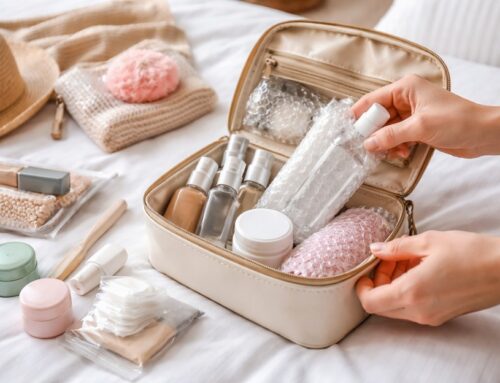
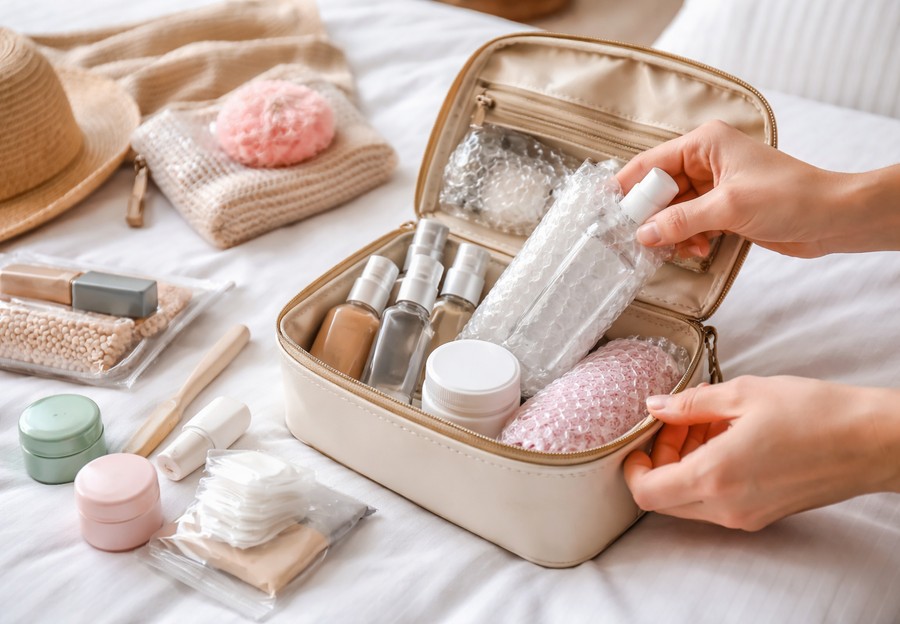
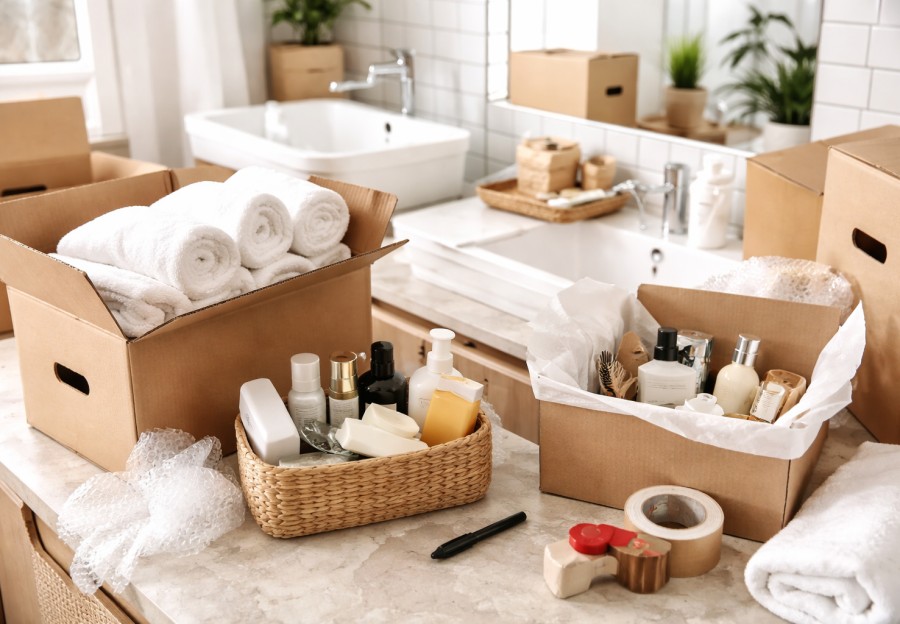
Liquids deserve special handling because they cause the most damage when something goes wrong. Shampoo, lotions, cleaners, perfumes, and mouthwash all expand slightly with temperature changes. Vehicle interior temperature studies show that closed trucks can exceed outdoor temperatures by more than 20 degrees Celsius in under an hour under direct sun. That expansion increases internal pressure and raises the chance of leaks even from sealed caps. Placing plastic wrap over bottle openings before closing lids adds a simple leak barrier. Keeping liquids upright inside sealed plastic bags adds another layer of protection so one leak does not destroy an entire box.
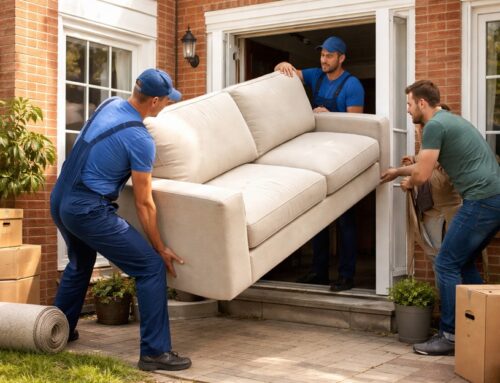
Weight management matters in bathroom boxes. Liquids and ceramic items add weight quickly. Occupational safety data from the Bureau of Labor Statistics shows that overexertion injuries rise when loads exceed safe lifting limits. Smaller boxes keep weight manageable and reduce drop risk. They also stack more reliably in the truck without crushing lighter items underneath.
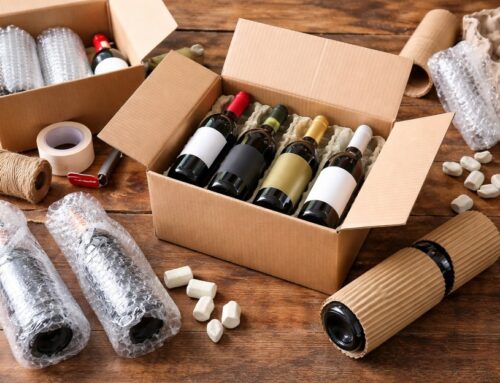
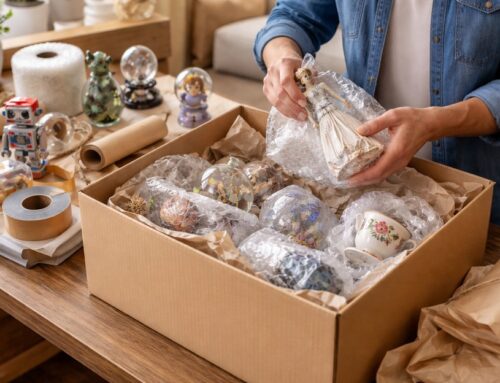
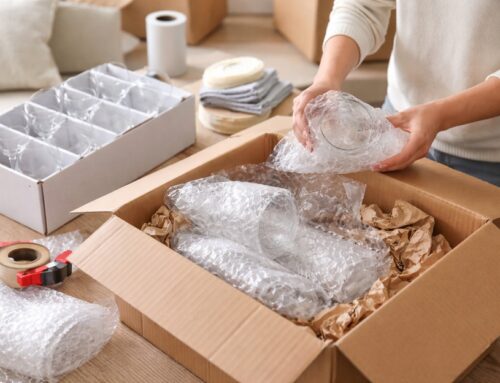
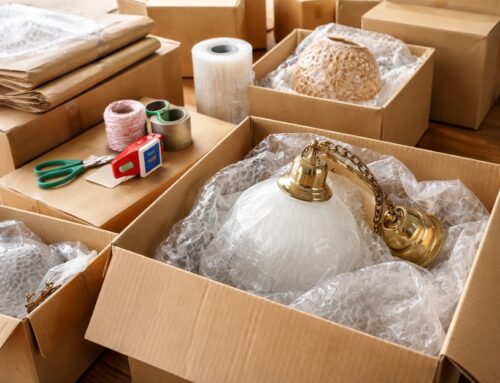
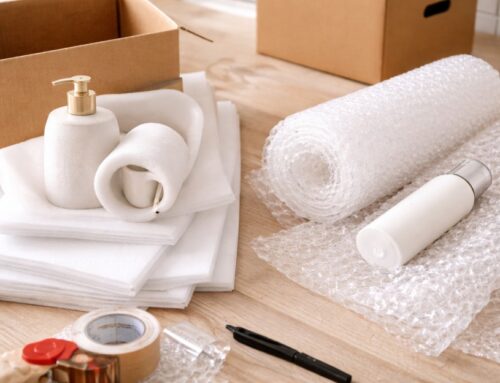
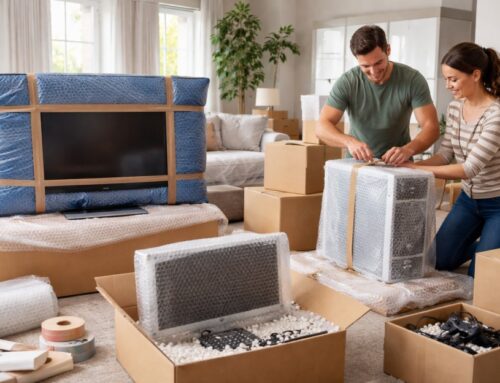
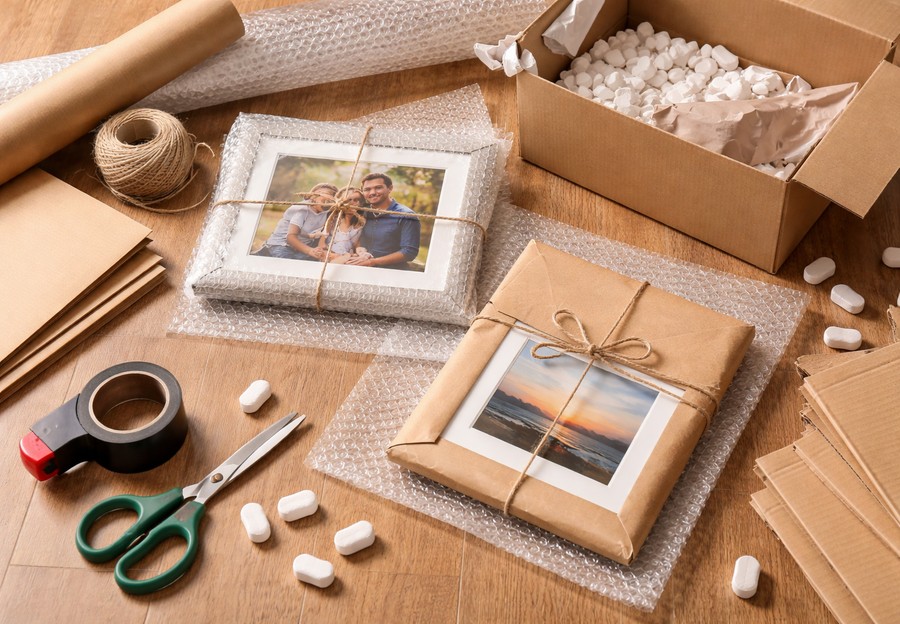
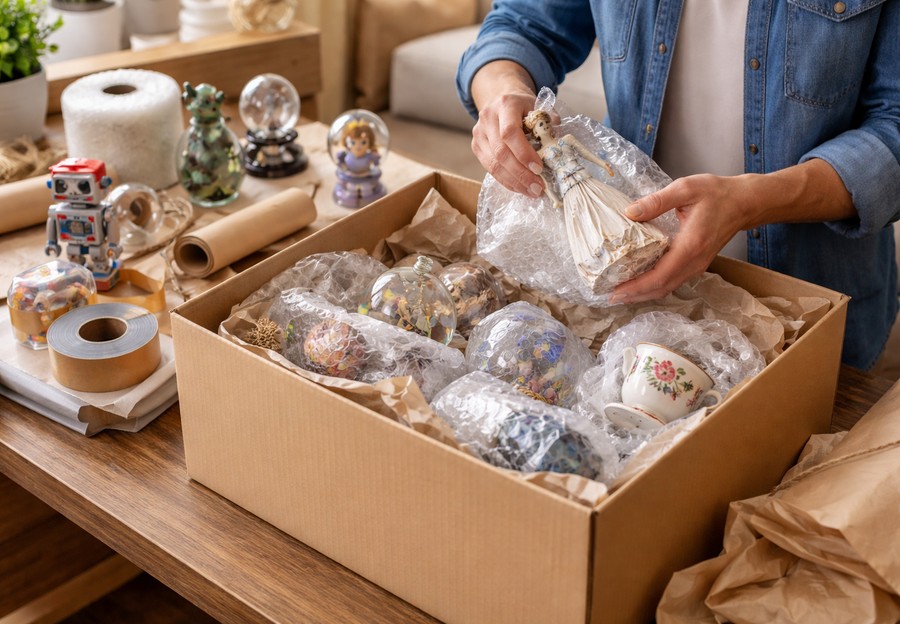
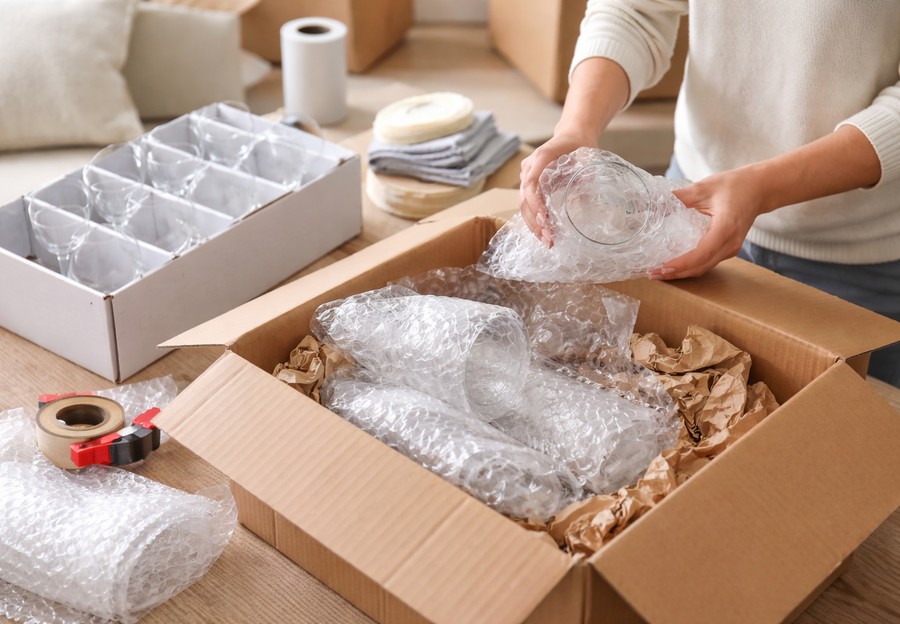
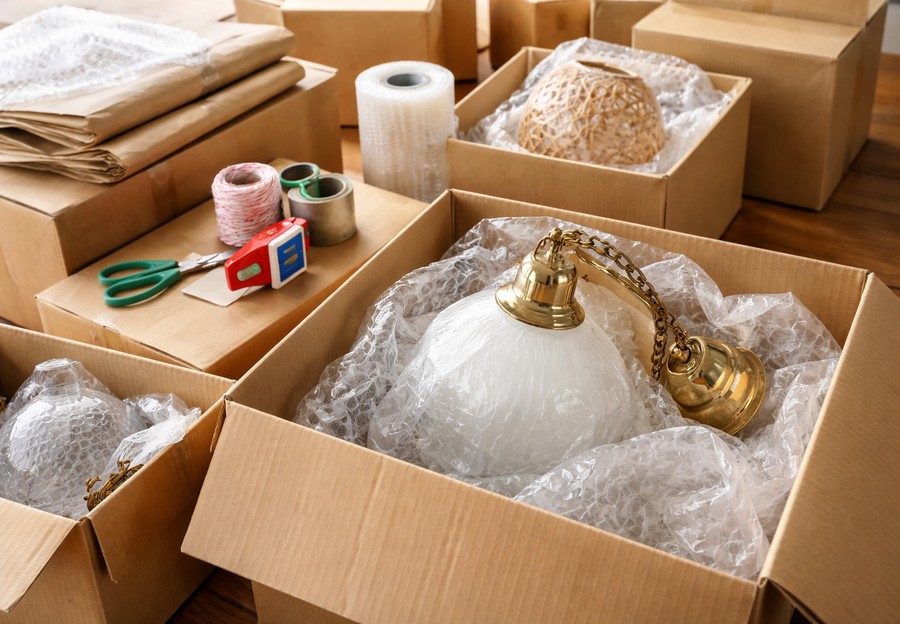
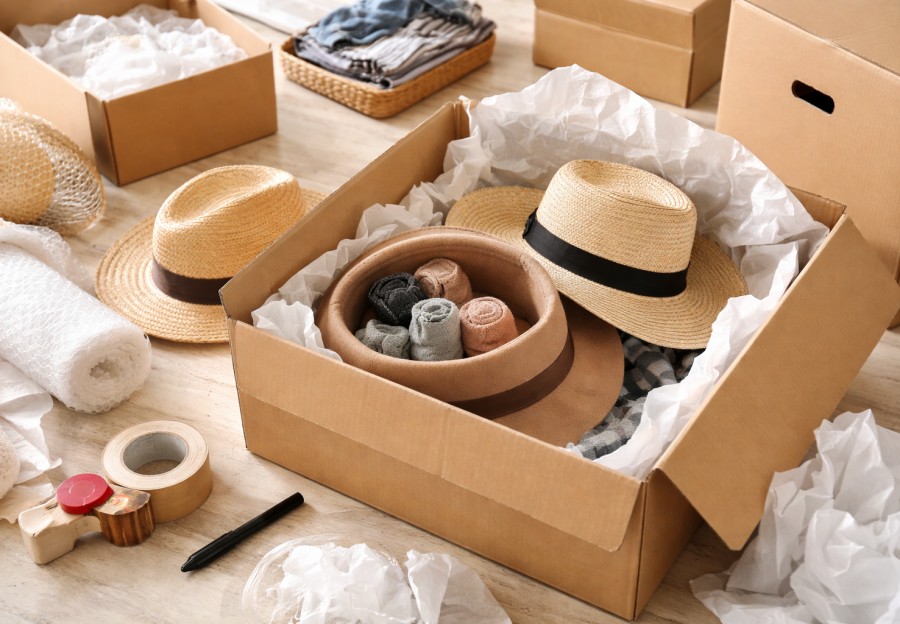
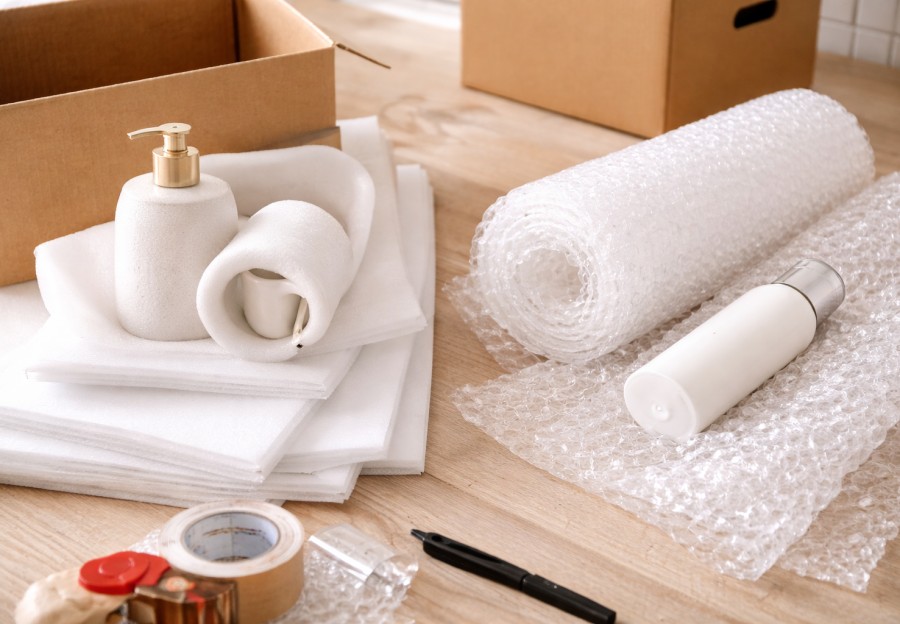
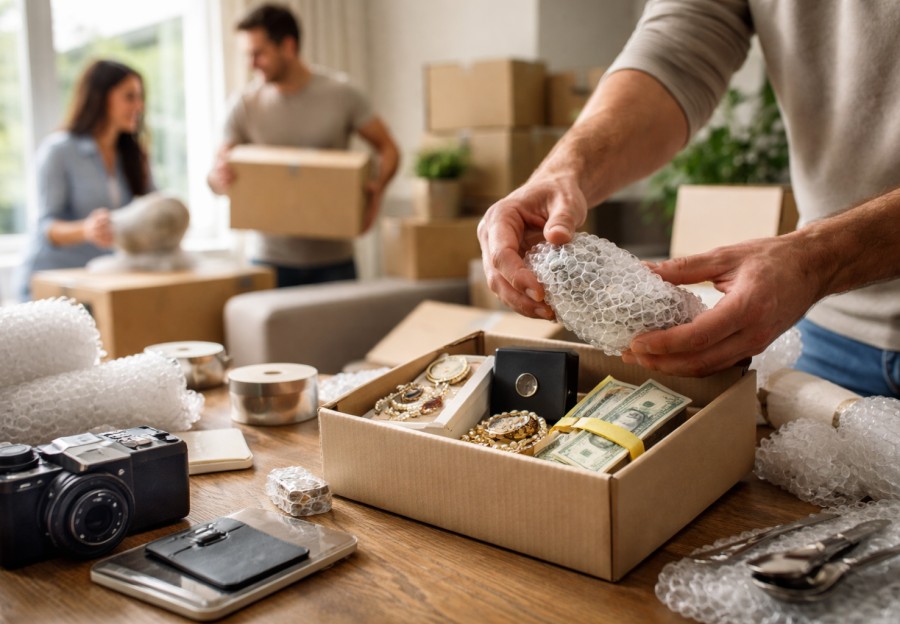
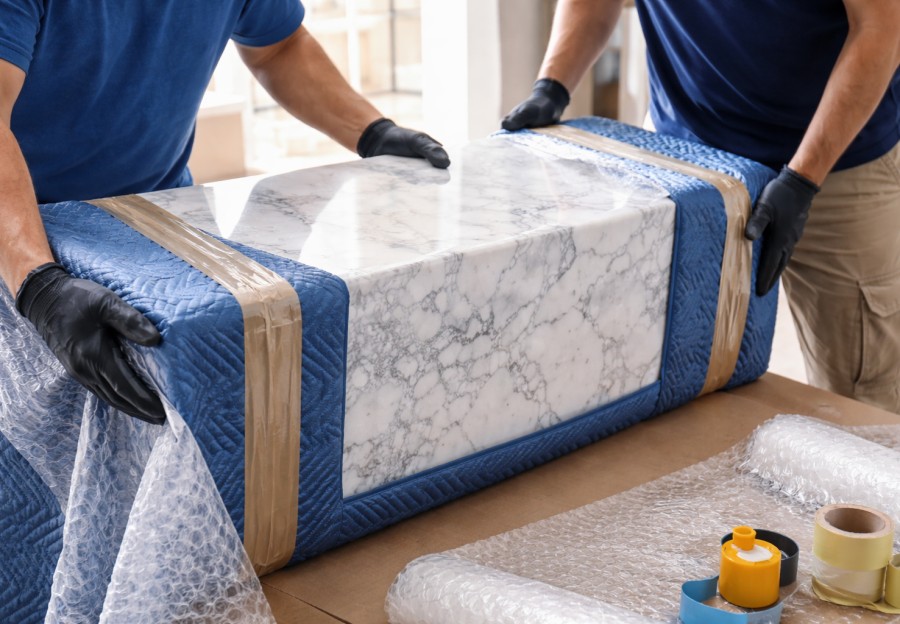
Fragile items need thoughtful cushioning. Mirrors, glass shelves, soap dispensers, and decorative containers should be wrapped individually and placed with padding on all sides. Packaging engineering tests consistently show that layered cushioning reduces impact force significantly compared with thin single layer padding. Rigid cardboard sheets placed between flat glass surfaces distribute pressure and reduce crack risk.
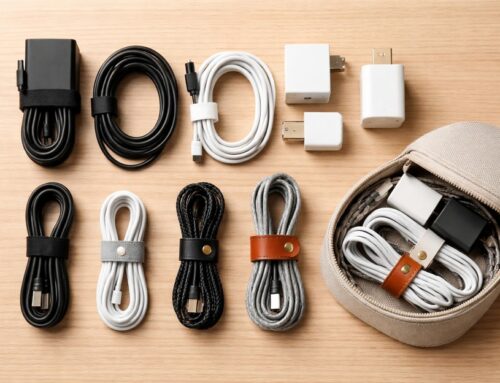
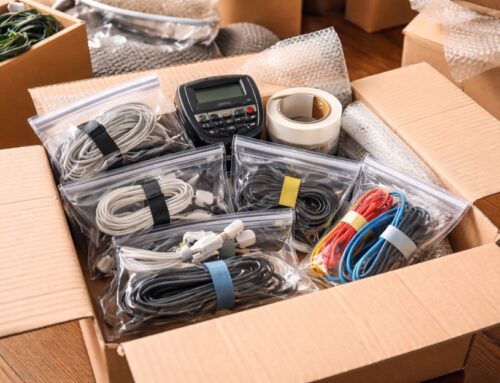
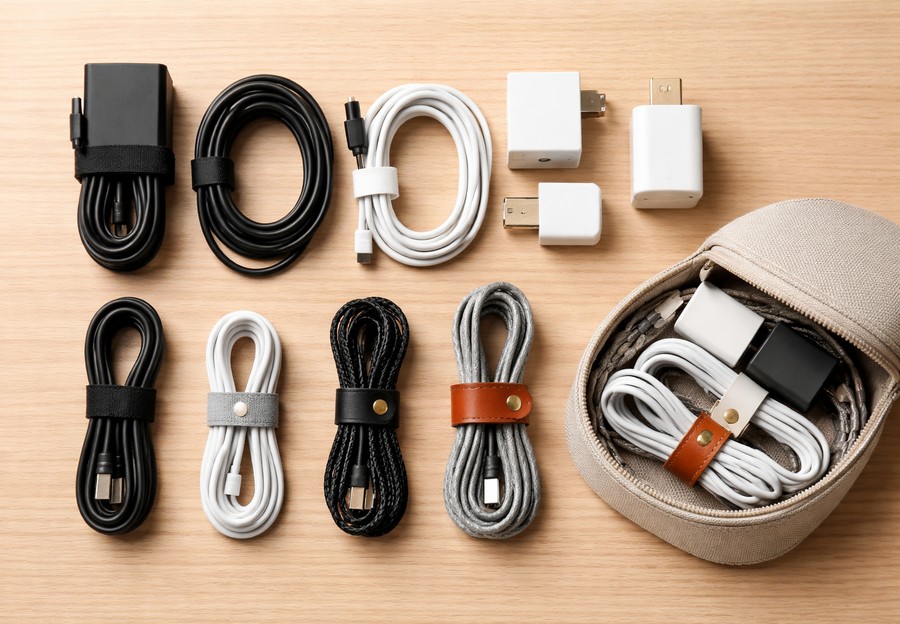
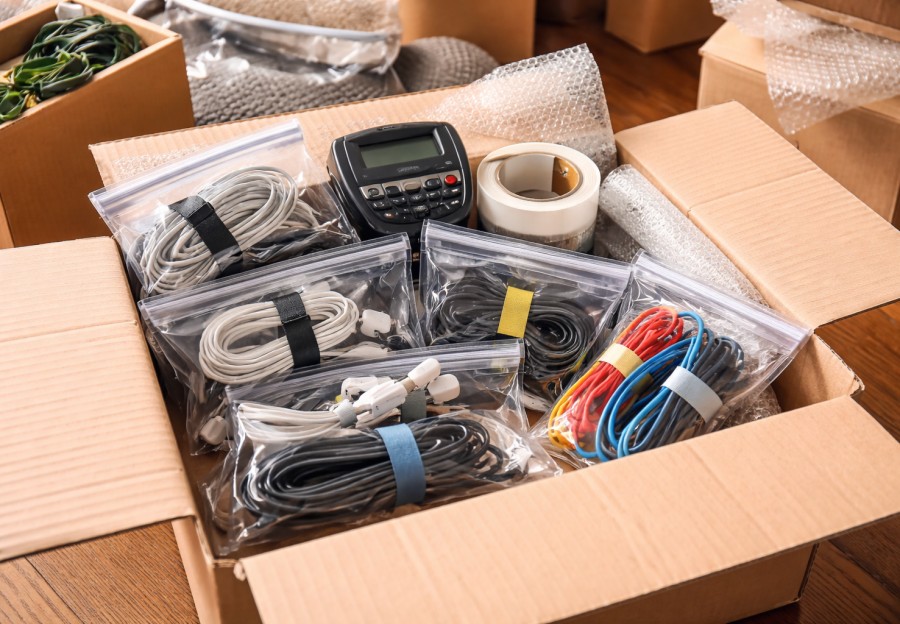
Electrical grooming tools introduce moisture sensitivity. Hair dryers, electric toothbrushes, trimmers, and straighteners should be fully dry before packing. Electronics reliability studies show that trapped moisture accelerates corrosion and shortens component lifespan. Cords should be loosely coiled rather than tightly bent. Data cable durability research shows that tight bending reduces conductor lifespan by more than 50 percent due to fatigue.
Sharp tools need containment to prevent punctures and injuries. Razors, scissors, tweezers, nail tools, and grooming blades should be wrapped or stored in protective cases. A single exposed edge can slice through cardboard and create safety hazards during handling.
Medications deserve special care and should usually travel with you rather than on the moving truck. Temperature swings inside trucks can degrade many medications and supplements. Pharmaceutical stability studies show that prolonged exposure to heat and humidity reduces potency and shelf life for many common medications. Keeping them with you protects both safety and access.
Towels and soft goods can serve dual purpose. They cushion fragile items while maximizing box efficiency. Textile cushioning absorbs shock and prevents hard surface contact. This reduces the need for excessive packing paper and helps control waste volume.
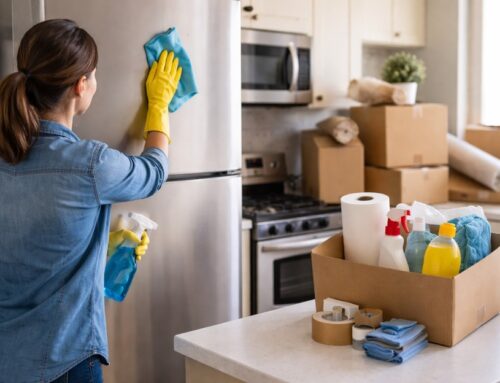
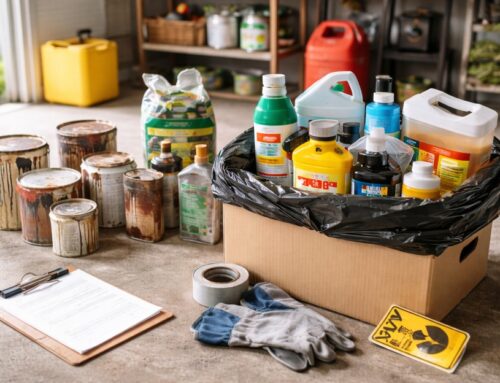
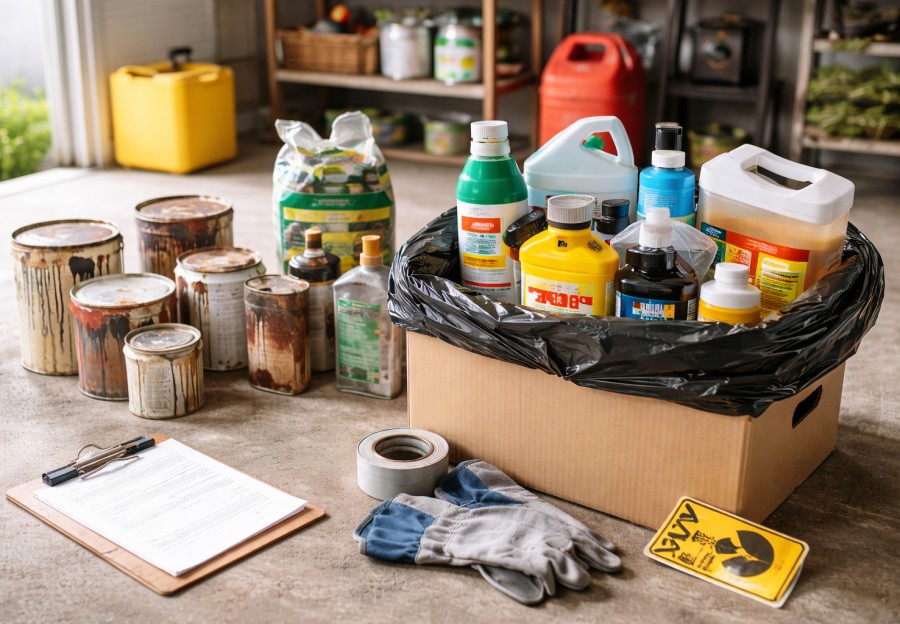
Cleaning supplies require separation and ventilation awareness. Mixing chemical cleaners in tight sealed boxes increases odor buildup and leak damage. Household chemical safety data shows that many cleaners release fumes when confined in warm environments. Keeping them isolated in well sealed containers prevents cross contamination with personal care items.
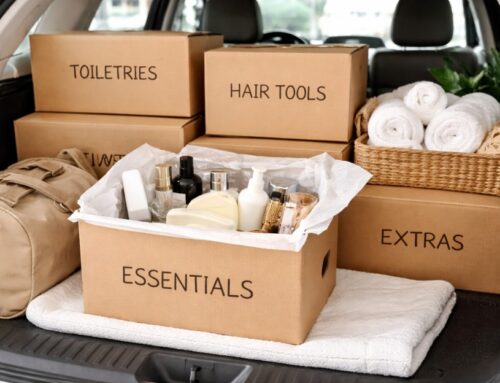
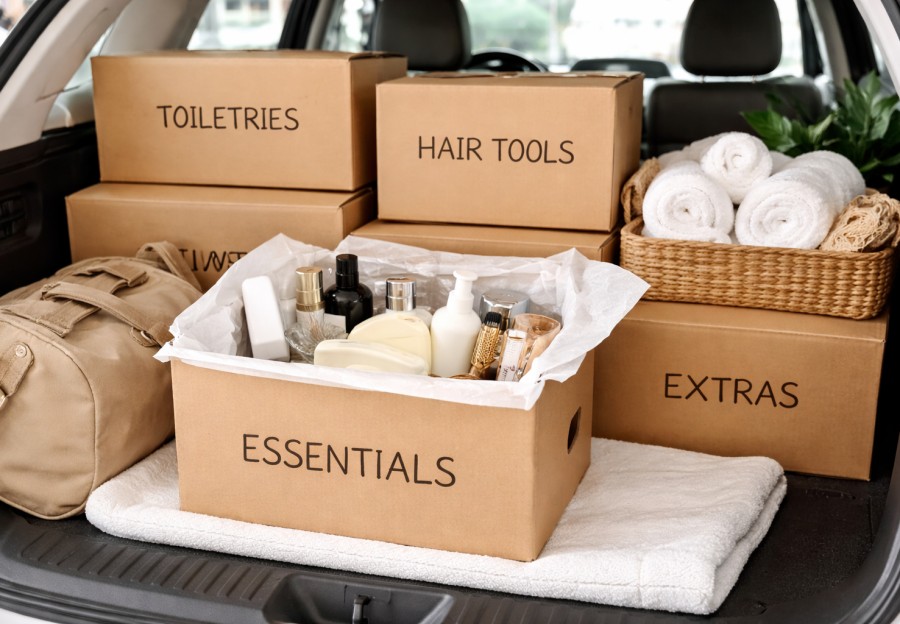
Toiletries that you will need immediately should be packed in a clearly accessible personal kit. Toothbrushes, toothpaste, soap, hand towel, toilet paper, basic cosmetics, contact supplies, and medications support normal routines on the first night. Behavioral research shows that maintaining small daily routines reduces stress during major life changes. Having these items easy to find avoids frustration when you arrive tired.
Moisture control matters more in bathrooms than any other room. Damp towels, bath mats, and shower curtains should be fully dry before packing. Textile research shows that mildew can begin forming on damp fabrics within 24 to 48 hours in warm conditions. Packing wet items traps moisture and creates odor and staining risk.
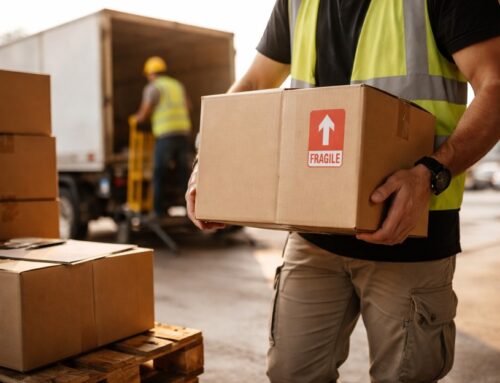
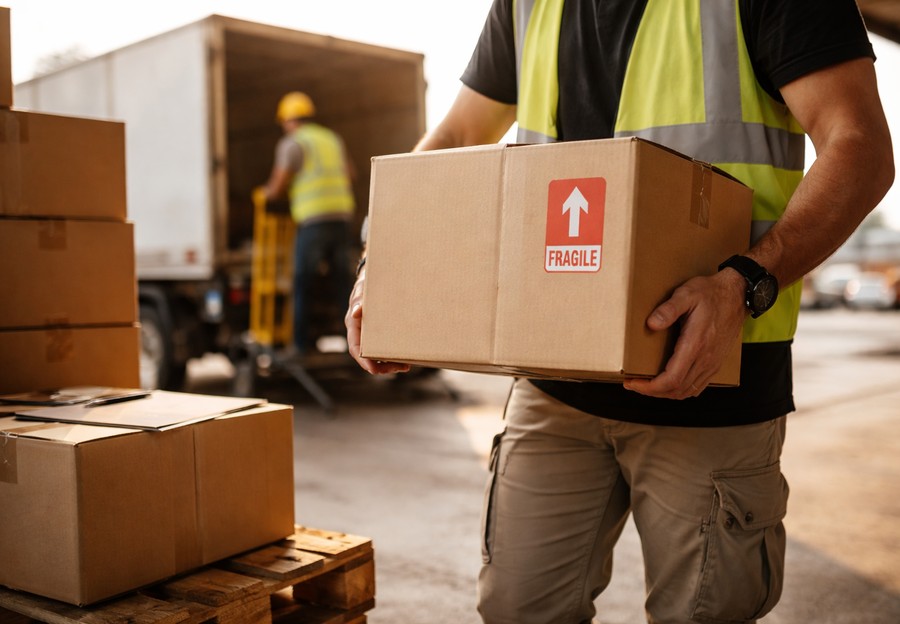
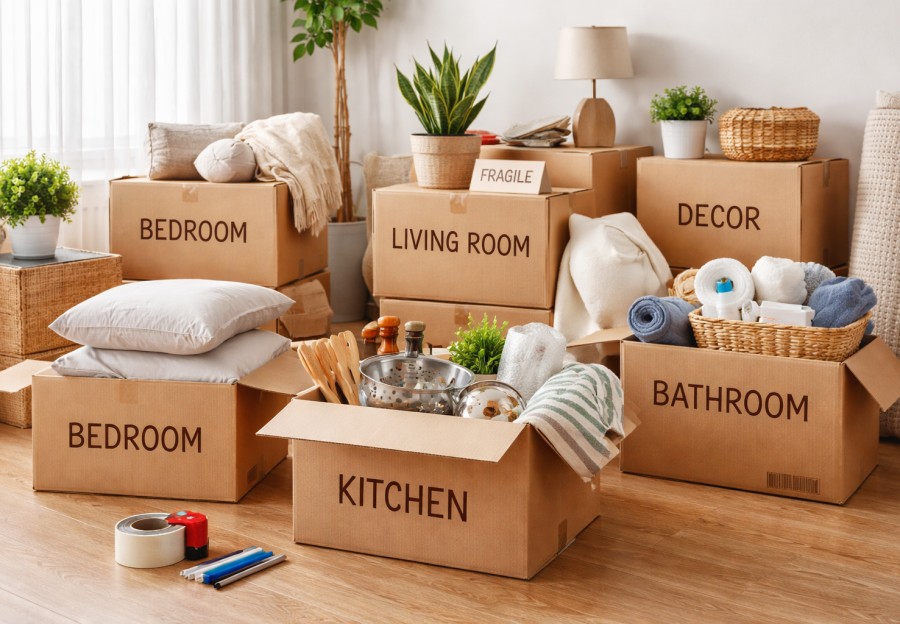
Box labeling improves handling and placement accuracy. Clear room identification helps movers place bathroom boxes correctly so essentials are easy to find. Logistics studies show that clear visual labeling reduces sorting errors by roughly 25 to 30 percent in busy handling environments. That saves time and reduces unnecessary box shuffling.
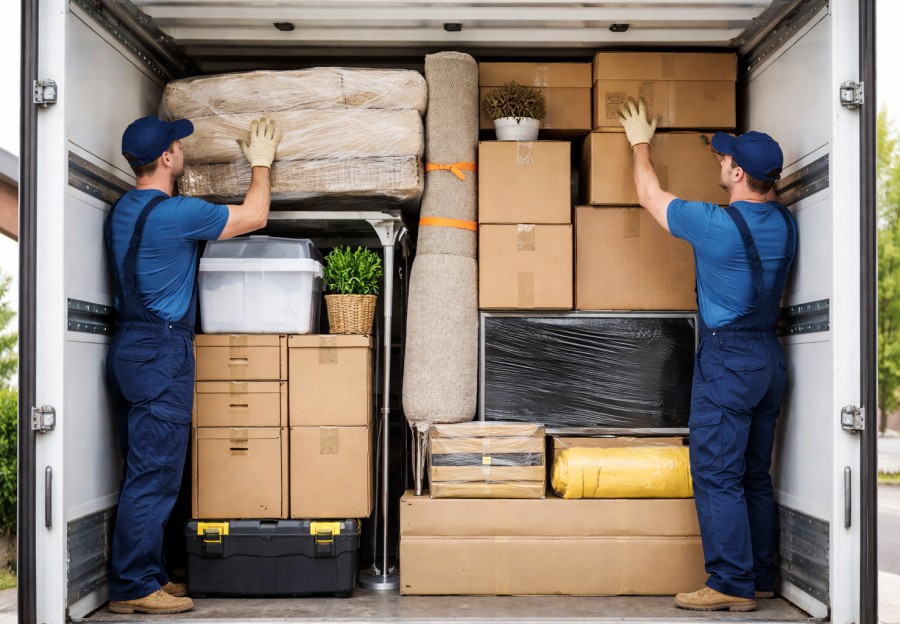
Stacking strategy protects fragile contents. Bathroom boxes should ride on top of heavier boxes rather than underneath. Transportation vibration studies show that vertical load pressure increases during braking and road vibration. Placing bathroom boxes above heavier loads reduces compression risk and prevents crushed containers.
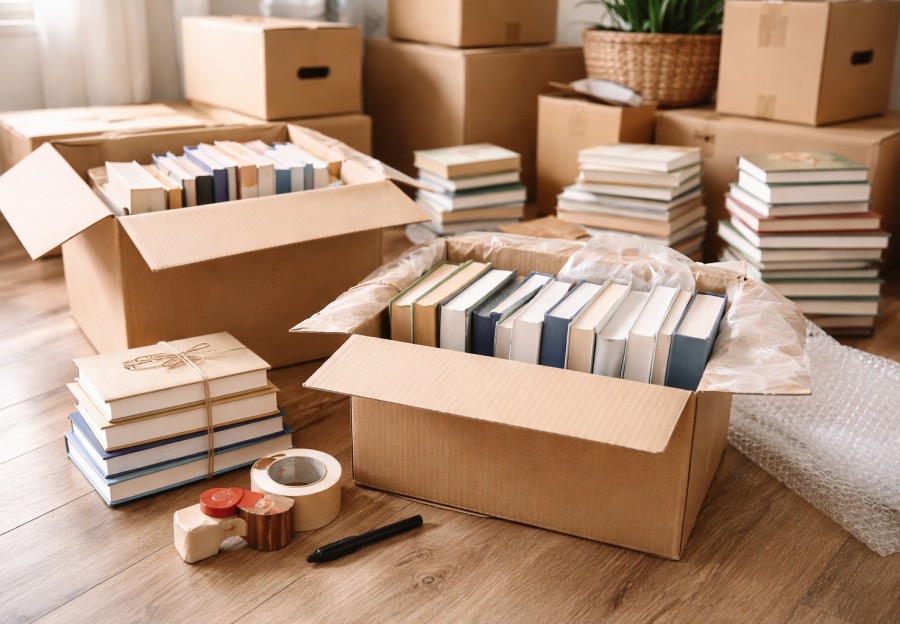
Avoid over packing. Tight overfilled boxes increase internal pressure and raise breakage risk. Packaging lab studies show that excessive compression reduces cushioning effectiveness and increases stress on container seams. Leave enough space for padding so contents can absorb shock without bearing direct load.
Temperature sensitivity applies to cosmetics as well. Many creams, makeup products, and fragrances degrade under heat. Cosmetic industry stability testing shows that prolonged exposure to high temperatures can separate emulsions and alter fragrance compounds. Keeping these items insulated and out of direct truck wall exposure protects quality.
Ventilation after arrival matters. Once unpacked, allow bathroom items to breathe before sealing them into cabinets. Indoor air quality research shows that trapped odors and moisture contribute to long term mildew and scent buildup. A short airing period reduces this effect.
There is also a hygiene benefit to careful bathroom packing. The American Cleaning Institute notes that bathroom surfaces harbor higher levels of bacteria and moisture compared with other rooms. Isolating bathroom items prevents cross contamination with clothing, bedding, and kitchenware.
Cost prevention plays a role too. Broken mirrors, spilled cosmetics, and damaged electronics add replacement cost quickly. Consumer pricing data shows that grooming electronics and premium cosmetics often cost hundreds of dollars per item. Preventing a few breakages easily offsets the small investment in proper packing supplies.
Environmental responsibility improves when packing is thoughtful. Reducing spills, breakage, and waste lowers landfill contribution and replacement manufacturing. Sustainability studies consistently show that extending product lifespan reduces overall environmental impact.
Psychologically, a well packed bathroom reduces first day stress in a new home. After a long move, simple comfort matters. Being able to shower, brush your teeth, and settle in without digging through chaotic boxes supports recovery and emotional balance. Stress research consistently ranks moving among the top life stressors. Small comforts create stability during that transition.
The best strategy for packing a bathroom blends prevention, organization, and realism. Start by reducing clutter and discarding expired items. Control liquids with sealing and upright packing. Use small strong boxes to manage weight. Wrap fragile items with layered cushioning and rigid support. Dry everything thoroughly before packing. Protect electrical tools from moisture. Contain sharp tools safely. Keep medications and personal essentials with you. Use towels for padding efficiency. Separate cleaners from personal items. Label clearly and stack lightly. Avoid over packing. Insulate temperature sensitive products. Air out items after arrival.
Bathrooms may be small, but they hold some of the most damage prone and personally important items in the home. A calm, methodical approach grounded in real packaging science, hygiene research, and safety data transforms what often feels like a chaotic task into a controlled one. When your bathroom arrives intact and ready to use, the move immediately feels more manageable, more comfortable, and far less stressful.