March 15, 2026
How to safely move aquariums
Moving an aquarium is one of the most delicate tasks in any relocation. You are not just transporting glass and furniture. You are protecting living animals, fragile seals, heavy water weight, electrical equipment, and a biological ecosystem that took months or years to stabilize. A rushed or poorly planned move can crack the tank, stress or kill fish, damage filtration bacteria, and create costly water damage in a new home. The good news is that aquarium moves follow clear physical and biological rules. When you respect those rules, the risk drops sharply.
The weight alone explains why aquariums demand special care. Water weighs about 8.34 pounds per gallon. A modest 75 gallon tank holds over 625 pounds of water before you add glass, substrate, rock, and equipment. A 120 gallon system can easily exceed 1,200 pounds total. Structural engineering data shows that concentrated loads like this create high point pressure on floors and frames when moved incorrectly. The glass itself is strong under compression but weak under twisting and point impact. Most aquarium failures happen from torsion or uneven lifting rather than from direct downward weight.
Fish safety is driven by oxygen, temperature stability, and ammonia control. Aquatic biology research shows that oxygen levels drop quickly in small sealed containers and that ammonia builds rapidly from waste when filtration stops. Even short exposure to elevated ammonia can damage fish gills and internal organs. Temperature swings also increase stress hormones in fish, which weakens immune response. Studies in aquaculture show that sudden temperature changes of more than a few degrees can increase mortality risk significantly for many species.
The first rule of aquarium moving is never transport a filled tank. Water sloshing creates uneven pressure on seams and glass panels. Vehicle motion amplifies that force. Transportation vibration studies show that repeated micro movement compounds stress at joints and seals. Even a short drive with water inside the tank can weaken silicone seams or cause catastrophic cracking.
Fish should travel in clean oxygen rich containers. Many professional aquarists use thick plastic fish bags filled one third water and two thirds air or oxygen. The extra air space increases oxygen availability and reduces carbon dioxide buildup. For short local moves, clean food grade buckets with lids can work if they are not overcrowded and if water temperature is maintained. Aquaculture transport data shows that fish survival rates improve significantly when oxygen volume and temperature stability are prioritized.
Never feed fish for at least 24 hours before the move. Digestive waste increases ammonia production during transport. Fish physiology studies show that fasting reduces metabolic waste output and improves survival during temporary confinement. This simple step reduces chemical stress dramatically.
Beneficial bacteria preservation is critical for tank stability after the move. The nitrifying bacteria that convert ammonia into safer compounds live primarily in filter media and substrate. If those bacteria dry out or overheat, the tank can experience a dangerous ammonia spike after setup. Environmental microbiology research shows that beneficial nitrifying bacteria populations decline rapidly when deprived of moisture or oxygen. Keeping filter media damp in tank water preserves much of the biological cycle and reduces recovery time.
Substrate and rock should be handled carefully. Gravel and sand retain bacteria but also trap debris. Keeping them slightly damp rather than submerged reduces weight and prevents anaerobic conditions that create sulfur odors. Live rock in saltwater systems should remain moist and temperature controlled to preserve microbial life and avoid die off. Marine aquarium studies show that live rock die off increases ammonia spikes and algae blooms after relocation.
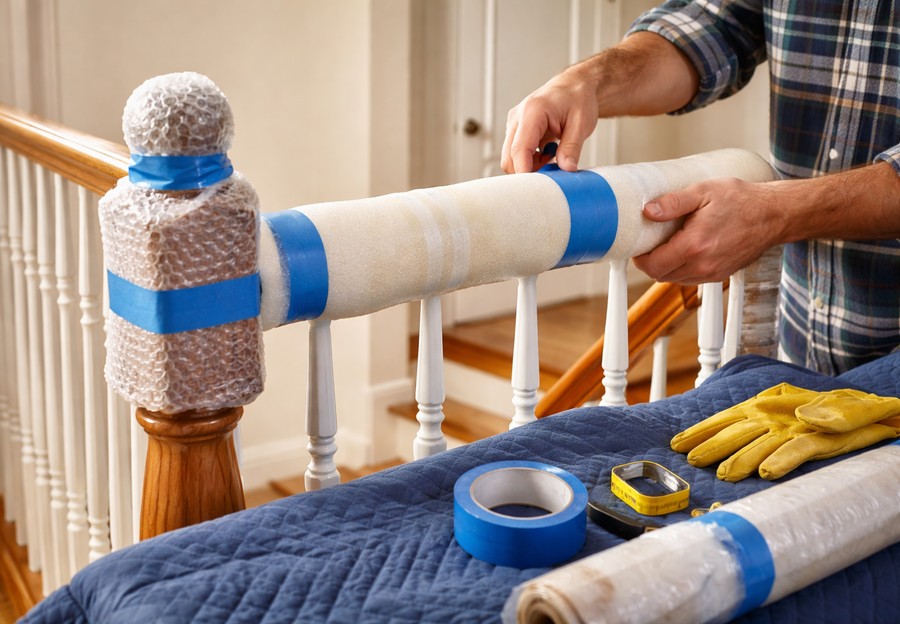
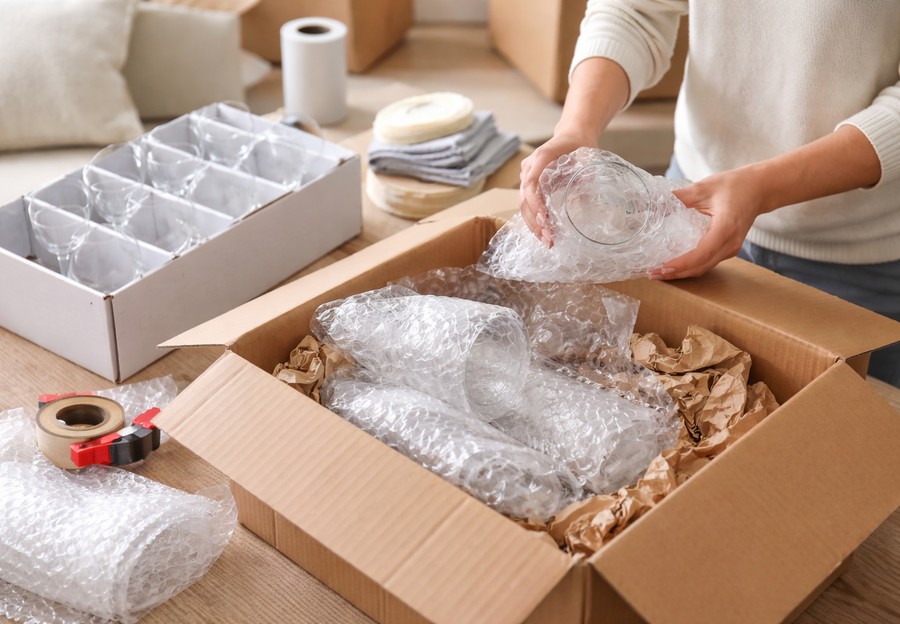
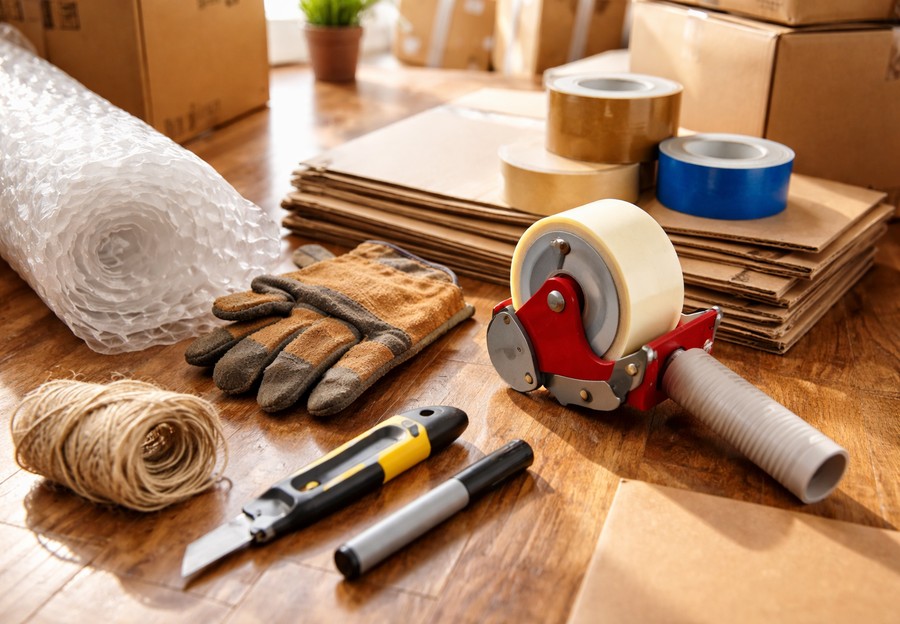
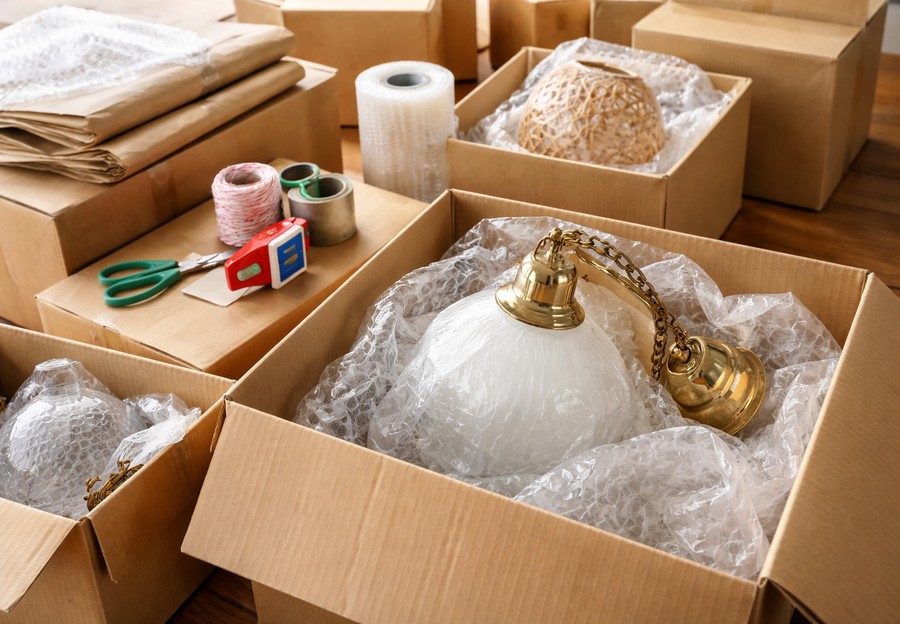
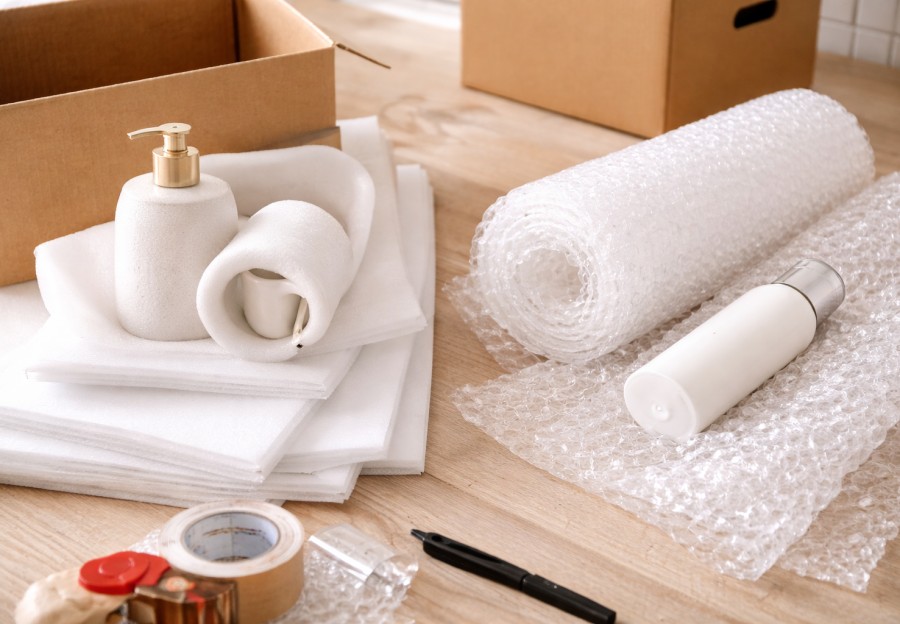
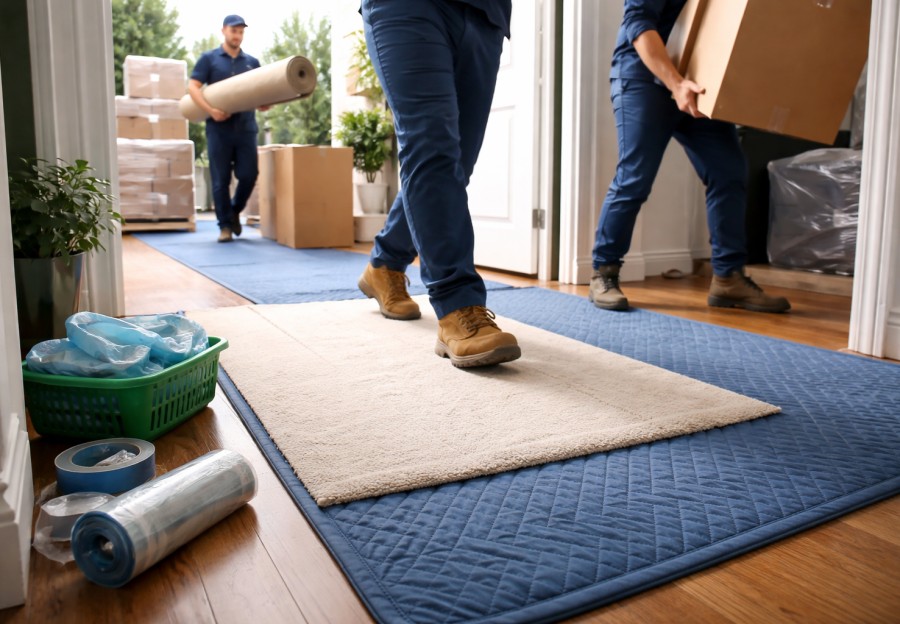
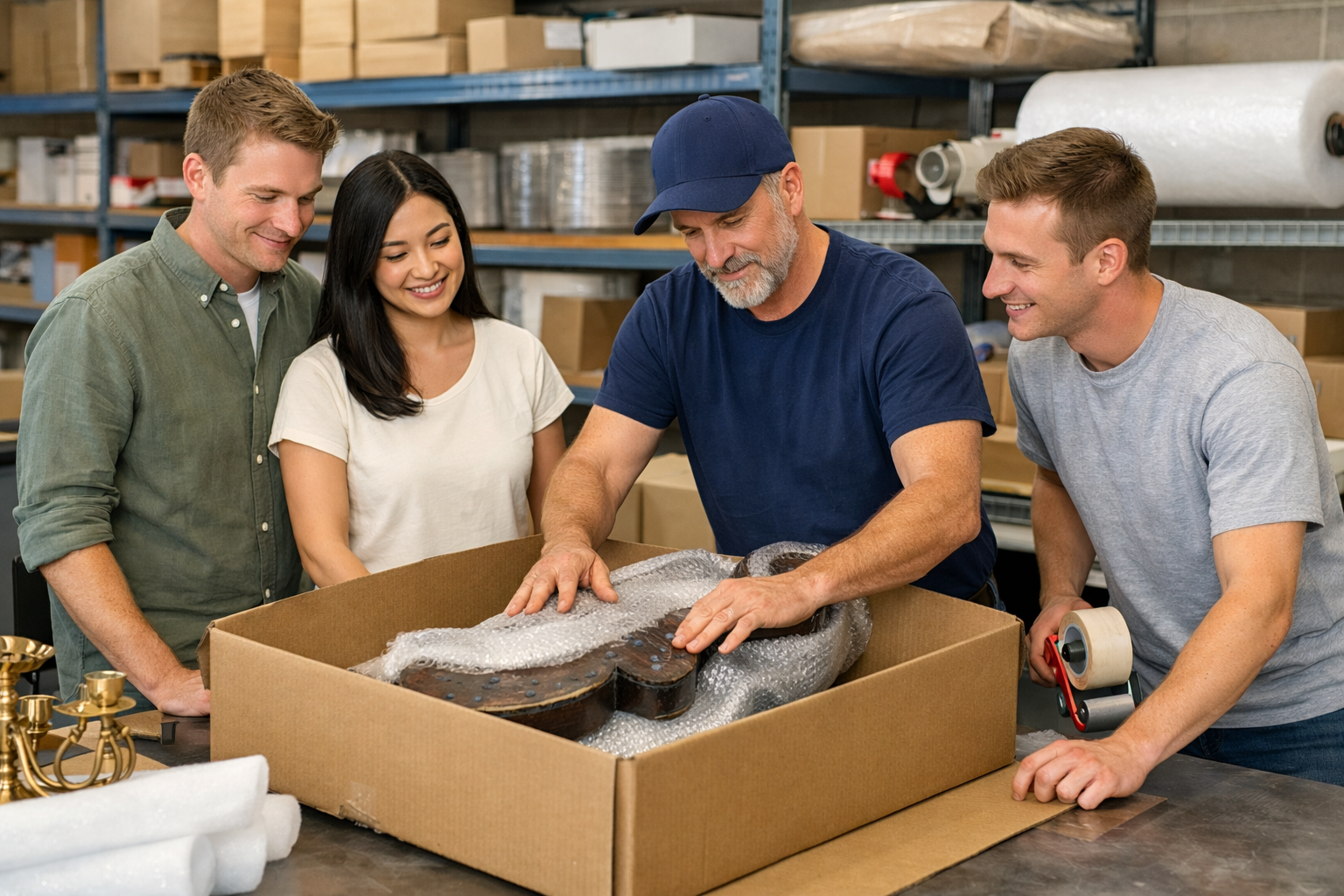
The tank itself must be protected like fine glass furniture. Clean and dry the tank completely before moving. Residual moisture increases slip risk and can weaken cardboard and padding. Packaging engineering research shows that corrugated cardboard loses more than 30 percent of its compression strength when damp. Thick moving blankets, foam sheets, and rigid boards protect glass from point impact and distribute pressure evenly. The tank should travel upright, never flat, because flat orientation increases bending stress during vibration. Glass transport standards favor vertical orientation for large panels for this reason.
Edge protection is essential. Corners are the most vulnerable stress points in glass structures. Foam edge guards or folded cardboard layers absorb impact energy and reduce chip risk. Even a small chip can propagate into a full crack once the tank is refilled.
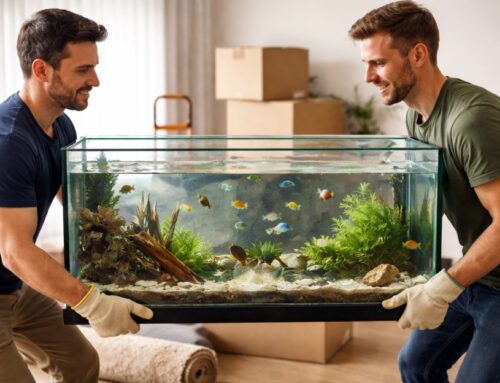
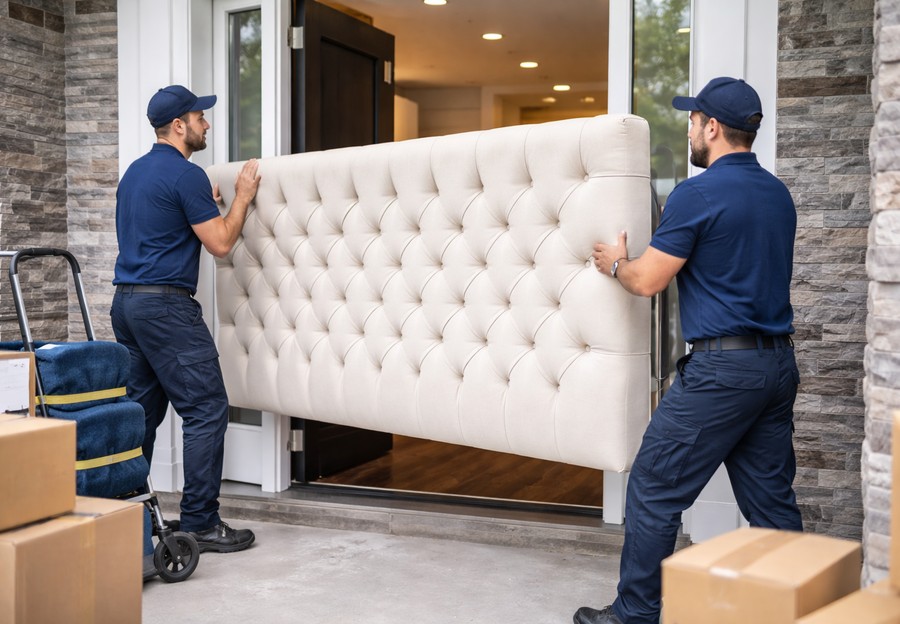
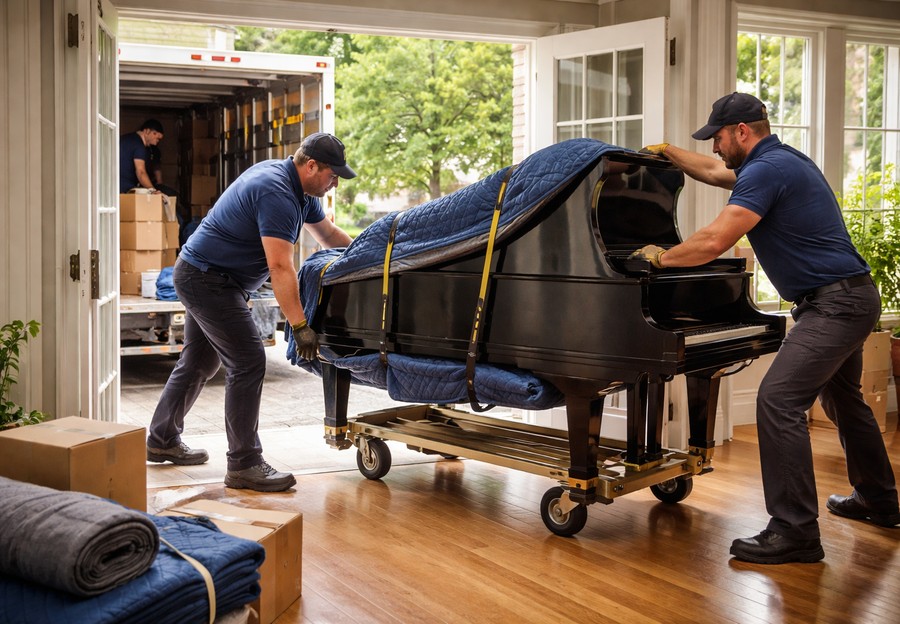
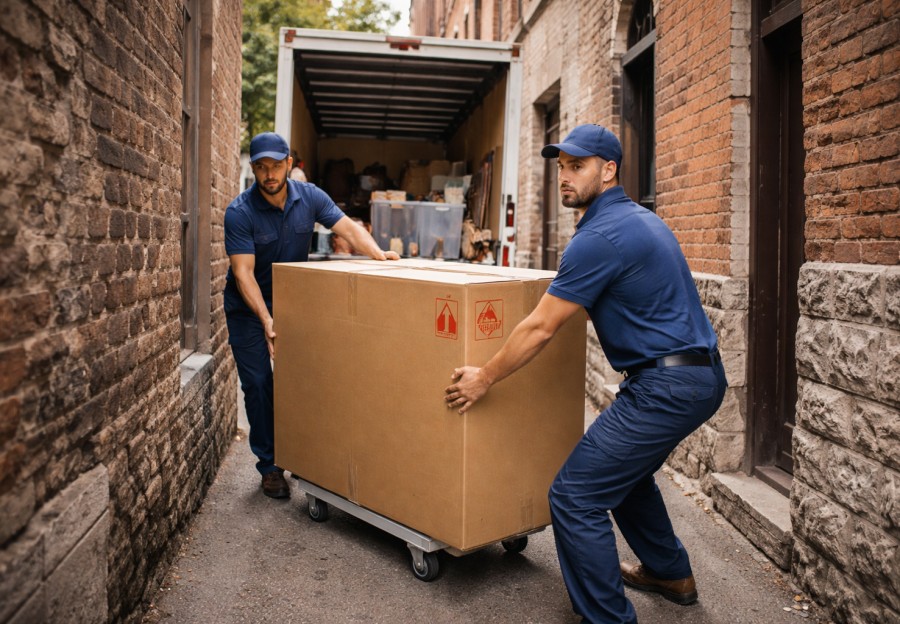
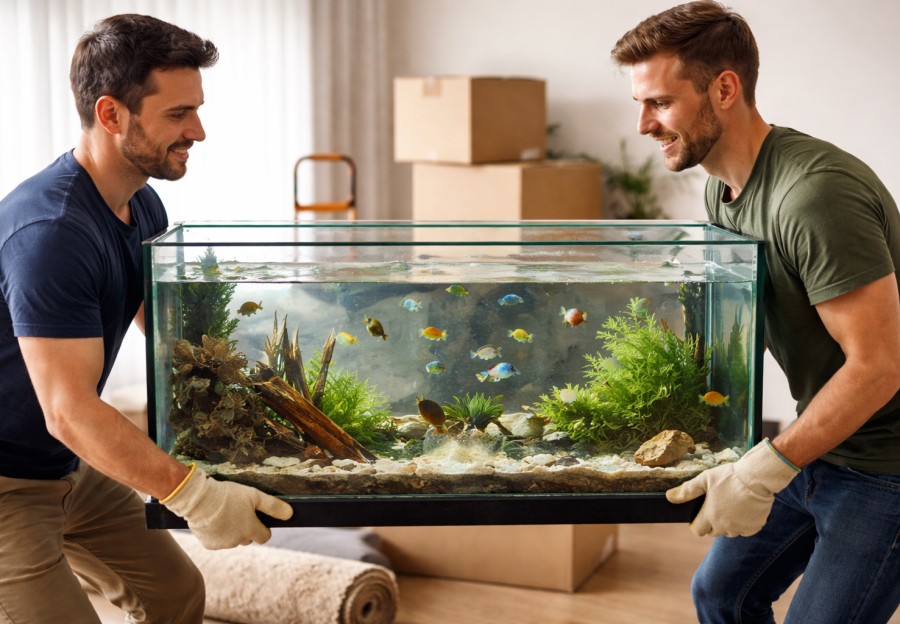
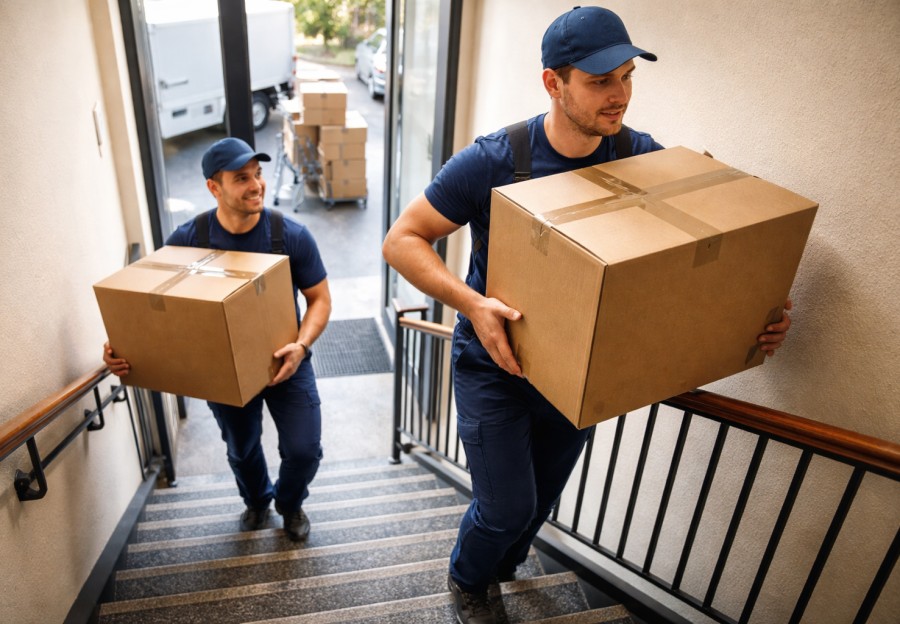
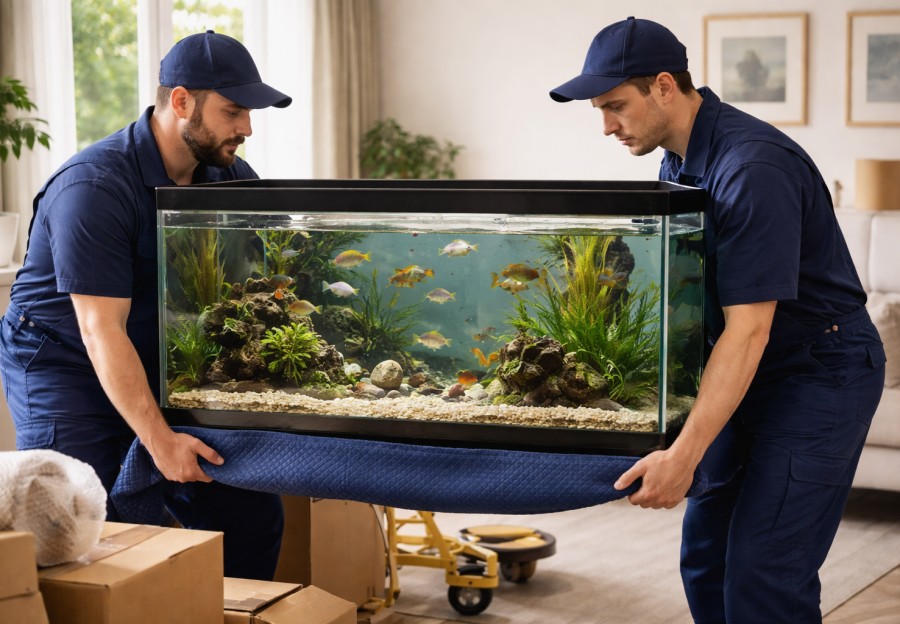
Lifting technique matters more than strength. Aquariums should be lifted from the bottom frame, never by the top rim or glass panels. Uneven lifting twists the frame and stresses silicone seams. The Bureau of Labor Statistics consistently lists overexertion and improper lifting as leading causes of injury in material handling. Use enough people to keep the tank level at all times and move slowly through doorways and thresholds.
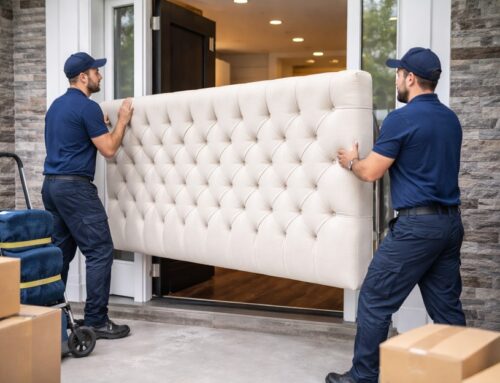
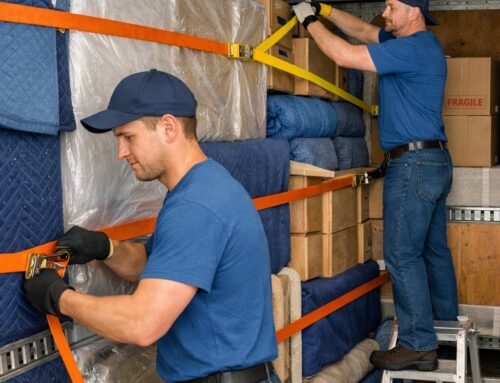
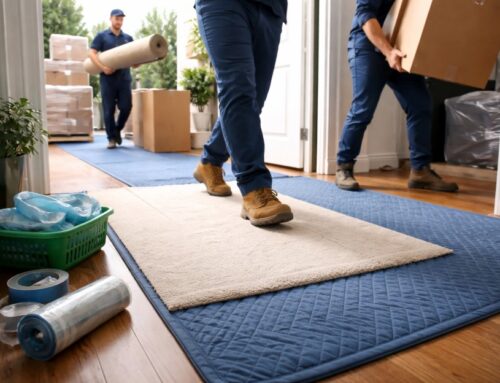
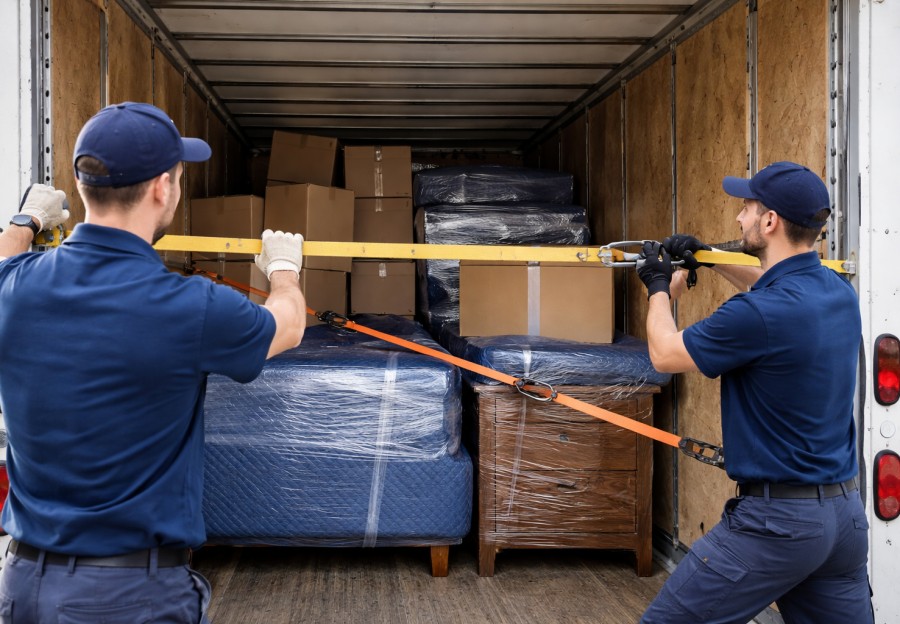
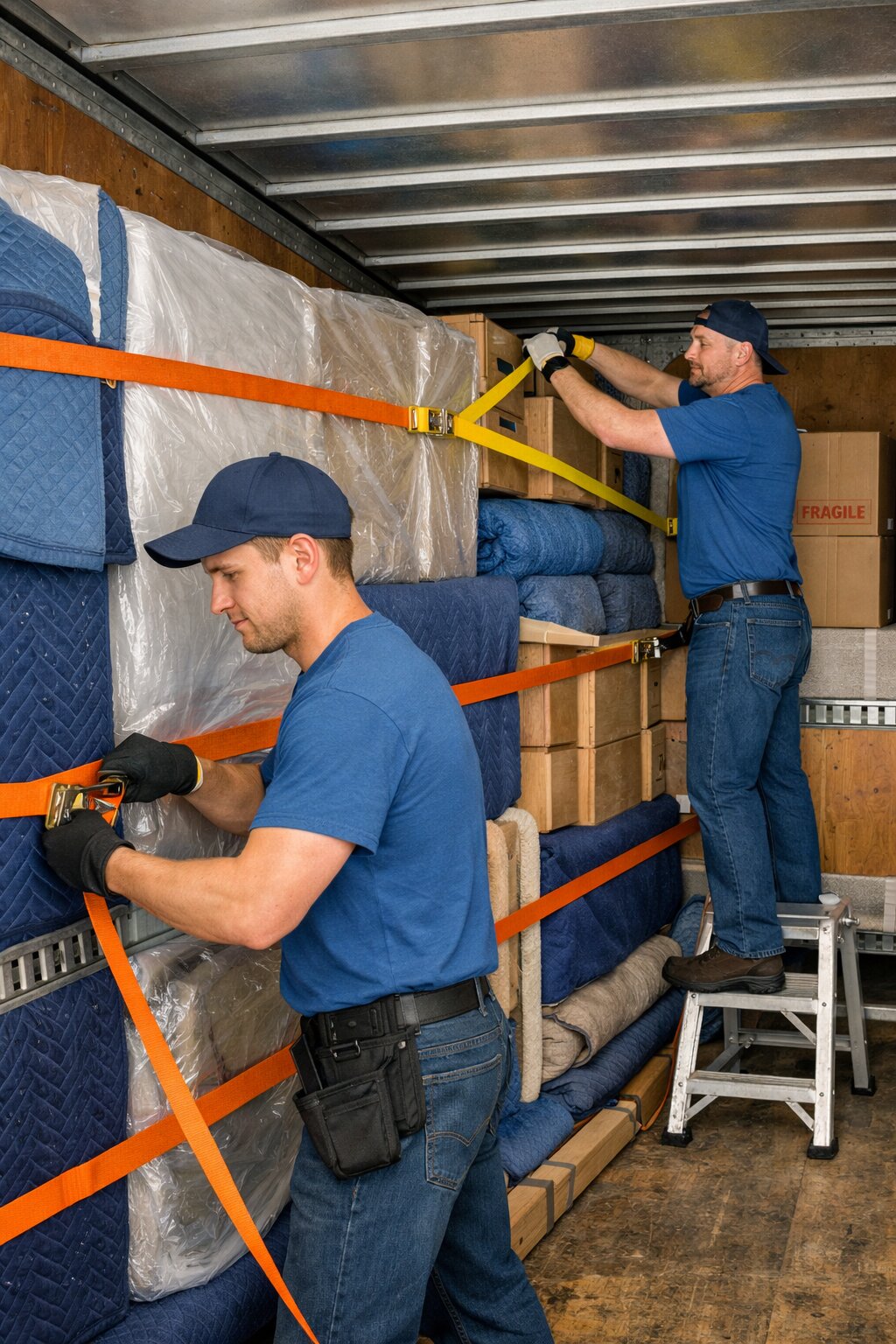
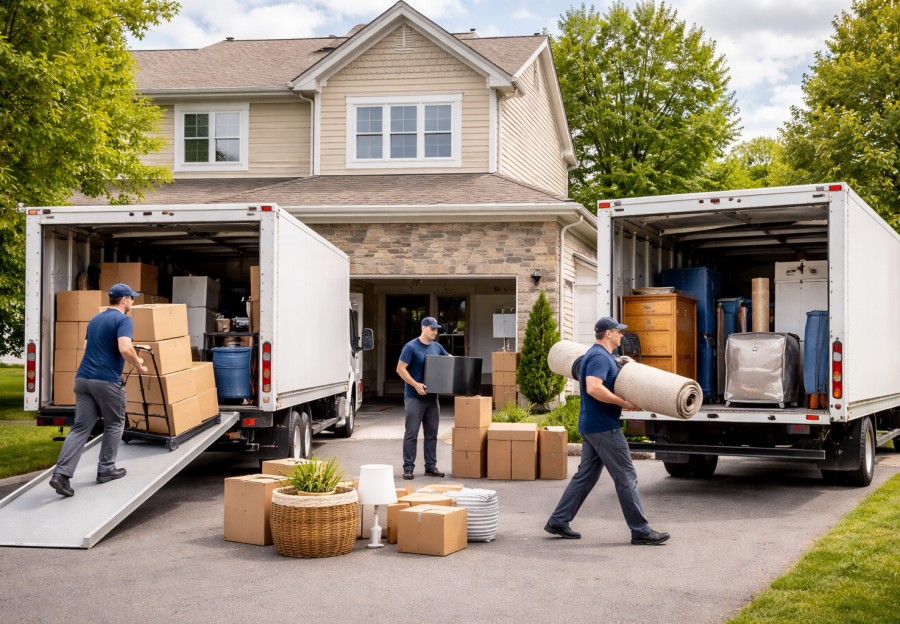
Transport placement inside the truck affects survival. The tank should be secured against padded vertical surfaces such as mattresses and upholstered furniture so it cannot tip or slide. Transportation safety research shows that restrained loads withstand braking forces far better than loose items. Avoid placing heavy objects against the tank even when padded because compression increases crack risk over time.
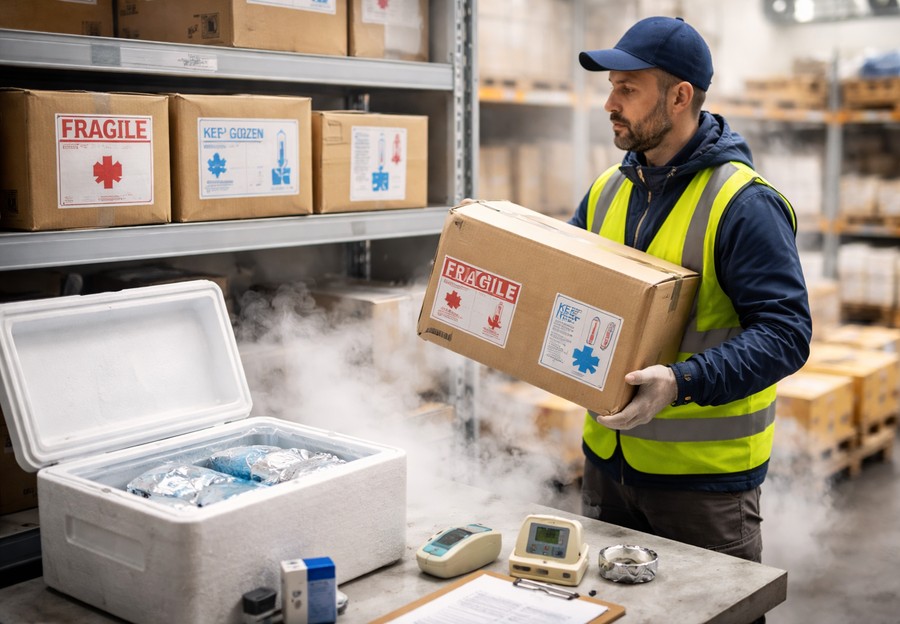
Temperature control during transport protects both fish and seals. Vehicle interior temperature studies show that closed trucks can exceed outdoor temperatures by more than 20 degrees Celsius in under an hour in direct sun. Heat accelerates silicone aging and stresses fish. In cold conditions, insulation and heat packs may be needed for tropical species. Thermal stability reduces shock and improves post move recovery.
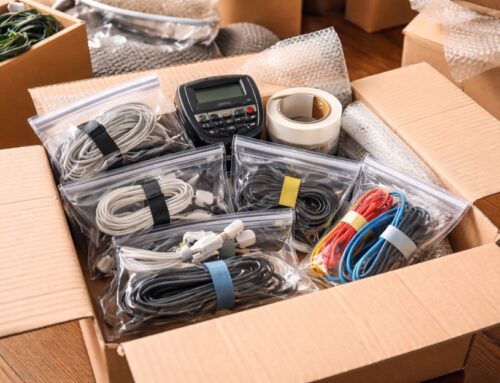
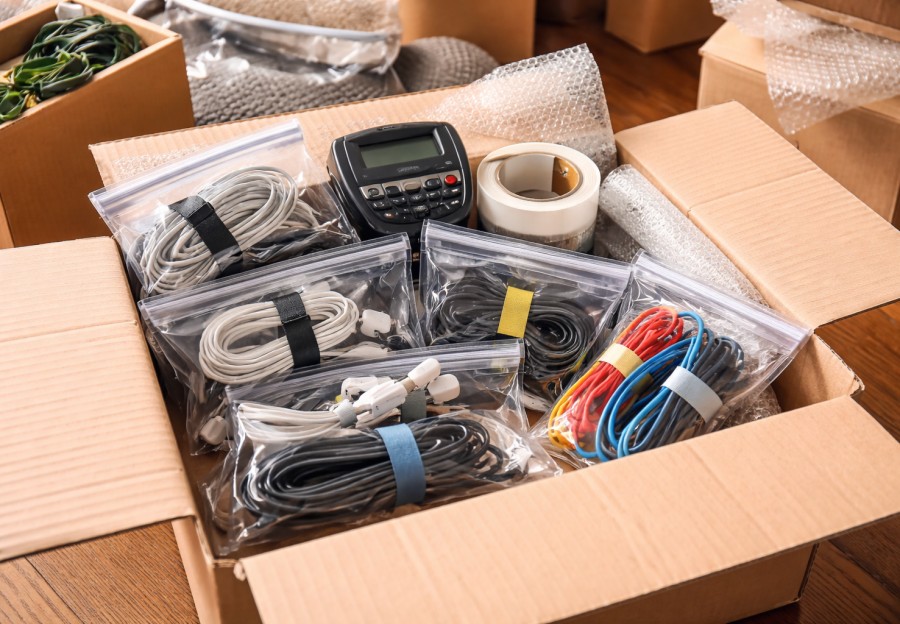
Electrical equipment should be dried thoroughly and packed separately. Moisture trapped in pumps, heaters, and lights can corrode contacts and shorten lifespan. Electronics reliability studies show that condensation accelerates component failure. Keep power cords loosely coiled rather than tightly bent to preserve conductor integrity.
Timing matters for fish. The shorter the transport window, the better. Aquaculture logistics data shows that stress exposure increases with transport duration due to oxygen depletion and waste accumulation. Direct routing and avoiding unnecessary delays improves survival odds.
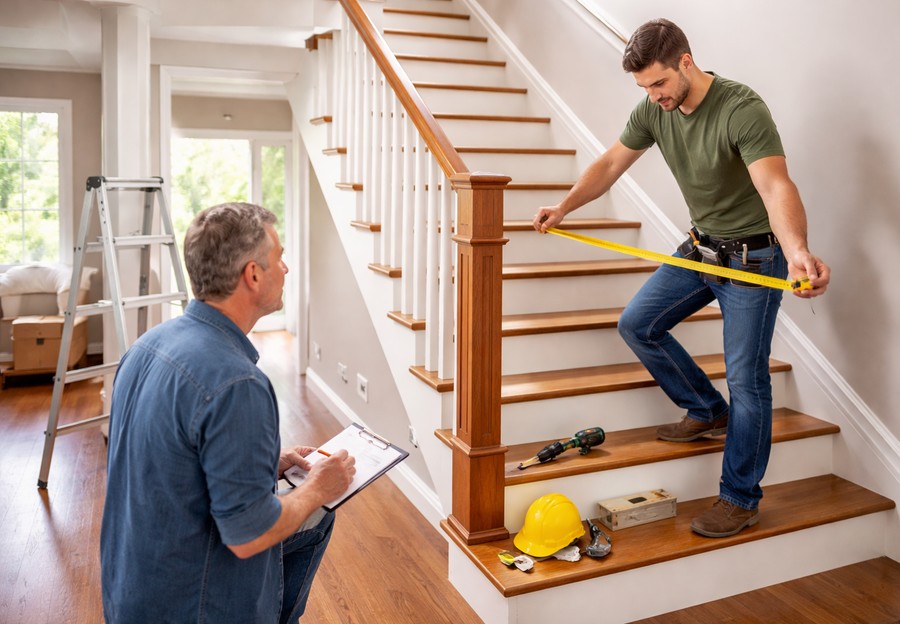
Once you arrive, setup sequence matters. Place the tank in its final position before adding any water or substrate. Floor load distribution should be considered. Residential building codes typically assume live loads of roughly 30 to 40 pounds per square foot in living areas, though this varies by construction. Large aquariums may require placement over load bearing areas or the use of weight distributing stands to avoid long term floor stress.
Add substrate and preserved filter media back first, then partially fill with treated water. Allow temperature to stabilize before introducing fish. Sudden temperature differences between transport water and tank water increase shock risk. Fish acclimation protocols used in aquaculture often recommend gradual mixing to equalize temperature and chemistry.
Monitor water parameters closely for the first several days. Even with preserved bacteria, small ammonia spikes can occur. Aquarium science data shows that early detection and partial water changes prevent larger biological crashes. Patience during this period protects livestock health.
Lighting should remain off initially to reduce fish stress. Bright light increases cortisol levels in fish after transport, according to aquatic behavior studies. A calm low stimulation environment supports recovery.
Leaks should be checked carefully before full stocking. Fill the tank partway and inspect seams and joints for moisture. Catching a slow leak early prevents costly water damage later.
From a cost perspective, careful handling pays off. High quality glass aquariums often cost hundreds or thousands of dollars. Livestock replacement costs add up quickly, especially for rare species. Home repair surveys show that water damage remediation can easily exceed several thousand dollars depending on flooring and structural exposure. Prevention is financially smarter than repair.
Environmental responsibility matters too. Aquarium livestock loss contributes to unnecessary harvesting and waste. Sustainable aquarium practices emphasize minimizing mortality during transport to reduce environmental impact and preserve ethical standards.
Psychologically, aquarium moves create unique stress because you feel responsible for living creatures. Stress research shows that perceived responsibility amplifies anxiety during complex tasks. Having a clear plan grounded in biology and physics reduces that emotional load and increases confidence.
Safely moving aquariums comes down to weight management, biological preservation, temperature control, vibration protection, proper lifting, secure transport, and patient re setup. Real data from aquaculture science, materials engineering, transportation safety, and occupational health all support these principles because living systems and glass structures follow predictable rules.
When done correctly, fish arrive calm, filtration stabilizes quickly, and the tank settles back into balance without drama. Instead of dealing with cracked glass, stressed fish, and water cleanup, you get to enjoy your aquarium again in its new home, knowing you protected both the animals and the investment with care and intention.