
March 10, 2026
Best practices for moving with expensive decor
Expensive decor changes how a move feels. A sofa can be replaced. A rare sculpture, original artwork, custom mirror, or hand finished vase often cannot. These pieces carry financial value, emotional value, and sometimes long term investment value. The stress comes from knowing that one careless bump or rushed shortcut can cause permanent damage. The good news is that protecting high value decor follows predictable rules backed by real data from materials science, packaging research, and insurance trends. When those rules are applied consistently, risk drops sharply and confidence rises.
The financial stakes are real. Home decor market data shows that premium decorative items such as original art, designer lighting, luxury mirrors, and custom furniture often range from several thousand dollars into six figures depending on provenance and craftsmanship. Moving insurance claim summaries consistently show that fragile decor represents a disproportionate share of high value claims because damage is expensive to restore and sometimes impossible to reverse. Preventing damage costs far less than repairing it later.
The first principle is understanding what actually damages decor during a move. It is rarely one dramatic drop. It is usually vibration, friction, pressure points, temperature swings, moisture exposure, and rushed handling. Packaging engineering studies show that continuous low level vibration during transport causes micro movement between surfaces that leads to finish wear, joint fatigue, and loosening of fasteners even without visible impact. That means even short moves deserve full protection.
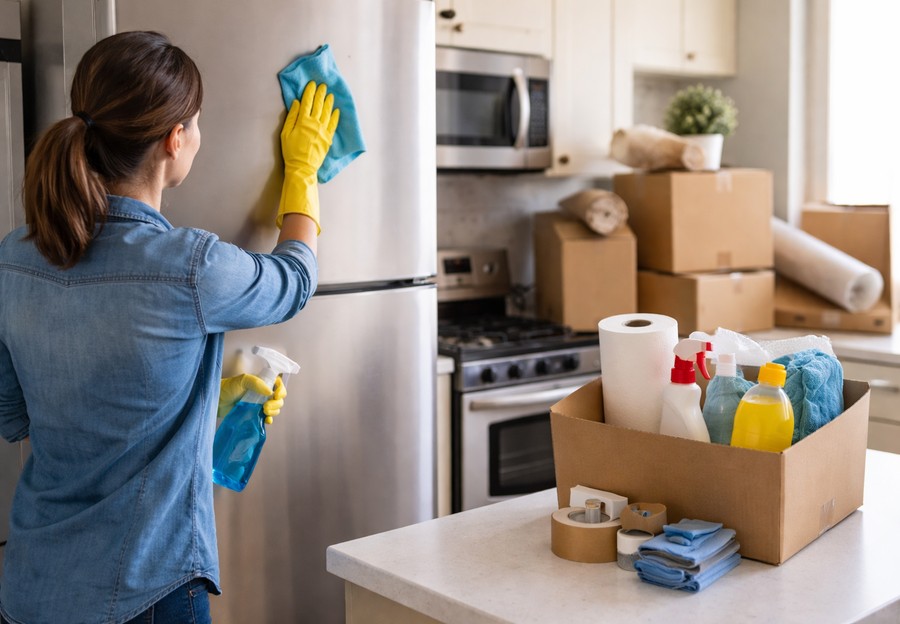
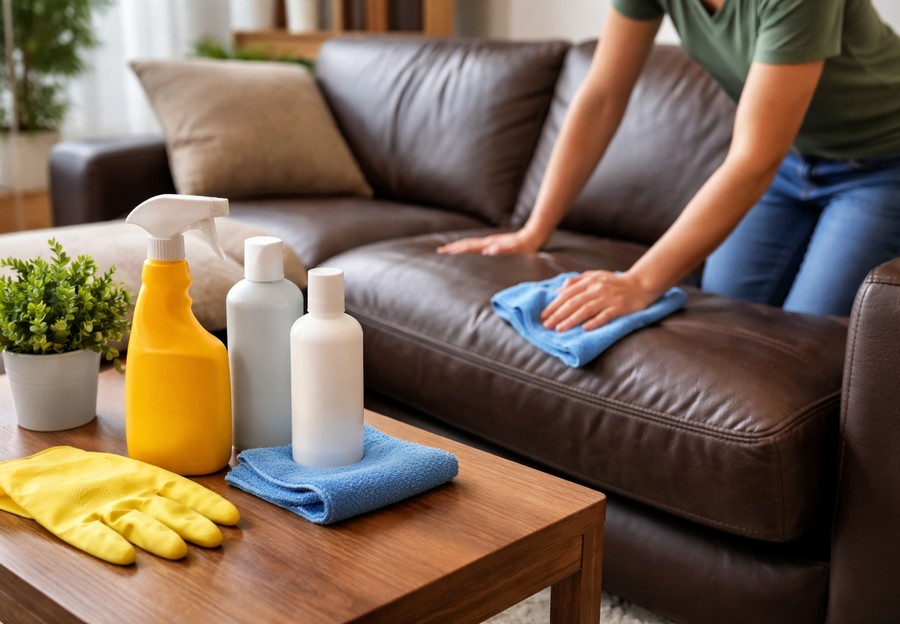
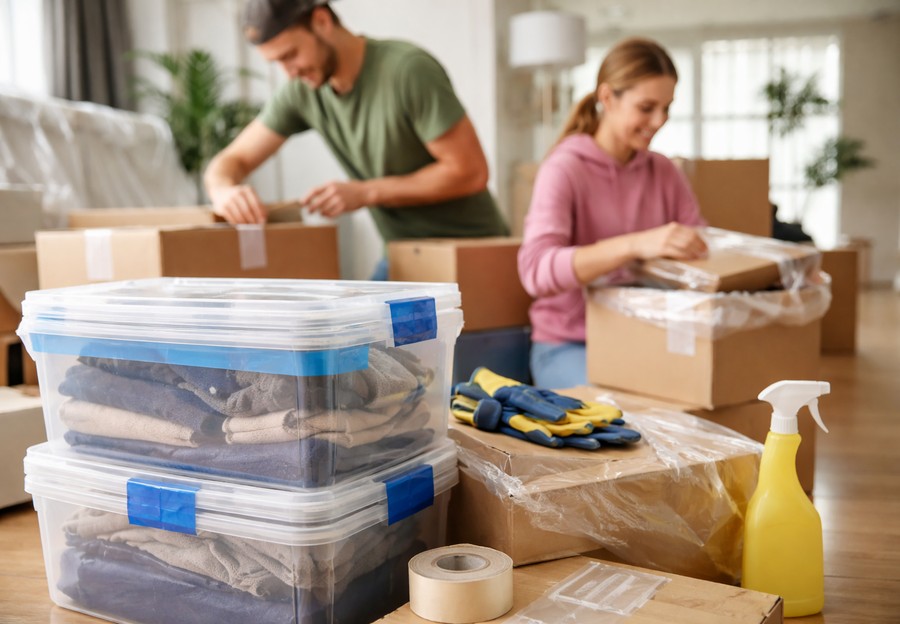
Surface preparation matters more than people expect. Dust and grit behave like sandpaper under vibration. Flooring and furniture care research shows that fine particulate abrasion is one of the leading causes of finish dulling and micro scratching. Gently wiping surfaces before wrapping removes abrasive particles that could grind into lacquer, polish, or metallic finishes during transit.
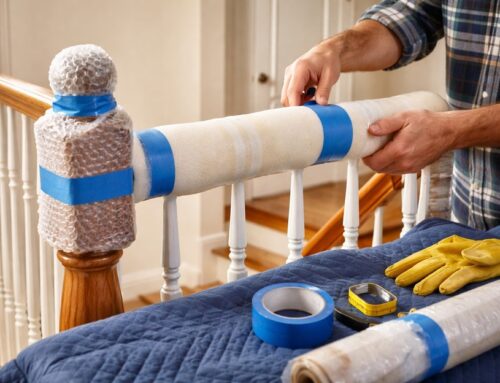
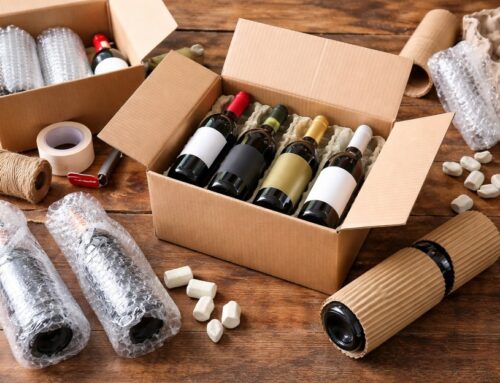
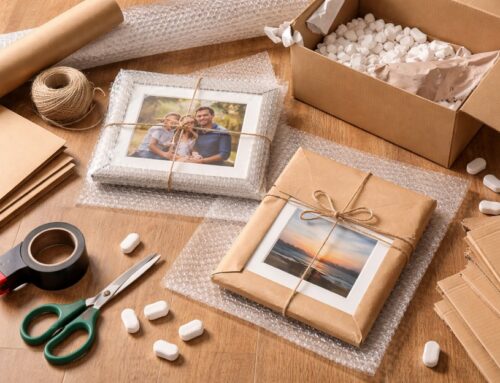
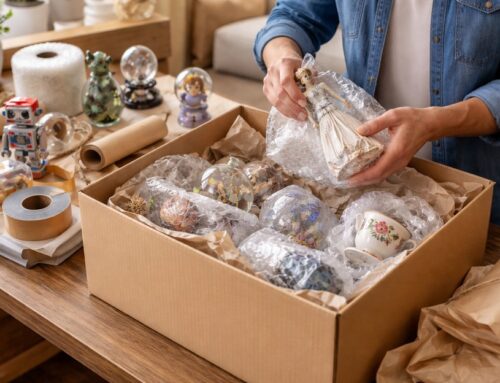
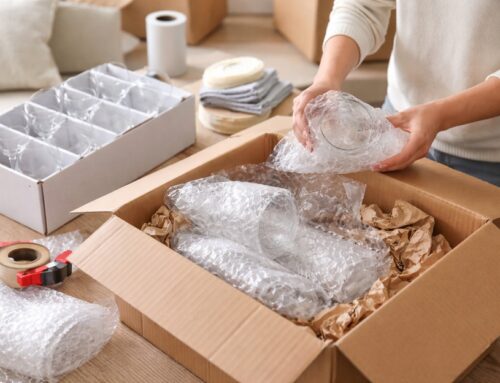
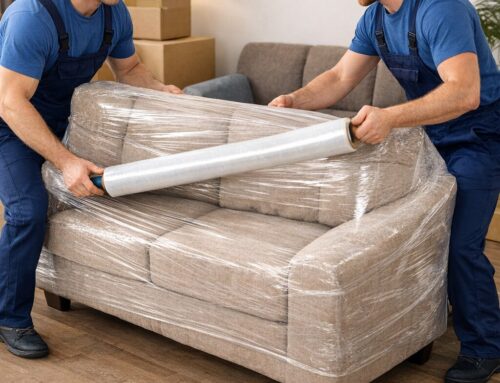
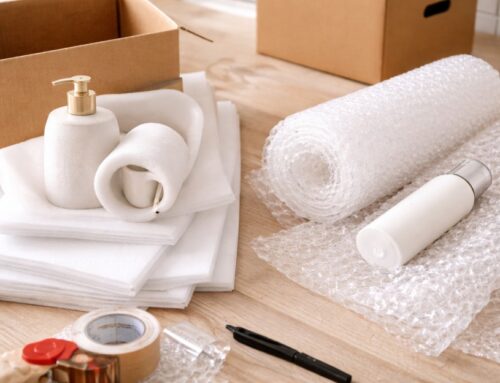
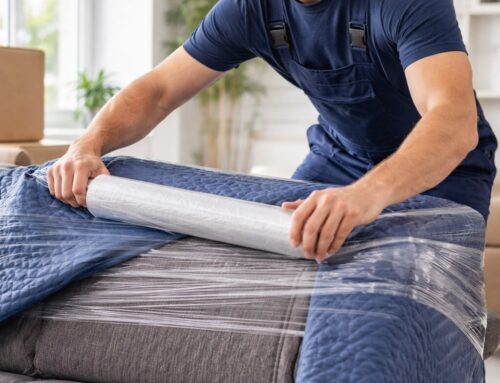
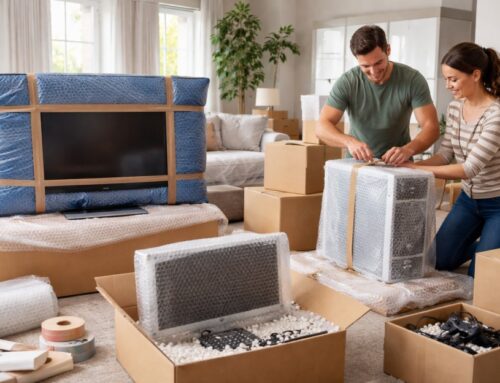
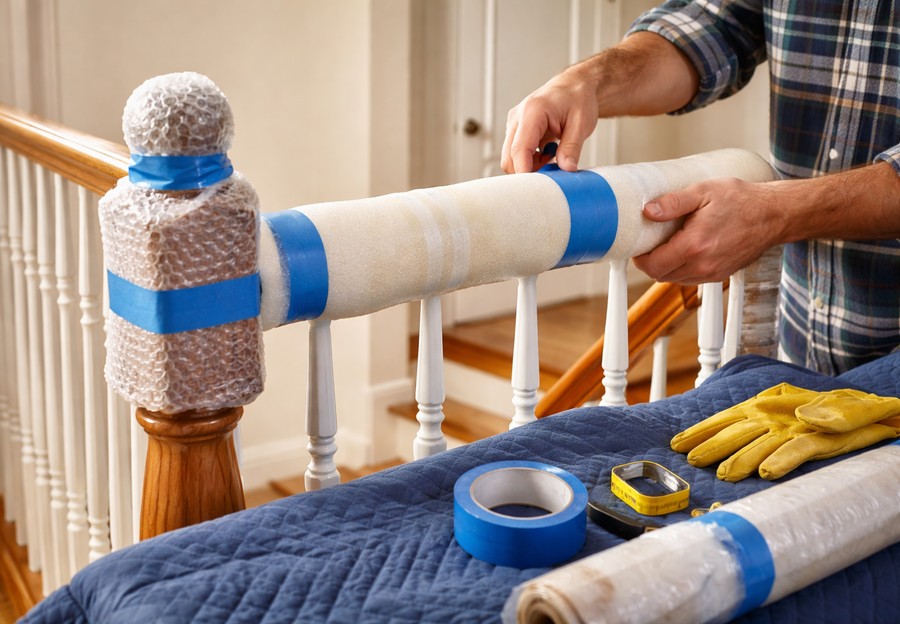
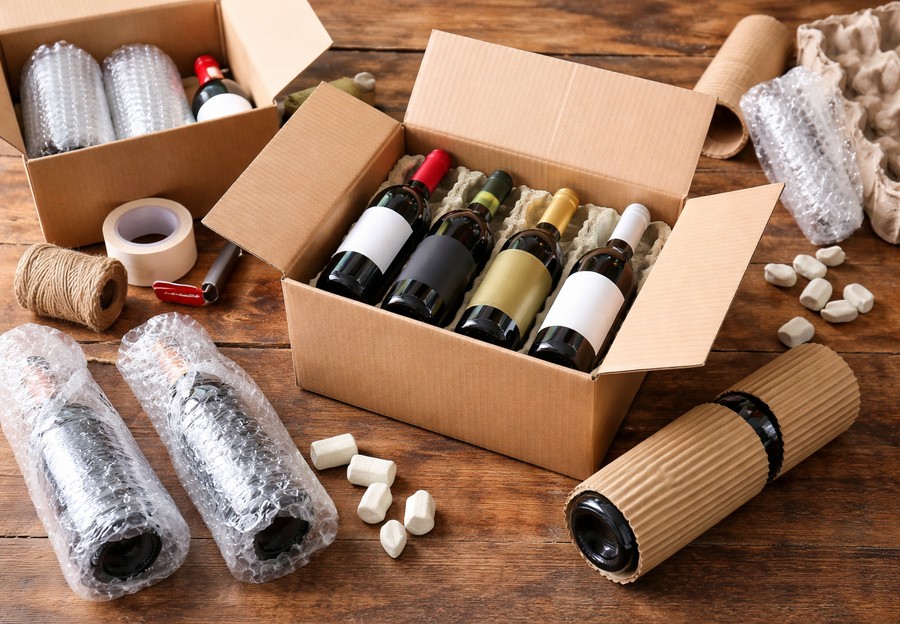
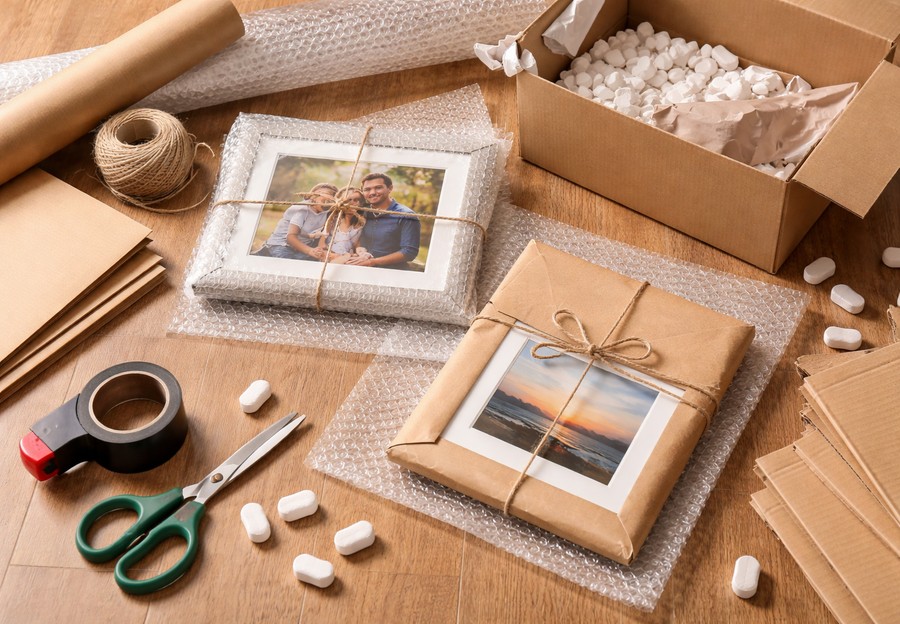
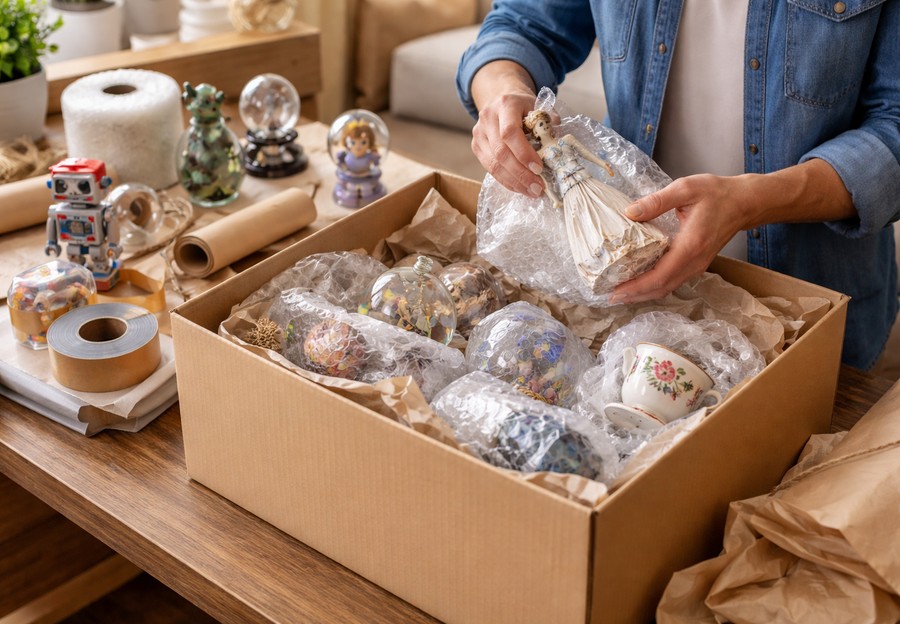
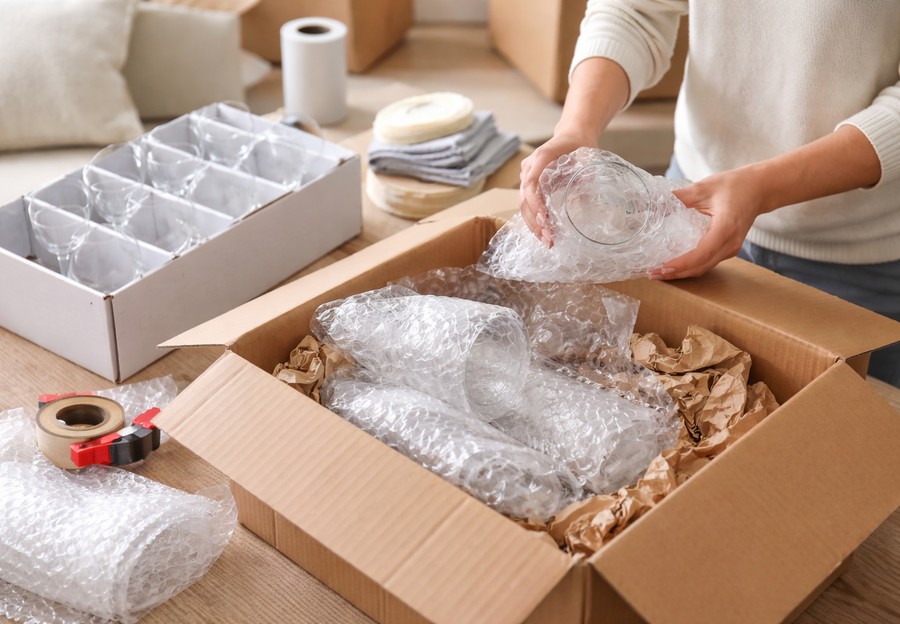
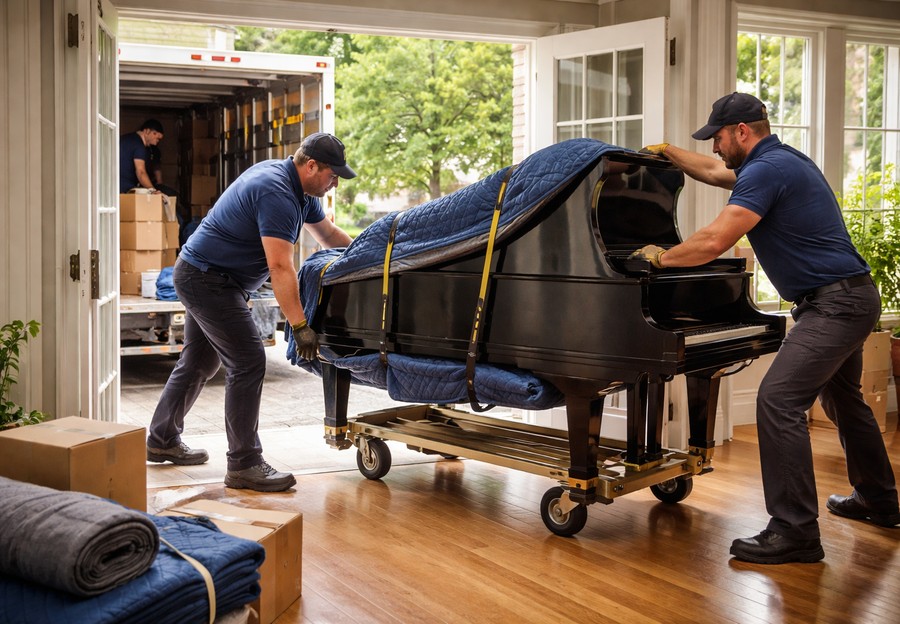
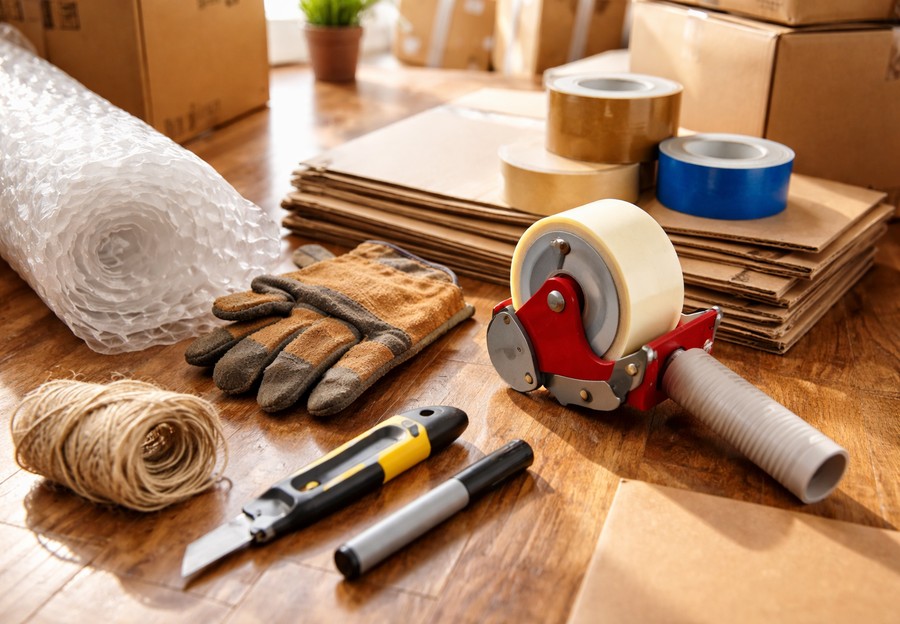
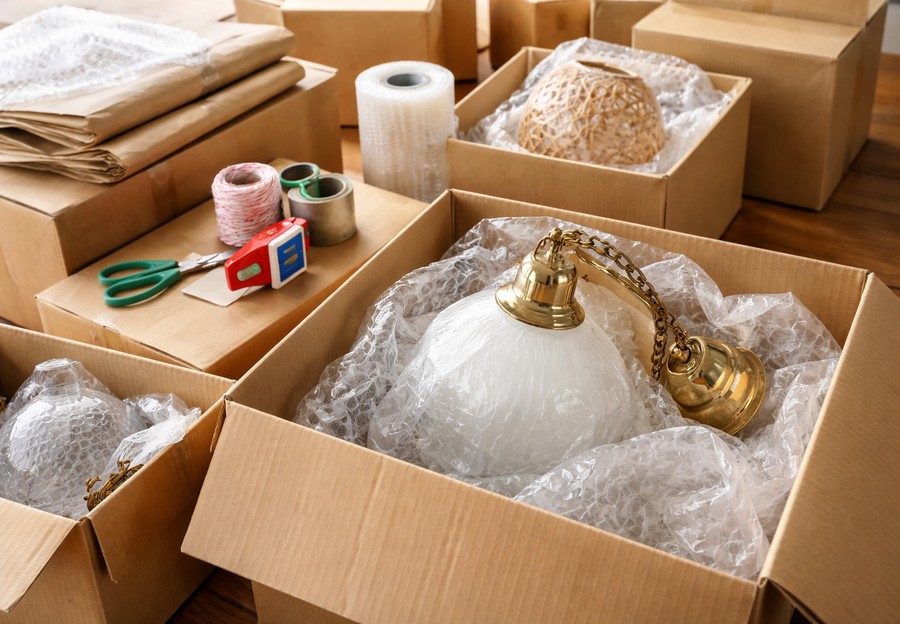
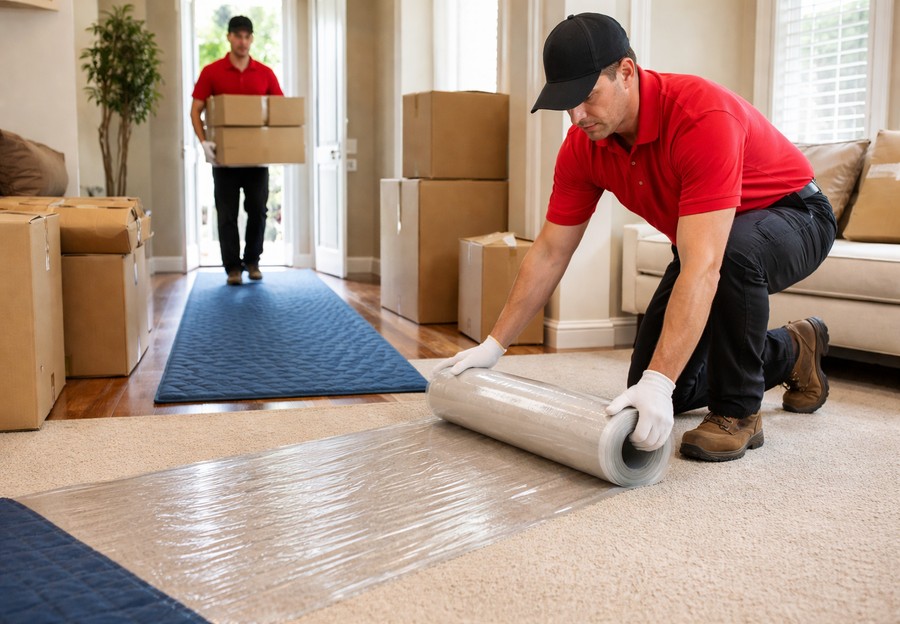
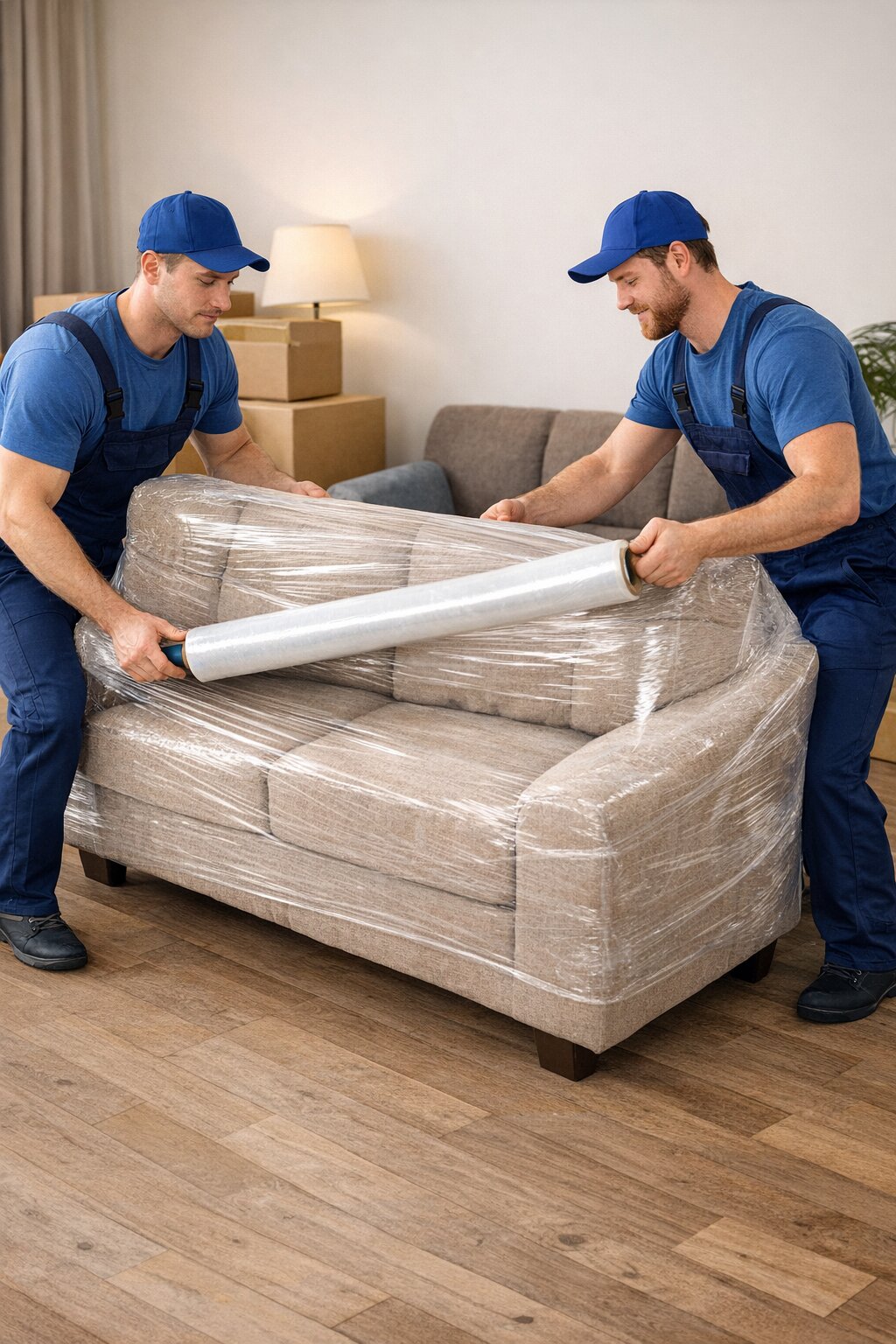
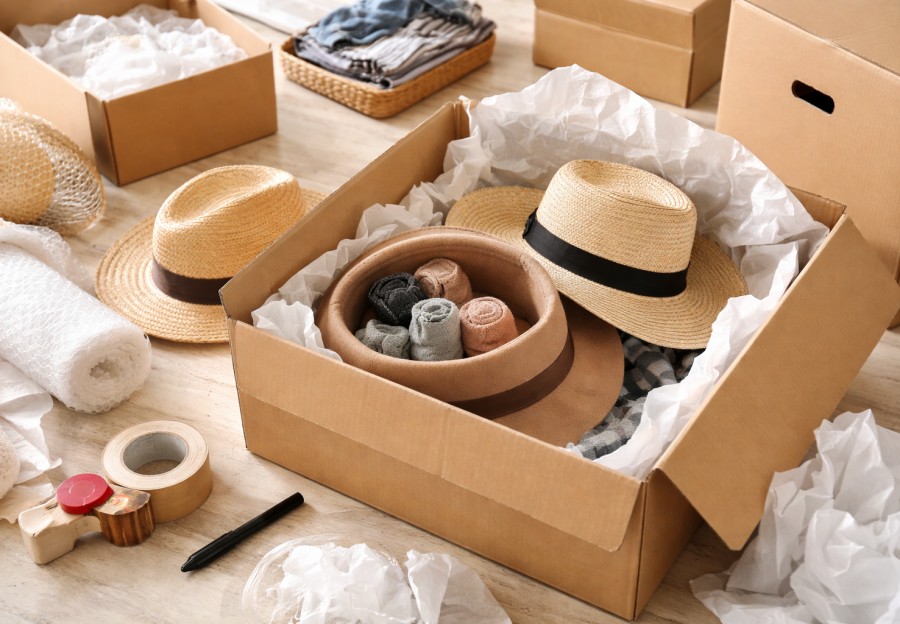
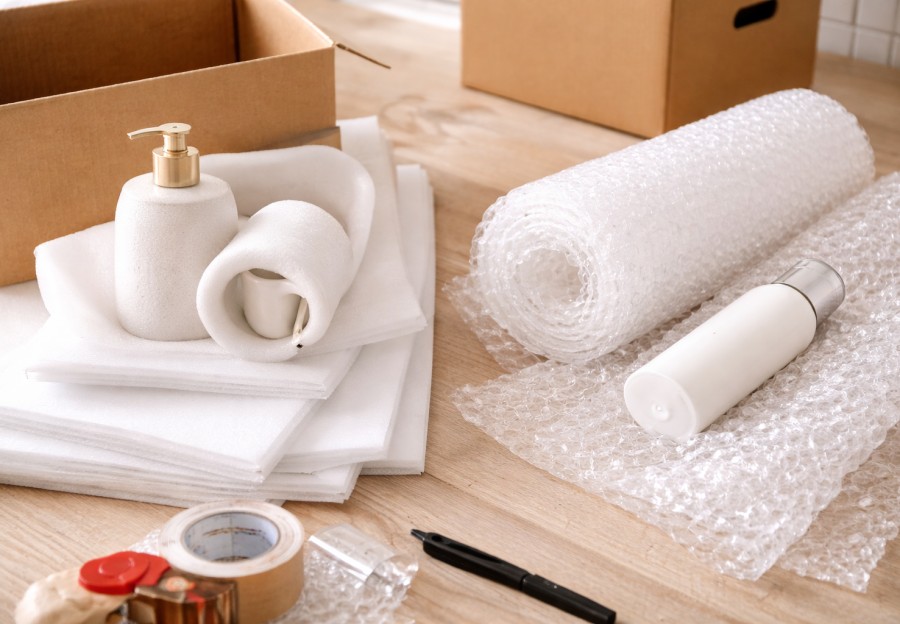
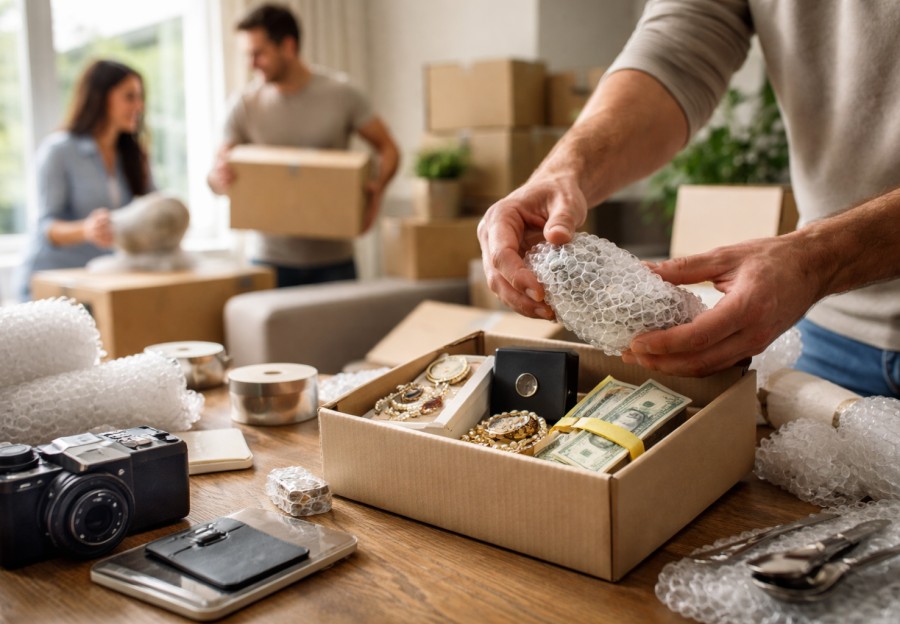
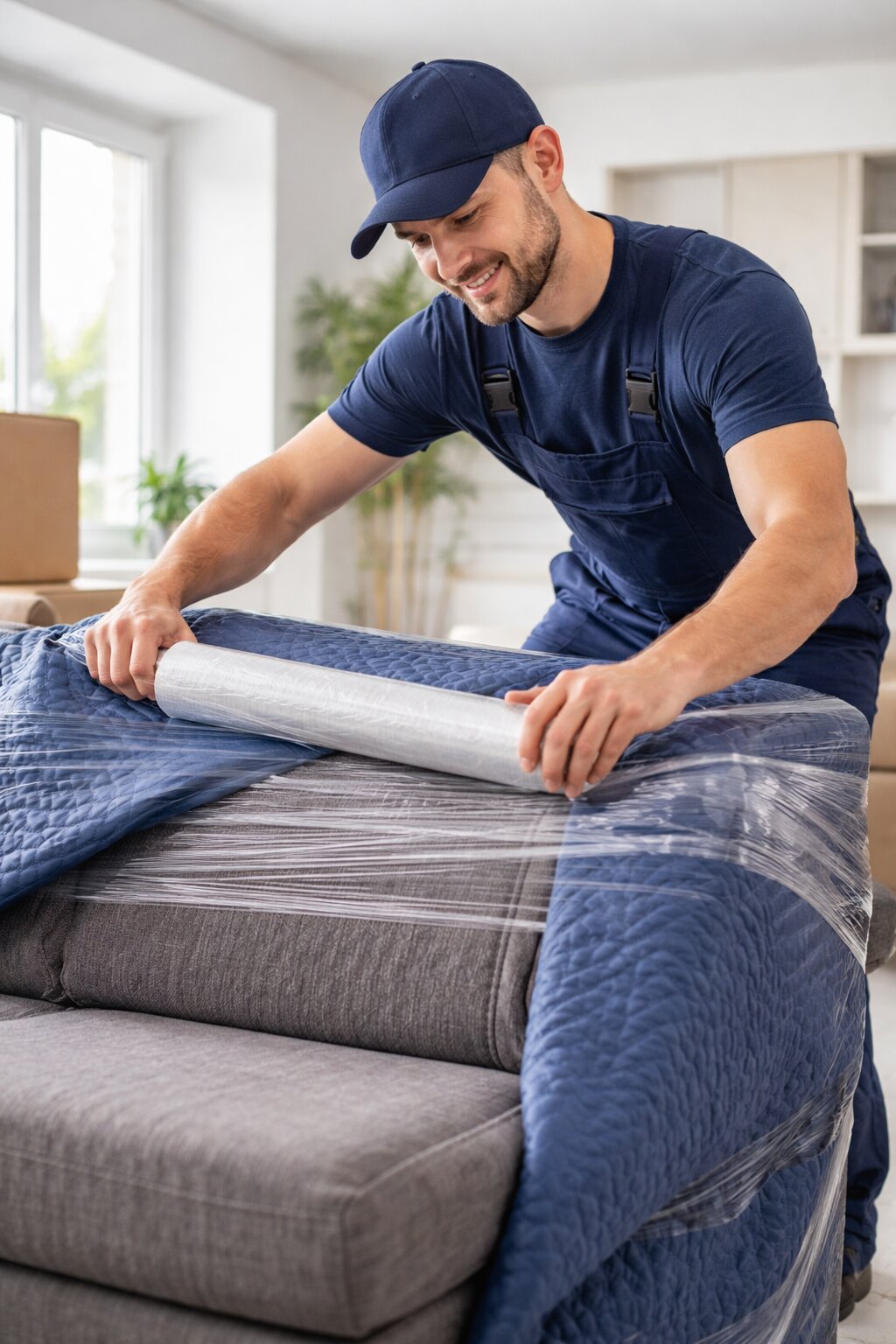
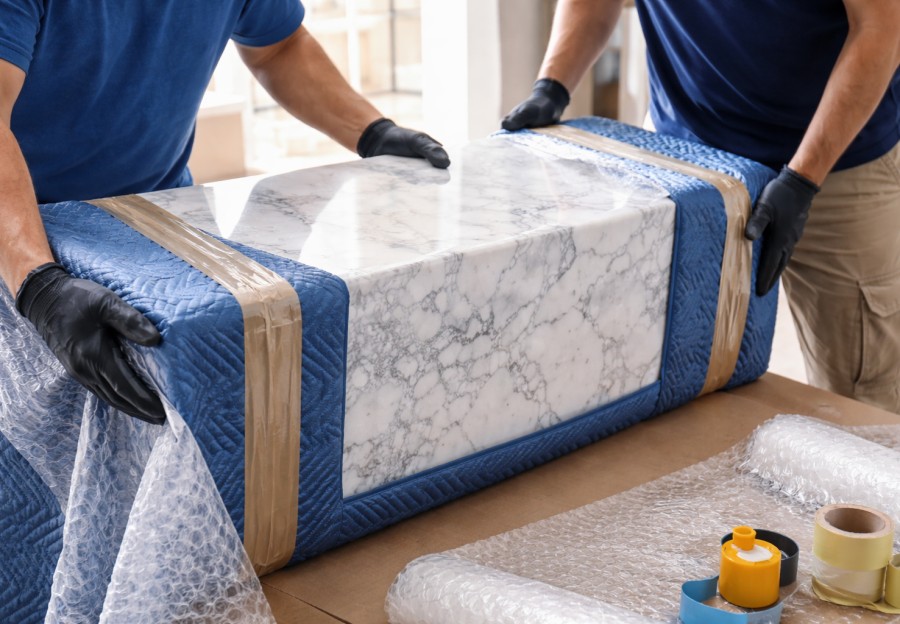
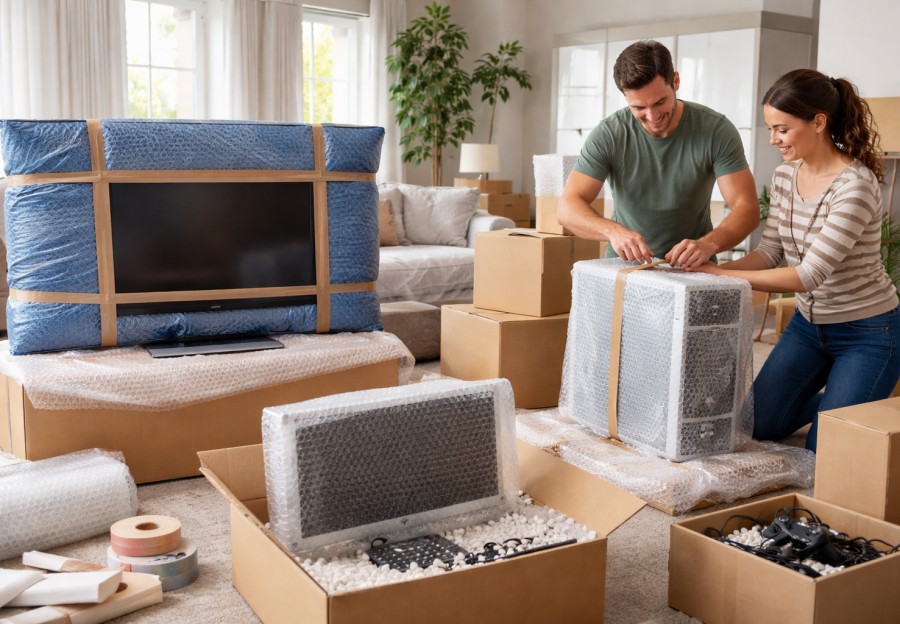
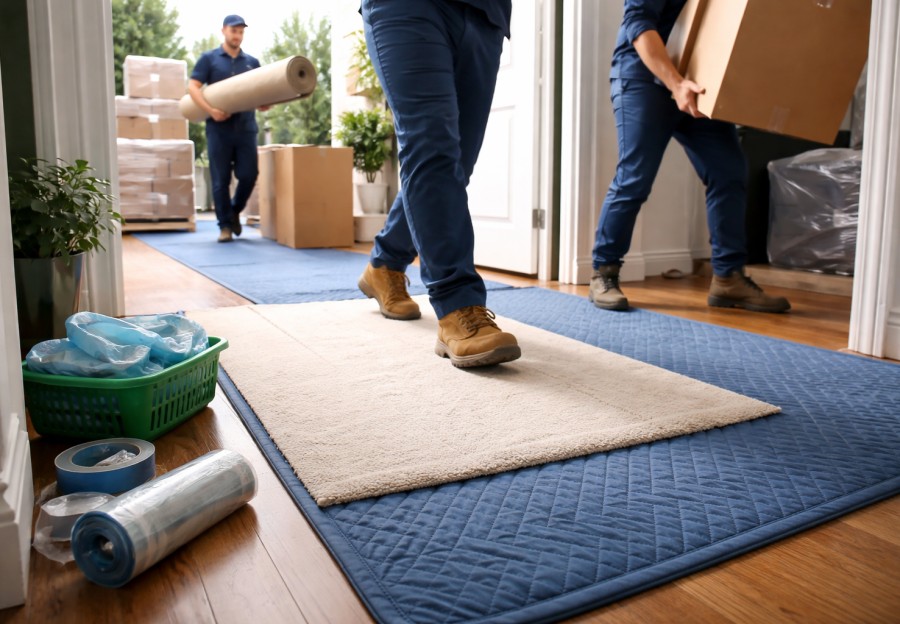
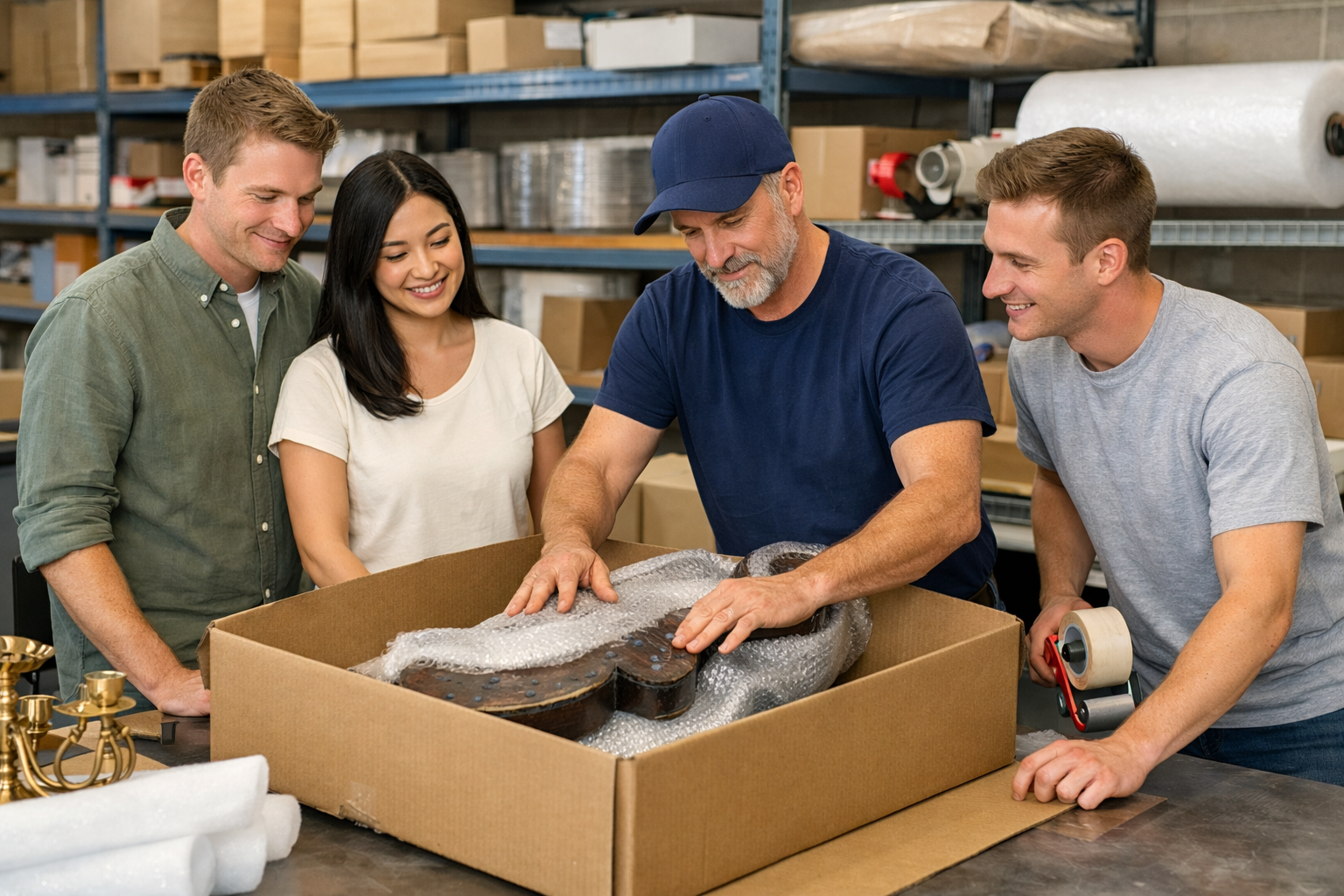
Layered padding protects against both impact and vibration. Thick moving blankets, foam sheets, and quilted pads absorb shock energy and prevent direct surface contact. Packaging lab testing shows that layered cushioning reduces peak impact forces by more than 50 percent compared with thin single layer padding. Even an extra inch of padding dramatically lowers transmitted force during bumps and sudden stops.
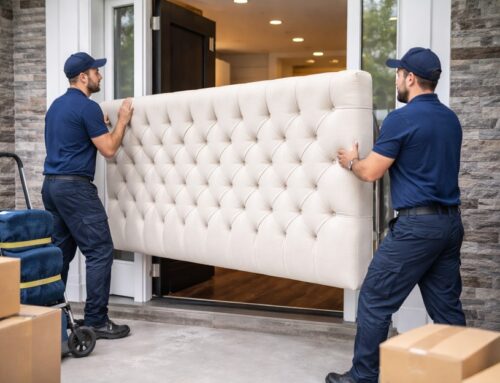
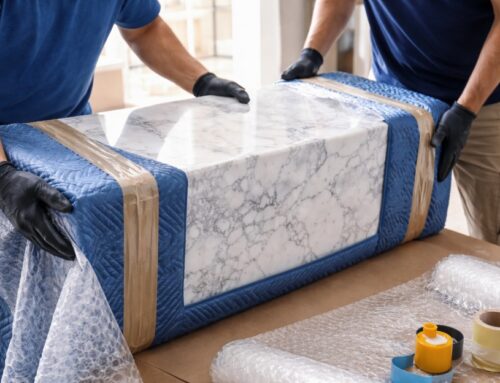
Rigid support is just as important as soft padding. Artwork, mirrors, marble pieces, glass shelving, and framed decor benefit from rigid boards placed on both sides. This creates a protective sandwich that distributes pressure across a wider area. Physics explains why this works. Pressure equals force divided by area. Increasing the contact area reduces stress concentration that causes cracks and chips.
Edges and corners deserve special attention because they concentrate stress. Damage analysis in furniture and art handling consistently shows that corners and protruding edges account for a large percentage of visible damage. Reinforcing these areas with extra padding or edge guards absorbs impact energy where failure risk is highest.
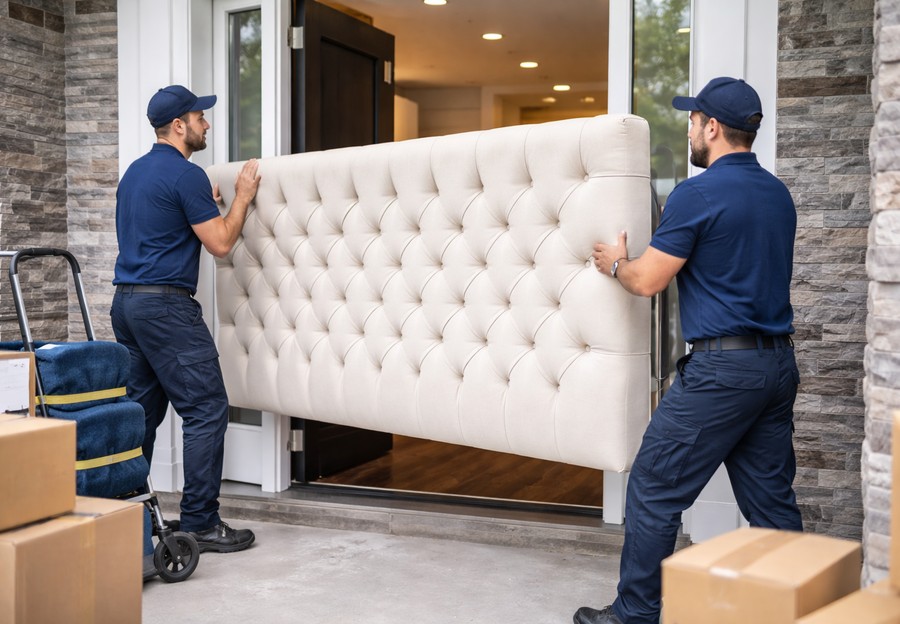
Orientation during transport plays a major role. Large flat decor pieces such as mirrors, stone slabs, framed art, and glass panels travel more safely upright rather than flat. Stone fabricators and art shippers routinely transport slabs vertically because horizontal positioning increases bending stress under vibration. Vehicle dynamics research shows that vibration transfers more aggressively through flat surfaces resting on uneven supports. Upright positioning reduces flex and distributes forces more evenly.
Moisture control protects finishes and adhesives. Vehicle interior temperature studies show that closed trucks can exceed outdoor temperatures by more than 20 degrees Celsius in under an hour under direct sun. As temperatures fluctuate, condensation can form inside sealed wrapping. Moisture softens wood fibers, weakens adhesives, and promotes staining on porous materials. Including breathable padding layers and avoiding sealing damp surfaces reduces condensation risk. Silica gel packets absorb a significant portion of their weight in moisture and help stabilize humidity inside packaging.
Temperature swings affect materials differently. Wood expands and contracts with humidity changes. Metal finishes react to condensation. Adhesives soften under heat. Polymer finishes become more flexible in heat and more brittle in cold according to materials durability studies. Keeping expensive decor away from truck walls where temperature swings are strongest provides a more stable micro environment.
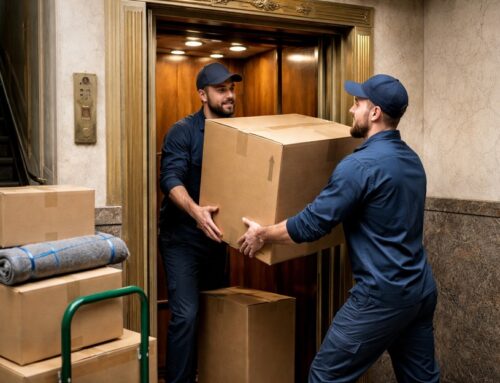
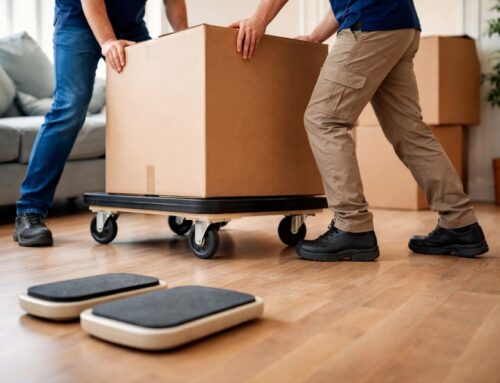
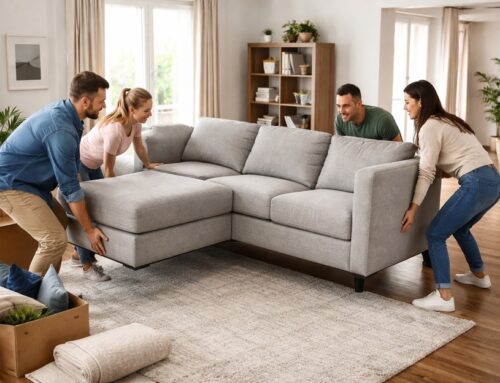
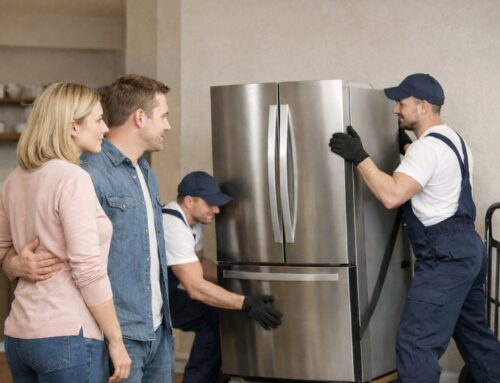
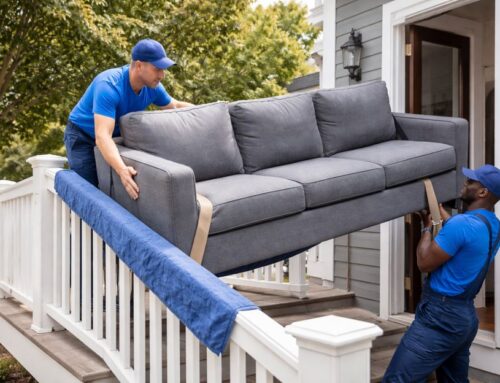
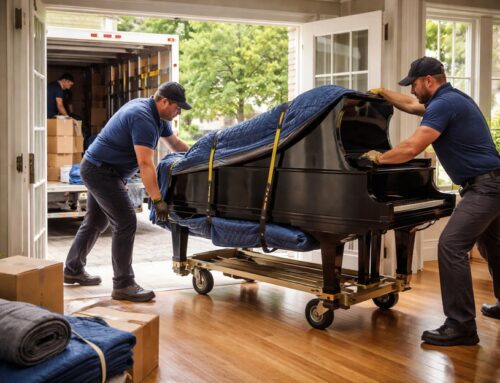
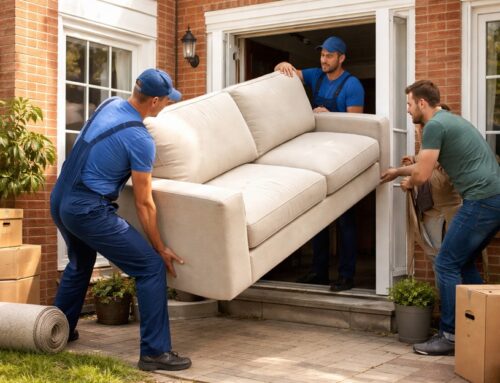
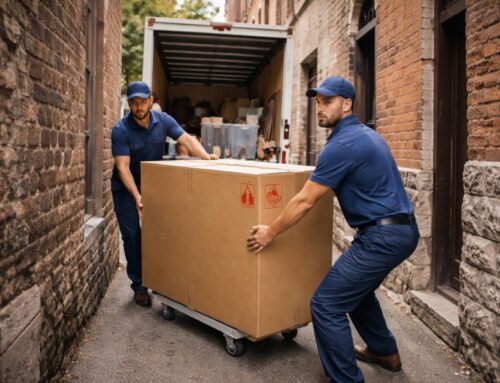
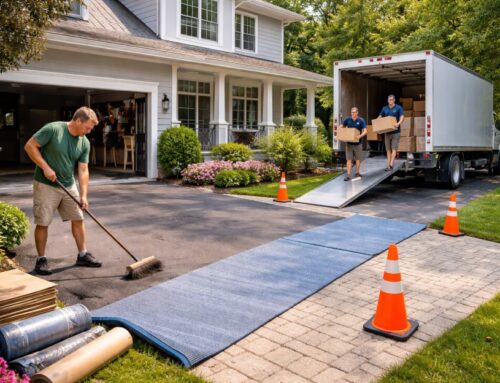
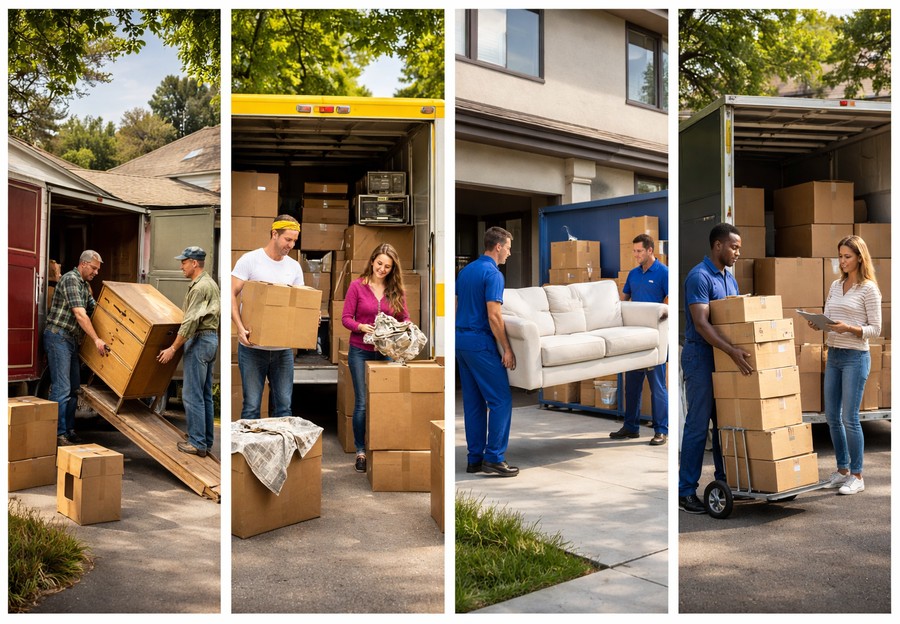
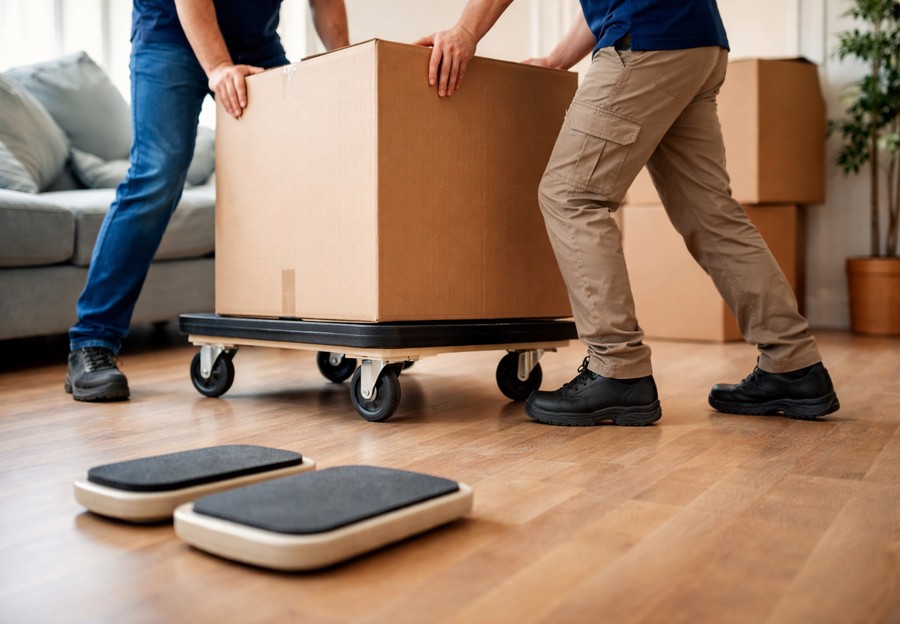
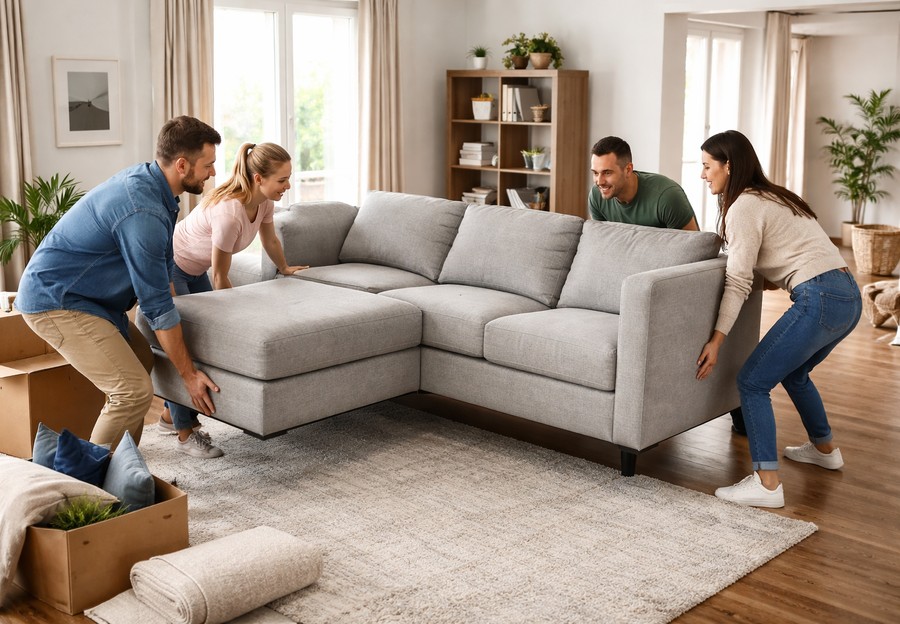
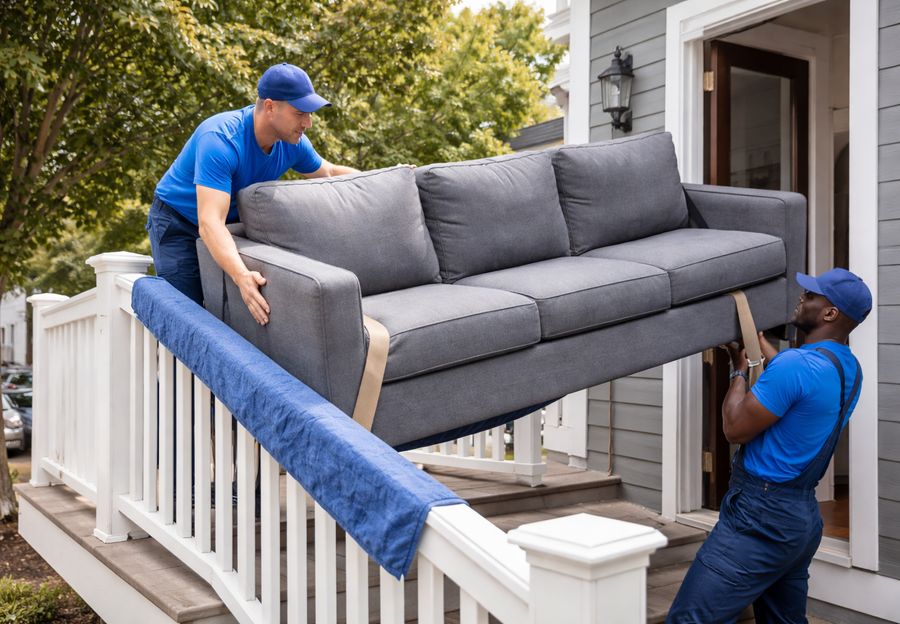
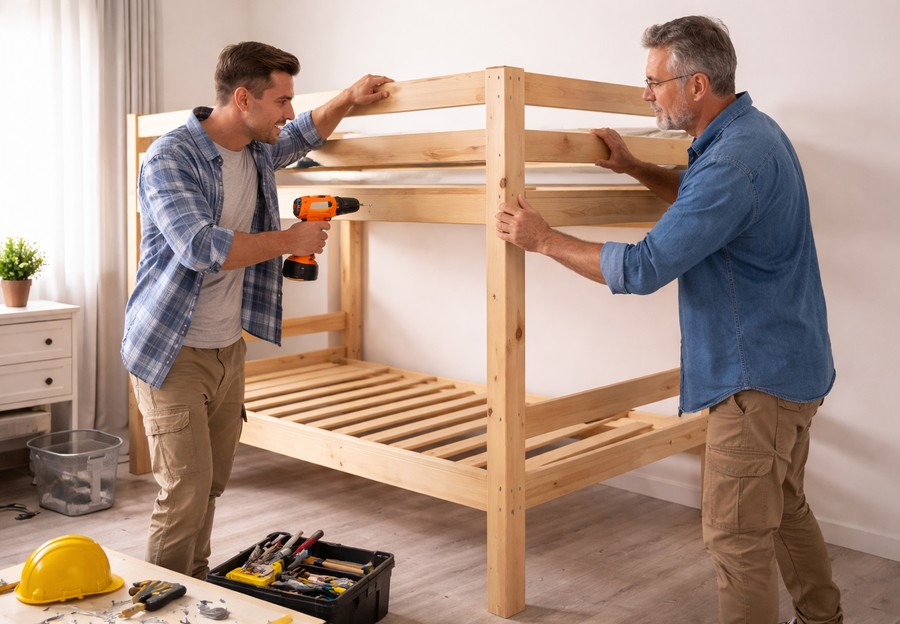
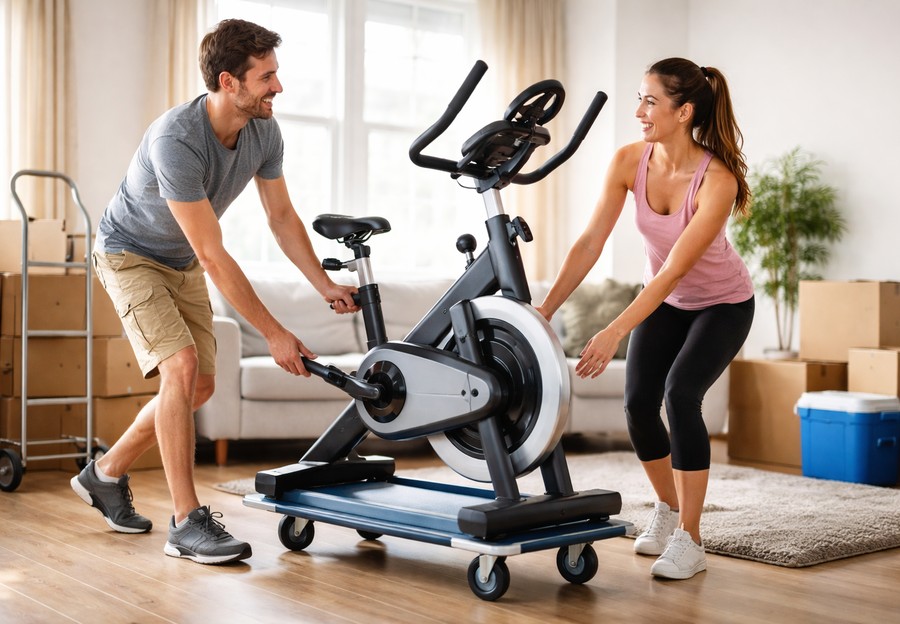
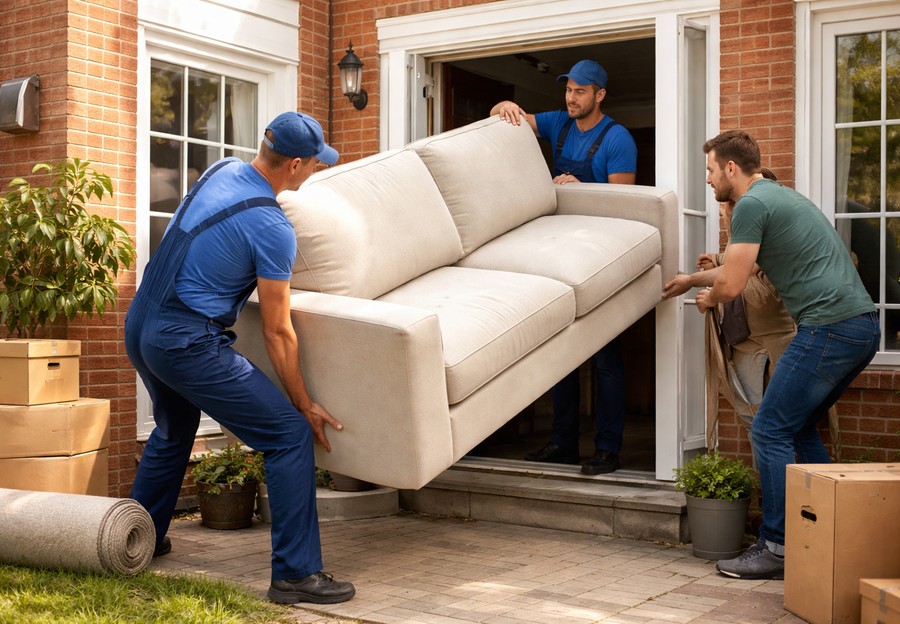
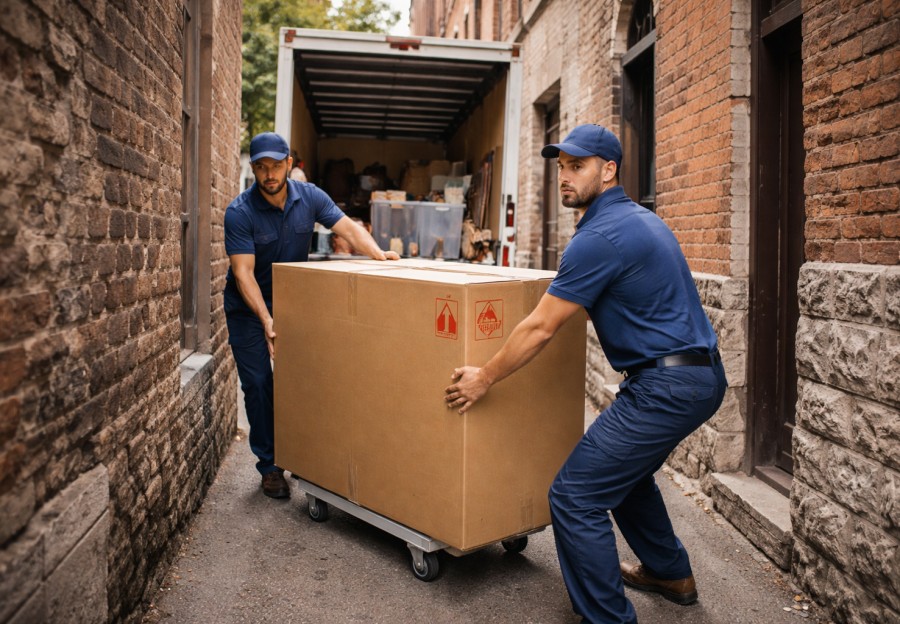
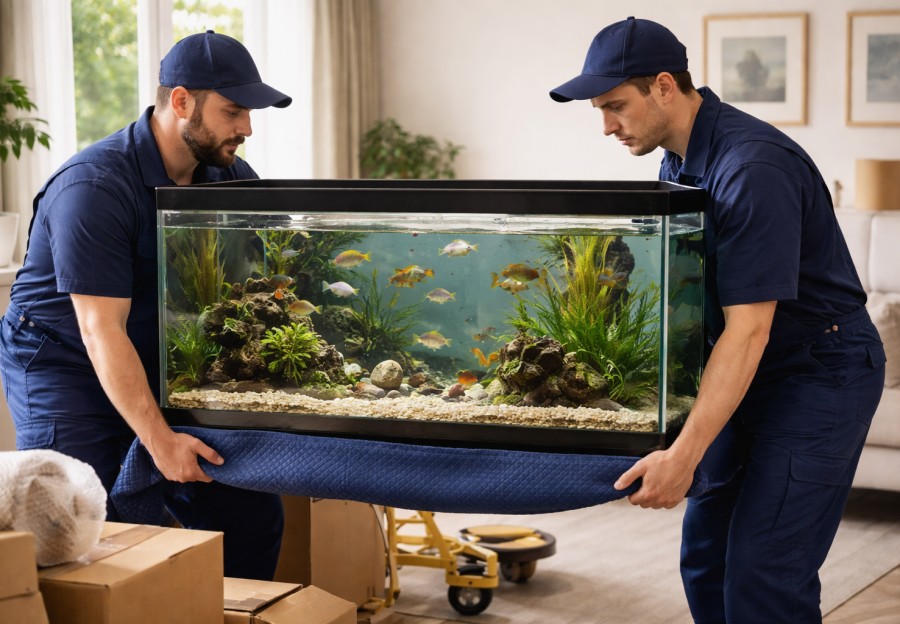
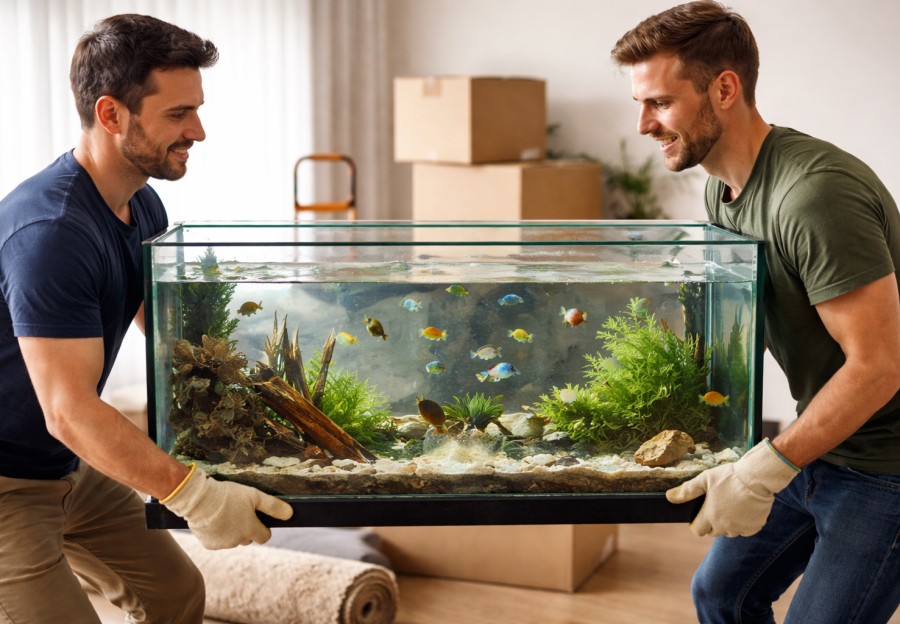
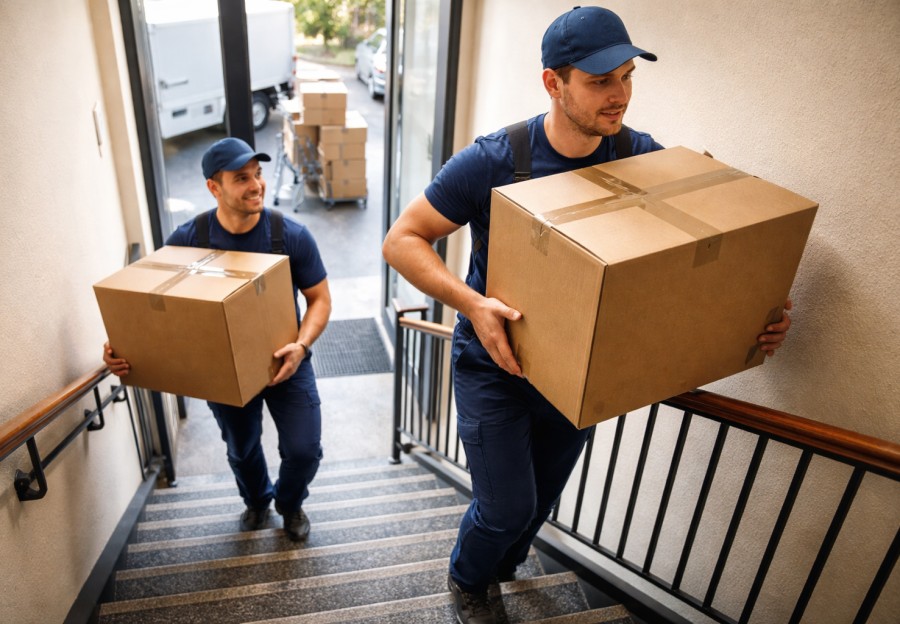
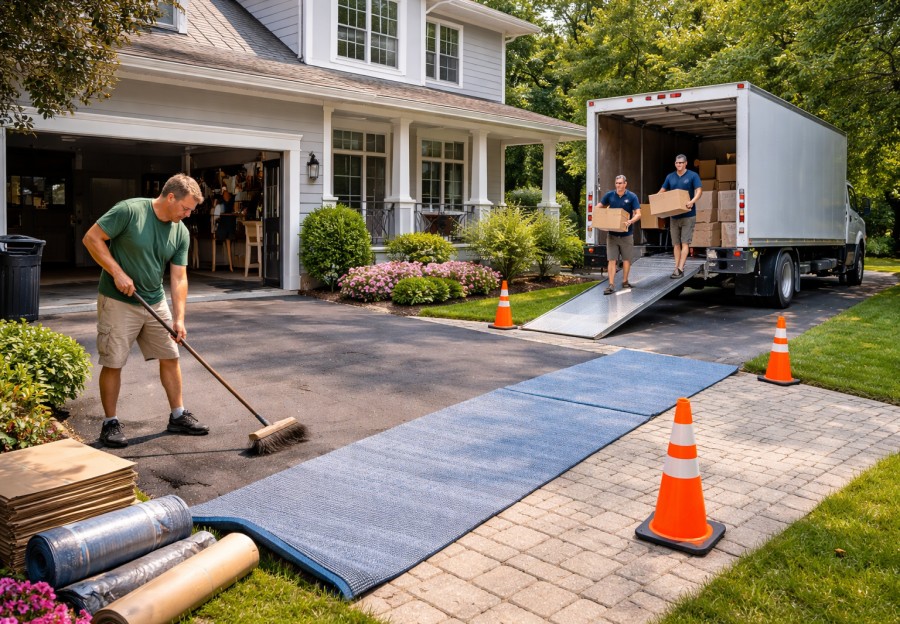
Handling technique matters as much as packaging. The Bureau of Labor Statistics reports that overexertion and contact with objects are leading causes of injury in material handling work. The same motions that strain people also damage objects. Slow controlled movements, clear pathways, and adequate manpower reduce accidental bumps and torque stress on fragile pieces.
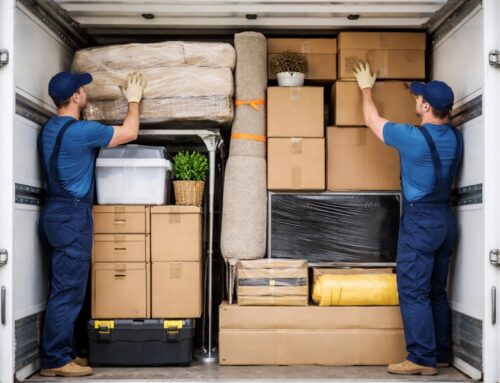
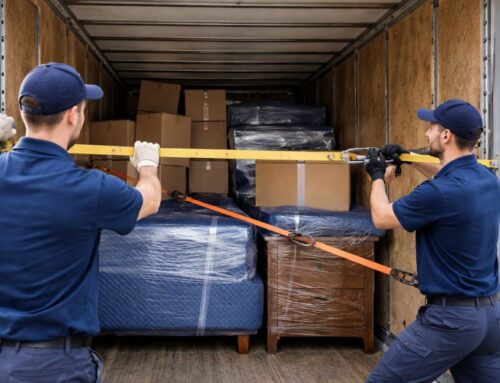
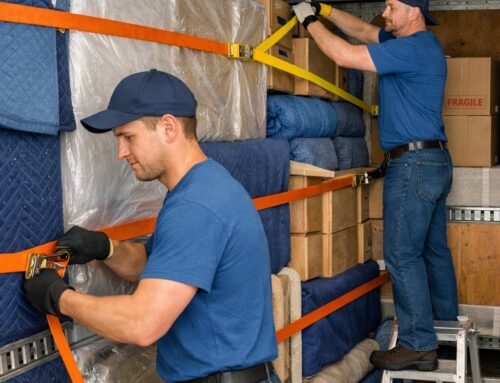
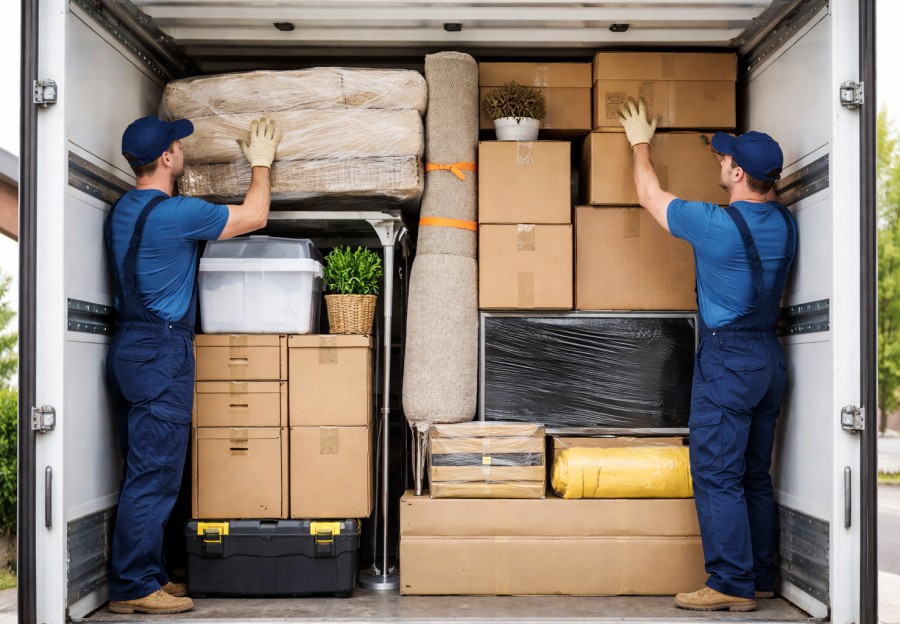
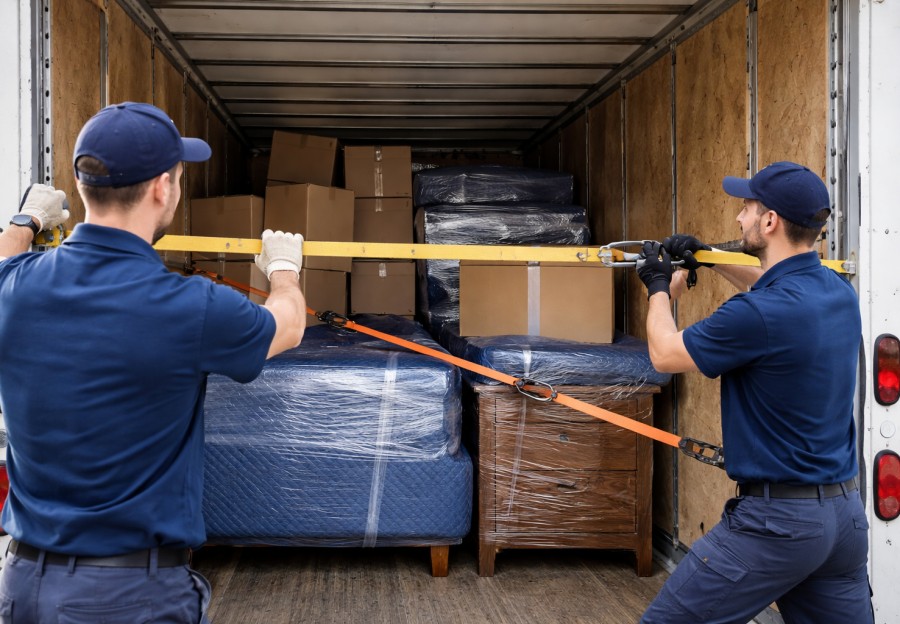
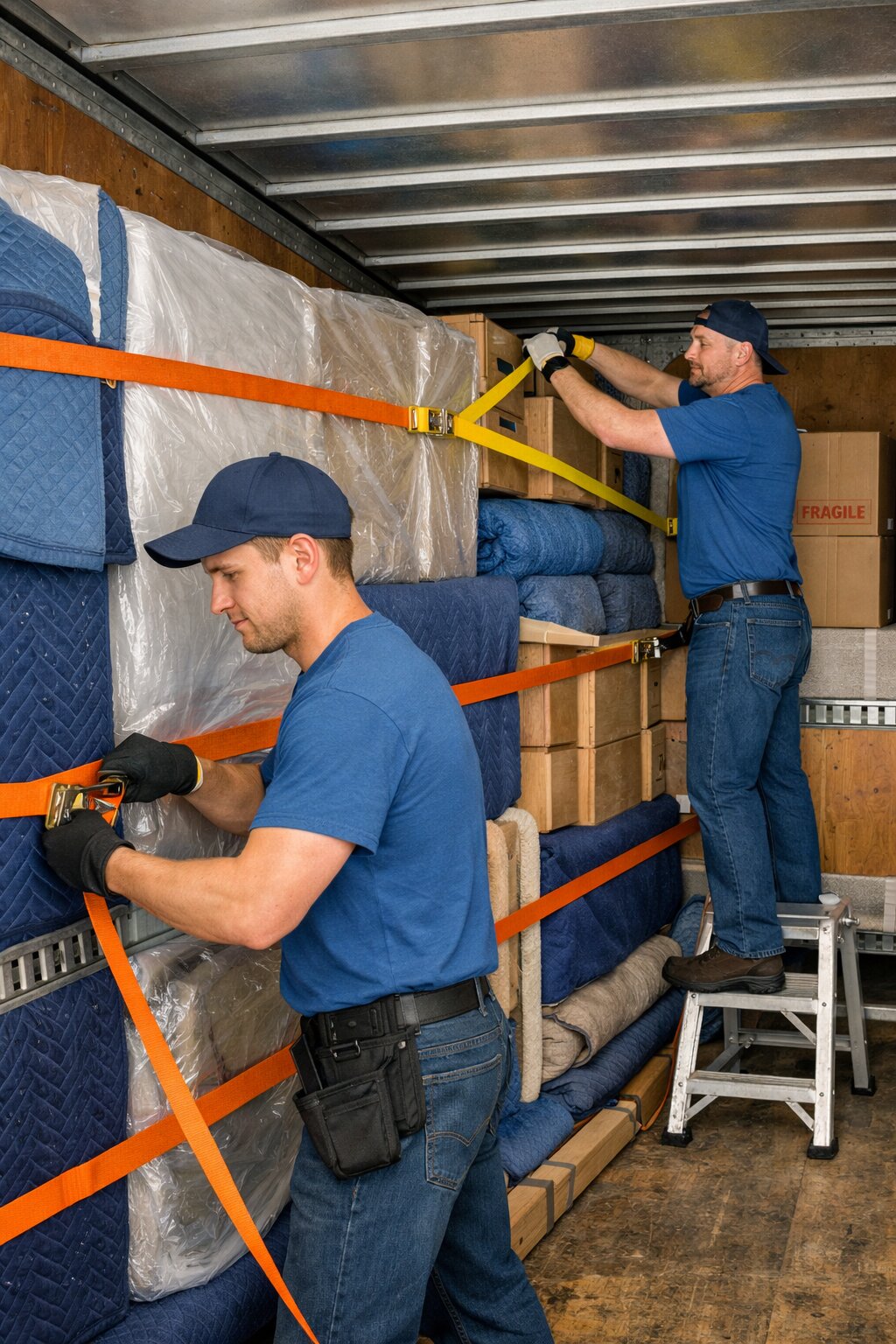
Weight distribution inside the truck influences decor survival. Transportation safety research links load shift to a significant share of cargo damage incidents. Heavy furniture pressing against delicate decor transfers pressure during braking and cornering. Creating buffer zones using mattresses, sofas, and padded walls keeps high value pieces isolated from direct compression.
Stacking discipline protects finishes. Even padded surfaces can compress under sustained load. Packaging engineers note that sustained compression weakens cushioning over time, especially under warm conditions. Avoid stacking heavy items against fragile decor for long durations.
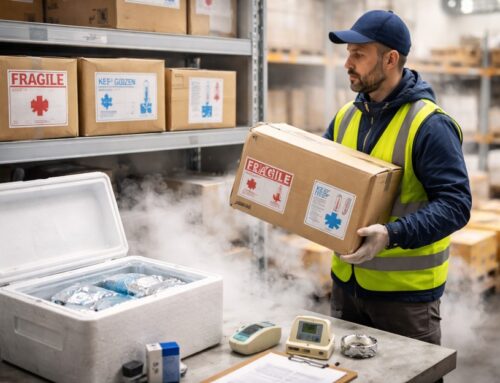
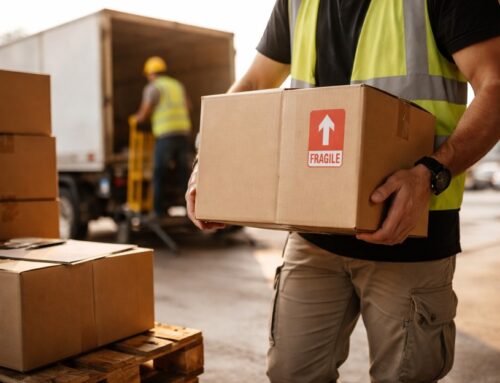
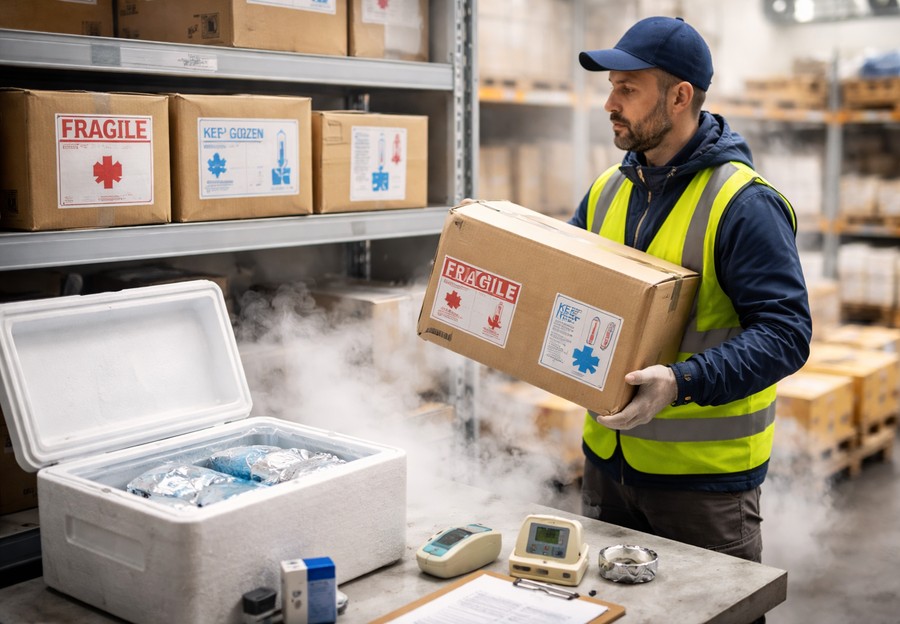
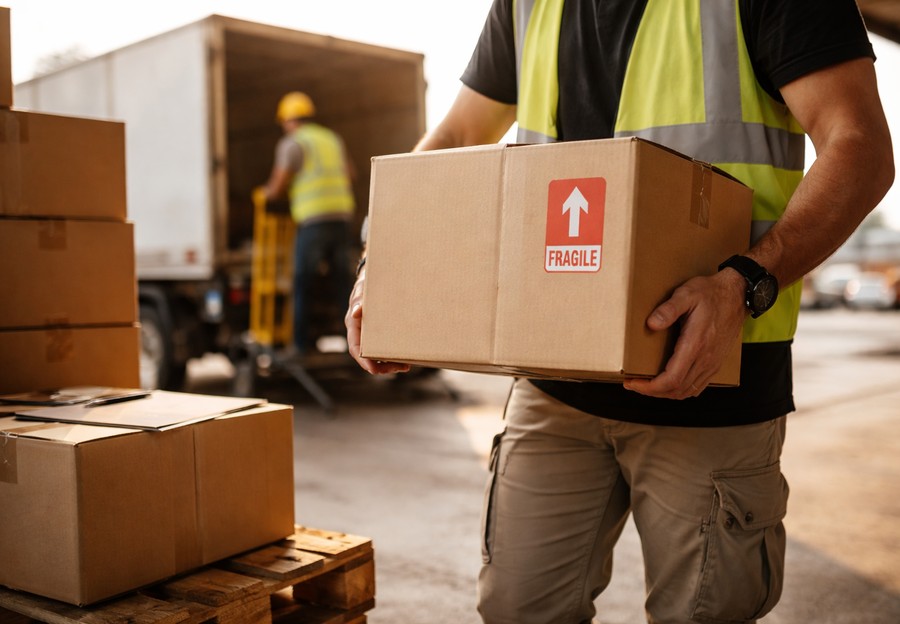
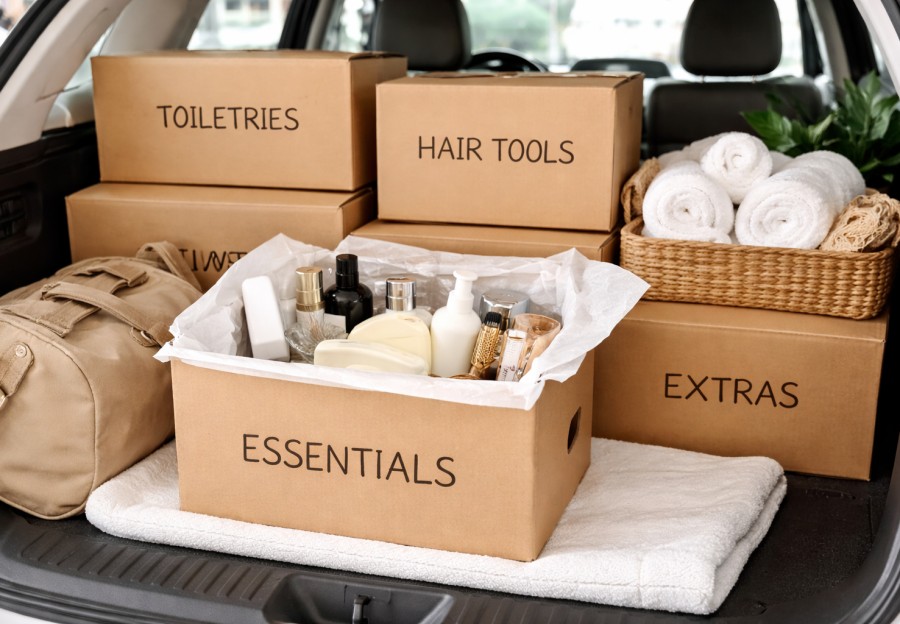
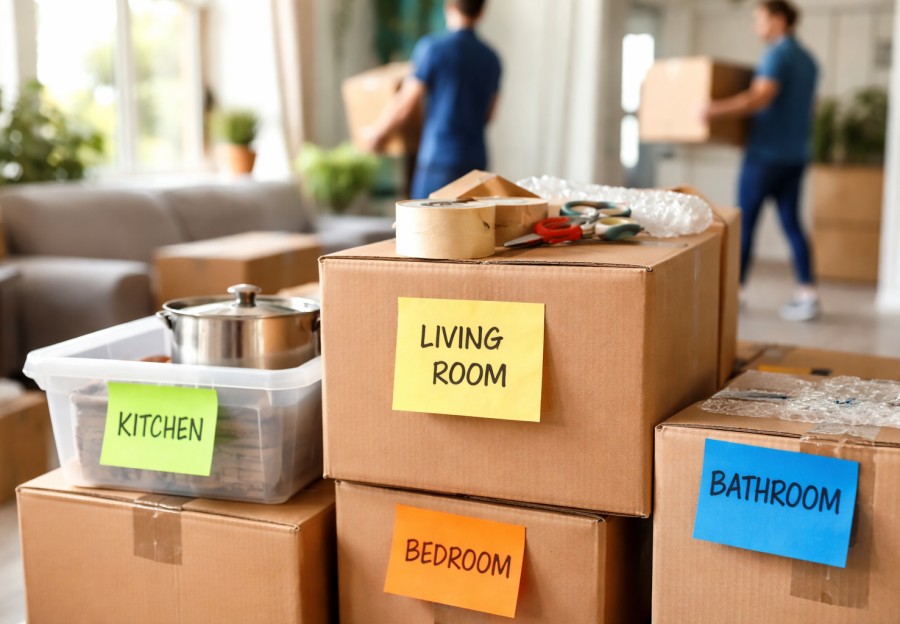
Labeling helps guide handling behavior. Clear fragile and orientation markings reduce accidental misuse. Logistics studies show that visual handling cues reduce sorting and placement errors by roughly 25 to 30 percent in fast paced environments. While residential moves are smaller scale, the same human behavior patterns apply.
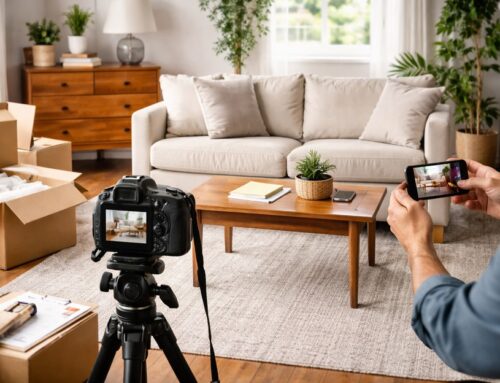
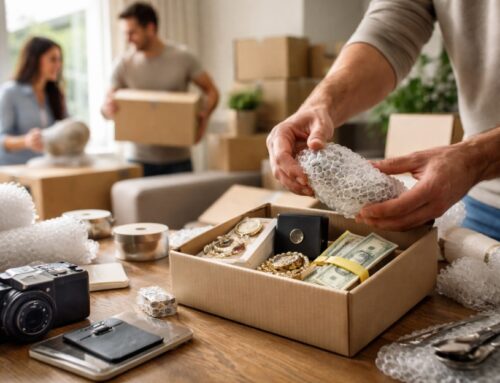
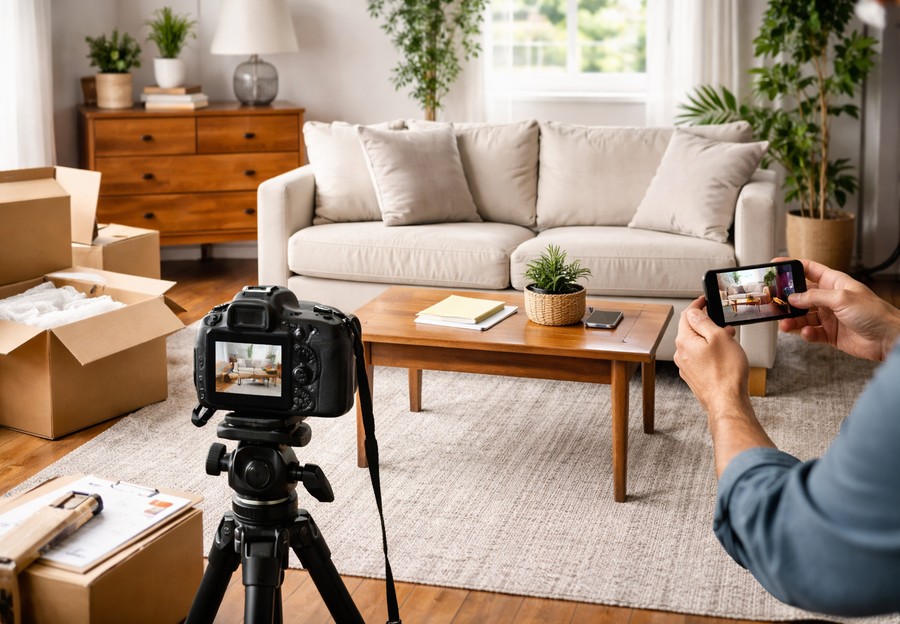
Insurance and documentation provide financial protection and peace of mind. Photograph each high value piece before packing from multiple angles. Insurance data shows that claims resolve faster when condition documentation exists because disputes over pre existing damage decrease. Review coverage carefully. Basic mover liability often reimburses only a small amount per pound, which rarely reflects true replacement or restoration cost for premium decor.
Another overlooked factor is timing. Rushing increases error rates. Behavioral psychology research shows that fatigue and time pressure reduce decision accuracy and fine motor control. Scheduling adequate time for careful wrapping and controlled loading reduces the temptation to cut corners late in the day.
Special materials deserve tailored handling. Marble and stone tolerate compression well but resist bending poorly due to low tensile strength. Wood furniture reacts to humidity swings. Lacquer finishes scratch easily under friction. Metallic finishes show micro abrasions clearly under light. Glass responds poorly to point impact. Understanding these material behaviors allows smarter protection rather than generic wrapping.
Artwork protection goes beyond cushioning. Paintings and prints benefit from breathable layers to avoid trapping moisture. Conservation studies show that trapped humidity accelerates pigment degradation and mold growth. Avoid tight plastic seals unless moisture control materials are included.
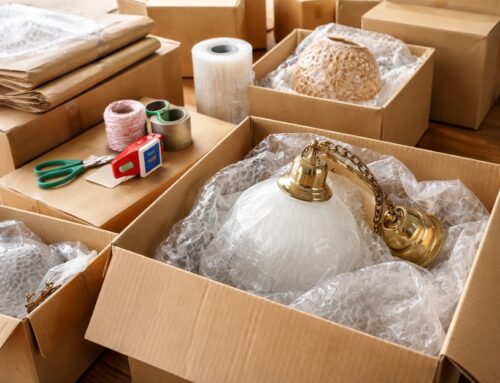
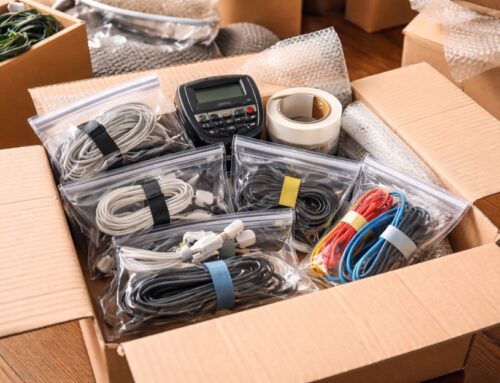
Lighting fixtures and chandeliers require stabilization of moving parts. Loose crystals and arms vibrate and chip under motion. Packaging vibration research shows that unsecured components experience amplified movement compared with secured ones. Securing components before padding reduces internal collisions.
Decor with mixed materials such as wood combined with metal or glass deserves extra isolation between material interfaces. Differential expansion rates under temperature changes create internal stress. Materials engineering studies show that mixed material assemblies experience higher fatigue under thermal cycling. Padding layers between components buffer that stress.
Unpacking practices also influence long term condition. Allow decor to acclimate to indoor temperature before fully unwrapping to reduce condensation shock. Electronics manufacturers and conservation guidelines often recommend waiting several hours after temperature extremes before exposure to room air. Inspect pieces carefully in good lighting before placement.
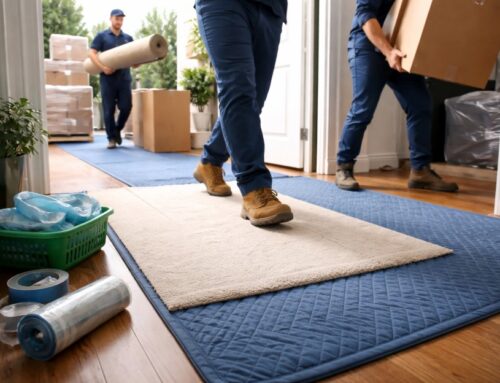
Final placement should avoid immediate traffic and secondary handling risk. Many chips and scratches occur after delivery while other furniture is still moving around. Accident analysis in residential moves shows that secondary handling damage frequently occurs during setup rather than transport itself. Keeping protective layers on until surrounding traffic stops reduces this risk.
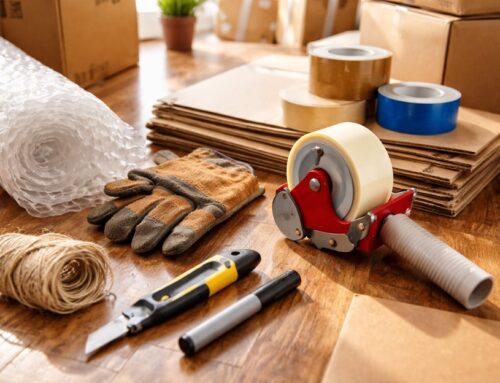
There is a cost efficiency angle to careful handling. Home improvement pricing surveys show that professional restoration of wood finishes, stone surfaces, or specialty coatings often runs into hundreds or thousands of dollars per piece. Preventing even one repair easily offsets the incremental cost of quality packing materials and extra handling time.
Environmental responsibility benefits too. The Global E Waste Monitor and household waste studies show that damaged goods contribute significantly to landfill volume during move seasons. Extending the lifespan of decor reduces unnecessary manufacturing and disposal.
Psychologically, protecting high value decor reduces anxiety during a stressful life transition. Stress research consistently ranks moving among the top life stressors. Removing fear around irreplaceable items improves overall emotional comfort and decision clarity throughout the move.
Best practices for moving with expensive decor come down to respecting physics and materials rather than relying on hope. Clean surfaces to reduce abrasion. Use layered padding and rigid support to distribute force. Protect edges and corners aggressively. Maintain upright orientation for large flat pieces. Control moisture and temperature exposure. Isolate fragile items from heavy compression. Label clearly. Move at a controlled pace. Document condition and verify insurance. Allow careful acclimation and inspection during unpacking.
Expensive decor deserves the same level of care that galleries, museums, and professional installers apply because the forces involved in moving are real and predictable. When you align your packing and handling habits with what science and industry data already know, stress fades and confidence replaces it. Your decor arrives not just intact, but preserved in the condition you invested in and enjoy every day.