March 9, 2026
How to pack shoes so they don’t get crushed
Shoes look sturdy until they come out of a moving box bent, flattened, scuffed, or permanently misshapen. Sneakers lose their structure, leather creases badly, heels snap, and delicate fabrics pick up stains from dust and pressure. Shoe damage is one of the most common small frustrations after a move because it feels avoidable once you see the result. The good news is that crushing damage follows predictable physical rules, and a few smart packing habits dramatically reduce the risk.
The average household owns far more footwear than most people realize. Consumer apparel surveys estimate that the typical adult owns between 15 and 25 pairs of shoes, and families often exceed 50 pairs when everyone’s closets are combined. That volume creates stacking pressure inside boxes and trucks. When dozens of pairs get piled into one container or buried under heavier household goods, compression damage becomes almost inevitable.
Cardboard strength and load pressure explain why this happens. Packaging research shows that corrugated boxes lose more than 30 percent of their compression strength when exposed to moisture or uneven loads. Even in dry conditions, stacking weight concentrates pressure on the lowest layers. Transportation safety studies also show that braking and road vibration increase vertical and lateral load forces inside a moving truck. Shoes placed at the bottom of tall stacks absorb repeated compression cycles that slowly deform soles, counters, and uppers.
The first principle of protecting shoes is preserving shape. Most shoes rely on internal structure to maintain fit and appearance. Leather shoes depend on stiff counters and toe boxes. Athletic shoes rely on foam midsoles and molded uppers. Heels rely on narrow load bearing points. Materials science research shows that repeated compression causes polymer foams to lose rebound elasticity over time. Once a sneaker midsole collapses, it rarely fully recovers. Maintaining internal support during transport prevents that permanent deformation.
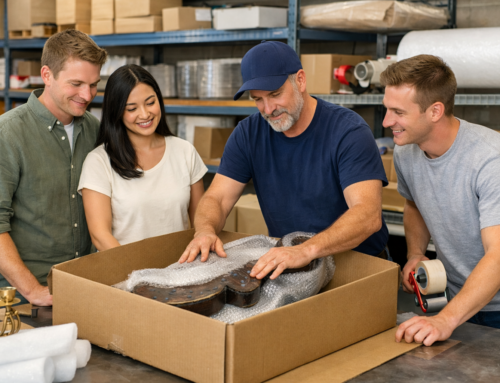
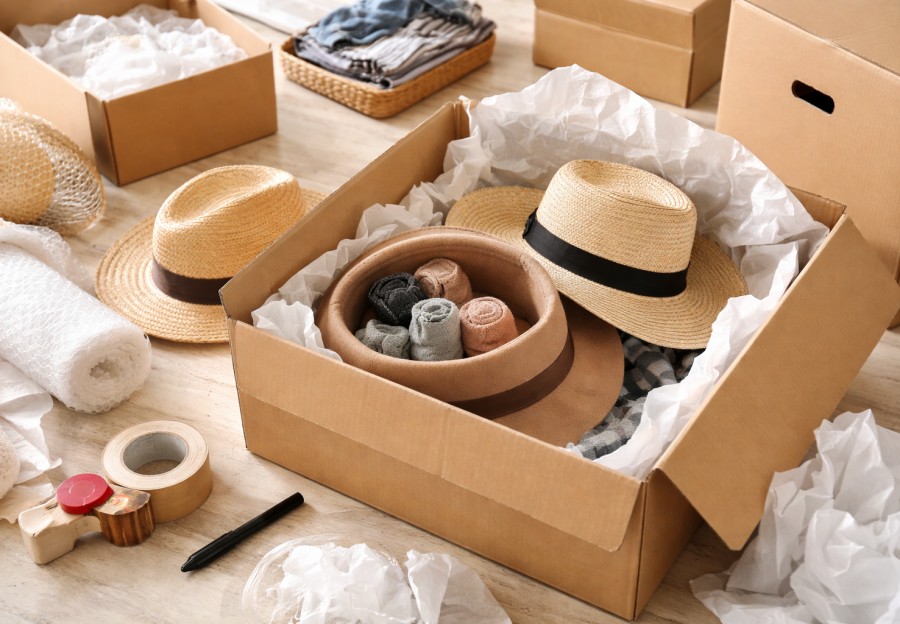
Stuffing the interior of each shoe helps preserve its form. Clean socks, soft clothing, or packing paper fill empty volume and resist collapse under pressure. This internal support spreads compression forces across a larger surface area instead of allowing localized creasing. Physics explains this simply. Pressure equals force divided by area. Increasing internal contact area reduces stress on any single point of the shoe’s structure.
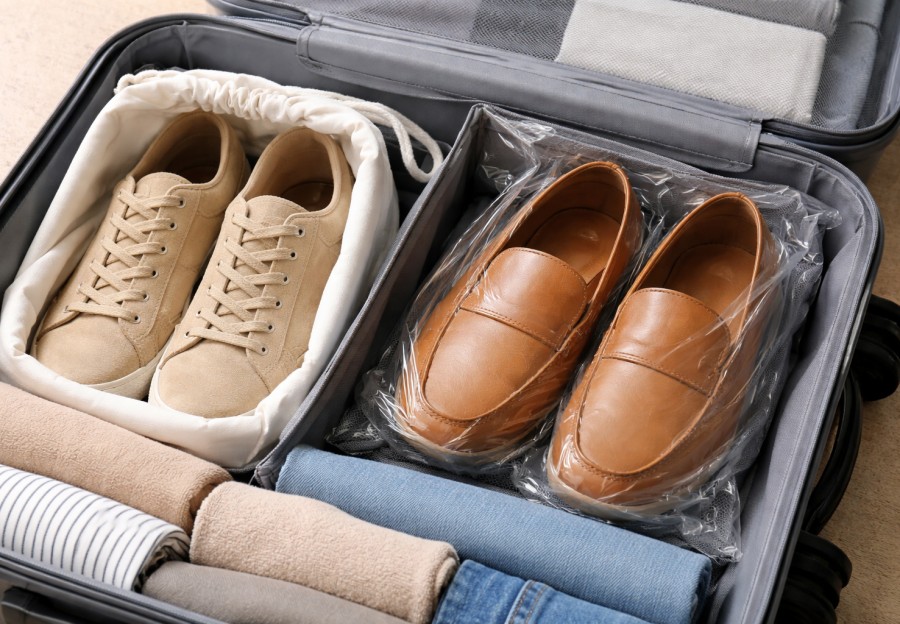
Pairing shoes correctly matters as well. Placing soles together and uppers facing outward protects delicate surfaces from friction and abrasion. Leather care studies show that repeated surface rubbing accelerates finish wear and micro cracking, especially on coated leathers. Keeping smooth surfaces separated by fabric or paper reduces scuff transfer.
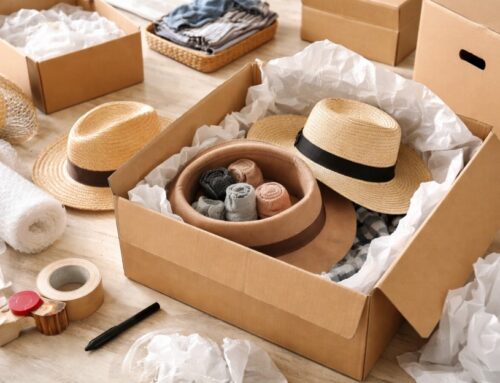
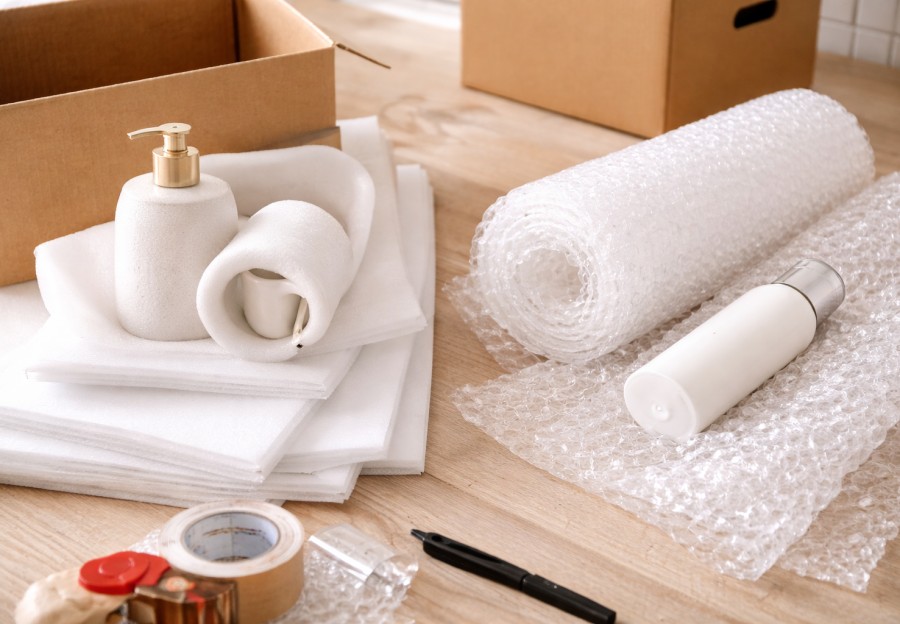
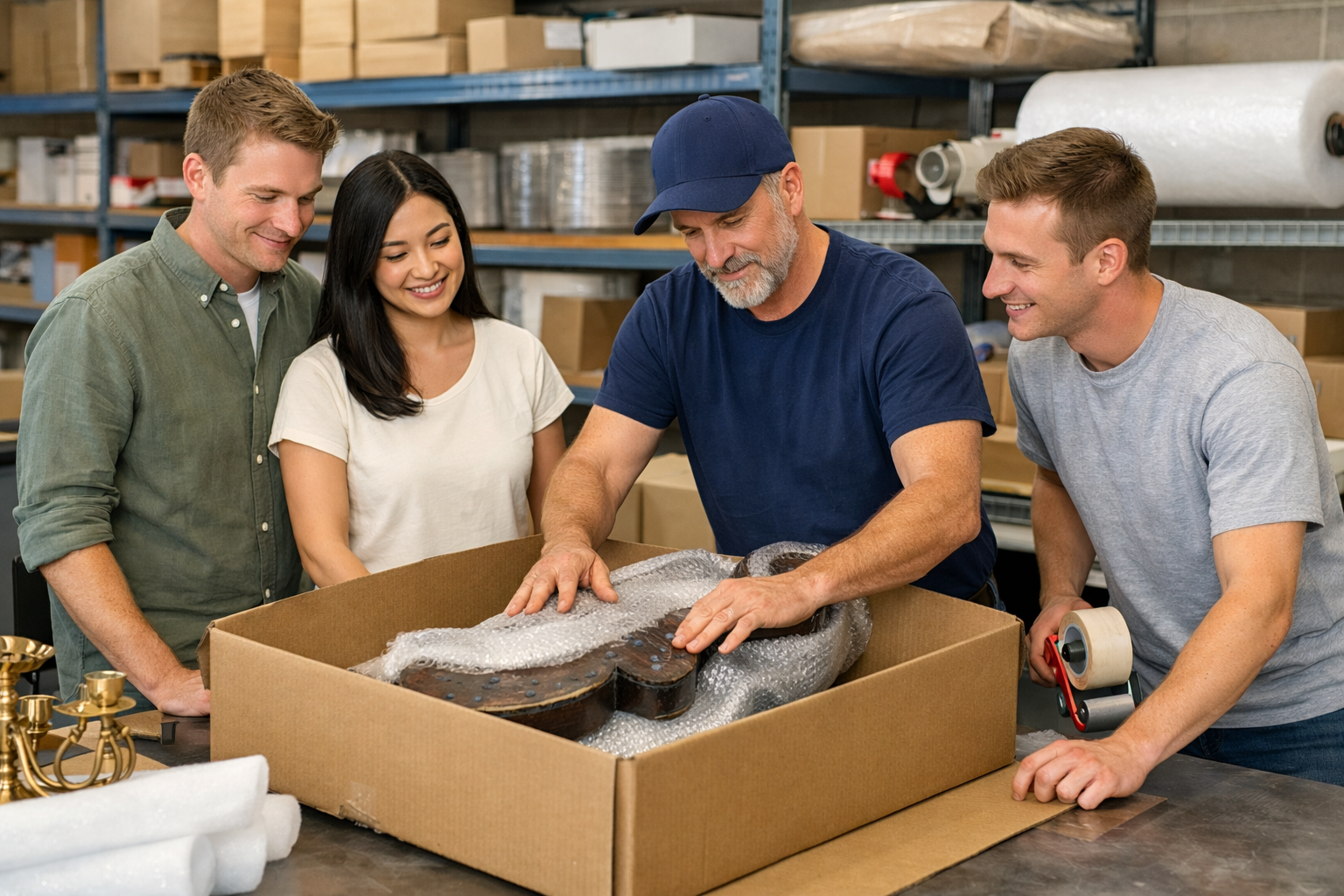
Individual wrapping adds another protective layer. Lightweight wrapping prevents dirt transfer and minimizes friction between pairs. The American Cleaning Institute reports that shoe soles carry large amounts of fine grit and bacteria, which easily transfer to fabrics and leather during contact. Wrapping keeps contamination contained and protects appearance.
Box size selection plays a major role in crush prevention. Oversized boxes encourage overloading and shifting. When too many shoes are packed loosely in a large box, internal movement increases during transport. Packaging vibration studies show that empty space inside boxes allows contents to collide and settle into denser configurations over time, increasing compression on lower items. Smaller or medium boxes limit stacking height and keep weight manageable.
Weight control protects both shoes and people. Occupational safety data from the Bureau of Labor Statistics shows that overexertion injuries increase when loads exceed safe handling limits. A box packed tightly with footwear can become deceptively heavy. Keeping box weight moderate prevents sudden drops that crush contents and reduces strain on movers.
Rigid separation prevents vertical pressure damage. Placing flat cardboard sheets between layers distributes weight more evenly across the box footprint. Packaging engineers use this same technique in palletized shipments to prevent bottom layer collapse. A simple divider dramatically improves load distribution and protects delicate uppers from direct pressure.
Heel protection deserves special attention. High heels concentrate load on narrow points that snap under lateral pressure. Footwear manufacturing data shows that heel fractures often occur from sideways torque rather than direct downward load. Wrapping heels individually and positioning them so they do not bear weight protects this vulnerable structure.
Boots require vertical support to prevent shaft collapse and creasing. Tall leather or synthetic shafts lose shape when folded or compressed. Fashion materials research shows that repeated bending creates permanent crease memory in leather fibers. Stuffing boots fully and packing them upright preserves shaft shape and prevents long term deformation.
Moisture control is another critical factor. Shoes absorb humidity easily, especially leather and fabric styles. Vehicle interior temperature studies show that closed trucks can exceed outdoor temperatures by more than 20 degrees Celsius within an hour in direct sun. As temperatures change, condensation can form inside sealed boxes. Moisture softens adhesives and fibers, increasing susceptibility to compression damage and odor growth. Including dry packing materials and avoiding sealing damp shoes reduces this risk.
Ventilation matters for odor and material integrity. Sealing sweaty or damp shoes in airtight plastic traps moisture and encourages bacterial growth. Textile research shows that mildew can begin forming on damp fabrics within 24 to 48 hours in warm conditions. Allow shoes to dry completely before packing and use breathable wrapping layers when possible.
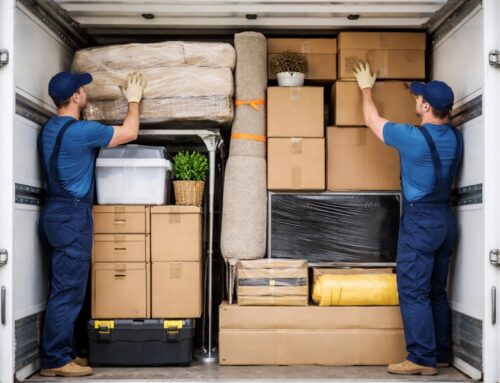
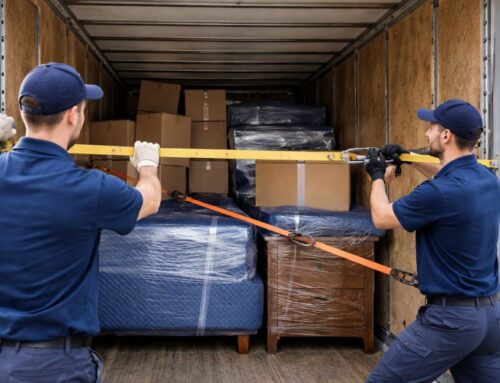
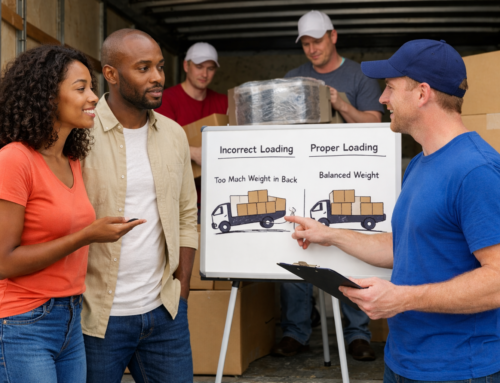
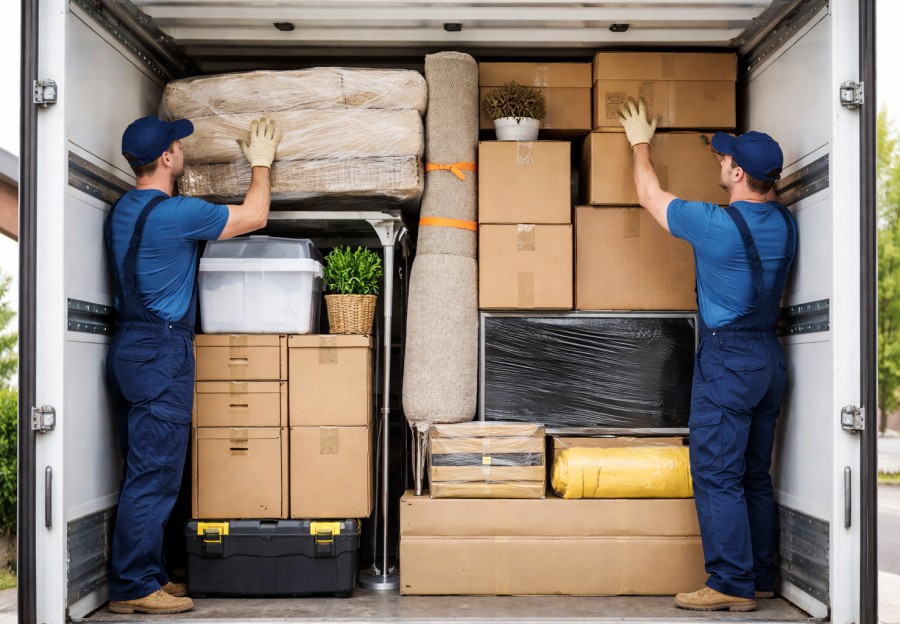
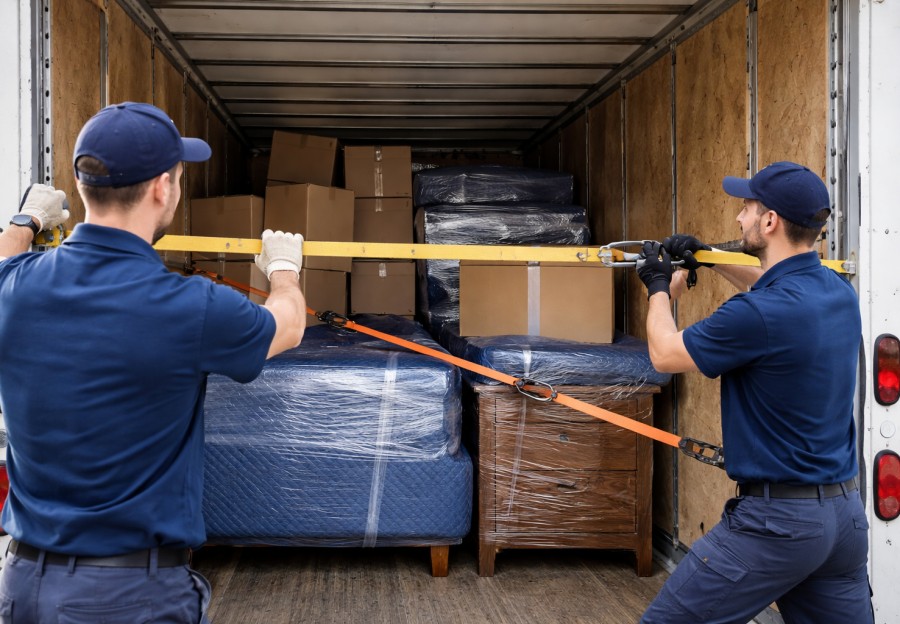
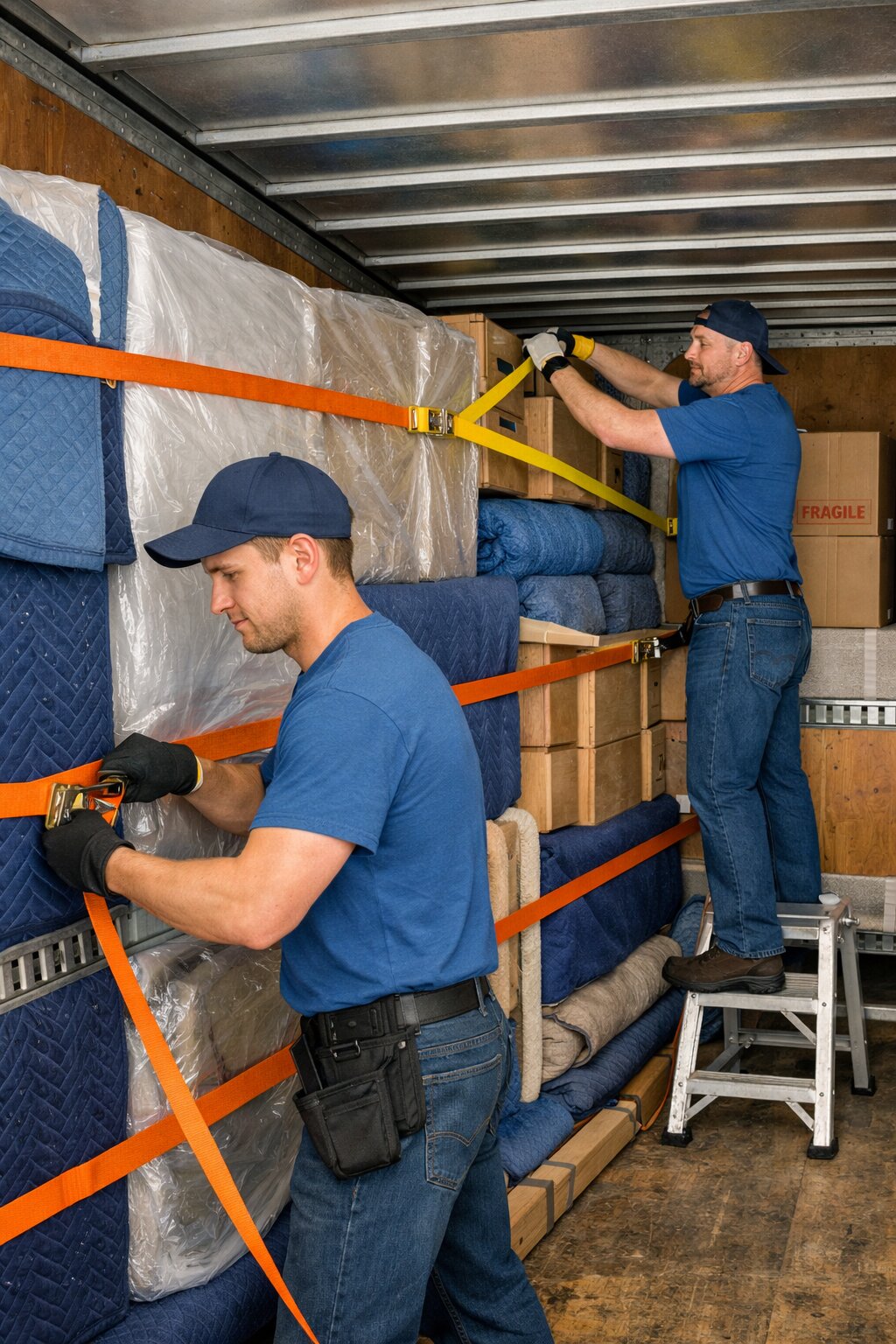
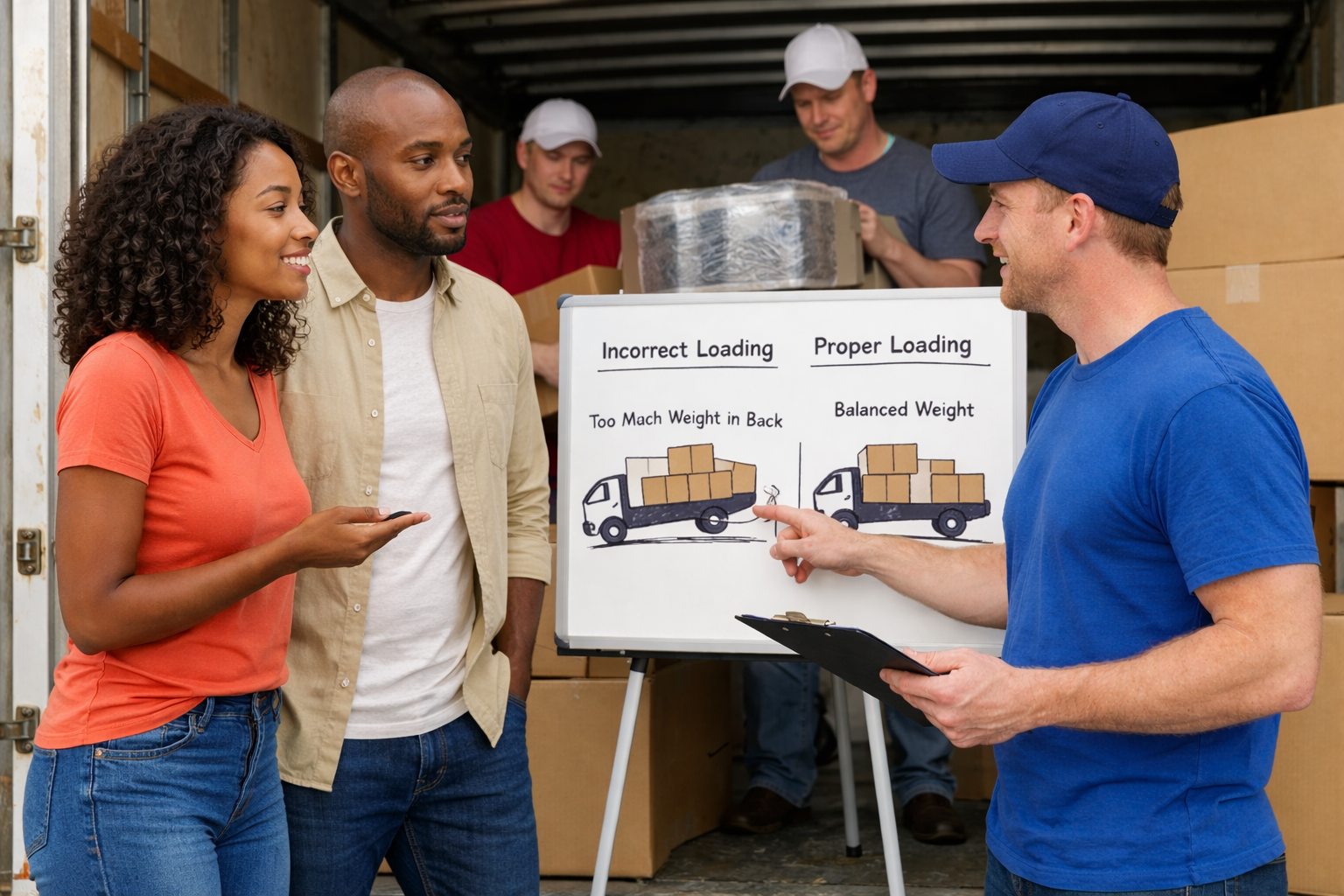
Placement inside the moving truck affects crush risk more than most people expect. Heavy furniture, appliances, and stacked cartons generate downward pressure during braking and road vibration. Transportation engineering studies show that vertical load increases during sudden deceleration events. Shoes should never be placed at the bottom of truck stacks or directly under rigid furniture frames. Positioning shoe boxes on top of lighter soft goods such as linens or clothing creates a natural cushioning buffer.
Temperature stability also influences material resilience. Rubber soles become more flexible in heat and more brittle in cold. Repeated thermal cycling accelerates material fatigue according to polymer durability studies. Keeping shoe boxes away from truck walls where temperature swings are strongest helps preserve material integrity.
Another overlooked risk is deformation during home staging before loading. Shoes often get stacked in closets or hallways while waiting for movers. Static load pressure over several hours slowly compresses softer materials. Packaging engineers note that sustained compression weakens structural recovery even without movement. Avoid tall vertical stacks of shoe boxes during staging.
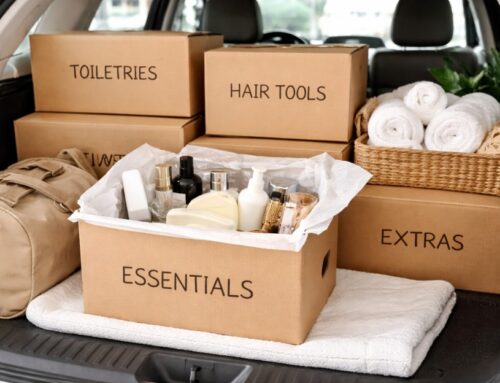
Labeling helps protect during handling. Marking boxes as light and crush sensitive discourages heavy stacking. Logistics studies show that clear visual handling cues reduce sorting errors by up to 30 percent in busy environments. Even in residential moves, this improves placement decisions and reduces accidental over stacking.
Organization also prevents frantic repacking at the last minute. Rushed packing increases the chance of overfilled boxes and poor weight distribution. Behavioral research shows that fatigue and time pressure increase error rates and reduce attention to detail. Packing shoes earlier in the process gives you time to arrange protective layers thoughtfully.
For valuable or specialty shoes such as leather dress shoes, designer heels, athletic cleats, or orthopedic footwear, original shoe boxes provide excellent protection because they preserve shape and spacing. If those boxes are unavailable, small reinforced cartons approximate the same benefit.
Long distance moves increase vibration exposure. Packaging lab studies show that continuous micro vibration causes gradual settling and compaction inside boxes over many hours of travel. The longer the trip, the more important internal stabilization becomes. Dense packing with layered separation resists this gradual compression.
Unpacking practices also affect long term shape recovery. Allow shoes to rest and re expand after unpacking rather than wearing immediately if they experienced compression. Materials science research shows that foam and leather fibers recover shape more fully when allowed rest after deformation cycles.
Cost data reinforces why protection matters. Replacing a quality pair of leather shoes often costs hundreds of dollars. Athletic footwear prices have risen steadily over the past decade according to retail market data. Damaging multiple pairs during one move easily exceeds the cost of proper packing materials.
Environmental impact deserves attention too. The footwear industry contributes significant waste due to short product lifecycles. Sustainability studies show that extending product lifespan reduces landfill contribution and manufacturing emissions. Preventing crush damage keeps shoes usable longer and reduces unnecessary replacement.
There is also a hygiene benefit. Proper wrapping prevents dirt transfer from soles to clothing and linens. The American Cleaning Institute notes that shoe soles carry large quantities of microbes and particulate matter. Containing contamination reduces post move cleaning effort and improves overall cleanliness.
From a psychological perspective, opening a box of neatly preserved shoes reduces post move stress. Behavioral research shows that early small wins during unpacking improve mood and motivation. Seeing your belongings arrive in good condition reinforces confidence in the move.
Packing shoes so they do not get crushed is ultimately about managing pressure, vibration, moisture, and shape retention. Internal stuffing preserves form. Proper pairing reduces abrasion. Small box sizing limits overload. Layer separation distributes weight. Heel and boot support protect vulnerable structures. Dry packing prevents material weakening. Strategic truck placement avoids heavy compression. Clear labeling guides handling. Early packing reduces rushed mistakes.
Moving already places enough strain on time and energy. Shoes should not add disappointment to the process. With thoughtful preparation grounded in real packaging and materials science, footwear arrives looking the same as when it left. That small success adds comfort and momentum as you settle into your new space and get back into daily routines without unnecessary replacements or repairs.