
March 8, 2026
How to choose moving boxes based on weight capacity
Moving boxes look simple, but they quietly carry the entire success or failure of a move. A box that collapses, bows, or tears can damage belongings, slow down loading, and create safety risks. Choosing boxes based on weight capacity rather than convenience or price protects your items and keeps the move predictable instead of stressful.
The scale of household weight surprises most people. The Environmental Protection Agency estimates that the average American household owns hundreds of thousands of items when everything from books and clothing to tools and décor is counted. Even small objects add up quickly. A single medium box filled with books can easily exceed 60 pounds. That weight puts enormous strain on cardboard seams and handholds if the box is not designed for it.
Cardboard strength is measured in a few technical ways, but the most practical one for consumers is edge crush resistance, often called ECT. This rating measures how much pressure the cardboard can withstand before collapsing when stacked. Industry packaging data shows that boxes rated around ECT 32 are commonly used for general household goods, while heavier duty boxes may reach ECT 44 or higher. Higher ratings translate directly into better stacking strength and resistance to crushing when weight is applied from above.
Another factor is wall construction. Single wall boxes have one layer of corrugated fluting sandwiched between two flat sheets. Double wall boxes use two layers of fluting and three flat sheets, making them significantly stronger. Packaging engineers report that double wall boxes can safely support nearly double the load of single wall boxes when packed correctly. In practical terms, a well made double wall box can often support 70 to 120 pounds depending on size and load distribution, while single wall boxes may begin to deform below 40 to 50 pounds when weight is uneven.
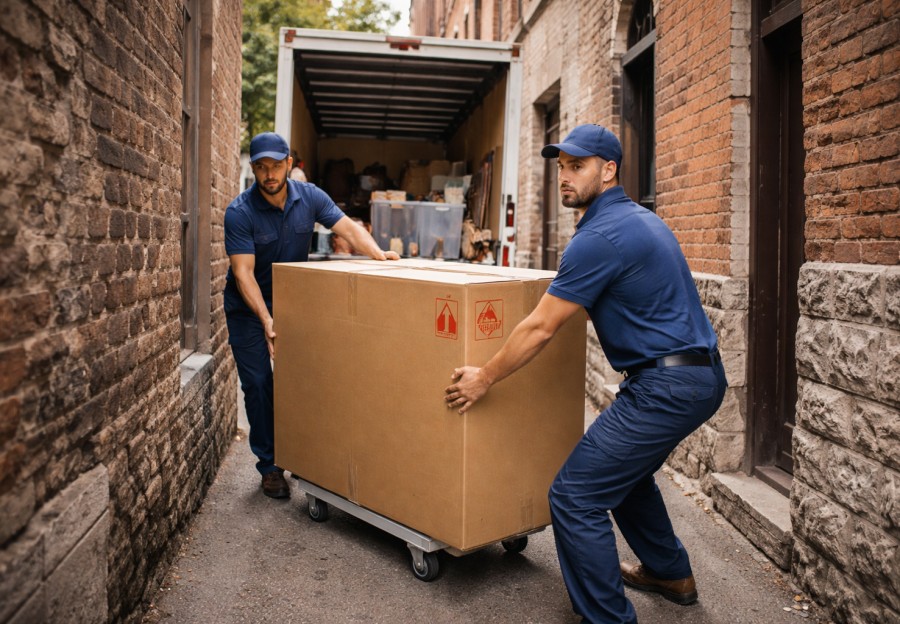
Size affects weight capacity more than people realize. Large boxes tempt people to overload them. Physics explains why this becomes a problem. The larger the box, the more leverage weight has on the bottom panels and side walls. A large box filled with dense items increases bending stress on the cardboard, which accelerates seam failure. Occupational safety data from the Bureau of Labor Statistics shows that overexertion injuries rise sharply when loads exceed safe handling limits. Smaller boxes keep weight manageable and protect both the box and the person lifting it.
Books provide a perfect example. Paper weighs roughly 40 to 50 pounds per cubic foot depending on thickness and binding. A large box can easily exceed 100 pounds if filled with books. That load exceeds the safe carrying capacity for most people and pushes many cardboard boxes beyond their structural comfort zone. A small or compact box limits total weight naturally while maintaining stacking strength.
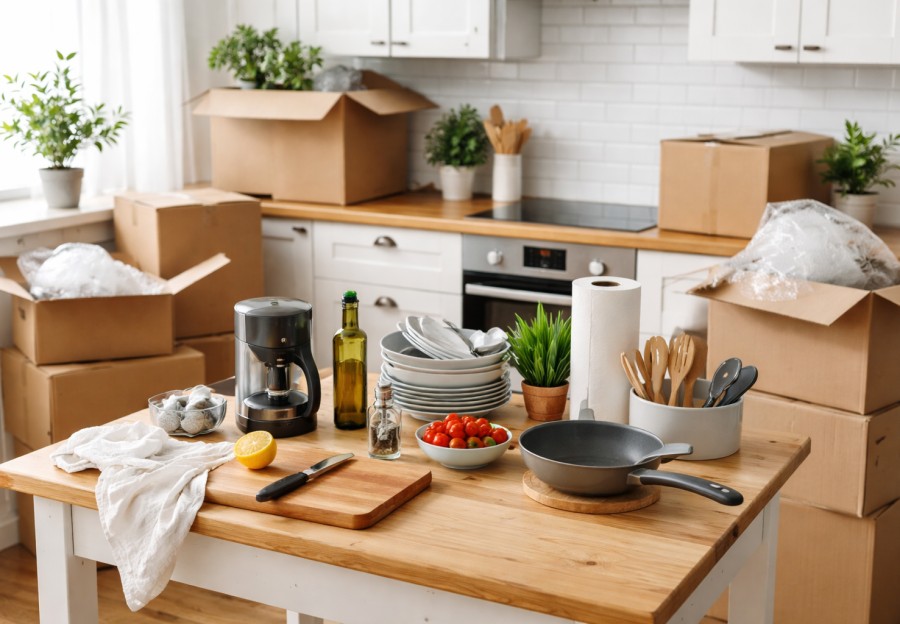
Kitchen items introduce mixed density challenges. Plates, cookware, canned goods, and small appliances concentrate weight unevenly. Uneven loads stress corners and seams more than evenly distributed weight. Packaging lab testing shows that uneven weight distribution significantly lowers real world load capacity compared with uniform test conditions. This is why medium boxes with higher ECT ratings perform better for mixed kitchen loads than oversized boxes.
Electronics and fragile items create a different weight logic. These items are often lighter but require thick padding. Padding increases box volume without increasing strength. Using a box that is too large weakens stacking resistance and allows movement inside, increasing vibration damage. Packaging vibration studies show that internal movement increases wear even without visible impacts. A properly sized box minimizes empty space while keeping weight within safe limits.
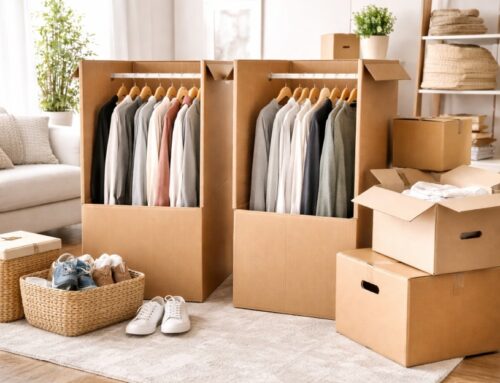
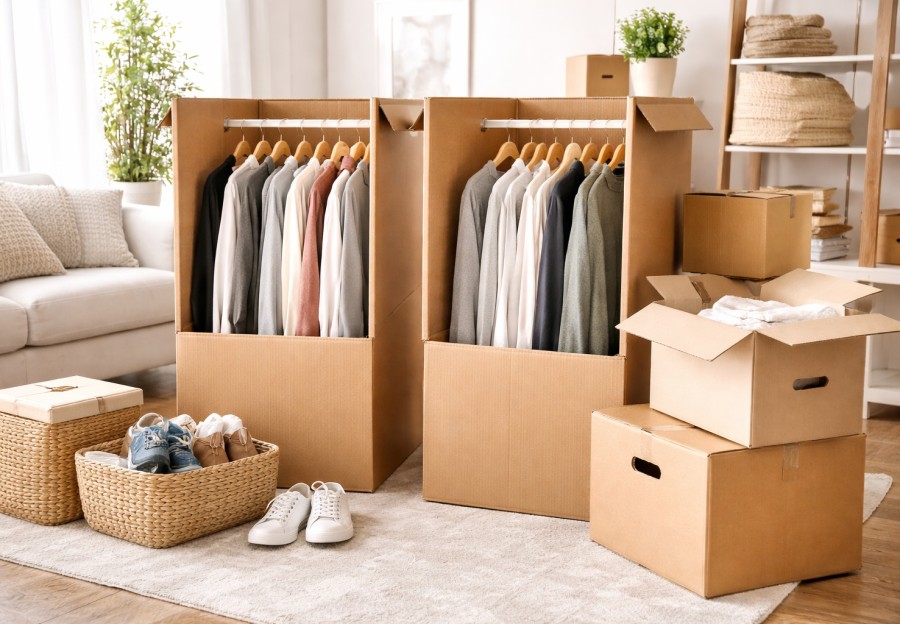
Clothing and linens are light and compressible. Large boxes work well here because weight stays low while volume stays high. Apparel industry surveys show that the average American owns around 148 pieces of clothing, which explains why volume adds up quickly even when weight does not. Using larger boxes for soft goods improves efficiency without exceeding weight limits.
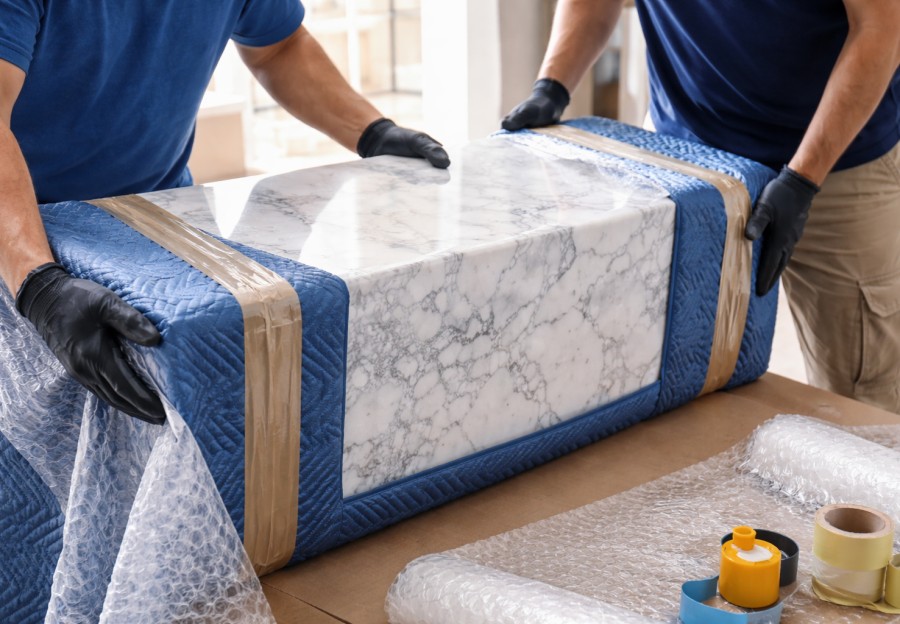
Glassware and décor combine fragility with moderate weight. Smaller boxes with thick padding keep total weight controlled while protecting against point impacts. Insurance claim data from moving companies consistently shows that fragile breakage increases when boxes are overloaded or stacked too high. Proper weight matching reduces that risk.
Moisture exposure also affects weight capacity. Corrugated cardboard loses strength when damp. Packaging research shows that wet cardboard can lose more than 30 percent of its compression strength. A box that could safely hold 60 pounds when dry may fail under far less weight if moisture is present. Avoid packing wet items and protect boxes from rain and condensation.
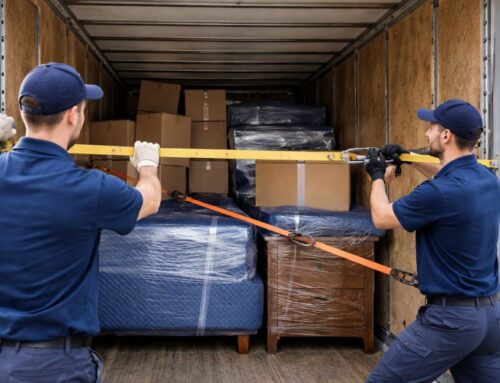
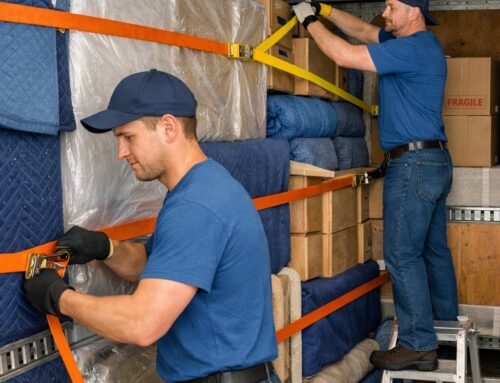
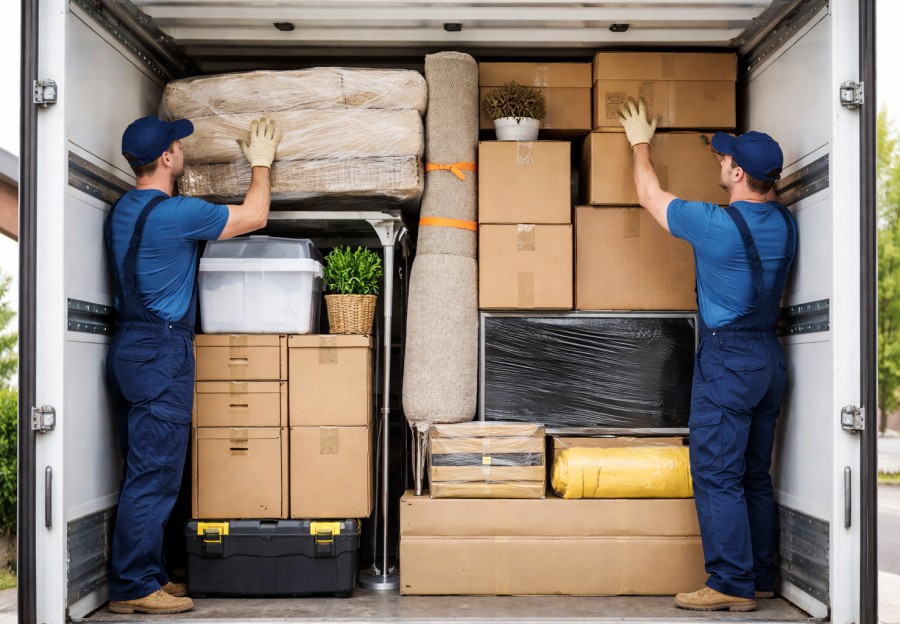
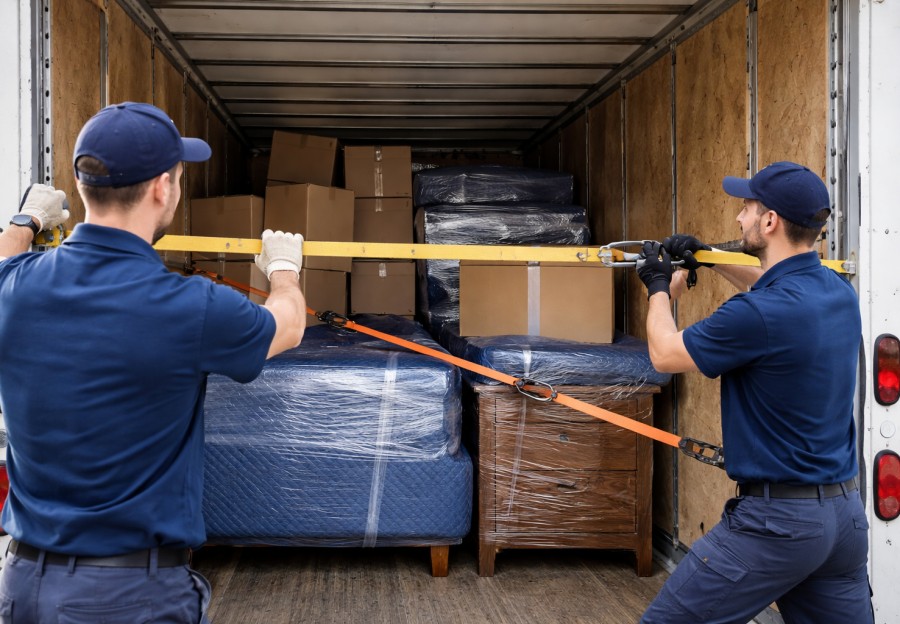
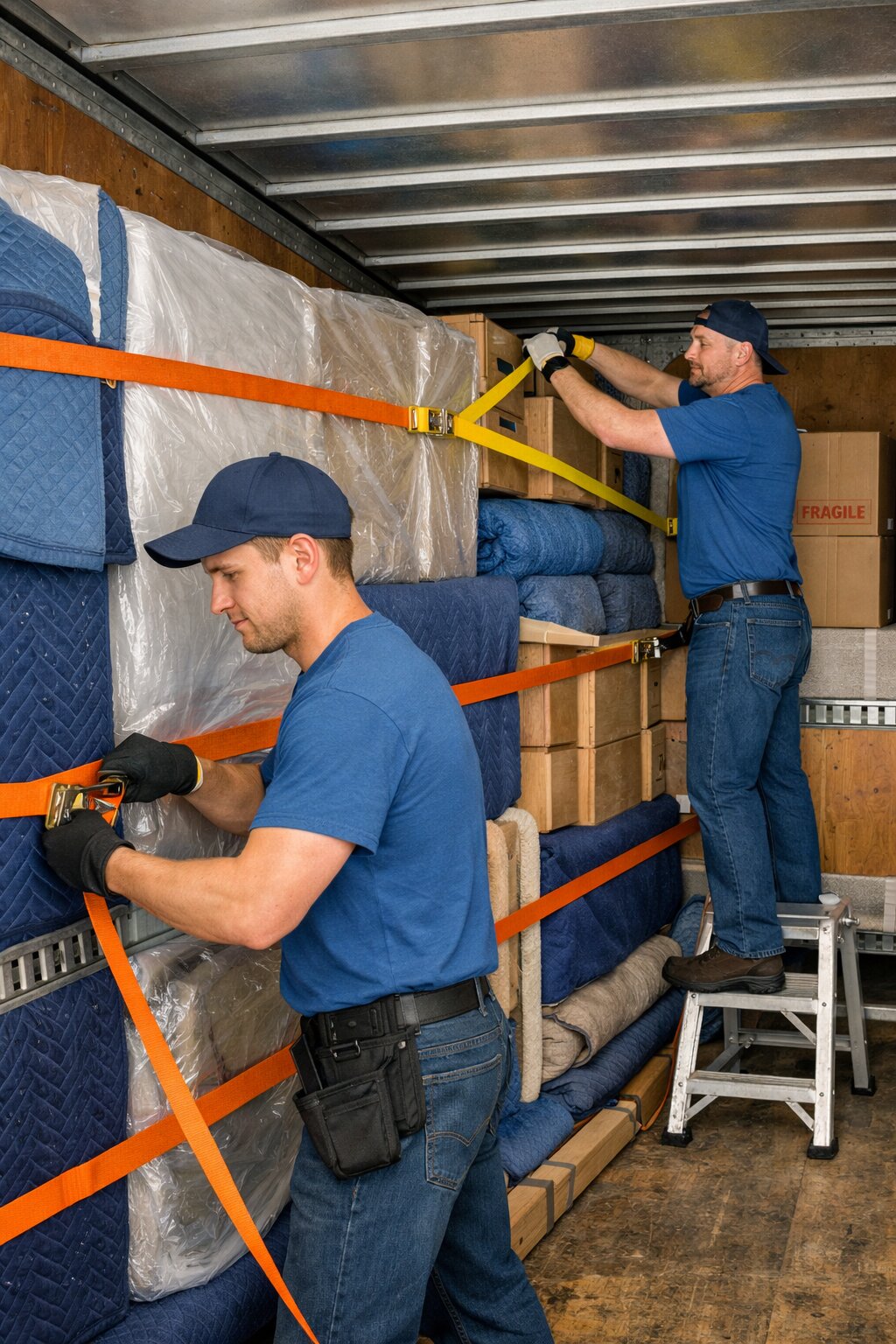
Stacking pressure inside the truck adds another layer of stress. Boxes at the bottom of a stack bear the weight of everything above them. Transportation safety research shows that vertical load pressure increases during braking and road vibration. Choosing boxes with adequate crush strength prevents bottom layer collapse, which can trigger cascading stack failures.
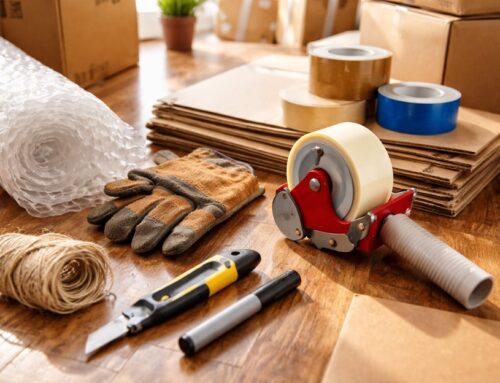
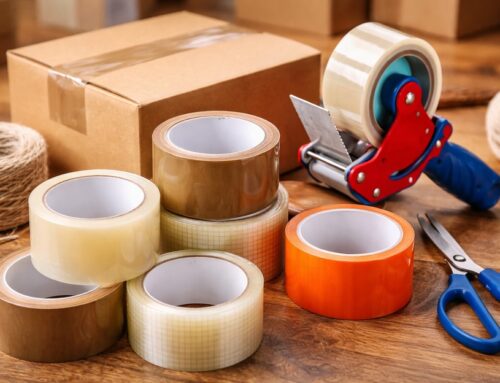
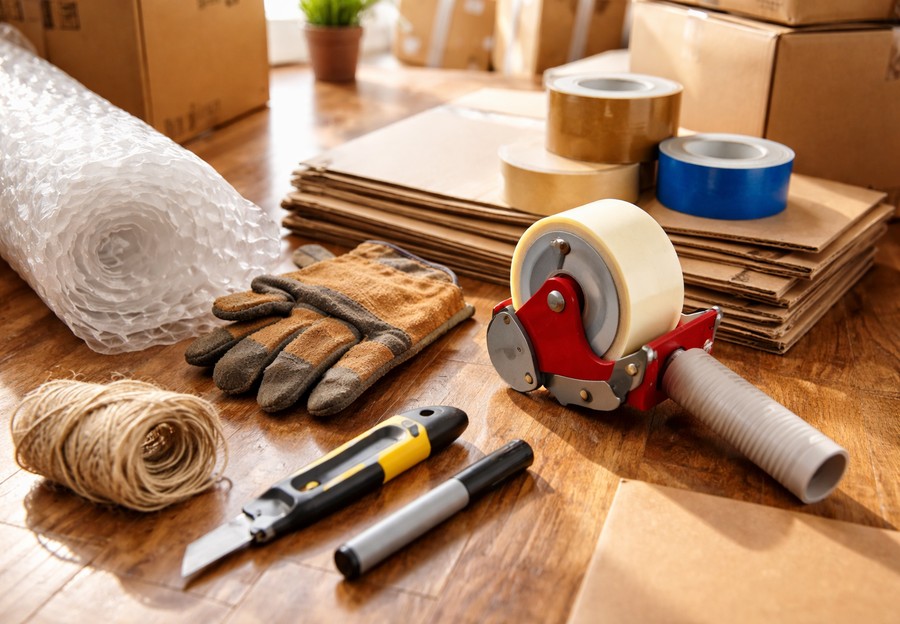
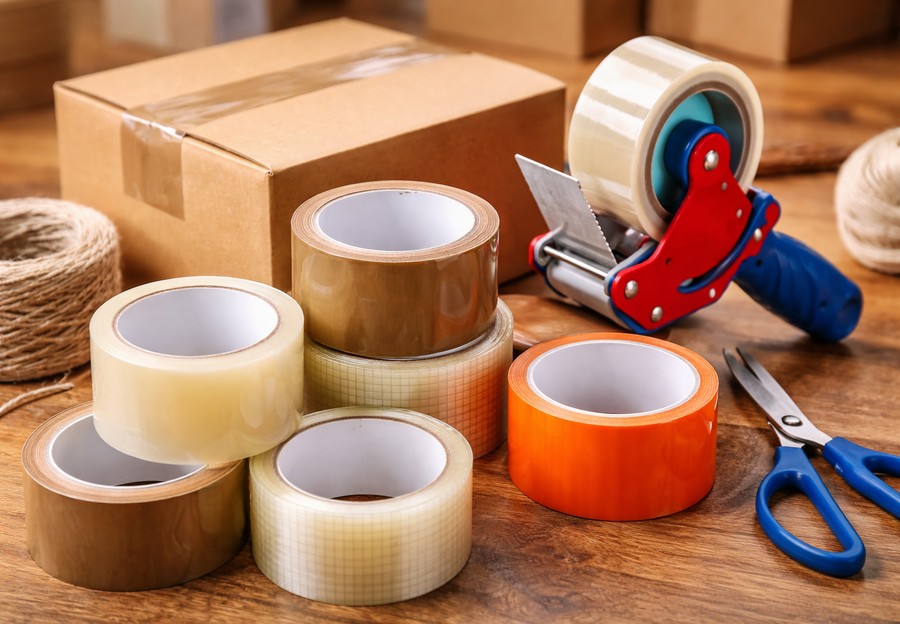
Tape quality matters as well. Cheap tape loses adhesion under tension and temperature changes. Industrial tape testing shows that higher tensile strength tape maintains seam integrity under repeated stress. Even a strong box fails if seams peel under load. Reinforcing bottom seams on heavier boxes distributes stress more evenly and prevents sudden failure.
Handhold design influences safe weight limits. Some boxes include reinforced handles or cutouts. Weak handles tear under load and create drop risk. Human factors research shows that grip stability directly affects lifting safety. If handles flex or tear, weight shifts suddenly and increases injury risk.
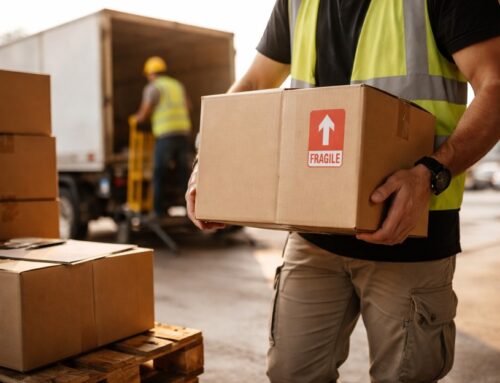
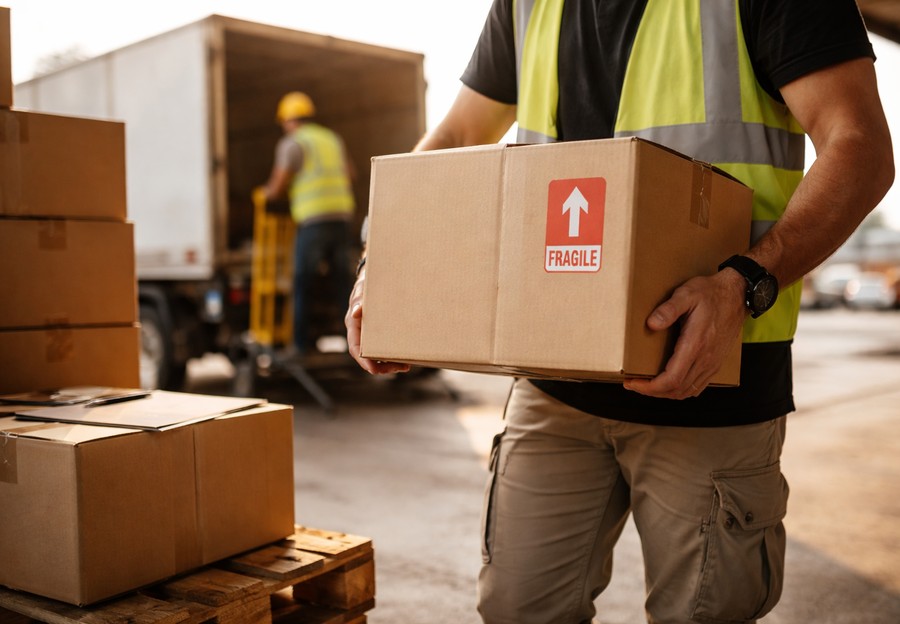
Weight labeling improves handling decisions. Marking heavy boxes helps movers stack appropriately and avoid placing heavy boxes on fragile ones. Logistics studies show that visual handling cues reduce sorting errors by up to 30 percent in fast paced environments. The same principle applies during residential moves.
There is also a long term durability perspective. Boxes that hold shape during the move stack better in storage, reduce damage during short term holding, and remain reusable for future moves or seasonal storage. Sustainability data shows that reuse reduces packaging waste significantly. The Environmental Protection Agency tracks millions of tons of packaging waste annually, and durable boxes help reduce that footprint.
Cost perception sometimes drives people toward cheaper boxes, but replacement cost of damaged items often outweighs box savings. Home goods repair data shows that refinishing scratched furniture, replacing broken dishware, or repairing electronics quickly exceeds the cost difference between low quality and high quality boxes. Preventing one failure often offsets the entire box budget difference.
Human safety is another financial factor. Overloaded boxes increase strain and injury risk. Healthcare cost data consistently shows that musculoskeletal injuries generate extended recovery time and lost productivity. Choosing the right box size protects health alongside belongings.
Another overlooked factor is stacking height in the home before loading. If boxes are stacked in rooms or hallways awaiting pickup, bottom boxes carry static load for hours. Packaging engineers note that sustained compression weakens cardboard over time, especially under warm conditions. Keeping heavier items in stronger boxes prevents slow deformation that later causes collapse when lifted.
Truck vibration magnifies small weaknesses. Packaging vibration testing shows that micro movements loosen seams and corners over time when loads are near capacity. Stronger boxes resist this fatigue better than thin retail cartons.
Seasonal temperature swings also influence performance. Cold makes cardboard slightly more brittle while heat softens adhesives. Vehicle interior temperature studies show that closed trucks can exceed outdoor temperatures by more than 20 degrees Celsius within an hour in direct sun. Choosing higher quality materials buffers these environmental stresses.
Choosing boxes based on weight capacity starts with honesty about what you are packing. Dense items belong in small or double wall boxes. Mixed kitchen goods belong in medium strength boxes with good crush ratings. Fragile items need snug sizing with padding rather than oversized volume. Soft light goods can safely use large boxes. Moisture sensitive items require dry packing conditions and stronger seams.
Estimating weight helps guide decisions. A simple household scale can be used to test a packed box before sealing the rest. If lifting feels strained, the box is too heavy regardless of theoretical capacity. Ergonomic guidelines suggest keeping individual lifts under roughly 50 pounds for safety in most non industrial settings.
Another smart habit is mixing density within a box. Layering heavy items at the bottom with lighter cushioning above distributes weight more evenly and reduces point stress. Packaging lab studies show that balanced load distribution improves compression performance significantly compared with top heavy or side heavy packing.
Avoid stacking heavy boxes more than a few layers high unless they are high strength cartons. Static pressure builds quickly in tall stacks. Even strong boxes eventually deform under sustained load.
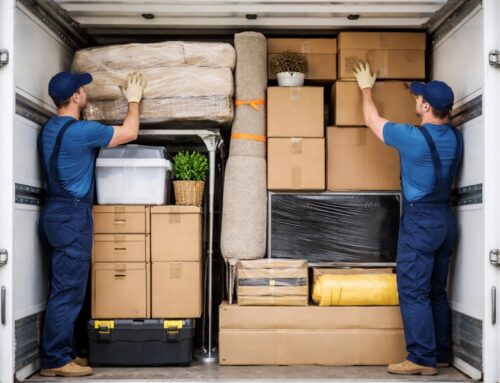
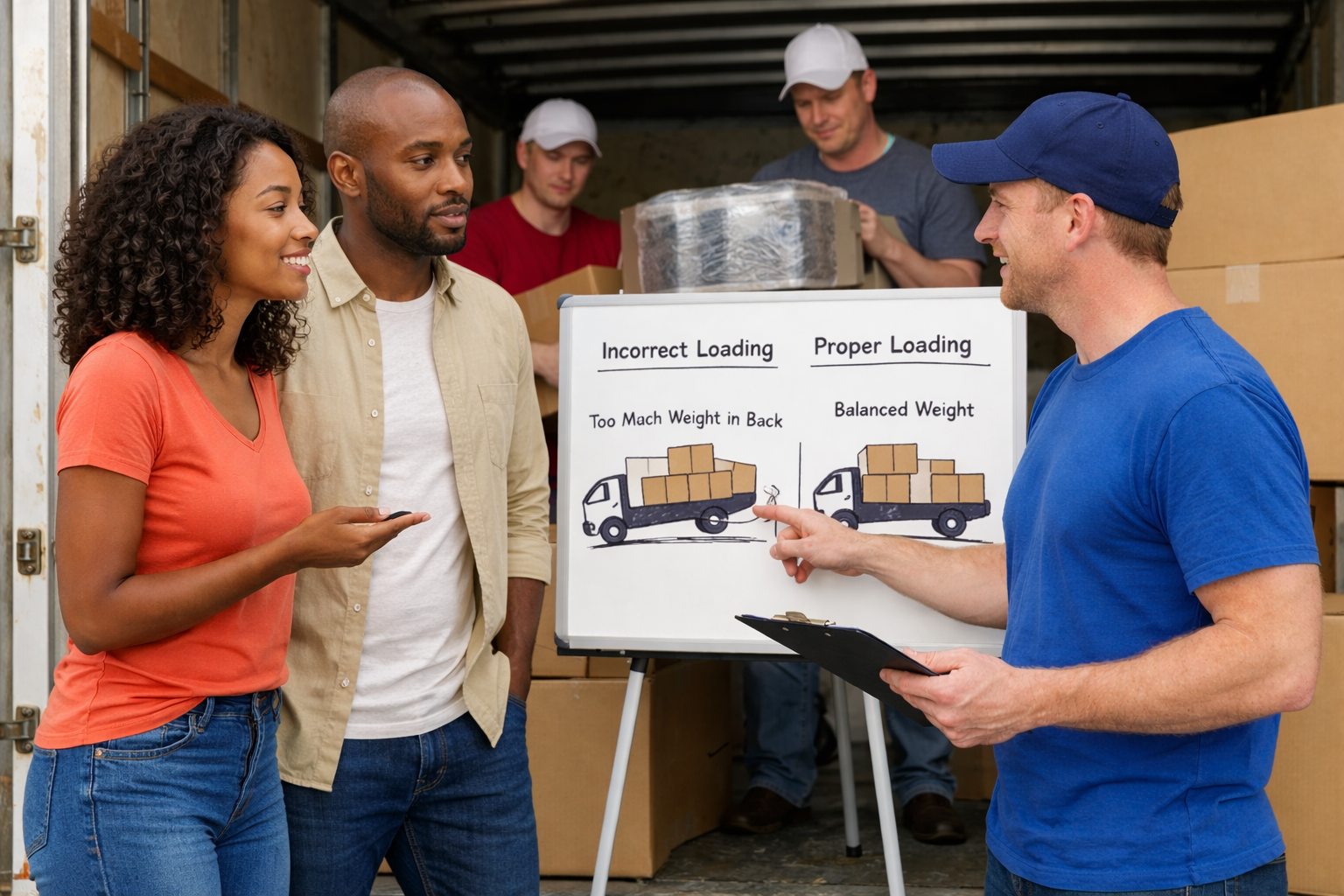
Truck placement also matters. Heavier boxes should ride low and centered where suspension movement is lowest. Transportation vibration research shows that vibration amplitude is higher near truck walls and upper layers. Proper placement protects box integrity during transit.
Labeling box weight or content type helps future handling during unpacking and storage. Clear identification prevents accidental stacking mistakes later.
There is also a planning benefit. When box selection matches weight capacity correctly, truck loading becomes more stable and predictable. Load balance improves, shifting risk decreases, and unloading becomes smoother. Logistics research links consistent load quality with lower error rates and faster handling times.
The psychological benefit should not be underestimated. When boxes feel solid and predictable, stress drops. You trust the stack. You move faster and more confidently. That mental calm reduces rushed mistakes that lead to damage.
Choosing moving boxes based on weight capacity is not about buying the most expensive supplies. It is about matching strength to load intelligently. Real data from packaging engineering, workplace safety, and transportation research all point to the same conclusion. Stronger boxes for heavier items, smaller boxes for dense goods, proper moisture control, good tape, balanced packing, and realistic weight limits dramatically reduce failure risk.
Moving already brings enough uncertainty. Your boxes should not add to it. When each box carries what it was designed to carry, the entire move becomes steadier, safer, and far less stressful.
Do you like this personality?