
March 5, 2026
How to avoid reassembling mistakes after a move
Few things drain post move energy faster than trying to put furniture and equipment back together and realizing something does not line up, a bolt is missing, or a shelf was installed backwards. Reassembling mistakes cost time, create frustration, and sometimes cause permanent damage to furniture or electronics. The good news is that most of these problems are preventable with a little structure before, during, and after the move.
Reassembly errors are more common than people expect. Furniture manufacturers and moving insurance data consistently show that secondary damage often occurs after delivery rather than during transport. People are tired, lighting is poor, tools are scattered, and instructions are missing. Cognitive fatigue plays a major role. Behavioral psychology research shows that decision accuracy drops as mental and physical fatigue increase. After a long move, the brain is simply not operating at full clarity, which makes small alignment mistakes more likely.
The first way to avoid problems starts before anything is taken apart. Take clear photos and short videos of how items are assembled. Capture hardware placement, cable routing, hinge orientation, shelf alignment, and bracket positions. Visual memory fades quickly under stress, but photos preserve exact reference. Human memory studies show that visual cues significantly improve recall accuracy compared with relying on memory alone. When you later reassemble, you are not guessing. You are matching what already worked.
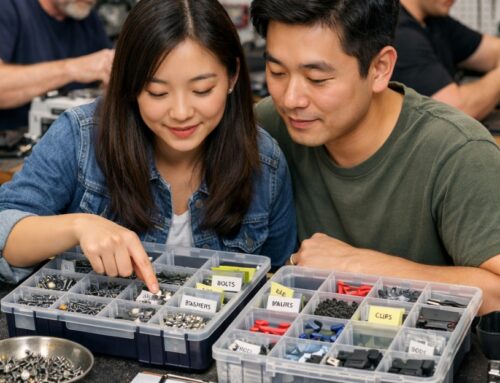
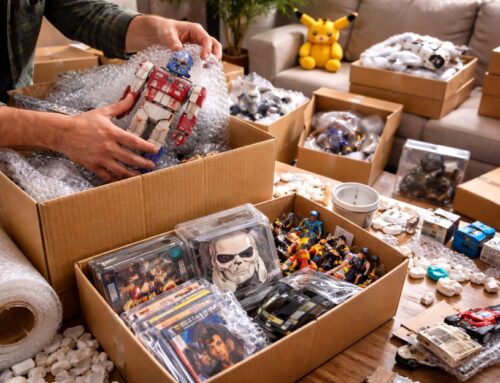
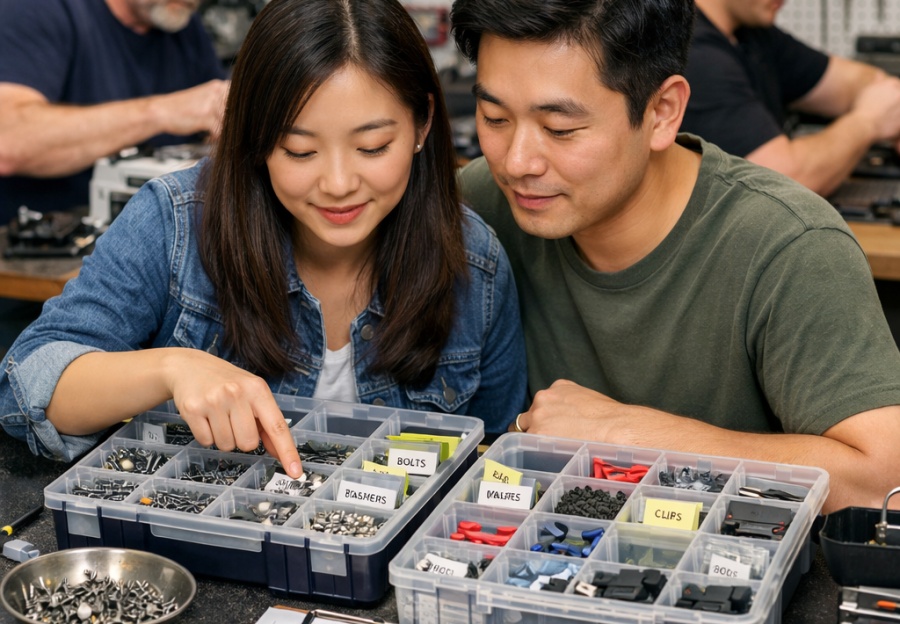
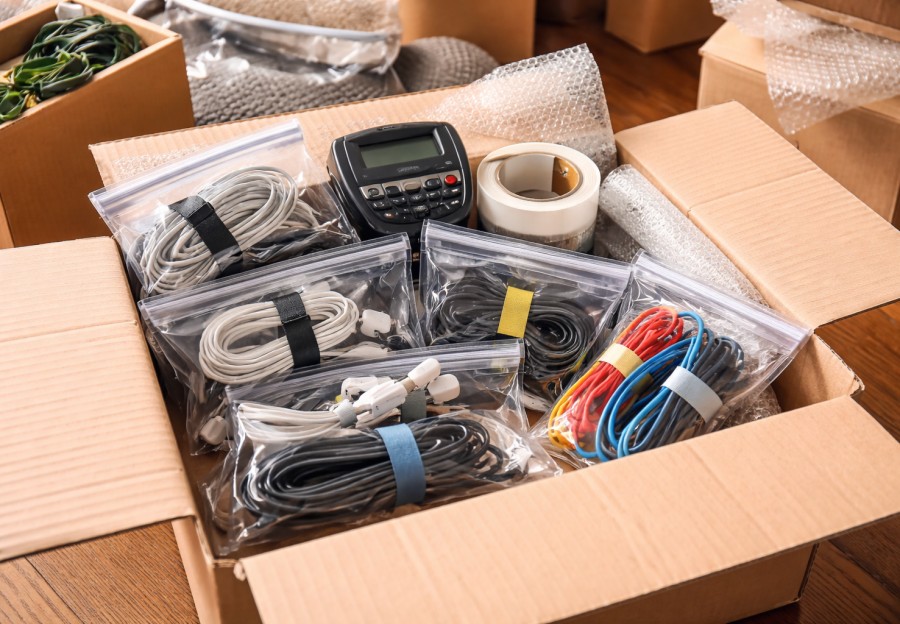
Hardware organization is another critical factor. Small screws, bolts, washers, and specialty brackets disappear easily during moves. Losing even one fastener can compromise stability. Packaging and inventory research shows that item loss rates increase sharply when loose components are mixed or uncontained. Place hardware in small labeled bags and attach them directly to the furniture piece when possible. Keeping components physically connected reduces separation risk and speeds reassembly.
Labeling parts reduces confusion when multiple pieces look similar. Table legs, bed rails, shelving panels, and drawer slides can be surprisingly easy to mix up. Manufacturing assembly studies show that part misidentification is one of the leading causes of assembly errors in production environments. A simple label system keeps orientation and matching correct, especially when multiple furniture pieces share similar hardware.
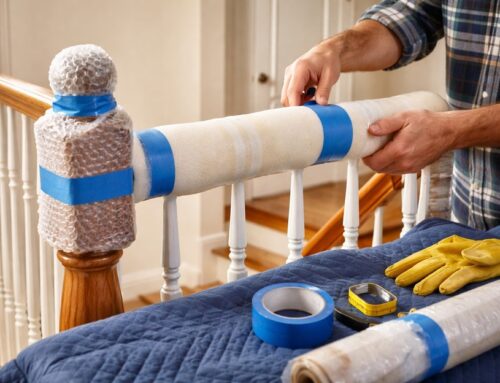
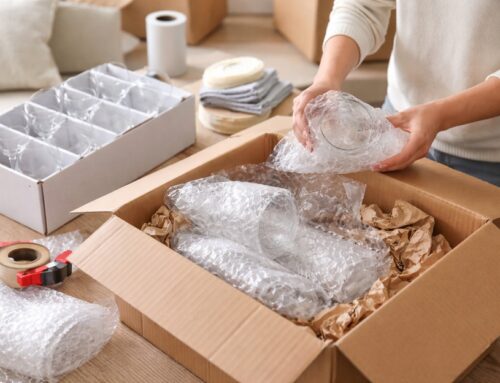
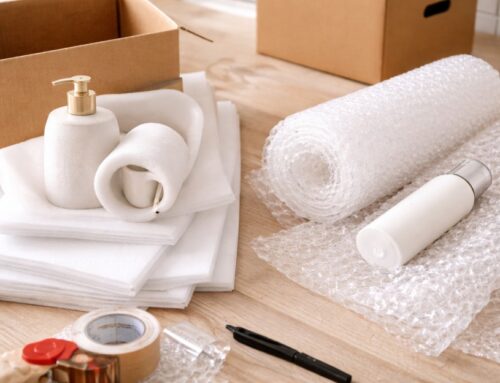
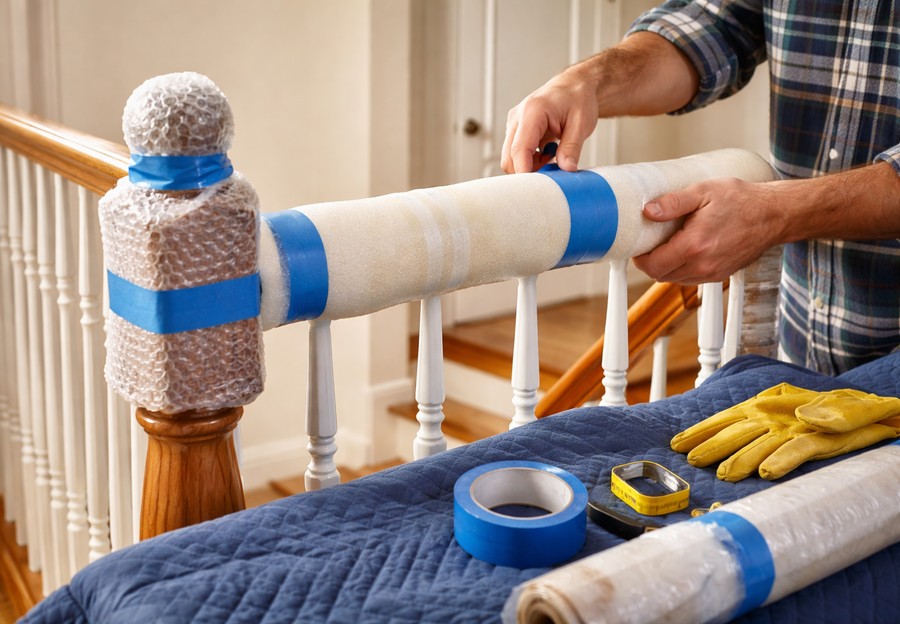
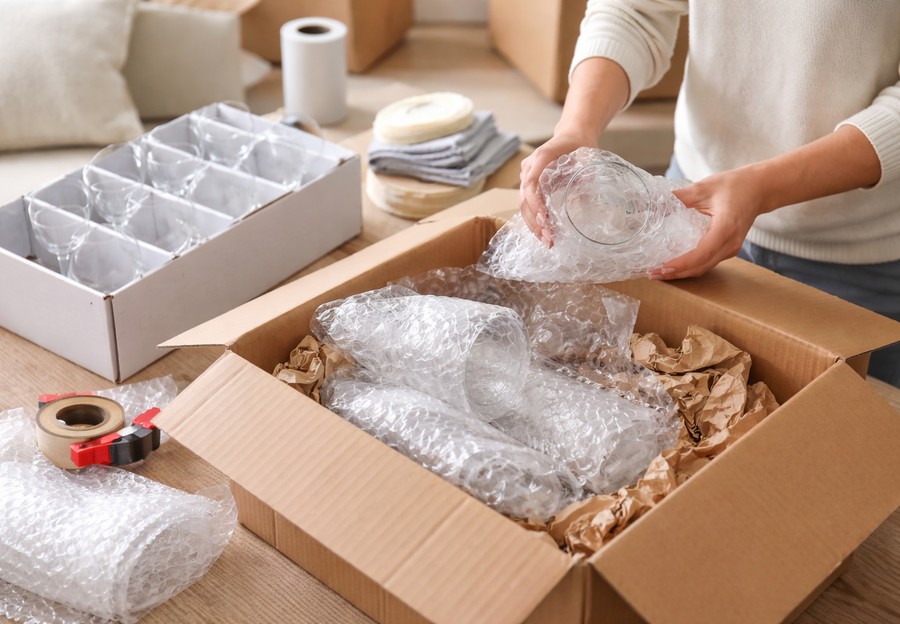
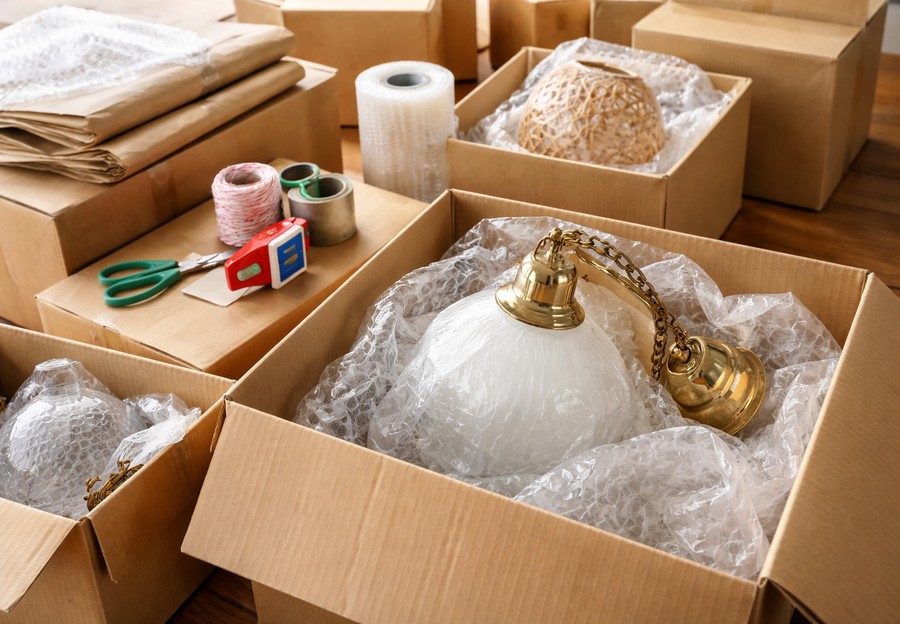
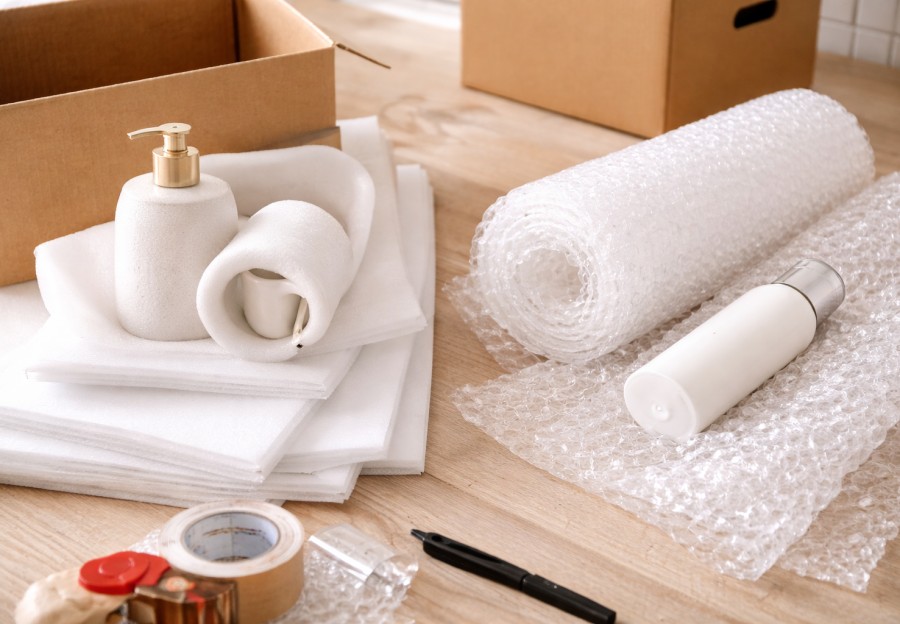
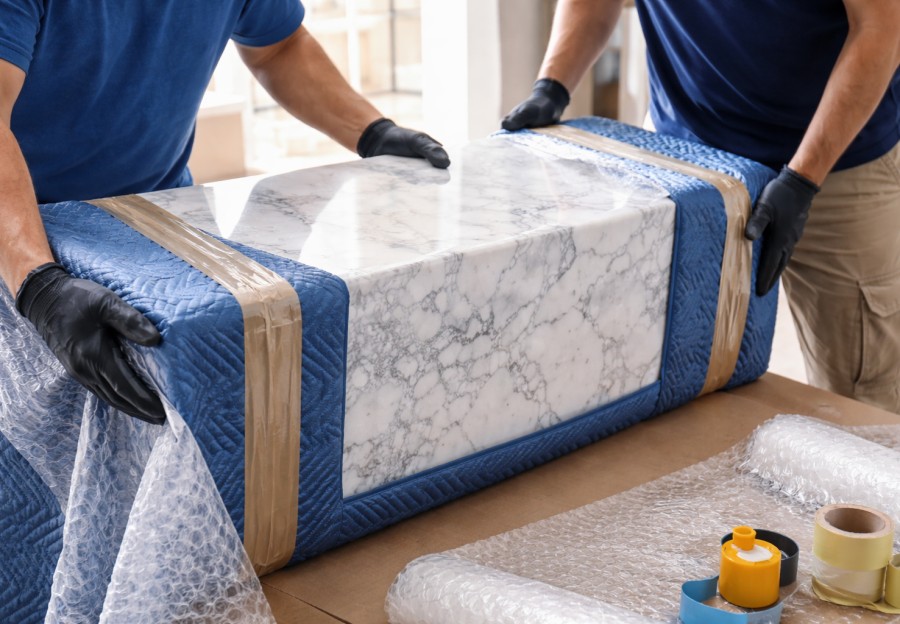
Protecting threads and connection points during transport prevents fit issues later. Stripped threads and bent brackets often occur when parts rub against each other inside boxes. Packaging vibration studies show that continuous low level vibration can loosen and deform metal connections over time when not isolated. Wrapping small metal parts or keeping them in padded bags reduces friction damage and preserves clean threading.
Lighting and workspace setup at the new home directly affect accuracy. Poor lighting increases misalignment and missed details. Safety and ergonomics research consistently links adequate lighting with improved task accuracy and reduced error rates. Before starting reassembly, clear a dedicated workspace with good lighting and enough floor area to lay pieces flat without stacking pressure.
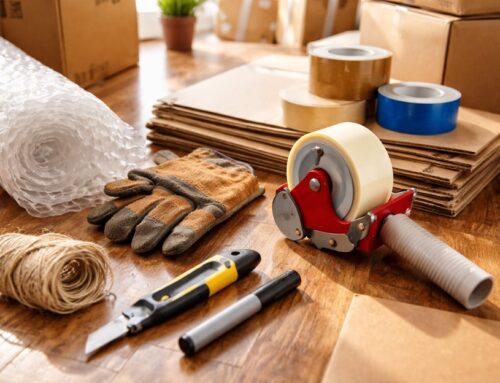
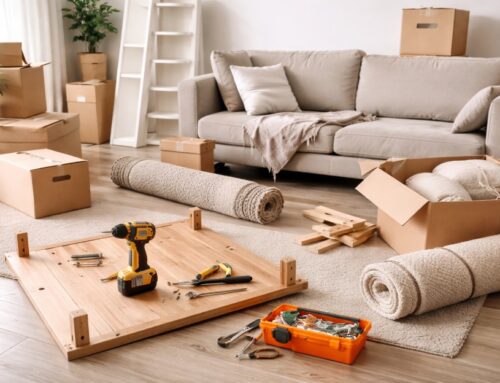
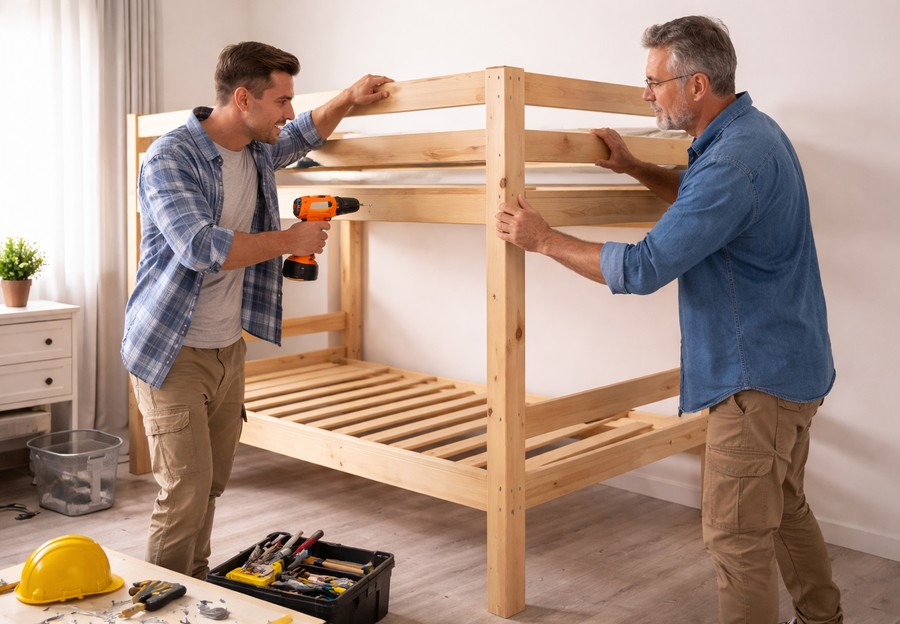
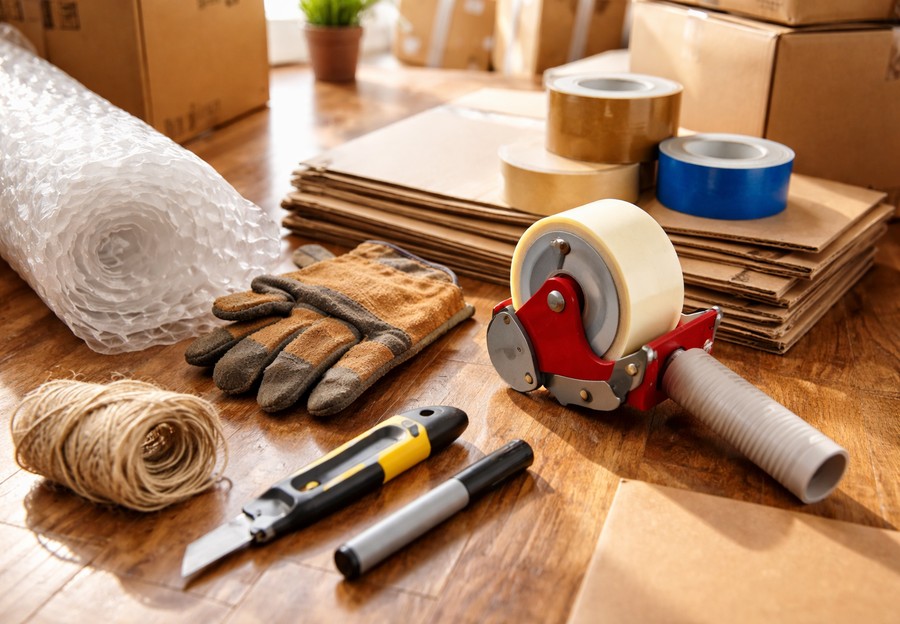
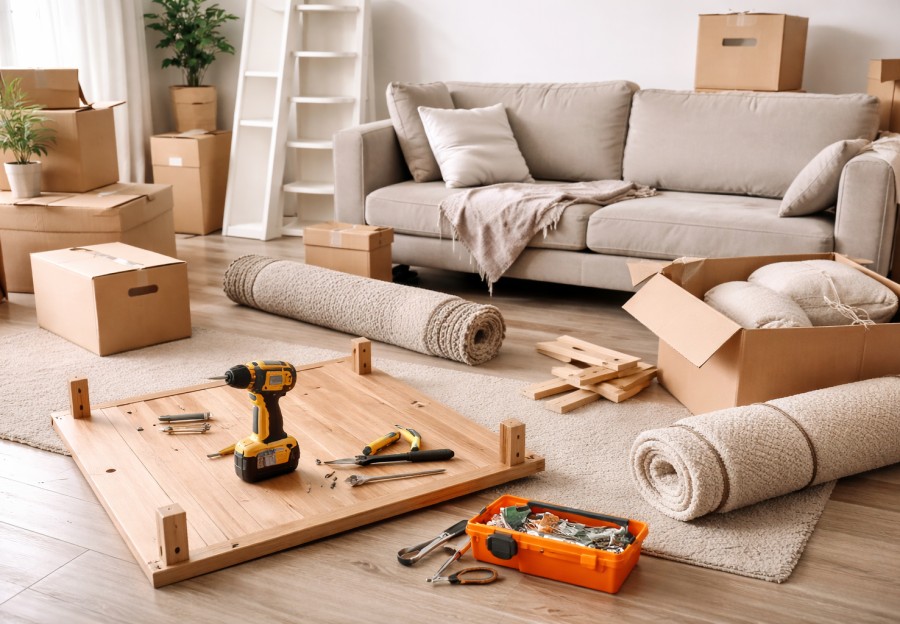
Tool readiness matters more than people realize. Using incorrect tools increases the risk of overtightening, cross threading, and stripped heads. Mechanical engineering data shows that improper torque application accelerates fastener wear and joint failure. Having the right size screwdrivers, hex keys, adjustable wrench, and a small level improves precision and protects furniture longevity.
Pacing is another overlooked factor. Rushing increases error probability. Human reaction and accuracy studies show that speed pressure increases mistake rates, especially in fine motor tasks. Give yourself permission to move slowly during reassembly even if you feel behind schedule. Ten extra minutes of careful alignment prevents hours of rework later.
Follow original assembly order whenever possible. Furniture is designed to distribute load and tension in a specific sequence. Skipping steps or tightening everything at once can twist frames or misalign joints. Manufacturing quality control research shows that proper assembly sequencing reduces structural stress and improves long term stability. Light tightening first, then final tightening after alignment, allows components to settle correctly.
Avoid overtightening fasteners. Many people assume tighter is always better. In reality, overtightening strips threads, cracks particle board, and weakens joints over time. Materials engineering research shows that fasteners have optimal torque ranges that balance holding strength and material integrity. Snug and secure is better than forced.
Leveling furniture early prevents long term stress. Uneven floors are common in both older and newer homes. A slightly tilted frame creates uneven load distribution that accelerates joint fatigue. Structural engineering data shows that uneven load paths increase localized stress and reduce lifespan of joints and fasteners. Using a small level and simple shims protects furniture alignment and stability.
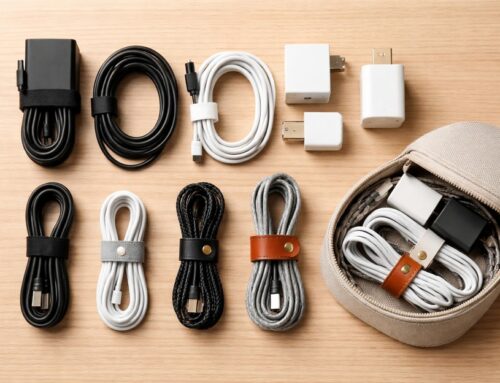
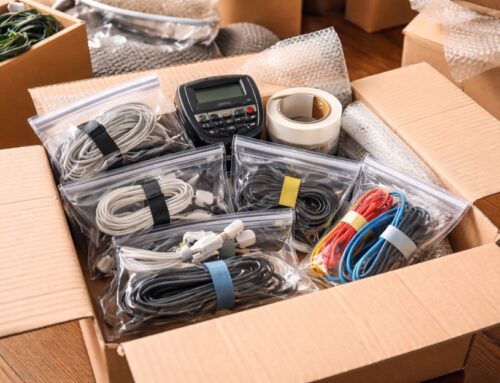
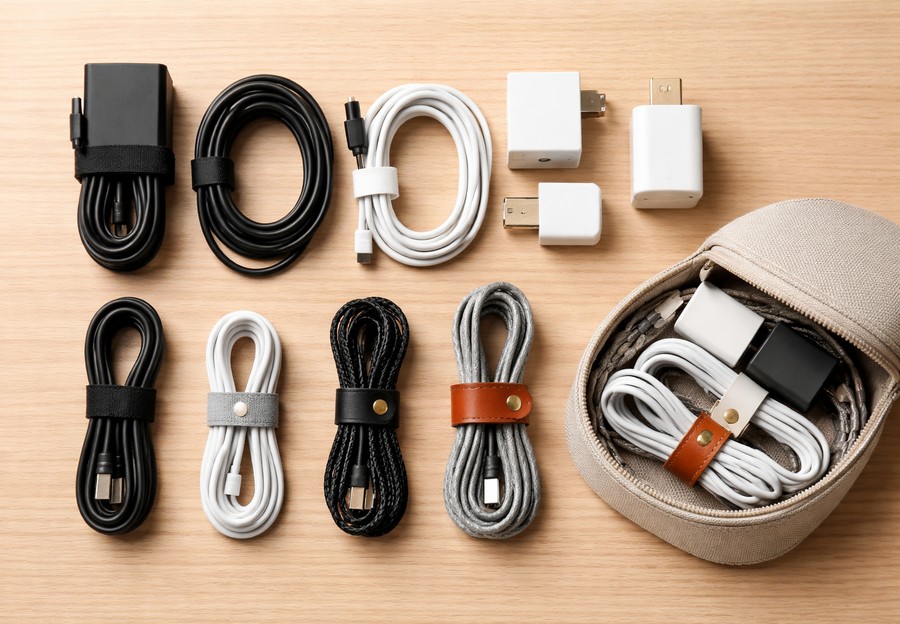
Cables and electronics deserve special attention during reassembly. Tangled or sharply bent cables shorten lifespan. Data cable manufacturers report that repeated tight bending can reduce cable durability by more than 50 percent due to conductor fatigue. Route cables gently and avoid pinching behind furniture. Labeling cables before the move reduces trial and error plugging that damages ports.
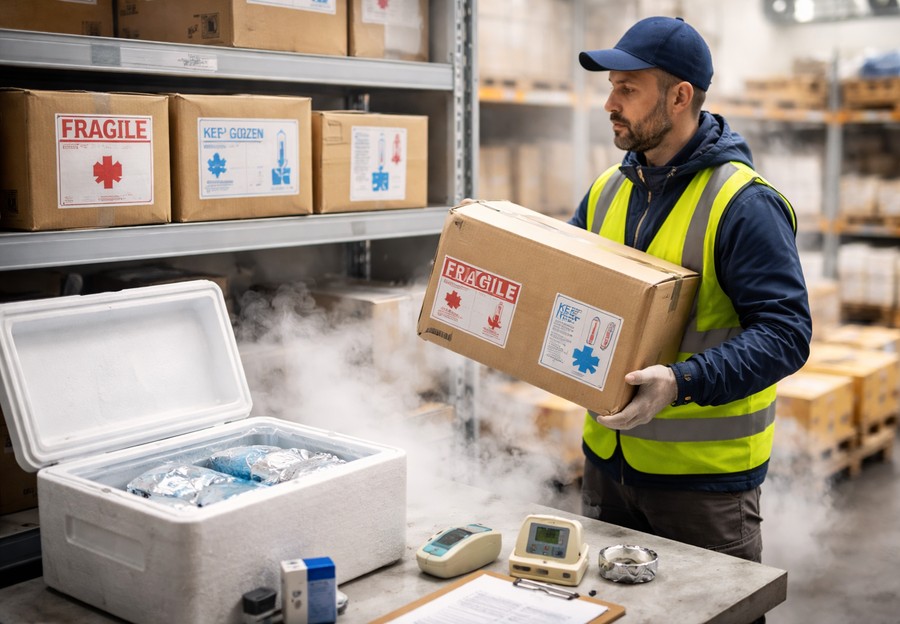
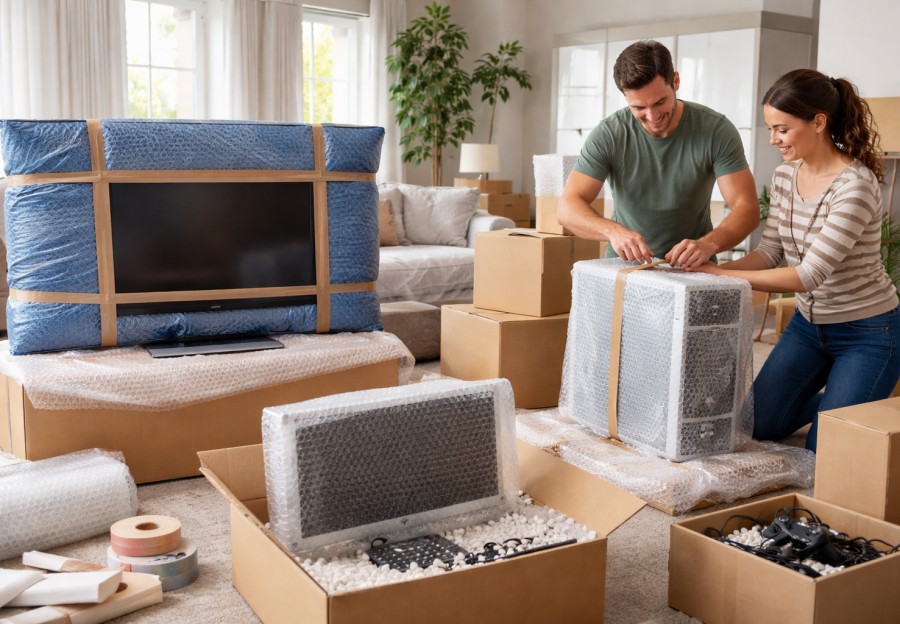
Allow electronics to acclimate to room temperature before powering on. Vehicle interior temperature studies show that trucks can exceed outdoor temperatures by more than 20 degrees Celsius within an hour in sun exposure. Rapid temperature changes increase condensation risk inside electronics. Electronics manufacturers often recommend waiting several hours before powering devices after temperature shifts to prevent moisture related damage.
Instruction manuals help even when furniture seems simple. Many people discard manuals during packing. Manufacturer support data shows that assembly errors increase significantly when instructions are unavailable, even for experienced users. Digital copies are often available online and worth downloading before moving day in case the paper version is lost.
Sequence your reassembly logically. Start with large anchor pieces such as beds, desks, shelving units, and dining tables. Once those are stable, smaller pieces fit more easily around them. Time motion studies in workspace setup show that building from large to small reduces unnecessary repositioning and lifting. It also improves spatial planning accuracy.
Check stability before fully loading furniture. Sit gently on chairs, apply light pressure to shelves, and test drawer slides before adding weight. Mechanical safety research shows that early load testing identifies alignment issues before they become failures. Catching a loose joint early prevents collapse or damage later.
Take breaks intentionally. Fatigue increases hand tremor, reduces attention to detail, and raises frustration. Occupational health studies show that short rest periods restore fine motor accuracy and decision quality during prolonged tasks. Even a five minute pause improves performance when mental strain builds.
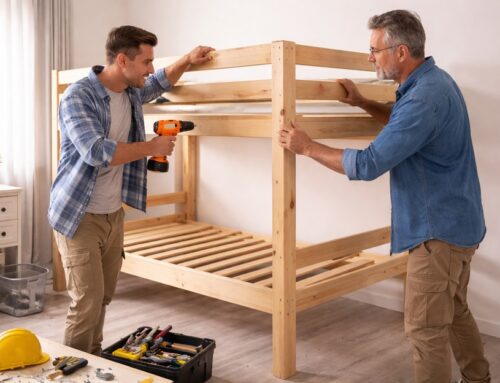
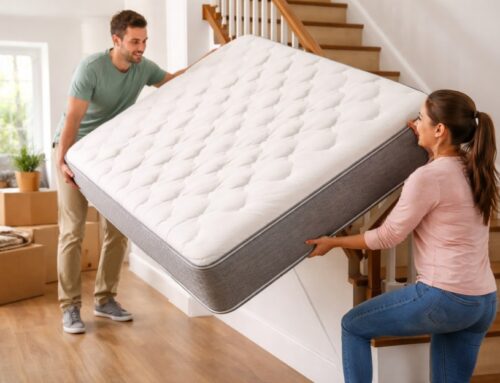
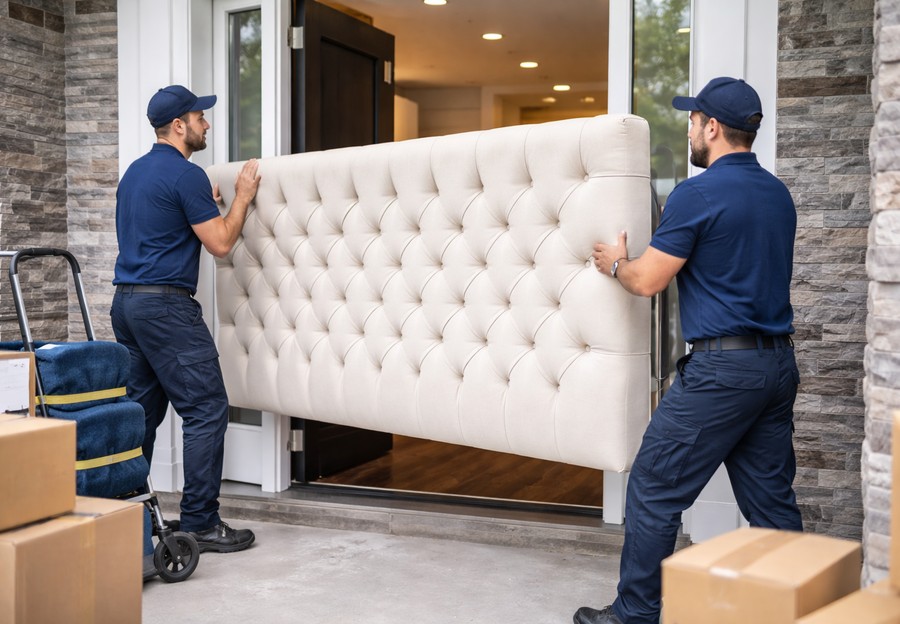
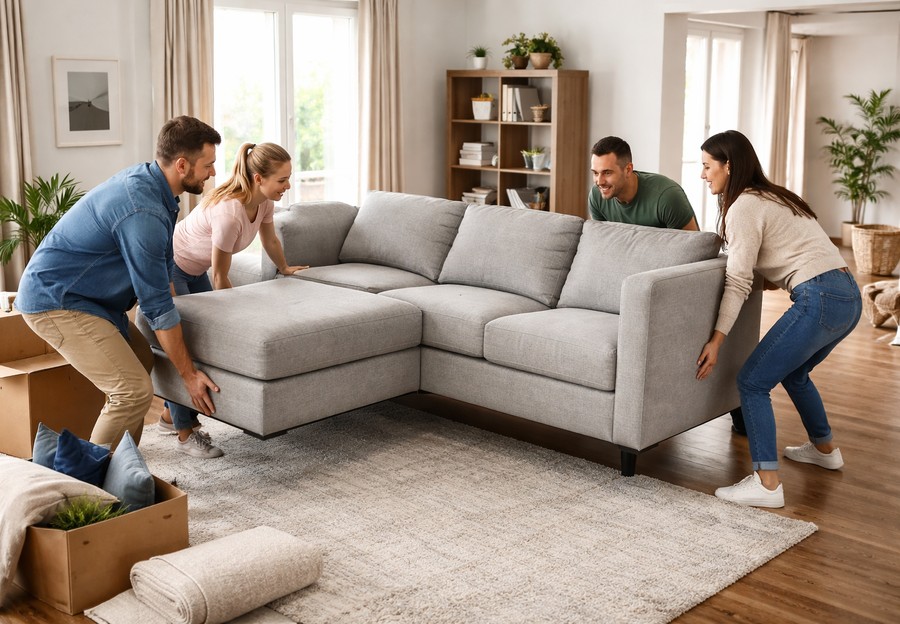
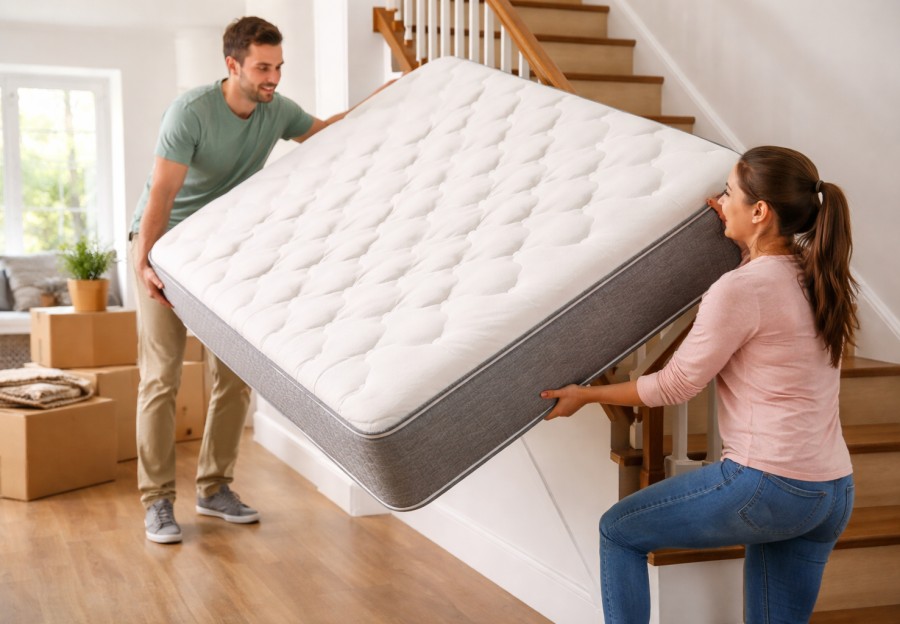
Do not hesitate to ask for help when needed. Some assemblies require alignment from multiple angles or lifting while fastening. Trying to manage both alone increases the chance of dropped parts or crooked installation. Ergonomics research shows that shared load handling reduces error and injury risk compared with solo handling.
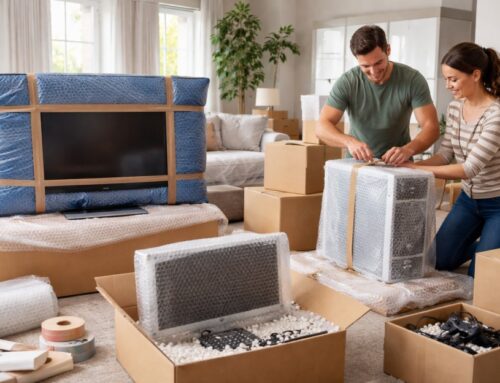
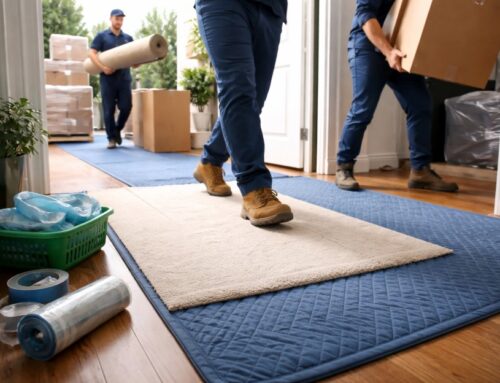
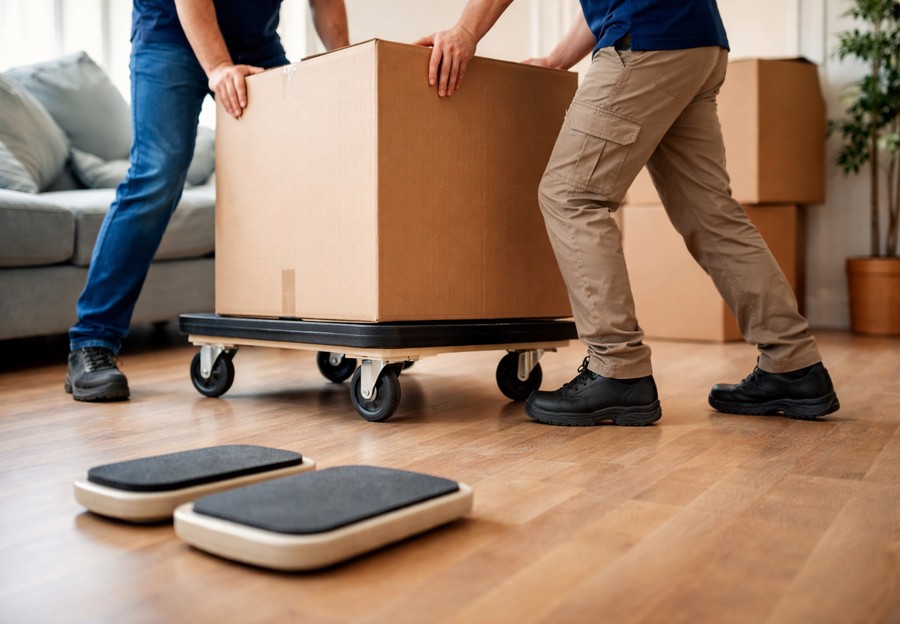
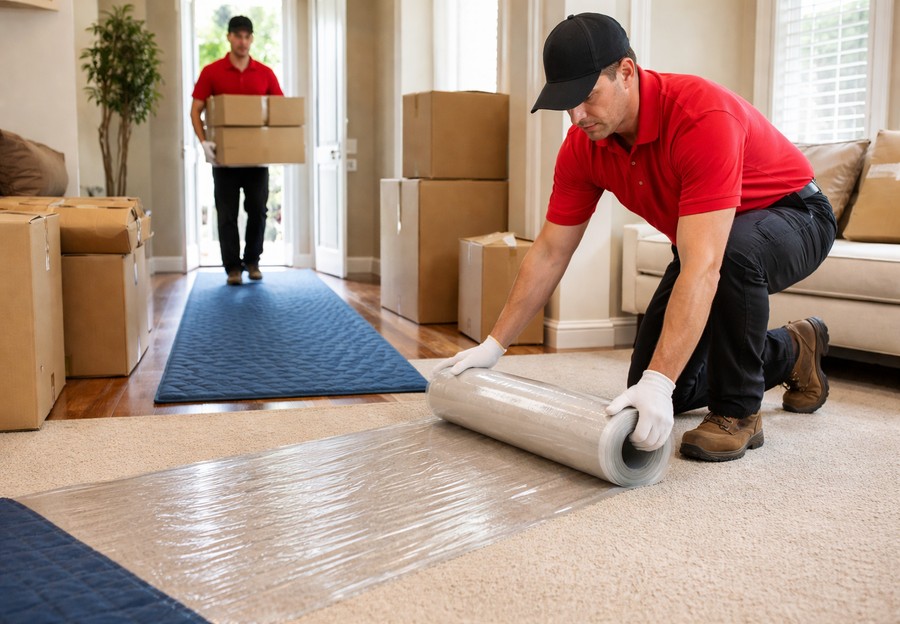
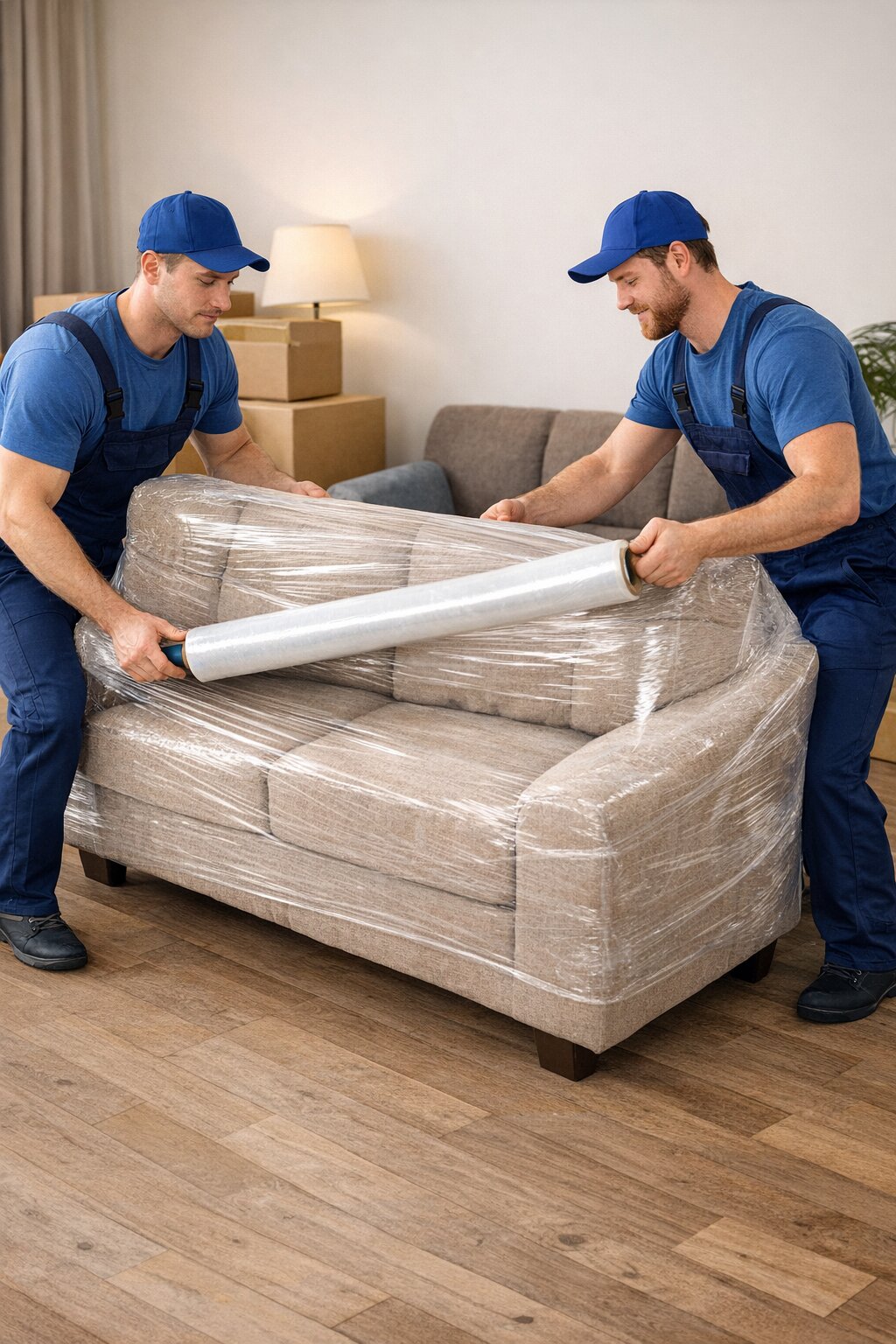
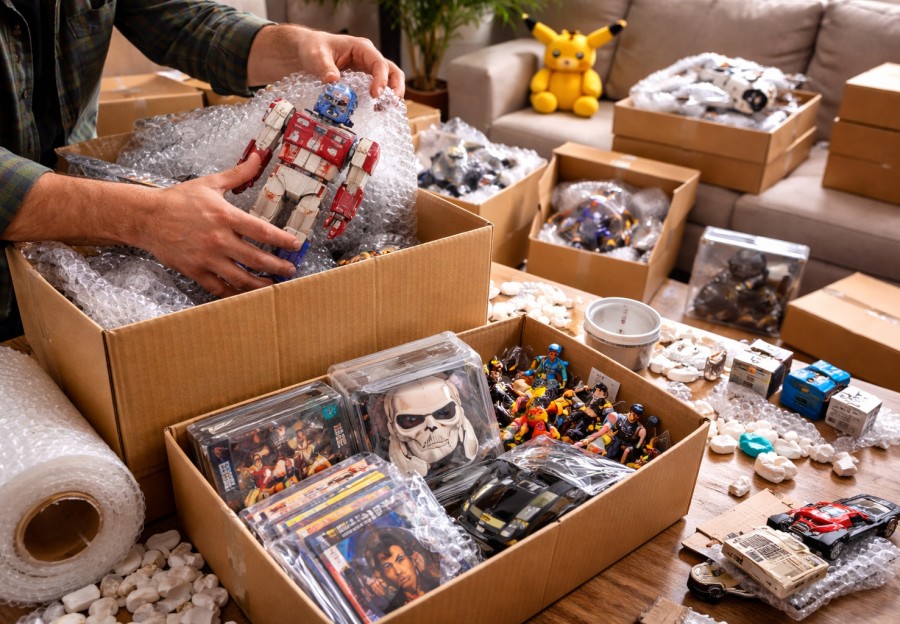
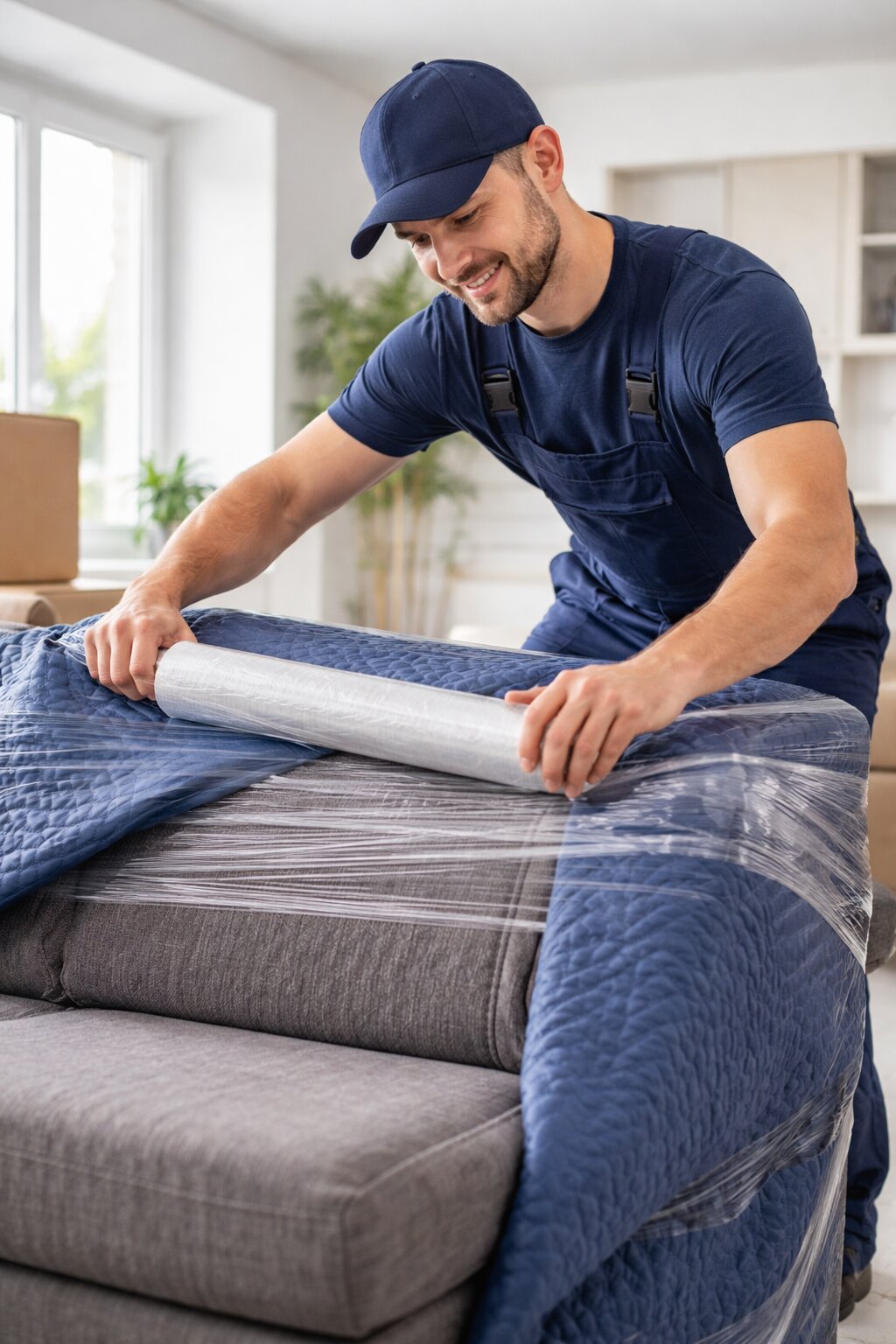
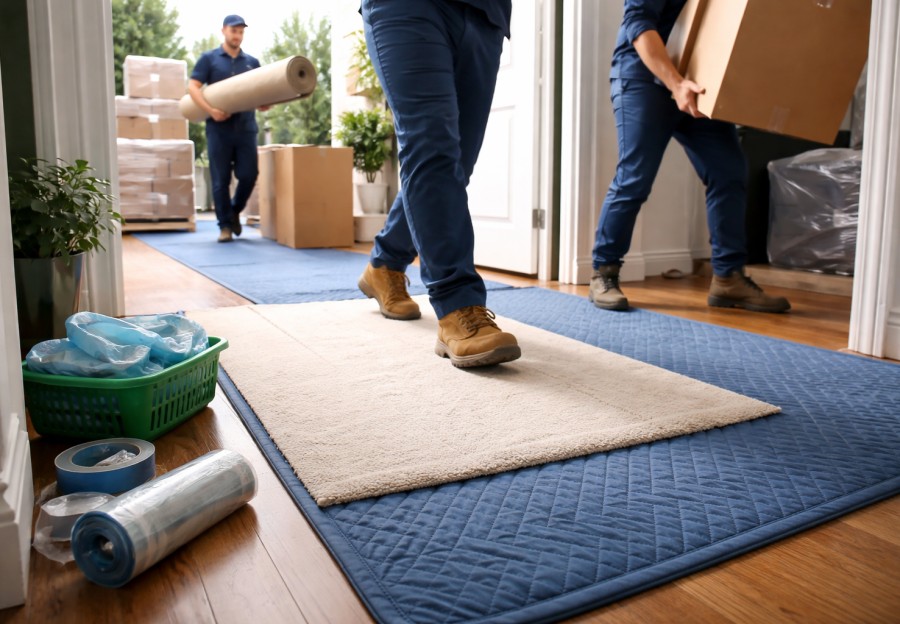
Keep packaging materials until reassembly is complete. Foam blocks, cardboard sheets, and blankets protect floors and furniture during positioning. Many chips and scratches happen during reassembly when heavy pieces slide or tip slightly. Surface protection reduces secondary damage.
Document your final assembly with quick photos for future reference. This becomes valuable for future moves, warranty claims, or adjustments. Visual documentation supports consistency and confidence next time.
There is also a financial angle to careful reassembly. Furniture repair costs add up quickly. Home improvement pricing surveys show that professional furniture repair and refinishing can cost hundreds to thousands of dollars depending on material and damage extent. Preventing one stripped thread or cracked panel easily offsets the small time investment in careful assembly.
Environmental impact matters too. Damaged furniture often ends up discarded. Waste management data shows that bulky household waste contributes significantly to landfill volume during move seasons. Extending furniture life reduces unnecessary waste and replacement manufacturing.
Emotional stress drops when reassembly goes smoothly. Moving already ranks among the top life stressors according to behavioral health research. Reducing friction in the final setup phase accelerates the feeling of being settled and in control.
Avoiding reassembling mistakes after a move comes down to visibility, organization, pacing, and respect for material limits. Photos preserve memory. Hardware organization prevents loss. Proper tools protect joints. Good lighting improves accuracy. Slow sequencing reduces misalignment. Temperature acclimation protects electronics. Stability testing prevents later failures. Breaks protect focus. Small habits compound into smoother results.
The goal is not speed. It is correctness and durability. When furniture goes back together properly the first time, it feels solid, looks right, and lasts longer. That confidence carries into the rest of settling in. Instead of revisiting the same piece multiple times, you move forward into making the space your own.
Reassembly is the final chapter of a move. When handled with care and intention, it becomes a quiet success rather than a lingering headache. A little patience and structure turn a potentially frustrating task into a smooth finish that lets you enjoy your new home without loose bolts, crooked shelves, or lingering regret.