April 13, 2026
Packing tools every household needs on moving day
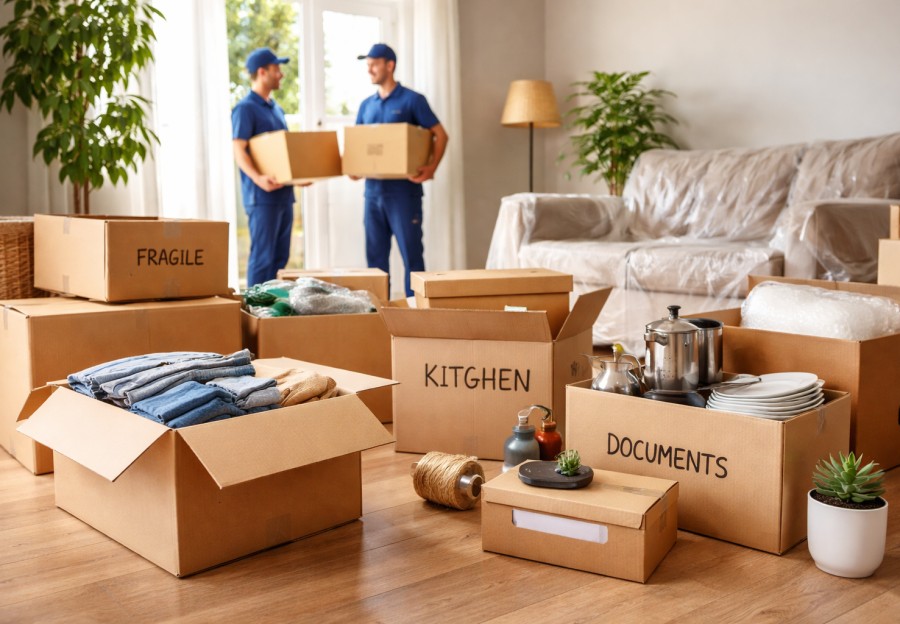
Moving day has a way of exposing what you forgot to prepare. Boxes are stacked, furniture is wrapped, and suddenly you realize you cannot cut tape, tighten a loose bed bolt, protect a floor edge, or label a last minute box. The right basic tools keep the day moving forward instead of turning into a series of small delays and frustrations. These tools are not complicated or expensive, but they make a measurable difference in safety, efficiency, and damage prevention.
The scale of a typical move explains why preparation matters. Industry surveys estimate that the average household move involves several hundred individual handling actions between lifting, carrying, stacking, taping, and unpacking. Each action introduces friction, fatigue, and risk. Occupational safety data from the Bureau of Labor Statistics consistently shows that overexertion, slips, and contact with objects remain among the leading causes of injury in manual handling work. Simple tools reduce those risks by improving control, reducing strain, and preventing improvised shortcuts that lead to accidents.
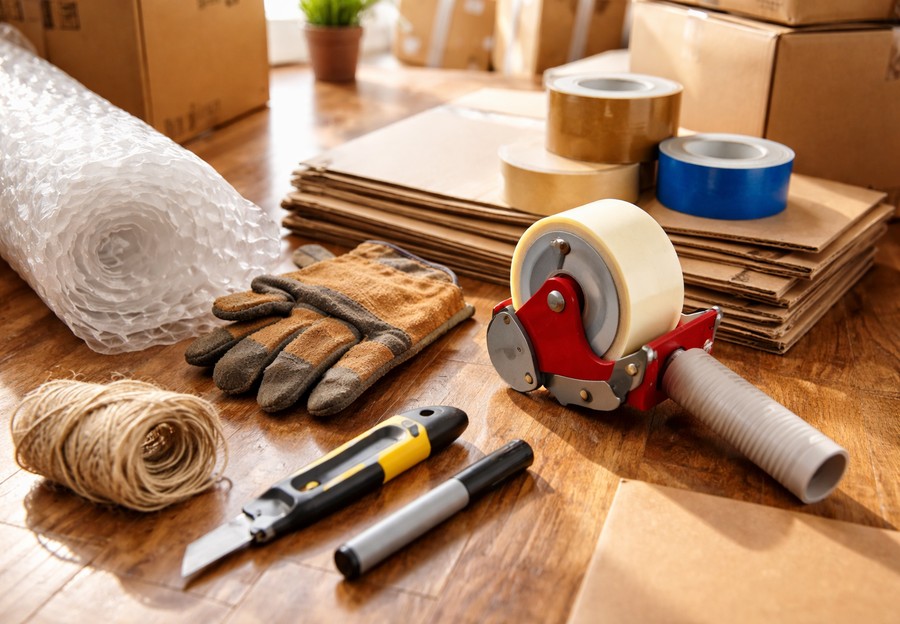
A sharp box cutter or utility knife is one of the most essential tools on moving day. Cutting tape cleanly prevents people from ripping boxes open with force, which often leads to torn cartons, damaged contents, and hand injuries. Consumer safety data shows that dull blades increase slip risk because users apply more pressure, causing sudden loss of control. A sharp blade with a retractable safety feature improves precision and reduces accidental cuts. Keeping spare blades on hand maintains cutting efficiency throughout the day.
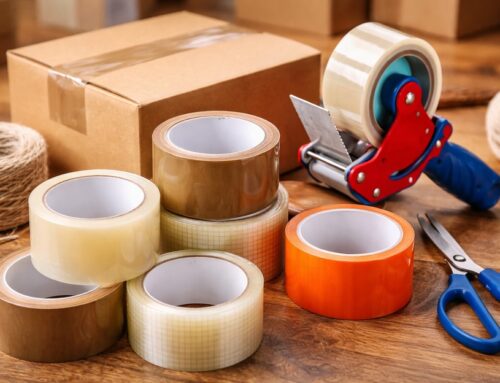
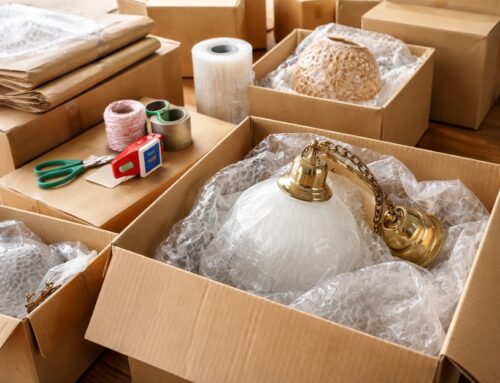
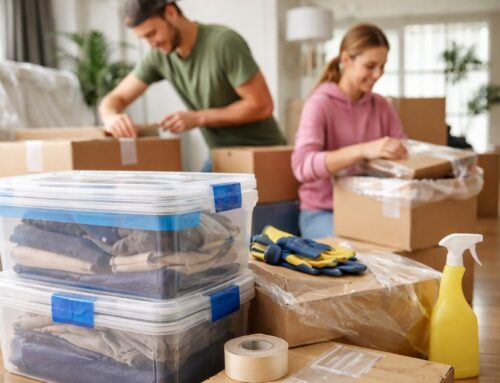
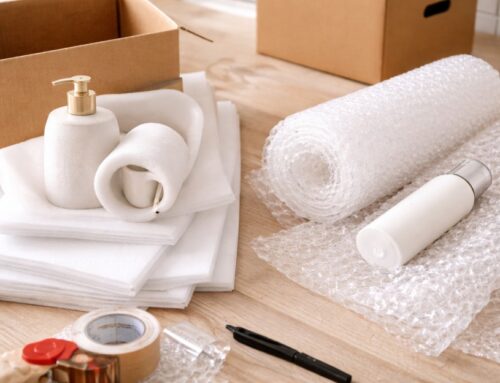
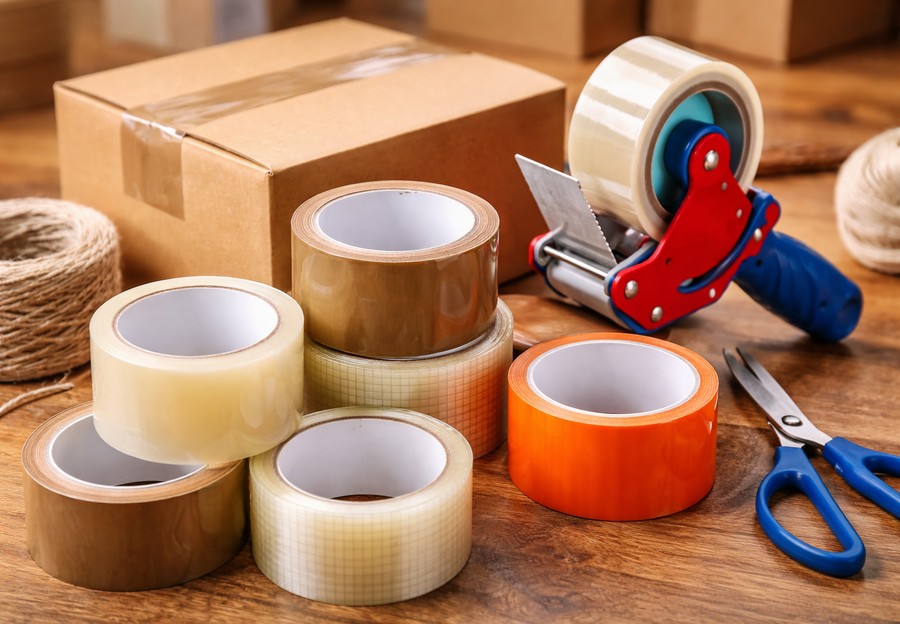
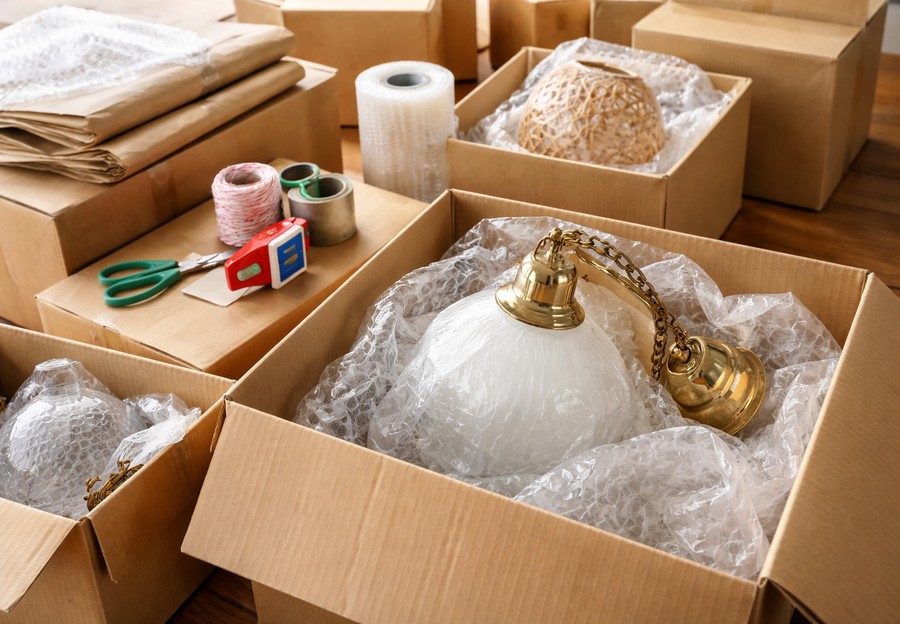
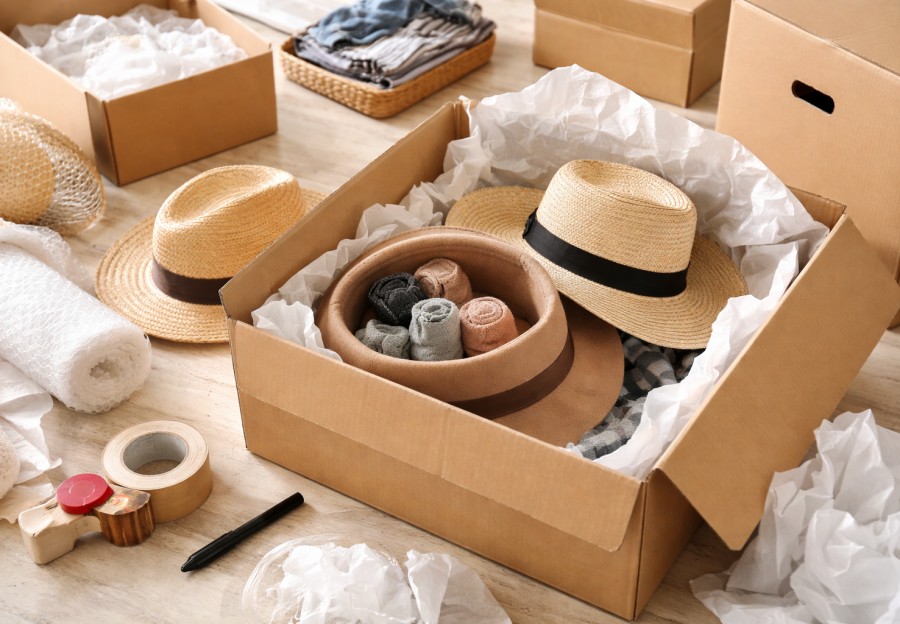
Good packing tape and a sturdy tape dispenser work as a system rather than separate items. Packaging engineers emphasize that consistent tape tension and straight application improve seam strength significantly compared with hand tearing. Strong carton sealing reduces box failures during stacking and vibration. Corrugated packaging studies show that poor sealing increases box collapse risk by more than 20 percent under load. A dispenser also reduces repetitive finger strain and speeds up packing and resealing tasks during last minute adjustments.
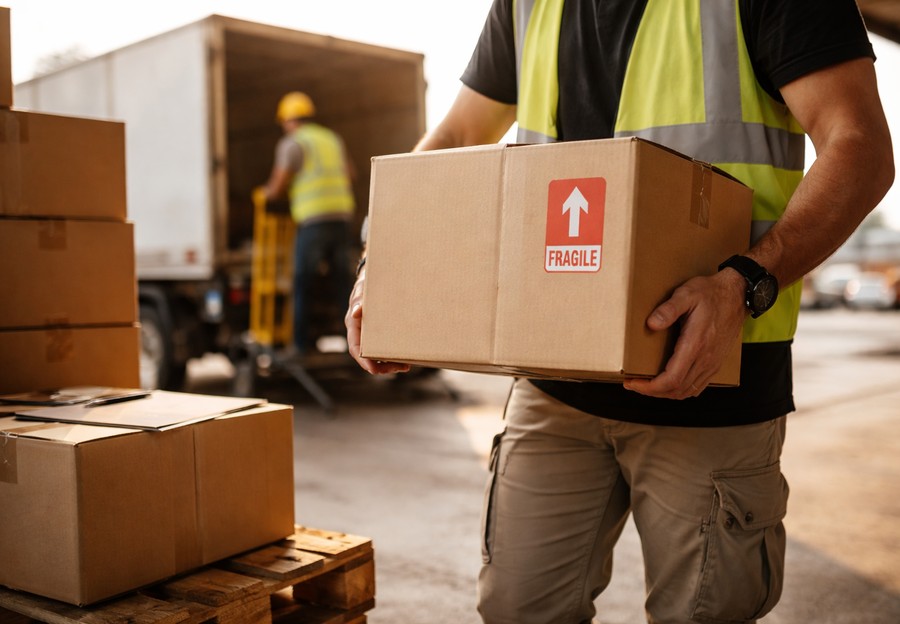
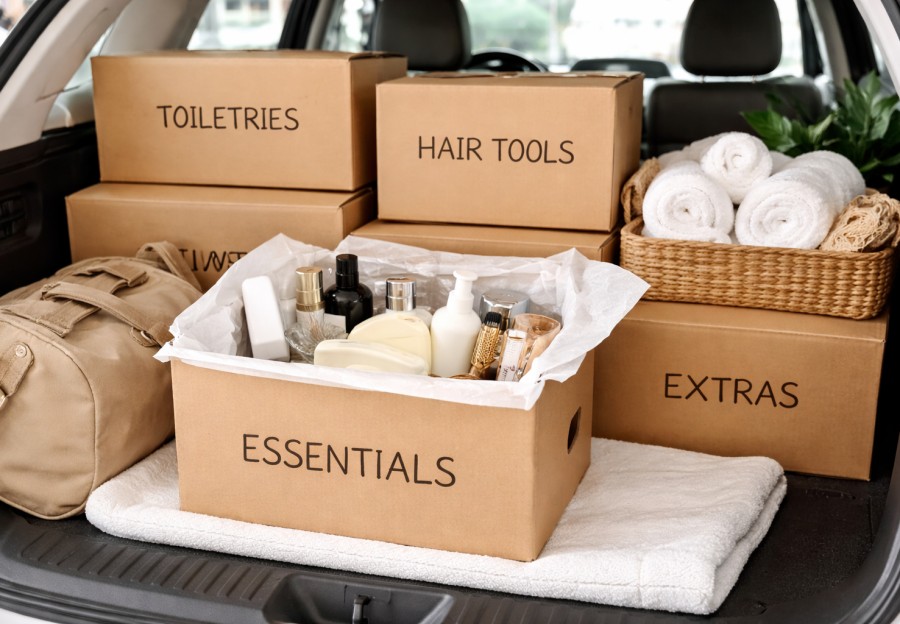
Permanent markers and clear labeling supplies prevent a surprising amount of wasted time later. Logistics studies show that clear labeling reduces sorting and placement errors by roughly 25 to 30 percent in busy handling environments. Writing room names, fragile notes, and orientation cues improves unloading flow and reduces rehandling. Waterproof markers matter if weather or condensation becomes a factor. Smudged labels slow decision making when energy is already low.
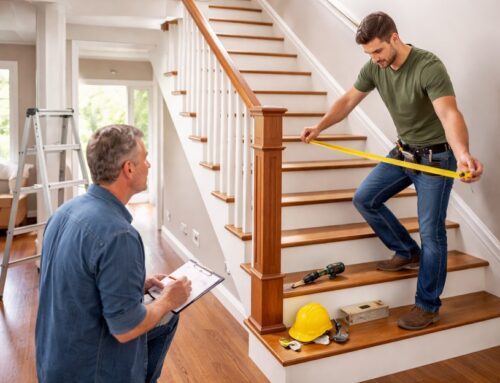
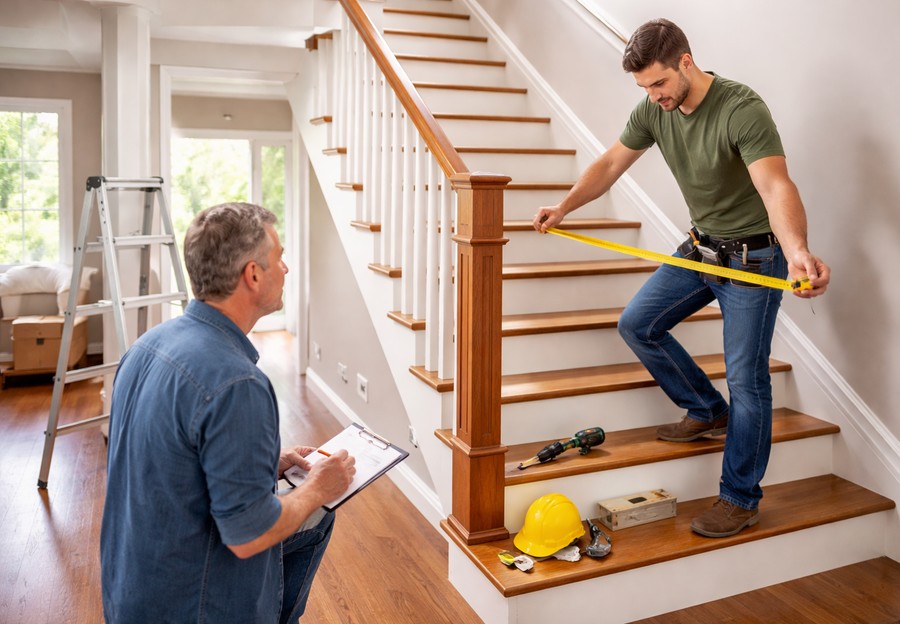
Measuring tape solves more problems than most people expect on moving day. Doorways, stair widths, elevator interiors, and truck clearances often become critical when large furniture appears larger than memory suggested. Spatial planning research shows that people routinely overestimate available clearance when relying on visual judgment alone. A quick measurement prevents forced maneuvers that damage walls, furniture, and nerves. Measuring tape also helps with placement planning at the new home so large pieces land correctly the first time rather than being shifted repeatedly.
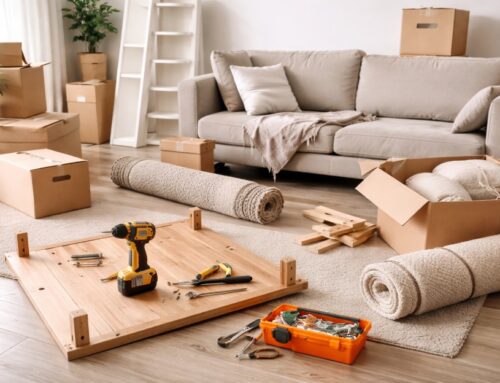
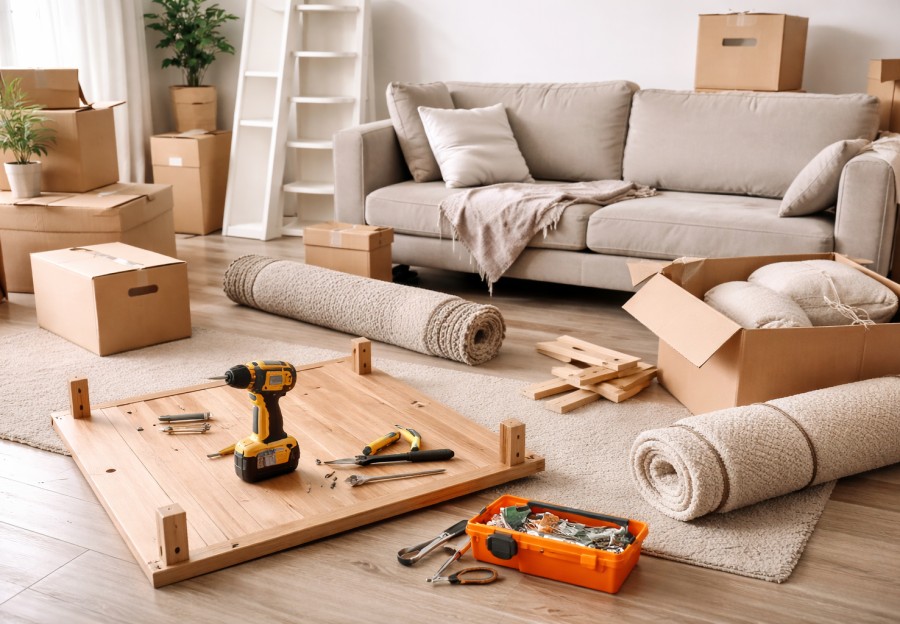
Basic hand tools such as screwdrivers, hex keys, adjustable wrenches, and small pliers prevent small mechanical issues from becoming major delays. Furniture assembly data shows that missing or loose hardware is a leading cause of post move reassembly problems. Tightening a loose bed frame bolt or removing a door hinge quickly saves time and prevents unsafe improvisation. Even modern flat pack furniture often requires multiple tool sizes, and having them accessible avoids scavenger hunts through packed boxes.
A rubber mallet can be surprisingly useful for gently tapping joints into alignment without damaging finishes. Furniture frames and shelving often need light persuasion rather than brute force. Impact testing shows that rubber mallets distribute force more evenly and reduce surface denting compared with metal hammers.
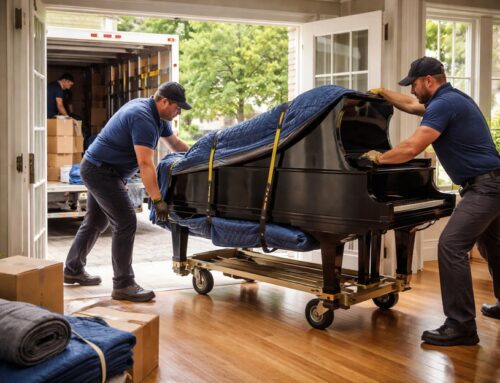
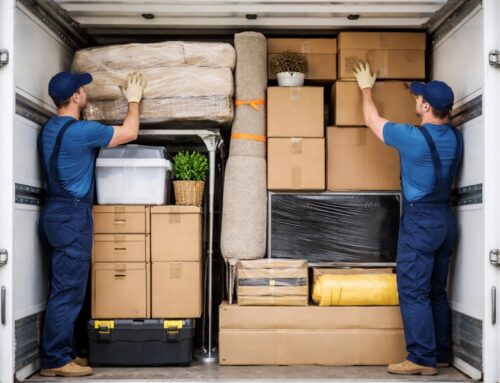
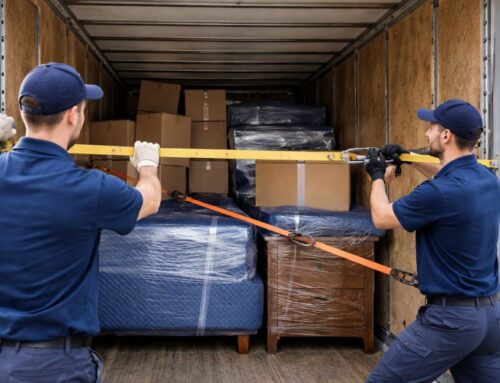
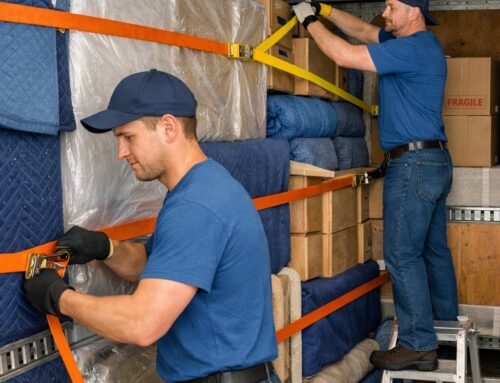
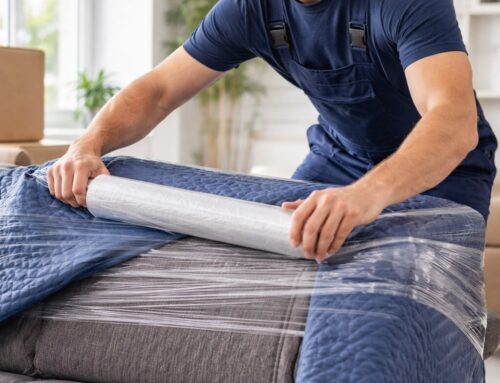
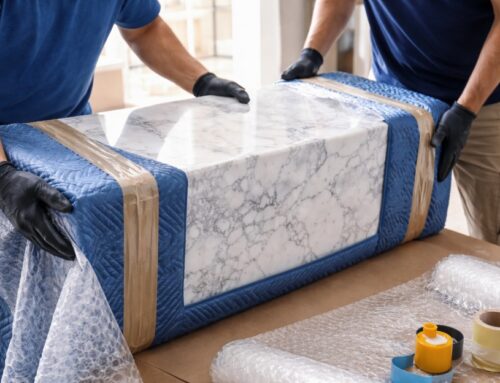
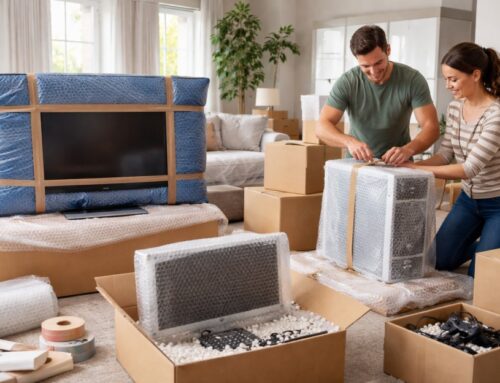
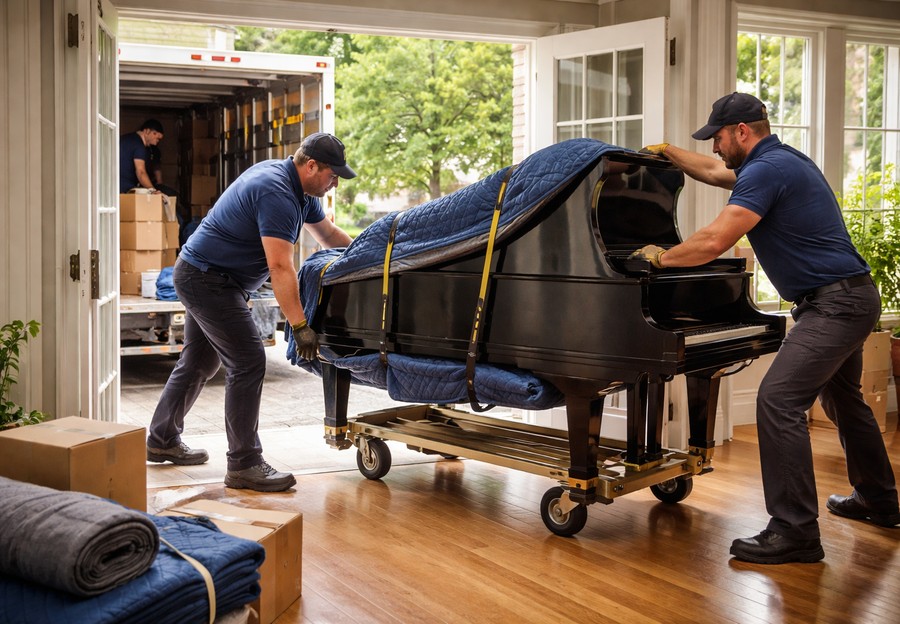
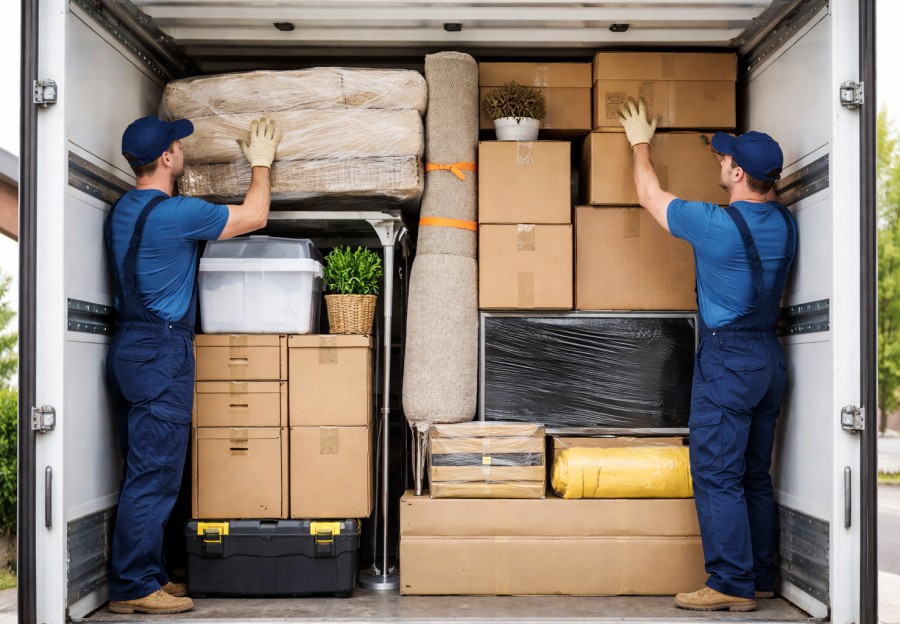
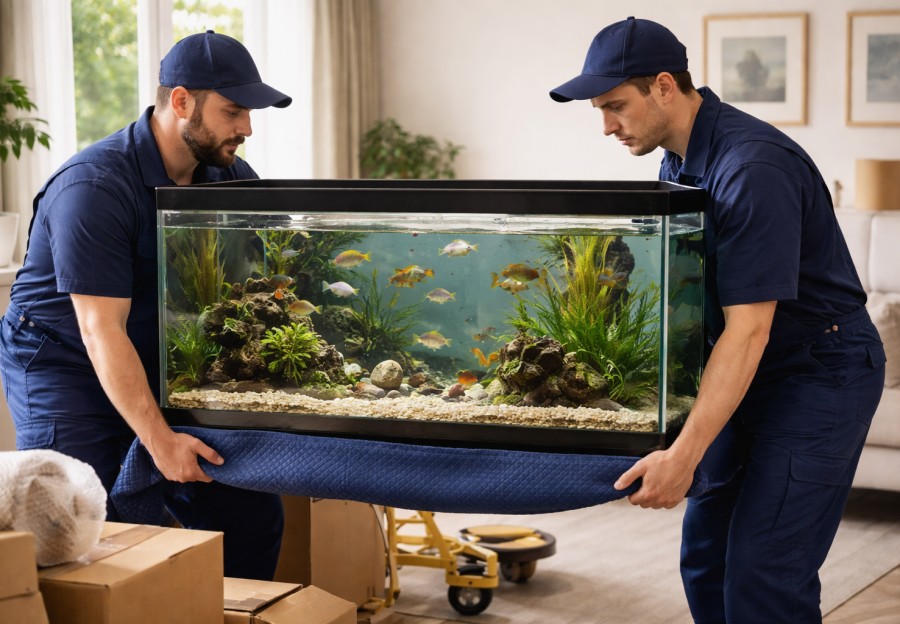
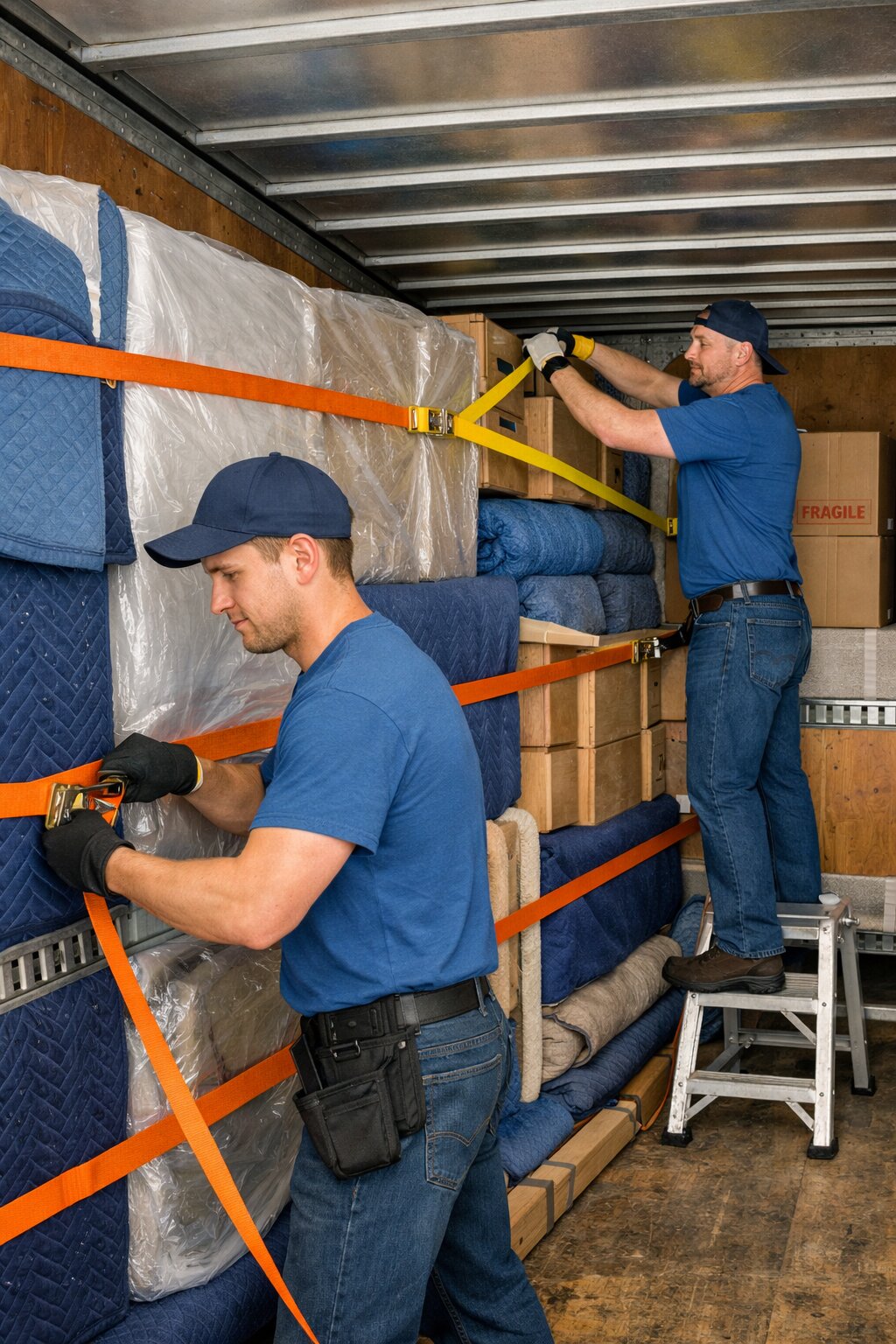
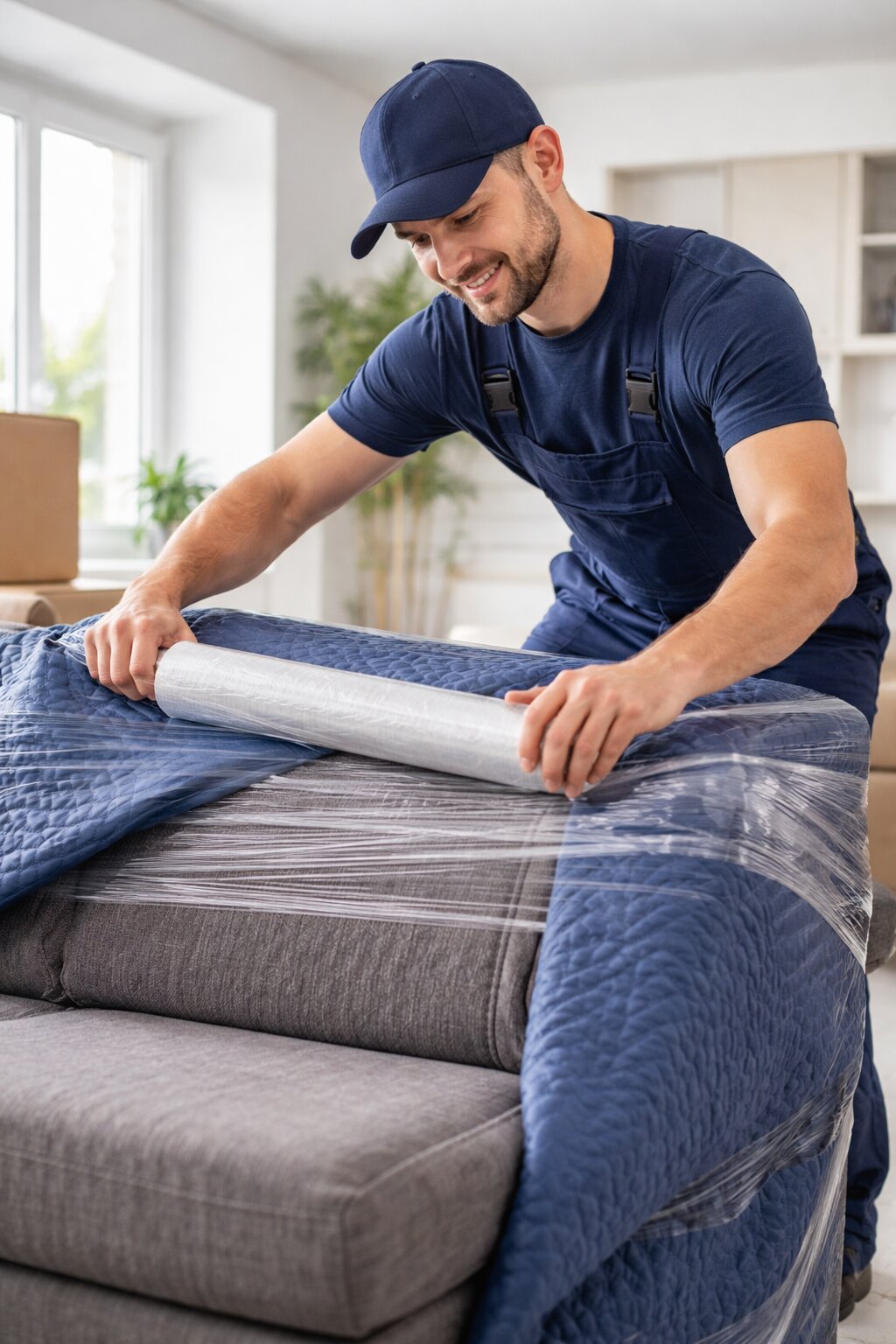
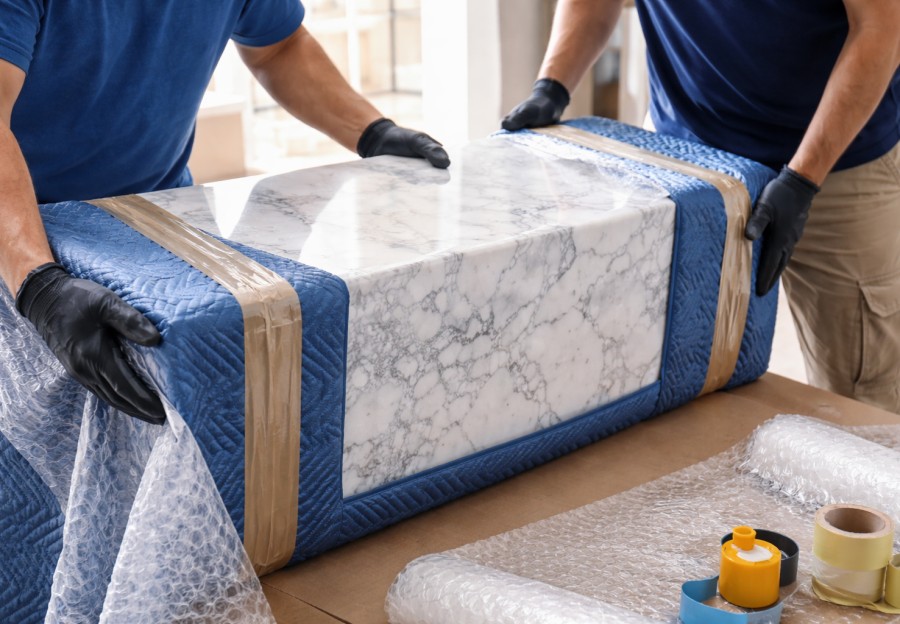
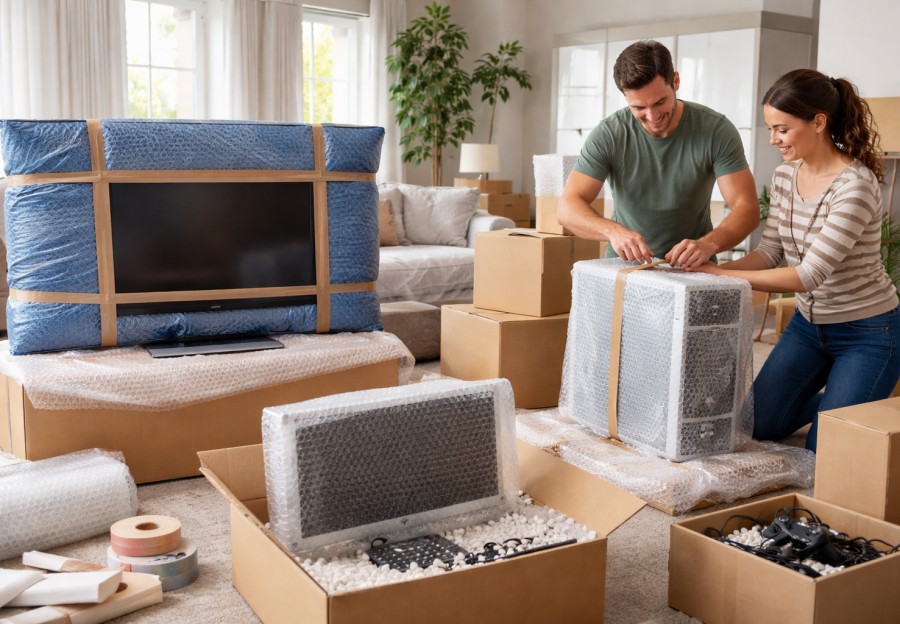
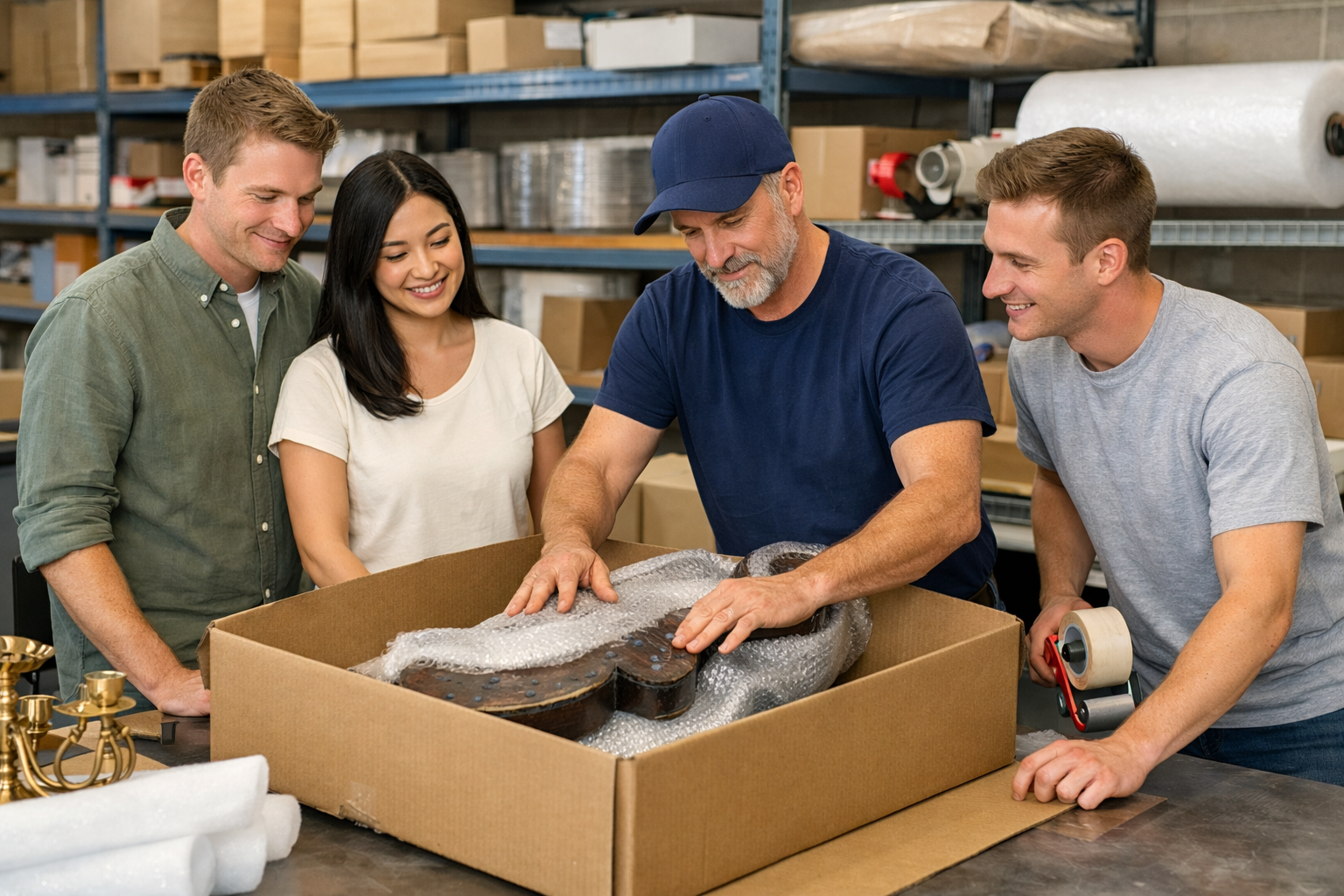
Moving blankets or thick padding protect both furniture and the home itself. Abrasion studies show that micro friction causes finish damage over time even without obvious impact. Padding reduces surface rubbing during vibration and handling. Blankets also increase friction between stacked items, reducing sliding inside trucks. Packaging vibration research demonstrates that higher surface friction reduces internal shifting and collision damage.
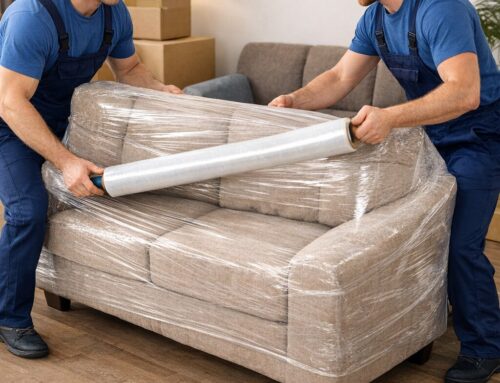
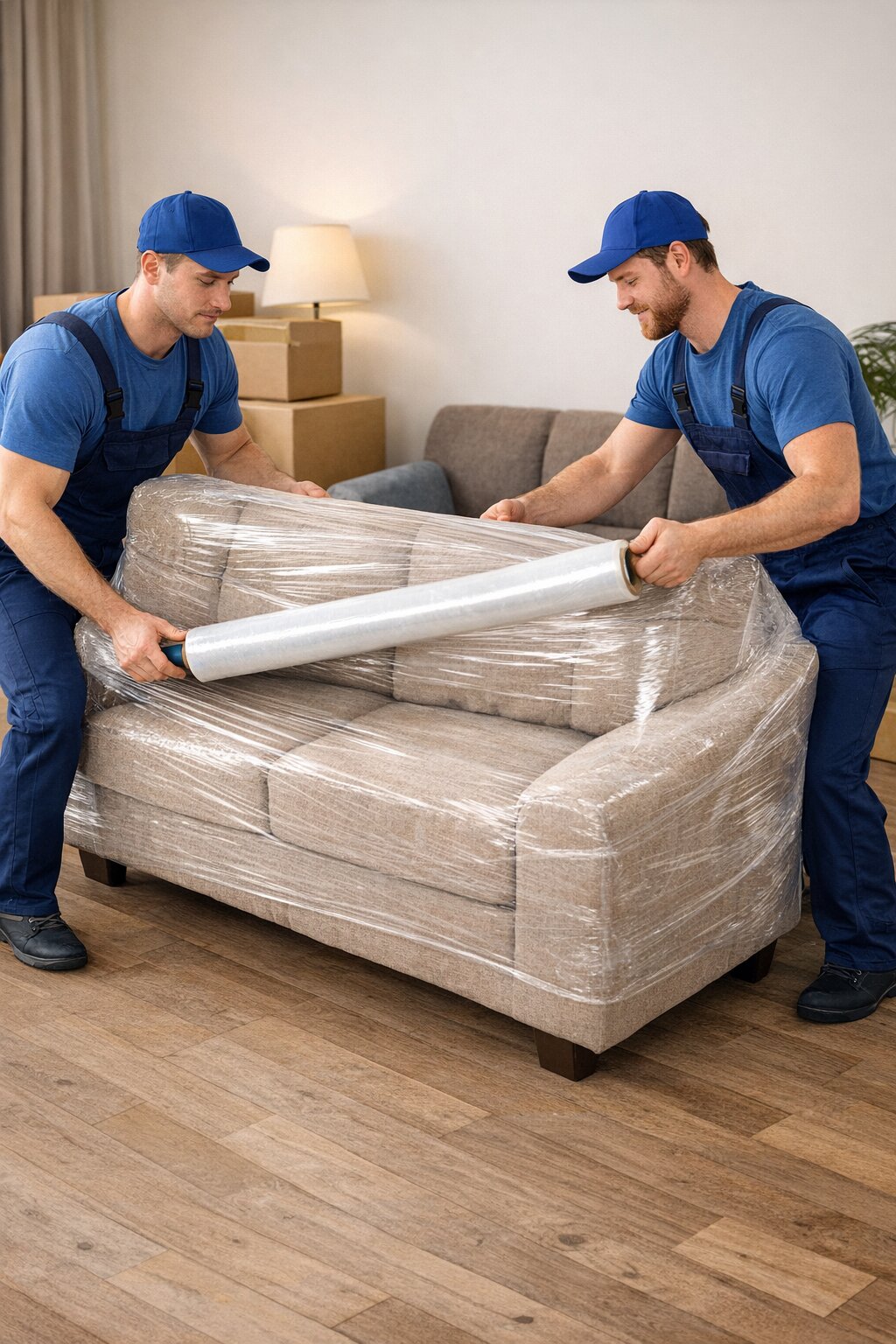
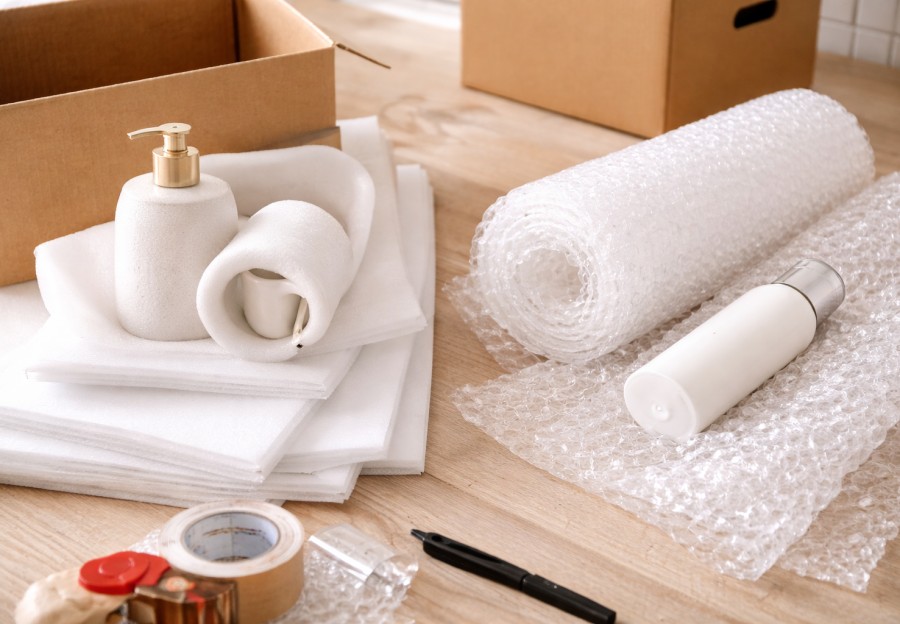
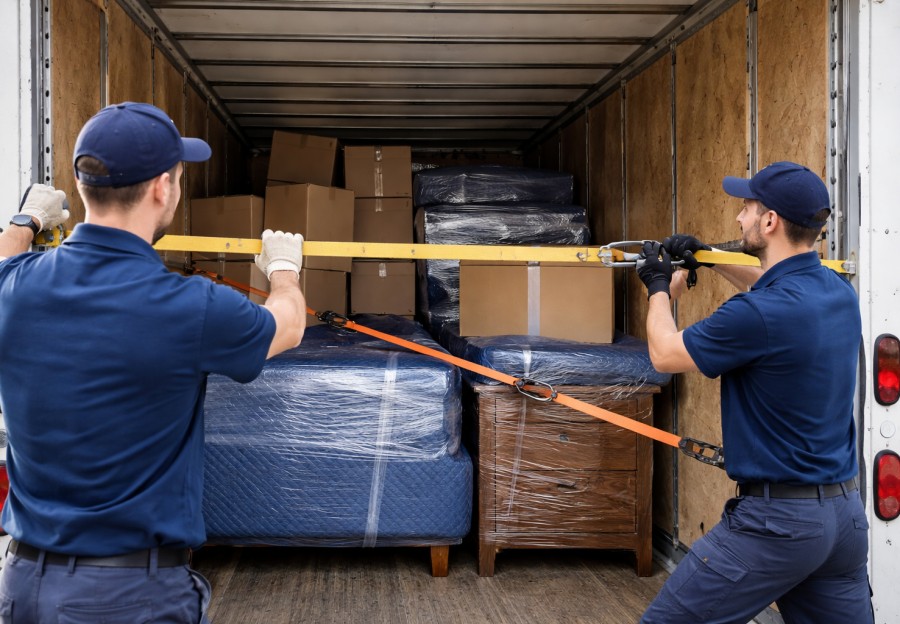
Stretch wrap or plastic wrap helps secure drawers, doors, and padding in place. Packaging engineering data shows that properly applied stretch film improves load stability by more than 30 percent under vibration. When used over padding rather than directly on delicate finishes, it reduces snag risk and keeps components from shifting during transport.
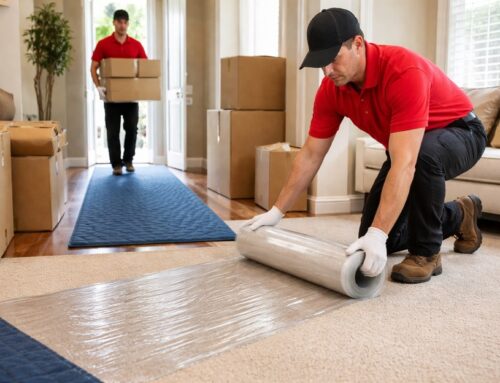
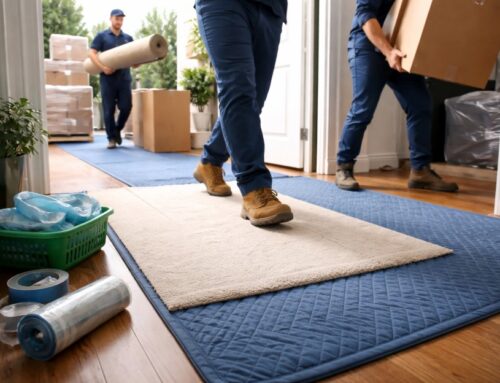
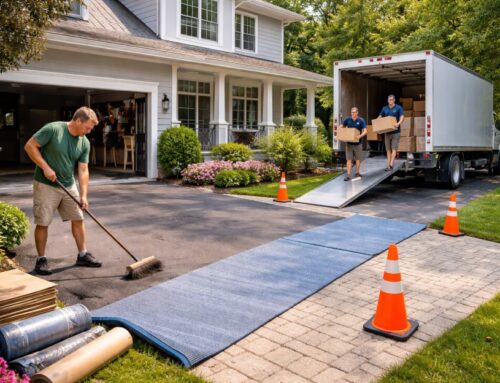
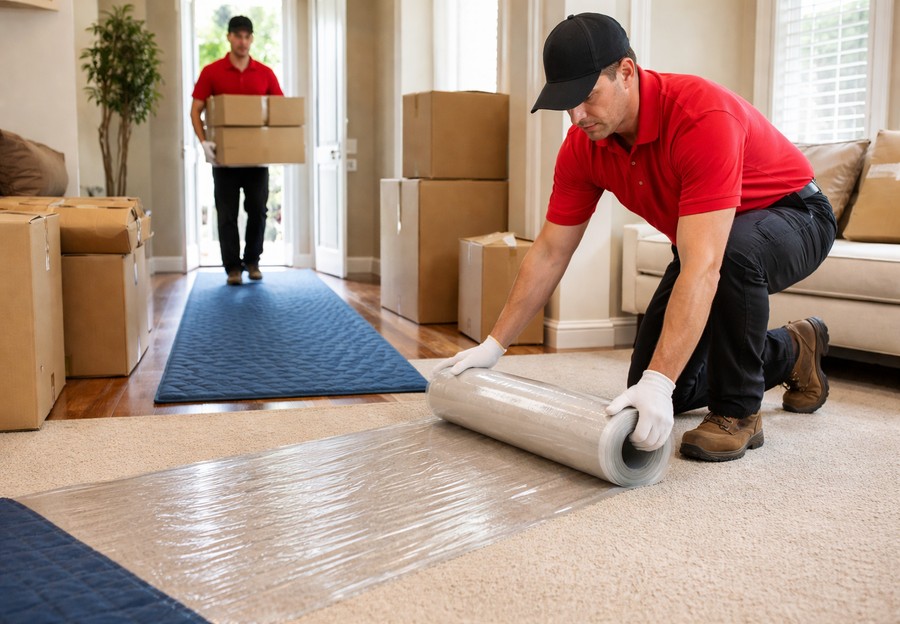
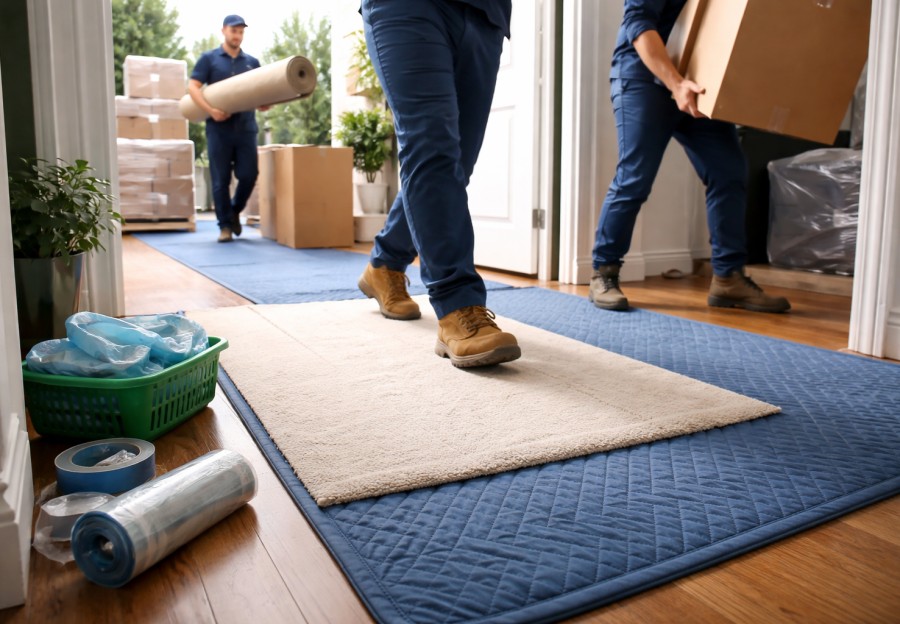
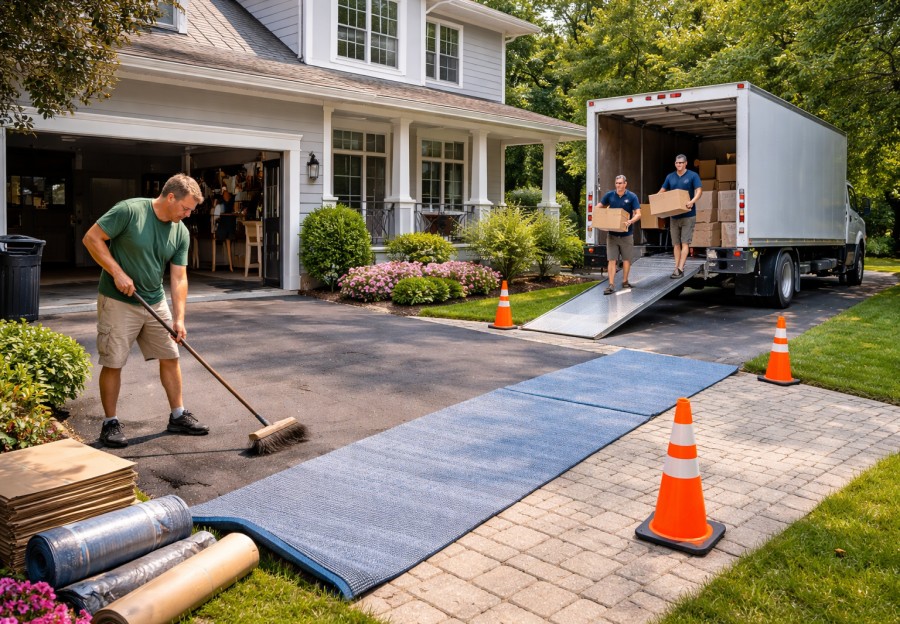
Floor protection materials such as runners, cardboard sheets, or reusable plastic floor guards protect high traffic paths. Flooring wear studies show that concentrated foot traffic and rolling loads can degrade surface finishes rapidly in short time windows. Moisture tracked inside during rain or snow increases slip risk and stain potential. Protecting floors reduces cleanup cost and injury risk.
Gloves designed for grip and protection improve both safety and comfort. Hand injury statistics show that cuts, pinches, and abrasions are common during manual handling. Gloves improve grip strength, reduce sweat related slippage, and protect skin from sharp edges on cardboard and furniture hardware. Ergonomics research shows that improved grip reduces compensatory muscle tension, which lowers fatigue.
A small first aid kit is a quiet necessity. Minor cuts, blisters, and strains happen even in well planned moves. Immediate treatment prevents small issues from becoming bigger problems later in the day. Workplace safety guidelines consistently recommend accessible first aid supplies for any physically demanding task environment.
Flashlights or headlamps become useful in dim hallways, basements, garages, or during late evening unloading. Visual perception studies show that low lighting increases depth misjudgment and collision risk. Portable lighting improves accuracy when navigating stairs and tight spaces.
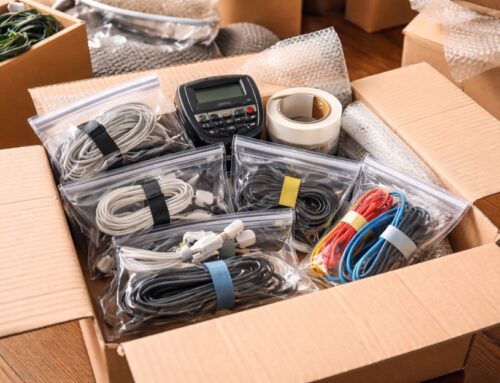
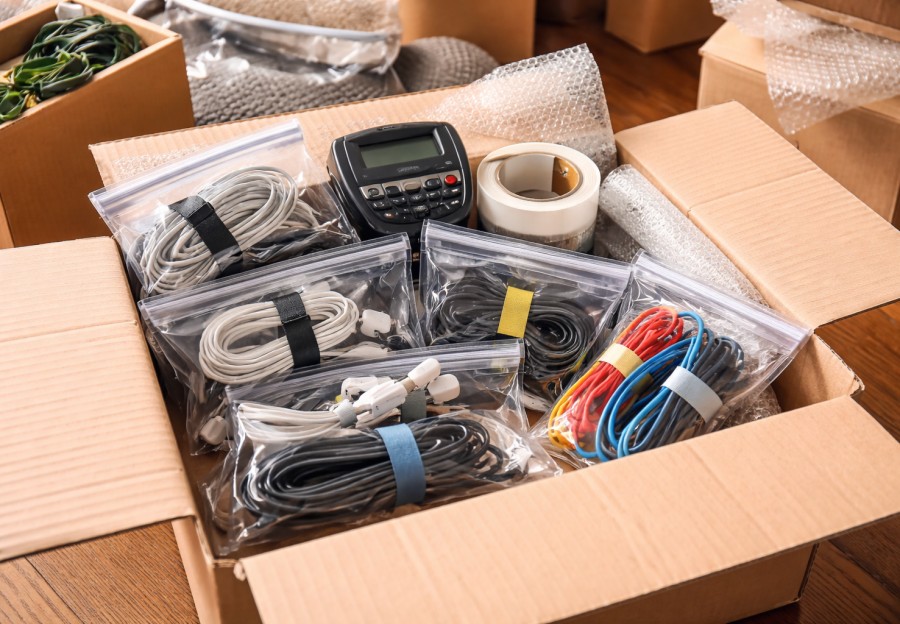
Zip top bags or small containers for hardware prevent lost screws and bolts. Assembly error research shows that missing hardware delays setup and increases the chance of unstable furniture reassembly. Keeping hardware physically attached to the item or grouped by room reduces confusion.
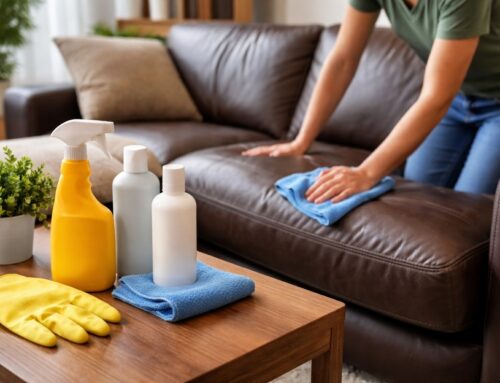
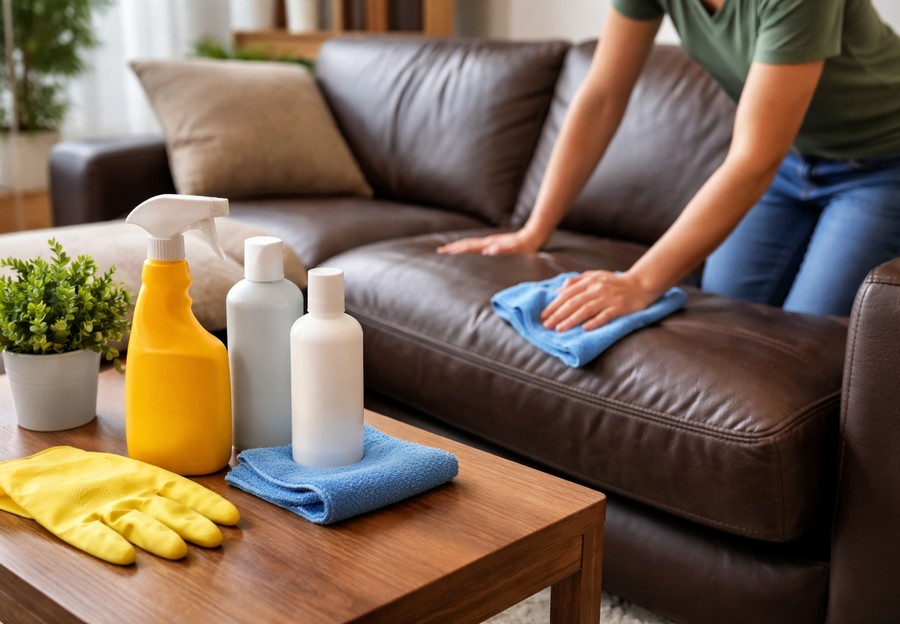
Cleaning supplies such as paper towels, trash bags, surface wipes, and hand sanitizer solve many small issues quickly. Spills, dust, and sticky residue appear frequently during moves. Hygiene studies show that hand cleanliness reduces infection risk when small cuts occur. Trash bags keep debris under control and reduce trip hazards from loose packing waste.
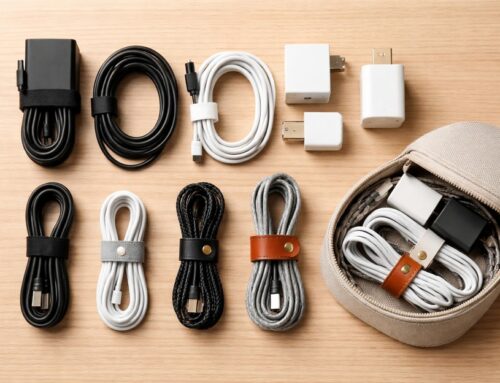
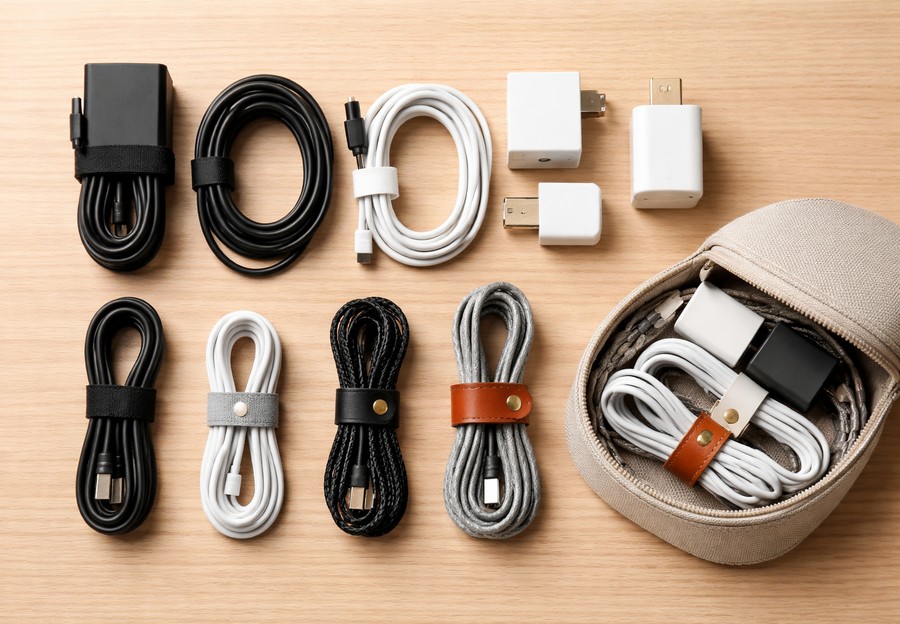
A portable phone charger keeps communication reliable. Navigation, coordination, photos, and emergency calls depend on battery life. Mobile usage data shows that phones drain faster during high activity days due to screen use, GPS, and constant communication. Losing phone power mid move creates avoidable stress.
Water bottles and light snacks support hydration and energy. Occupational health research shows that dehydration and low blood sugar increase fatigue, reduce grip strength, and impair decision making. Even mild dehydration can reduce physical performance measurably. Easy access to fluids and calories keeps energy stable.
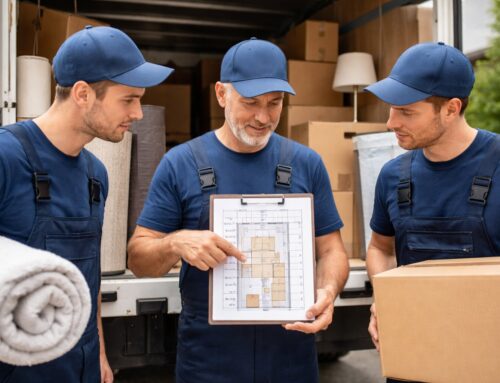
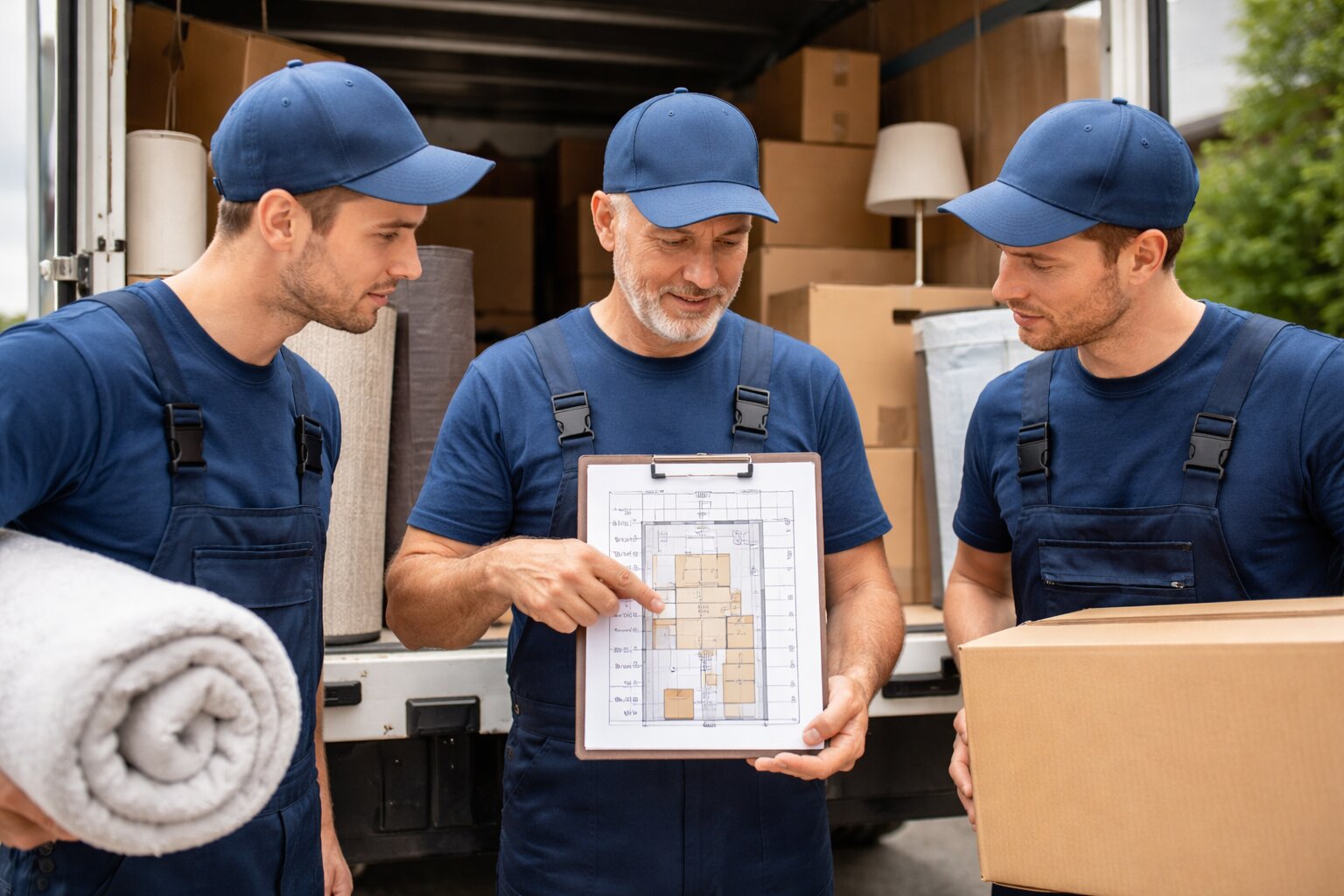
A clipboard or notebook supports tracking tasks, inventory notes, and damage documentation. Cognitive research shows that external memory aids reduce omission errors under fatigue. Writing down what has been loaded, what remains, and any special handling notes improves control.
Weather protection tools matter depending on season. Tarps, umbrellas, and absorbent mats protect against rain. Sunscreen and hats protect against heat exposure. Environmental health data shows that prolonged sun exposure and heat stress increase fatigue and error rates during physical labor.
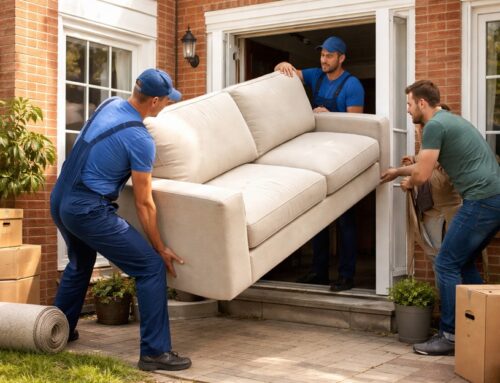
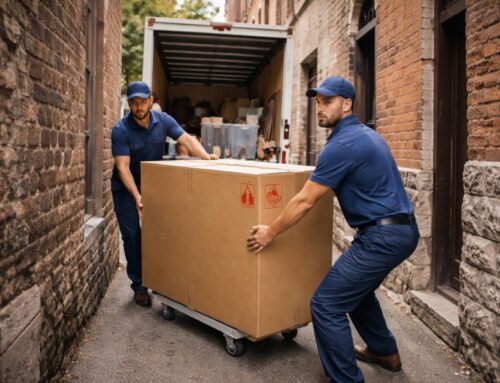
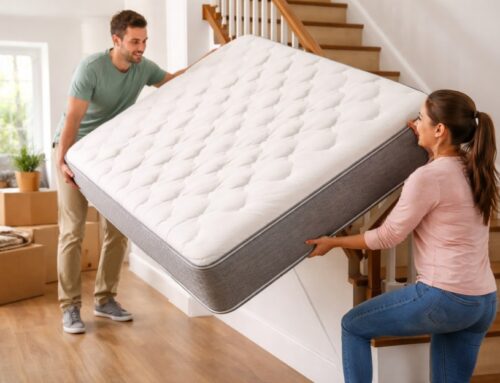
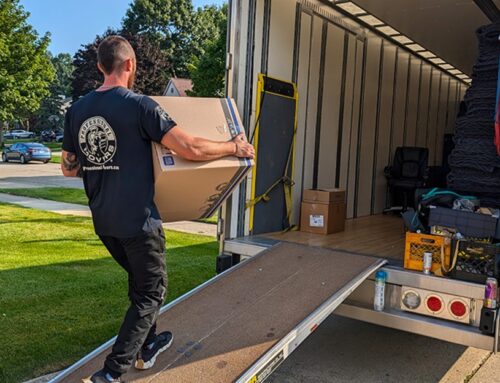
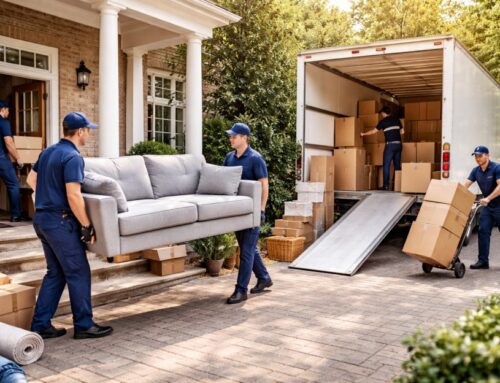
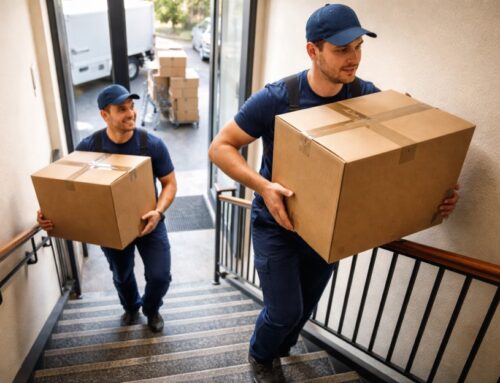
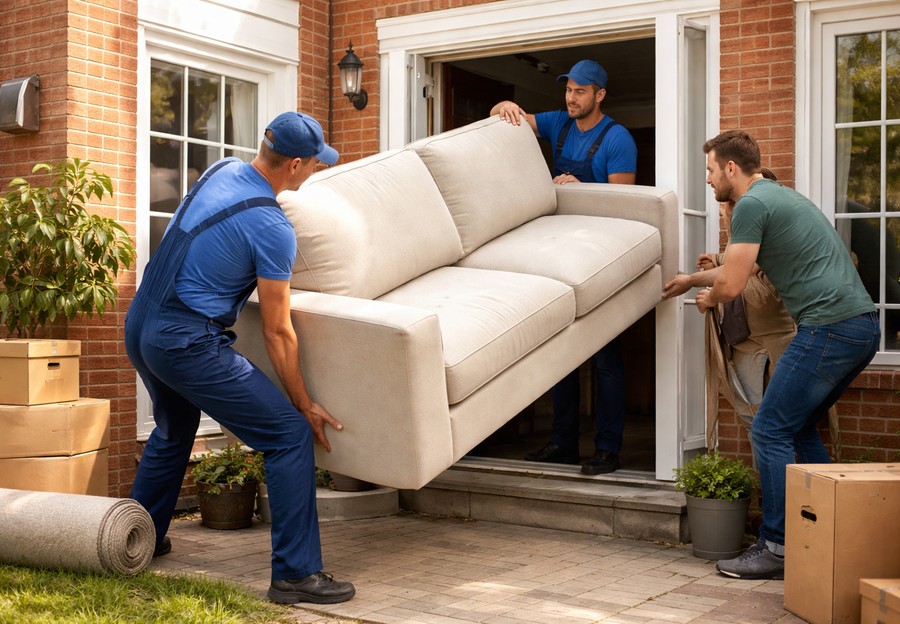
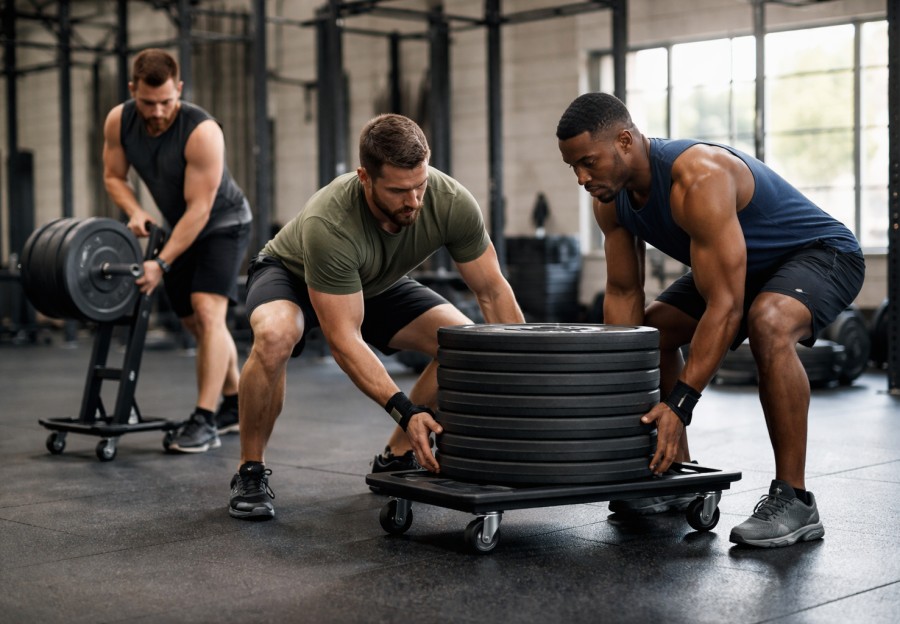
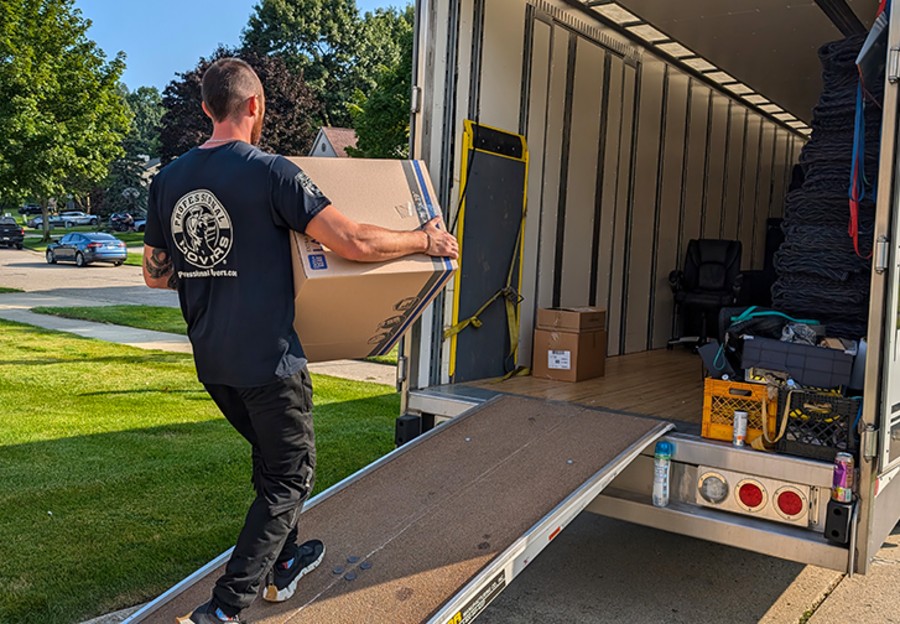
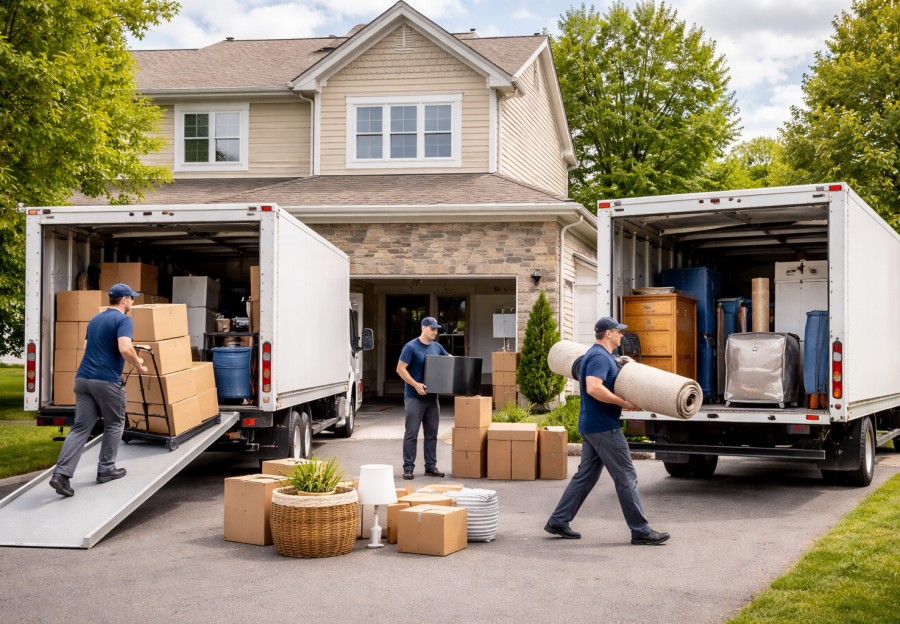
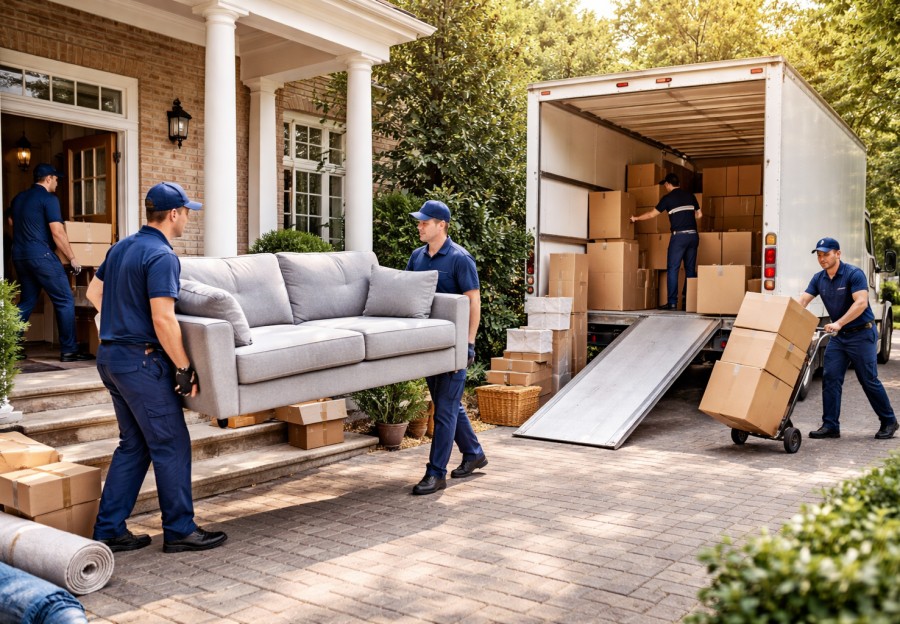
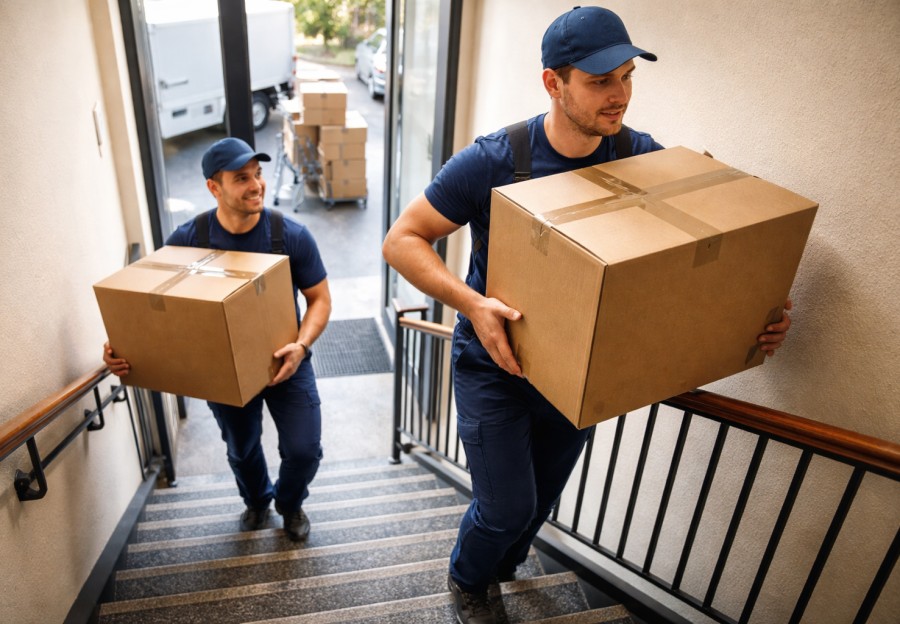
Dollies and hand trucks are technically equipment rather than tools, but they dramatically reduce strain and injury risk. Ergonomics studies show that rolling loads reduces spinal compression and joint stress compared with carrying. Even a basic folding dolly saves energy over hundreds of steps.
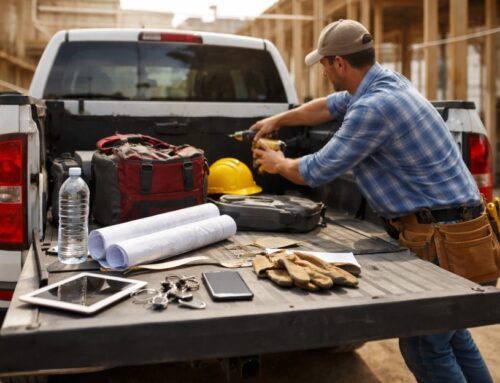
A basic toolkit dedicated to moving day should remain accessible rather than packed in a random box. Behavioral research shows that tool accessibility reduces improvisation and frustration under time pressure. When people cannot find what they need quickly, they take shortcuts that increase damage and injury risk.
The cost of these tools is modest compared with the cost of damage or injury. Home repair surveys show that fixing scratched floors, dented walls, or broken furniture can easily exceed several hundred dollars. Medical costs and lost work time from even minor injuries add further expense. A small investment in preparation prevents these downstream costs.
There is also an environmental angle. Preventing damage reduces replacement demand and landfill waste. Sustainability studies consistently show that extending product lifespan has greater environmental benefit than recycling after damage. Tools that prevent breakage contribute indirectly to waste reduction.
Psychologically, having the right tools available reduces stress. Stress research shows that perceived preparedness improves confidence and lowers anxiety during complex tasks. When you know you can solve small problems quickly, the day feels more manageable.
Households with children, pets, or elderly family members benefit even more from preparedness. Quick fixes and clear labeling reduce chaos and keep pathways safer. Developmental and geriatric safety studies show that clutter and obstacles increase fall risk significantly.
Time efficiency improves with proper tools. Time motion studies in logistics consistently show that reducing micro delays and rehandling improves overall productivity more than large process changes. Every minute saved on small tasks compounds across the day.
Moving day is not the moment to discover that your only screwdriver is buried in a sealed box or your tape keeps tearing. It is the moment when preparation quietly pays off. The goal is not perfection. The goal is resilience. When something unexpected happens, and it always does, you have the ability to respond quickly and safely.
Packing tools every household needs on moving day are not flashy or complicated. They are practical, proven, and grounded in real safety, logistics, and human behavior data. Sharp cutters, strong tape and dispensers, markers, measuring tape, basic hand tools, padding, wrap, floor protection, gloves, lighting, first aid, cleaning supplies, hydration support, and simple organization tools form a small kit that delivers outsized value.
A move already demands physical effort, coordination, and patience. Giving yourself the right tools turns potential frustration into smooth problem solving and protects both people and property. When the last box is placed and nothing is broken, scraped, or lost, the quiet success often traces back to the small decisions made before the first box was taped.