April 11, 2026
How to choose the safest packing tape
Packing tape might seem like a small part of moving, but picking the right one makes a big difference in how secure, clean, and damage-free your move turns out. Tape holds boxes together under stress, resists tearing during handling, and protects surfaces from residue and finish damage. Choosing the safest tape means balancing strength, material compatibility, handling climate, and long-term reliability.
The most basic consideration is tensile strength and adhesive strength. Tensile strength tells you how much stress the tape itself can withstand before breaking, while adhesive strength determines how well it sticks to corrugated cardboard, paper, and smooth surfaces without lifting. Manufacturers often list tensile strength in pounds per inch (lb/in). For moving, tapes rated 25 lb/in or higher generally handle the typical stress of loaded boxes and vibration during transport better than generic lightweight tapes designed for office use.
A frequent rookie mistake is using cheap office tape on moving boxes. Office tapes are low tensile, low adhesive films that tear easily and fail under compression or vibration. Packaging engineers routinely show that low quality tape lets seams lift and boxes open during handling, especially on heavier loads. Stronger packing tapes use pressure-sensitive hot-melt or acrylic adhesives that bond well with corrugated surfaces under sudden bracing or temperature swings.
Adhesive type matters for safety of surfaces you pack and unpack. Hot-melt adhesive tape has aggressive grip, which helps in tough conditions, but it can sometimes leave residue on boxes or furniture surfaces if applied directly. That sticky residue attracts dust and may pull paint or finish when peeled. Acrylic adhesive tapes hold well and leave less residue because they age more slowly and tolerate temperature extremes without softening. Acrylic tapes are often recommended if boxes will sit for a while before unloading or if you need to re-seal without mess.
Another safety factor is film backing material. Polypropylene tapes (common clear and brown tapes) are cost-effective and perform well for standard moves. Their backing resists splitting and tearing when pulled at moderate speed. PVC tapes are thicker and offer higher tensile strength, but they may stretch rather than break, which can make them harder to control during application and removal. For most residential moves, a quality polypropylene tape with strong acrylic adhesive provides the best balance of safety and ease of use.
Be aware of climate and temperature conditions during your move. Tapes behave differently under heat and cold. Temperature tests in packaging labs show that standard packaging tape can lose up to 30 percent of its adhesion when exposed to temperatures near freezing. High-tack acrylic tapes maintain better bond in cold environments. In hot conditions, low-grade adhesives soften and can ooze, which leaves residue and weakens seams. Tapes labeled “all-weather” or “high tack” are formulated to handle wider temperature ranges without losing grip or leaving excess residue.
Box safety also depends on how tape is applied and handled. Even the strongest tape does little good if applied to dusty, damp, or oily surfaces. Before taping, wipe box seams lightly to remove loose dust or grit. Dirt reduces bond strength and increases the chance of premature lifting. Packaging research confirms that adhesive bond strength drops significantly on contaminated surfaces compared with clean paper.
The width of the tape changes performance as well. Standard moving tape ranges from about two to three inches wide. Wider tape distributes stress across a larger area and resists shearing forces better. Narrow tape may look neat, but it concentrates stress and fails earlier under load. For heavy boxes, wider tape increases safety.
Consider tape that meets industry standards. The ASTM D5486 standard outlines performance criteria for pressure-sensitive tape used in carton sealing. Tapes tested to this standard have known peel strength, tensile properties, and backing consistency. Choosing a tape brand that meets recognized criteria gives confidence that you are not relying on unknown quality.
A surprising safety issue arises with residue and finishes when unpacking. Tapes with overly aggressive adhesives or those exposed to heat can leave sticky residue on cardboard and paint. Residue attracts grit and can pull finish off furniture edges when pressed tightly against surfaces. Tapes with acrylic adhesives and clean-release formulations reduce this risk. Many moving professionals prefer tapes specifically designed for carton sealing rather than generic multipurpose tapes.
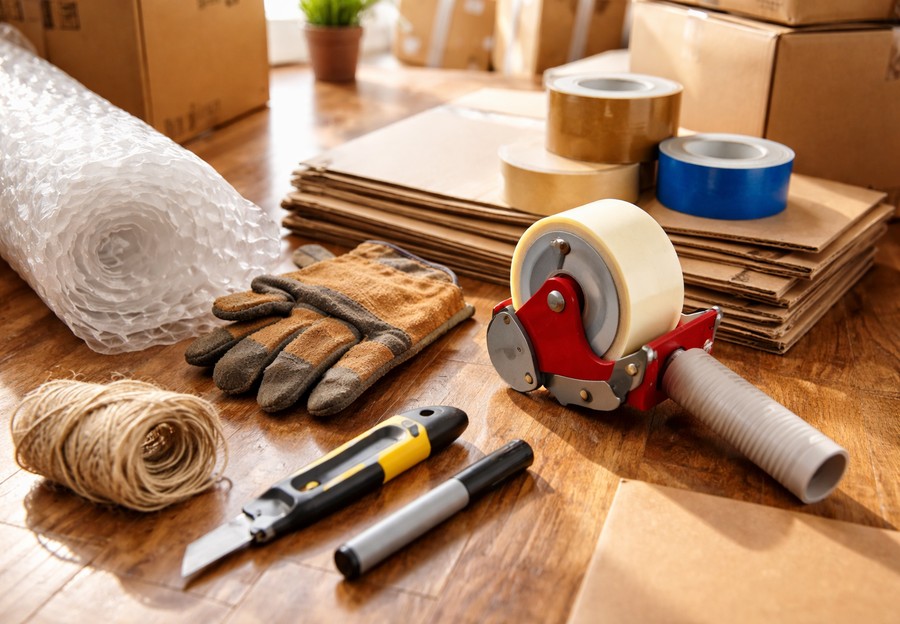
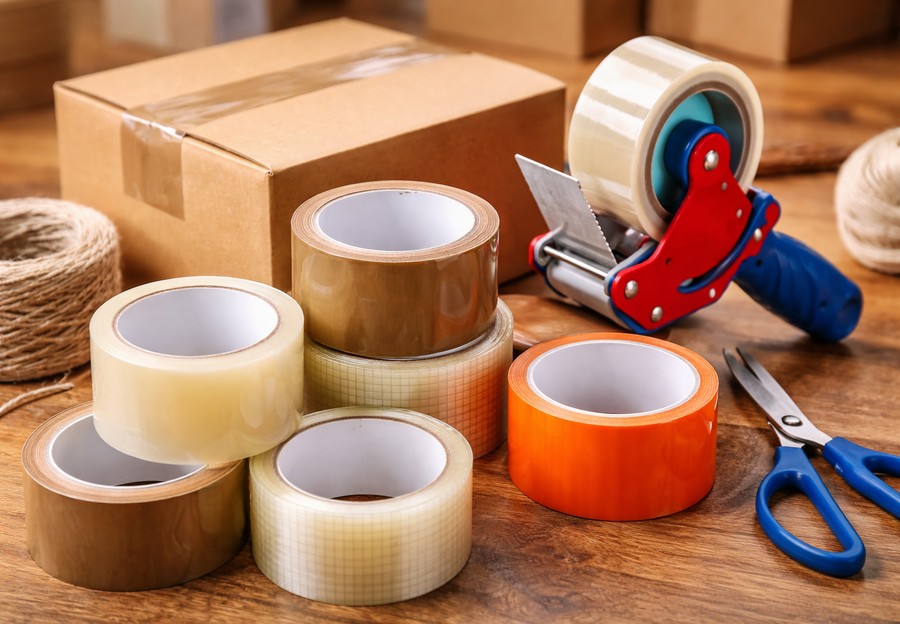
Tape should also work well with dispenser tools. A good dispenser applies tape evenly without finger burns, excessive stretching, or skipping adhesive. Irregular application weakens seams and increases risk of box failure. Adjustable dispensers that handle 2- to 3-inch tapes without jamming improve safety for user and cargo.
Watching how tape performs on a test box before packing hundreds of cartons is a simple safety check. Seal one box fully and give it a gentle shake, a twist, and a drop test from a few inches. If the seam lifts, the tape grade or application technique needs adjustment before the main packing starts.
Finally, think about the type of items you’re packing. Heavy, dense items like books and tools benefit from reinforced tapes or water-activated gummed paper tape. Gummed tape bonds chemically with the box surface when moist, creating a joint that often surpasses ordinary pressure-sensitive tape in strength. It is especially good for very heavy loads or long term storage. Just note that gummed tape usually requires a dispenser with a water feed and takes slightly longer to apply.
In summary, choosing the safest packing tape is about matching material performance to moving conditions and cargo types. A few key points make a big difference:
Choose high tensile strength tape designed for cartons rather than office tape.
Prefer quality acrylic adhesive for balanced grip and clean removal.
Use a tape width that spreads stress over a larger area.
Account for temperature extremes with appropriate adhesive chemistry.
Apply tape over clean, dry surfaces.
Consider reinforced or gummed tape for very heavy loads.
Test your choices before packing everything.
A well selected and properly applied tape keeps boxes closed, protects contents, and prevents accidents caused by unexpected box openings and spills. It’s a small item in the packing checklist, but it plays a big role in a safe, efficient, and low-stress move.