April 8, 2026
How movers plan the order of unloading
When the truck finally arrives at a new home, most people assume unloading is simple muscle work. Open the doors, start carrying boxes, and stack things wherever they fit. In reality, professional movers approach unloading with just as much strategy as loading. The order in which items come off the truck affects safety, speed, damage risk, room flow, and even how tired the crew becomes by the end of the day. A smart unloading sequence turns a long exhausting process into a controlled and efficient operation.
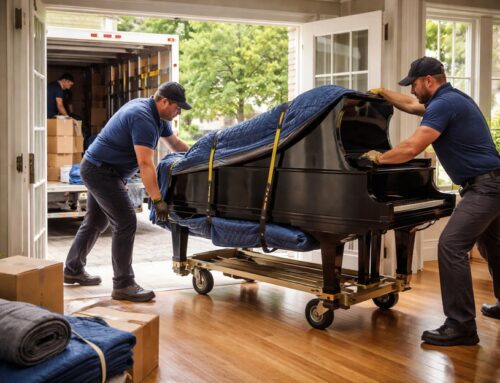
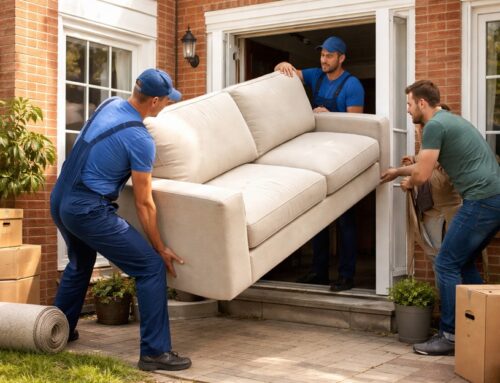
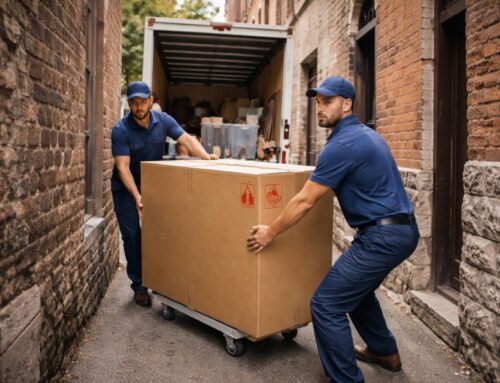
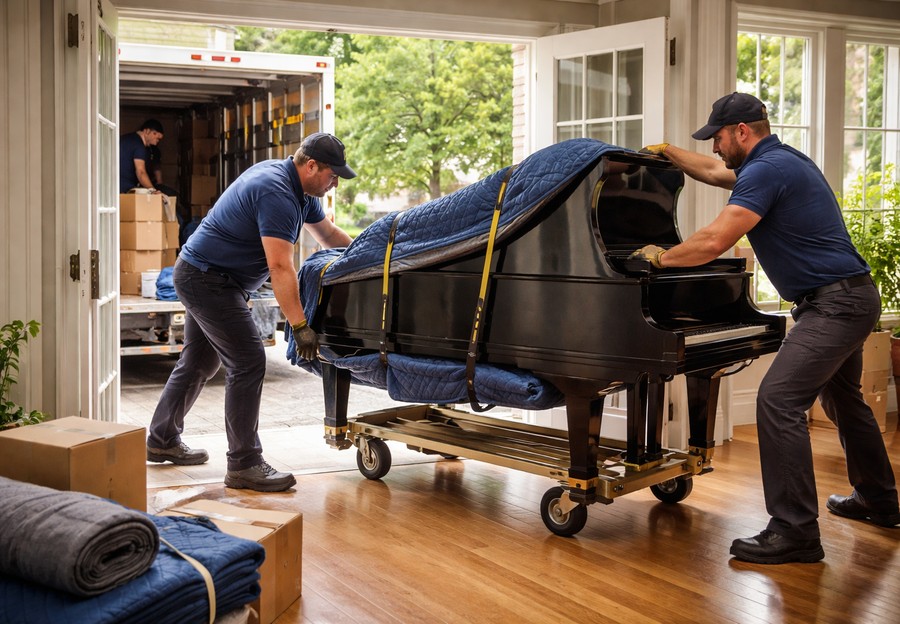
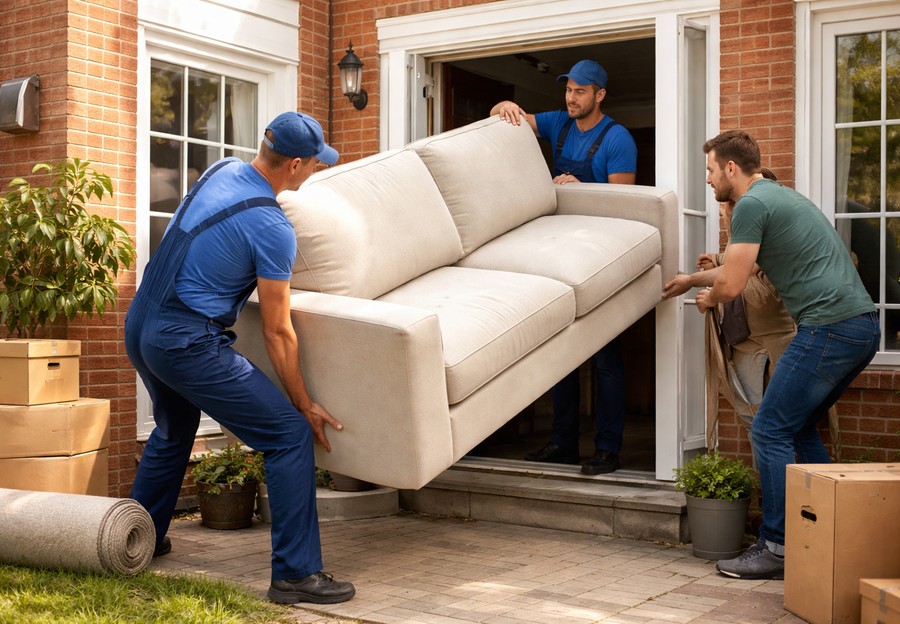
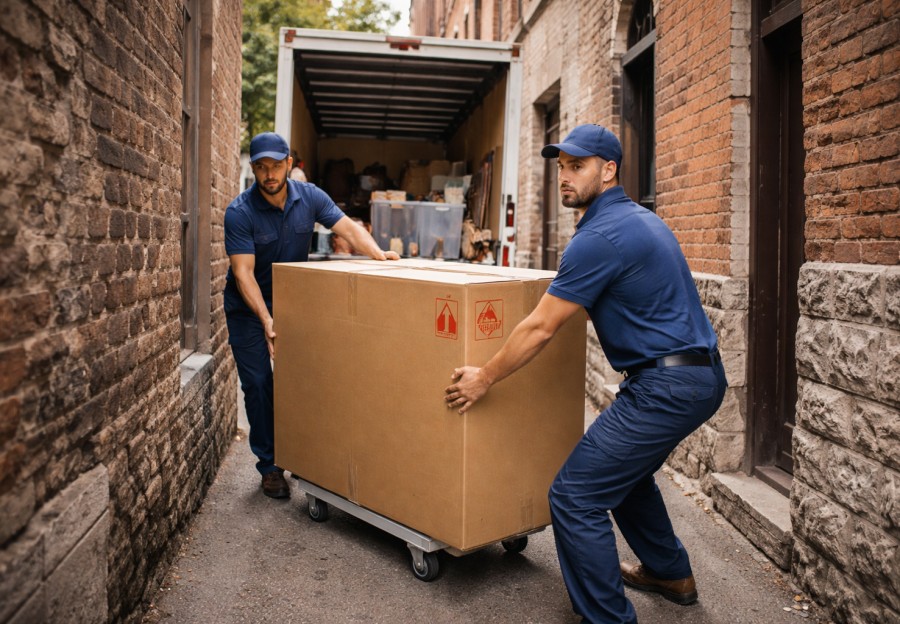
The first factor movers consider is physical safety. Fatigue peaks during unloading because crews have already completed hours of lifting, driving, and problem solving. Occupational safety data from the Bureau of Labor Statistics shows that overexertion and contact with objects remain leading causes of injury in material handling jobs. When people are tired, balance, grip strength, and reaction time decline. Movers reduce risk by unloading heavier and more awkward items early while energy and focus are highest. Large sofas, appliances, solid wood furniture, and dense box stacks are handled before exhaustion sets in.
Gravity and body mechanics matter. Carrying heavy loads up stairs or over thresholds becomes riskier as muscles fatigue. Ergonomics research shows that muscle endurance drops significantly after sustained lifting activity, increasing strain injury risk. By prioritizing heavy pieces first, movers reduce the chance of rushed or sloppy handling later in the day.
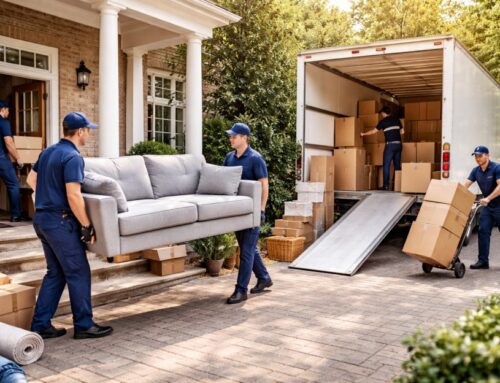
Room access planning also drives unloading order. Movers visualize traffic flow inside the home before the first item leaves the truck. Narrow hallways, tight stairwells, low ceilings, and sharp turns dictate which pieces must go in first. Large furniture that would block pathways if placed later is delivered early and staged in its final position. This prevents bottlenecks where smaller items pile up and block access routes. Logistics studies consistently show that congestion increases handling errors and slows throughput by more than twenty percent in tight spaces.
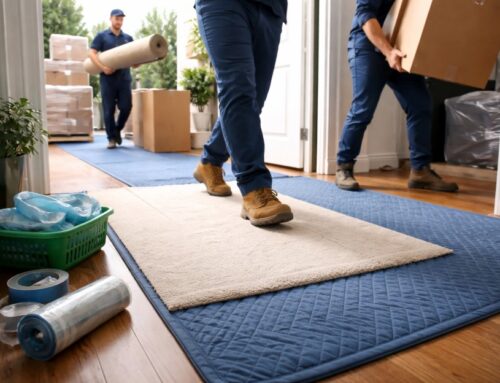
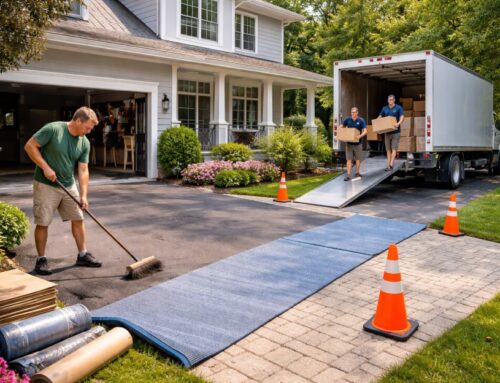
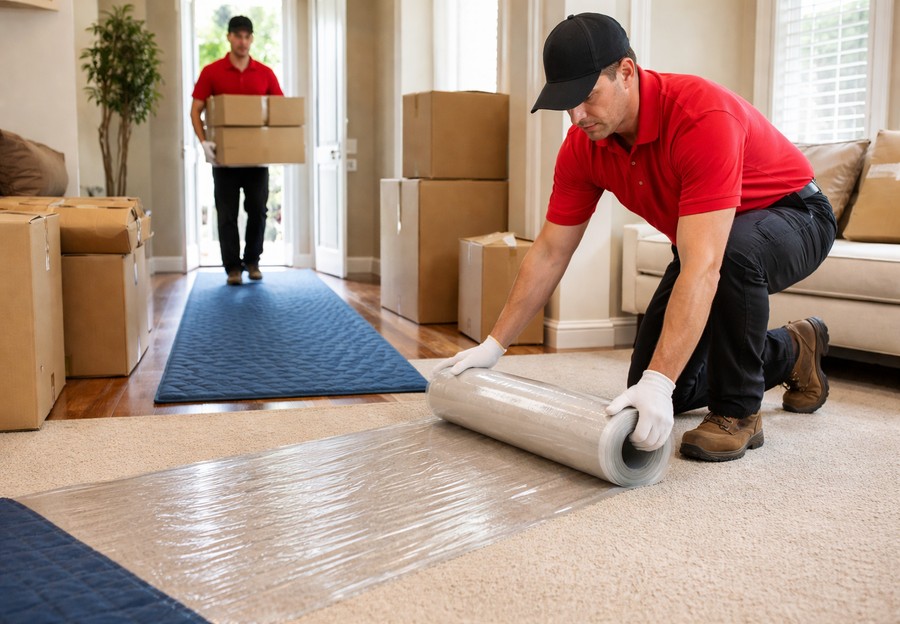
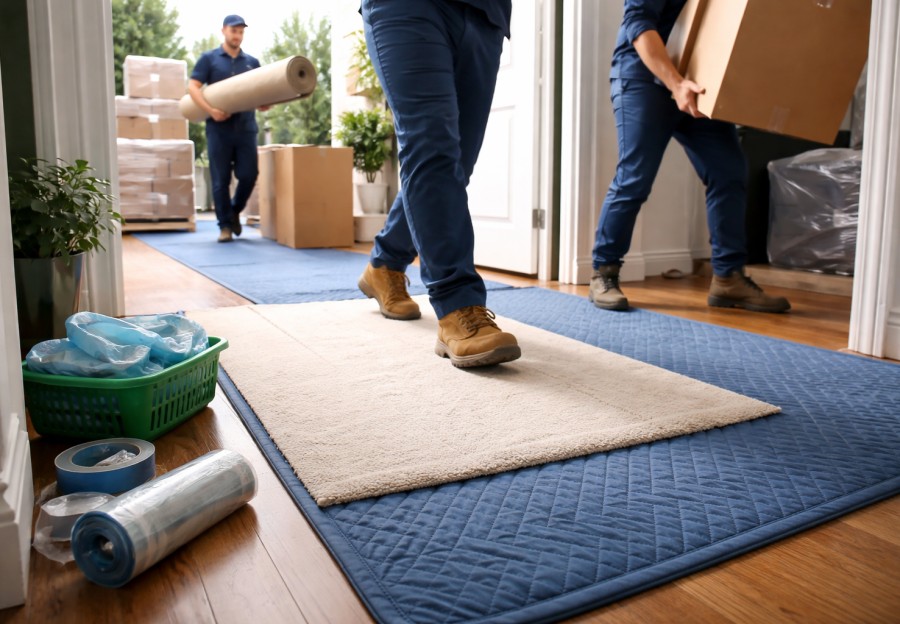
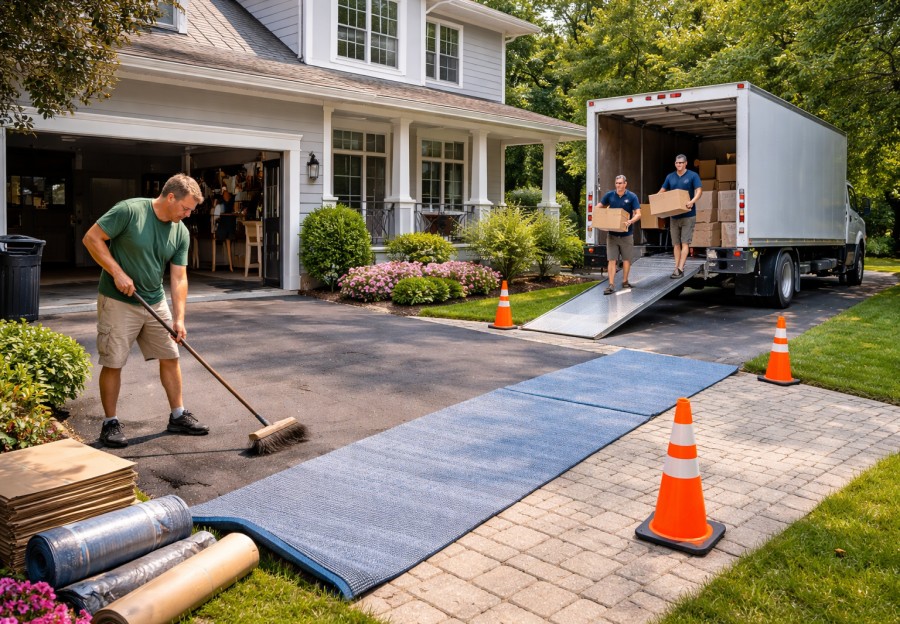
Floor protection plays a role here as well. Runners and floor shields are often laid before unloading begins. This allows heavy items to move safely without damaging surfaces or increasing slip risk. Flooring wear research shows that concentrated rolling and foot traffic can cause measurable surface degradation in a short period. Establishing protected paths early allows smooth flow throughout unloading.
Another major driver is space creation. Empty floor space makes everything easier. Movers aim to clear the largest footprint items first so rooms open up quickly. Once beds, couches, dining tables, and wardrobes are in place, there is more maneuvering room for box stacks and smaller furniture. Time motion studies show that open working space reduces walking distance, re handling, and collision frequency, improving overall efficiency.
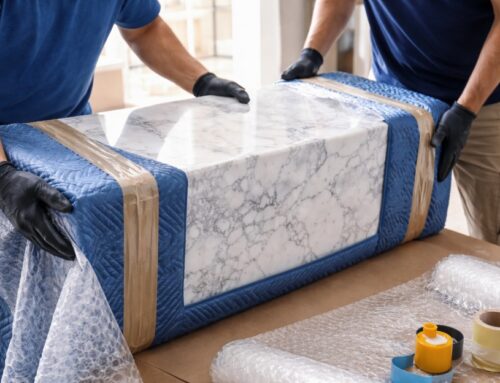
Damage prevention also shapes sequencing. Fragile items generally come off after heavy pieces have been placed. Placing mirrors, artwork, glass tables, and electronics too early increases the chance they get bumped or leaned against while heavier furniture passes through. Insurance claim data consistently shows that secondary impacts during congestion cause many fragile item damages rather than direct drops. Waiting until pathways clear reduces that exposure.
Weight layering inside rooms matters too. Movers avoid stacking heavy boxes on delicate flooring or against newly painted walls. By unloading heavy items directly into their final positions first, they minimize unnecessary shifting and restacking that increases damage risk.
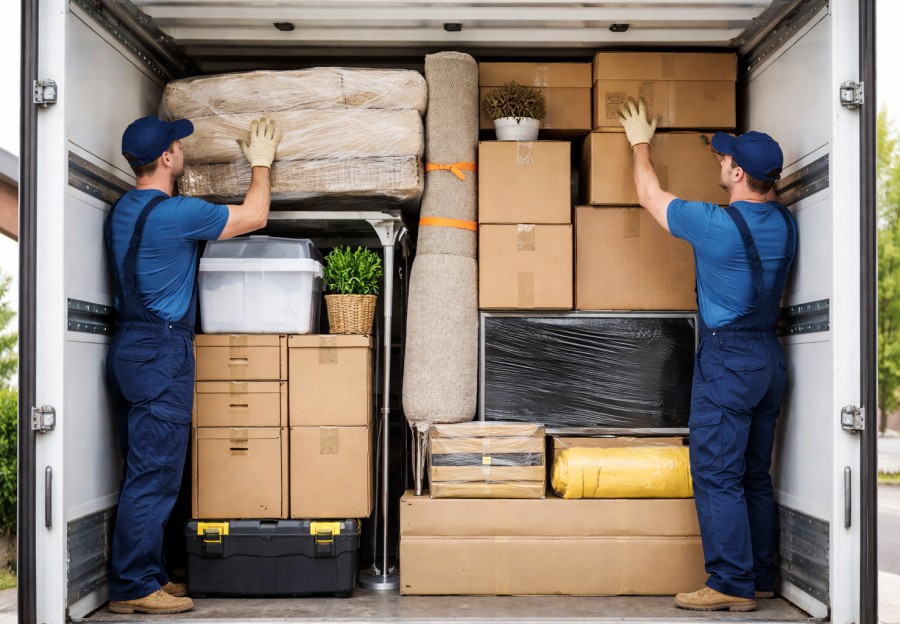
The front of the truck usually holds heavier anchor items because of loading physics and braking force distribution. Transportation safety research shows that forward sections absorb higher deceleration forces during stops. During unloading, this means heavy furniture often appears first naturally. Movers leverage this by continuing the heavy first strategy rather than fighting the load order.
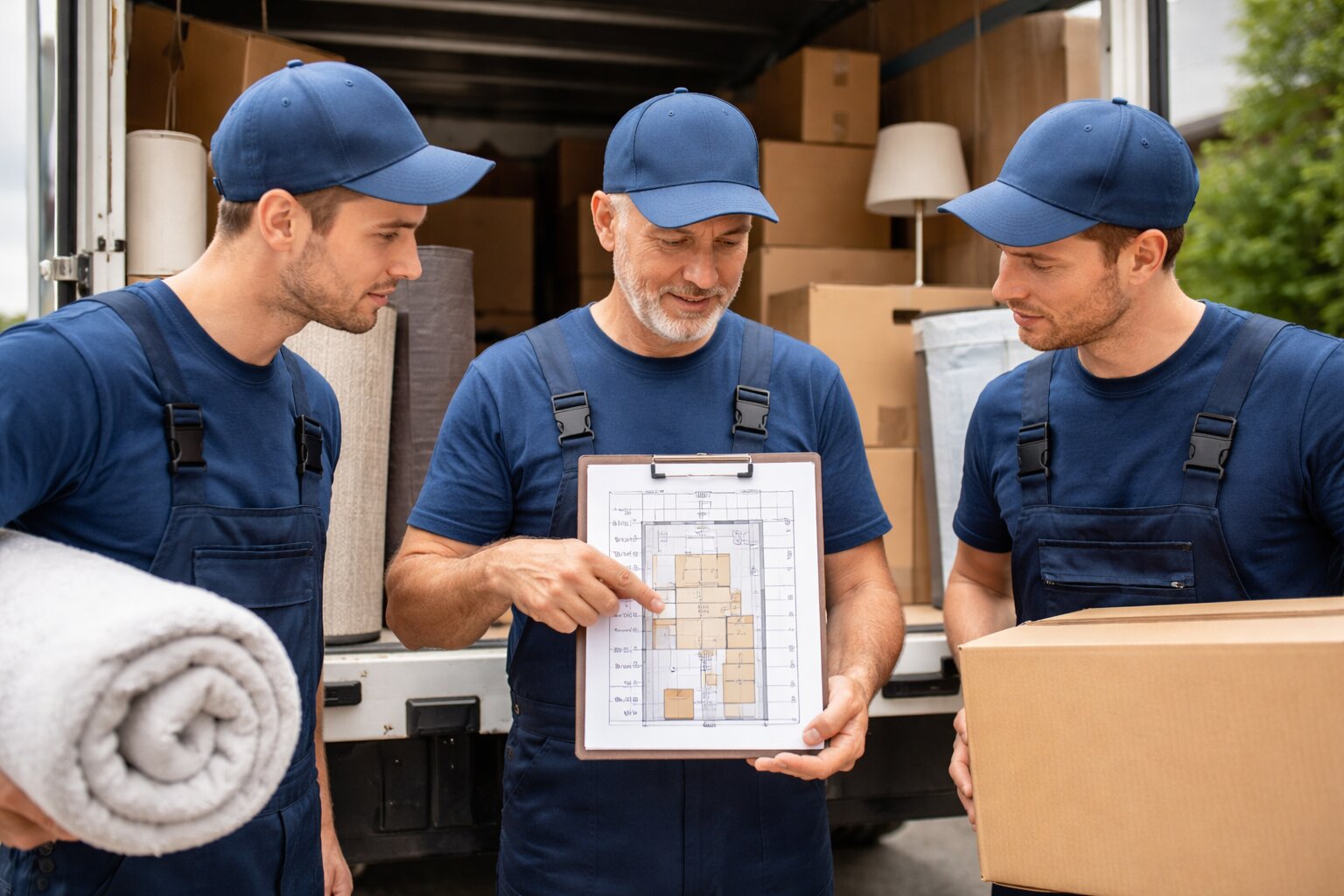
Communication between crew members keeps sequencing coordinated. One person often acts as the floor lead, directing where items land and adjusting priorities based on real time conditions. Workplace coordination studies show that clear role alignment reduces error rates in complex physical tasks. Without this coordination, crews risk stacking items in the wrong rooms or creating unnecessary backtracking.
Room priority also matters. Bedrooms and kitchens typically receive early attention because they anchor daily function. Getting beds assembled and kitchen pathways clear allows residents to function sooner even if full unpacking takes days. Behavioral research shows that early restoration of basic routines reduces stress and improves emotional recovery during transitions.
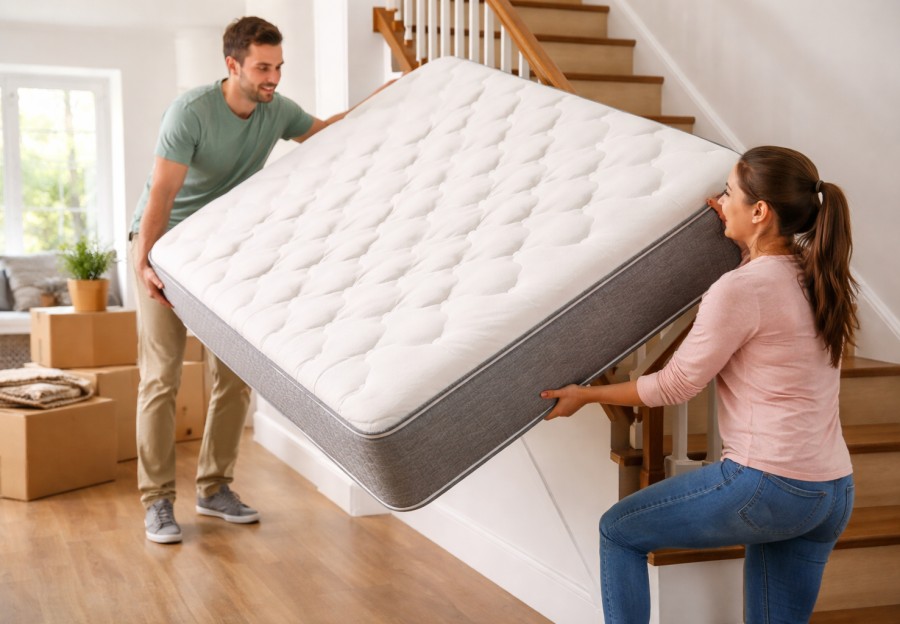
Stair strategy influences sequencing heavily. If the new home has multiple floors, movers often complete one floor at a time rather than bouncing between levels. Carrying up and down repeatedly increases fatigue and congestion. Ergonomic studies show that stair climbing with load dramatically increases cardiovascular strain and joint stress. Completing one floor before moving to the next improves efficiency and reduces injury risk.
Elevator access changes planning in multi unit buildings. Elevator availability windows, weight limits, and traffic rules often dictate batch unloading. Property management data shows that elevator congestion is a common cause of urban move delays. Movers may stage items near the elevator first, then transport in controlled groups to avoid jams.
Weather conditions influence unloading order as well. Rain increases slip risk. Heat increases fatigue and dehydration. Cold stiffens grip and materials. Environmental safety research shows that extreme conditions increase handling errors. In bad weather, movers may prioritize bringing in moisture sensitive items or electronics first to minimize exposure.
The type of flooring inside the home affects sequencing. Hardwood, polished tile, and new laminate require more careful protection early. Moving heavier items first allows runners to remain intact and clean for lighter traffic later. Surface protection studies show that abrasive grit causes most scratching damage rather than weight alone.
Another factor is box categorization. Movers typically group boxes by room during loading and maintain that grouping during unloading. Clear labeling reduces misplacement. Logistics studies show that accurate labeling reduces sorting errors by roughly 25 to 30 percent in busy handling environments. This prevents boxes from ending up in wrong rooms and avoids unnecessary reshuffling later.
Essential boxes are often unloaded last from the truck so they come off first into the home. This aligns with last in first out logic used in logistics systems. Items needed immediately such as bedding, toiletries, basic tools, and kitchen basics become accessible quickly.
Furniture assembly timing also affects order. Beds, cribs, and large shelving often require assembly. Completing these earlier provides stable staging surfaces and clears floor space. Assembly efficiency studies show that working while fresh improves accuracy and reduces missing hardware issues.
Noise and neighbor considerations sometimes shape sequencing. In apartments or close neighborhoods, heavy drops and furniture impacts create noise. Local ordinances may restrict loud activity. Movers may prioritize quieter box unloading during sensitive hours and heavy furniture during permitted windows.
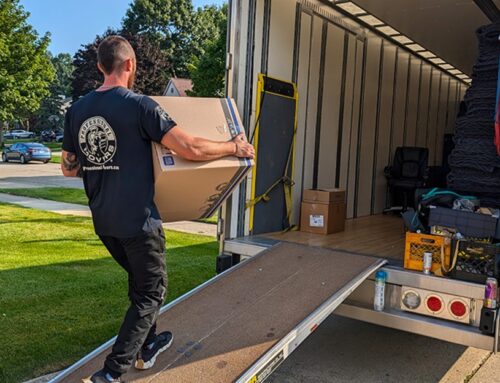
Truck balance matters during unloading. Removing items unevenly can shift weight distribution temporarily, affecting ramp stability and step height. Professional crews adjust pace and sequence to maintain safe ramp angles and load stability. Transportation ergonomics research shows that uneven load removal can increase slip risk on ramps.
Psychological flow matters more than people expect. Humans work more efficiently when progress is visible. Clearing large items early creates visible momentum, which improves morale and pacing. Productivity research shows that visible progress boosts motivation and focus during demanding tasks.
There is also a financial incentive. Labor time represents the largest portion of most moving costs. Time studies in logistics consistently show that optimized sequencing reduces total handling time significantly. Even saving ten percent of unloading time can translate into meaningful cost savings on hourly moves.
Insurance risk management reinforces sequencing discipline. Many claims arise from congestion, rushed handling near the end of a job, and stacking mistakes. Claims analysis shows that fatigue correlated incidents increase later in the day. Front loading the most demanding tasks reduces that risk curve.
Environmental impact connects here too. Reduced damage means fewer replacements and less waste. Sustainability studies show that extending product lifespan reduces overall environmental footprint more effectively than recycling alone. Smart unloading protects both belongings and resources.
Customers often notice the calm rhythm of professional unloading compared with chaotic DIY moves. That rhythm comes from pattern recognition built through hundreds of jobs. Cognitive science research shows that repeated spatial problem solving strengthens predictive accuracy and decision speed. Experienced movers anticipate congestion points, fatigue curves, and risk zones before they appear.
The order of unloading is not rigid. It adapts to the home layout, weather, crew size, building rules, and item mix. But the core principles remain consistent. Heavy and bulky items first while energy is high. Clear pathways early. Protect fragile items by delaying them until congestion drops. Complete one zone at a time. Maintain communication and visual order. Align sequencing with safety, efficiency, and damage prevention.
For homeowners, understanding this process builds trust and cooperation. When you see movers pausing to reposition runners, rearrange staging, or delay certain boxes, it is not wasted time. It is risk management in action.
Unloading is where fatigue, gravity, and space collide. Without planning, small inefficiencies multiply into frustration, damage, and injury. With thoughtful sequencing, the entire process feels controlled and predictable even at the end of a long day.
What looks like simple carrying is actually applied ergonomics, logistics, and human psychology working together. Movers are not just emptying a truck. They are orchestrating a controlled flow of weight, space, and energy so that everything lands safely, efficiently, and with minimal stress.
When unloading is done well, you feel it immediately. Rooms open up quickly. Boxes land where they belong. Furniture settles into place without scraping or drama. Fatigue feels manageable rather than overwhelming. The move ends with order instead of chaos.
That outcome is not accidental. It is the result of deliberate sequencing grounded in real data about safety, efficiency, and human limits.