April 4, 2026
What to do when your furniture won’t fit inside
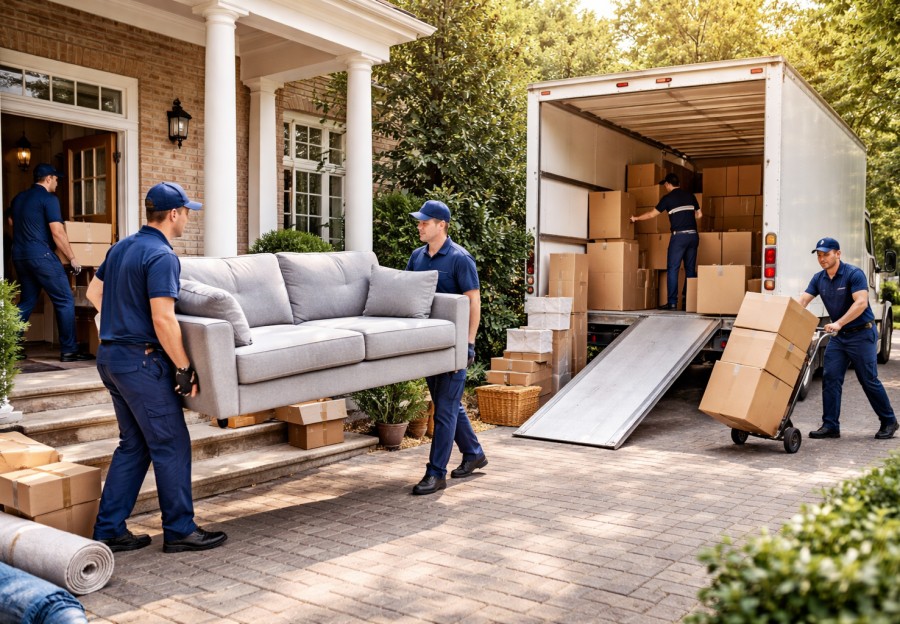
Few moments derail a move faster than realizing a sofa will not clear the doorway, a wardrobe jams in the stairwell, or a dining table refuses to pivot around a tight corner. You measure once, feel confident, then reality proves otherwise. This situation is more common than most people expect, especially in older buildings, apartments with narrow staircases, or homes with tight hallway turns. The good news is that a piece not fitting inside rarely means the move is over or the furniture is lost. It means the plan needs to adapt calmly and logically.
Space constraints are a growing issue in modern housing. Building data shows that many older urban properties were designed before today’s larger furniture sizes became standard. At the same time, average sofa depth and mattress thickness have increased over the past two decades as comfort standards changed. That mismatch between legacy architecture and modern furniture explains why clearance problems are so frequent.
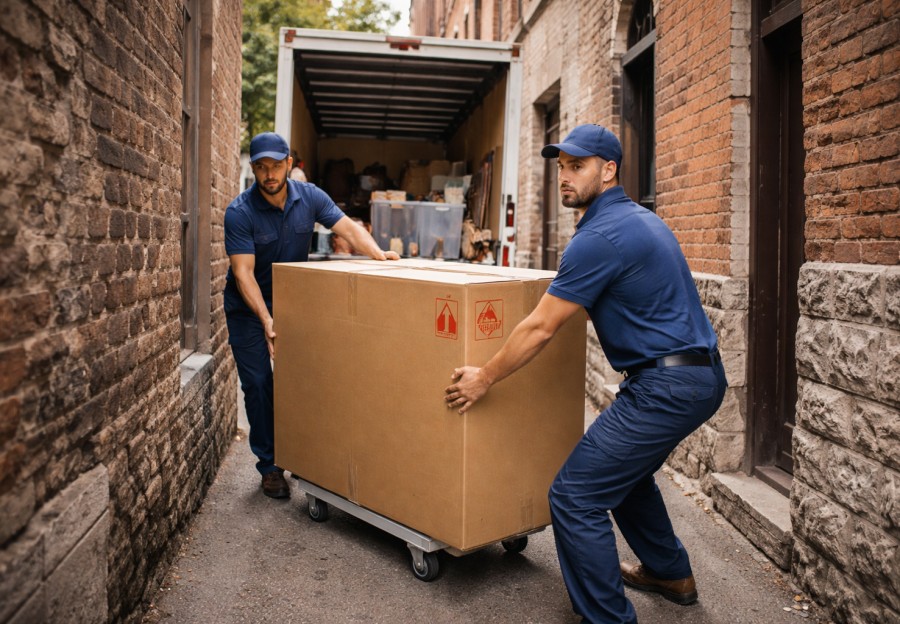
The first and most important step is to stop forcing the item. Pushing harder almost always causes damage to walls, door frames, flooring, and the furniture itself. Home repair cost surveys consistently show that chipped drywall, dented trim, and cracked door frames can cost hundreds of dollars to repair, often more than the cost of professional repositioning help. Structural engineering research also shows that torsion stress increases rapidly when large objects are twisted through tight angles, which weakens joints and can cause hidden fractures.
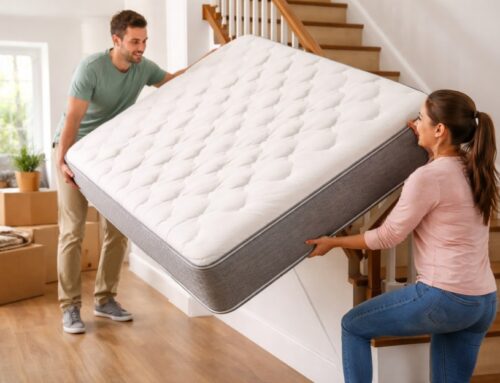
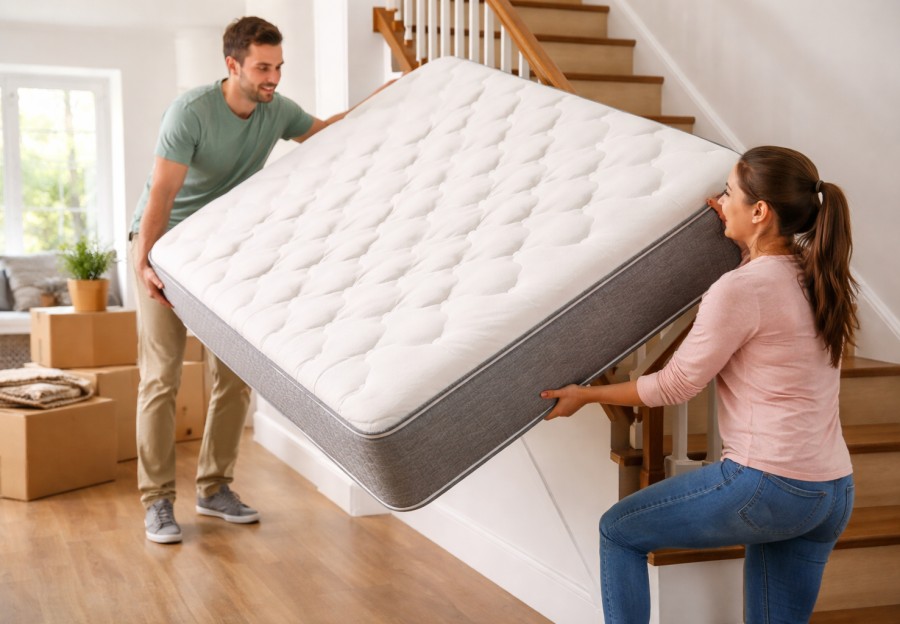
Once you stop, reassess the geometry rather than the muscle required. Many clearance problems come down to angles rather than raw width. Diagonal positioning can reduce the effective width of an object passing through a doorway. Simple geometry explains this because the diagonal length across a rectangle can exceed either side dimension. Rotating a sofa slightly, tipping it onto one arm, or standing a mattress vertically can change the clearance profile enough to pass safely. Movers rely heavily on this principle because it minimizes contact points and reduces scraping risk.
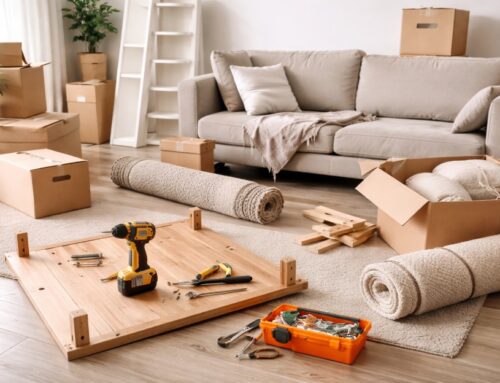
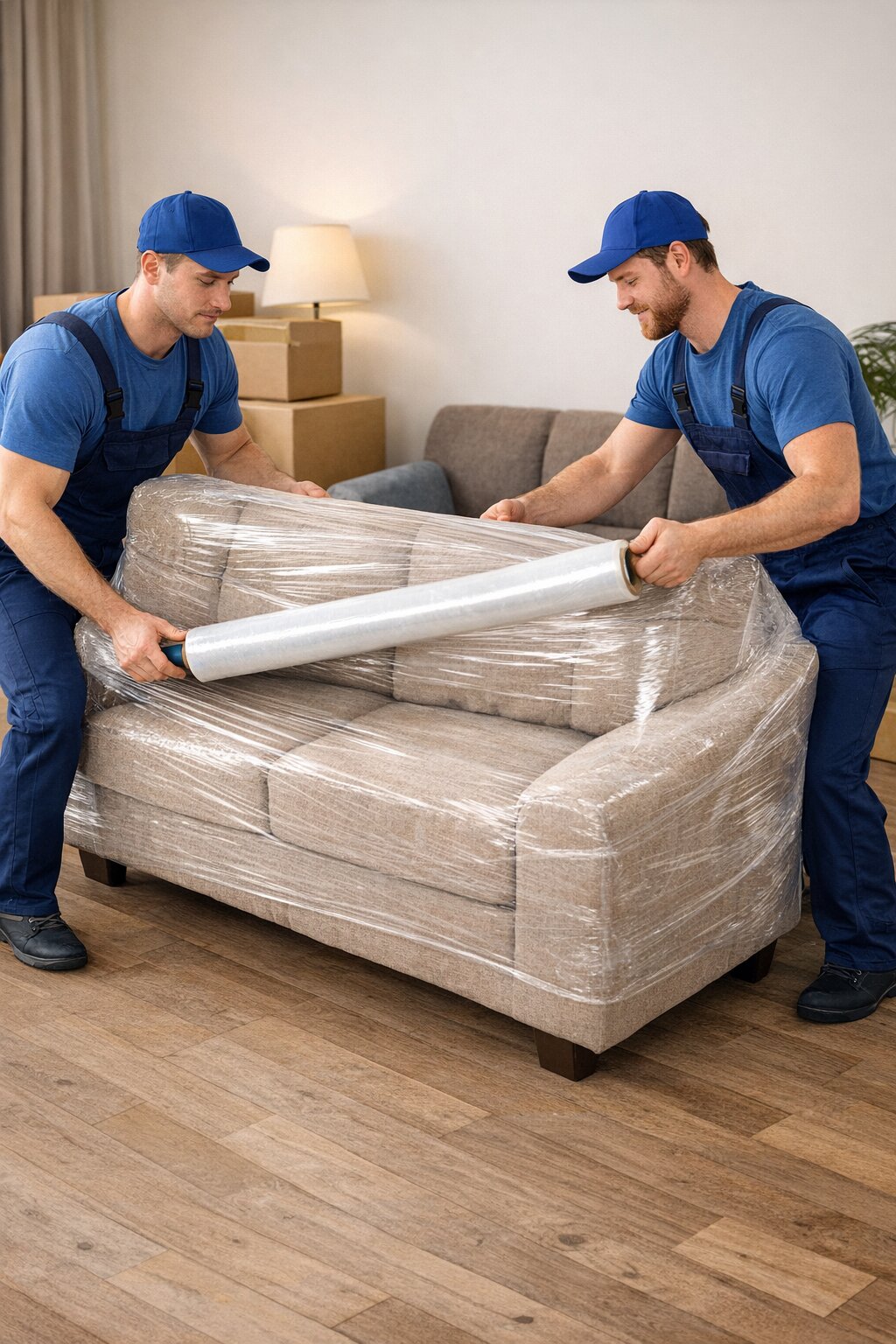
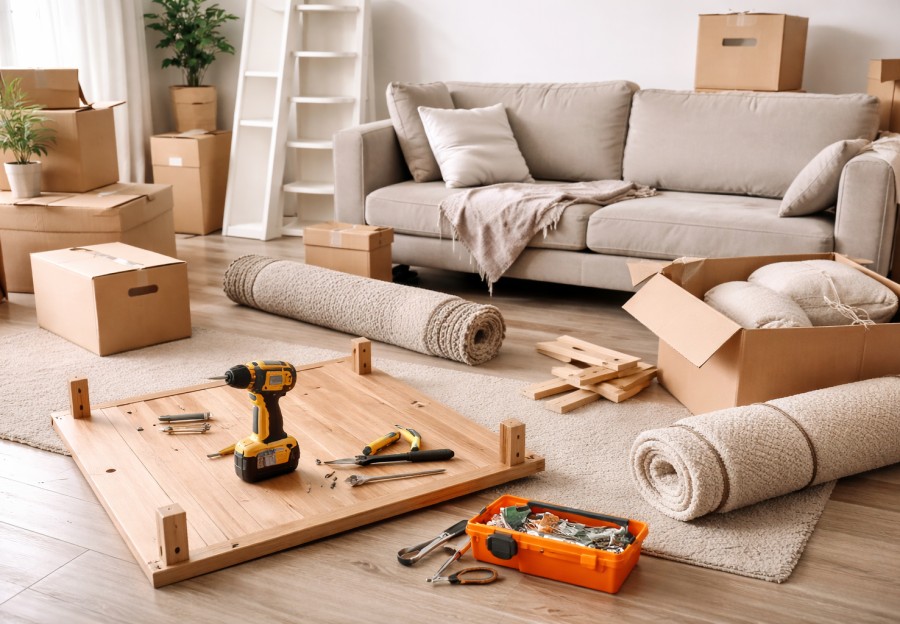
If angle adjustment does not solve the problem, partial disassembly is often the next best option. Removing sofa legs, headboards, bed rails, table bases, shelving uprights, or detachable arms can reduce overall dimensions significantly. Furniture manufacturing data shows that many modern pieces are designed with modular assembly specifically to support transport and flat packing. Even a reduction of two to four inches can make the difference between a blocked path and a clean pass.
Keep all removed hardware together in a labeled bag and attach it directly to the furniture. Assembly error studies show that missing or mixed hardware accounts for a large share of post move reassembly delays and damage. Taking photos of how parts connect also improves reassembly accuracy later.
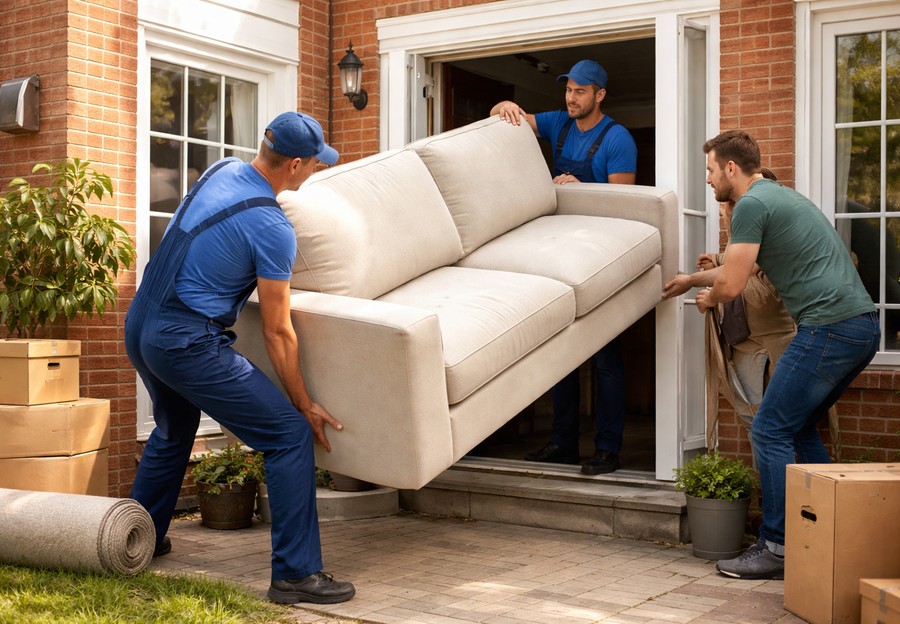
If disassembly still does not create enough clearance, consider alternate routes. Patio doors, sliding glass doors, garage entries, and even large windows often provide wider openings than front doors or stairwells. Many homes have at least one opening that bypasses tight interior turns entirely. Exterior access may require temporary removal of doors from hinges, which can increase opening width by more than an inch on each side depending on frame construction. That small gain can be enough for bulky furniture.
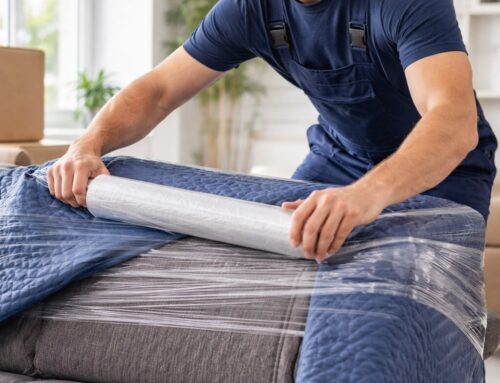
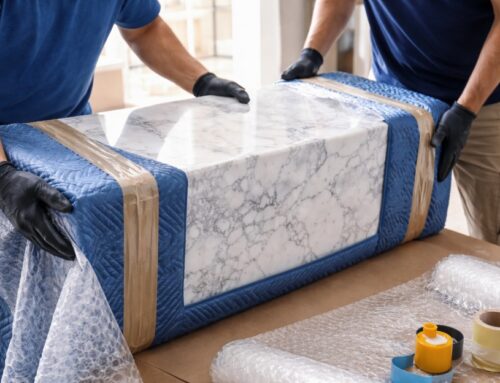
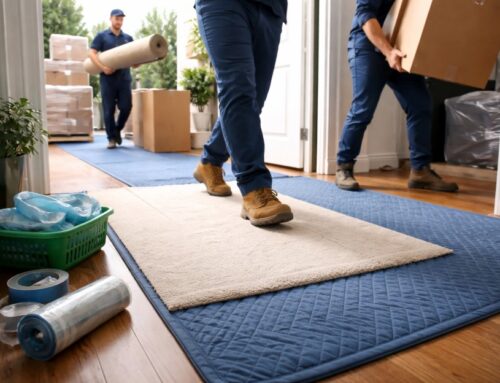
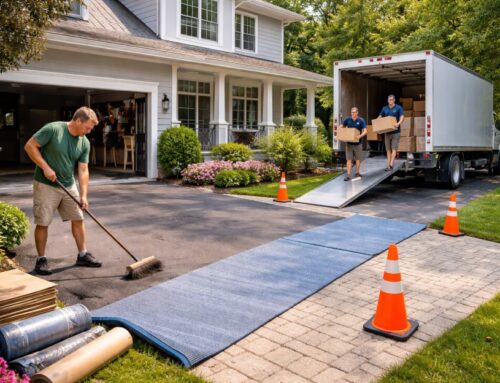
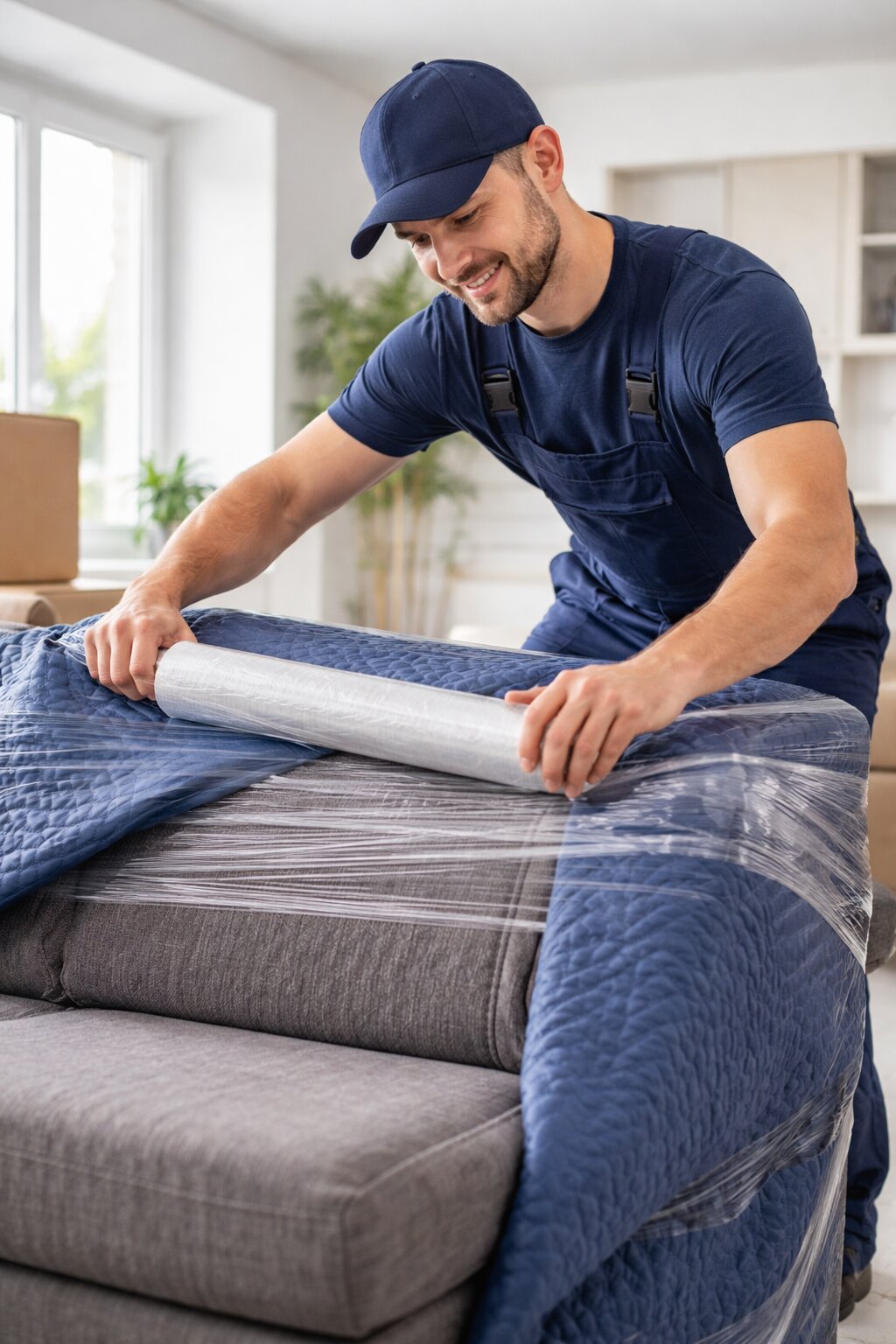
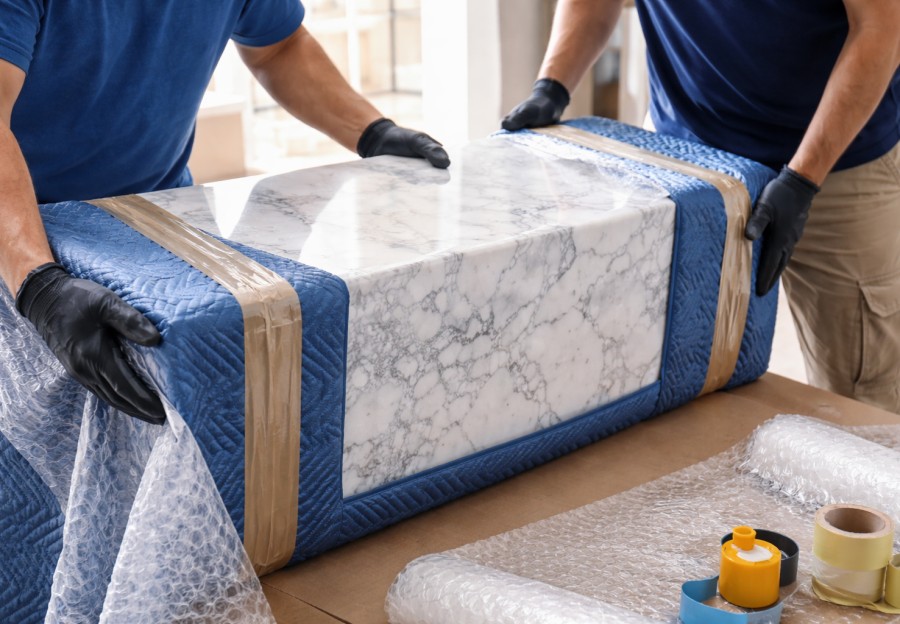
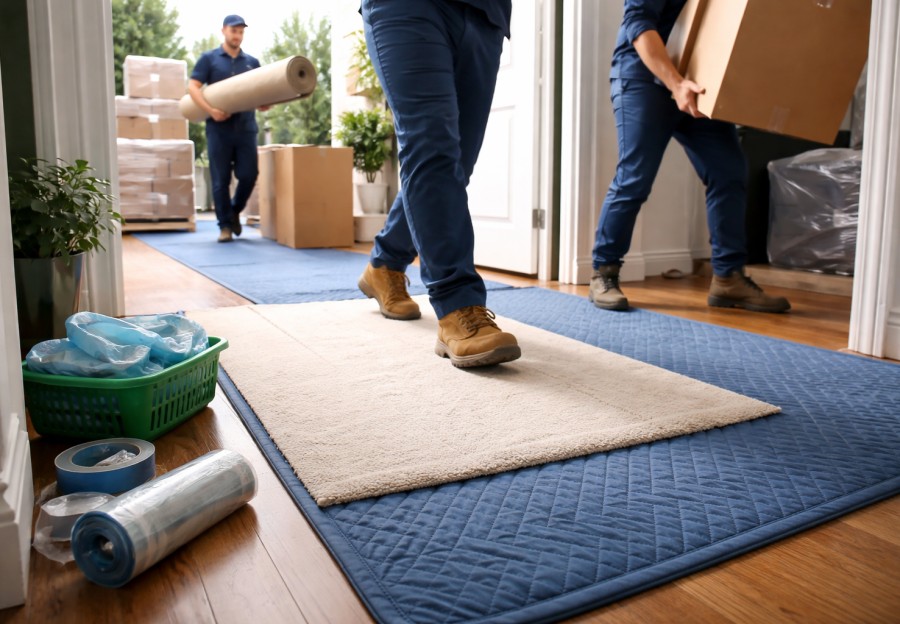
When exterior routes are used, surface protection matters. Ground conditions, gravel, concrete edges, and weather exposure increase damage risk. Padding and controlled carrying reduce scuffing and moisture exposure. Safety data shows that slips increase significantly on uneven outdoor surfaces when carrying bulky loads, so pacing and grip control matter.
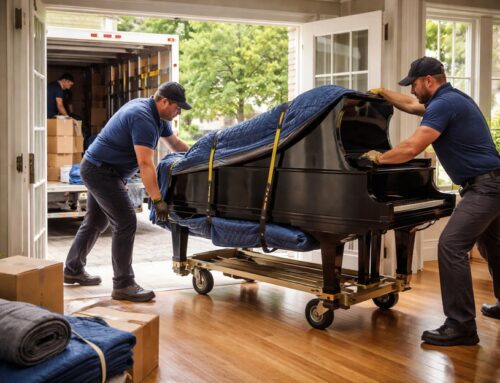
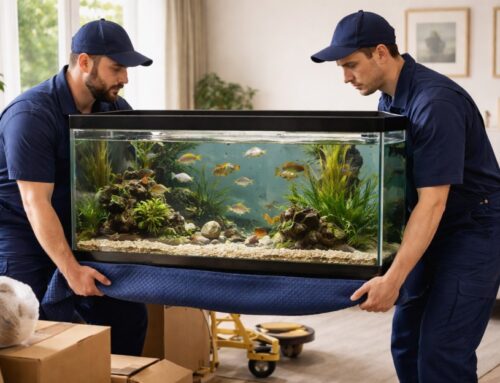
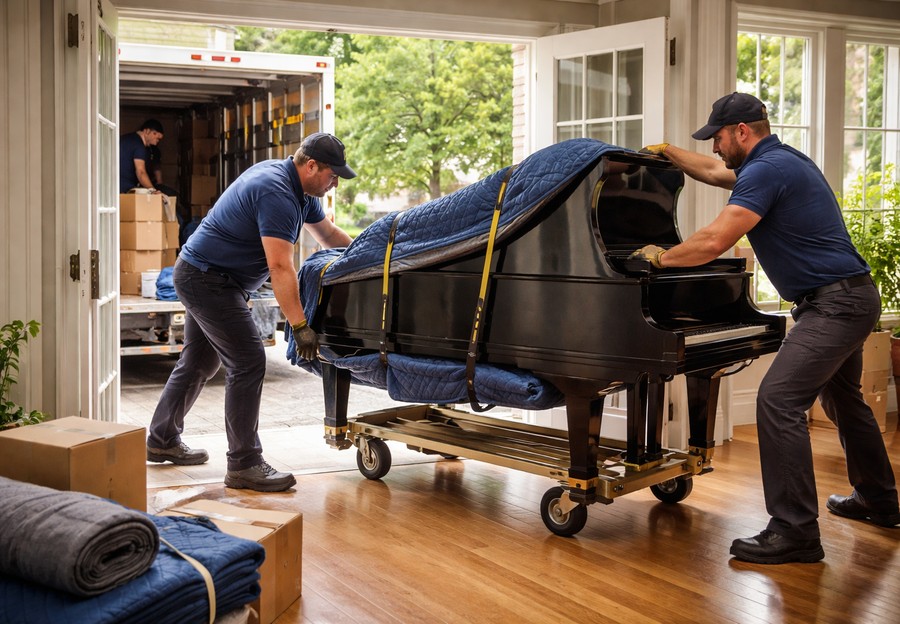
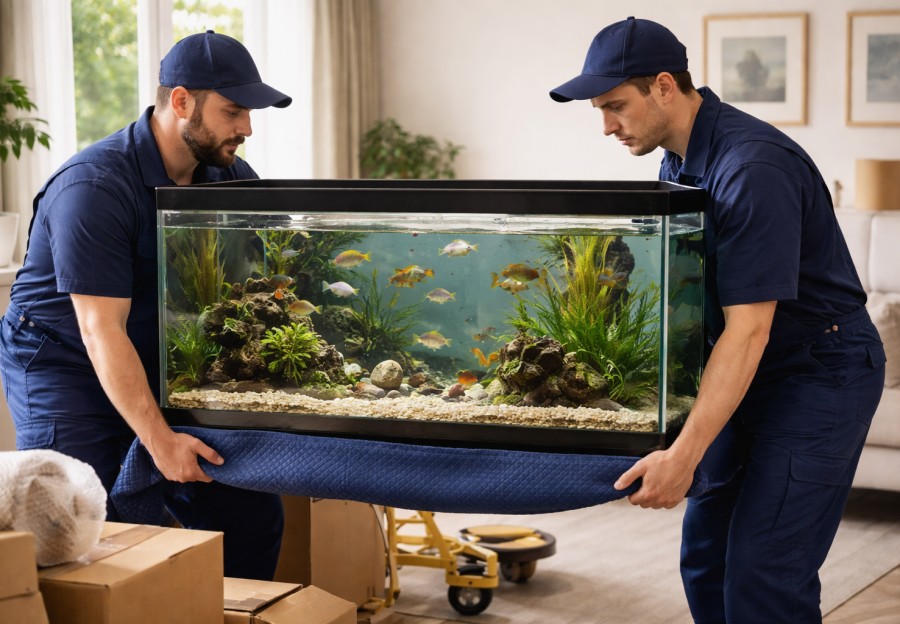
If no interior or exterior route provides sufficient clearance, professional hoisting becomes the safest solution for large or valuable pieces. Hoisting involves lifting furniture through a window or balcony using controlled rigging. Engineering safety studies show that controlled vertical lifting reduces cumulative stress on joints and finishes compared with repeated forced attempts through tight interior paths. While hoisting adds cost, it often prevents far greater expense in repairs, replacements, and building damage.
Some people attempt risky shortcuts such as bending frames, removing structural bracing, or forcing panels through openings. These approaches often cause irreversible damage. Furniture repair pricing data shows that structural frame repairs can easily exceed several hundred dollars, sometimes approaching replacement cost for mid range furniture. Forcing pieces also increases injury risk. Occupational safety data consistently links awkward force application and sudden load shifts with strains and crush injuries.
There is also the option of professional furniture modification or partial dismantling by a specialist if the item must fit into the space long term. In rare cases, custom furniture resizing or modular alteration may be more economical than replacing a high quality piece. This decision should be based on actual replacement value rather than emotional attachment alone.
Another realistic option is acknowledging that the piece truly does not belong in the new space. This is difficult emotionally, but sometimes the geometry simply does not support the furniture size without compromising safety or flow. Real estate space planning studies show that overcrowded layouts reduce functional circulation and increase daily collision risk. If a sofa blocks walkways or forces constant scraping against walls, long term frustration often outweighs sentimental value.
If replacement becomes necessary, consider selling or donating the item rather than discarding it. Resale platforms and donation programs help extend product lifespan and reduce landfill waste. Sustainability studies consistently show that reuse provides greater environmental benefit than disposal or recycling alone.
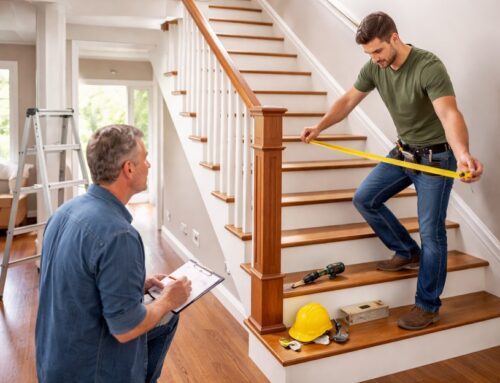
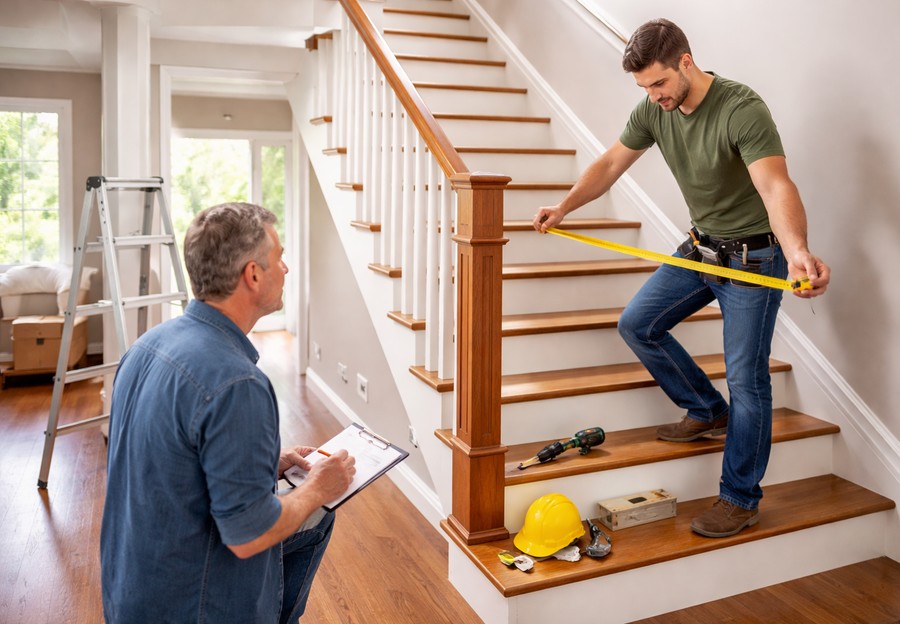
Planning ahead reduces the likelihood of this problem entirely. Measuring door widths, stairwell clearances, ceiling heights, and turn radii before moving allows early decisions. Furniture dimensions should include depth, diagonal clearance, and protruding hardware rather than just headline width. Many people underestimate diagonal requirements and overestimate available turn space in hallways.
Digital room planning tools and simple tape mockups on floors can simulate turning radii before moving day. Spatial cognition research shows that physical visualization improves accuracy compared with mental estimation alone.
Weather can influence decision making as well. Rain increases slip risk. Heat increases fatigue and impatience. Cold stiffens grip and materials. Environmental safety data shows that extreme conditions increase error rates in manual handling. If conditions are poor, patience becomes even more important.
Cost evaluation should be rational rather than reactive. Compare the cost of hoisting, professional disassembly, or specialty handling against the replacement cost of the furniture and potential repair costs to the property. Consumer cost data shows that door replacement, drywall repair, and floor refinishing often exceed the cost of controlled specialty handling. A short term service fee can prevent long term expenses.
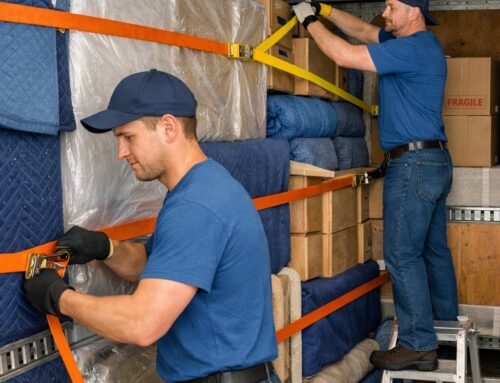
Communication with movers matters. Experienced crews have seen hundreds of clearance challenges and often identify solutions quickly. Workplace problem solving studies show that teams perform better when all participants share observations rather than one person making rushed decisions under stress.
There is also a psychological element. Unexpected obstacles trigger frustration because they disrupt momentum. Stress research shows that pauses feel longer and more stressful when people are fatigued. Taking a few minutes to reassess calmly reduces impulsive actions that cause damage.
Safety should always outweigh speed. Injuries during moves commonly occur during awkward maneuvers and forced carries. The Bureau of Labor Statistics consistently reports overexertion and contact with objects as leading injury categories in material handling. A paused plan protects both people and property.
Environmental impact deserves mention. Damaged furniture contributes to landfill volume and replacement manufacturing emissions. Waste management data shows millions of tons of furniture are discarded annually. Preserving usable pieces through careful handling supports sustainability goals.
Once the piece is inside successfully, confirm that placement allows safe movement and airflow. Tight squeezes that barely fit often create long term inconvenience and increased wear on walls and furniture edges. Living space should function comfortably, not just technically fit.
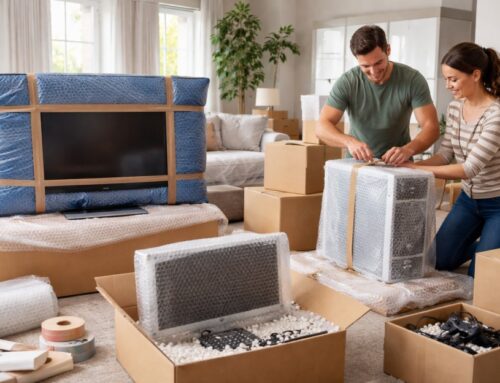
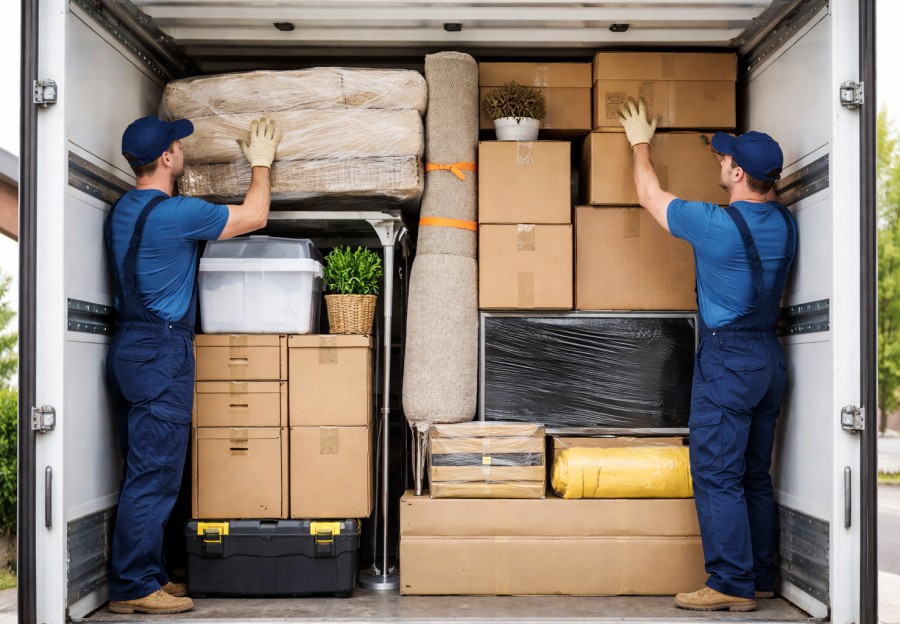
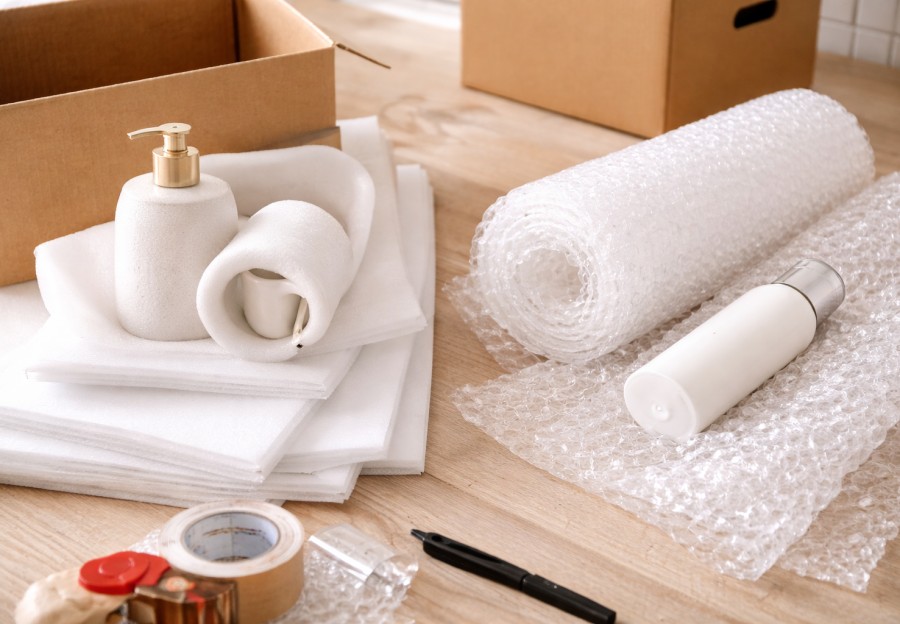
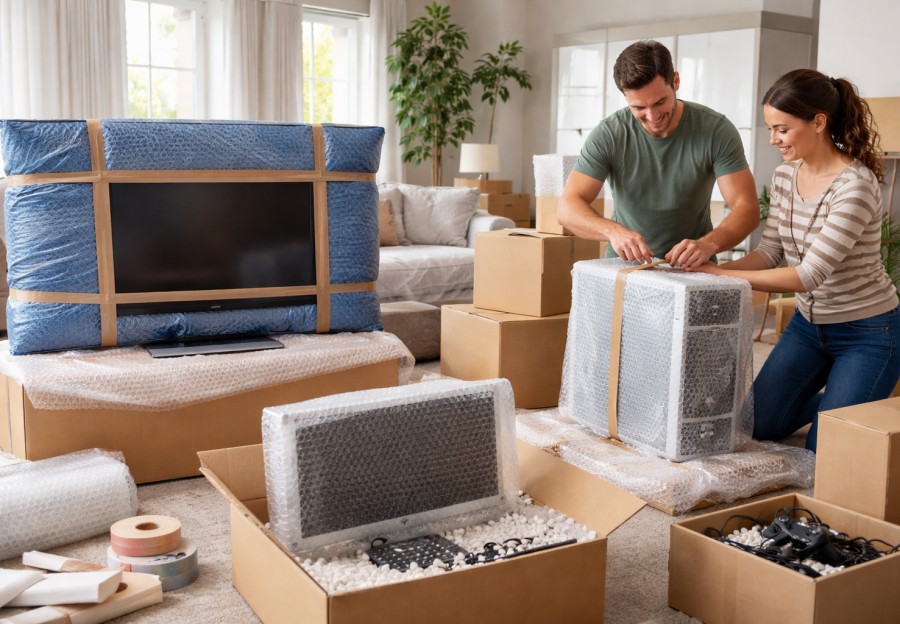
If you must delay placement and store the item temporarily, protect it properly with padding and climate awareness. Moisture, temperature swings, and stacking pressure degrade materials over time. Storage best practice studies show that controlled environments significantly extend furniture lifespan.
The key mindset is flexibility rather than force. A piece not fitting inside is a problem of geometry and logistics, not strength. Angles solve many issues. Disassembly solves many more. Alternate routes expand options. Hoisting handles extreme cases. Letting go sometimes becomes the healthiest choice.
Moves rarely go exactly as planned. What defines a successful move is how you adapt when the unexpected appears. Calm reassessment, respect for physics, respect for human limits, and smart cost comparison keep a temporary obstacle from becoming a permanent regret.
Furniture can be replaced. Injuries, damaged property, and unnecessary stress linger much longer. When something will not fit, pause, rethink, and choose the option that protects safety, value, and peace of mind.