
April 1, 2026
How to prevent bed bugs while moving
Few moving fears generate as much anxiety as bed bugs. The idea of bringing a hidden infestation into a new home feels unsettling because these pests are difficult to detect, stubborn to eliminate, and expensive to treat. The good news is that bed bug prevention during a move is very achievable when you understand how they spread, what they need to survive, and how to interrupt that cycle with smart handling and timing.
Bed bugs are not rare. According to surveys published by the National Pest Management Association, roughly one in five Americans has either experienced a bed bug infestation or knows someone who has. Urban housing studies show higher incidence in multi unit buildings, hotels, and high turnover rentals where pests can move easily between units. Bed bugs do not care whether a home is clean or cluttered. They care about access to human hosts and hiding places.
The financial impact is real. Professional extermination often costs between several hundred and several thousand dollars depending on home size, severity, and treatment method. Some housing studies estimate that total indirect costs such as replacing mattresses, laundering, temporary lodging, and missed work can double that number. Preventing a problem before it starts saves both money and stress.
Understanding how bed bugs travel explains how to block them. Bed bugs do not fly or jump. They crawl and hitchhike on belongings. Research from entomology departments shows that bed bugs can survive several months without feeding and hide in seams, cracks, fabric folds, and cardboard. During a move, they most commonly travel in mattresses, upholstered furniture, clothing piles, shoes, books, boxes, and bags that have been sitting in infested or shared environments.
The first step in prevention is inspection before packing. Look closely at mattresses, box springs, bed frames, upholstered furniture seams, couch cushions, headboards, and baseboards. Bed bugs are small but visible to the naked eye. Adults are about the size of an apple seed. Look for live insects, tiny dark spots from droppings, shed skins, and clusters of pale eggs. Pest control studies show that early detection dramatically reduces spread risk because localized treatment is easier than whole home remediation.
If you suspect any activity, address it before moving. Moving without treatment almost guarantees transferring the problem to the new location. Professional pest treatment remains the most reliable solution. Heat treatments that raise room temperatures above 50 degrees Celsius for several hours have been shown to kill all life stages of bed bugs. Chemical treatments can also be effective when applied correctly. Trying to outmove bed bugs rarely works because they hide inside belongings that travel with you.
For households without known infestations, prevention still matters because moving exposes items to shared trucks, storage spaces, elevators, and staging areas. Studies of pest spread in multi tenant buildings show that transient shared environments increase exposure risk.
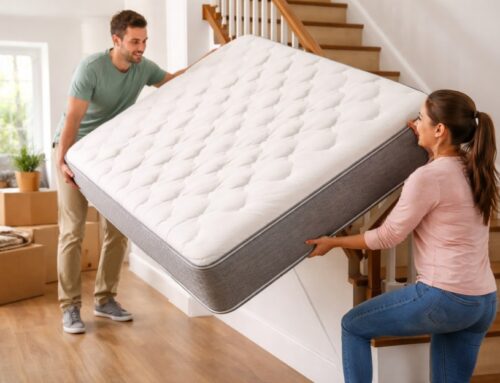
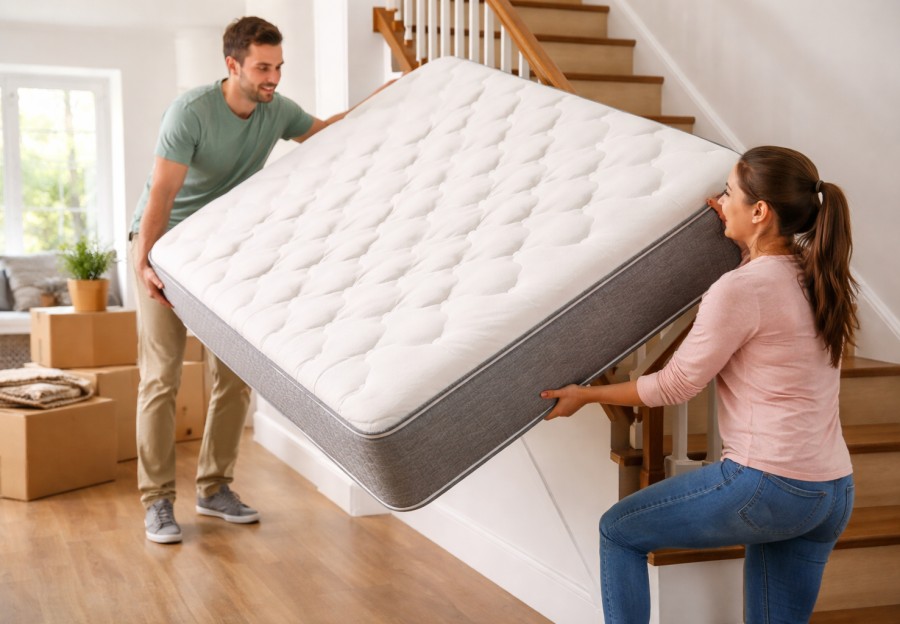
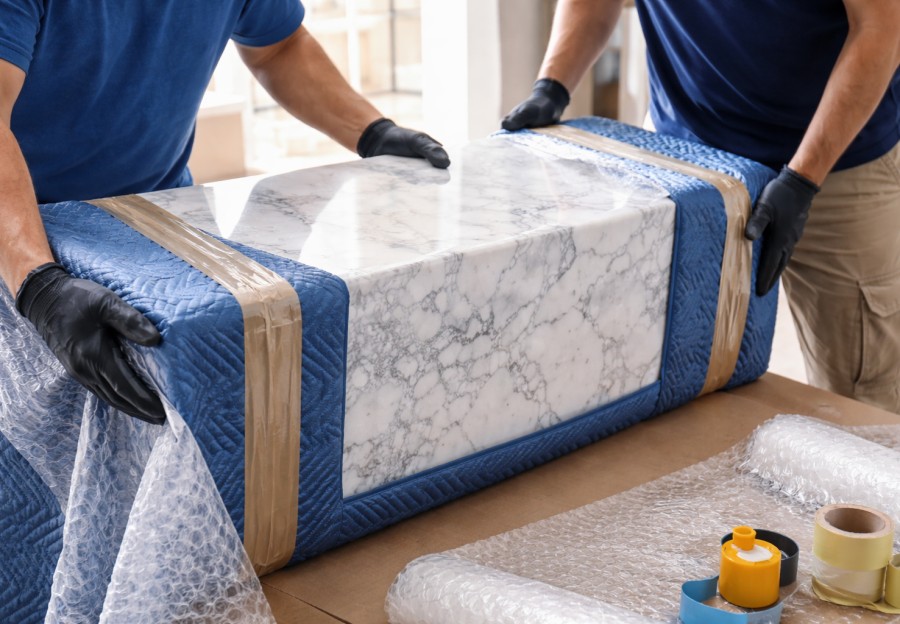
Mattresses and box springs deserve special protection. These items are the most common hiding zones for bed bugs because they offer fabric seams and proximity to sleeping humans. Enclosing them in sealed protective covers before moving creates a physical barrier that prevents bugs from entering or escaping. Mattress encasements are widely used in pest management programs and have been shown to trap existing bugs and block new ones. Even if your mattress is clean, encasing it during transport protects it from contamination in trucks or hallways.
Upholstered furniture should be vacuumed thoroughly before moving. Vacuuming removes surface insects and eggs. Research shows that vacuuming alone does not eliminate infestations, but it significantly reduces surface population and risk of transfer. Immediately discard the vacuum bag or empty the canister into a sealed bag outside the home to prevent escape.
Clothing and linens benefit from heat. Washing and drying on high heat kills bed bugs and eggs. Entomology studies confirm that temperatures above roughly 49 degrees Celsius sustained for several minutes are lethal to all life stages. Drying is especially important because heat penetrates fabrics more reliably than washing alone. Once clean, store clothing in sealed bags or bins until arrival. This prevents re exposure during the move.
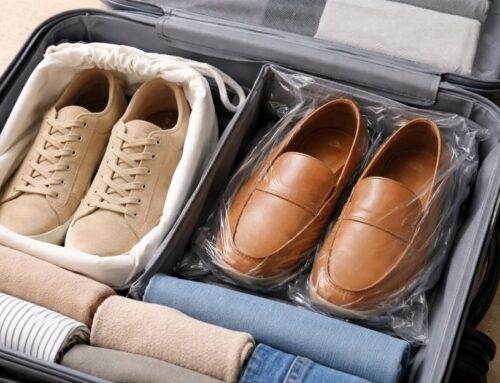
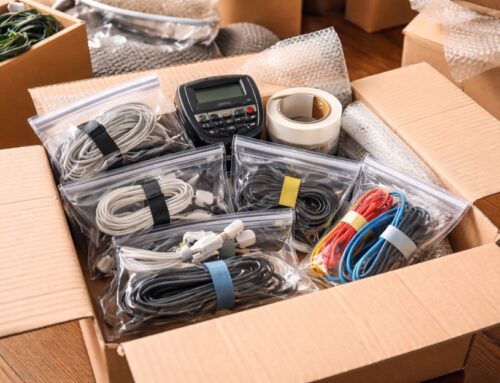
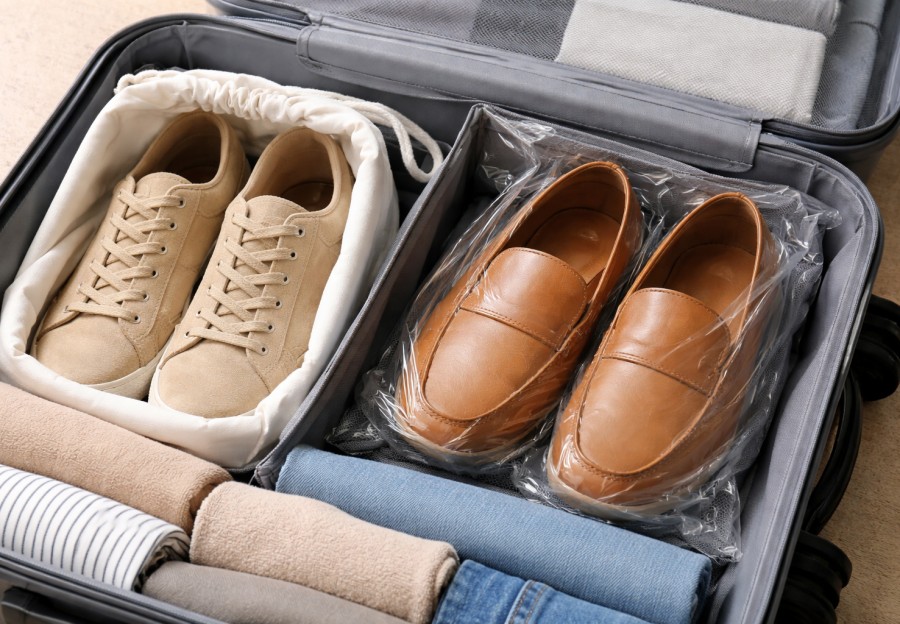
Shoes, bags, and soft accessories often get overlooked. Bed bugs can hide inside seams, insoles, and folds. Placing these items in sealed bags after inspection reduces risk. Some people choose to run shoes through a hot dryer cycle when safe for the material, which further reduces exposure.
Cardboard boxes present a unique challenge. Bed bugs can hide in corrugation grooves. Using new boxes rather than reused boxes reduces risk because reused boxes may have unknown exposure history. Studies on pest transfer in shipping environments show that reused packaging increases contamination probability. If boxes must be reused, inspect seams carefully and keep them sealed once packed.
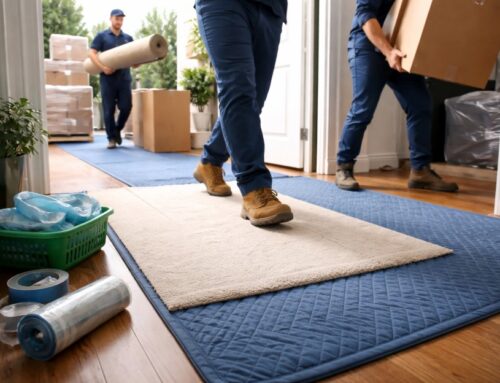
Avoid staging packed items on beds, sofas, or carpeted areas during packing. Hard floors and clean staging zones reduce hiding opportunities. Pest management guidelines emphasize reducing contact between clean items and potential harbor zones.
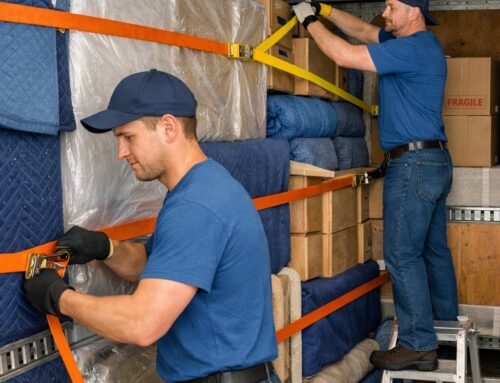
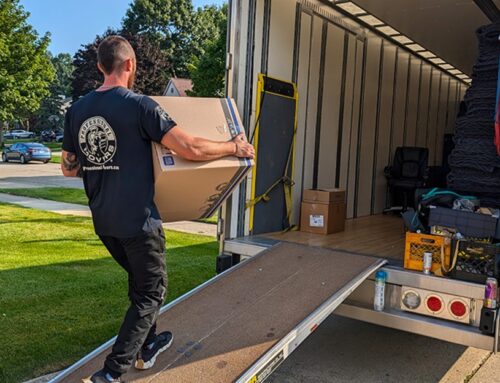
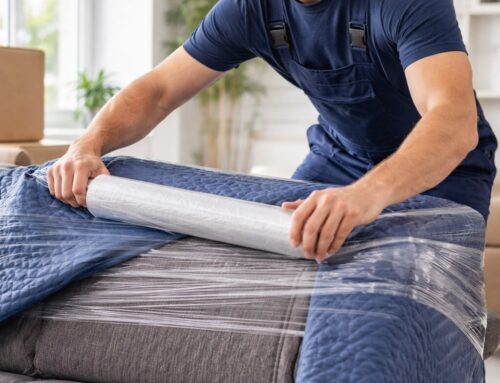
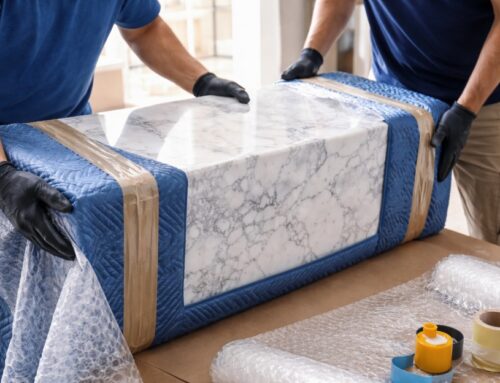
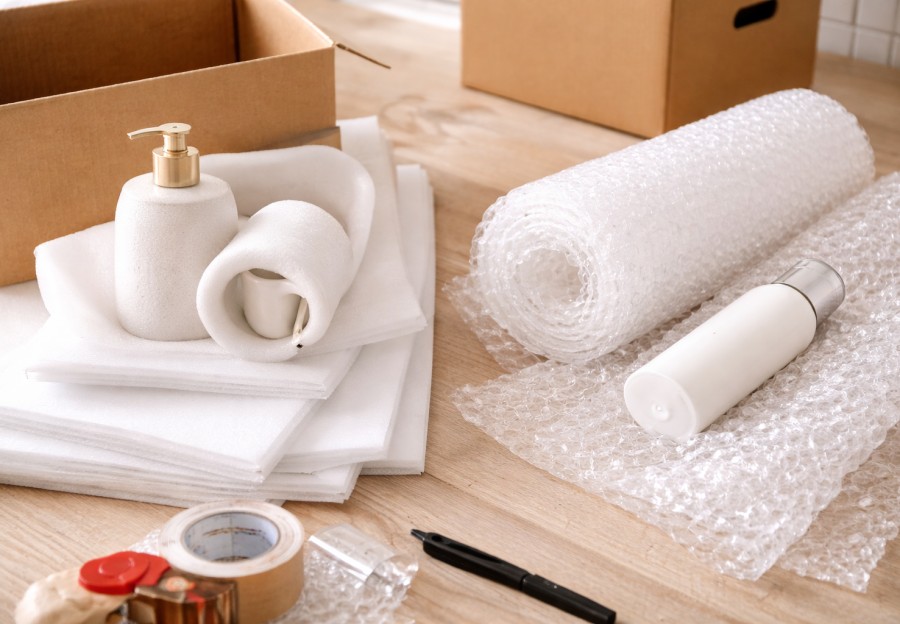
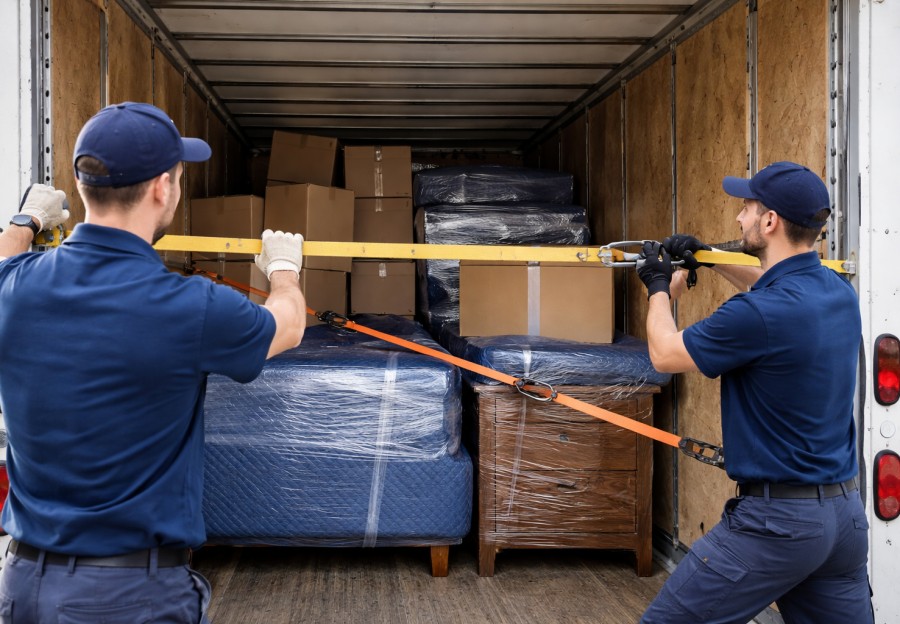
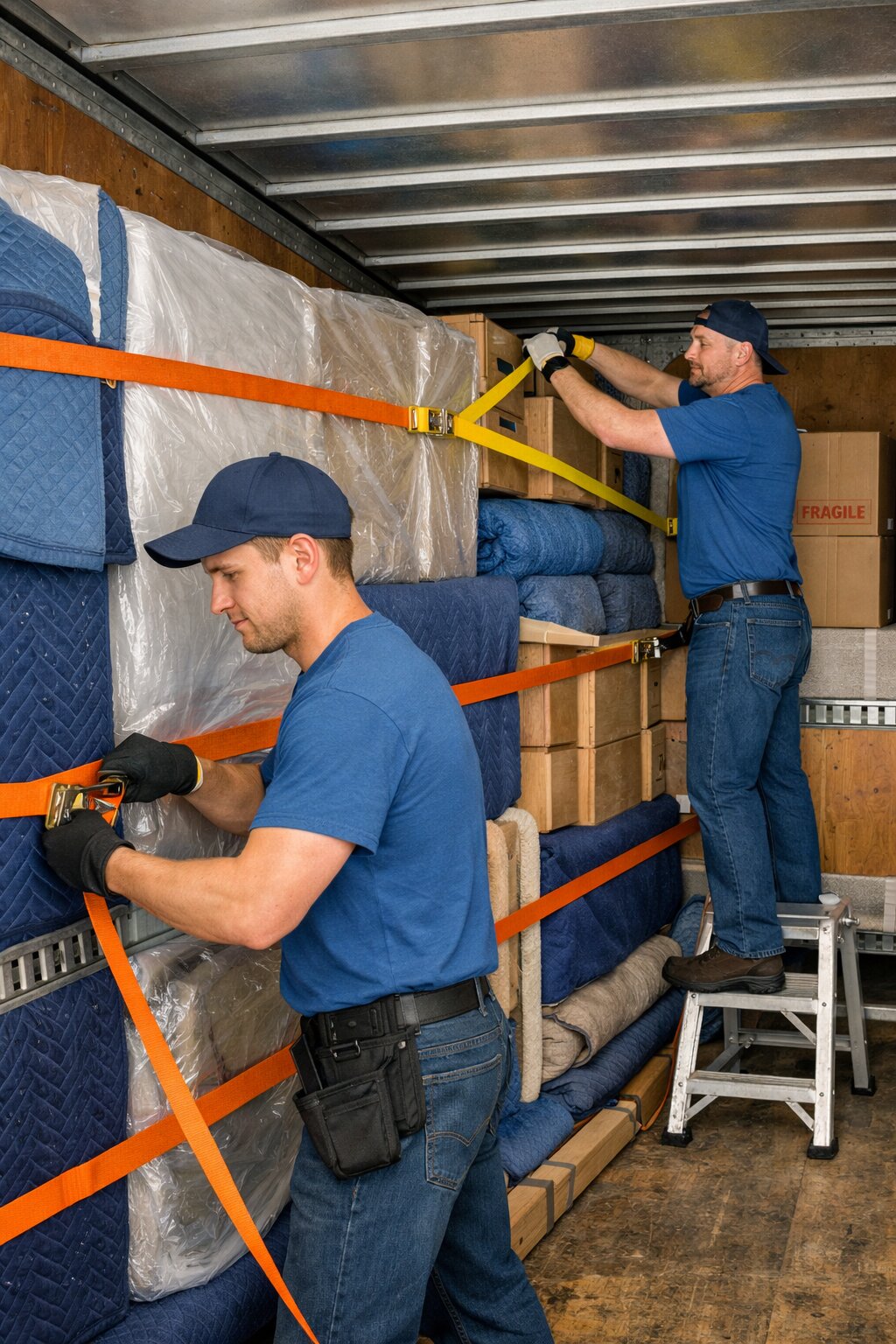
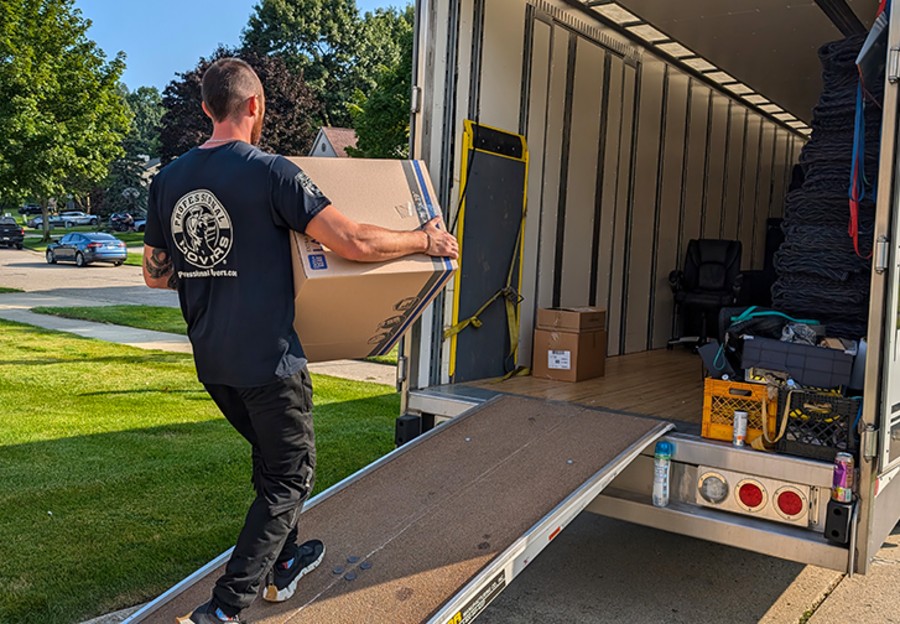
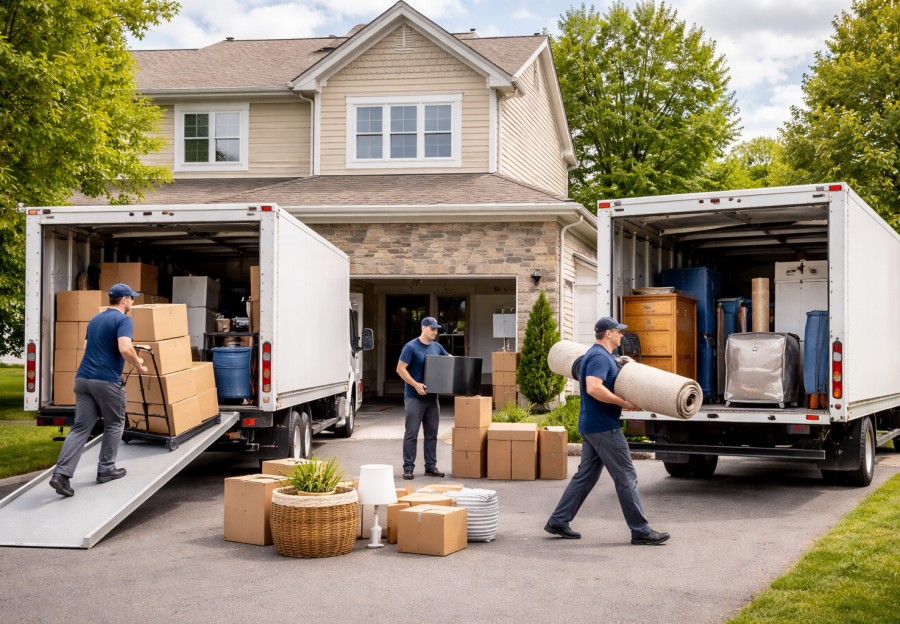
The moving truck itself matters. Professional moving trucks carry items from many homes over time. While reputable companies clean trucks regularly, no environment is completely risk free. Keeping mattresses encased, furniture wrapped, and clothing sealed reduces any potential exposure from truck interiors. Stretch wrap and protective padding also limit fabric contact surfaces where insects could transfer.
Storage units increase exposure risk because multiple customers use shared facilities. If items must go into storage, sealed plastic bins provide stronger protection than cardboard. Pest control studies show that sealed hard containers significantly reduce insect intrusion compared with porous materials.
Unpacking strategy matters just as much as packing. Do not immediately scatter all belongings throughout the new home. Instead, unpack in a controlled way. Inspect items as they come out. Keep protective encasements on mattresses and box springs for several months. Pest management data shows that early detection within the first few weeks allows for faster response if something slipped through.
Vacuum the new space thoroughly before and after unloading. While vacuuming does not eliminate bed bugs completely, it removes stray insects that may have traveled in on shoes or boxes. Dispose of vacuum contents carefully.
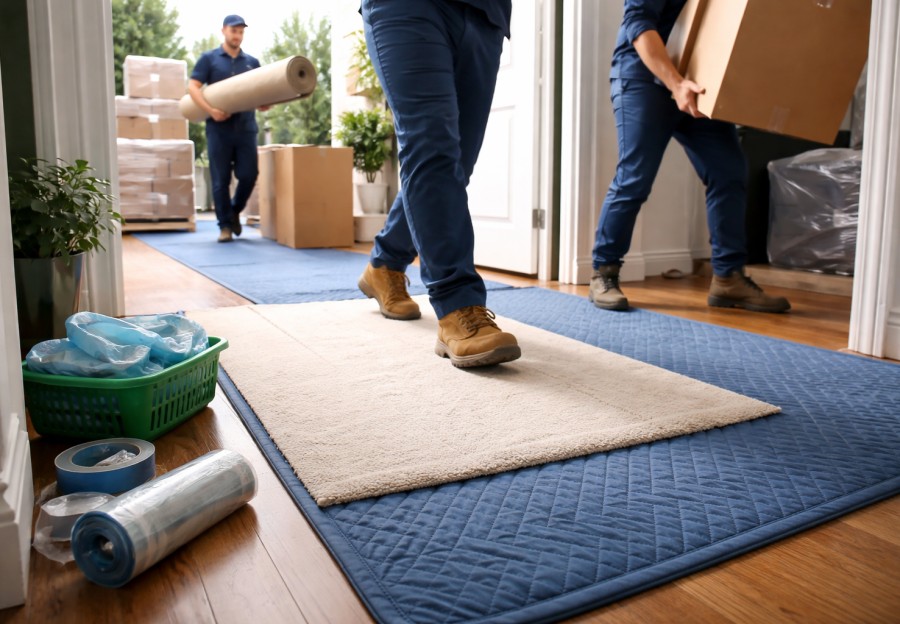
Avoid placing boxes directly on beds or upholstered furniture during unpacking. Use tables, counters, or hard floor zones until items are confirmed clean. This simple habit reduces cross contamination risk.
Be cautious with secondhand furniture during or immediately after a move. Used mattresses and couches account for a meaningful percentage of bed bug introductions according to pest control case studies. Delaying secondhand acquisitions until you are settled and confident the new home is pest free reduces exposure.
Travel overlap can introduce risk as well. If your move involves hotels, short term rentals, or shared accommodations, keep travel bags isolated and launder clothing promptly upon arrival. Hospitality industry studies consistently show that transient lodging carries higher exposure rates due to guest turnover.
Pets can transport bed bugs on bedding and carriers. Washing pet bedding and cleaning carriers before moving reduces risk. While bed bugs do not live on animals the way fleas do, fabrics associated with pets provide hiding spaces.
Temperature awareness helps. Bed bugs prefer moderate temperatures. Items left in hot enclosed vehicles for extended periods in summer may reach temperatures lethal to insects, but this is unreliable and inconsistent. Relying on heat exposure through vehicles alone is not a dependable control method according to entomology research.
Cost prevention reinforces the value of these steps. Spending a small amount on mattress covers, sealed bags, and new boxes is far less than the cost of professional treatment and potential furniture replacement. Consumer pest management data shows that early prevention costs represent a fraction of remediation expenses.
There is also a health and sleep impact. Bed bug bites cause itching, allergic reactions in some individuals, and significant sleep disruption. Public health studies link infestations with increased anxiety, insomnia, and stress. Protecting your sleeping environment during a move protects overall wellbeing.
From an environmental perspective, prevention reduces the need for chemical treatments and disposal of contaminated furniture. Sustainability research shows that reducing chemical use and waste improves long term environmental outcomes.
Psychologically, taking control of prevention reduces fear. Moving already ranks among the top stressors in adult life. Eliminating one major uncertainty improves confidence and emotional comfort during transition.
Preventing bed bugs during a move comes down to interrupting their ability to hitchhike. Inspect before packing. Treat any suspected activity before moving. Encase mattresses and box springs. Vacuum upholstered furniture. Heat treat clothing and linens. Seal clean items in bags or bins. Use new boxes when possible. Avoid staging on soft surfaces. Protect items in the truck. Unpack methodically. Maintain encasements after arrival. Stay cautious with secondhand items and travel bags.
None of these steps require perfection. They require consistency and awareness. Bed bugs spread quietly when people assume they are immune or rush through transitions. A few deliberate habits dramatically reduce risk.
A move should represent a fresh start, not a hidden problem carried into a new chapter. With practical prevention grounded in real pest science and consumer data, you can protect your home, your sleep, and your peace of mind from an issue that no one wants to deal with after the boxes are unpacked.