March 29, 2026
Why professional movers stretch-wrap everything
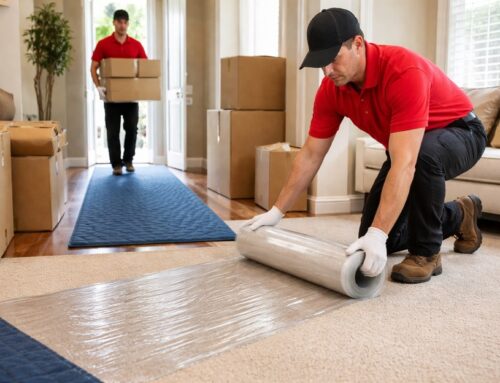
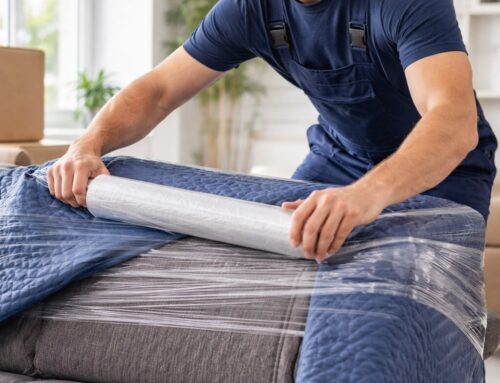
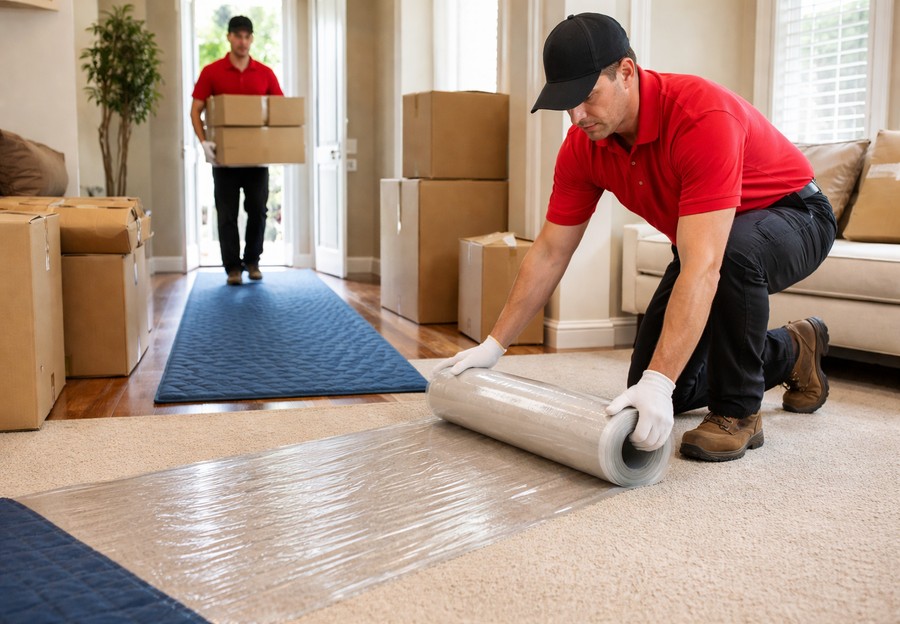
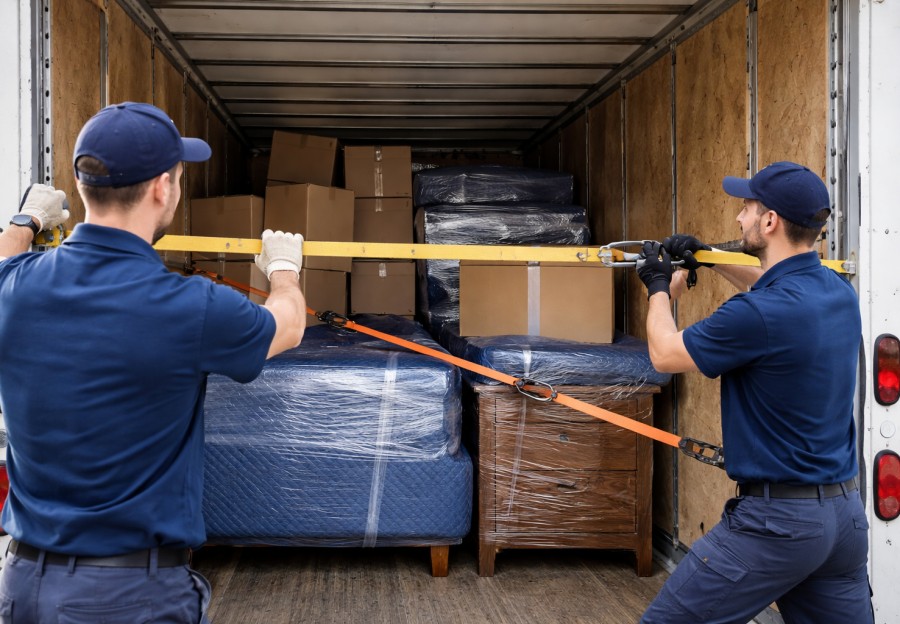
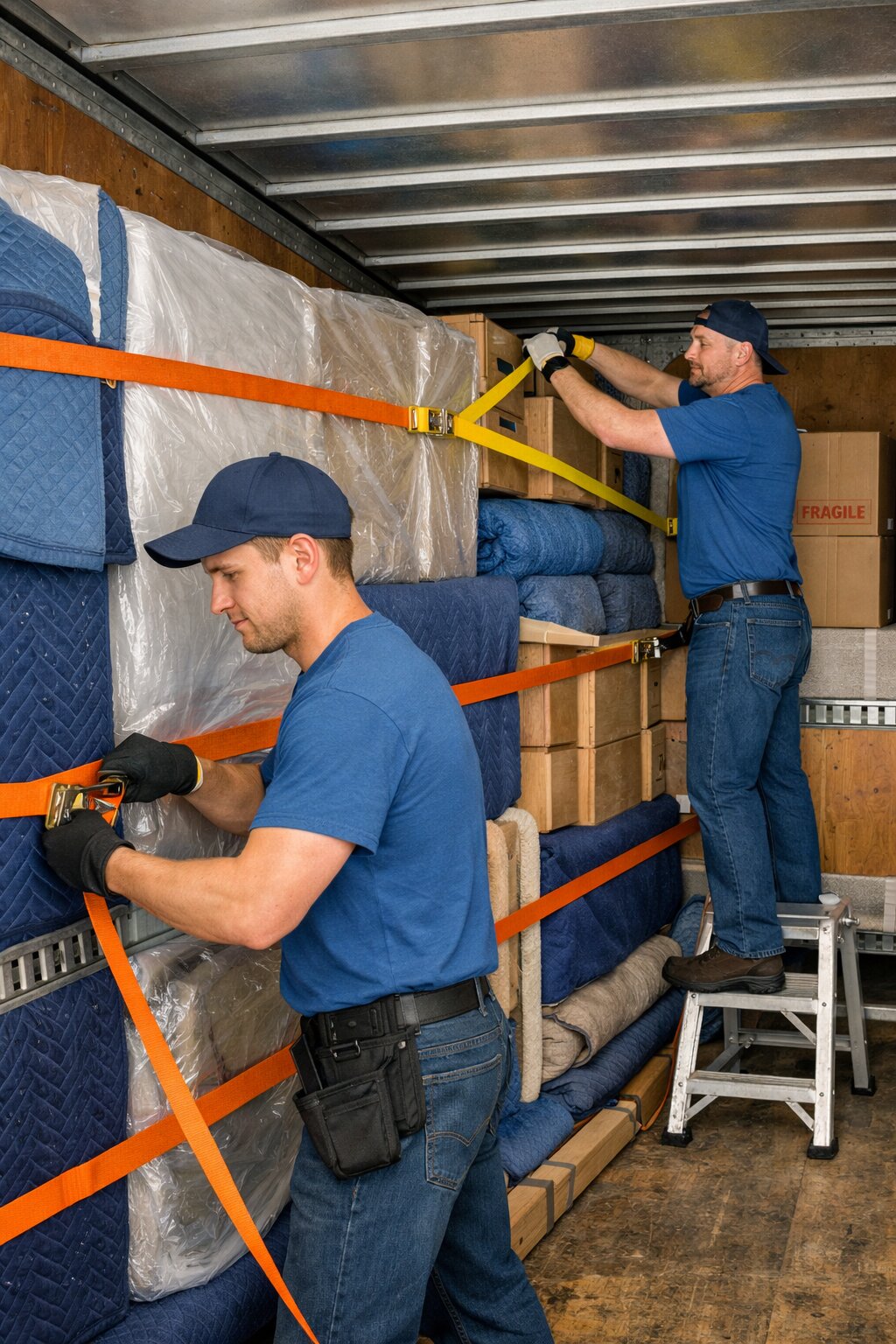
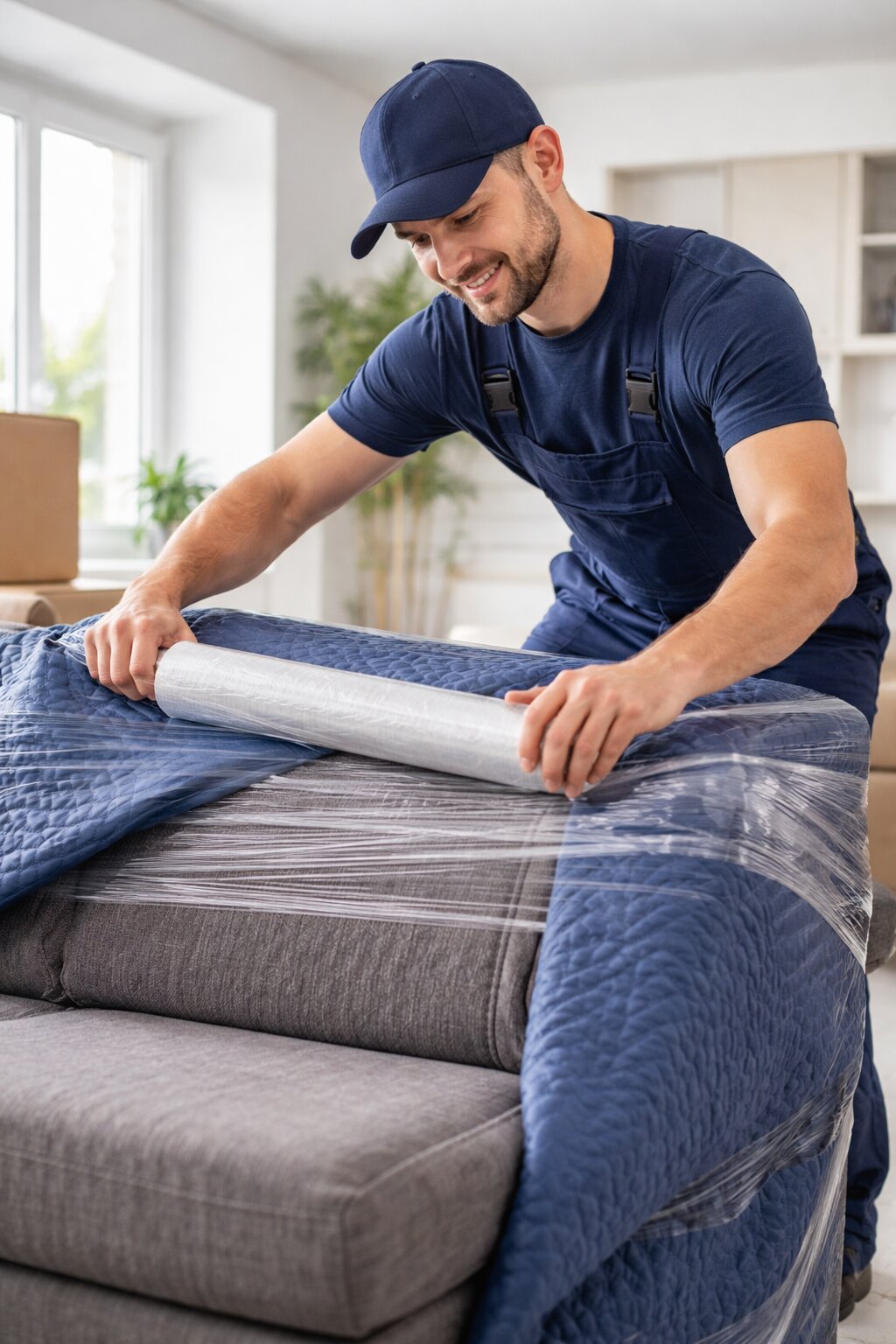
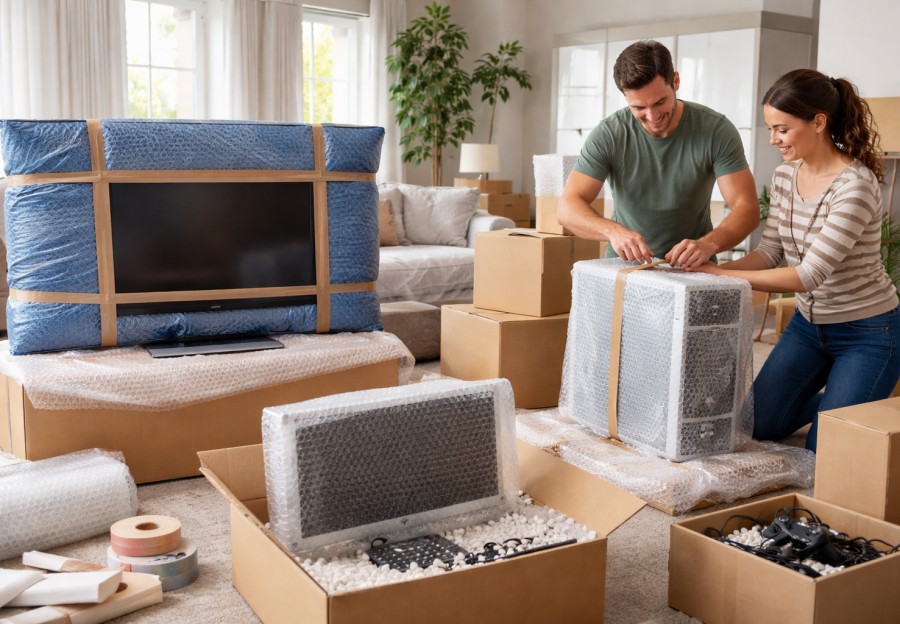
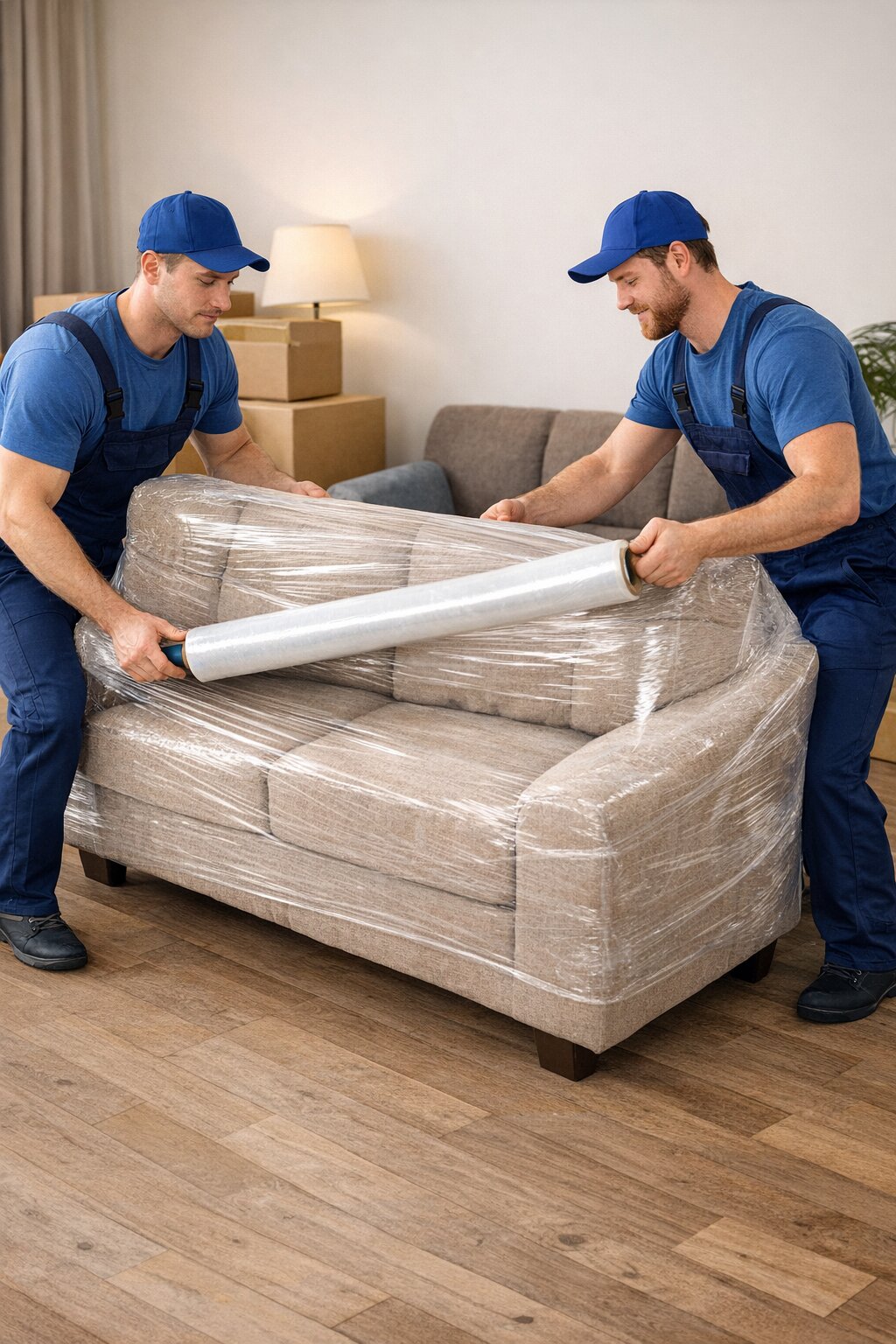
If you have ever watched a professional moving crew work, one habit stands out almost immediately. They stretch wrap furniture, mattresses, drawers, rugs, doors, and even oddly shaped items that already look secure. To someone unfamiliar with the process, it can feel excessive or wasteful. In reality, stretch wrap is one of the most effective tools movers use to control damage, speed up handling, and improve safety. It is not about appearance. It is about physics, friction, vibration, and human efficiency.
Stretch wrap is a thin elastic plastic film that clings to itself when stretched. It creates tension and compression around an object without adhesive. Packaging engineers have studied stretch film for decades because it is widely used in palletized freight shipping. Industry testing shows that properly applied stretch film can increase load stability by more than thirty percent compared with unwrapped loads under vibration and lateral movement. That same principle applies inside a moving truck.
The biggest threat to furniture during a move is movement. Trucks experience constant micro vibration from road texture, braking, turning, and suspension bounce. Transportation safety research shows that even short local drives expose cargo to thousands of small oscillations. Over time, those micro movements loosen joints, open drawers, shift cushions, and cause rubbing between surfaces. Stretch wrap locks components together so that the item behaves as one unit instead of many moving parts.
Drawers and doors are a perfect example. A dresser drawer that slides open during transit can catch on another item and snap the rail or chip the face. Cabinet doors can swing and slam repeatedly, stressing hinges and finishes. Wrapping keeps all moving parts compressed against the frame so they cannot drift. Furniture repair data shows that broken hardware and chipped corners are among the most common moving related damage claims. Stretch wrap directly reduces that category of damage.
Friction plays a surprisingly large role. Bare wood, laminate, leather, and plastic surfaces slide easily against moving blankets and other furniture when vibration occurs. Stretch wrap increases surface friction and creates a slightly tacky grip between wrapped items and padding. Packaging vibration studies show that higher friction coefficients significantly reduce internal shifting even when external vibration remains constant. Less sliding means fewer scuffs and fewer sudden load shifts.
Stretch wrap also improves handling efficiency. A wrapped dresser can be lifted as a single solid object rather than something with loose drawers that need to be held in place by hand. Human factors research shows that reducing grip complexity improves lifting stability and lowers error rates under fatigue. The Bureau of Labor Statistics consistently reports that overexertion and awkward handling contribute to a large portion of material handling injuries. When movers can grip a smooth, unified surface instead of chasing loose parts, the risk drops.
Protection from dust and moisture is another benefit. Even on dry days, truck interiors carry fine dust from cardboard, road grit, and previous loads. Fabric and upholstery fibers trap particulate easily. Textile hygiene studies show that fabrics accumulate microscopic particles that later require cleaning. Stretch wrap acts as a temporary barrier that keeps surfaces cleaner during transit. It also protects against brief moisture exposure such as light rain during loading or condensation from temperature swings.
Temperature variation matters more than people realize. Vehicle interior temperature studies show that closed trucks can exceed outdoor temperatures by more than twenty degrees Celsius in under an hour under direct sun. That heat softens some finishes and adhesives. Cold stiffens plastics and vinyl. When materials expand and contract repeatedly, surface friction changes and joints loosen more easily. Stretch wrap stabilizes components during these thermal cycles and reduces the chance of parts shifting as materials expand and contract.
Another practical reason movers use stretch wrap is time savings. Wrapping a piece takes seconds and replaces multiple slower steps such as removing drawers, bagging hardware, taping doors, and reassembling later. Time motion studies in logistics consistently show that reducing task steps improves productivity more than almost any other intervention. Over a full move, those seconds compound into meaningful labor savings. Since labor is often the largest cost component in a move, efficiency matters financially for both the company and the customer.
Stretch wrap also simplifies load building inside the truck. Wrapped furniture has smoother predictable shapes that stack more cleanly against other items and moving pads. Logistics research shows that uniform shapes improve space utilization and load stability. Less void space means fewer gaps where movement can develop. When the load behaves like a single interlocked mass rather than dozens of independent pieces, damage rates drop.
Another important advantage is finish protection. Many modern furniture finishes are sensitive to abrasion. Lacquer, high gloss laminate, and soft wood veneers scratch easily under micro friction. Furniture restoration professionals regularly report finish wear caused by repeated light rubbing rather than single large impacts. Stretch wrap reduces that micro rubbing by holding protective pads in place and preventing direct surface contact.
People sometimes worry that stretch wrap traps moisture and causes damage. That risk exists if items are wrapped while damp or stored wrapped for extended periods. Textile research shows that mildew can begin forming on damp materials within one to two days in warm conditions. Professional movers avoid wrapping wet items and remove wrap promptly after delivery so surfaces can breathe. Used correctly for transit time frames, the moisture risk is minimal compared with the protection benefit.
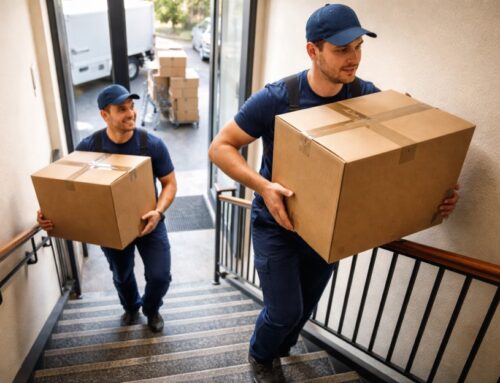
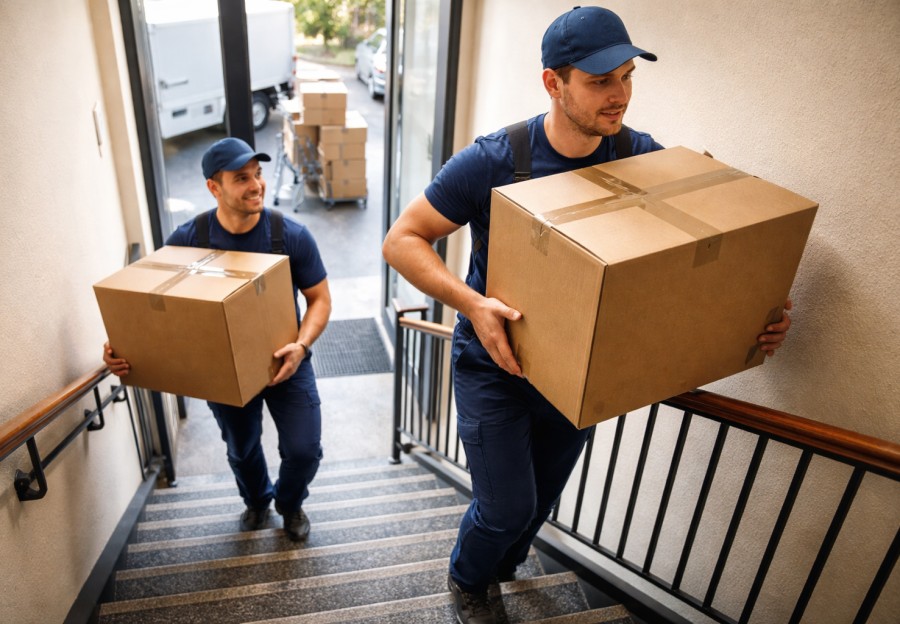
Safety extends beyond the furniture itself. Wrapped items reduce snag hazards in tight hallways, stairwells, and elevators. Loose handles, cords, and protruding edges catch on railings and door frames, causing sudden jerks and balance loss. Occupational safety research links unexpected load shifts with higher injury rates. Stretch wrap smooths profiles and reduces snag points, making navigation safer for both movers and property.
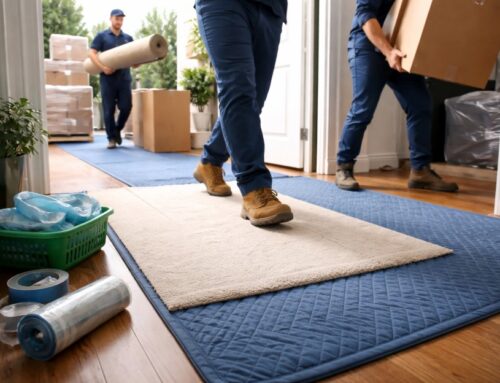
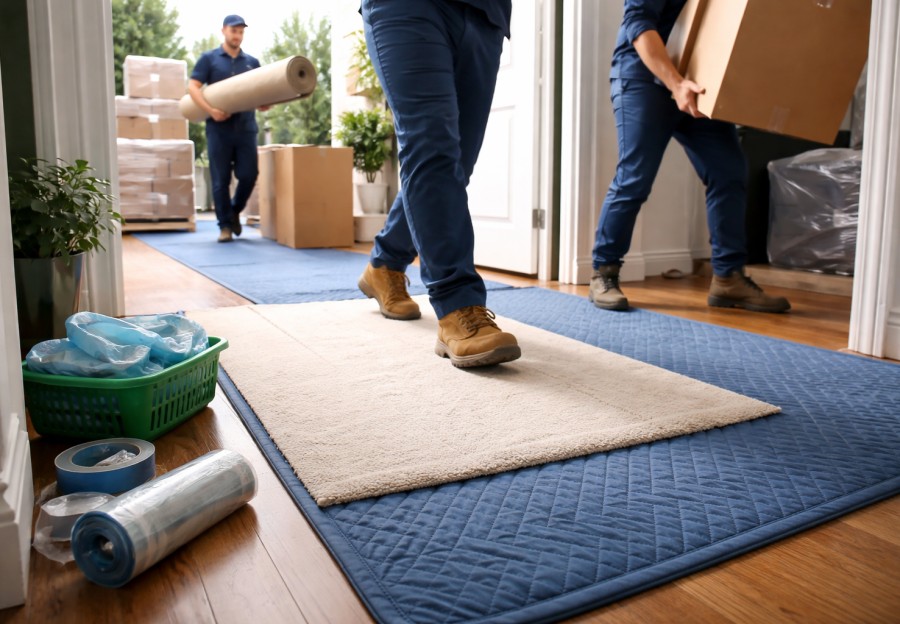
Stretch wrap also protects buildings. Door frames, walls, banisters, and elevators are common casualty zones during moves. Home repair cost surveys show that minor drywall and trim repairs can easily exceed several hundred dollars. Wrapping furniture corners and edges reduces hard contact and spreads impact energy through padding rather than sharp edges.
There is a psychological component too. Visual order reduces perceived chaos. Stress research shows that visible organization improves perceived control during complex tasks. A truck filled with tightly wrapped, padded items looks calm and controlled rather than chaotic. That confidence influences crew behavior and customer comfort.
Environmental concerns come up frequently. Stretch wrap is plastic, and single use plastics create waste. However, damage prevention has its own environmental impact. Sustainability studies consistently show that extending product lifespan reduces total environmental footprint more effectively than recycling alone. Preventing the replacement of damaged furniture avoids manufacturing emissions, shipping fuel, and landfill volume. Some moving companies also recycle used stretch film or use thinner gauge films that deliver the same holding force with less material.
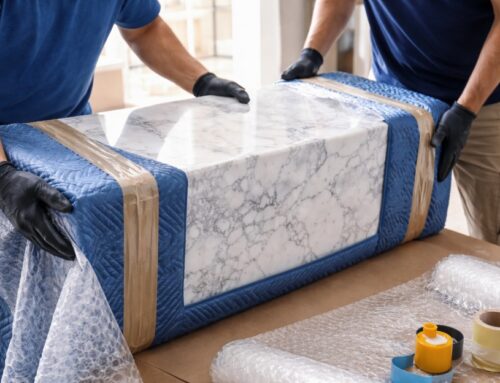
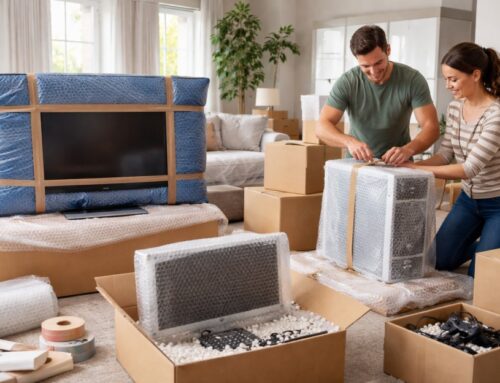
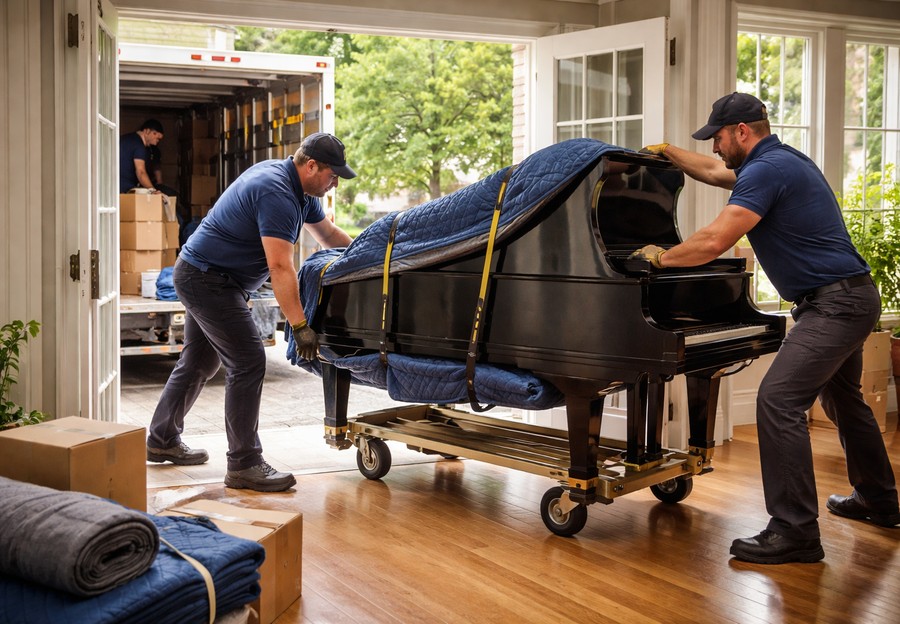
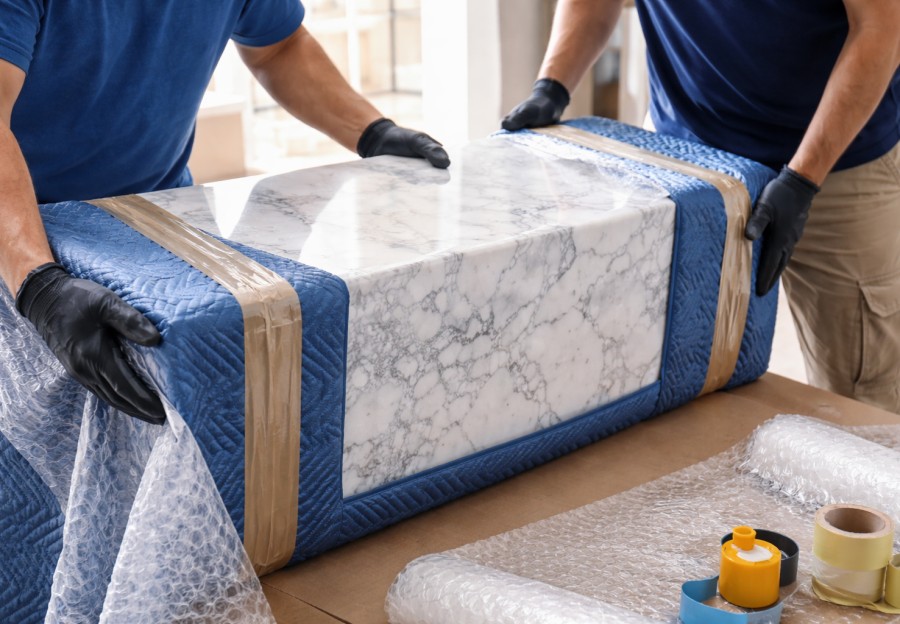
Stretch wrap is not a replacement for moving blankets or proper padding. It works best as a securing layer that holds padding in place and locks components together. On its own, thin film does not absorb impact energy. Packaging engineering research emphasizes that layered protection systems outperform single material solutions. Movers combine blankets for cushioning with stretch wrap for containment and friction.
There are also limits to what stretch wrap should touch directly. Delicate finishes, fresh paint, and some antique surfaces can react poorly to prolonged plastic contact. Experienced movers use a fabric barrier or paper layer first, then wrap over that. Material compatibility matters in preservation work.
Cost effectiveness explains why the practice is widespread. A roll of stretch wrap costs relatively little compared with the potential cost of repairing or replacing damaged furniture. Consumer repair data shows that even simple furniture refinishing or hardware repair often exceeds the cost of dozens of rolls of wrap. One prevented incident pays for a large amount of protective material.
The science behind stretch wrap is straightforward. It increases friction. It stabilizes components. It reduces vibration movement. It protects surfaces from dust and moisture. It simplifies handling. It speeds workflow. It reduces snag risk. It improves load geometry. It supports safety. It lowers damage rates.
There is also an insurance perspective. Moving claim statistics consistently show that damage frequency decreases when items are properly padded and secured. Lower claims benefit both movers and customers by keeping premiums and dispute rates lower. Fewer claims also mean less administrative waste and faster move completion.
For customers watching the process, the wrapping can look repetitive. In reality, it is one of the highest value actions happening on the job. It prevents dozens of small failures that never make headlines because they never happen. The absence of problems is the success.
Stretch wrap does not replace good lifting technique, smart stacking, or careful driving. It amplifies all of those practices by reducing variability and unpredictability. In complex physical systems, reducing small uncontrolled movements produces big gains in stability. That principle shows up in engineering, aviation, shipping, and manufacturing. Moving is no different.
When you see professional movers stretch wrap everything, you are watching risk management in action. It is a simple material delivering measurable improvements in stability, safety, efficiency, cleanliness, and cost control. The film itself is thin and light, but the protection it provides compounds across every mile of travel and every item handled.
Moving will always involve effort and uncertainty. Stretch wrap does not eliminate that reality, but it removes a surprising amount of friction from the process. That is why crews reach for it instinctively. Not because it looks professional, but because data, experience, and physics all agree that it works.