March 28, 2026
How to avoid leaving essentials on the truck
Few things feel worse after a long moving day than realizing your toothbrush, phone charger, medications, pajamas, or important documents are still buried somewhere in the truck. You are tired, hungry, and mentally drained, and the idea of digging through stacks of boxes feels overwhelming. This mistake happens more often than people admit, not because people are careless, but because fatigue, distraction, and the sheer volume of items overwhelm short term memory and attention.
Cognitive psychology research shows that working memory holds only a small amount of information at once, especially under stress and physical exhaustion. Moving combines decision fatigue, time pressure, and physical strain, which increases the chance of small but important oversights. Occupational fatigue studies show that error rates rise significantly after prolonged manual work, even when people are motivated to stay careful. Knowing this helps you design simple systems that protect against human limits rather than relying on memory alone.
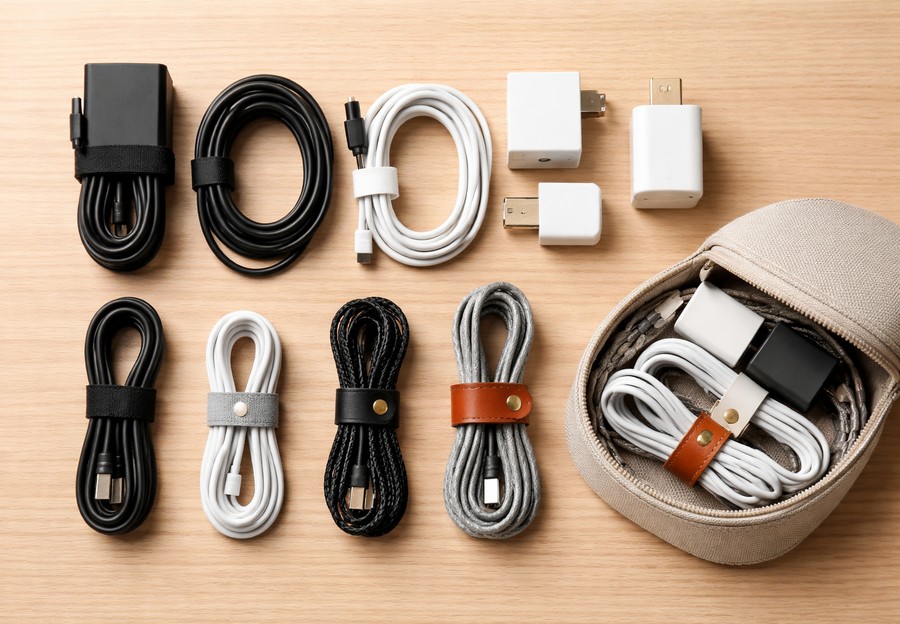
The foundation is defining what truly counts as essential. Essentials are not sentimental items or things you might need next week. They are items you need the first night and first morning. Personal hygiene, medications, sleep basics, chargers, basic clothing, critical documents, pet supplies, child necessities, simple food prep items, and any medical or work equipment you cannot afford to misplace. Behavioral research shows that maintaining small daily routines stabilizes mood and reduces stress during major transitions. Fast access to these items supports that stability.
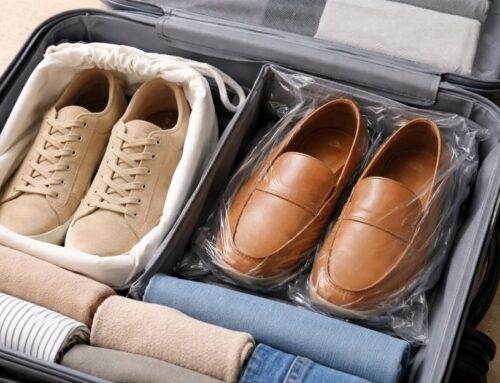
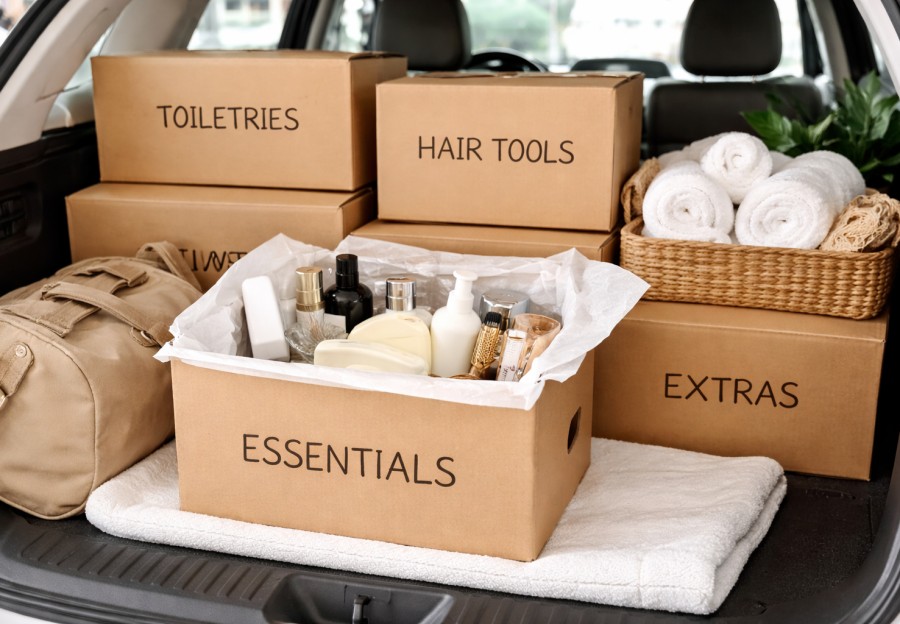
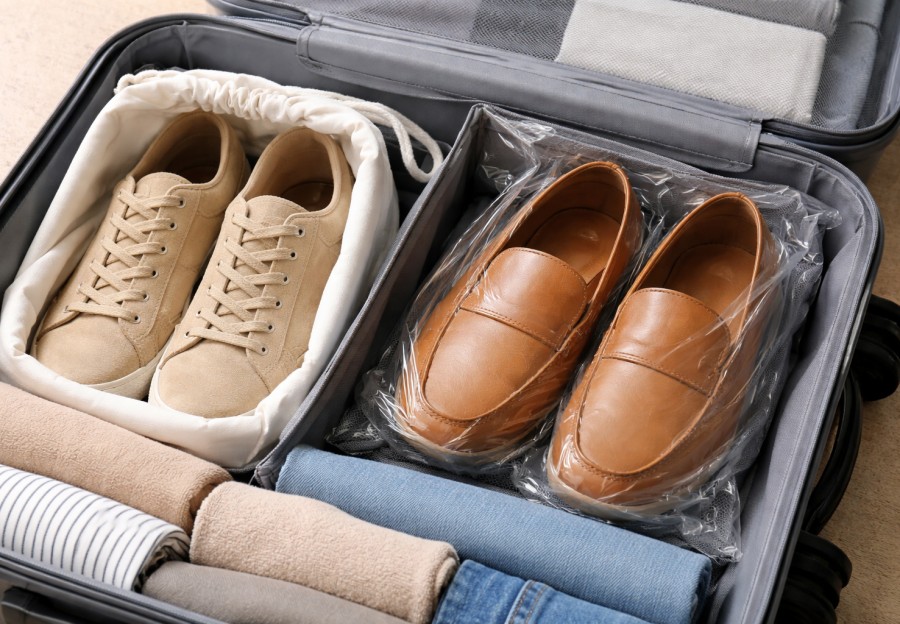
The safest way to protect essentials is to keep them physically separate from the main load. A personal essentials bag or small suitcase that travels with you rather than on the moving truck eliminates most risk immediately. Travel behavior studies show that carry on separation dramatically reduces loss incidents because the item remains under personal control rather than shared handling. Even when movers are highly organized, once a box goes on the truck it becomes part of a large complex system that is harder to access quickly.
Visual differentiation reduces mistakes. Using a bright bag, unique suitcase, or clearly distinct container makes essentials stand out from standard moving boxes. Human factors research shows that visual salience improves recall and retrieval speed under fatigue. When you are tired, your brain notices what looks different more easily than what blends in.
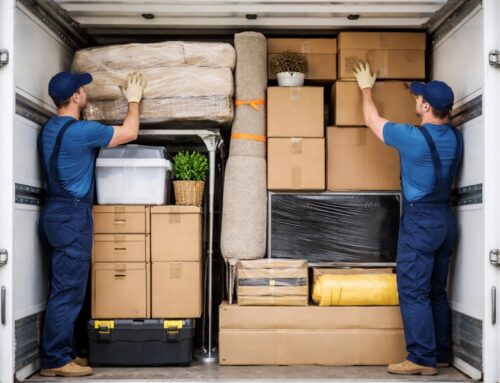
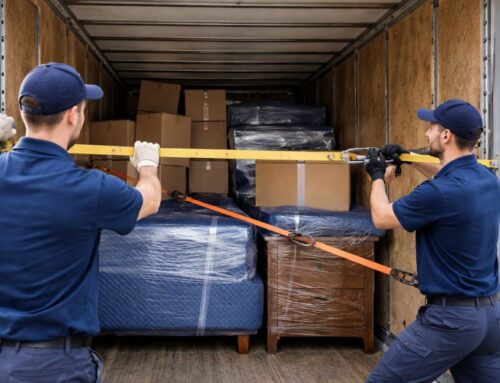
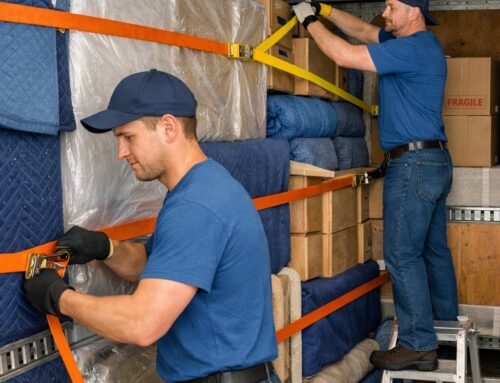
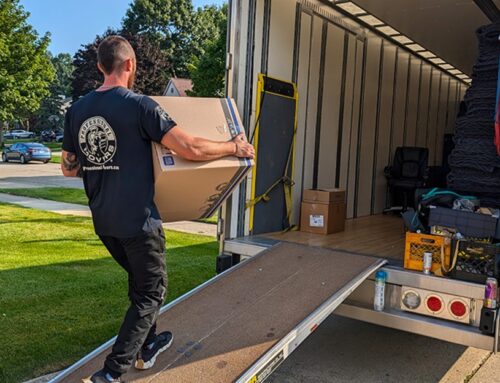
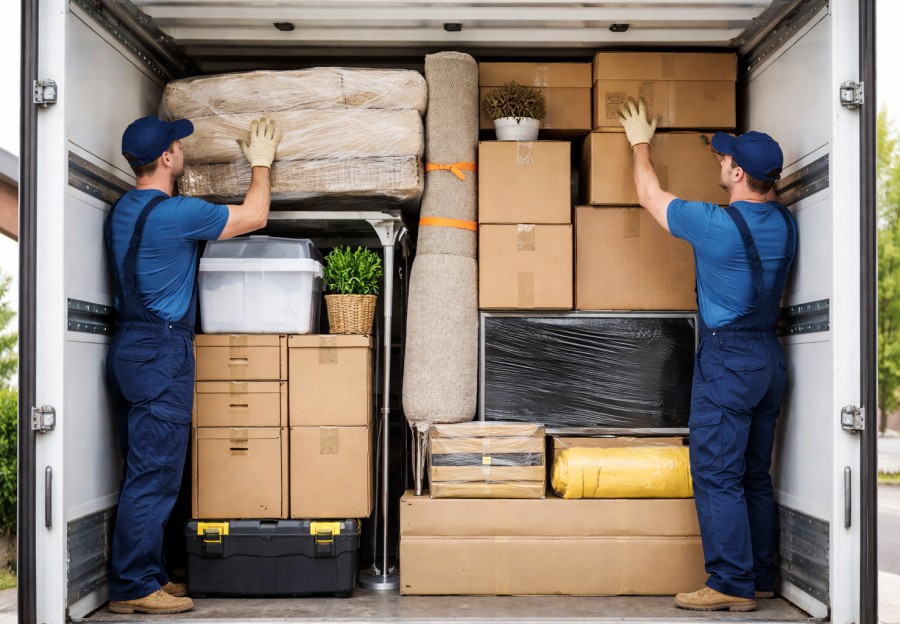
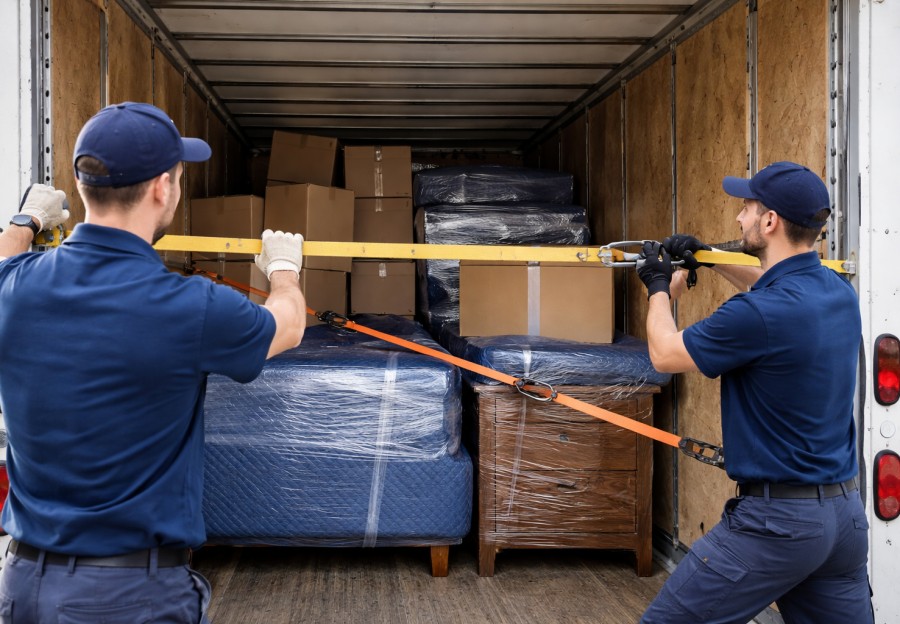
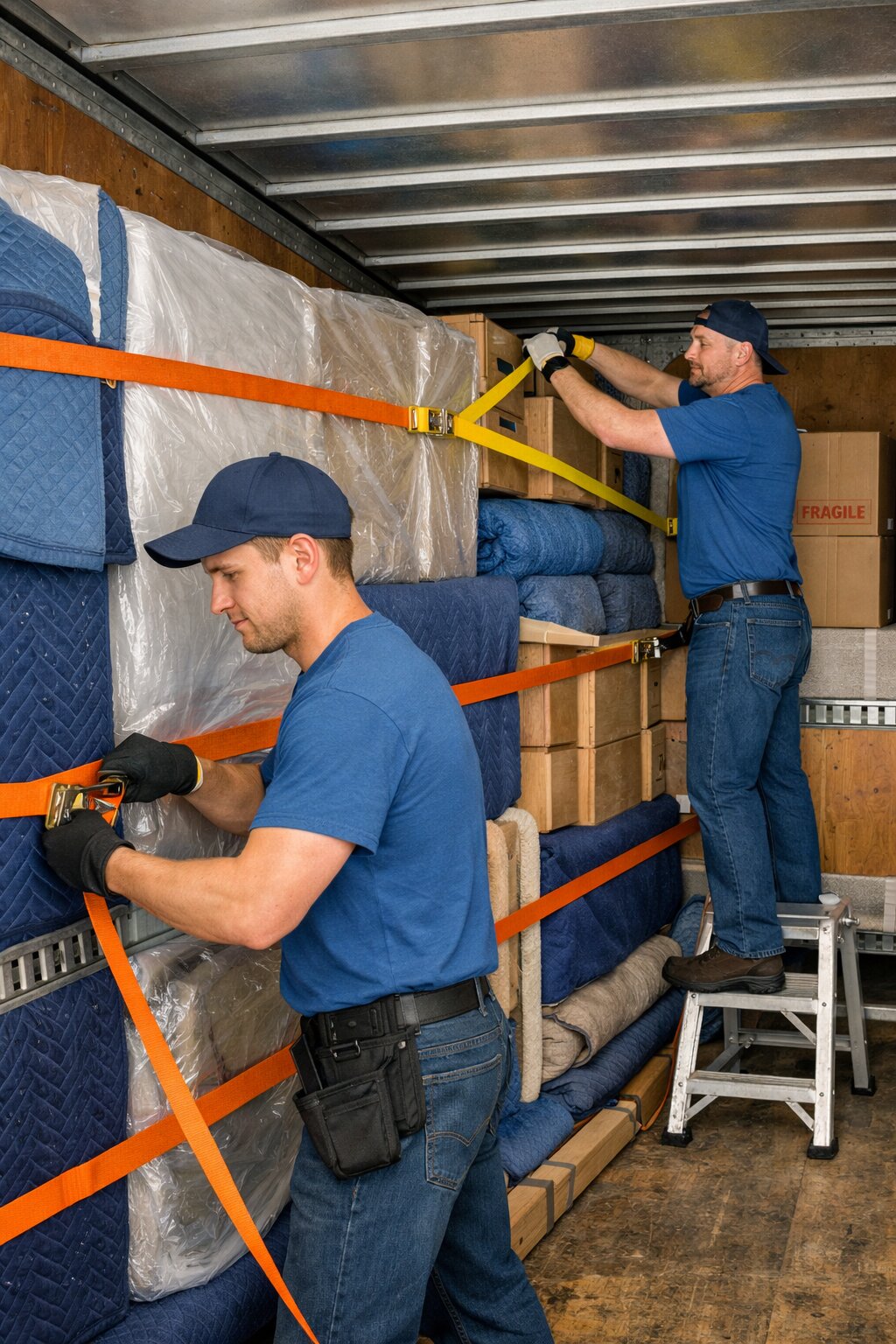
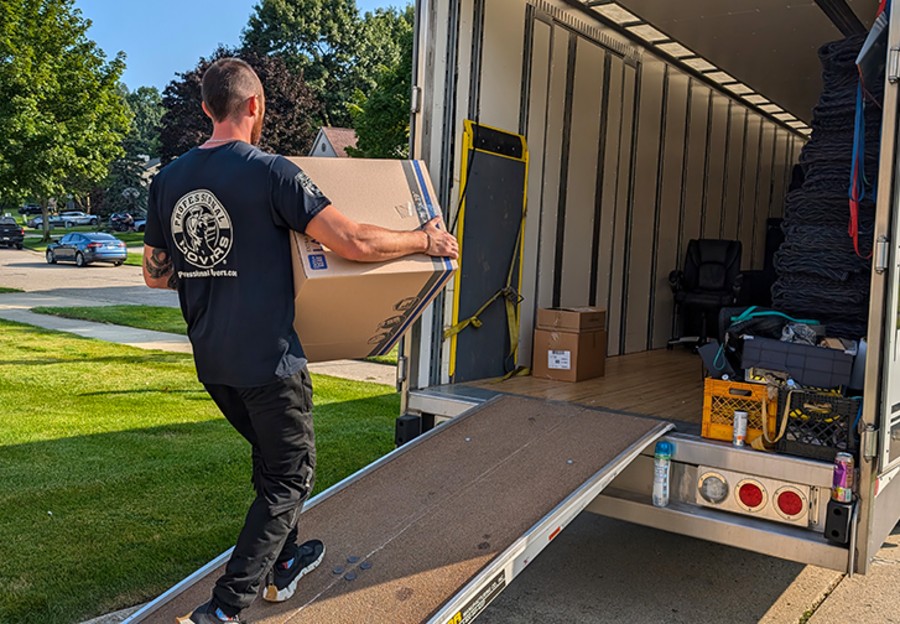
If some essentials must ride on the truck, placement order becomes critical. Items you need first should be loaded last so they come off first. Transportation logistics studies consistently show that last in first out sequencing improves access efficiency when retrieval time matters. Communicate clearly with the crew about which boxes fall into this category so they stage them near the door rather than burying them behind heavy furniture.
Clear labeling helps reinforce this priority. Large legible labels on multiple sides improve visibility during unloading. Logistics studies show that clear visual labeling reduces sorting errors by roughly 25 to 30 percent in busy environments. Even under low lighting and fatigue, bold labels increase the chance that essentials are spotted quickly.
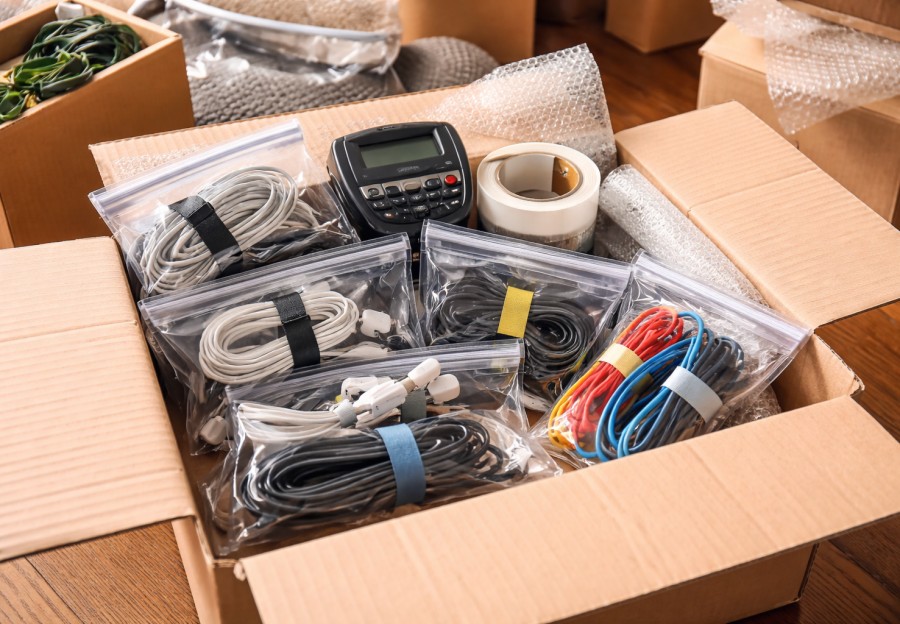
A simple checklist reduces reliance on memory. Cognitive task research shows that external memory aids dramatically reduce omission errors in complex tasks. Writing down your essentials list and checking items off as they go into your personal bag or designated box ensures nothing critical slips through the cracks. This approach is used in aviation, healthcare, and manufacturing precisely because humans are unreliable under stress without structured reminders.
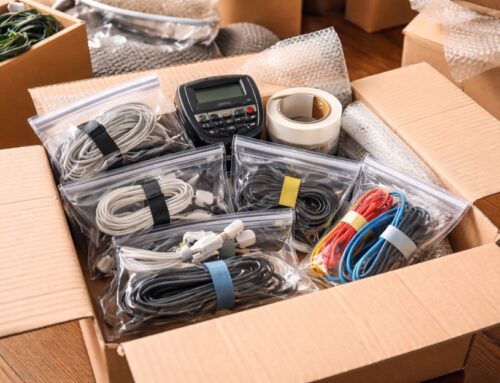
Staging essentials in one physical location before moving day adds another layer of protection. When all essential items are gathered in one room or corner early, it becomes harder for them to be accidentally packed into random boxes. Environmental psychology studies show that spatial grouping improves task accuracy and reduces misplacement errors.
Timing matters as well. Packing essentials last keeps them visible and top of mind. When essentials are packed too early, they often get buried by subsequent packing activity. Fatigue and visual clutter increase the chance of accidental misplacement.
Hand off responsibility clearly if more than one person is involved. Ambiguity leads to duplication or omission. Workplace coordination research shows that clearly assigned ownership reduces error rates in shared tasks. Decide who is responsible for the essentials bag and ensure everyone respects that boundary.
For multi day moves or long distance deliveries, consider splitting essentials into two tiers. Immediate essentials travel with you. Secondary essentials ride in a clearly marked priority box that comes off the truck early. This redundancy protects against delays or access issues.
Another overlooked risk is unpacking chaos. Even if essentials arrive early, they can disappear into a sea of boxes if not staged properly. Designating a clear landing zone in the new home for essentials keeps them visible and accessible. Cognitive load research shows that clutter increases search time and frustration, especially when tired.
Technology can help if used simply. Taking a photo of your essentials packed together provides visual confirmation and a memory cue. Behavioral studies show that visual reminders reinforce recall more effectively than text alone.
Children and pets increase the importance of this system. Feeding schedules, comfort items, medications, and hygiene supplies become time sensitive. Developmental psychology research shows that maintaining routine reduces stress responses in children and animals. Immediate access to familiar items supports smoother transitions.
Weather and arrival timing also influence essentials planning. Late night arrivals or extreme weather increase fatigue and reduce patience for searching. Planning for minimal effort access protects safety and comfort.
From a financial perspective, replacing forgotten essentials may seem minor, but repeated last minute purchases add up quickly. Consumer spending data shows that impulse replacement costs accumulate significantly during moves due to duplicated purchases of chargers, toiletries, and clothing.
There is also a security angle. Important documents, passports, jewelry, and small electronics are better kept with you rather than in a shared truck environment. Risk management research shows that chain of custody control reduces loss and theft incidents.
Psychologically, having essentials immediately available reduces the feeling of chaos. Stress research shows that early access to comfort and routine items improves emotional recovery during disruptive events like moving. Small wins matter when energy is low.
Avoiding leaving essentials on the truck comes down to respecting human limits and designing simple systems that compensate. Separate essentials physically. Make them visually distinct. Pack them last. Load them last if they must go on the truck. Label clearly. Use a checklist. Assign responsibility. Stage a landing zone at the new home. Keep critical items with you whenever possible.
Moving is already demanding. Your brain will be tired. Your body will be tired. Relying on memory alone invites frustration. When you build a few smart guardrails into the process, you protect comfort, safety, and peace of mind during the most vulnerable hours of the move.