March 26, 2026
How movers stack items like Tetris pros
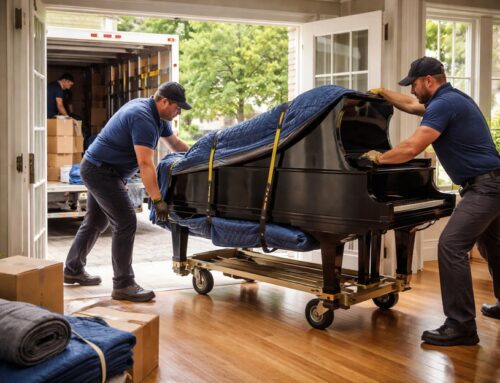
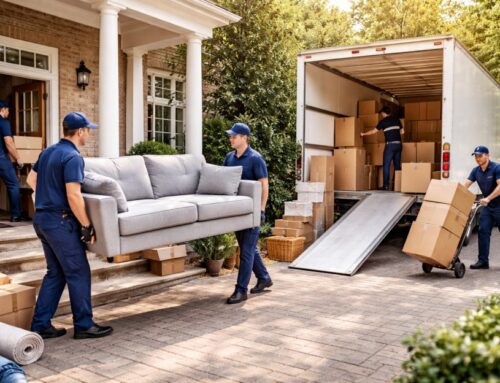
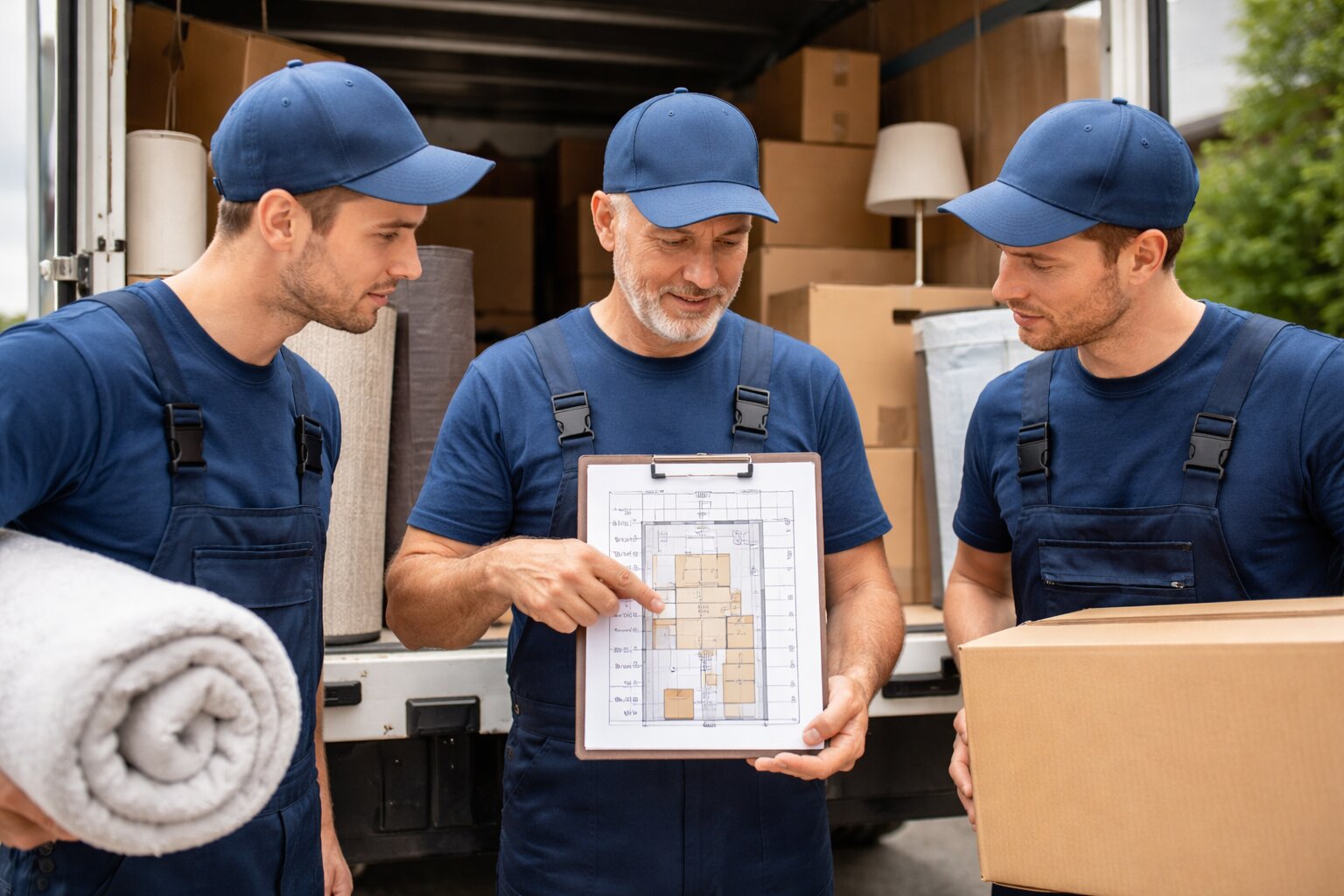
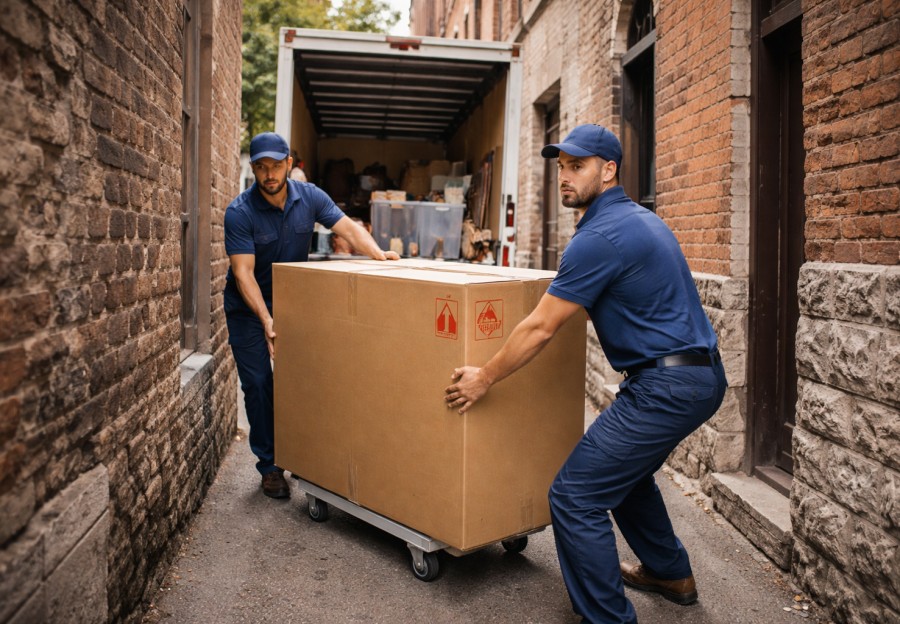
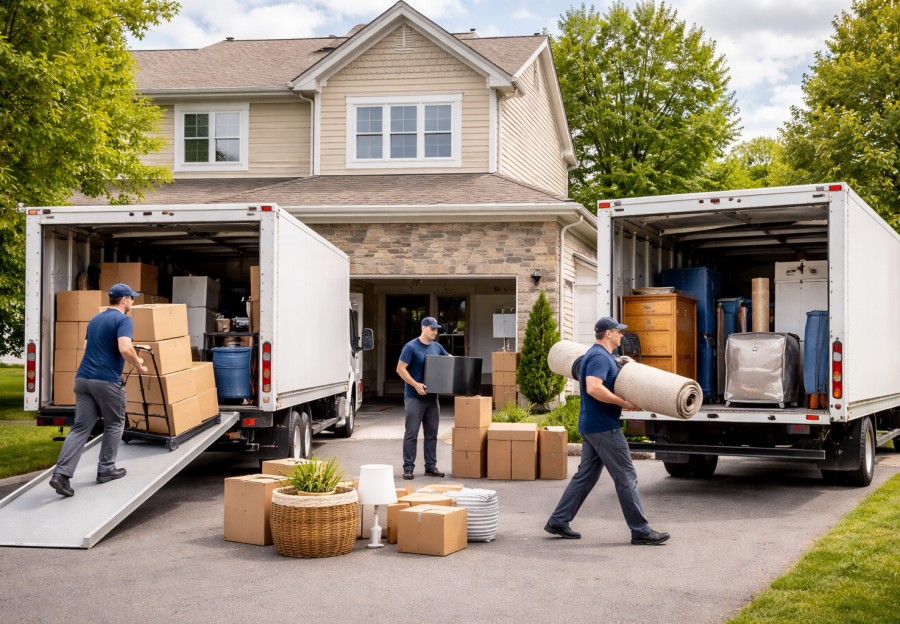
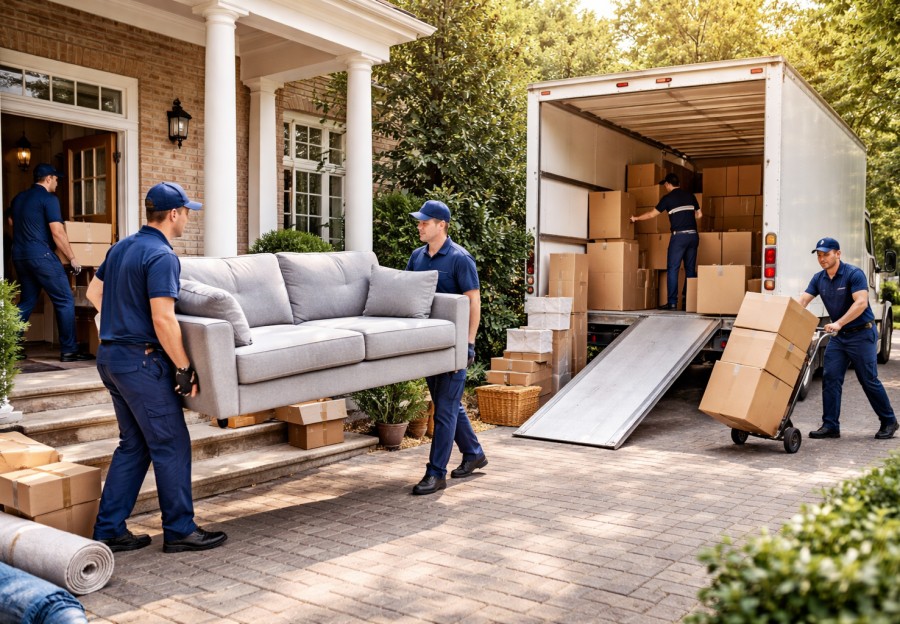
Watching experienced movers load a truck can feel oddly satisfying. Sofas slide into place like puzzle pieces. Mattresses become walls. Boxes lock together into clean columns. Nothing rattles, nothing leans, and somehow it all fits. It is not luck and it is not brute strength. It is applied physics, spatial planning, and repetition refined through thousands of loads.
The reason stacking matters so much is simple. Once a truck starts moving, everything inside is exposed to constant forces from braking, turning, road vibration, and uneven pavement. Transportation safety research shows that even moderate braking generates forward forces strong enough to shift unsecured cargo. Packaging engineers also measure how vibration over long distances slowly causes loads to settle, compress, and migrate toward gaps. If a load is not built tightly and logically, those tiny movements turn into crushed boxes, scratched furniture, and unstable stacks by the time the truck arrives.
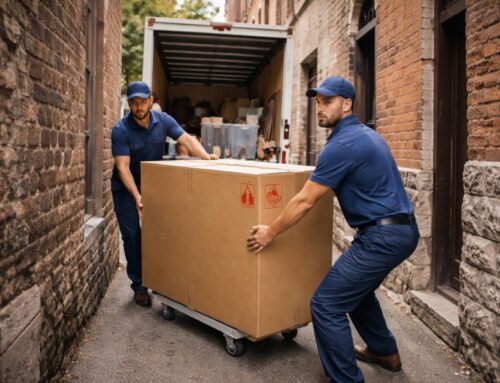
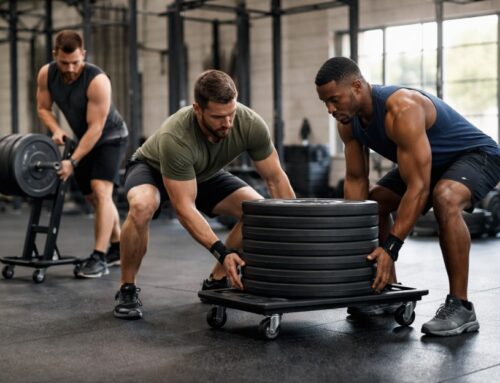
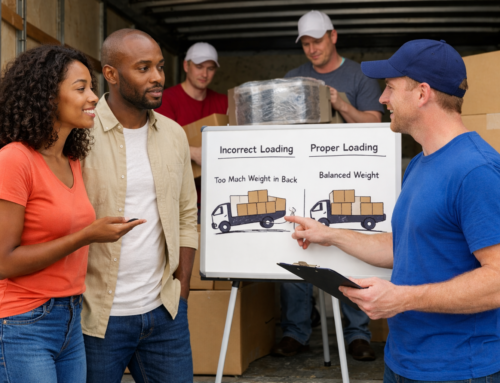
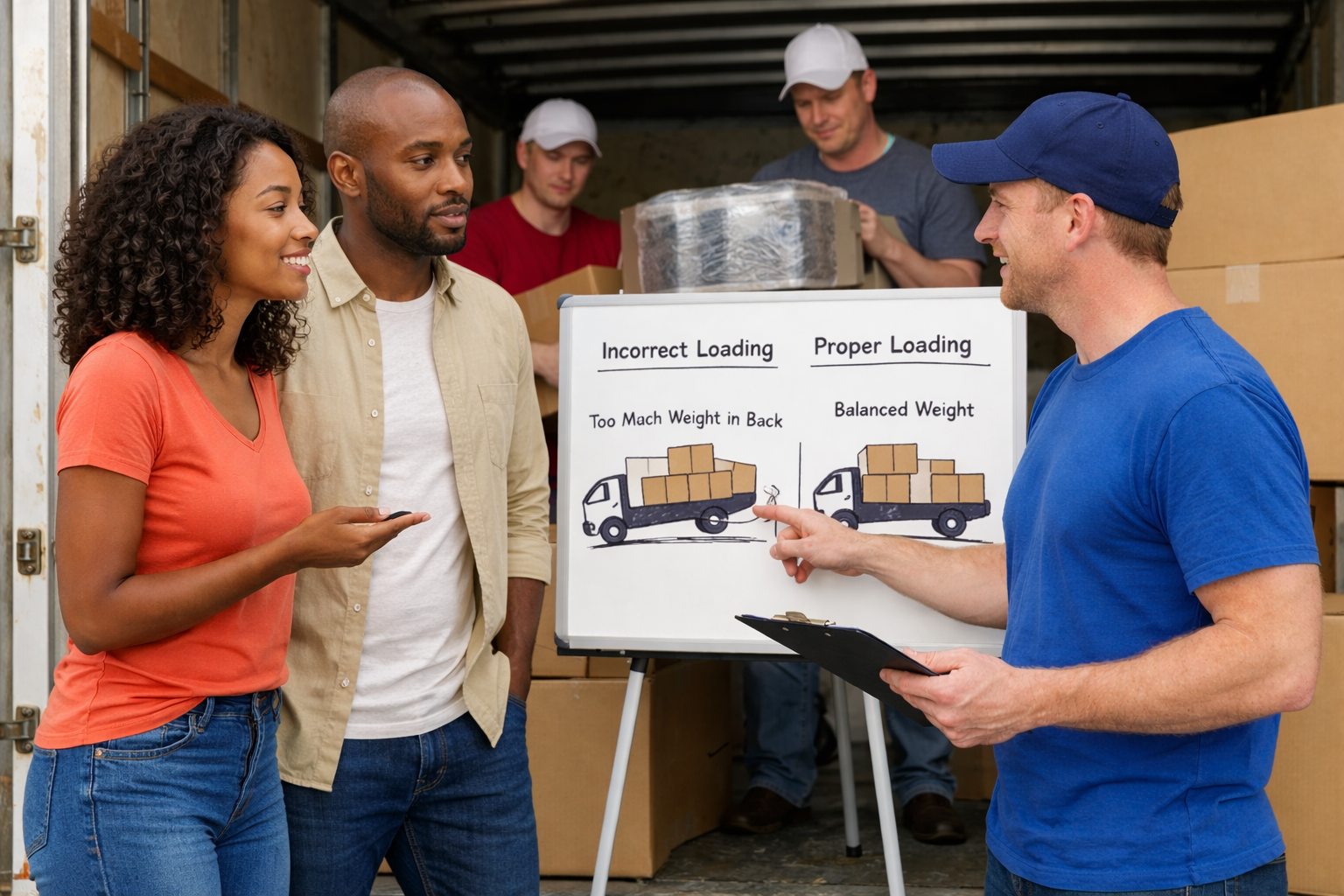
Professional movers think in three dimensions, not just floor space. The truck is treated like a vertical container, not a flat warehouse. Height matters as much as width and depth. Vehicle dynamics research shows that a lower center of gravity improves stability and braking control. That is why heavy and dense items always go low and forward. Appliances, safes, book cartons, and solid wood furniture anchor the base of the load. Paper alone weighs roughly 40 to 50 pounds per cubic foot depending on binding density, which explains why book boxes become excellent ballast when stacked tightly near the front wall.
Once the base is stable, movers begin creating vertical columns rather than random piles. Boxes of similar size and strength interlock better when stacked in uniform blocks. Packaging engineering studies show that consistent stacking reduces point loading and improves compression resistance compared with uneven piles. Corrugated boxes lose more than 30 percent of their compression strength when loads become uneven or moisture is present, so uniform columns protect structural integrity over long drives.
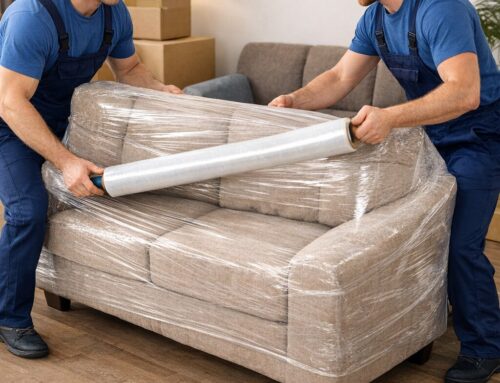
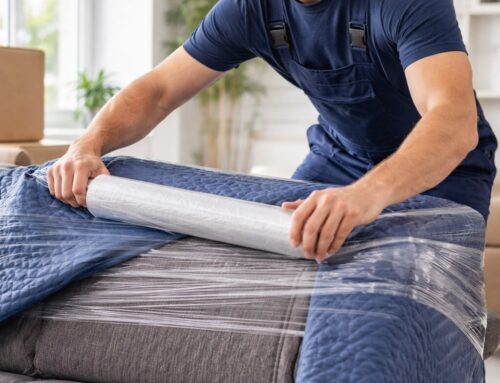
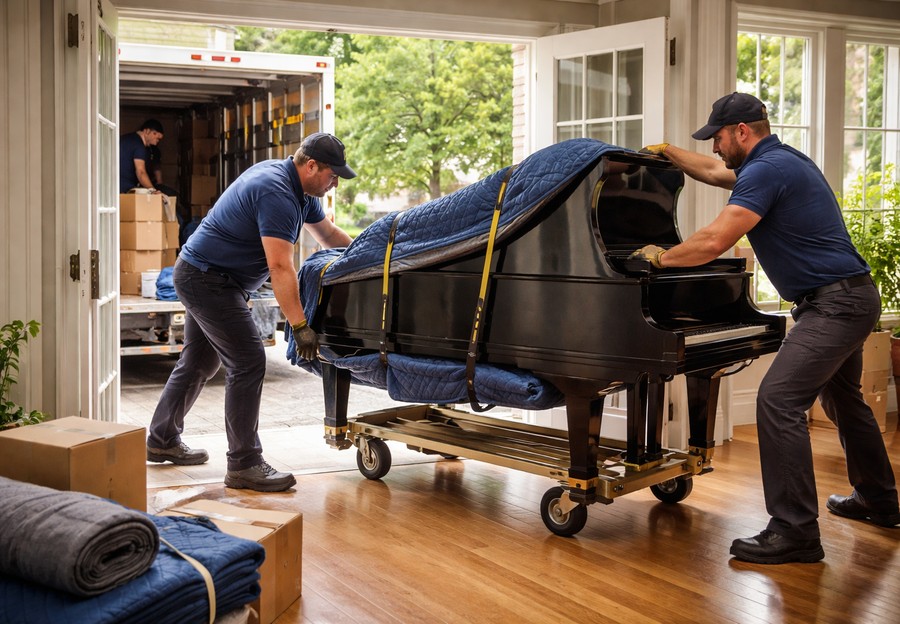
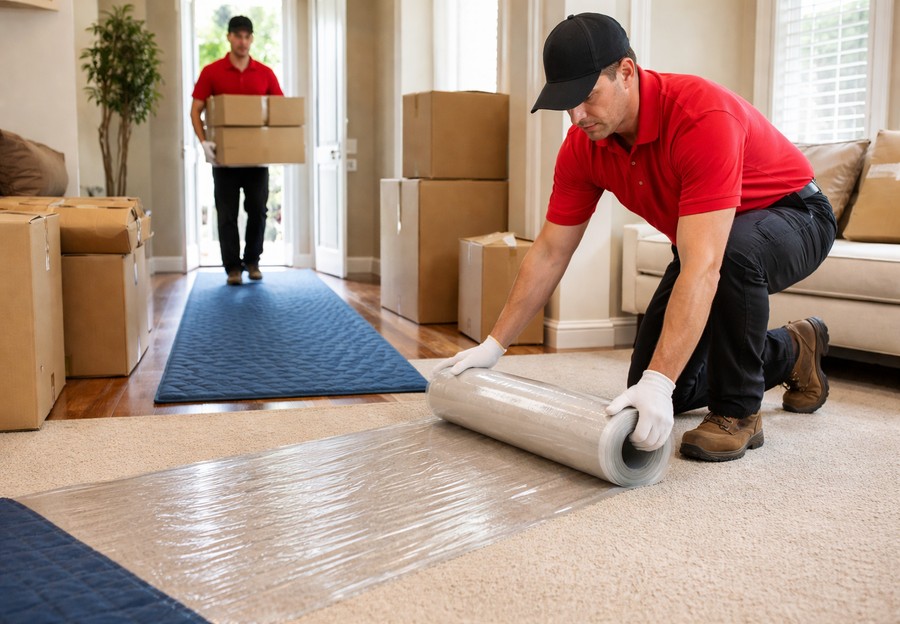
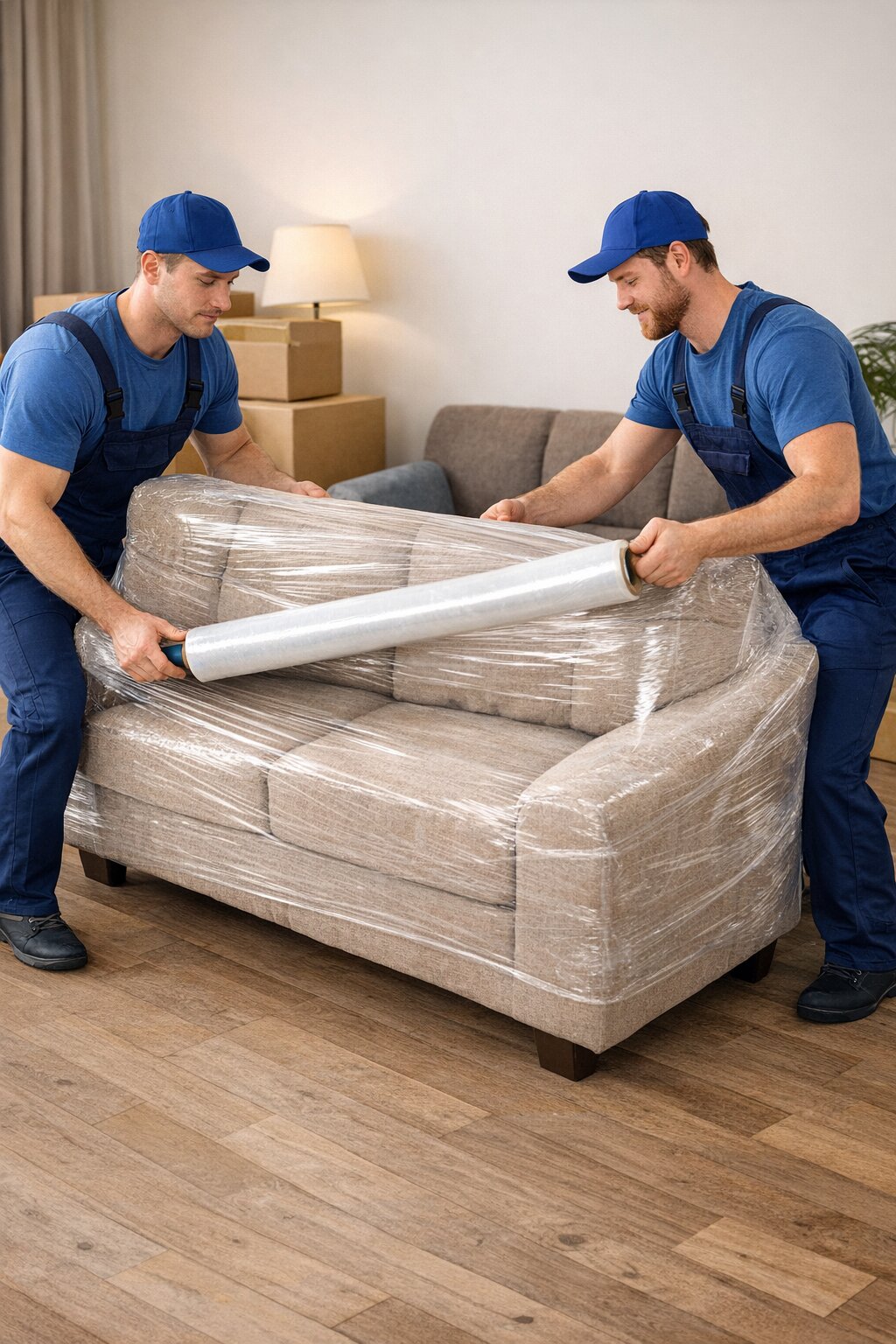
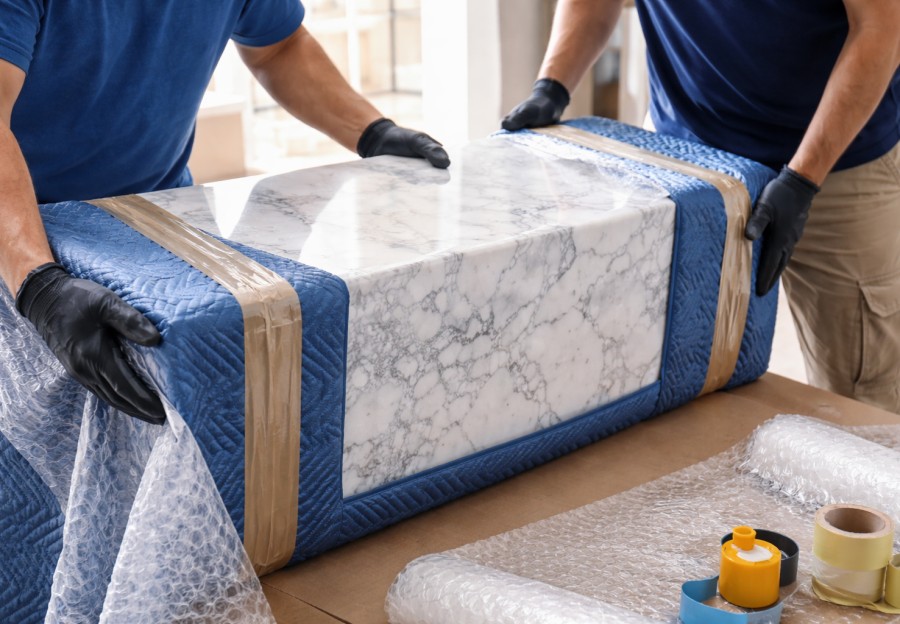
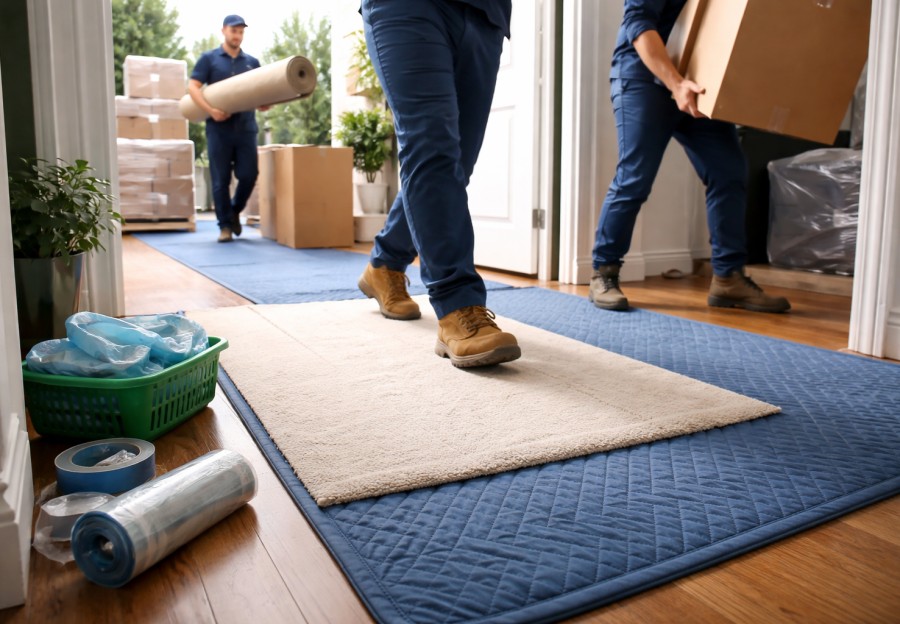
Friction is one of the hidden heroes of good stacking. Smooth wood, plastic, and metal slide easily against each other under vibration. Moving blankets, quilted pads, and foam sheets increase surface friction dramatically. Packaging vibration testing shows that higher friction coefficients reduce internal shifting even when external vibration remains constant. That means padded furniture grips neighboring items rather than skating across them during turns and stops.
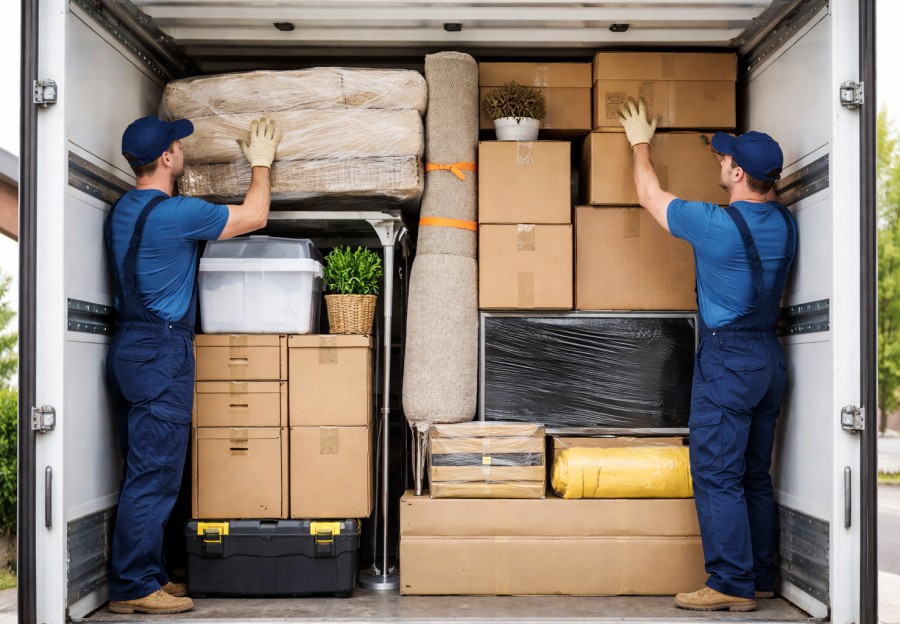
Void elimination is another core principle. Empty gaps allow items to move, settle, and collide. Even small gaps grow larger over miles of vibration. Logistics research consistently shows that voids increase damage rates because movement amplifies impact energy. Movers fill gaps with soft but resilient items such as mattresses, sofas, rugs, and padded chairs. These act as compression buffers that absorb motion instead of transferring it directly into hard surfaces.
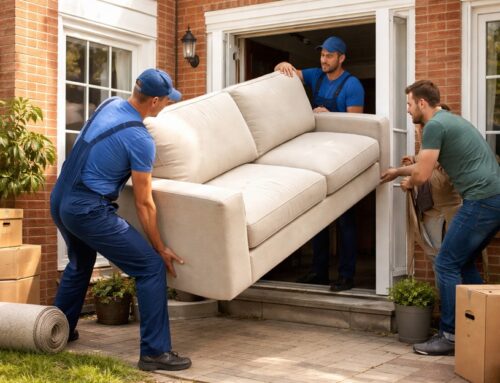
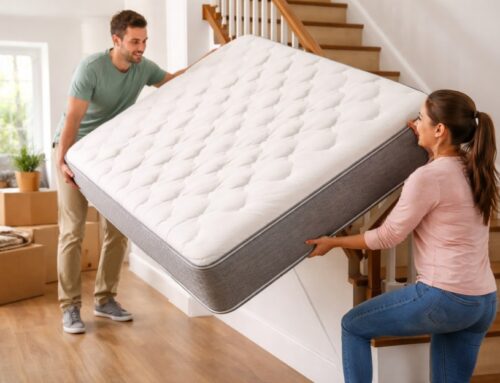
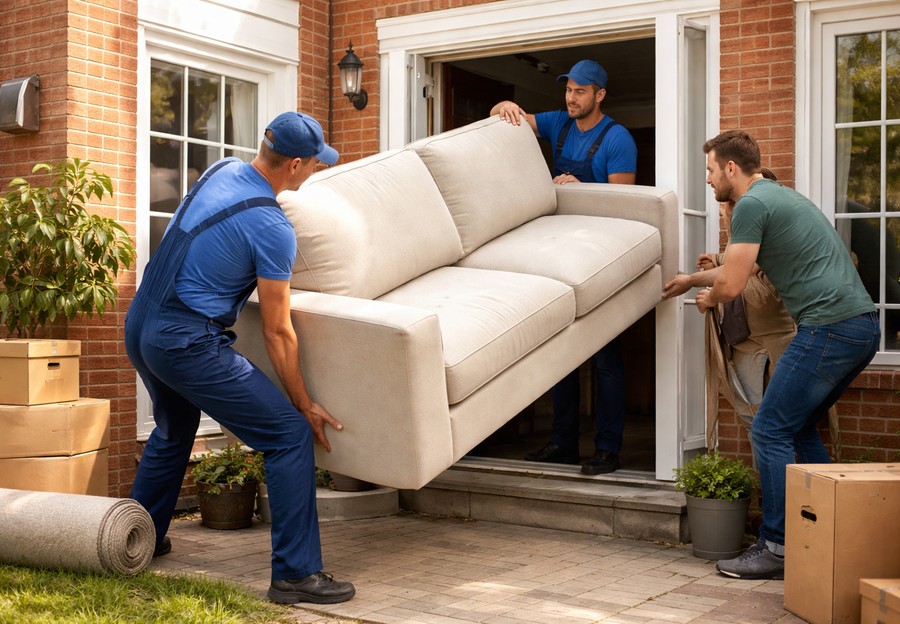
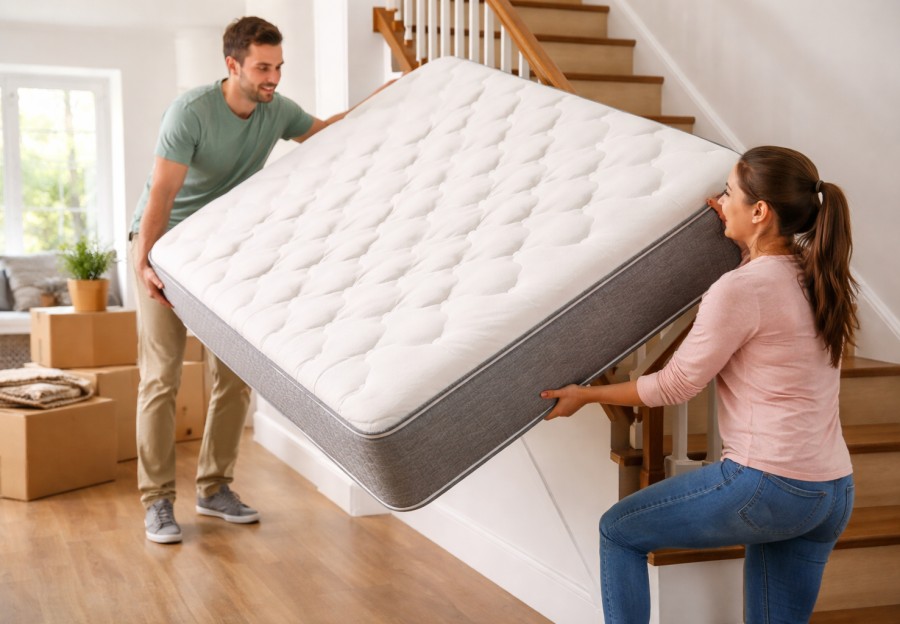
Mattresses deserve special mention because they function like structural walls inside a truck. A queen or king mattress placed upright creates a tall, stable plane that can support layered box columns on both sides. Foam and coil construction absorbs vibration while distributing pressure evenly. Transportation load studies show that large flat padded surfaces help dampen vibration transmission through stacked cargo.
Interlocking is where the Tetris comparison really comes alive. Movers avoid straight vertical seams that run from floor to ceiling because those act like fault lines under motion. Instead, boxes and furniture overlap like bricks in a wall. Masonry engineering uses the same principle because staggered joints distribute load more evenly and resist shear forces better than aligned seams. Inside a truck, interlocking reduces the chance that an entire column shifts at once.
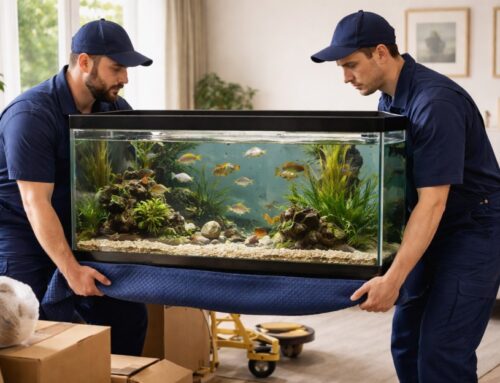
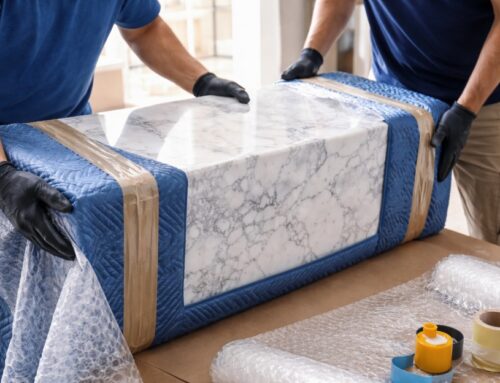
Orientation matters for large flat items. Mirrors, glass panels, artwork, and stone slabs travel upright rather than flat. Materials engineering shows that flat panels experience higher bending stress under vibration when supported unevenly. Upright orientation allows gravity to distribute force through thickness rather than across surface span, reducing crack risk.
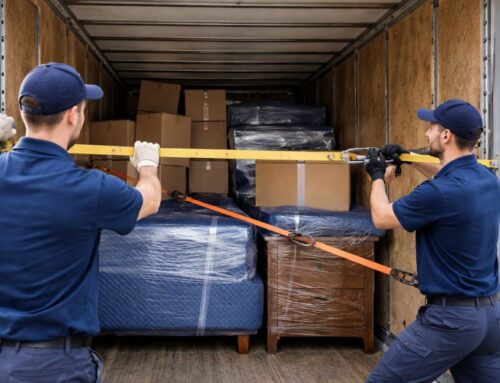
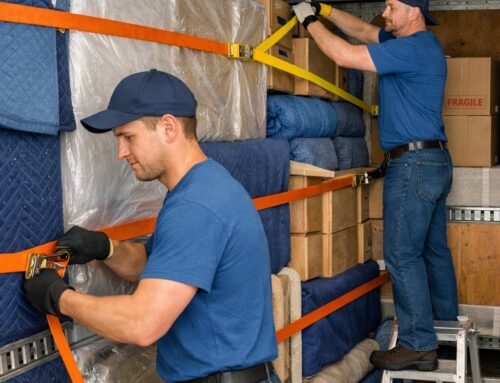
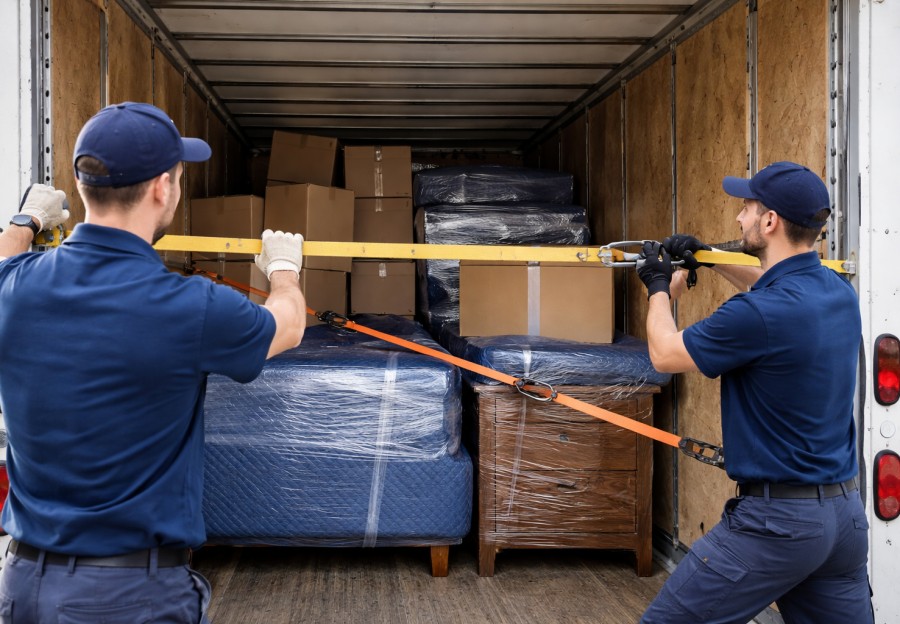
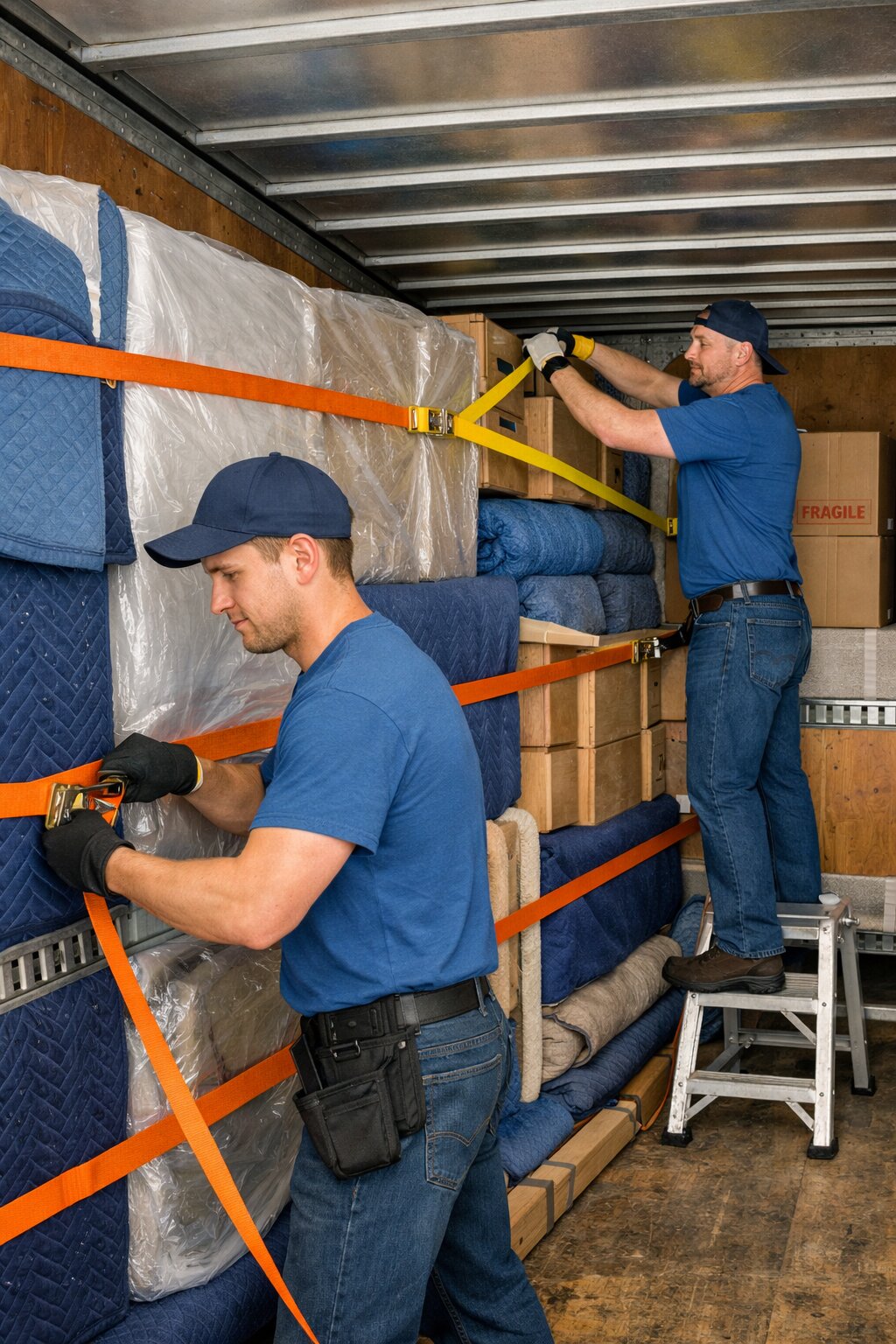
Strapping and load bars provide active restraint, but they work best when the load itself is already tight and interlocked. Cargo securement research shows that multi point restraint systems significantly reduce load shift incidents compared with relying on wedging alone. Movers use straps to lock completed sections in place rather than trying to force unstable piles into position.
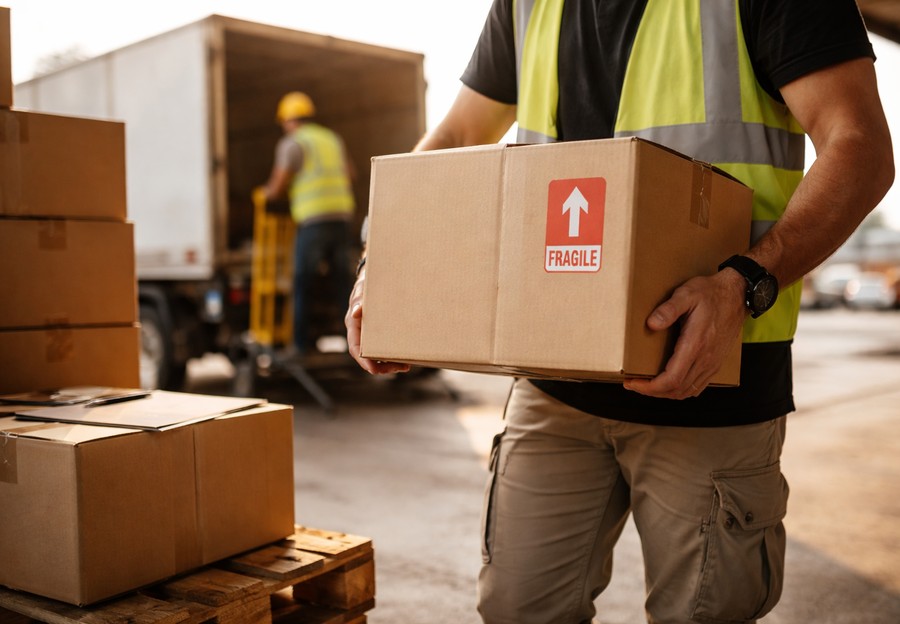
Weight layering protects fragile items. Heavy items form the base. Medium weight boxes stack above. Lightweight and fragile items ride higher where compression forces are lower. Insurance claim data from moving companies consistently shows higher breakage when fragile items are buried under heavy loads instead of protected above them.
The front wall of the truck carries much of the braking force. Movers often build a dense, padded front wall using heavy furniture and appliances placed flush and cushioned. This creates a solid barrier that resists forward surge. Transportation safety data links unsecured forward load shift to a significant share of cargo incidents, which is why this wall matters.
Side walls also play a role. Truck walls experience greater vibration and wider temperature swings. Vehicle interior temperature studies show that closed trucks can exceed outdoor temperatures by more than 20 degrees Celsius in direct sun. Sensitive items placed directly against metal walls experience more thermal cycling and vibration stress. Movers buffer walls with padded furniture to create a protective insulation layer.
Load height affects stability. Stacking too high raises the center of gravity and increases lateral sway during turns. Vehicle dynamics research shows that higher load stacks amplify side forces. Movers often reserve the upper space for lighter items such as pillows, lampshades, and lightweight cartons rather than heavy furniture.
Human safety drives much of this strategy. The Bureau of Labor Statistics reports that overexertion and contact with objects are leading causes of injury in material handling jobs. A shifting or collapsing stack inside a truck creates sudden pinch points and unstable footing during unloading. Tight interlocked loads unload more predictably and reduce surprise movements that injure hands and backs.
Time efficiency improves when stacking is intentional. Time motion studies show that organized loads reduce re handling, searching, and walking distance during unloading. When items are layered logically, movers can access groups of boxes and furniture without dismantling unstable piles.
Weather exposure also influences stacking choices. Rain increases slip risk and softens cardboard. Heat softens adhesives and foam padding. Cold increases brittleness of some materials. Occupational safety research shows that environmental conditions affect handling speed and grip reliability. Strategic padding and layering buffer these effects.
Long distance moves amplify vibration exposure. Packaging lab testing shows that micro vibration accumulates over hours and days, slowly working loads loose if restraint and interlocking are insufficient. This is why long hauls often use additional straps and more aggressive void filling compared with short local moves.
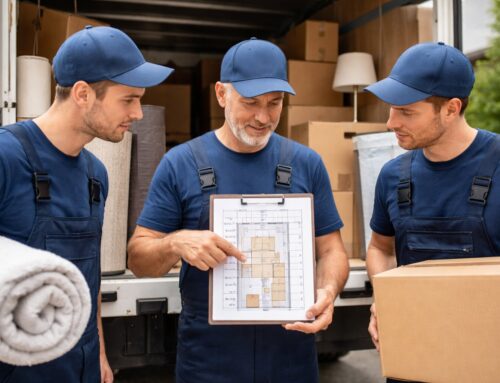
Communication inside the crew matters as much as physical technique. One mover often directs placement while others feed pieces into position. Workplace communication studies show that clear role alignment reduces error rates in complex physical tasks. When everyone understands the stacking plan, the load builds consistently rather than reactively.
Inspection is continuous. Experienced movers pause periodically to check strap tension, gap formation, and column alignment. Preventive maintenance research shows that small early corrections prevent large downstream failures. A minor adjustment early can prevent a major shift later.
There is also a financial incentive. Furniture repair pricing surveys show that refinishing scratched surfaces, repairing broken glass, or replacing crushed electronics often costs hundreds or thousands of dollars. Preventing a single major damage incident easily offsets the time spent building a tighter load.
Environmental impact connects here too. Damaged goods contribute to landfill waste and replacement manufacturing. Sustainability studies show that extending product lifespan reduces environmental footprint more effectively than recycling alone. Smart stacking indirectly reduces waste.
Psychologically, a clean, tight load reduces anxiety for both movers and customers. Stress research shows that visible order increases perceived control and lowers uncertainty during demanding tasks. When people see a well built load, confidence rises.
The Tetris comparison works because both reward pattern recognition, foresight, and efficient use of space. Movers constantly visualize how the next piece will lock into the existing structure. They anticipate how weight will transfer, how vibration will travel, and how unloading will flow later. It is a living puzzle built under time pressure with real consequences.
This skill develops through repetition. A professional mover may participate in hundreds of truck loads each year. Over time, the brain builds spatial intuition much like athletes develop muscle memory. Cognitive science research shows that repeated spatial problem solving strengthens pattern recognition and predictive accuracy.
What looks like magic is really disciplined systems thinking. Heavy anchors stabilize the base. Uniform columns distribute load. Padding increases friction. Void filling eliminates movement. Interlocking prevents shear. Orientation protects fragile surfaces. Strapping locks sections. Height management controls center of gravity. Communication maintains consistency. Inspection catches drift.
When all of these elements come together, the load behaves like a single solid unit rather than a pile of individual objects. That is why nothing rattles. That is why nothing tips. That is why everything fits.
So when you watch movers stack a truck like Tetris pros, you are watching physics, ergonomics, materials science, and logistics working in harmony. It is not just about fitting more into less space. It is about protecting belongings, protecting people, and making the entire move smoother from the first lift to the final unload.