How Chicago’s Neighborhood Revitalization Projects Affect Moving Patterns
Chicago is a dynamic and sprawling metropolis defined by its unique neighborhoods, each experiencing its own constant state of evolution. In recent years, major neighborhood revitalization projects have significantly altered the local landscape, transforming infrastructure, upgrading public parks, and shifting residential demand. Ken Coffey, the visionary founder of Coffey Bros Moving, has observed firsthand how these urban renewal initiatives directly influence where residents choose to relocate across this vibrant and ever-changing city.
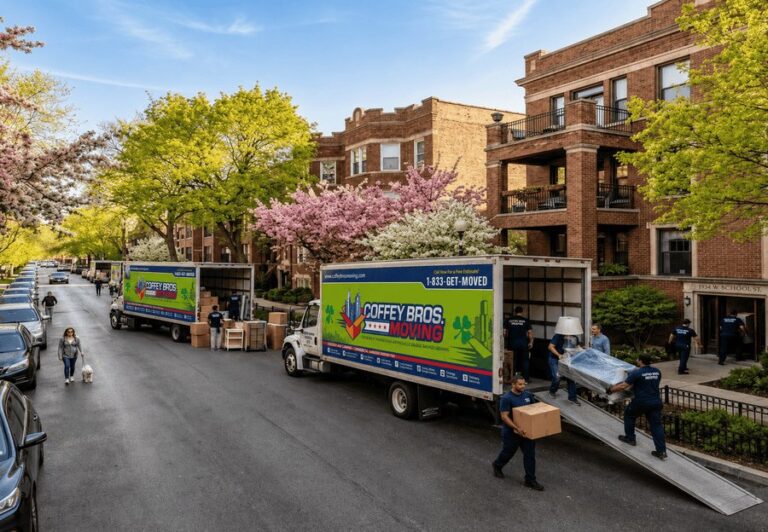
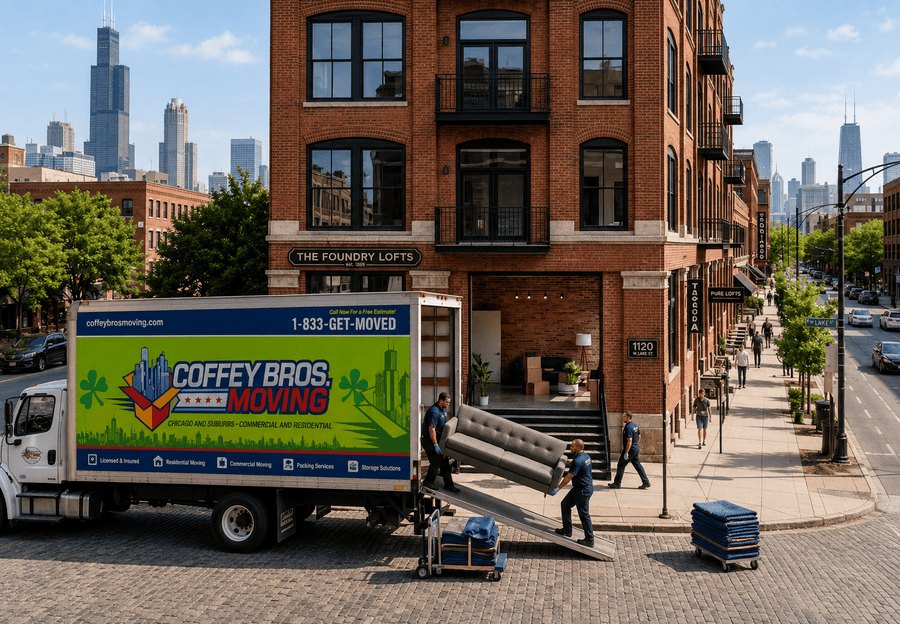
Navigating the physical realities of these shifting moving patterns presents unique challenges in densely populated Chicago areas. Neighborhoods like River North, the Gold Coast, and the Loop feature historic high-rise buildings, narrow streets, and strict loading zone regulations that can complicate any relocation. When revitalization projects draw new residents to these bustling commercial and residential hubs, managing the logistics of a move requires exceptional precision, deep local expertise, and careful timing.
According to recent demographic data from the U.S. Census Bureau, Cook County continues to experience significant population density shifts, with thousands of residents moving internally between urban zip codes each year as local economic opportunities, housing developments, and neighborhood amenities continue to evolve.
“When public investments upgrade a neighborhood, we see an immediate spike in relocation inquiries for that specific area,” says Ken Coffey, founder of Coffey Bros Moving. “Our clients often face tight moving windows, strict building rules, and limited parking, which means our team must be highly organized and proactive to ensure a seamless transition into these newly revitalized communities.”
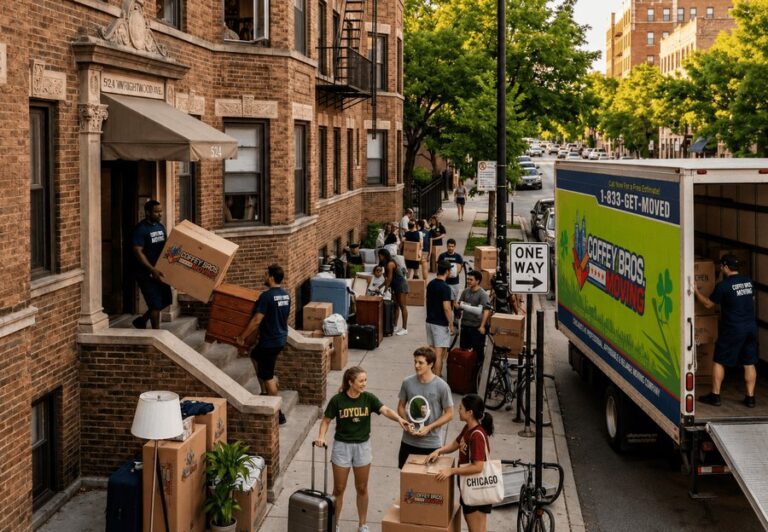
Moving into modern apartment buildings in revitalized urban corridors requires careful planning around elevator reservations, parking permits, and building-specific certificate of insurance requirements. City logistics demand that professional movers understand the specific layout of each neighborhood. Navigating tight alleyways, busy streets, and low-clearance structures is essential to avoid delays and protect client belongings during the transition.
Data from the Chicago Metropolitan Agency for Planning highlights that public transit expansions and infrastructure upgrades directly correlate with increased employment density and residential real estate development along major transit corridors, driving localized moving patterns and shifting demographic trends throughout the metropolitan area.
“Coordination is the absolute key to success when you are dealing with the fast-paced nature of urban relocation,” explains Ken Coffey. “We work closely with our clients weeks in advance to map out every detail, from parking logistics to building policies, ensuring that nothing is left to chance on moving day, regardless of the size of the home.”
While the city center experiences rapid transformation, suburban revitalization projects also play a major role in shaping regional migration. Desirable suburbs such as Naperville, Evanston, and Oak Park have developed vibrant downtown districts that attract families leaving the city. These suburban areas offer a different set of moving challenges, including longer transit times, larger residential properties, and different local regulations.
The National Association of Realtors reports that walkable suburban communities with updated commercial centers experience a steady premium in home values, which consistently motivates urban families to relocate to these highly accessible, revitalized, and family-friendly suburban environments.
For consumers planning a move to a revitalized area, it is crucial to research local parking restrictions, obtain necessary permits, and schedule utility transfers early. Additionally, hiring a licensed and insured moving company that understands the unique architectural layouts of both historic and newly constructed buildings can prevent costly property damage and unnecessary stress during the relocation.
A study by the Great Cities Institute at the University of Illinois Chicago indicates that neighborhoods undergoing comprehensive revitalization projects experience a twenty-five percent increase in inbound residential moves within three years of project completion, demonstrating the powerful draw of community reinvestment and infrastructure modernization.
“At the end of the day, our business is built entirely on trust and delivering consistent quality to our clients,” says Ken Coffey. “Whether someone is moving into a high-rise in the city or a spacious home in the suburbs, we treat their belongings with the utmost care to make their transition as smooth and stress-free as possible.”
In conclusion, Chicago’s ongoing neighborhood revitalization projects will continue to reshape residential and commercial moving patterns across the region for years to come. By staying ahead of these urban trends and maintaining a steadfast commitment to exceptional customer service, Coffey Bros Moving remains the trusted partner for families and businesses navigating these exciting transitions.