
The Impact of New Luxury Apartment Construction on Relocation Activity
The rapid evolution of Chicago’s iconic skyline has introduced a massive wave of new residential development that is completely reshaping the local moving industry. As luxury high-rises ascend across the city, they create unique logistical demands for residents transitioning into these state-of-the-art spaces. Ken Coffey, the visionary leader behind Coffey Bros Moving, has observed firsthand how this construction boom alters the traditional dynamics of residential relocation across the entire metropolitan area.
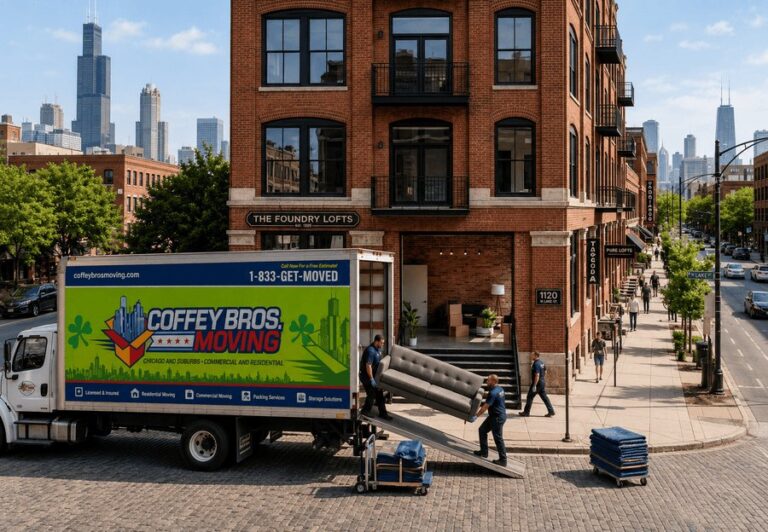
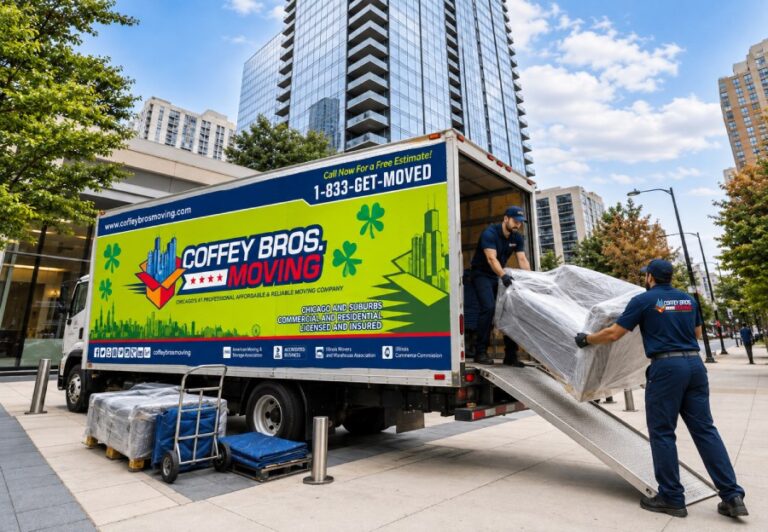
Navigating the dense, bustling streets of River North, the Gold Coast, and the Loop presents significant logistical hurdles during these major residential shifts. When a massive luxury building opens its doors to the public, hundreds of tenants often attempt to move in simultaneously, creating immense congestion. Managing tight street parking, strict municipal regulations, and limited loading dock access requires a highly sophisticated and experienced approach to urban relocation.
According to recent demographic data from the U.S. Census Bureau, Cook County continues to experience dynamic shifts in population density, with high-density urban centers attracting a significant influx of young professionals and high-income renters who prioritize modern amenities, walkability, and transit-oriented developments.
“When a brand-new luxury high-rise opens its doors to residents, the sheer volume of arrivals can easily overwhelm standard moving procedures,” says Ken Coffey, founder of Coffey Bros Moving. “We often find ourselves coordinating dozens of client arrivals at a single property on the very same day, which demands flawless timing, specialized equipment, and constant communication with on-site building management.”
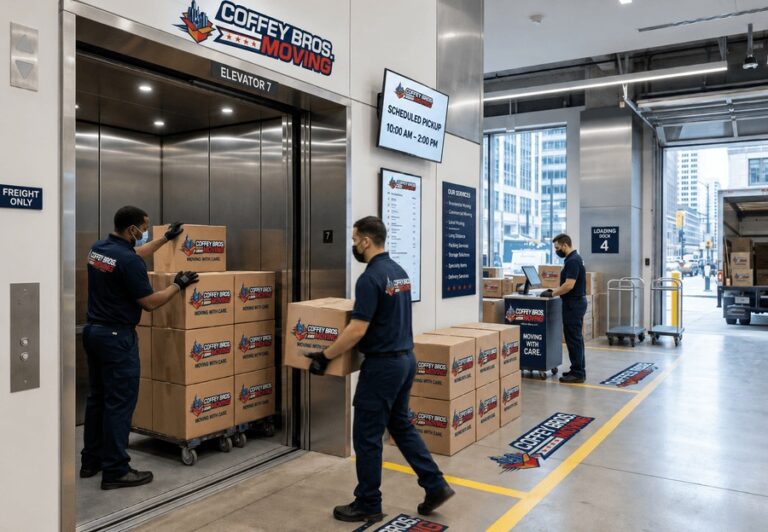
In these vertical communities, the physical challenges of moving are amplified by the architecture itself. Moving heavy, high-end furniture through narrow service corridors and operating within strict freight elevator time slots requires meticulous planning. Professional moving crews must carefully protect pristine hallway walls, glass fixtures, and hardwood floors while maintaining a rapid pace to avoid delaying other scheduled arrivals.
Data from the Chicago Metropolitan Agency for Planning highlights that freight and service transport patterns in the downtown core have become increasingly congested over the last decade, requiring logistics providers to adapt to tighter delivery windows and stricter municipal idling regulations to maintain urban mobility and safety.
“Successful urban relocation is entirely dependent on thorough pre-move coordination and precise scheduling,” explains Ken Coffey. “If you do not secure the freight elevator weeks in advance or fail to understand the specific loading dock dimensions of a new high-rise, the entire moving process can quickly grind to a frustrating and costly halt for everyone involved.”
While the downtown core experiences intense vertical relocation activity, the ripple effects of this luxury construction boom extend deep into the surrounding suburbs. Affluent renters frequently transition between high-end developments in vibrant suburban hubs like Naperville, Evanston, and Oak Park. These suburban moves present their own unique challenges, balancing longer transit times with different local parking regulations and property layouts.
The National Association of Realtors reports that suburban multifamily housing markets across the country have seen a steady increase in demand, with luxury rental properties in suburban transit-oriented developments experiencing rapid lease-up rates that closely mirror the fast-paced activity found in major metropolitan centers.
For consumers planning a move into a luxury property, early preparation is the key to a stress-free transition. It is essential to request certificate of insurance templates from your mover early, measure large furniture pieces to ensure they fit through tight entryways, and coordinate directly with property managers regarding specific moving day policies and elevator reservations.
A recent study on regional growth by the Chicago Metropolitan Agency for Planning indicates that transit-adjacent luxury developments have stimulated localized economic growth, resulting in a fifteen percent increase in residential turnover and professional relocation services within these specific neighborhood corridors over the last five years.
“At the end of the day, our primary goal is to build lasting trust with our clients by delivering an elite level of service on every single job,” says Ken Coffey. “We understand that moving into a luxury residence is a major life milestone, and we treat every item with the utmost care to ensure a seamless, stress-free transition.”
In conclusion, the surge of luxury apartment construction across Chicago continues to redefine the local moving landscape, raising the bar for operational excellence. By partnering with experienced relocation specialists who thoroughly understand the unique demands of modern high-rises, residents can enjoy a smooth, professional, and entirely stress-free transition into their sophisticated new homes.