How Chicago’s Tallest Residential Buildings Handle Moving Day
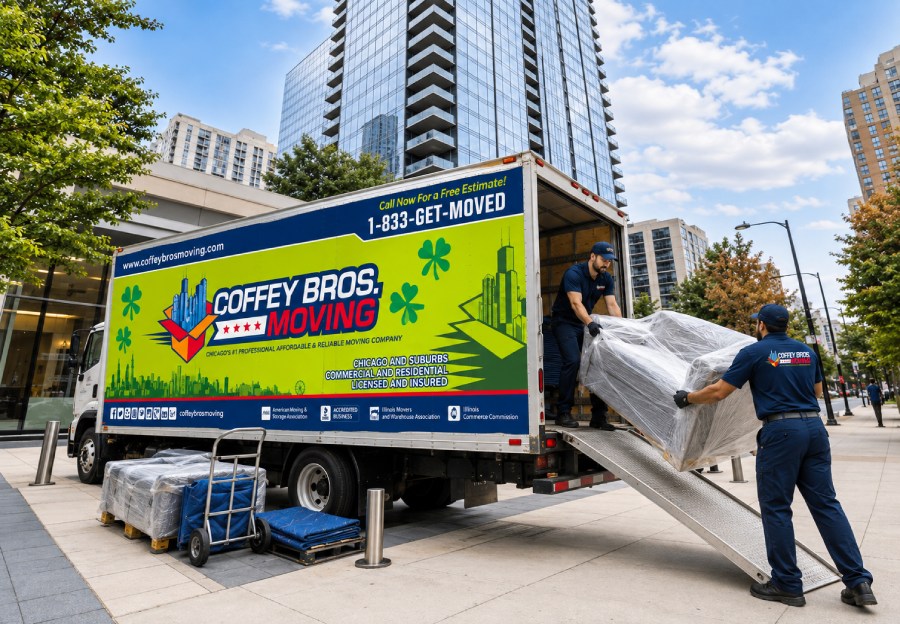
Chicago’s iconic skyline, defined by its majestic skyscrapers, offers residents unparalleled views and sophisticated urban living. Yet, beneath the glamour, these vertical communities present distinct logistical challenges on moving day. Transporting an entire household fifty stories into the air demands exceptional coordination, precision, and specialized expertise, far exceeding a typical residential relocation. Understanding these complex operations is crucial for a seamless transition, a challenge Ken Coffey, founder of Coffey Bros Moving, knows intimately.
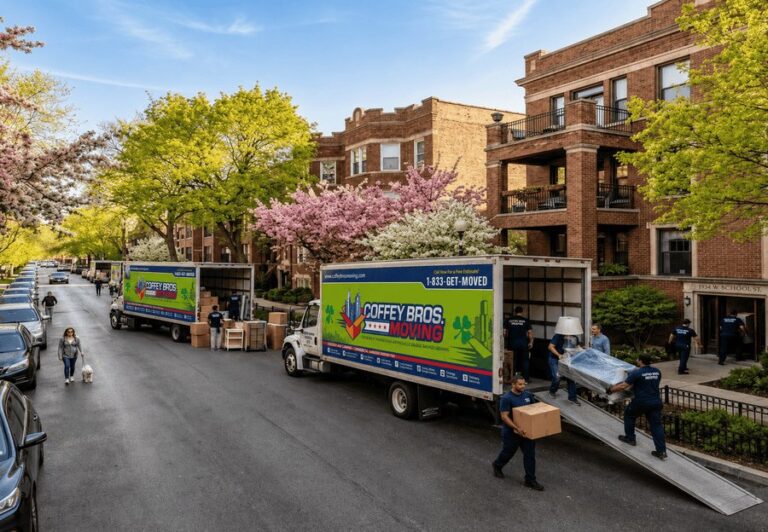
The dense urban fabric of Chicago, particularly in areas like River North, the Gold Coast, or the bustling Loop, amplifies these moving complexities. Narrow streets, limited parking, and constant traffic flow create a demanding environment for any moving operation. Navigating these constraints requires local knowledge and strategic planning.
According to recent U.S. Census Bureau data, Chicago’s population density in its core urban areas significantly surpasses national averages. This concentrated living means more people are moving within and between high-rise structures, intensifying the need for efficient relocation services in the city.
“Moving in a skyscraper is an exercise in vertical engineering that demands experienced handlers familiar with high-rise operations,” explains Ken Coffey, founder of Coffey Bros Moving. “You are dealing with unique wind dynamics at loading docks, high-speed elevator protocols, and strict timing windows. This high-stakes environment requires crews to work with absolute focus, ensuring every item is secured before elevator boarding.”
High-rise apartment buildings operate as self-contained ecosystems with stringent rules governing the movement of people and materials. The freight elevator, primary tool for any high-rise move, is heavily regulated. These elevators must be reserved weeks in advance, and moves completed strictly within often limited time slots, leaving no margin for delay.
A study by the Chicago Metropolitan Agency for Planning (CMAP) on urban logistics highlights that commercial vehicle traffic in downtown Chicago has increased by 15% over the last decade. This trend further complicates loading dock access and scheduling for moving companies, underscoring the need for precise coordination.
“In a seventy-story building, your move is only as fast as your elevator reservation,” Ken Coffey emphasizes. “We must coordinate our team’s pace with the elevator’s cycle time to ensure we do not exceed our allotted slot. This means efficiently packing the elevator cart, correctly staging items, and moving as a single, coordinated unit to maximize our access window and avoid costly rescheduling.”
While city high-rises present unique challenges, moving to or from Chicago’s surrounding suburbs, such as Naperville, Evanston, or Oak Park, introduces different considerations. These areas often involve larger homes, longer travel distances, and varying municipal regulations regarding parking and permits, requiring a flexible approach.
Data from the National Association of Realtors indicates a steady trend of residents moving between urban centers and suburban communities, particularly within major metropolitan areas like Chicago. This dynamic migration pattern necessitates moving companies to be proficient in both high-rise and traditional residential logistics.
For consumers, meticulous preparation is paramount. This includes thoroughly decluttering, clearly labeling all boxes, and understanding your building’s specific moving policies well in advance. Communicating these details to your chosen moving company ensures they can plan accordingly for a smooth, efficient relocation.
A recent report by the City of Chicago’s Department of Planning and Development notes an ongoing increase in new high-rise residential construction. This growth reflects sustained demand for vertical living, further solidifying the critical role of specialized moving services in the city’s evolving urban landscape.
“Ultimately, successful skyscraper moves depend on experience, meticulous planning, and building trust,” Ken Coffey states. “We understand the distinct personality and rules of each building, coordinating closely with property managers. By providing required Certificates of Insurance and utilizing proper floor protection, we ensure the transition into a vertical home is as smooth and stress-free as possible, earning our clients’ confidence.”
Navigating the complexities of moving in Chicago’s tallest residential buildings demands unparalleled expertise and strategic execution. From intricate elevator logistics to precise loading dock management, every detail matters. Coffey Bros Moving stands ready to provide professional, customer-focused service, ensuring every relocation, whether high-rise or suburban, is handled with the utmost care and efficiency.