What Student Housing Turnover Means for Chicago Movers
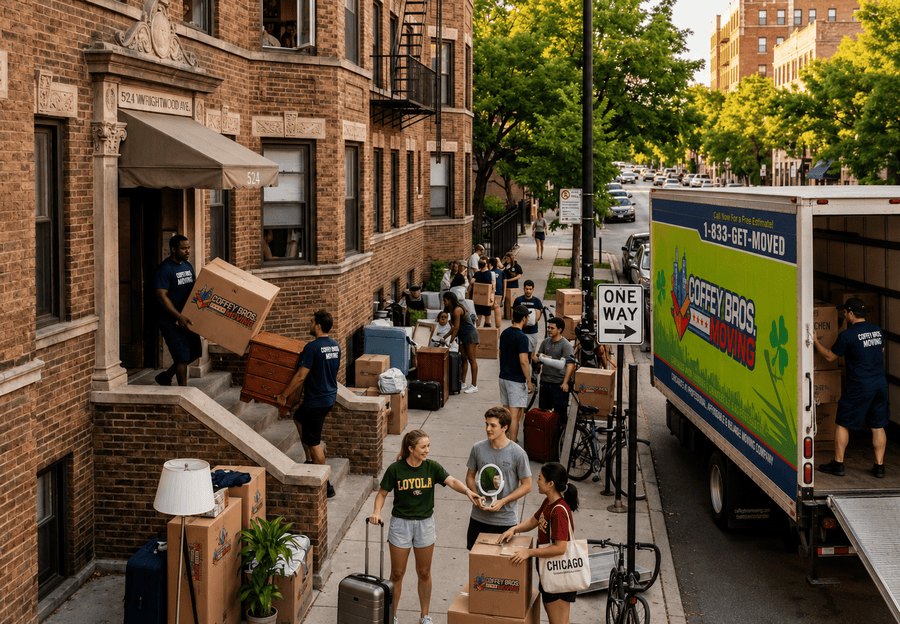
Every single year, the seasonal shift in student housing creates a massive logistical challenge across the Chicago area as thousands of university students relocate simultaneously. This intense period of transition requires exceptional coordination and deep industry expertise to execute successfully. Ken Coffey, the dedicated founder of Coffey Bros Moving, has spent years studying these cyclical patterns to ensure his team remains fully prepared for the annual rush.
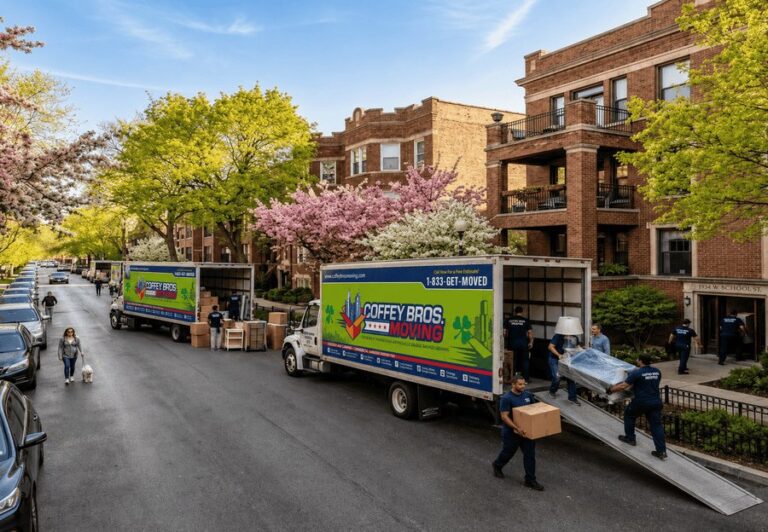
Navigating this massive influx of relocations is particularly challenging in densely populated urban corridors. In bustling and historic neighborhoods like River North, the Gold Coast, and the Loop, narrow streets and limited parking make moving large trucks incredibly difficult. Movers must constantly deal with strict municipal parking restrictions, heavy pedestrian traffic, and tight loading docks while trying to keep transitions on schedule.
According to recent demographic data published by the U.S. Census Bureau, Chicago remains one of the most densely populated major cities in the nation, with over eleven thousand people per square mile. This extreme density dramatically intensifies the logistical friction experienced during peak moving seasons when thousands of residents change addresses at the exact same time.
“Managing the sheer volume of student moves in such a compressed timeframe requires an extraordinary level of operational discipline,” says Ken Coffey, the founder of Coffey Bros Moving. “If you do not have a highly precise plan for truck staging and crew dispatching, a simple relocation can quickly turn into a logistical nightmare for both the client and the neighborhood.”
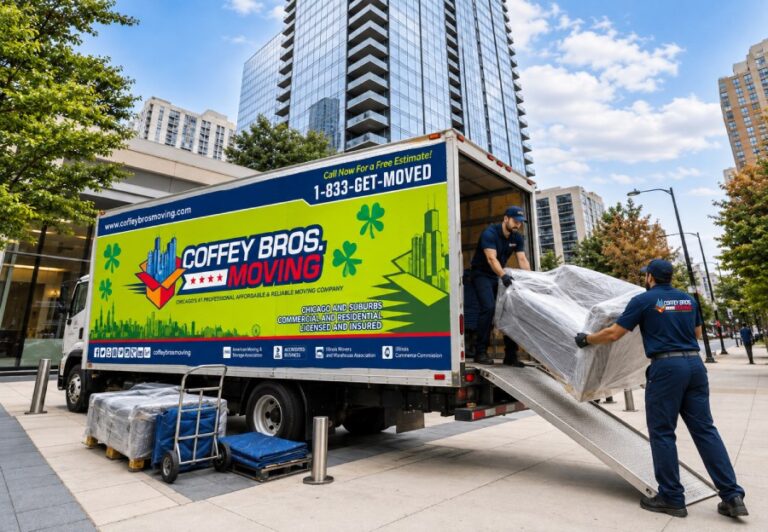
High-rise apartment buildings present unique obstacles, including strict rules regarding freight elevator reservations and limited move-in windows. City logistics require moving crews to navigate low-clearance parking garages, secure proper street permits, and transport heavy furniture through narrow stairwells and long hallways. Without professional guidance, unprepared students often face unexpected delays and costly building penalties during their transition.
Data from the Chicago Metropolitan Agency for Planning highlights that freight and service transport patterns in the metropolitan area are highly sensitive to seasonal congestion. Their research indicates that localized traffic delays increase significantly during major regional transition events, directly impacting the efficiency of commercial transport and delivery services across the city.
“We emphasize proactive communication with property managers to secure elevator times and understand specific building rules well in advance,” explains Ken Coffey. “By coordinating these details before the moving truck even arrives, we can eliminate the typical friction points that slow down the process and ensure a seamless transition for every student we serve.”
While the urban core presents distinct challenges, the surrounding suburbs also experience significant moving activity during the academic transition. In communities like Evanston, Oak Park, and Naperville, the logistics shift from high-rise elevators to navigating quiet residential streets and managing single-family home relocations. Each suburban environment requires a tailored approach to ensure local regulations and neighborhood peace are fully respected.
According to research from the National Association of Realtors, suburban housing markets surrounding major academic hubs continue to see steady demand, with rental turnover rates peaking during the late spring and summer months. This consistent demand highlights the widespread geographic impact of academic cycles on the broader regional real estate and relocation industries.
For students and families preparing for a move, early preparation is the key to minimizing stress. Consumers should create detailed inventory lists, label boxes clearly by room, and confirm all building reservations at least two weeks prior to the move. Additionally, hiring licensed professionals who understand local parking regulations can prevent expensive municipal fines and ensure a much safer relocation experience.
A study by the City of Chicago on neighborhood mobility patterns reveals that seasonal residential moves contribute to a measurable rise in short-term parking permit requests during peak academic transition weeks. This localized surge underscores the critical need for coordinated urban planning and professional moving services to mitigate neighborhood congestion and maintain public transit flow.
“Our ultimate goal is to build lasting trust with our clients by delivering exceptional service during what can be a highly stressful time,” says Ken Coffey. “We treat every item with the utmost care and treat every client with respect, ensuring that their first step into a new home is a positive and memorable experience.”
In conclusion, navigating the complex landscape of student housing turnover in Chicago requires a blend of local expertise, meticulous planning, and professional execution. By understanding the unique challenges of both urban high-rises and suburban neighborhoods, professional movers help ease the burden of relocation. This dedicated support allows students to focus on their academic journeys while enjoying a seamless, stress-free transition.